
Skin Two-Point Discrimination Test Disk
Print Profile(1)

Description
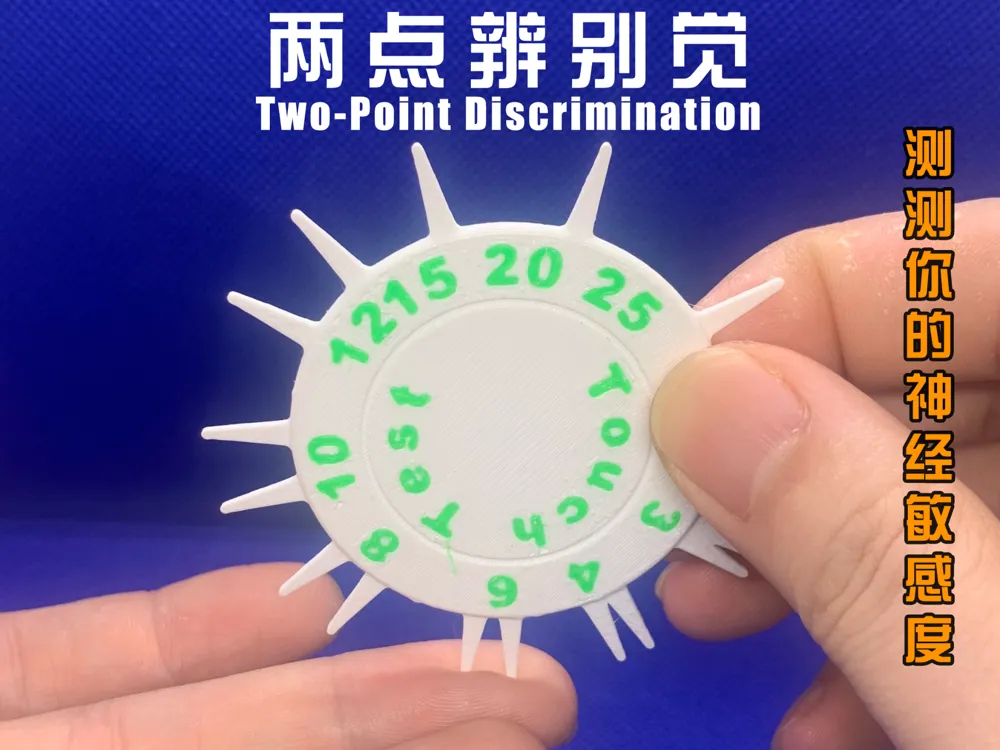
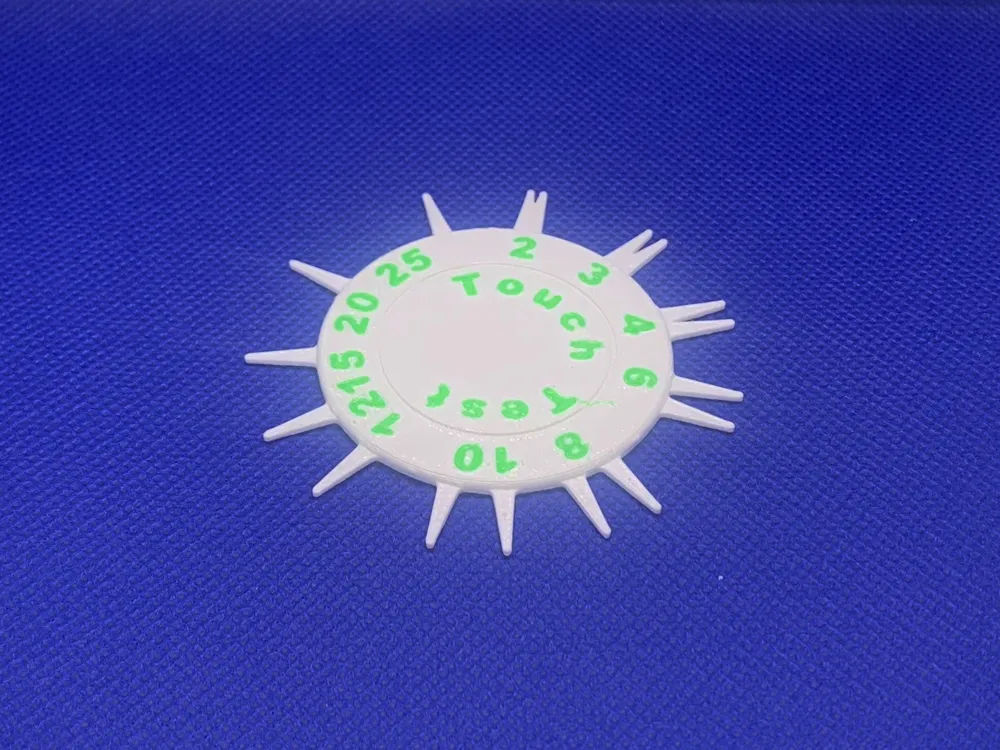
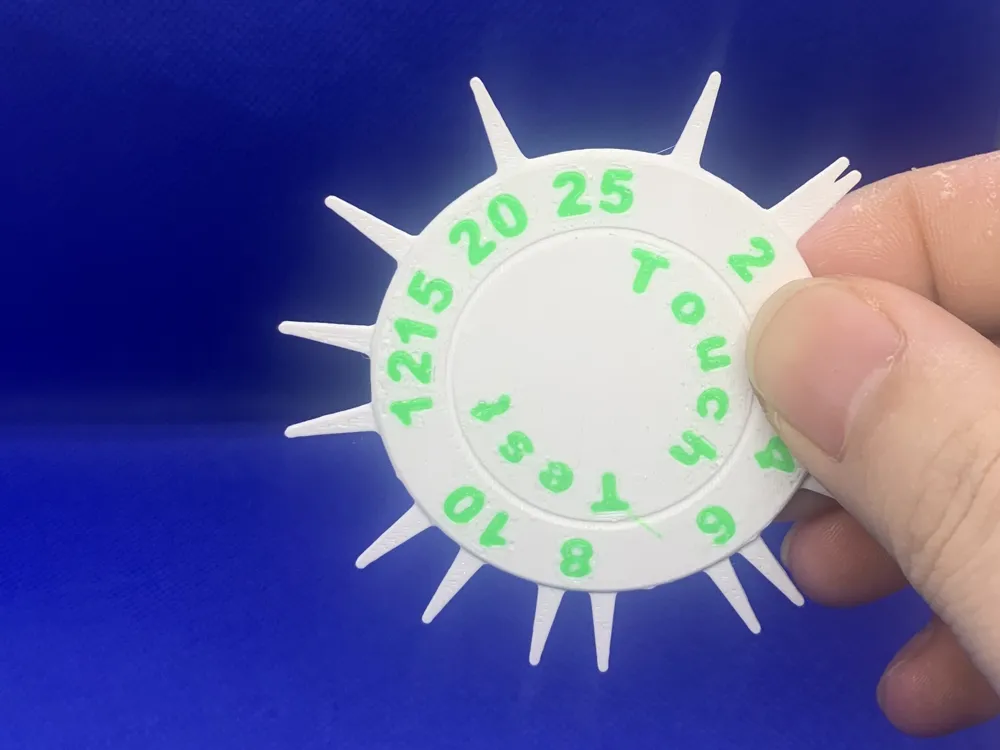
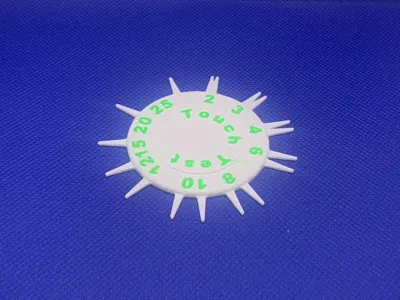
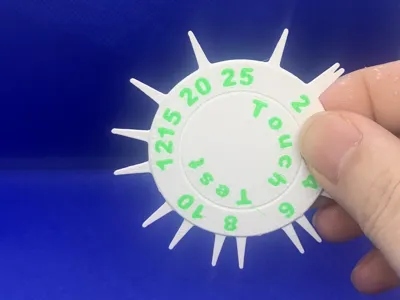
Two-Point Discrimination is a clinical examination method used to assess skin tactile sensitivity and nervous system function. It measures the minimum distance at which an individual can distinguish two separate touch points, that is, the smallest interval at which a person can feel two points rather than one when two points simultaneously lightly touch the skin.
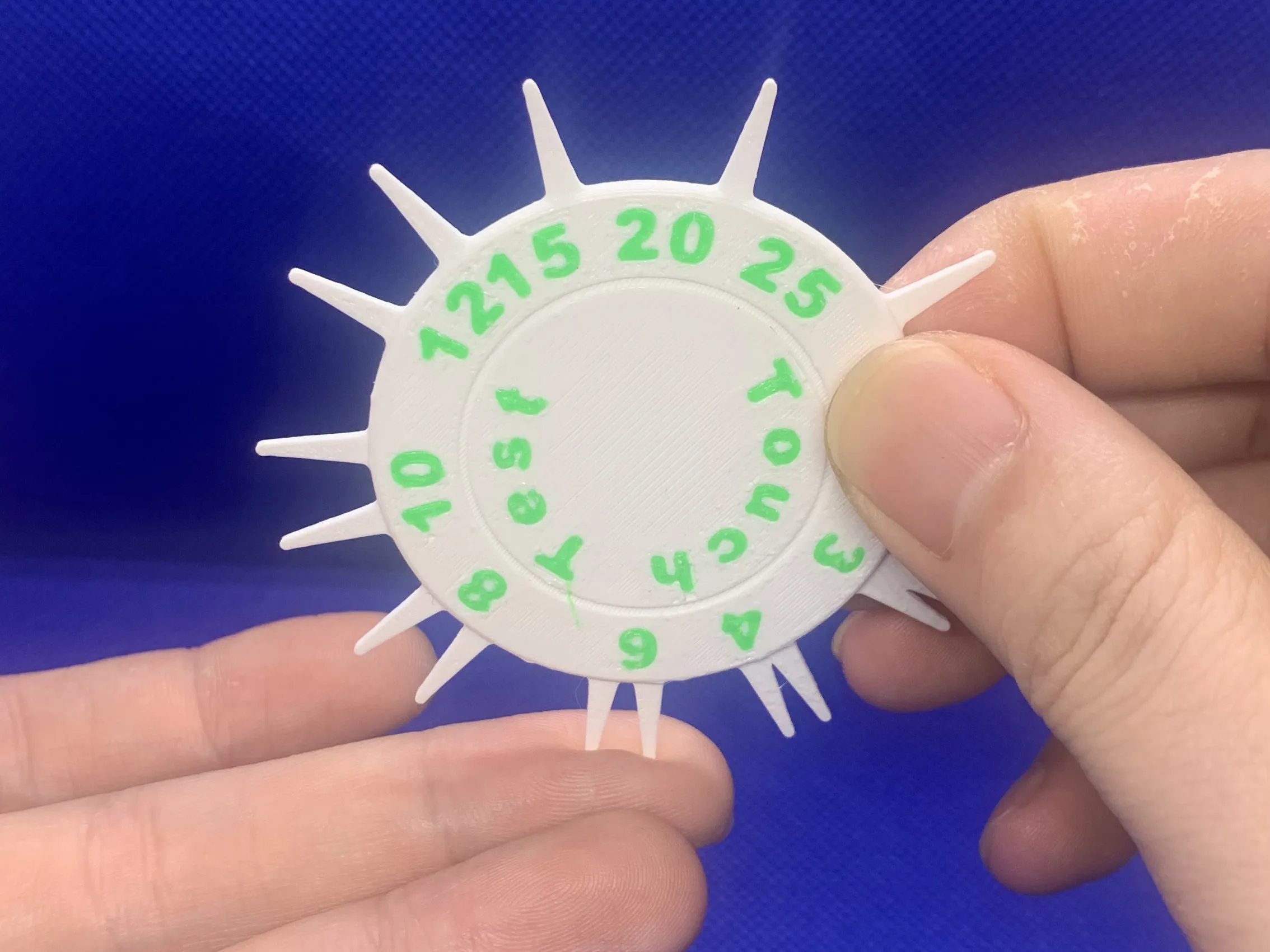
Instructions for Use:Lightly touch the skin with both tips simultaneously, starting from a larger spacing and gradually reducing the distance until the subject perceives the two points as merging into one. Record the minimum distance at which two points can be clearly distinguished.
Normal Reference Values (Adults)
- Fingertips: 2–5 mm
- Palm: 5–12 mm
- Lips: 5–10 mm
- Tongue Tip: 1–2 mm
- Forearm: 20–30 mm
- Upper Arm/Back: 30–70 mm
Age-Related Trend
| Age Group | Two-Point Discrimination Level | Approximate Fingertip Threshold (mm) |
|---|---|---|
| Infants/Toddlers (<3 years) | Poor, developing | 8–15 mm |
| Children (5–12 years) | Gradually improving | 4–8 mm |
| Adolescence–Middle Age | Optimal | 2–5 mm |
| Elderly (>65 years) | Declining | 6–12 mm or higher |
Precautions
- During testing, ensure the subject's eyes are closed to avoid visual interference.
- The touch force should be gentle and consistent to avoid causing tenderness.
- Single-point stimulation can be interspersed randomly to prevent the subject from guessing.
Recommended models
Socket Screw Decorative Washer Generator


License

You shall not share, sub-license, sell, rent, host, transfer, or distribute in any way the digital or 3D printed versions of this object, nor any other derivative work of this object in its digital or physical format (including - but not limited to - remixes of this object, and hosting on other digital platforms). The objects may not be used without permission in any way whatsoever in which you charge money, or collect fees.


Comment & Rating (1)