
Print Profile(1)

Description
Boost Me (for free)
Did you know? MakerWorld gives out free Boost tokens to active users! These tokens can be used to support any model you love -- at no cost to you. You may not even know that you have Boost tokens. But they are a big help to creators. Please show your appreciation by boosting the models that you like.
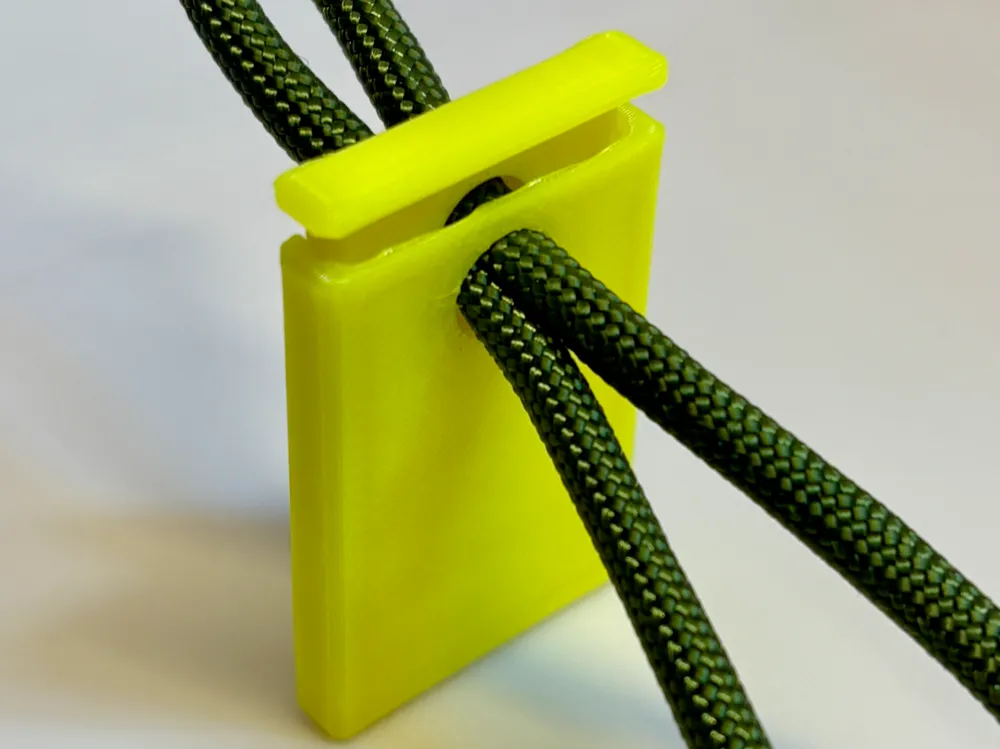
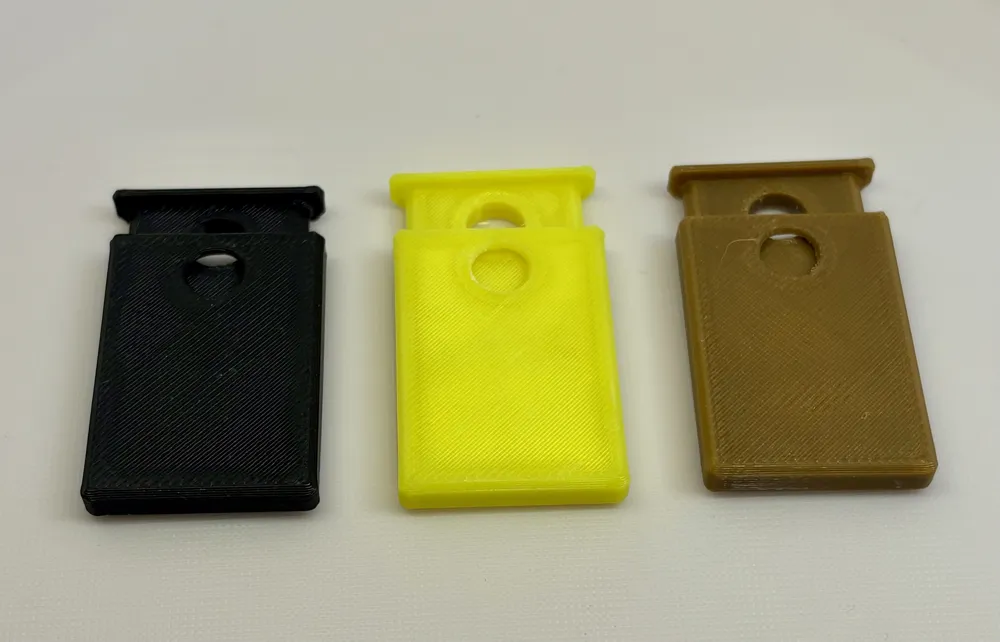
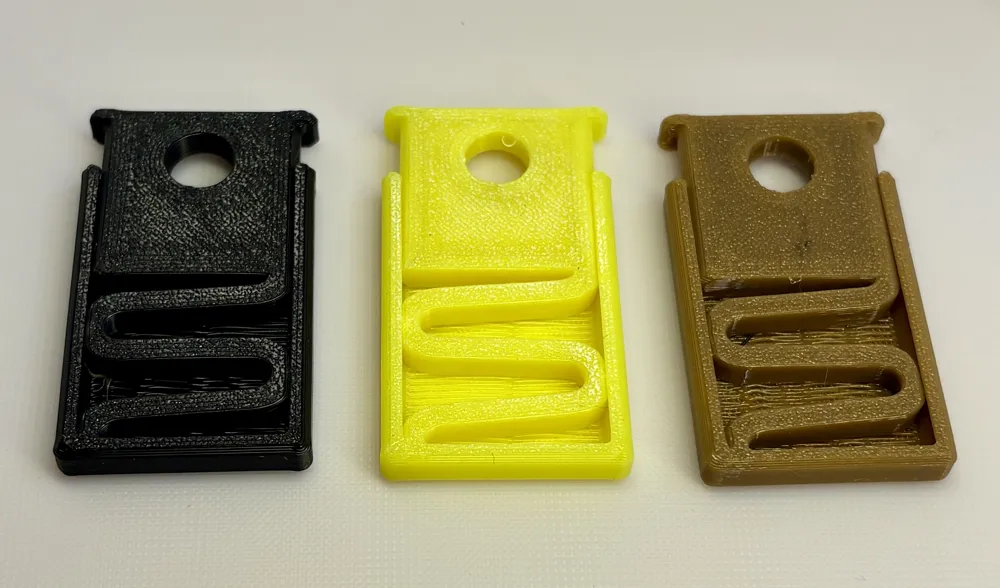
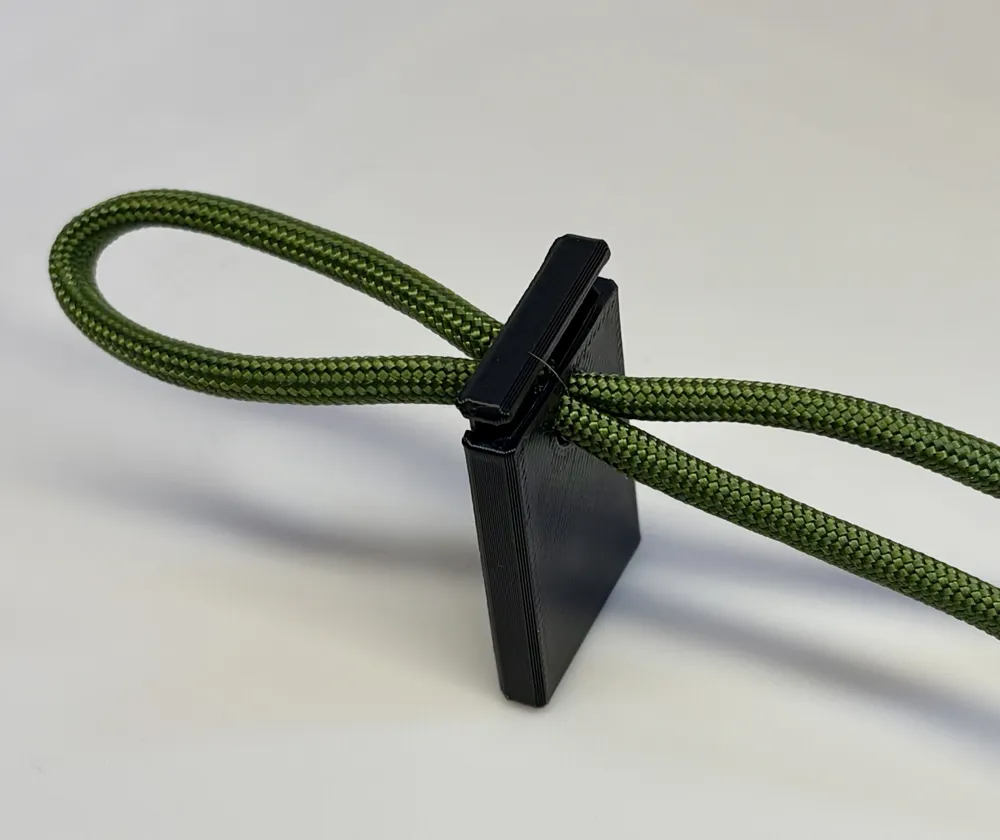
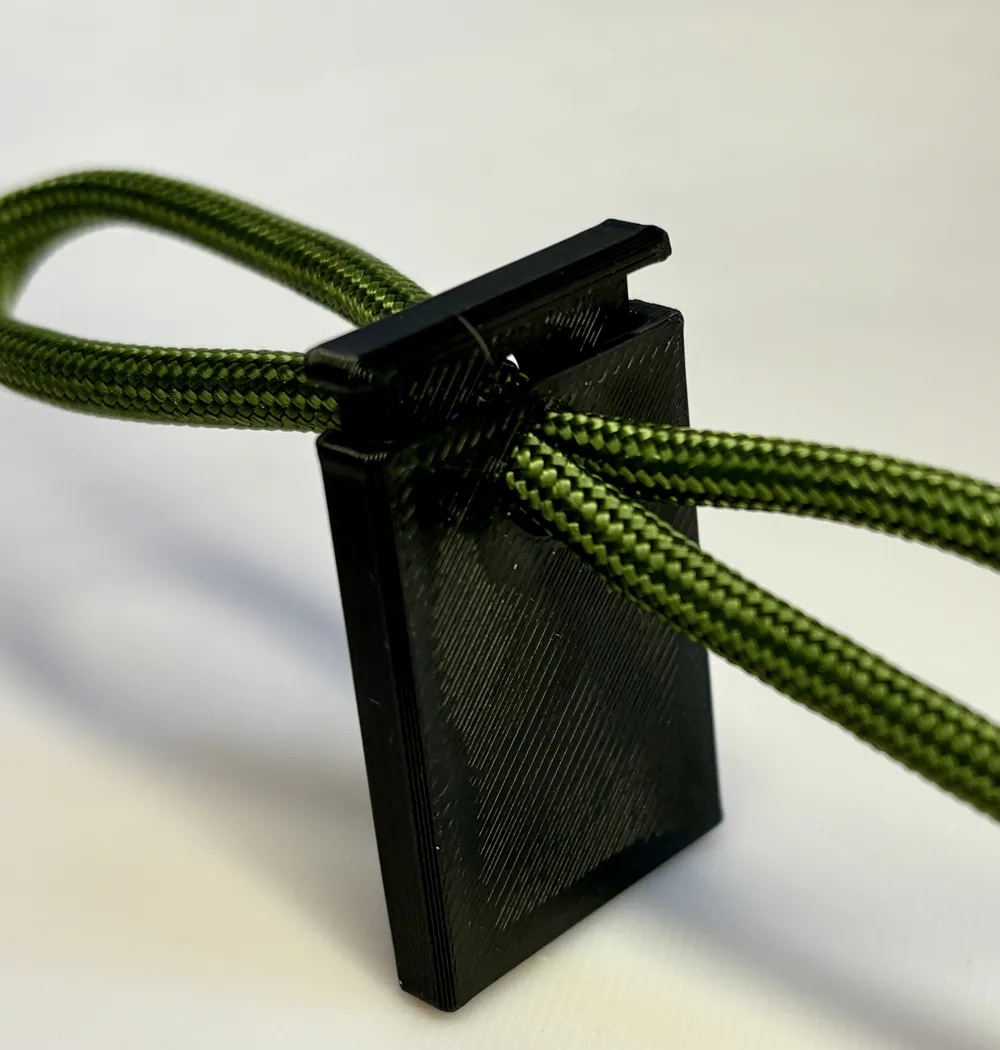
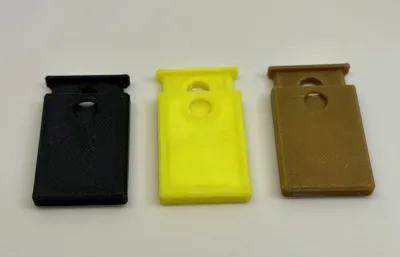
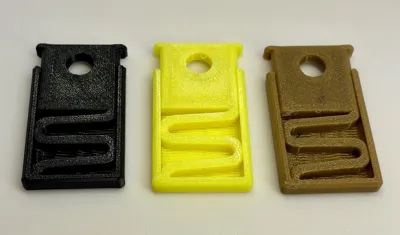
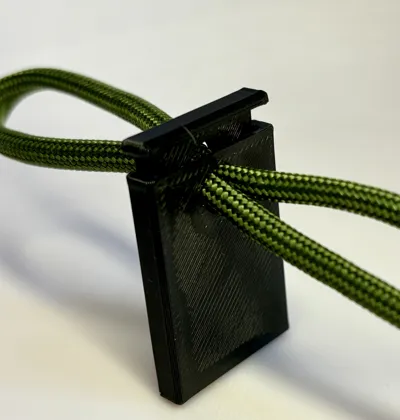
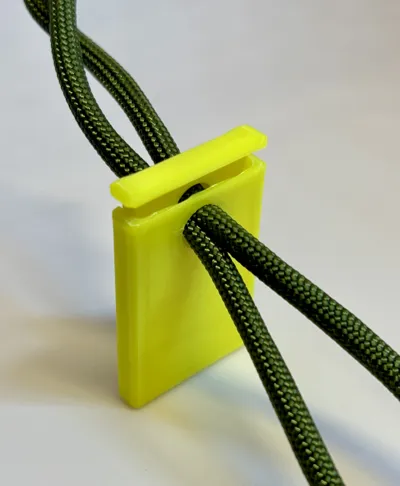
Tame slack and tighten up with this ultra-slim cord lock featuring a fully 3D printed internal spring—no hardware, no fuss, just clean, printable tension. Whether you're cinching elastic laces, drawstrings, or DIY gear loops, it delivers secure hold in a compact, low-profile form.
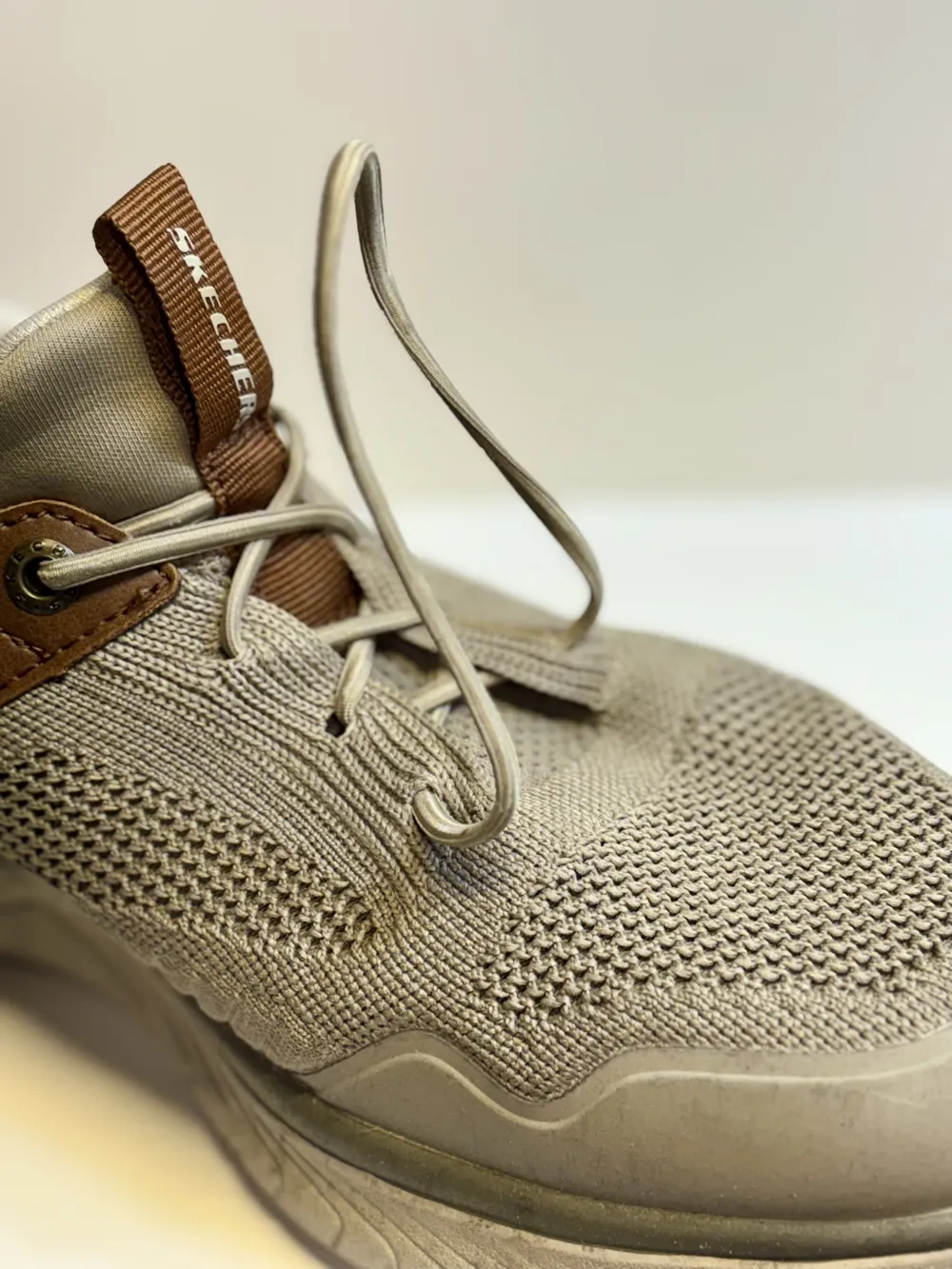
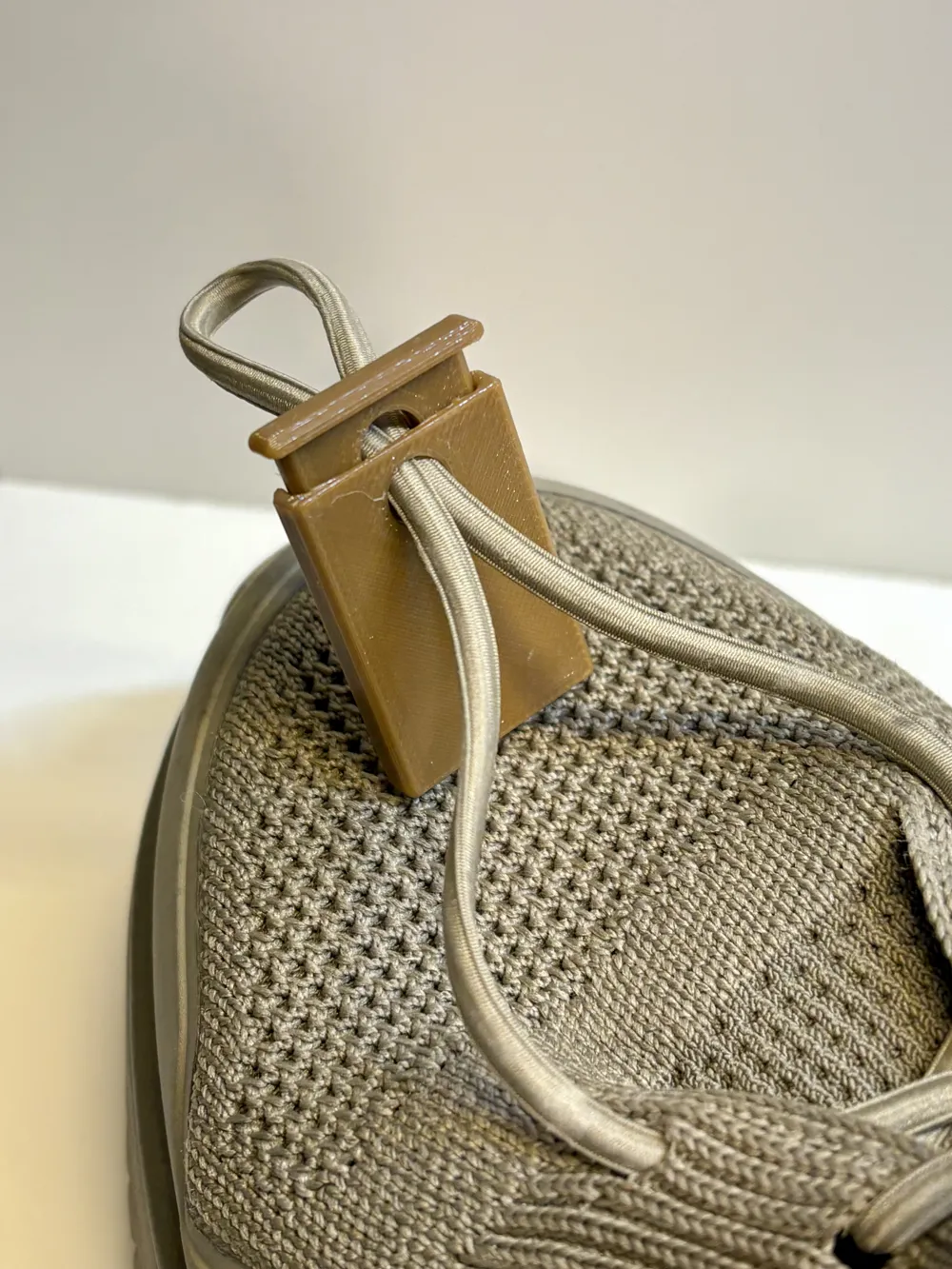
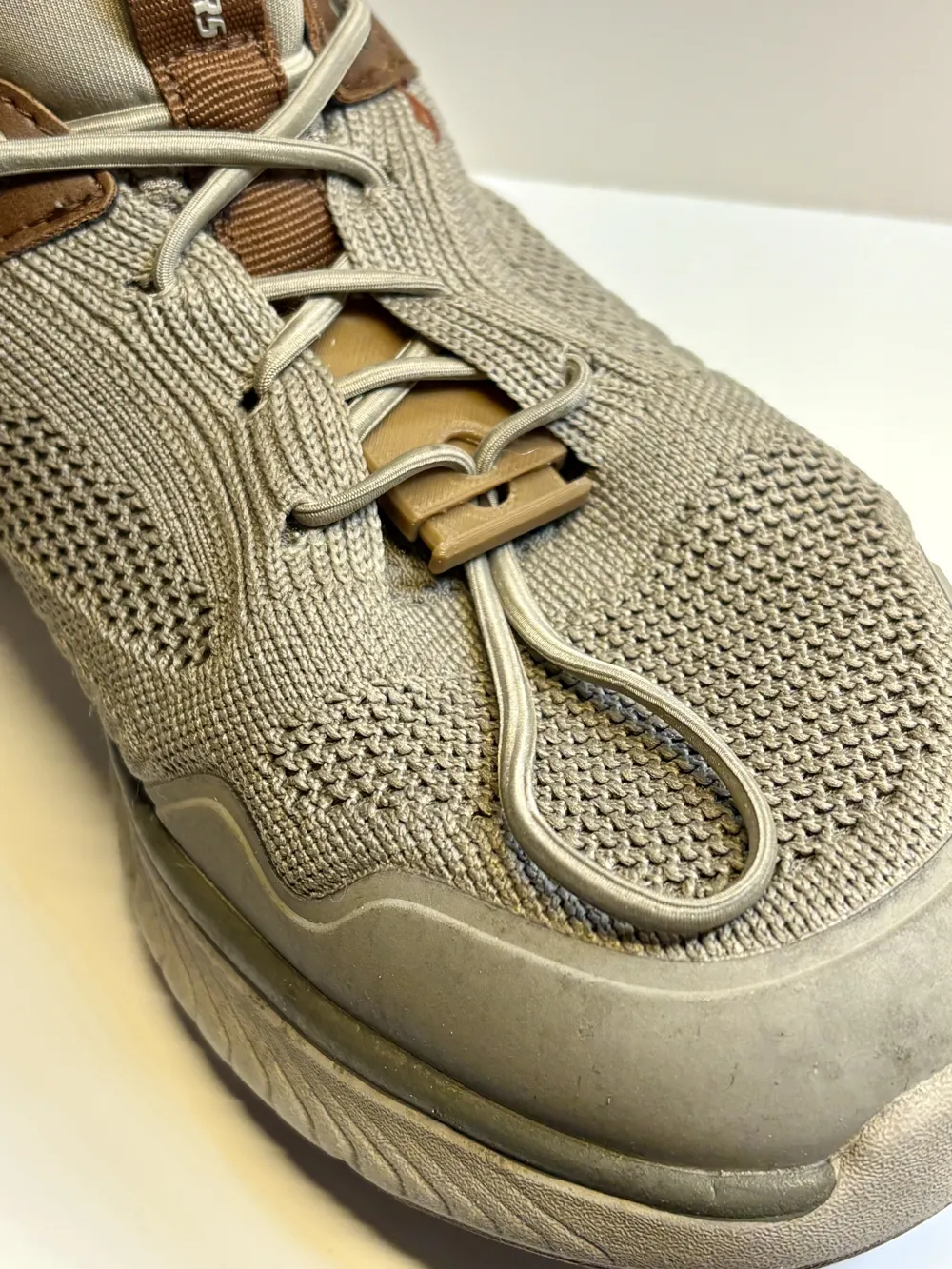
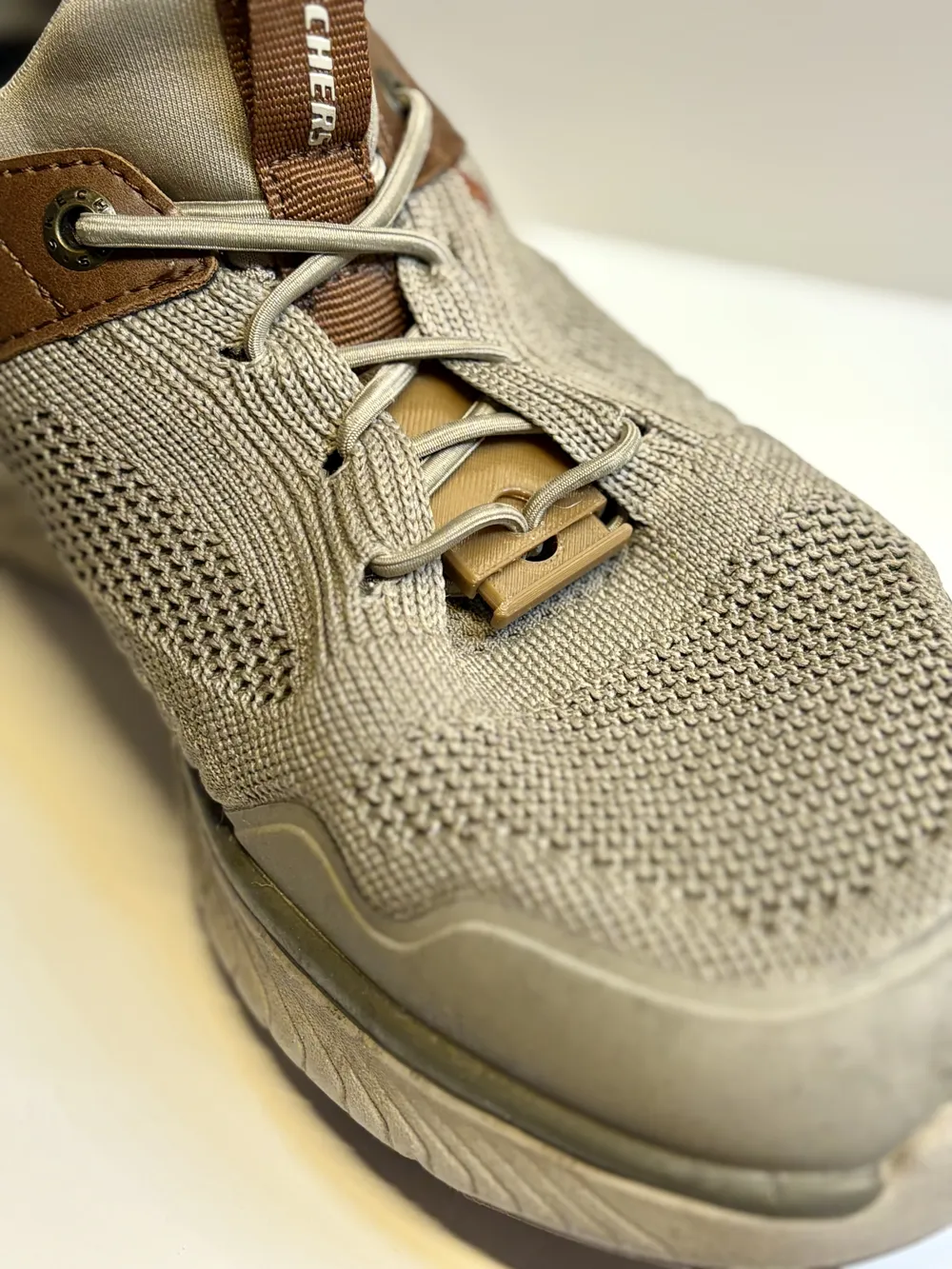
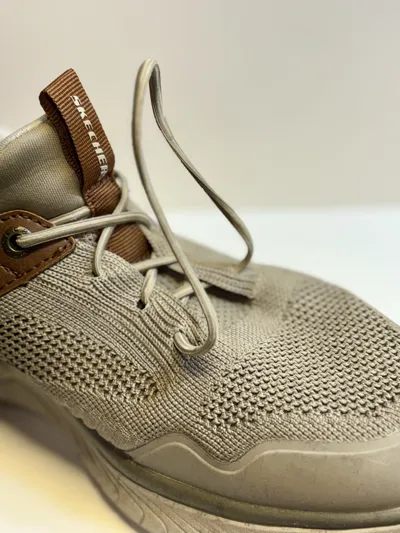
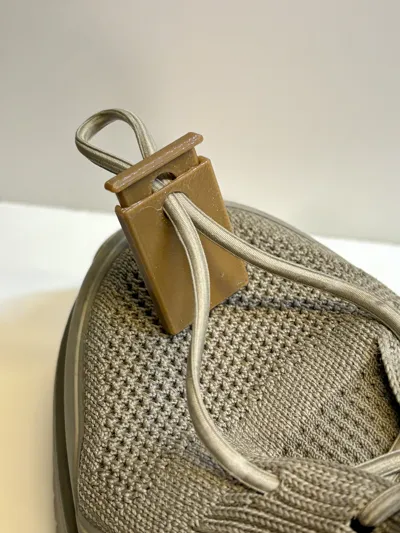
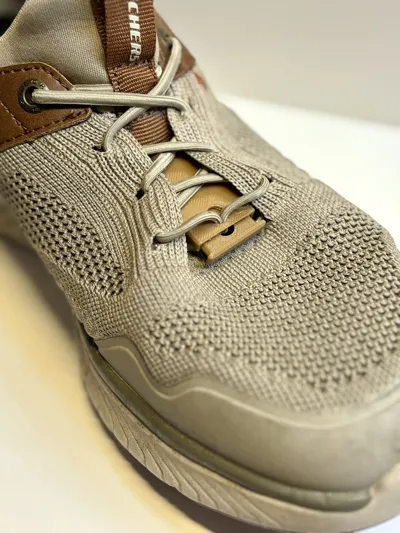
Do you have shoes with faux elastic laces that can't easily be tightened? This is a flat lock / stop / tensioner that was designed to solve this problem.
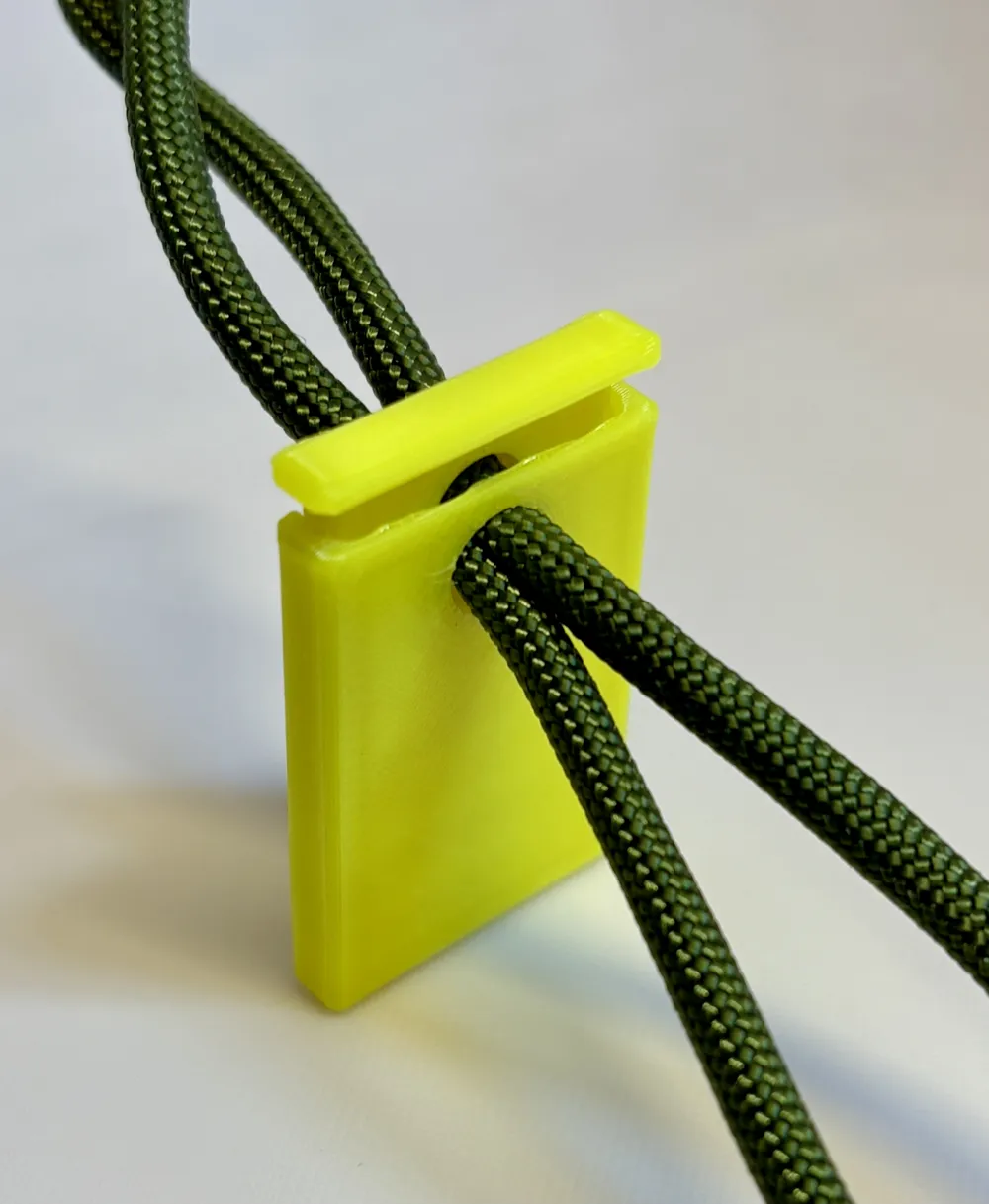
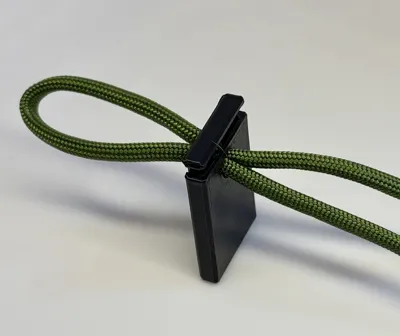
Although it was intended to be attached to shoes, it also works well with round elastic or paracord. Use it wherever it helps to have a lock that is flat (as opposed to a more traditional lock, like this one, that is not flat).
This model is 100% 3D printed. No hardware is required. It prints in place without supports.
The hole is about 6.8 mm in diameter. It should easily accommodate 2 standard round shoe laces, or two pieces of Type III paracord.
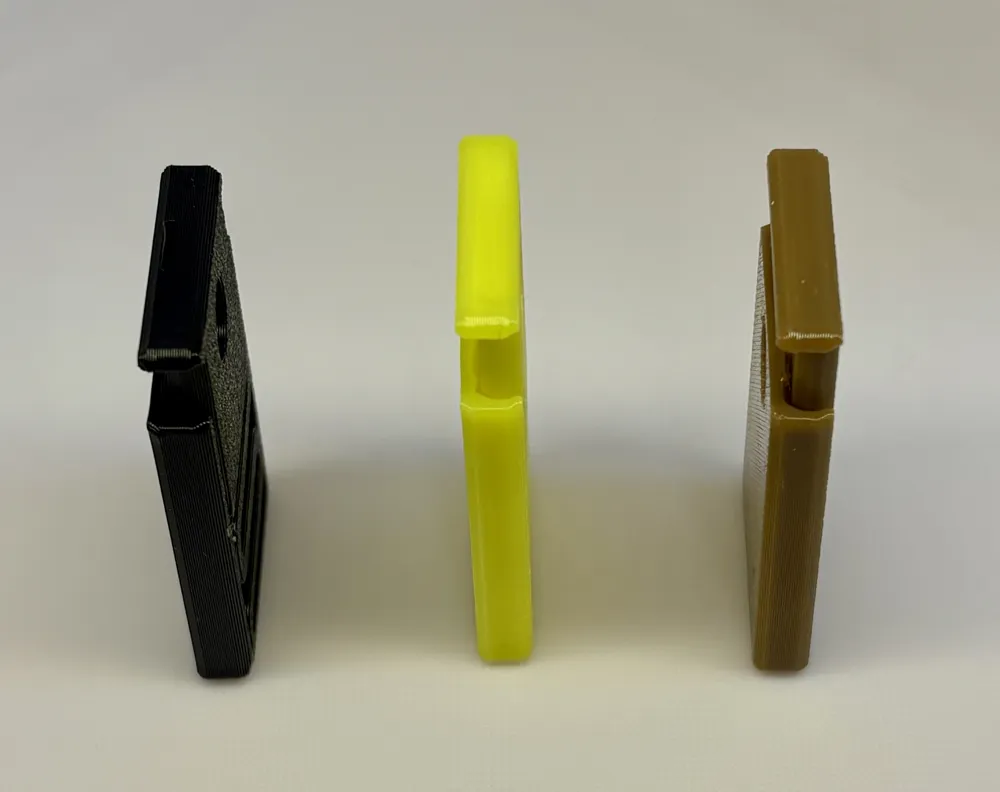
Dimensions:
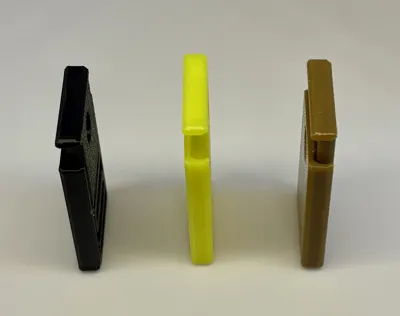
- Thickness - 5.1mm
- Width - 23.97 mm
- Length - 45.302 mm
When printing, the model includes a bridge, which your slicer may warn you about (a “floating cantilever”). The bridge should print with no problem on any well-calibrated printer. But the round hole does sometimes come out a little rough. Pinch the model closed and make a couple of turns with your deburring tool. This should clean them up easily and not impact usability.
Instructions
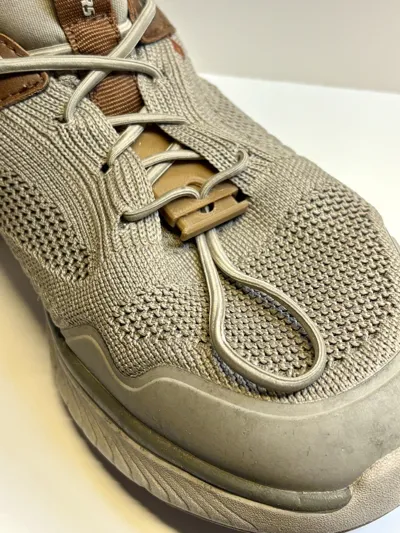
- Pull the excess slack out of your elastic shoe laces, pulling it toward the front of your shoe.
- Pinch the lace lock closed, and insert the excess slack through the hole.
- Tuck the lace lock under the laces. Also tuck the extra slack underneath.
As noted, this model includes a 3D printed spring, which is the key to making the cord lock function. As expected with springs, it needs to compress and bounce back without permanently deforming. PETG is fairly well suited for this (along with some other materials). But PLA is not well suited for this. I strongly recommend that you avoid PLA. The model was designed with PETG in mind.
Membership
My models are always available for personal use here, for free. But if you would like to sell physical prints of my models, you can do that if you subscribe to my commercial licensing membership. Thanks for your support!
License

You shall not share, sub-license, sell, rent, host, transfer, or distribute in any way the digital or 3D printed versions of this object, nor any other derivative work of this object in its digital or physical format (including - but not limited to - remixes of this object, and hosting on other digital platforms). The objects may not be used without permission in any way whatsoever in which you charge money, or collect fees.


Comment & Rating (5)