
Color Stacking Experiment to Break AMS Four-Color Limit
Print Profile(1)

Description
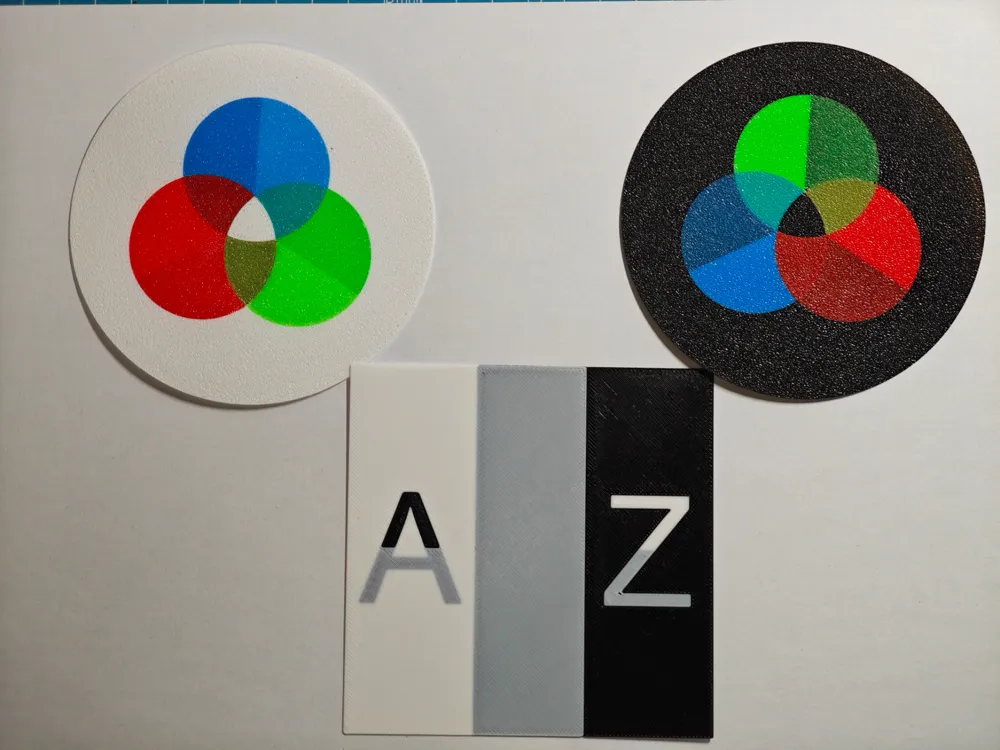
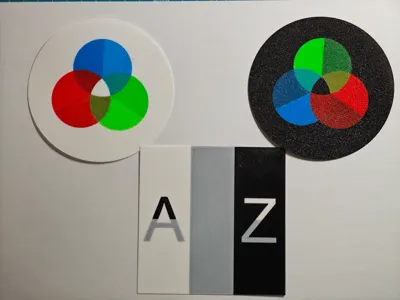
This was an inspiration I had while making my snap-on badge model. When creating complex multi-color card surfaces, the four AMS colors often feel insufficient. After trying, I found that relatively thin models can display additional colors by color stacking.
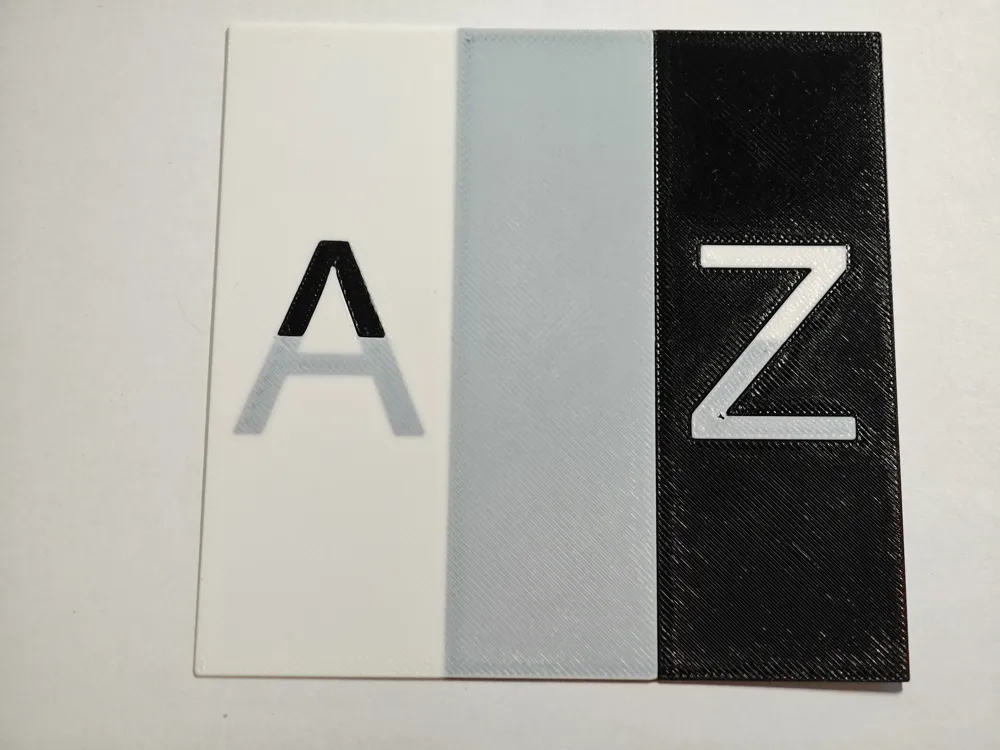
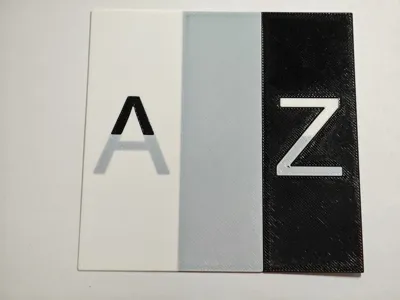
In the first case, with a black first layer and a white second layer, the final result will be gray. However, if the first layer is white and the second layer is black, it will show a dark brown color. Of course, this is related to layer height and filament characteristics. You all need to test your own filaments.
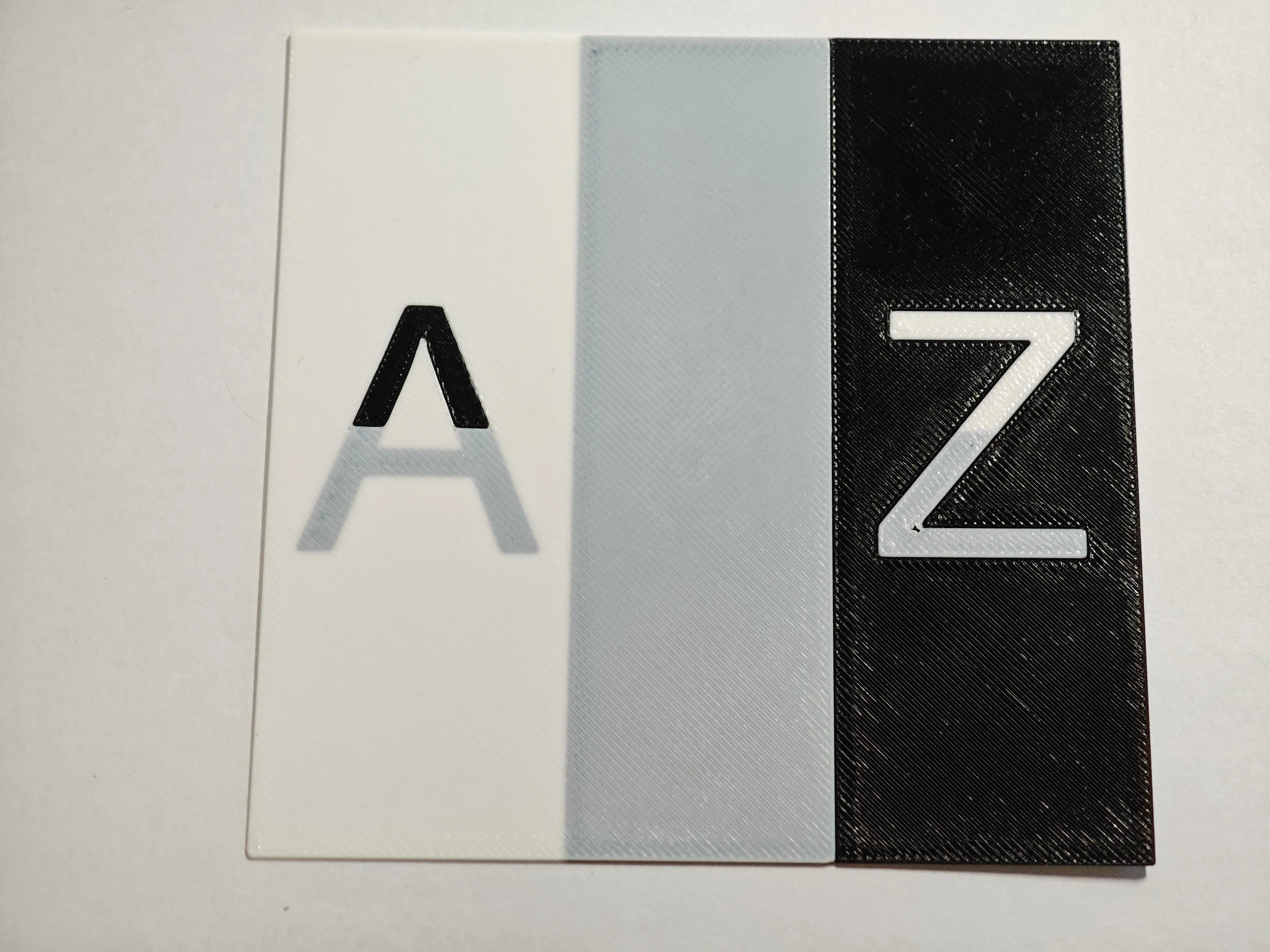
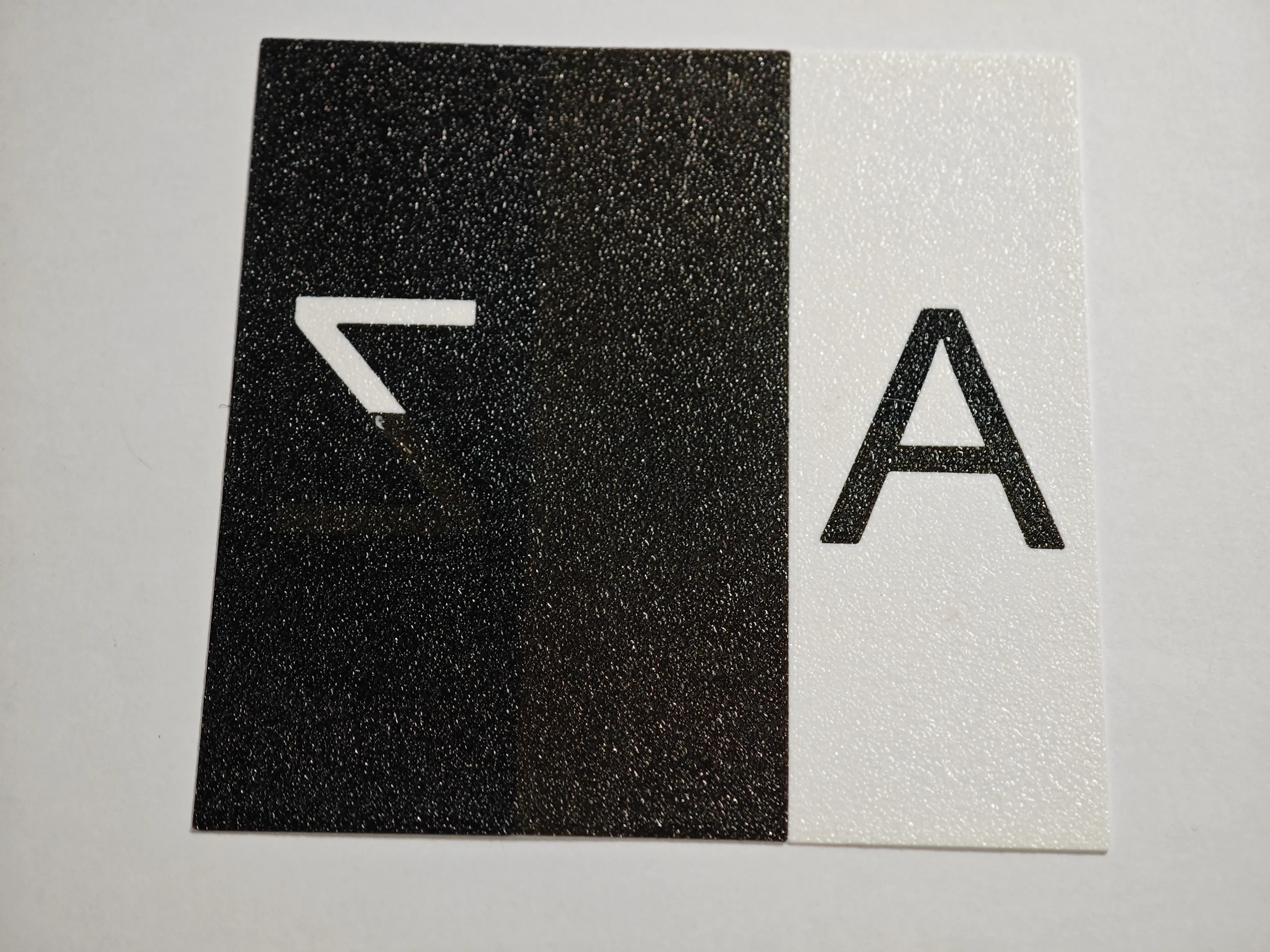
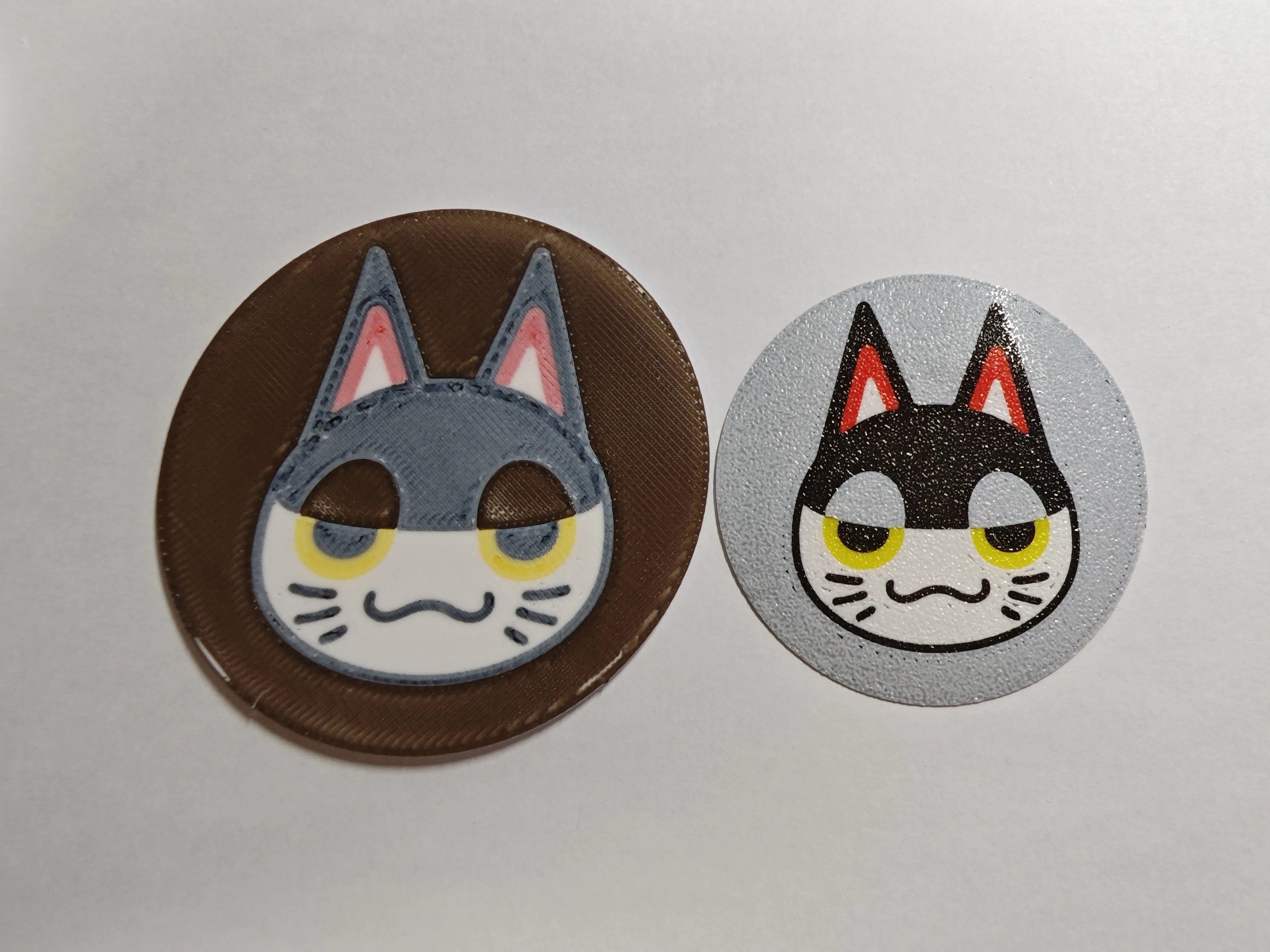
The dark brown might not be very obvious. You can see the example below, which is a card face from one of my snap-on badges. This black is relatively thin, unlike the previous case where both black and white were 0.2mm. Here, white is 0.2mm and black is 0.8mm, making the dark brown more apparent. However, this varies depending on different filament brands, so you need to experiment yourselves.
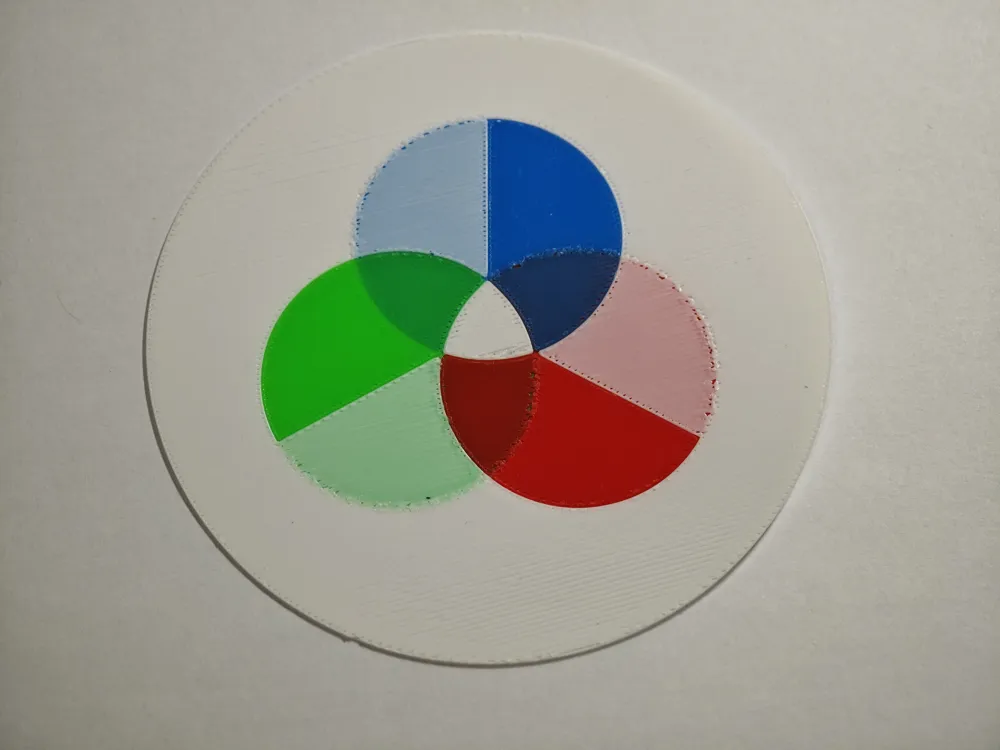
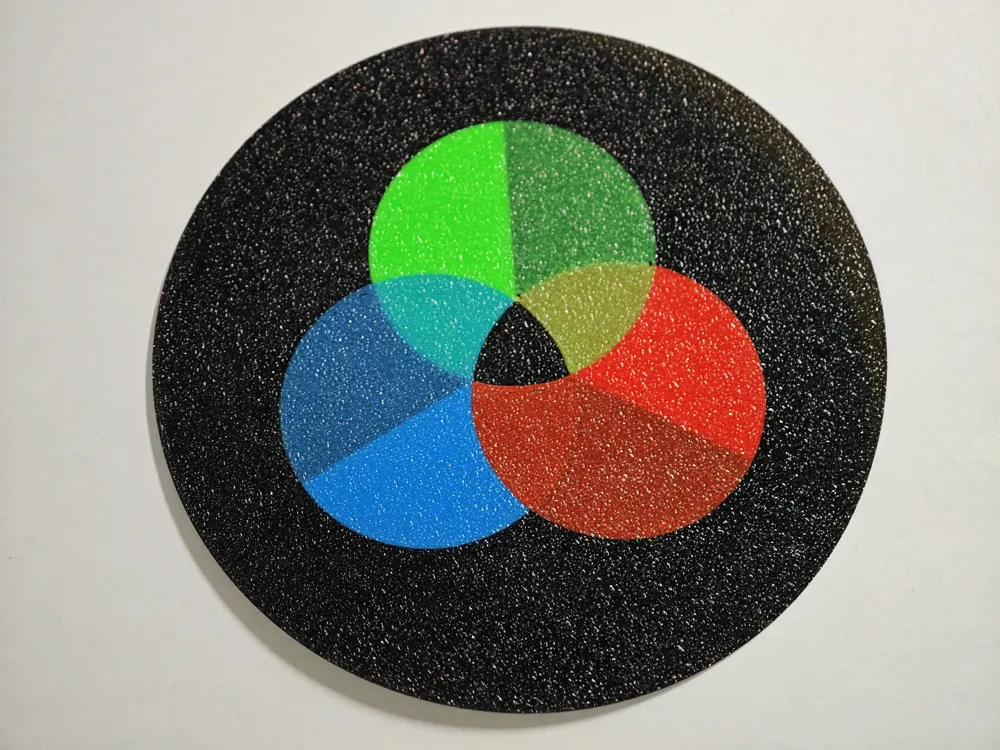
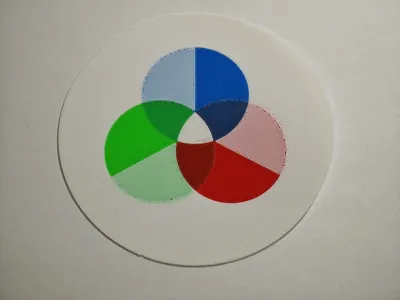
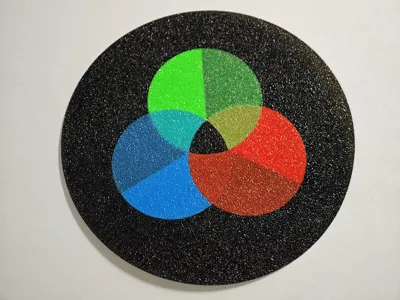
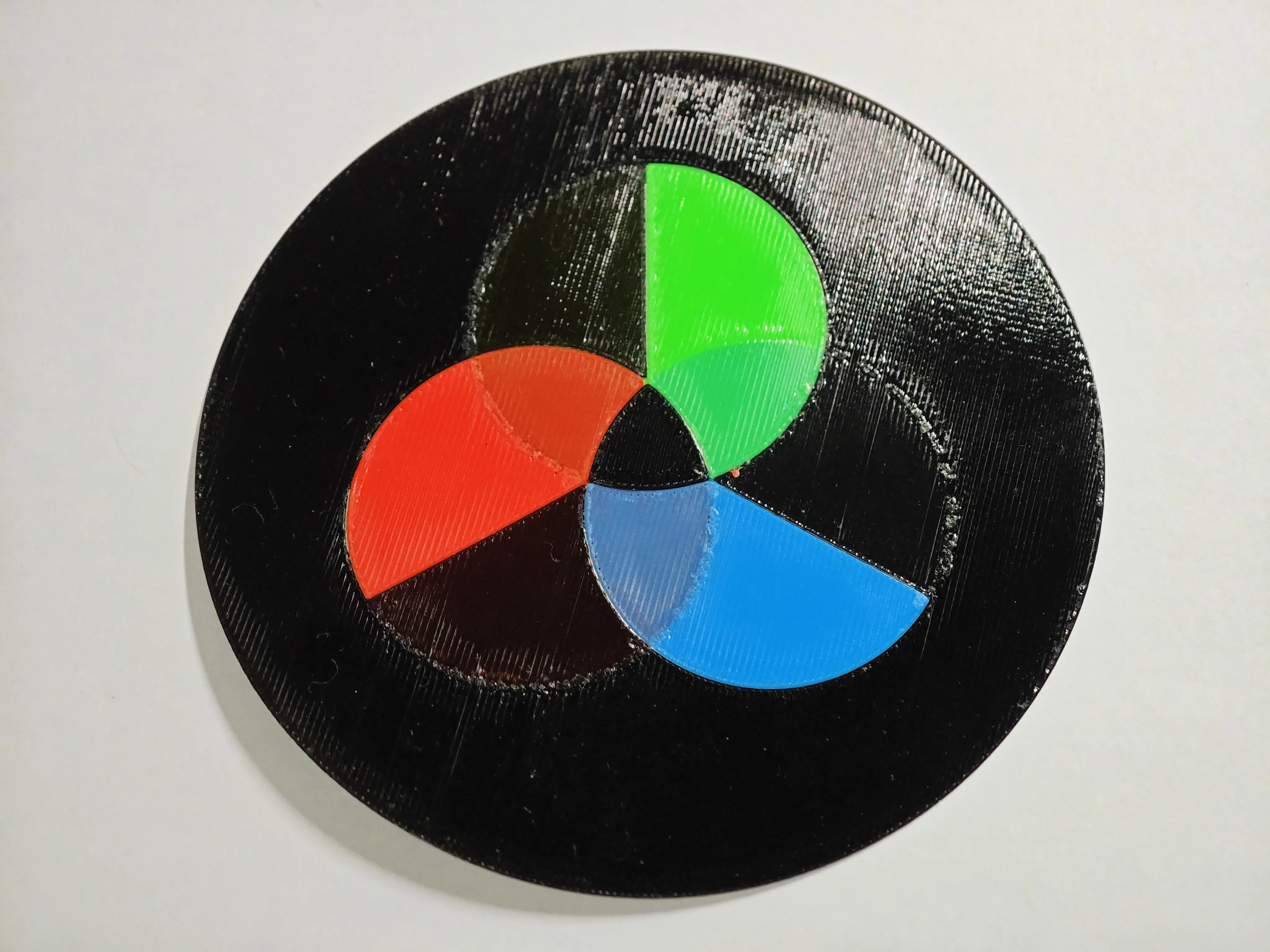
In the second case, with color and black, it can be seen that with color on top and black underneath, a deeper color is shown more effectively. If black is on top, the effect is generally mediocre. Additionally, the effect of colors overlapping each other, such as red plus green theoretically turning yellow, is also generally mediocre. I believe this is still related to light transmittance.
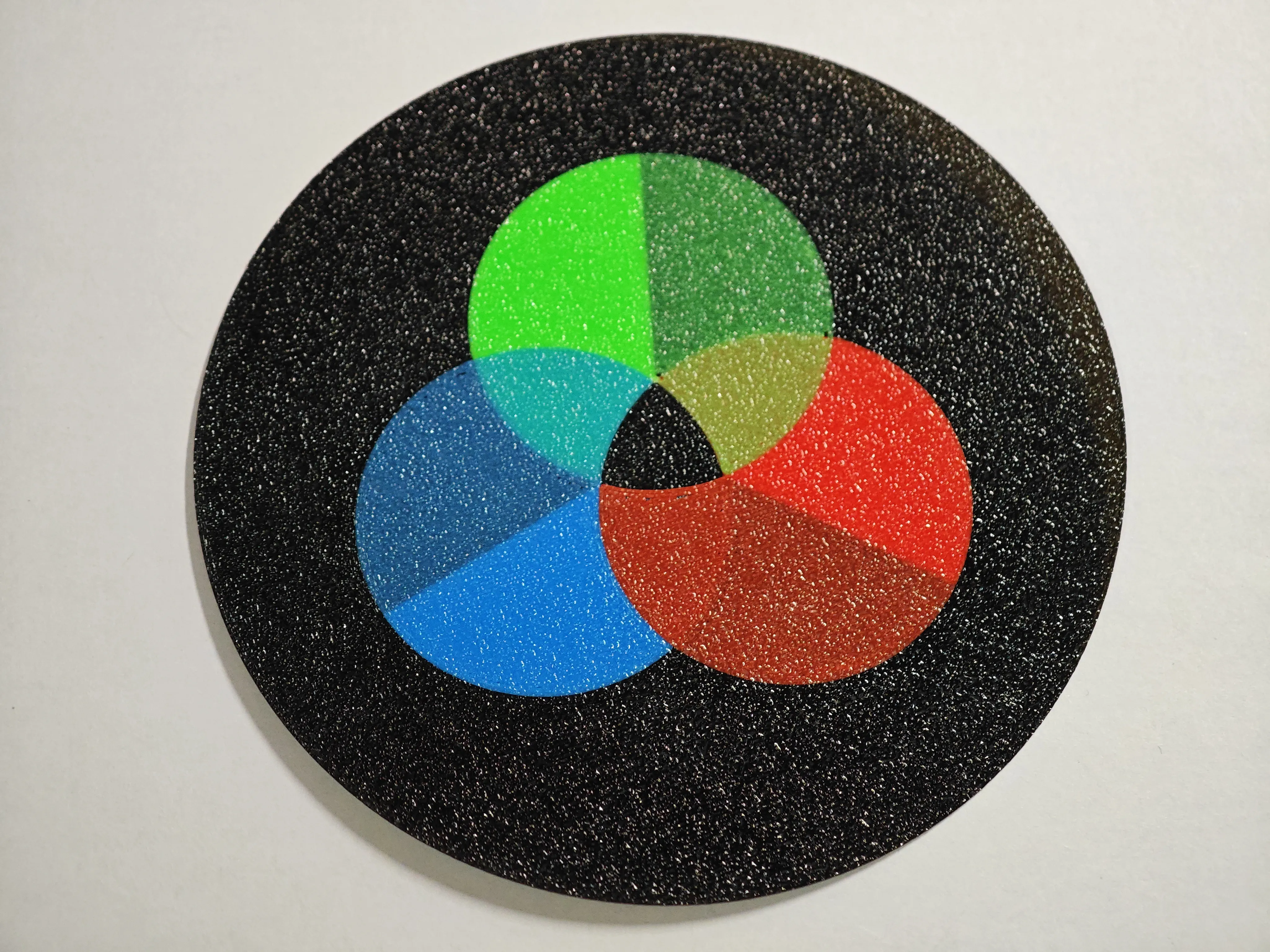
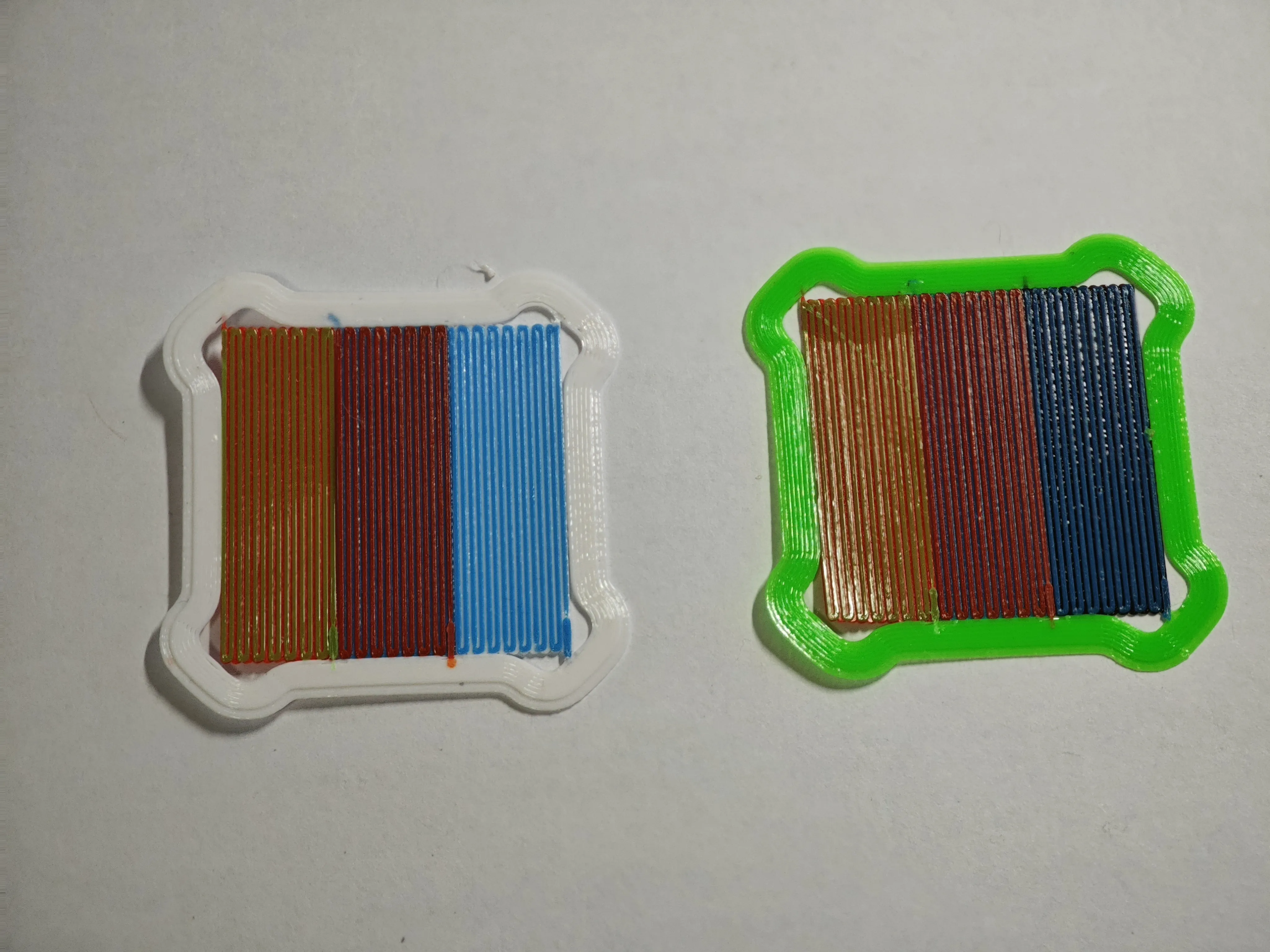
This is what the prime tower looks like. On the contrary, when color lines are exposed to each other, they can better display overlaid colors, such as red plus green turning yellow.
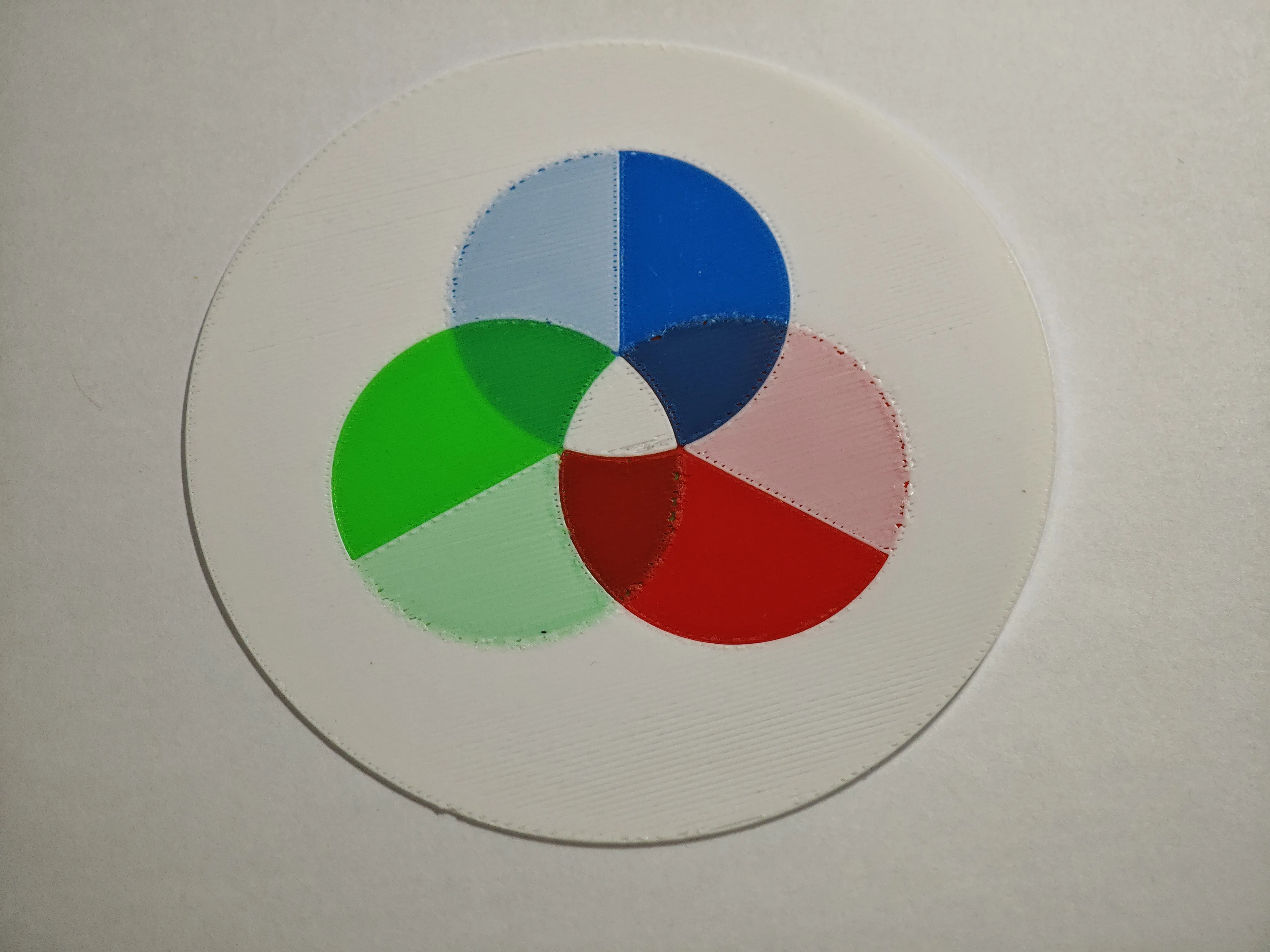
The effects of color and white are as follows, allowing for corresponding lighter colors to be stacked.
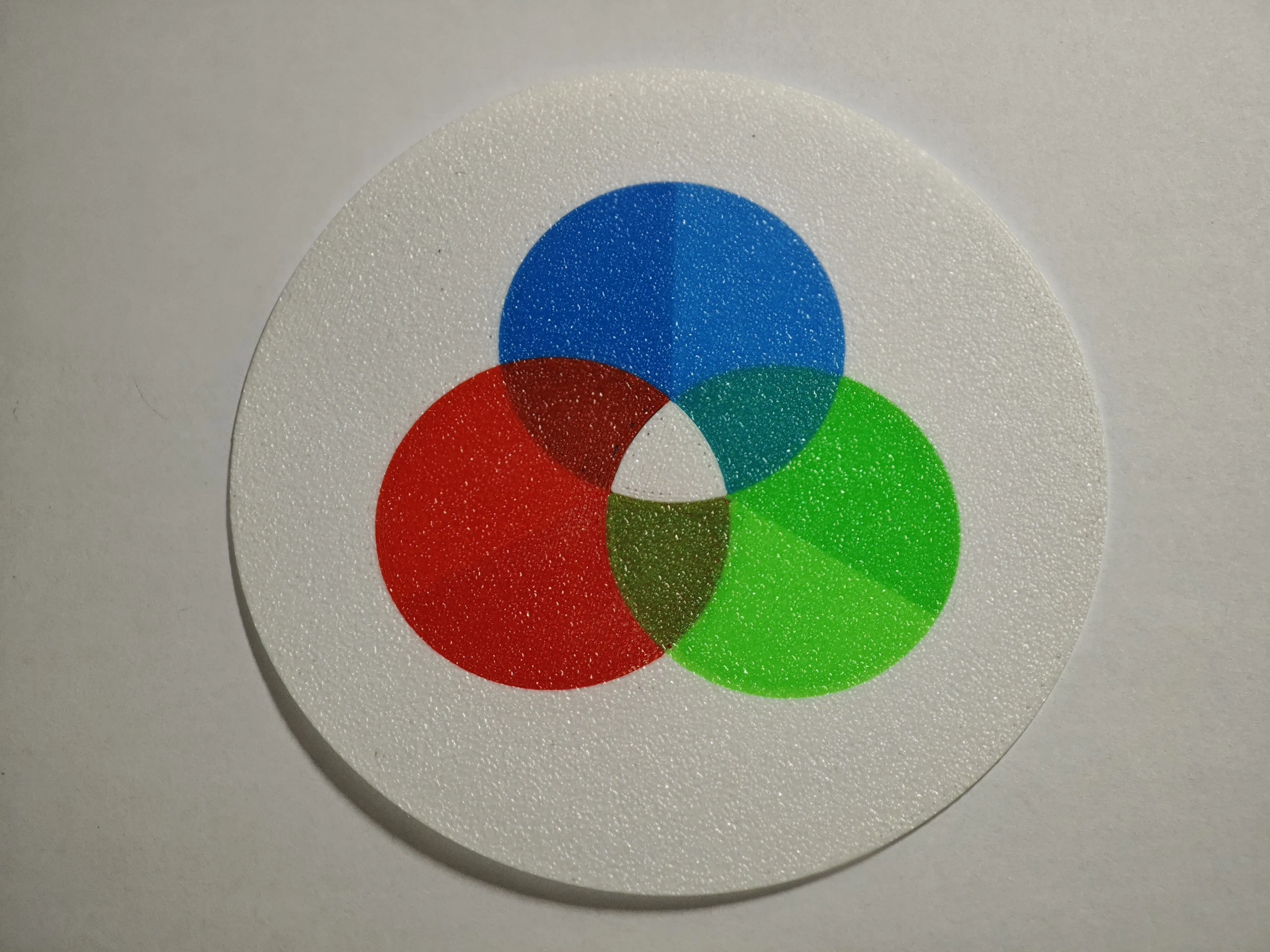
After the initial experiments, I summarize that color stacking is related to the thickness and light transmittance of the two filaments. I will continue to experiment with lines or transparent filament in the future. If you find my experiments inspiring for your creations, please like and favorite them. I would be even more grateful for a boost. This experiment will continue to be optimized and attempted in the future.
Boost Me (for free)
Your support is my motivation to continue creating. Thank you!
License



Comment & Rating (4)