
Egyptian Serpopard
Print Profile(1)
Description
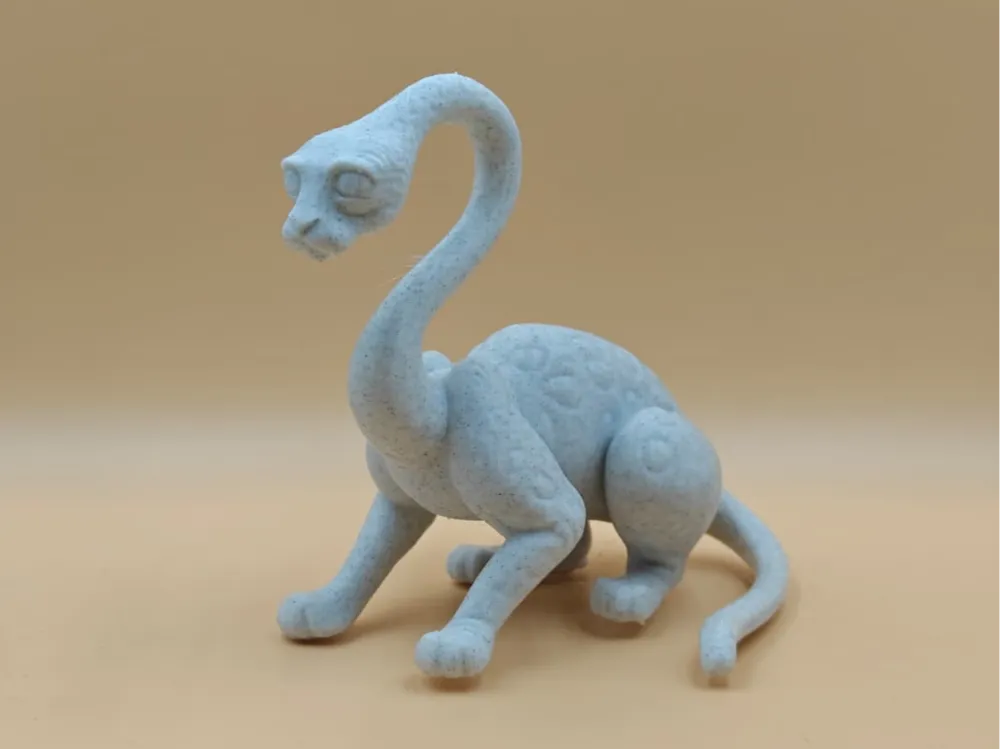
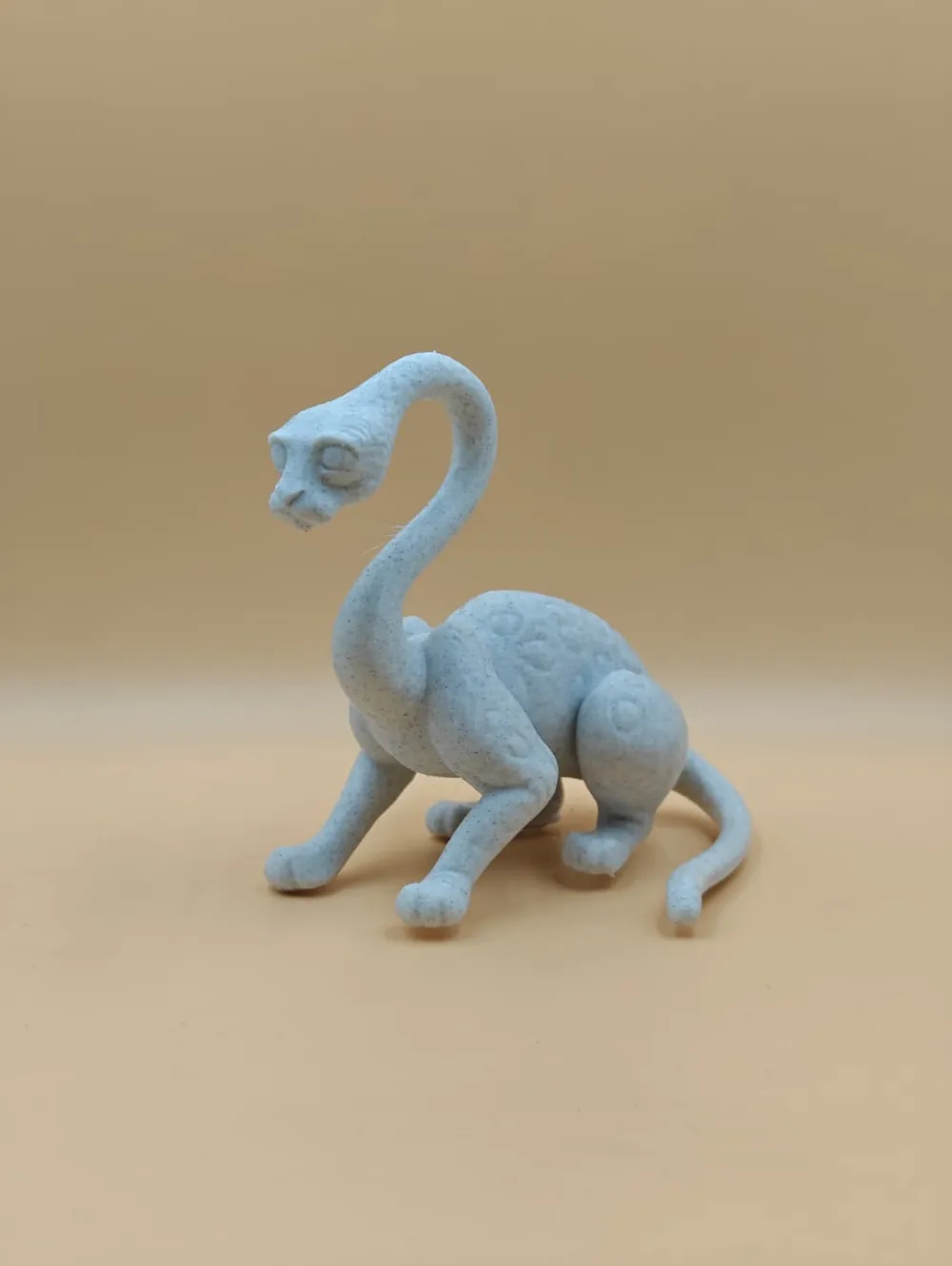
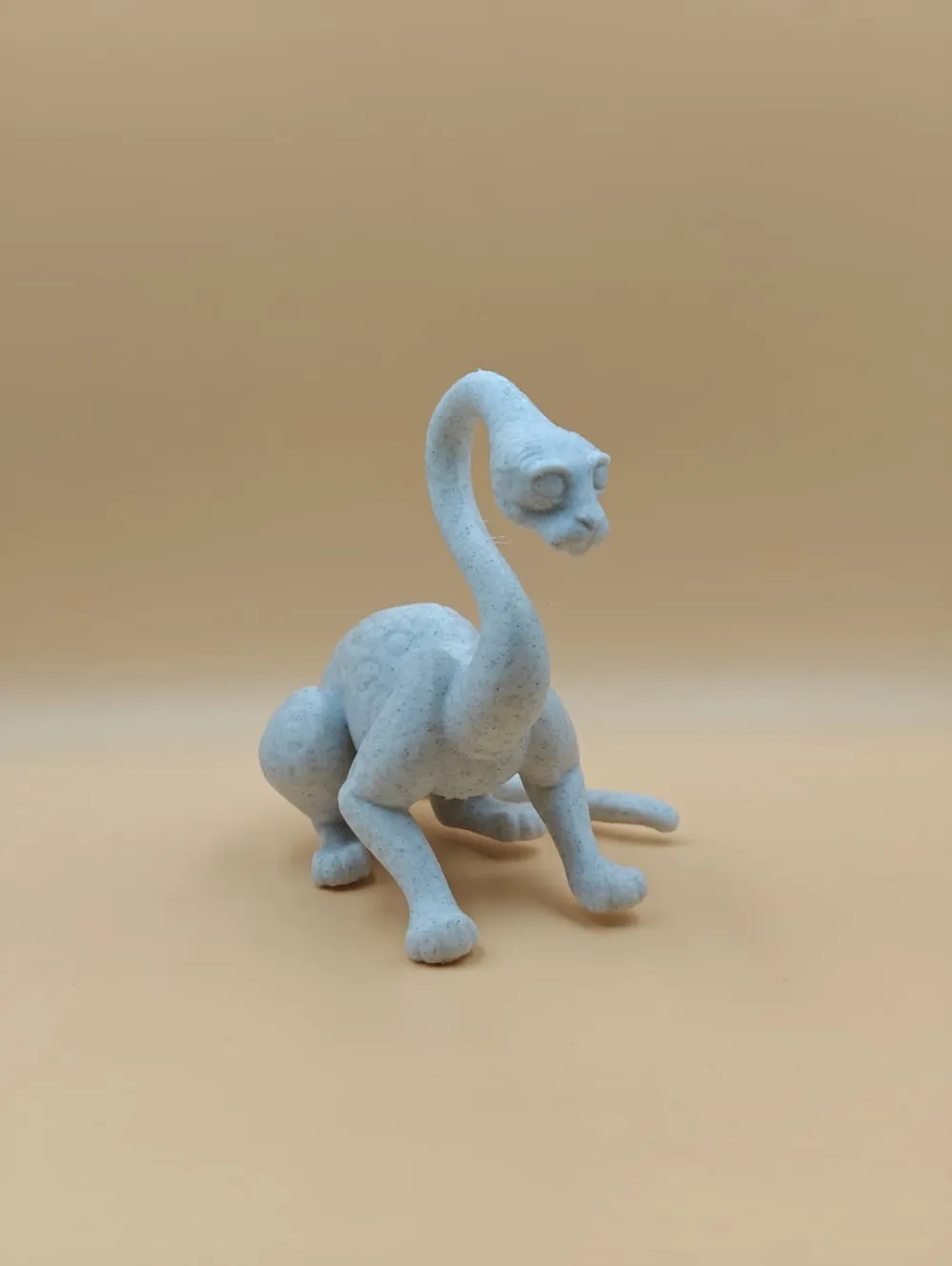
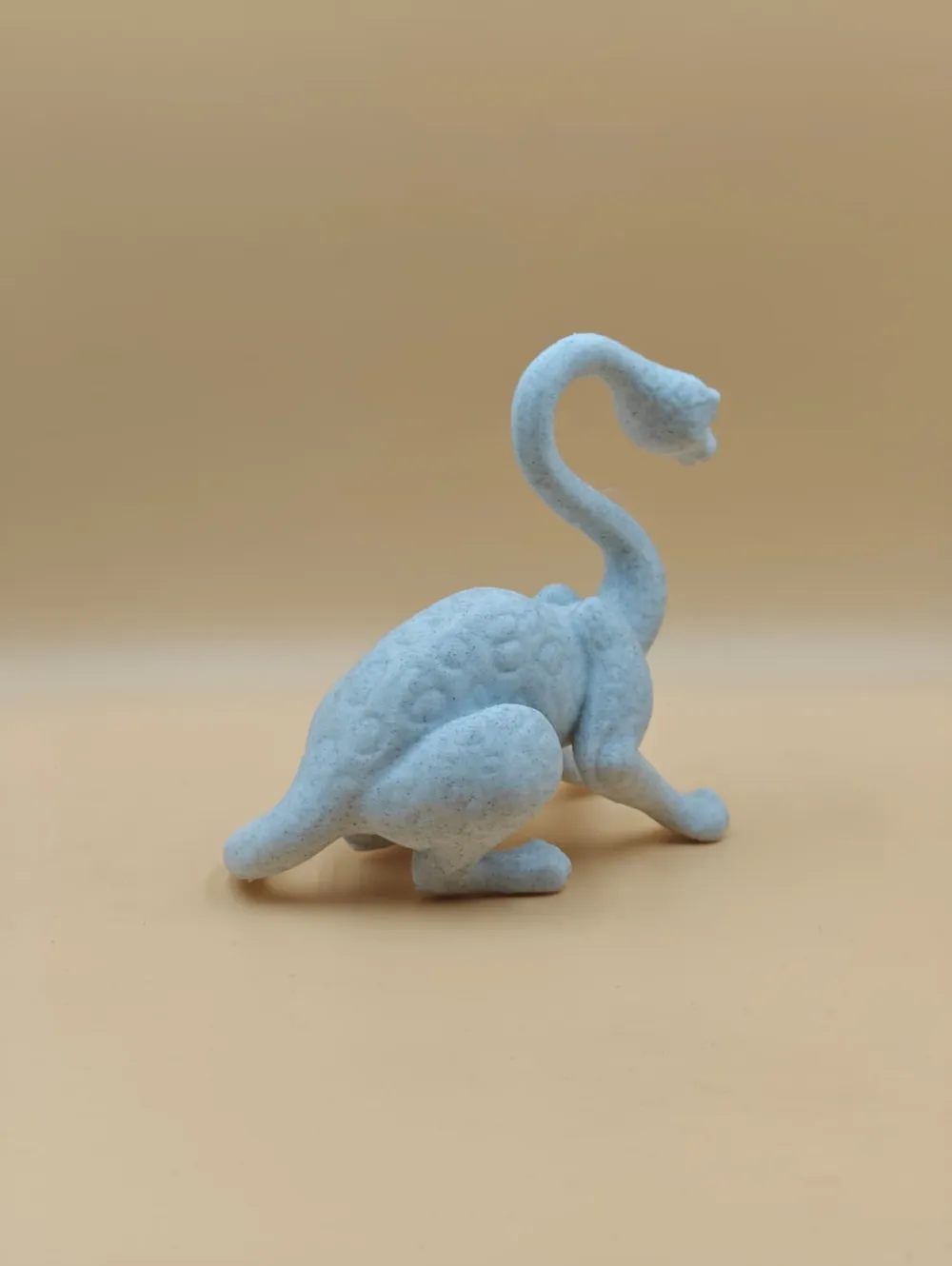
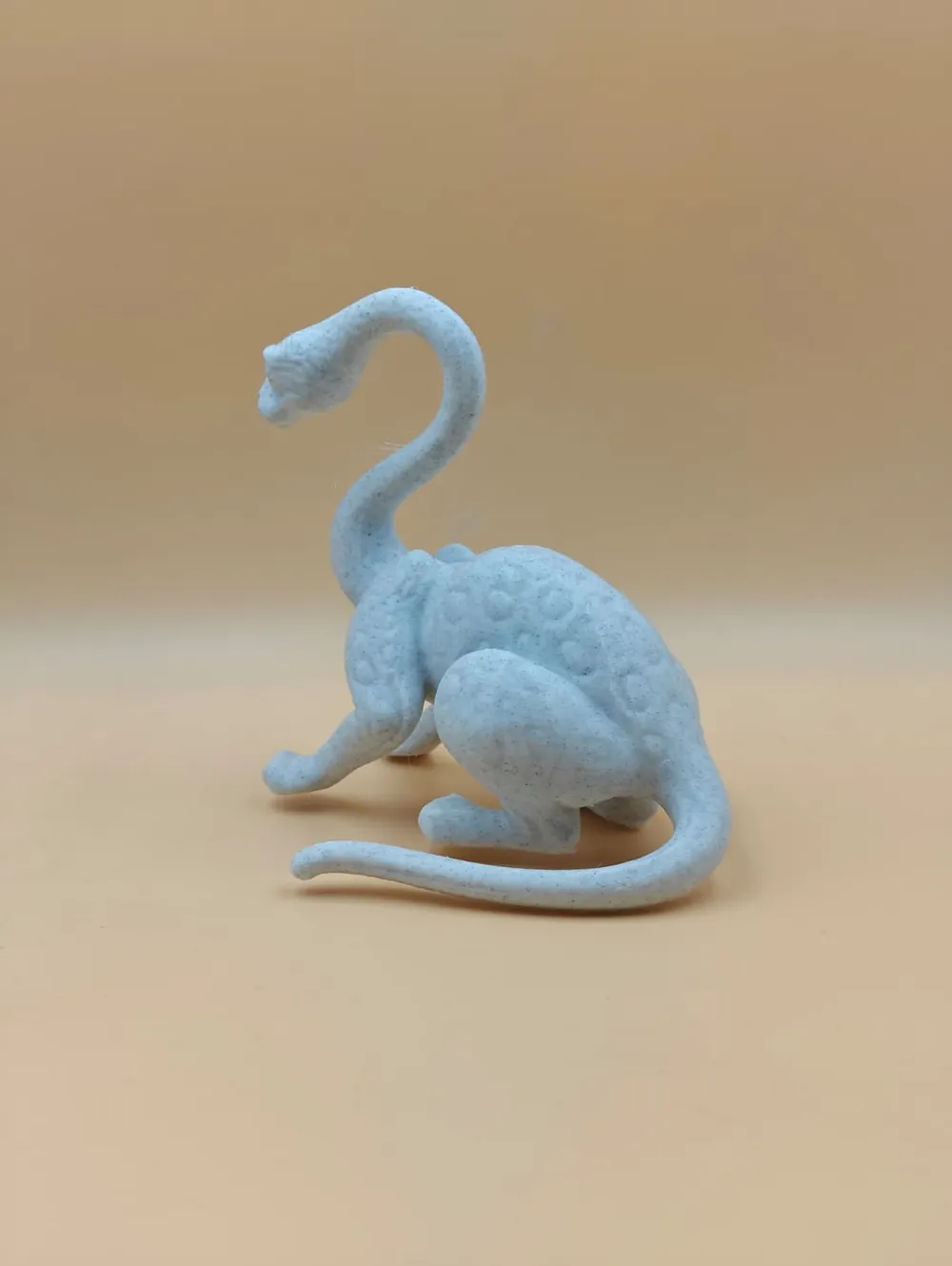
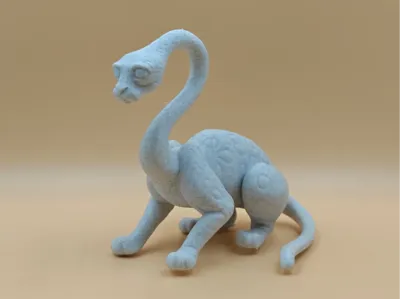
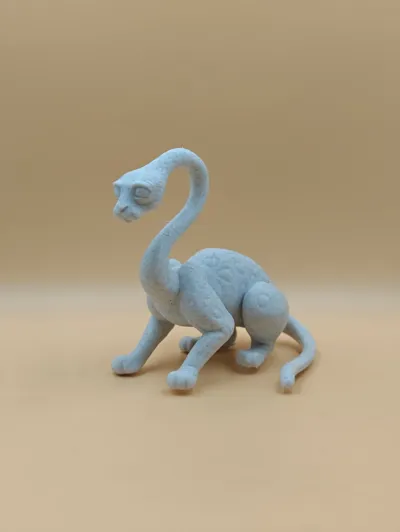
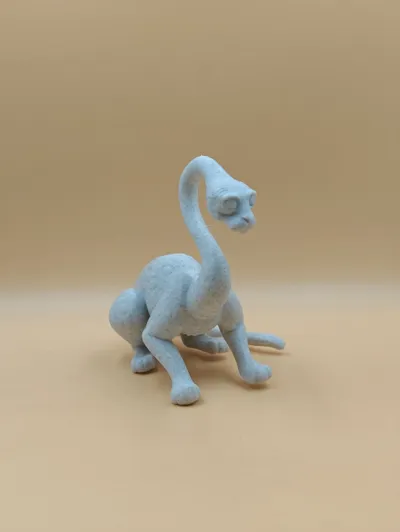
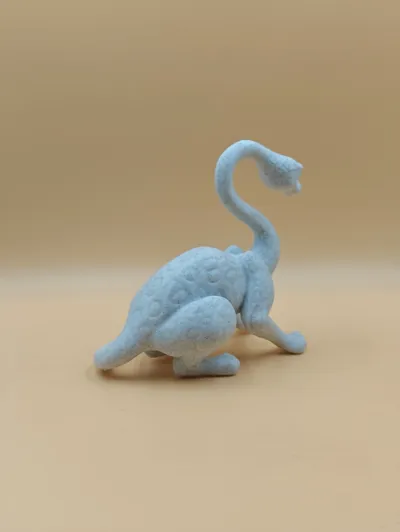
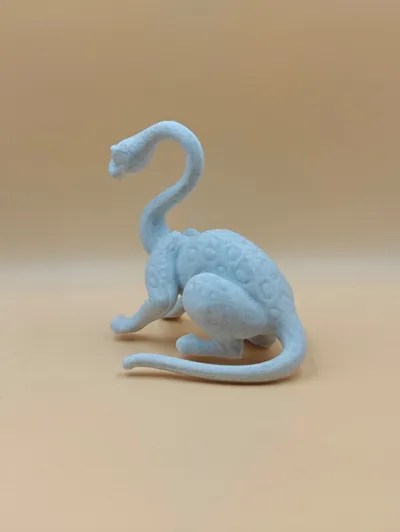
Egyptian Serpopard
A Serpopard is a mythical creature, first depicted in ancient Mesopotamian and Egyptian art, with the body of a leopard and a long, serpentine neck and head. The modern name "Serpopard" is a portmanteau of "serpent" and "leopard," derived from this interpretation, though the creatures lack an ancient name in original texts. In art, Serpopard are often depicted with intertwined necks, symbolizing chaos or the taming of destructive forces
Serpopard are chimeric beasts that combine aspects of serpents and leopards, hence the name. They tend to have the bodies and legs of leopards, the necks and tails of serpents, and a head that combines aspects of both.
They also have snake tongues, though rough like cat tongues, and eyes that are represented to both snakes and leopards. The leopard body tends to be furry and spotted, similar to leopards, but the serpent parts tend to be scaled, though matching in pattern to the furry bits. They also have very distinctive ways of communication, combining snake hissing with cat-like purrs, growls, roars, etc.
Key Characteristics
Appearance: A leopard's body with the long, flexible neck and scaled head of a serpent.
Symbolism: Represents chaos, the wild forces of nature, and the underworld in Mesopotamian art. In Egypt, they may symbolize the chaos that the king's rule brings order to, or the unification of Egypt itself.
- Depictions: Commonly found in ancient art, such as the Narmer Palette.
Cultural Context
Ancient Egypt:
Serpopard are shown with intertwined necks on the Narmer Palette in the Cairo Museum. Some experts believe this imagery symbolizes the king's role in restoring order and unity to Egypt, according to the Myth and Folklore Wiki.
Mesopotamia:
In Mesopotamian art, Serpopard are also depicted in pairs with intertwined necks, sometimes shown eating. The imagery of such hybrid creatures is thought to represent the chthonic aspect of deities, which embodies the power of life emerging from the earth.
Boost Me (for free)
🐻 Every boost is a cuddle, every follow is a smile — I’d love some of both! 🧸
Membership
Behold, dear mortal, your tiny mischievous overlord has arrived. If my cute little creations made you grin or feel unexpected sparkles in your heart, consider supporting me. Your membership feeds my mini villain squad with the magic they need to become sneakier, brighter, and even more adorably chaotic. I will keep releasing playful troublemakers for you. Thank you for empowering my kawaii mischief takeover.
License

You shall not share, sub-license, sell, rent, host, transfer, or distribute in any way the digital or 3D printed versions of this object, nor any other derivative work of this object in its digital or physical format (including - but not limited to - remixes of this object, and hosting on other digital platforms). The objects may not be used without permission in any way whatsoever in which you charge money, or collect fees.


Comment & Rating (2)