
HeliosCube-Eleni: Open-Source 1U CubeSat
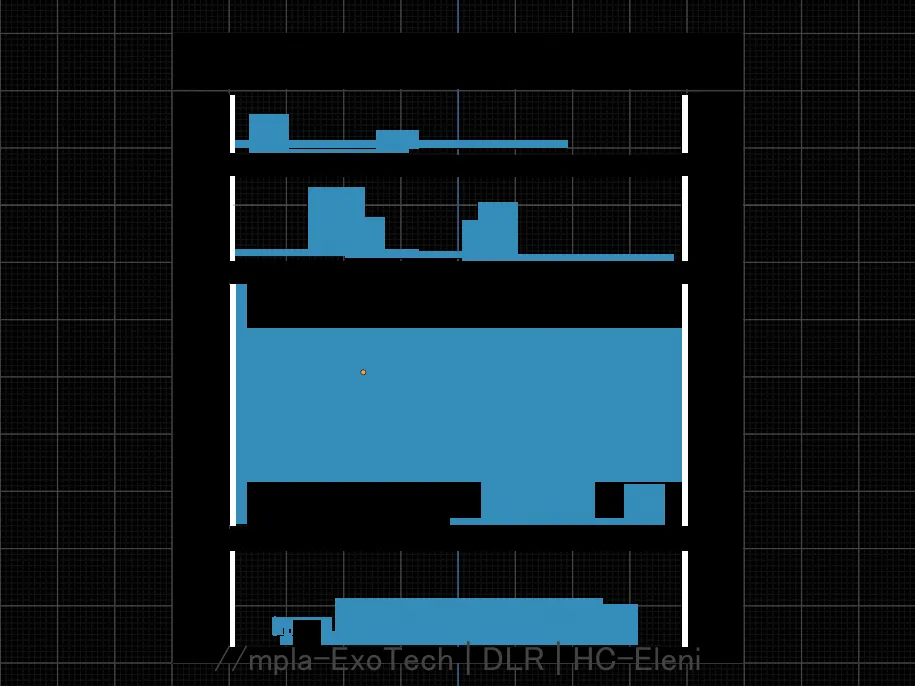
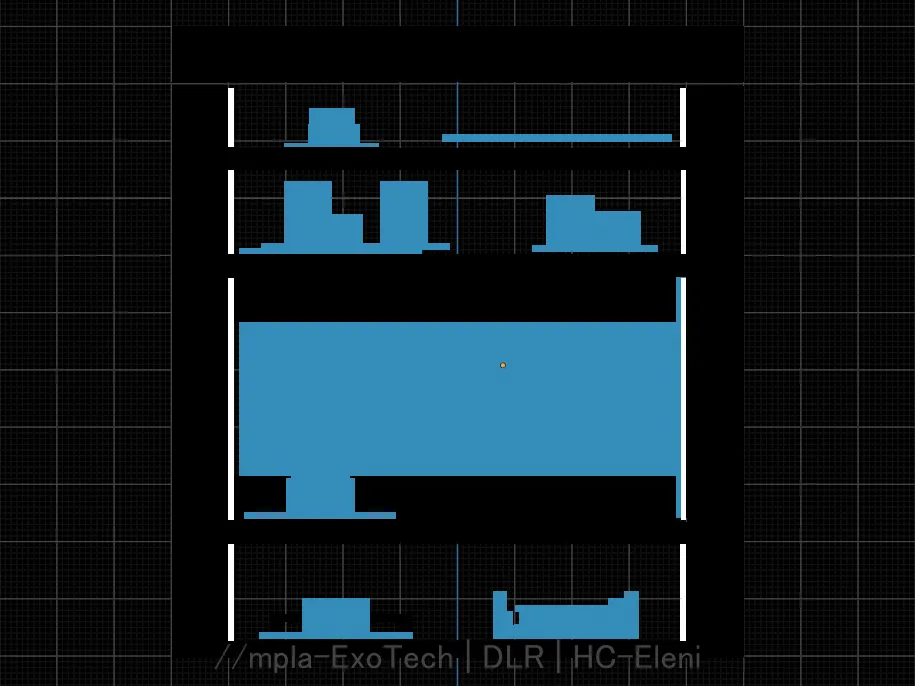
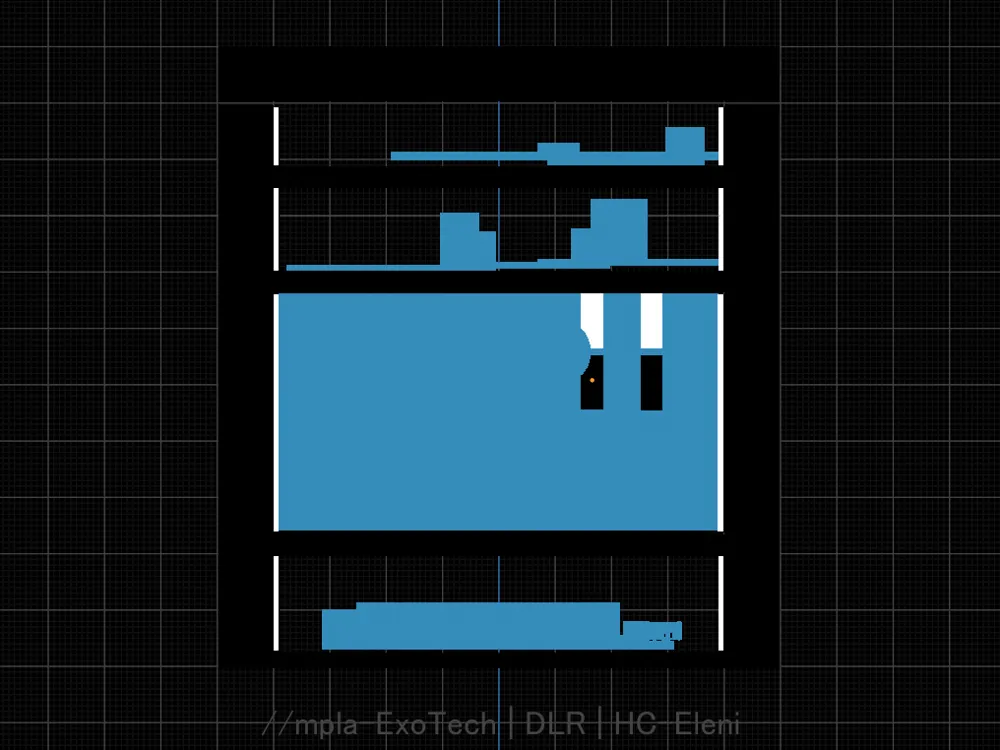
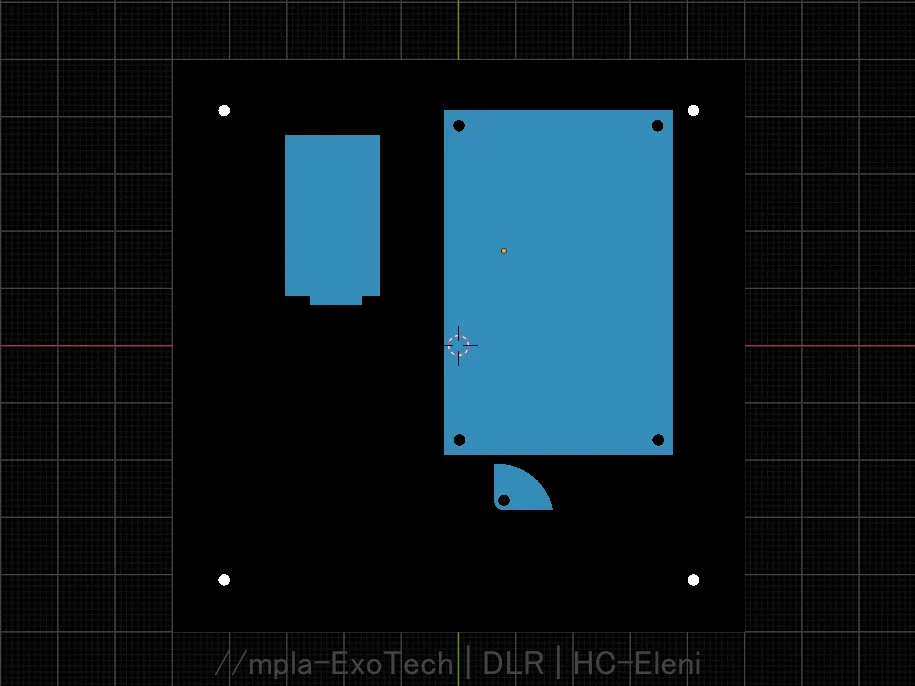
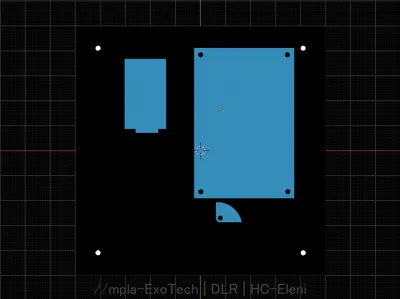
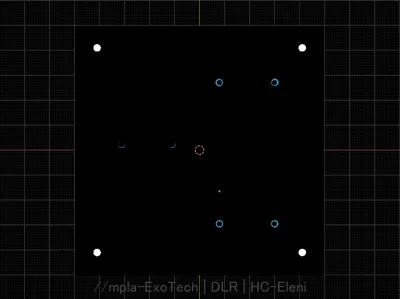
Print Profile(1)

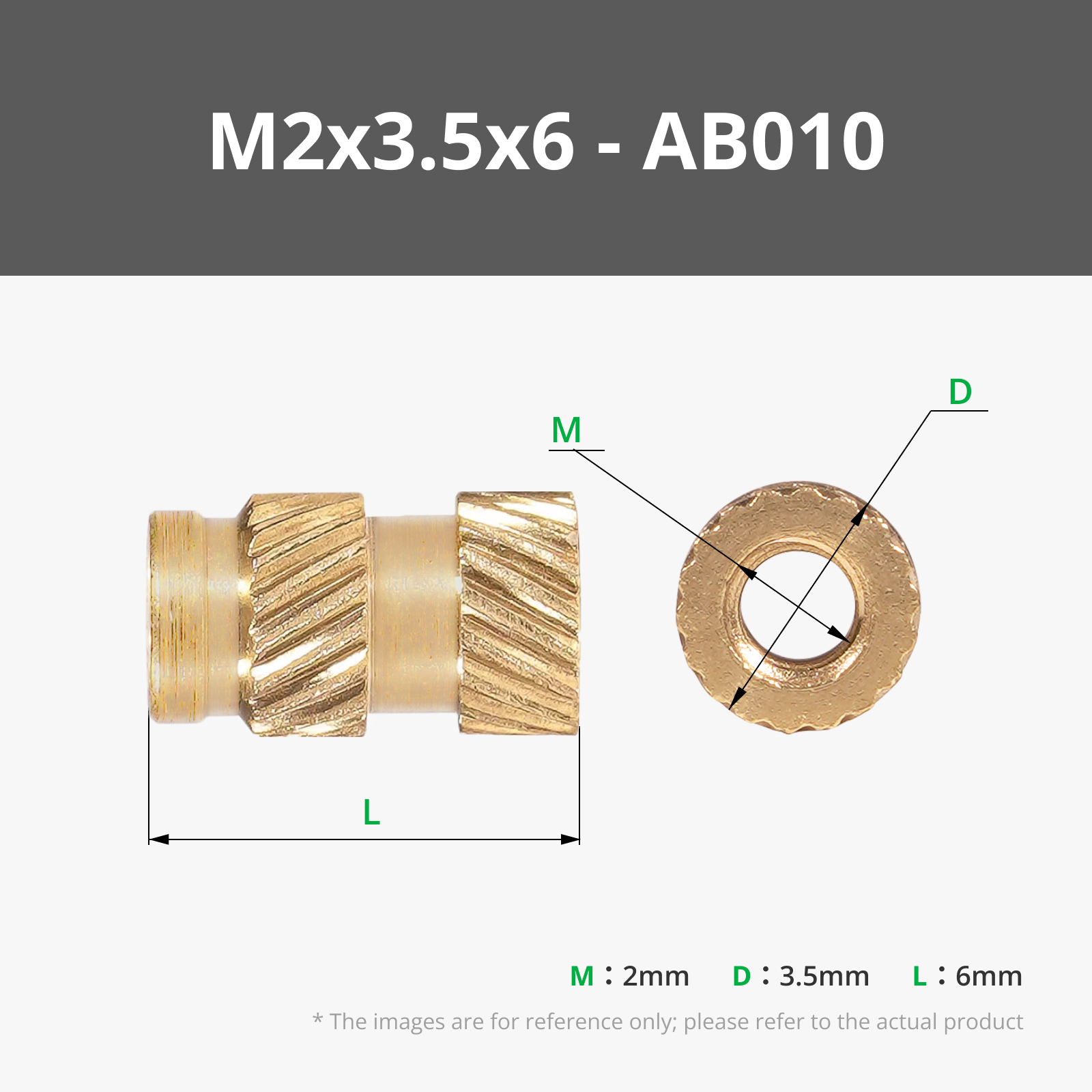
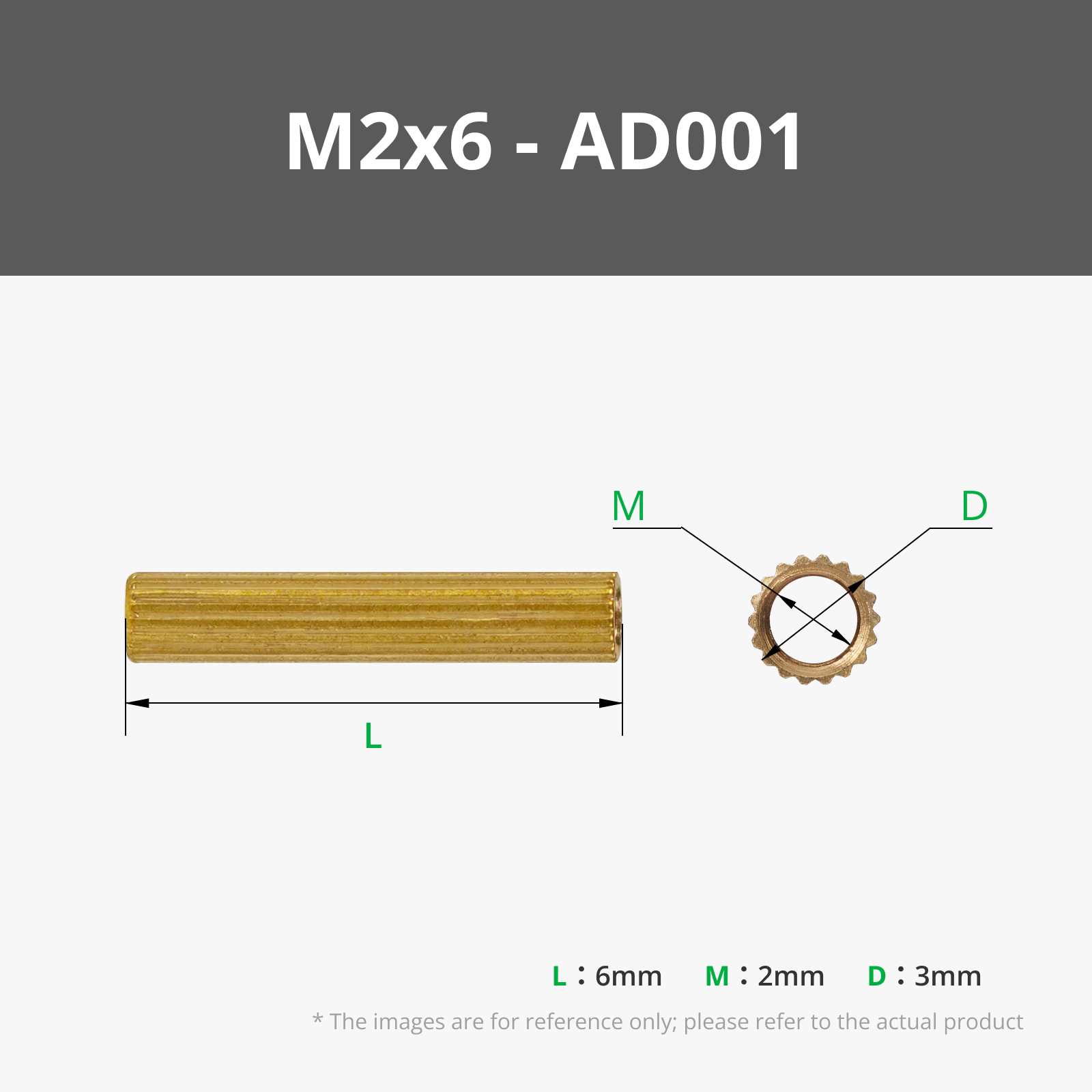
Bill of Materials









Description
Boost Me (for free)
!!! Hey if you like this give me a boost to make more !!!
-Petros Mandouvalos ( mpla-Exotech / Athens )
-Christian Neumann ( DLR / Cologne )
Boost Me (for free)
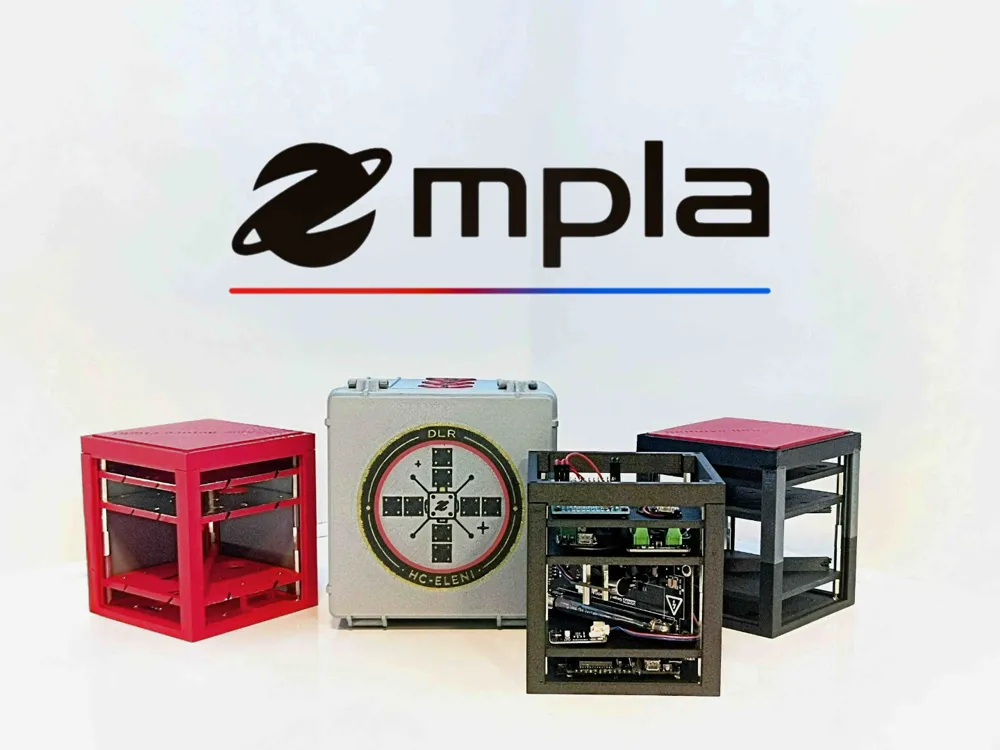
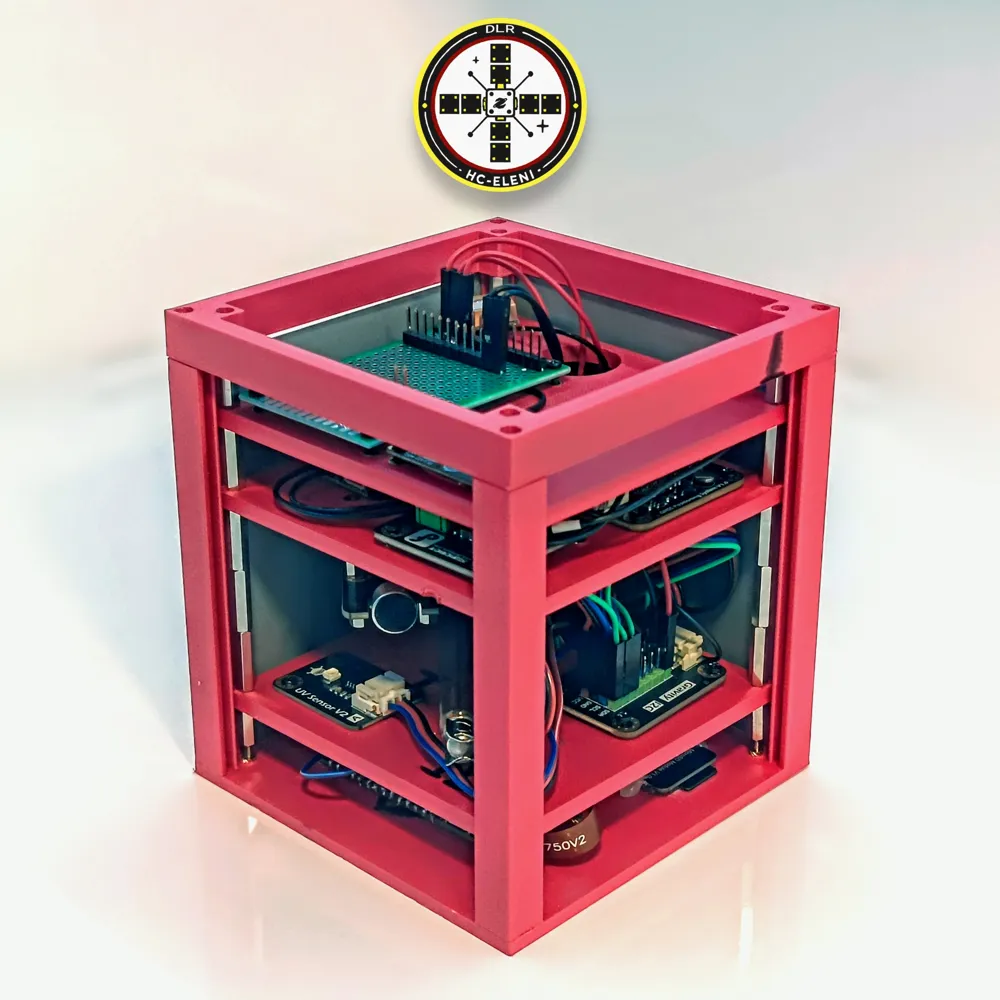
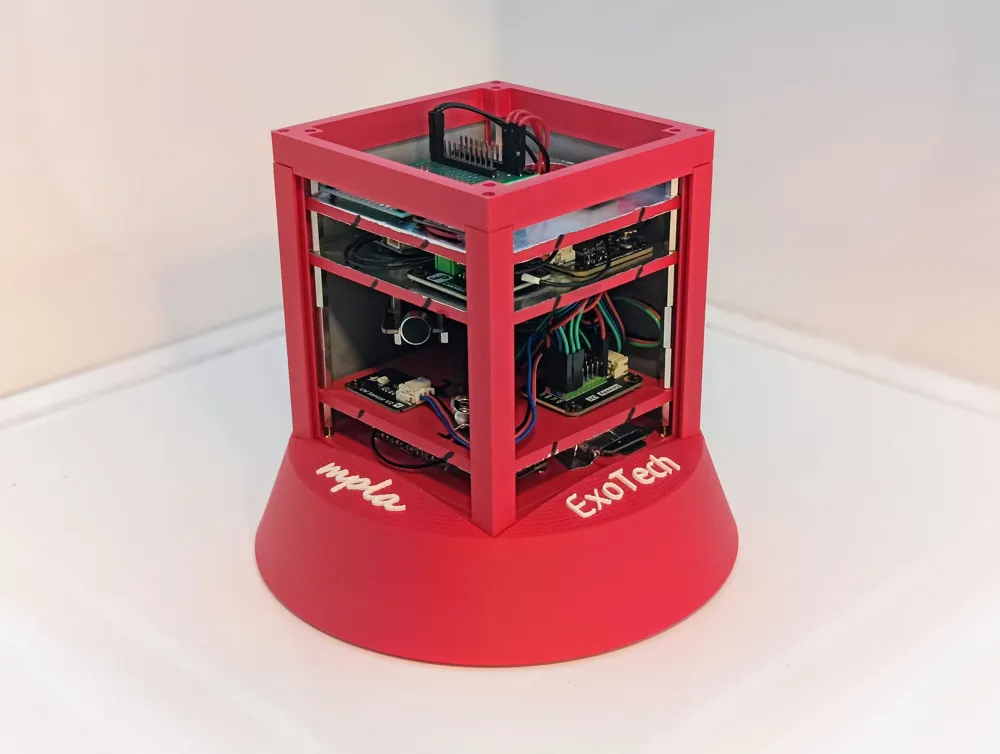
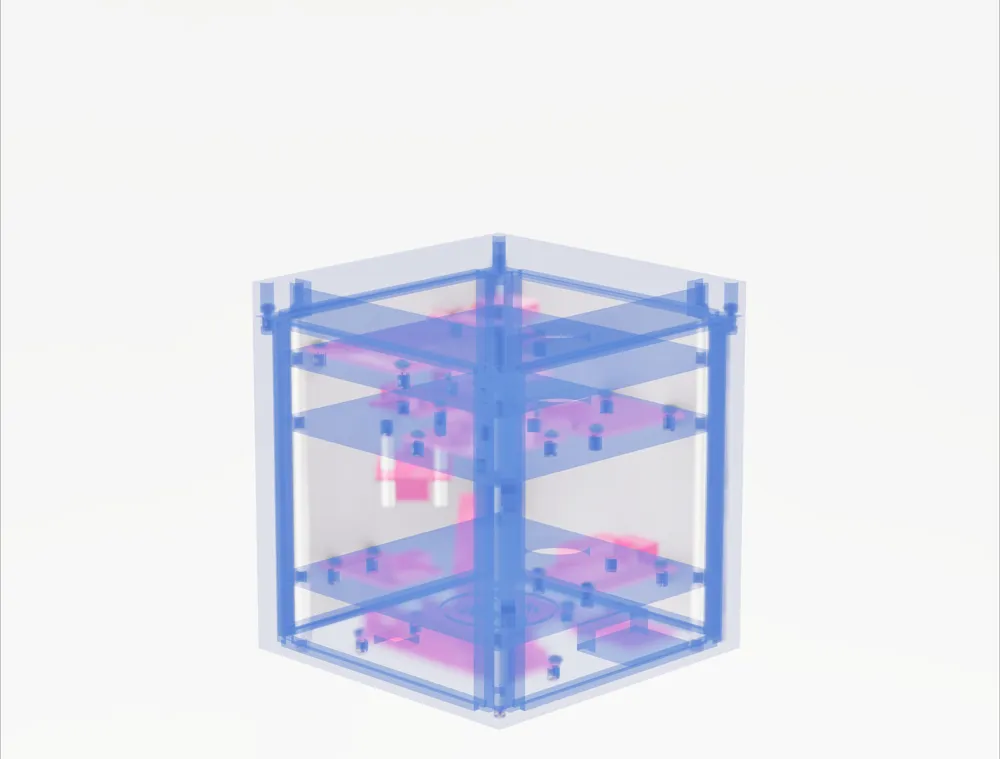
A 1U CubeSat designed for microgravity testing with off-the-shelf sensors and a 3D-printed structure
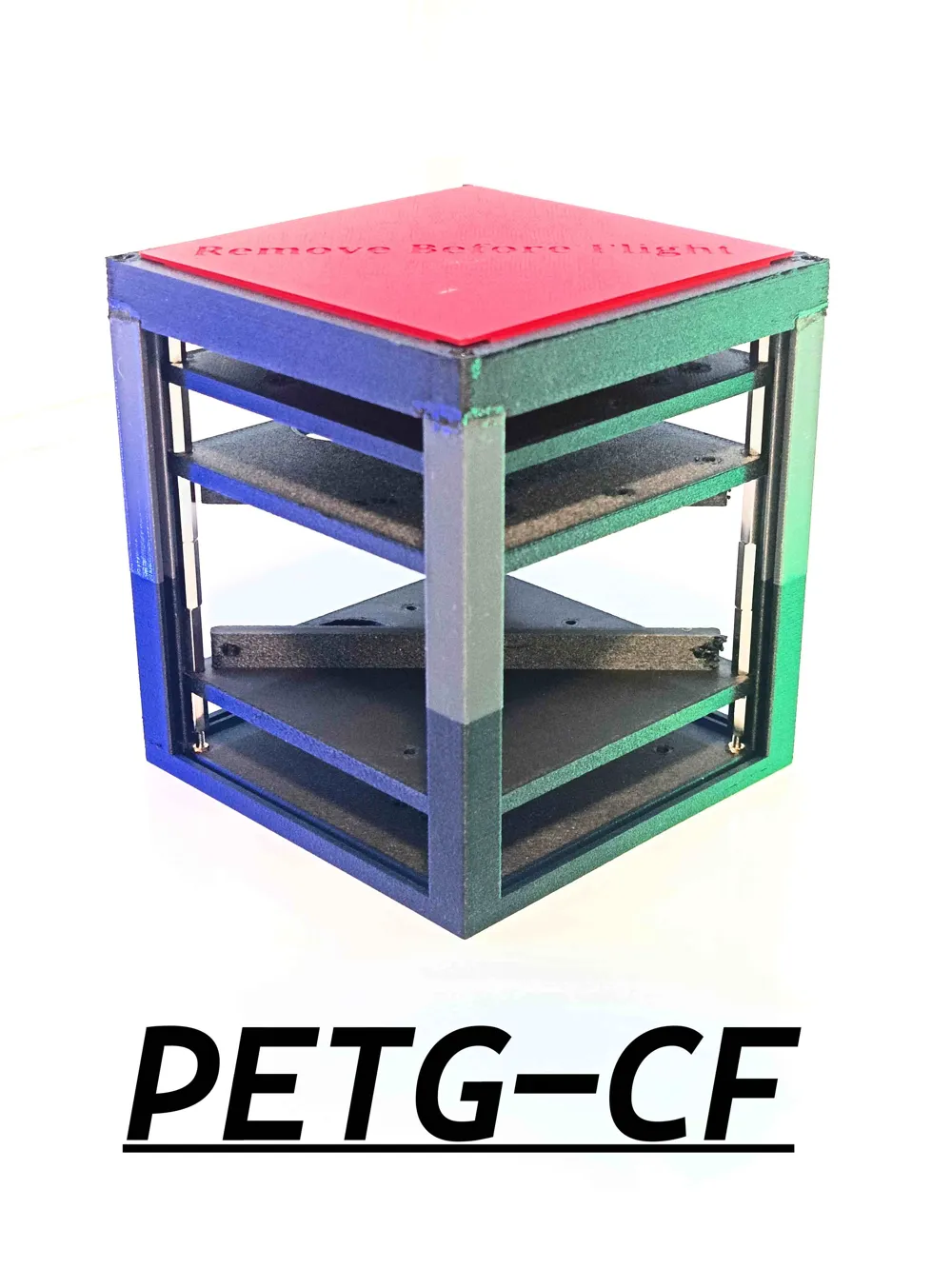
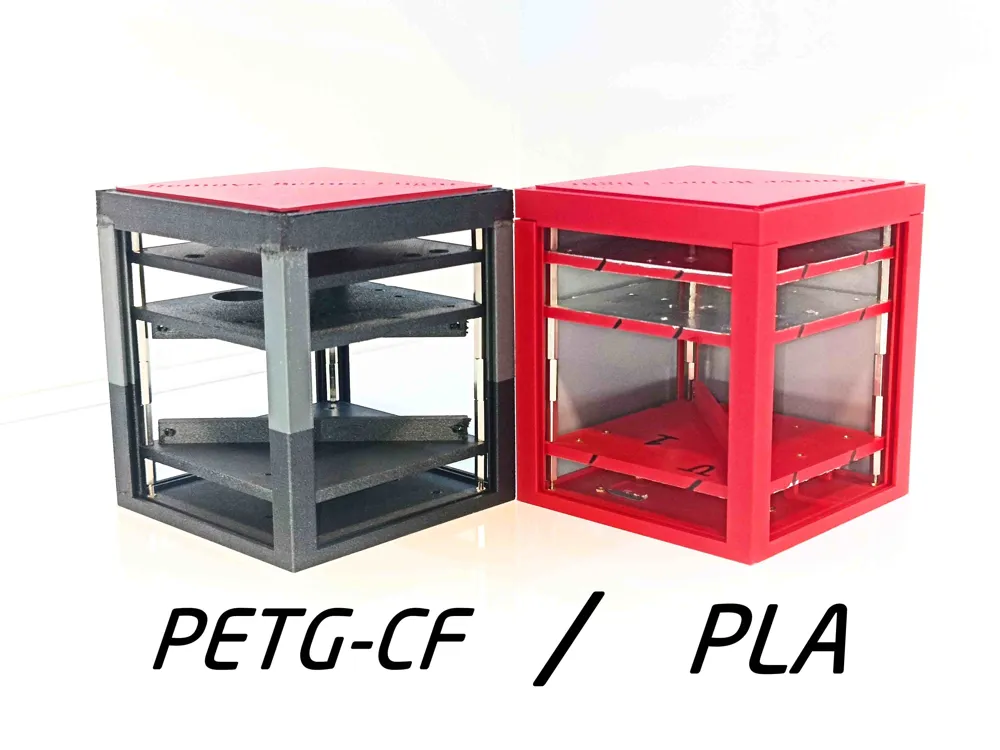
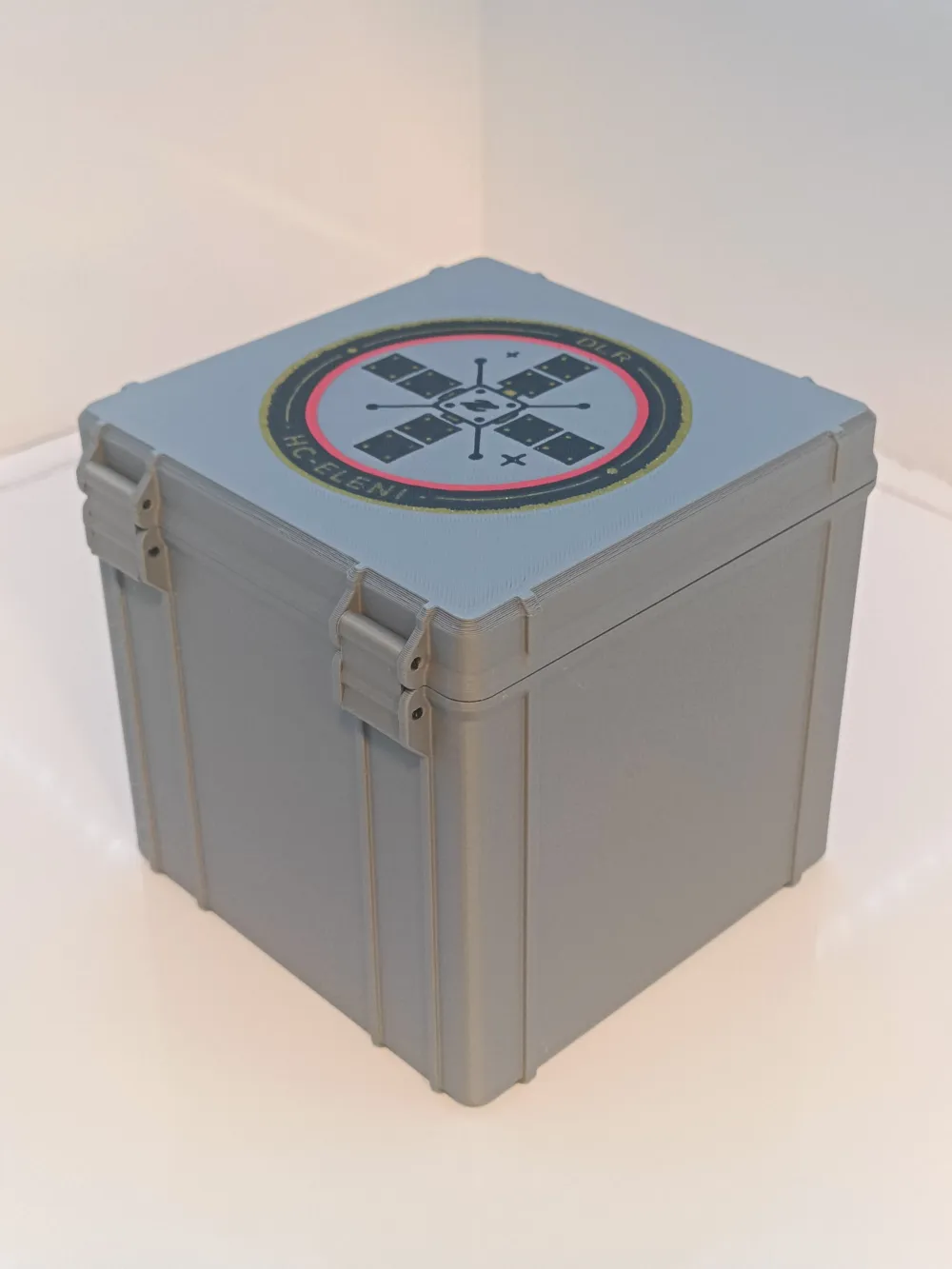
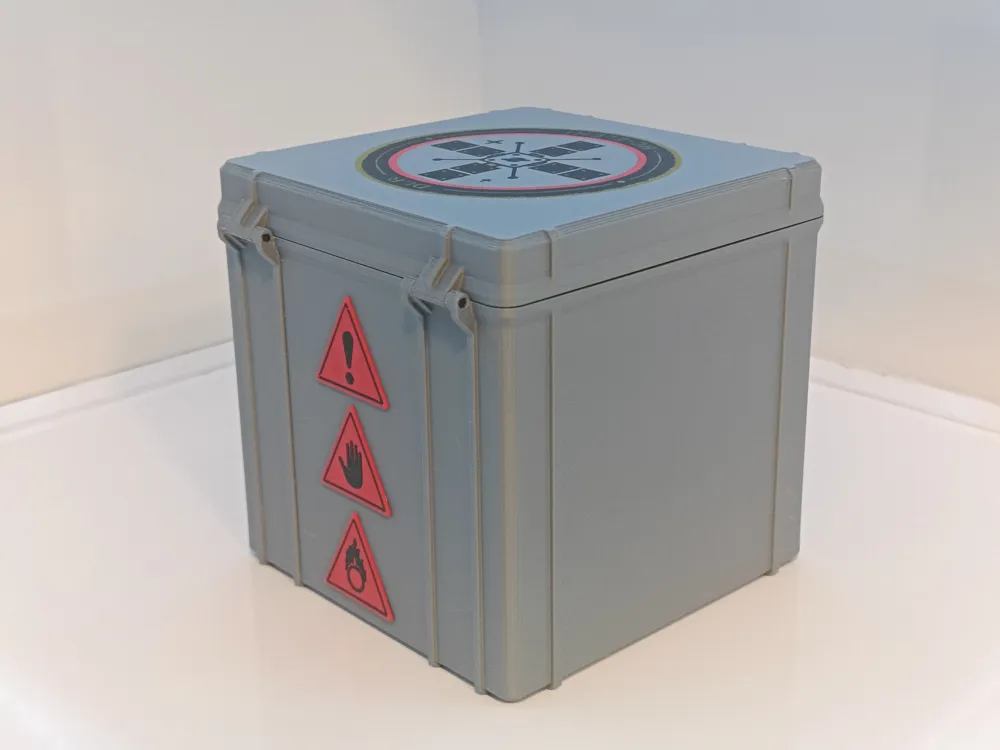
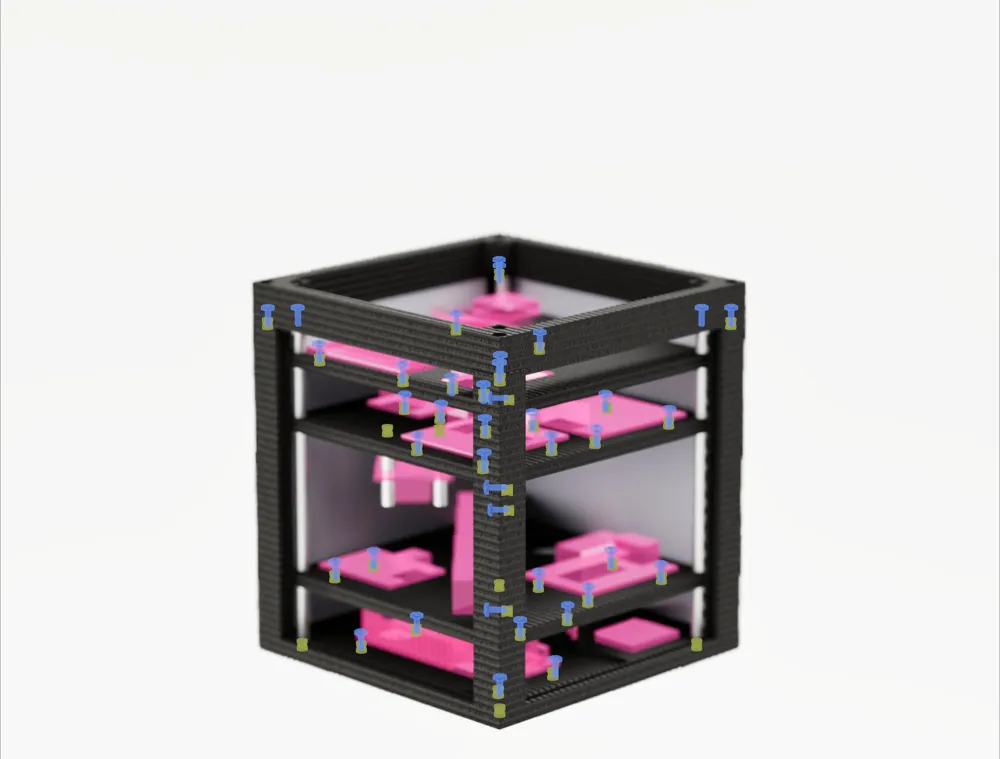
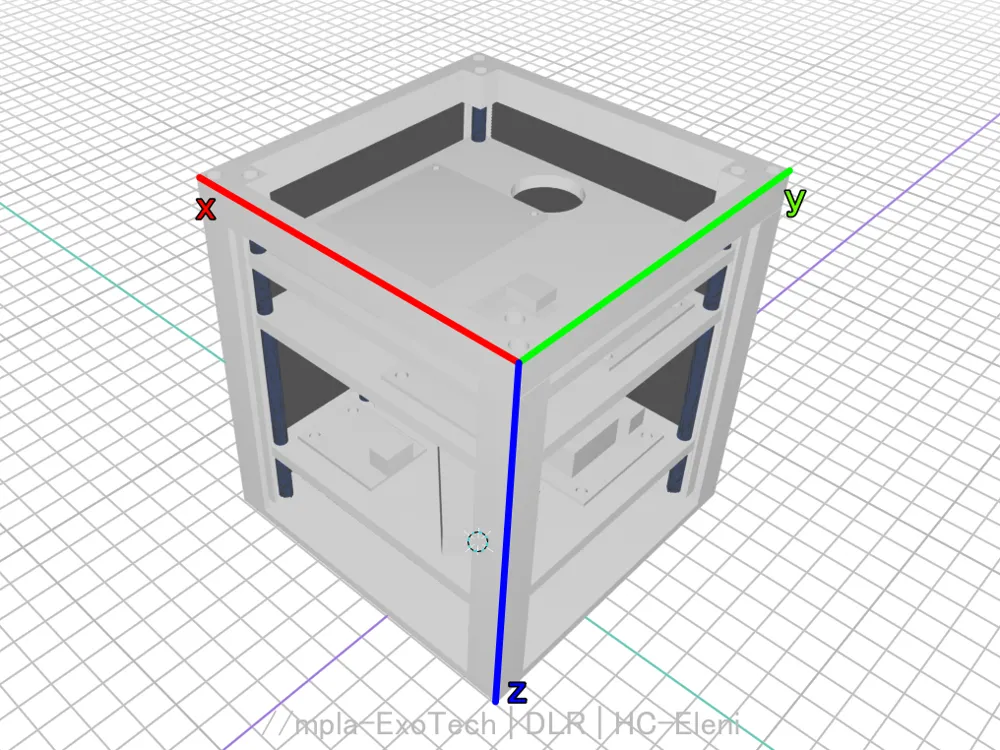
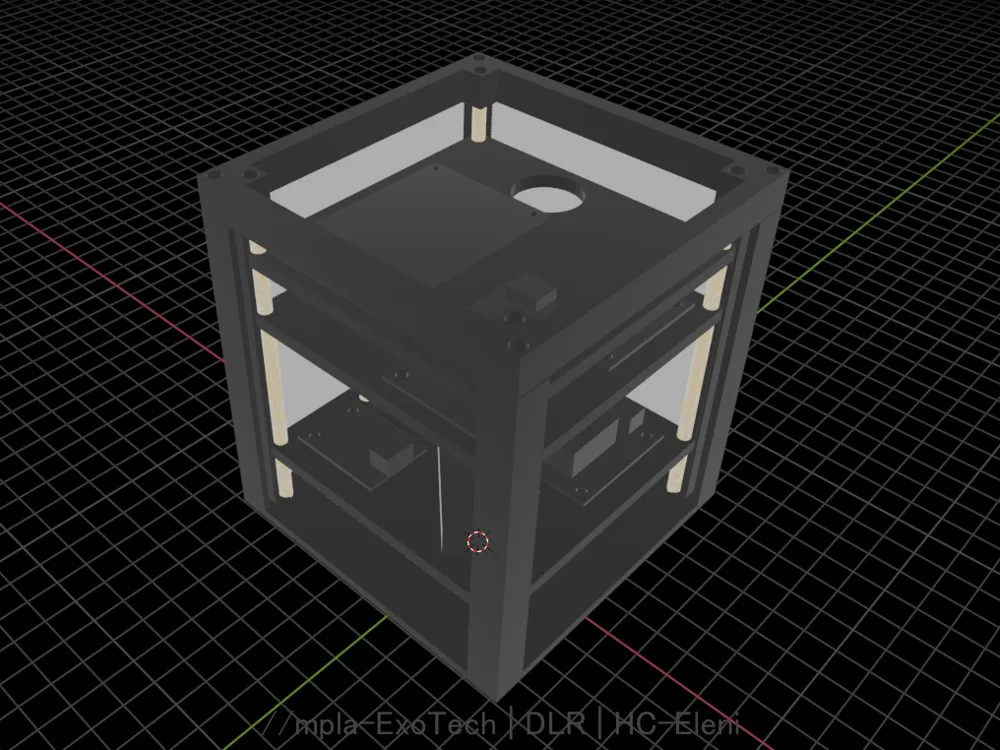
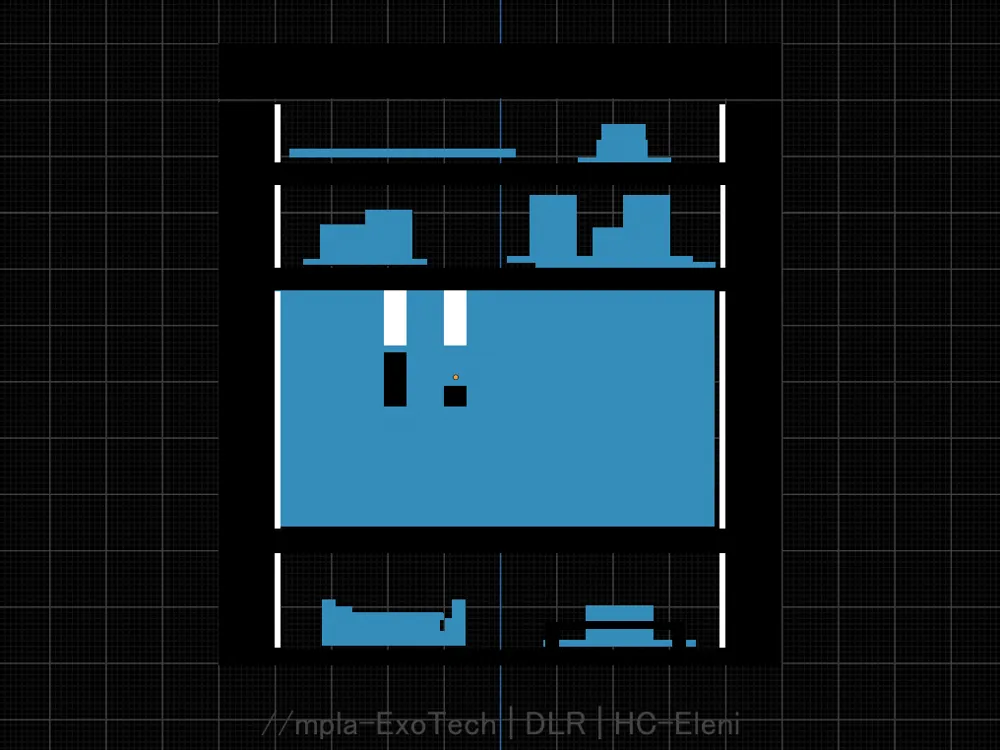
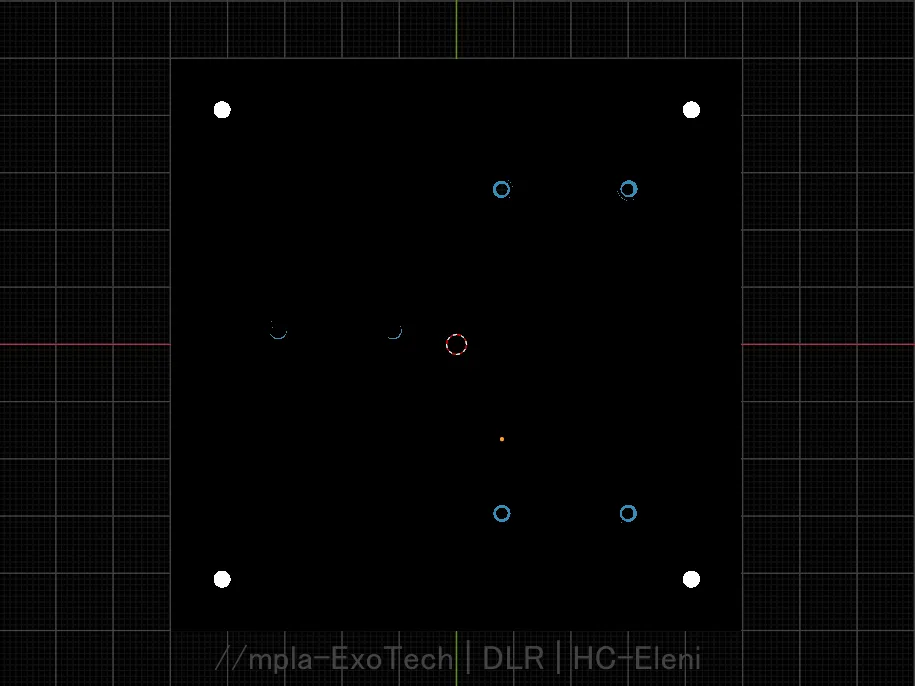
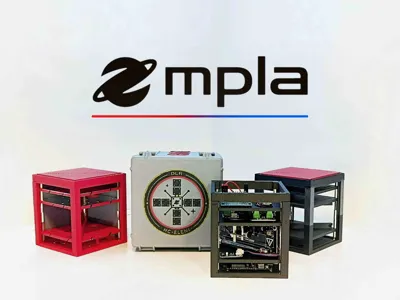
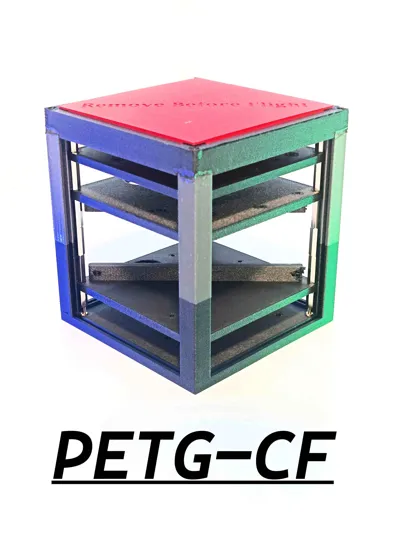
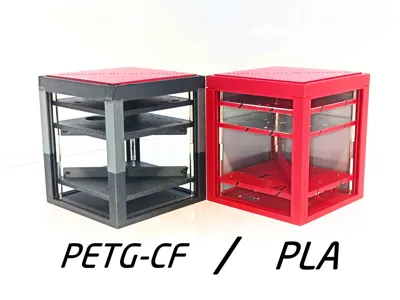
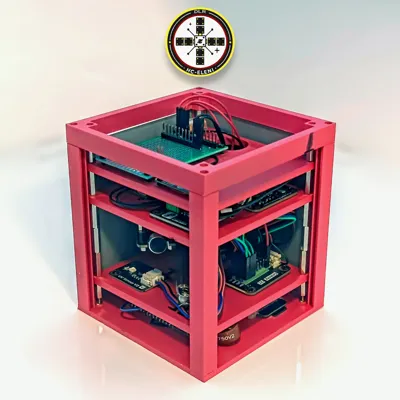
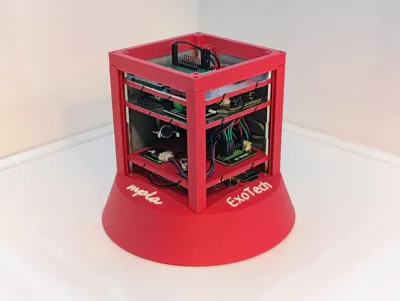
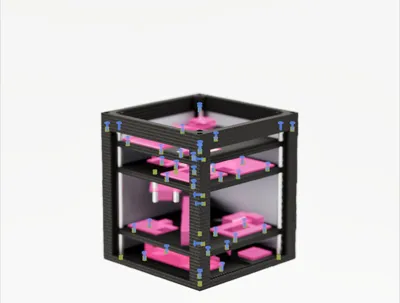
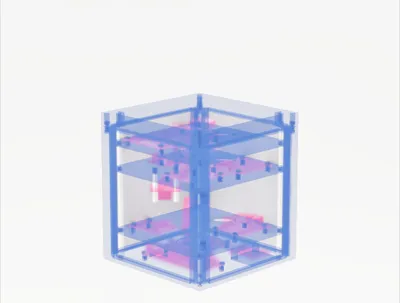
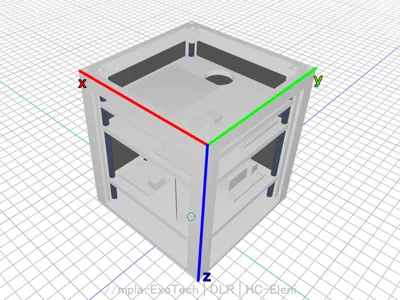
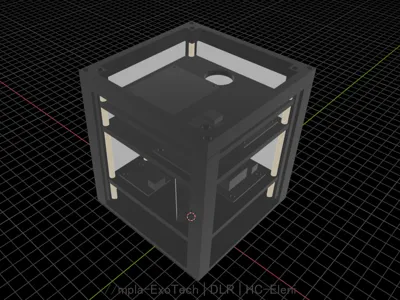
This paper presents the design and development of HeliosCube-Eleni, a 1U CubeSat created as a demonstration satellite (demosat) for the MAPHEUS-16 mission of the German Aerospace Center (DLR). Intended for testing in microgravity conditions, the satellite emphasizes practicality and affordability by utilizing commercially available sensors and a 3D-printed structure made of carbon fiber reinforced material, complemented by aluminum panels. All designs are open source, promoting accessibility and collaboration. This work outlines the satellite’s philosophy, components, development process, and planned validation, showcasing a model for rapid, low-cost space technology development.
CubeSats are miniaturized satellites that have transformed space exploration by offering a standardized, cost-effective platform for scientific research and technology demonstrations. A 1U CubeSat, with dimensions of 10 cm × 10 cm × 10 cm, represents the fundamental building block of this class, enabling even small teams to access space. HeliosCube-Eleni, a 1U CubeSat measuring 100 mm × 100 mm × 110 mm, adheres closely to this standard and serves as a demosat for the MAPHEUS-16 mission, organized by the German Aerospace Center (DLR).The MAPHEUS (Material Physics Experiments under Microgravity) program employs sounding rockets to create short-duration microgravity environments, ideal for testing innovative technologies and conducting experiments. The MAPHEUS-16 mission provides a unique opportunity to evaluate HeliosCube-Eleni in such conditions, simulating aspects of spaceflight. Developed by mpla-ExoTech under the leadership of Petros Mand, this CubeSat is part of the HelioCube series, which prioritizes practicality, rapid production, and affordability. This paper details its design philosophy, hardware, development, and testing objectives, highlighting its role as an accessible tool for microgravity research.
Documentation (1)
License

You shall not share, sub-license, sell, rent, host, transfer, or distribute in any way the digital or 3D printed versions of this object, nor any other derivative work of this object in its digital or physical format (including - but not limited to - remixes of this object, and hosting on other digital platforms). The objects may not be used without permission in any way whatsoever in which you charge money, or collect fees.


Comment & Rating (2)