
Sim Rig Roll Cage Roof
Print Profile(3)



Description
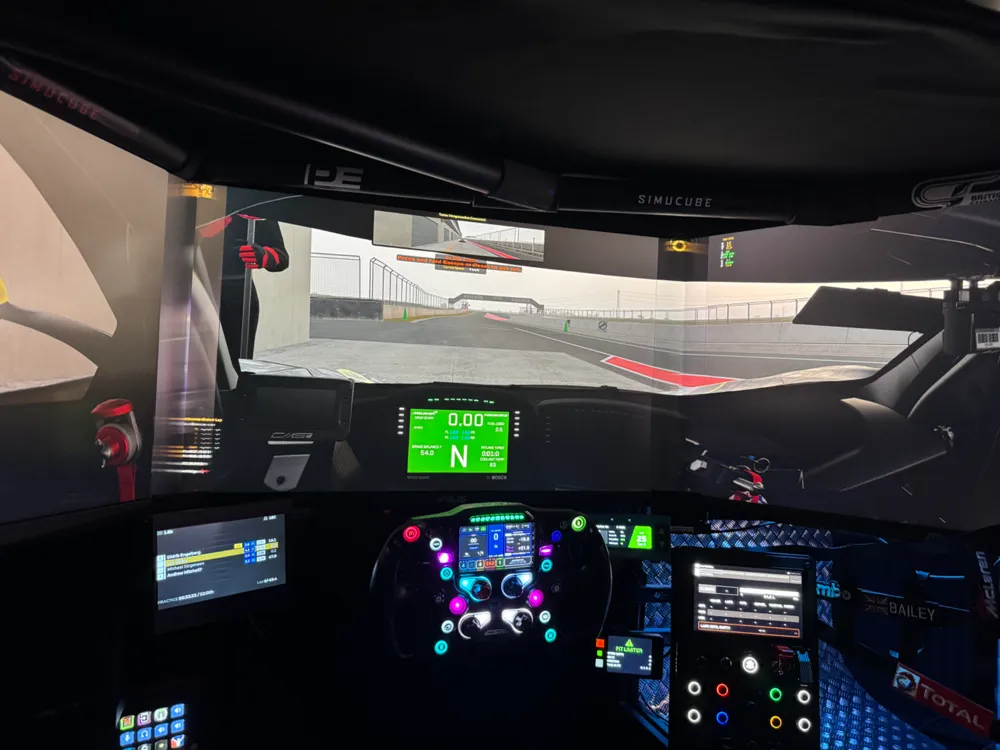
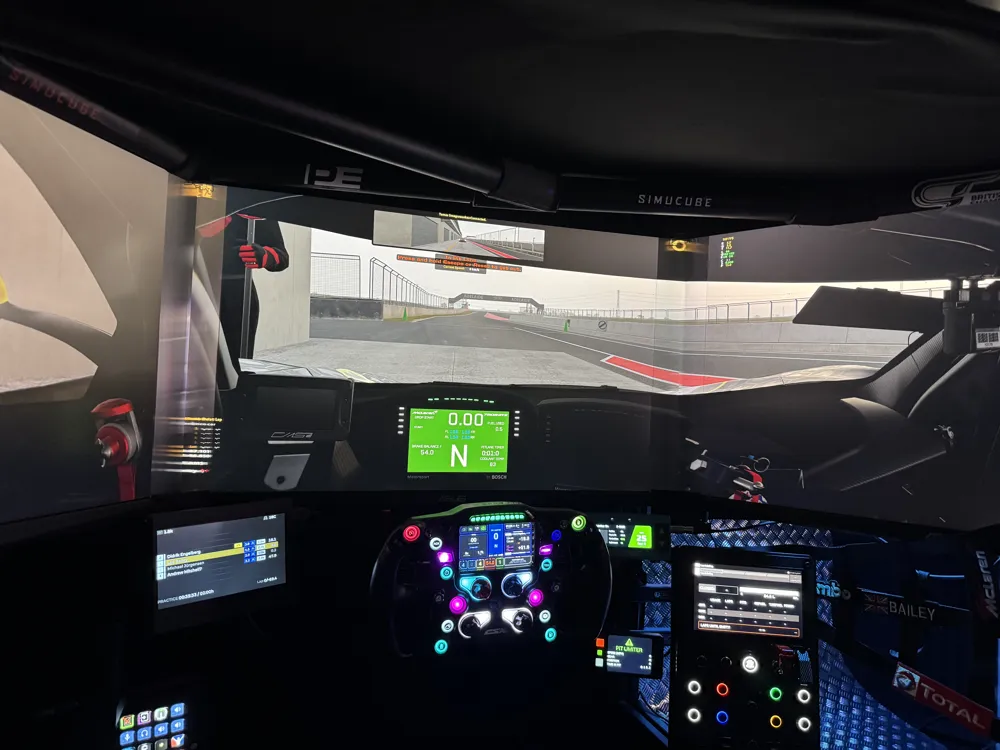
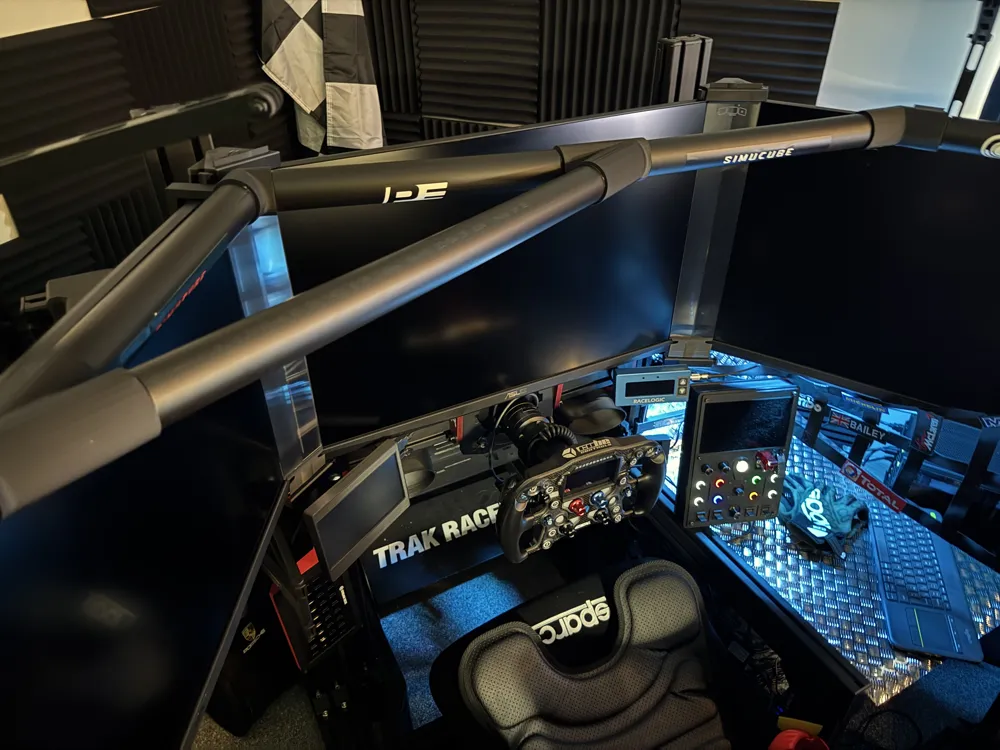
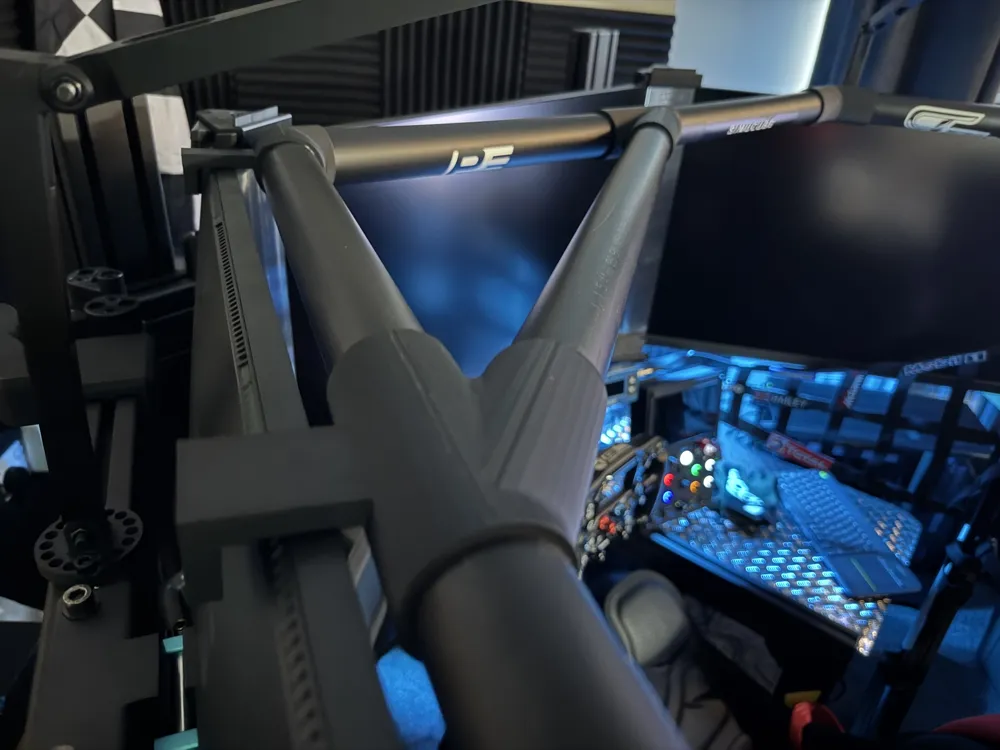
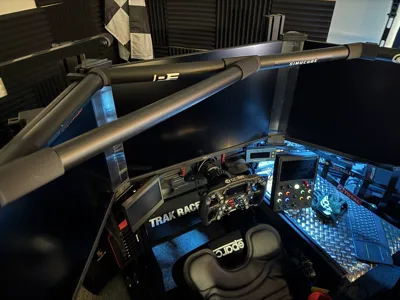
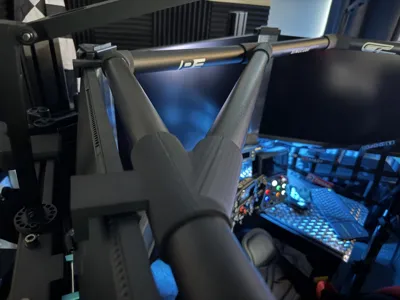
Heavily inspired by the similar model on Thingiverse (https://www.thingiverse.com/thing:6543667). This version allows for the more common 60 degree angle of monitors (original model designed for 53 degree angle) and 40mm pipes, which are cheap and easily obtained in most DIY stores.
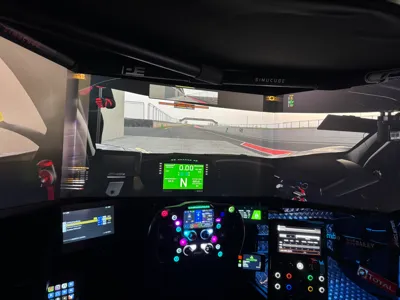
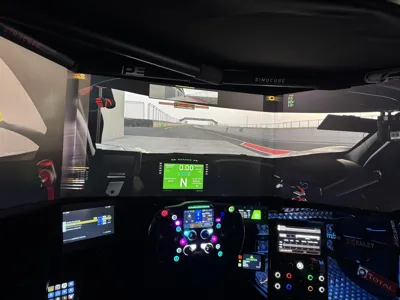
The assembled frame is lightweight and simply sits on top of your monitors. It won't move unintentionally, but can easily be lifted if needed for access. If you have a 4th monitor or need more height, take a look at Jasons WIP model - https://makerworld.com/en/models/1655359-wip-sim-roof
To create this, you will need;
3x A2 Foam Boards (or 2x A1, if you can find them).
2x 2m lengths of 40mm push-fit waste pipe (I used black, but white would give a more ‘roll cage’ feel)
(optional, but recommended) 100x150cm fabric to cover (this is sufficient to cover the side visible in the rig - you will need more to cover the top) I recommend spray adhesive to fix
Steps;
- Print parts - I printed in PLA with 15% infill, which is sufficient and lightweight
- Cut Pipe to length (I highly recommend a pipe cutter for ease and a straight clean but, but a hacksaw will do the job). For 32" monitors you will need the following lengths - 170mm, 2x 300mm, 515mm, 310mm & 370mm. These sizes are approximate, so if you're cutting all pieces before assembly, I strongly recommend cutting slightly longer then trimming to fit during assembly. 2 lengths of pipe will leave you enough ‘waste’.
- Assemble the frame and test fit over your monitors
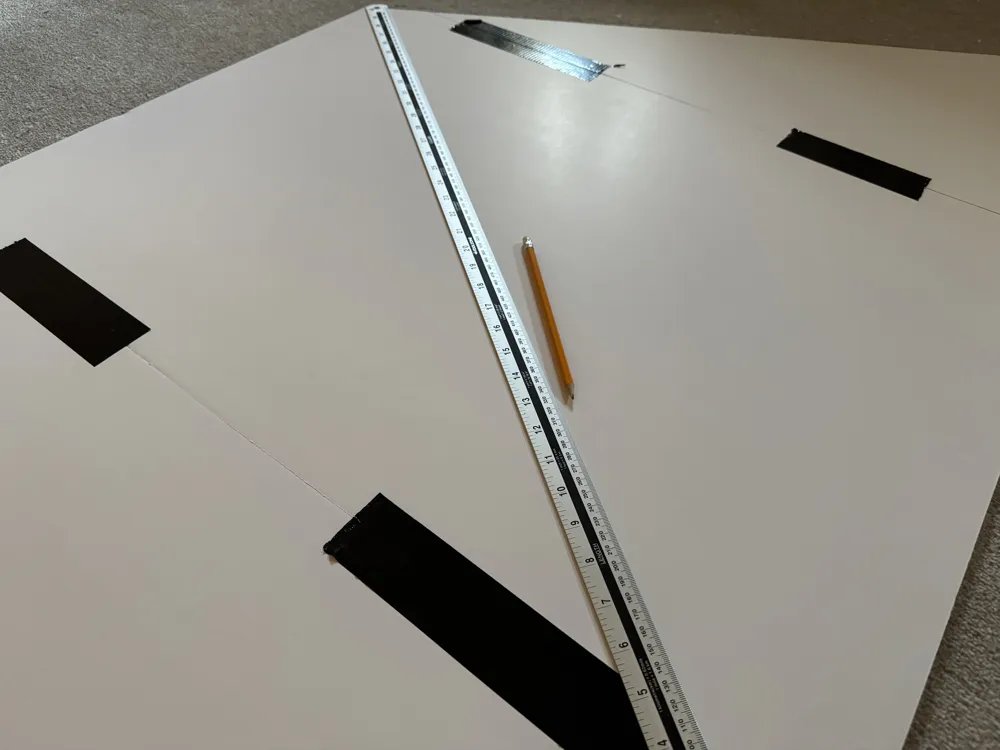
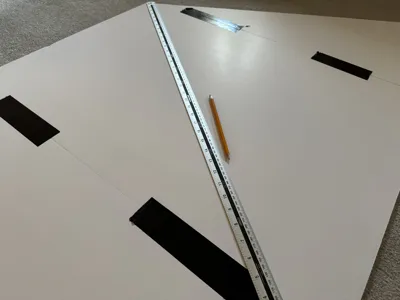
- Join the foam boards - I used strong duct tape
- Place the frame on top of the foam boards
- Cut the joined foam boards - this will be the sides cut to an angle. Allow some overlap. Do another test fit
- Cover the final foam boards
- Assemble & enjoy!
- Optional - the assembled boards will simply sit on top of the frame quite happily without needing to be fixed, however you could use either hot glue or adhesive velcro to connect the frame and boards if you wish
License



Comment & Rating (42)