
Fake Acorn ant nests for collecting queens
Print Profile(4)


Description
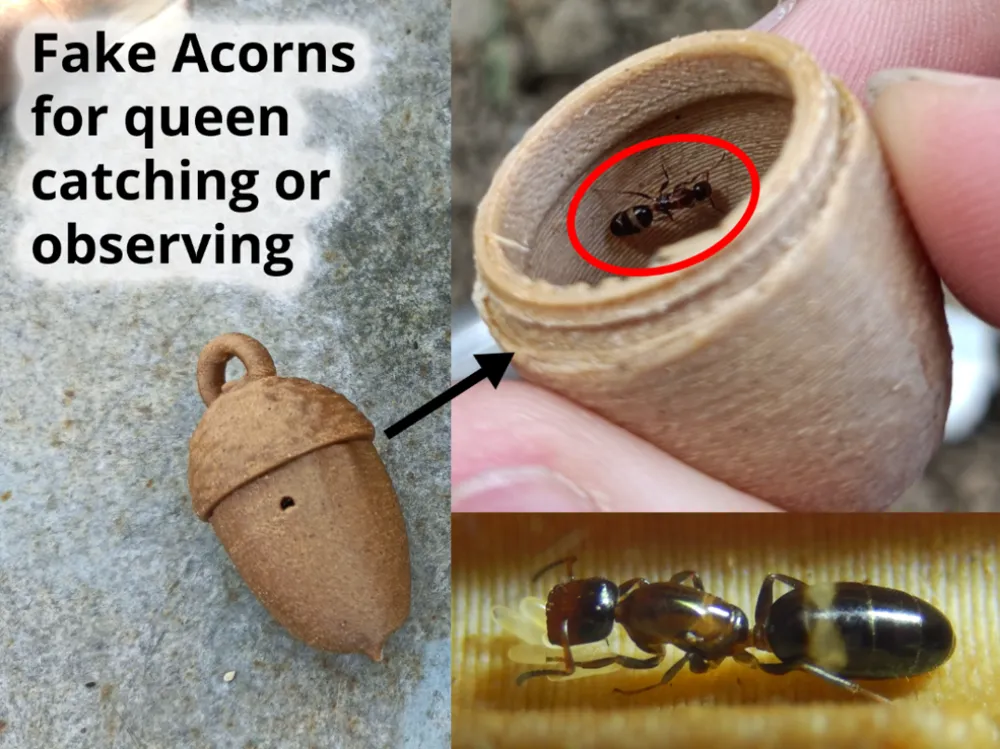
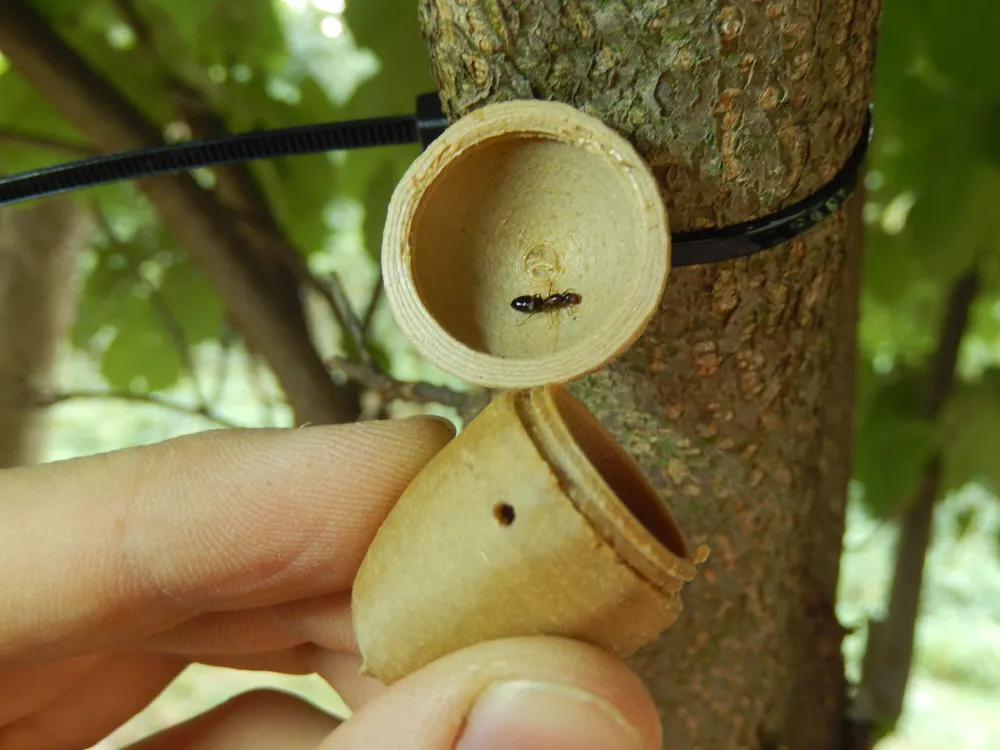
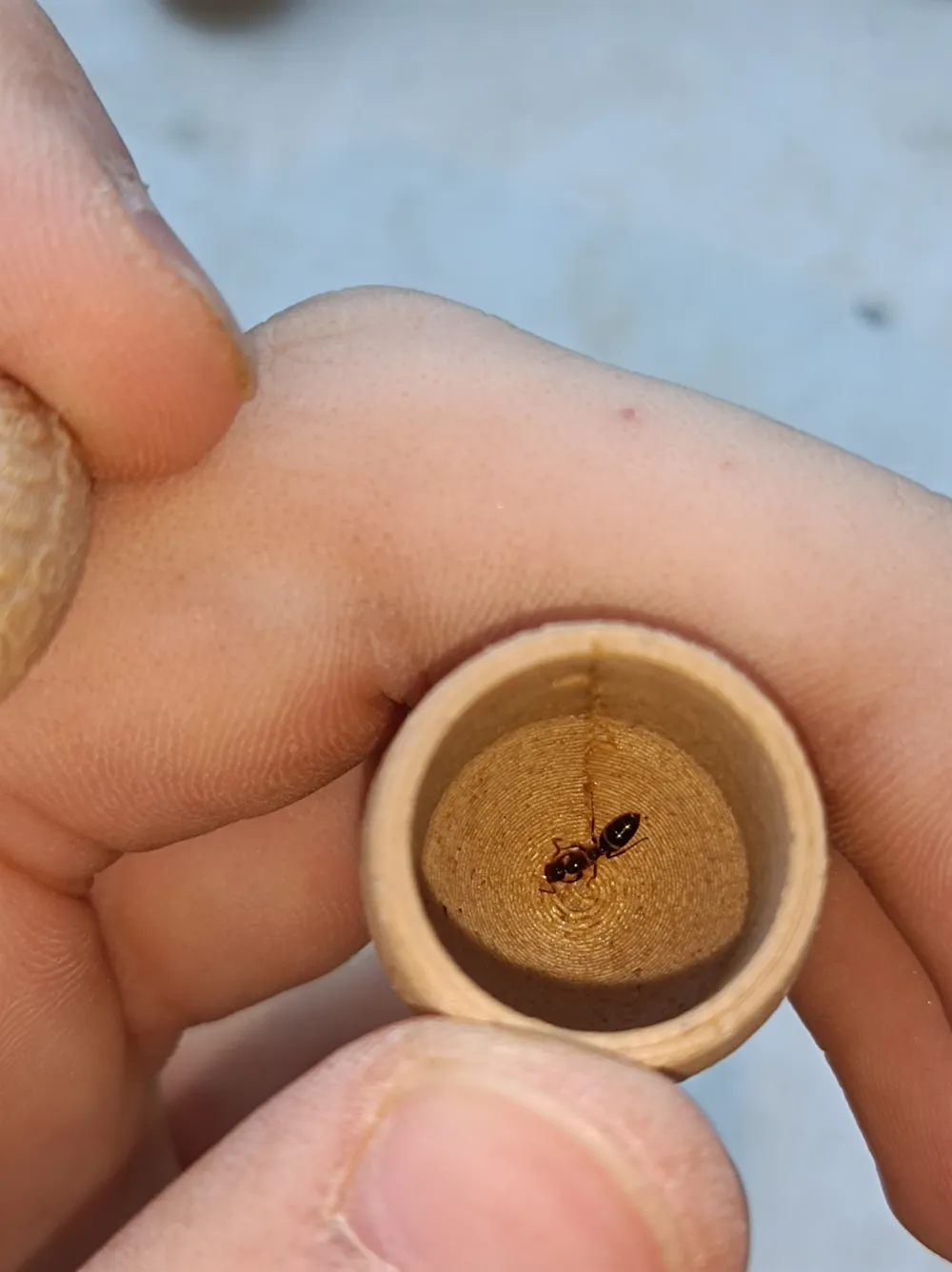
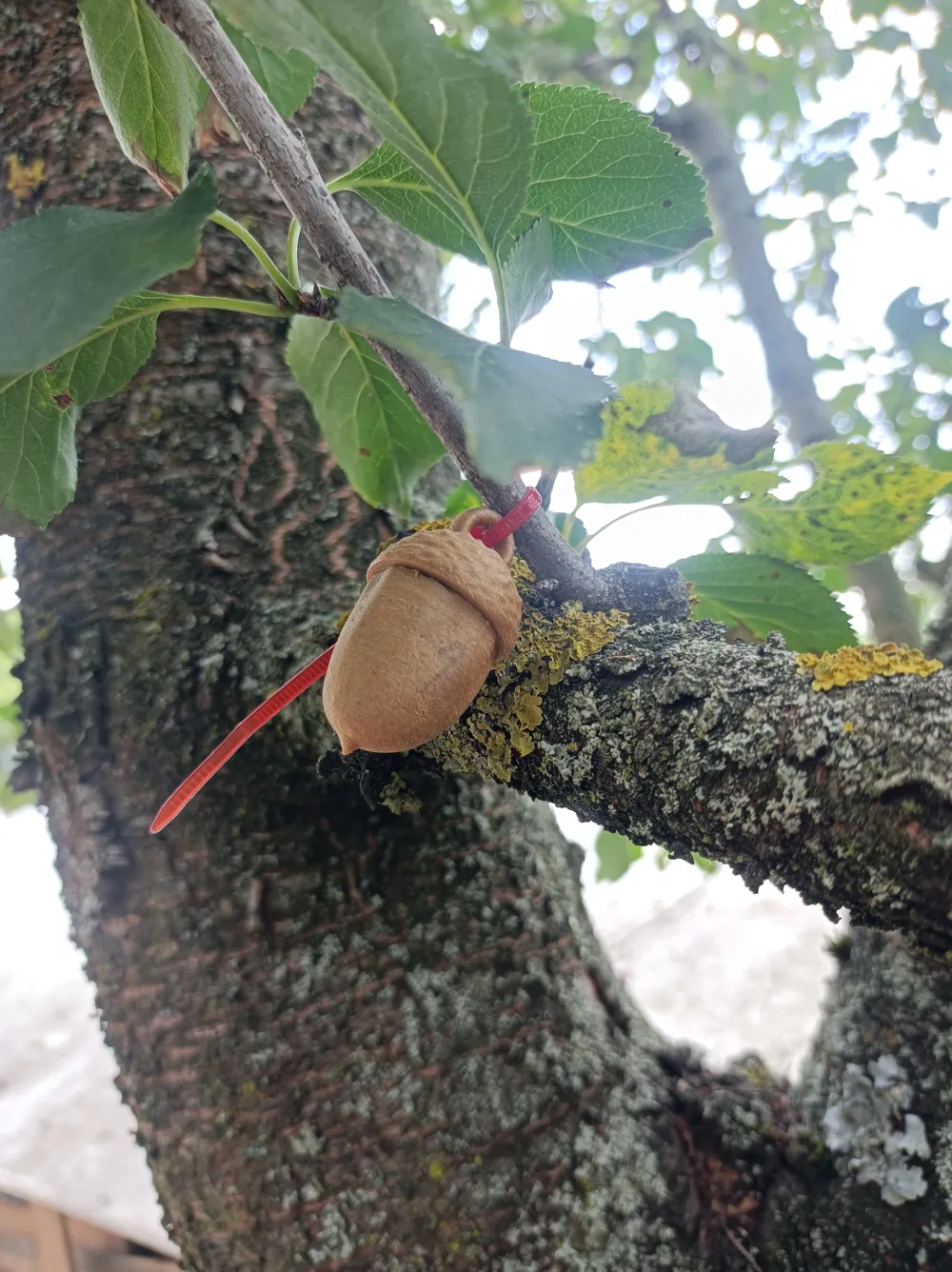
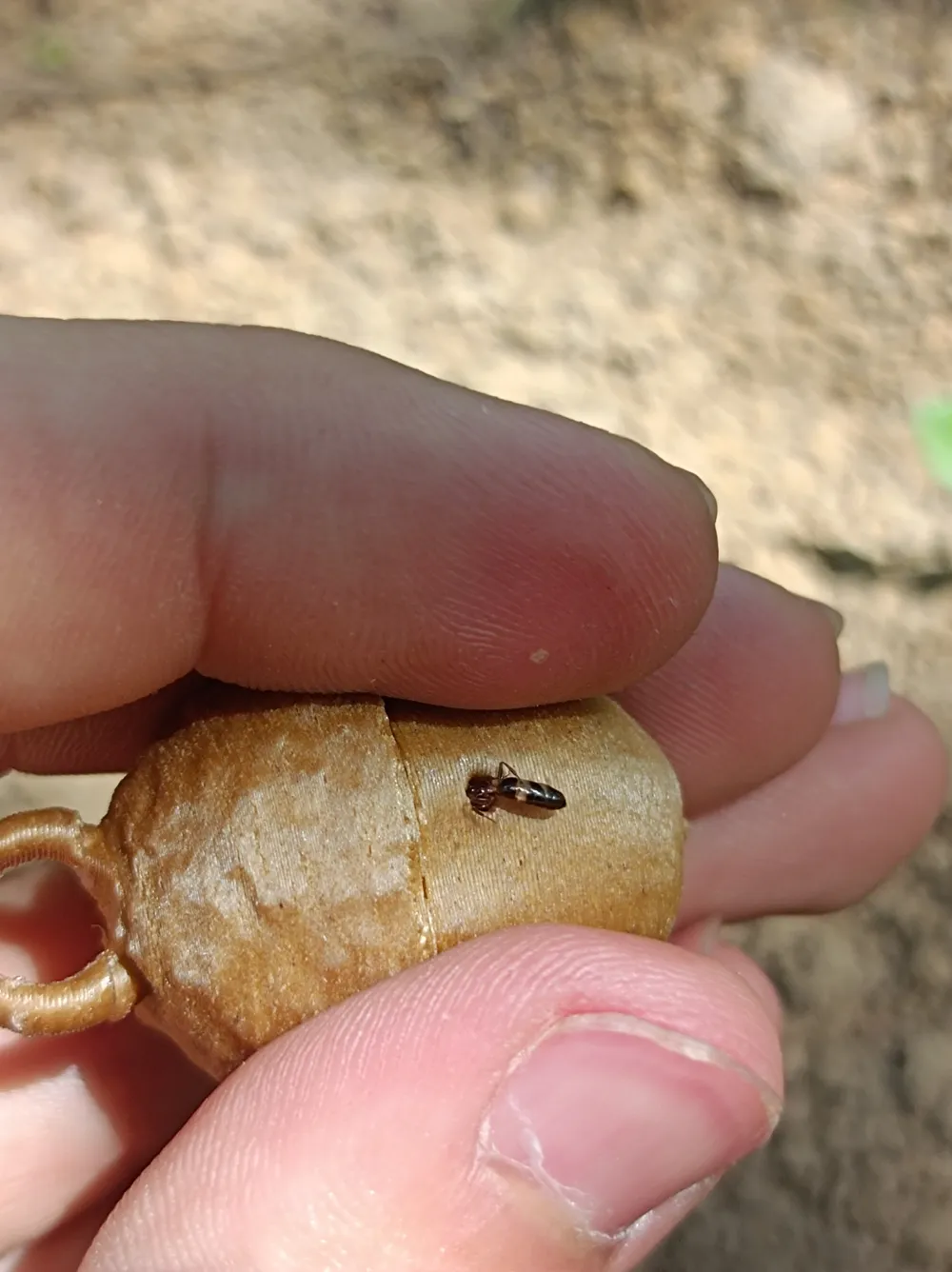
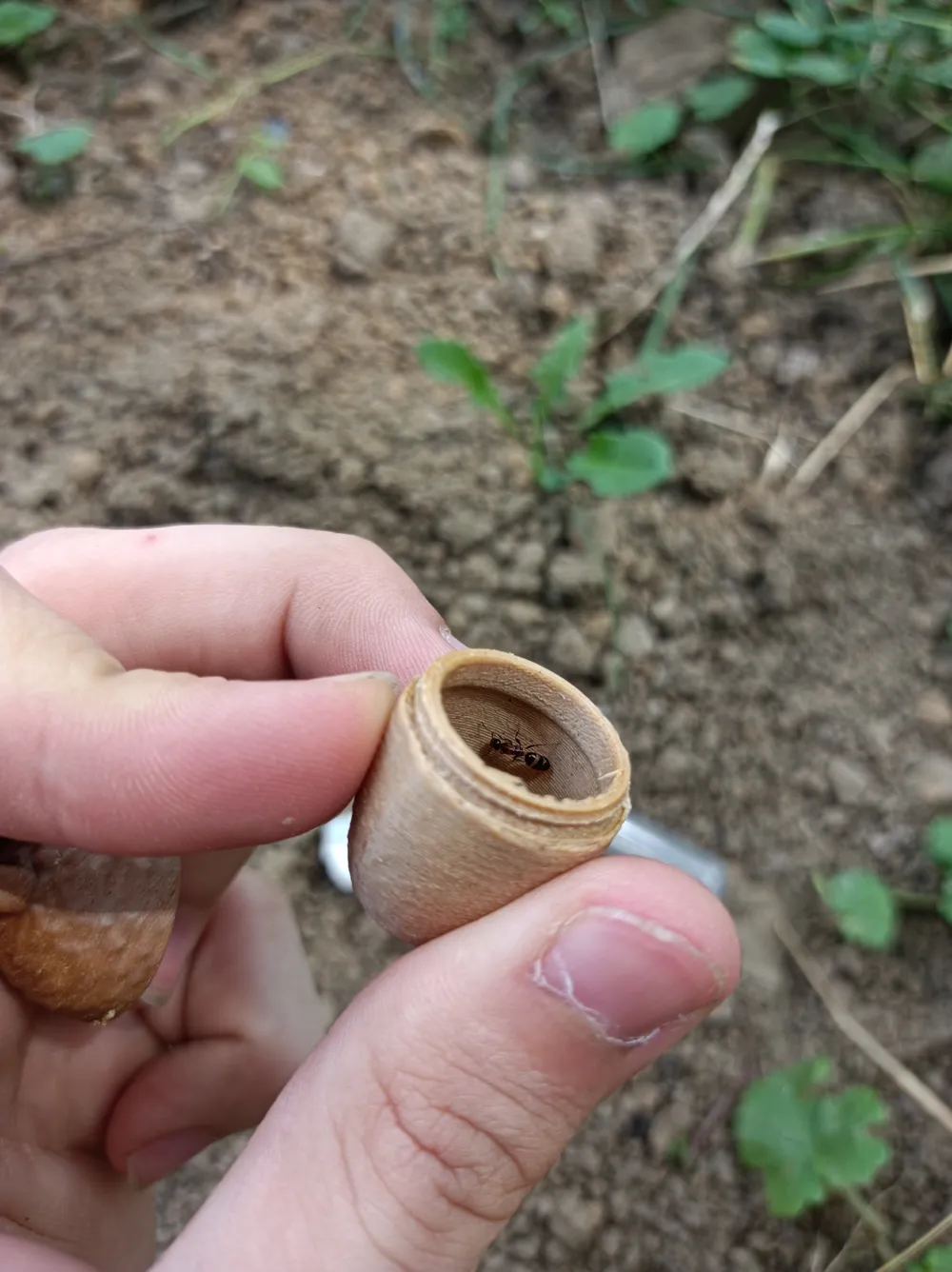
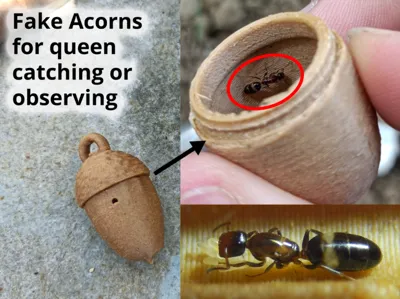
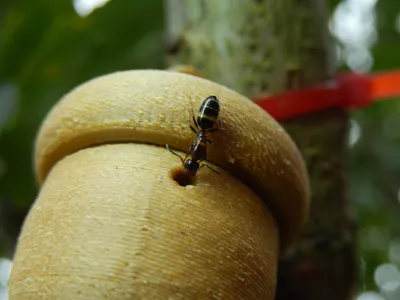
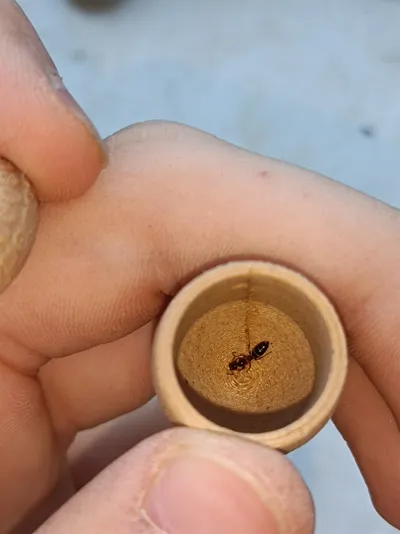
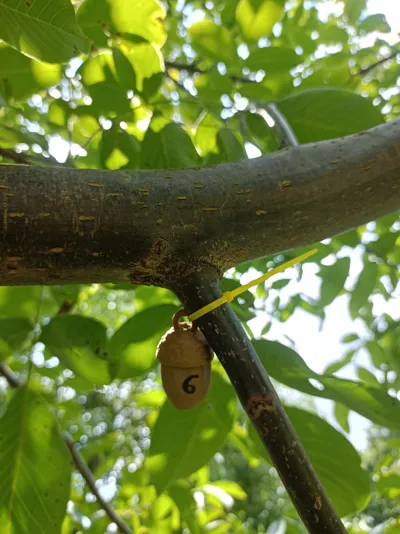
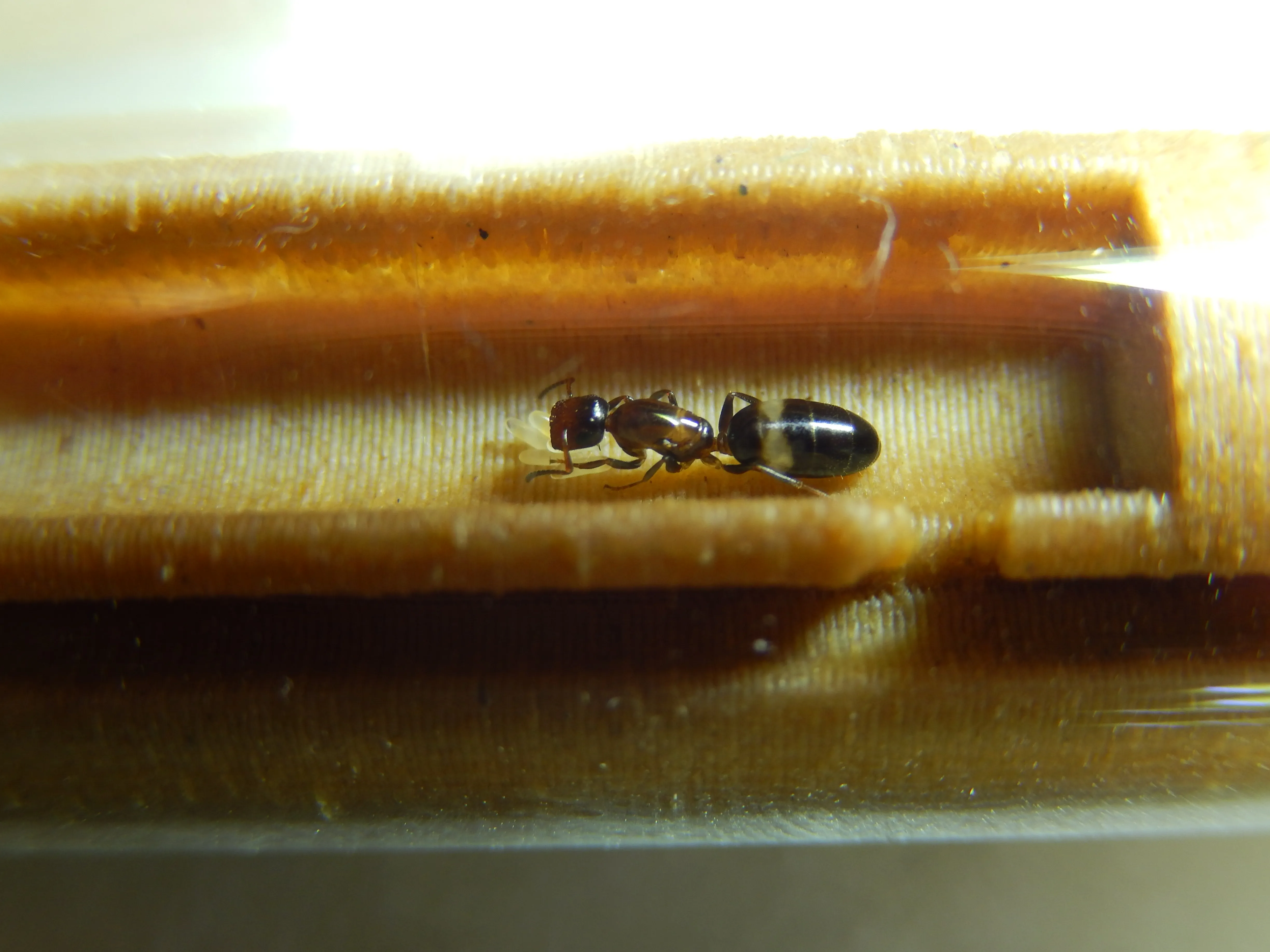
Designed to mimic a natural nesting space for many arboricolous species of ants, they are perfect for educational purposes or for hobbyists looking to catch ant queens or study ant behaviour and development of colonies in semi-natural environment up close.
Key Features:
- Realistic Design: Modeled after a real acorn, these prints provide a familiar and comforting space for ants.
- Multiple Versions:
- Empty: A simple hollow shell. Slightly too spacious, but the easiest to manipulate with inside.
- Empty (No Entry Hole): A sealed version with no entrance hole. If you want to edit it for yourself.
- Ribs: Features internal ribs. Adds a lot of additional nesting space. Ants can be relatively easily shaken out.
- Infill: 15 % infill version that simulates
- Recommended Material: Wood PLA filament is highly recommended to give the acorns a realistic, porous texture, smell and appearance that feels more natural for the ants.
- Some failed prints are expected with Wood filaments.
Attracted ant species:
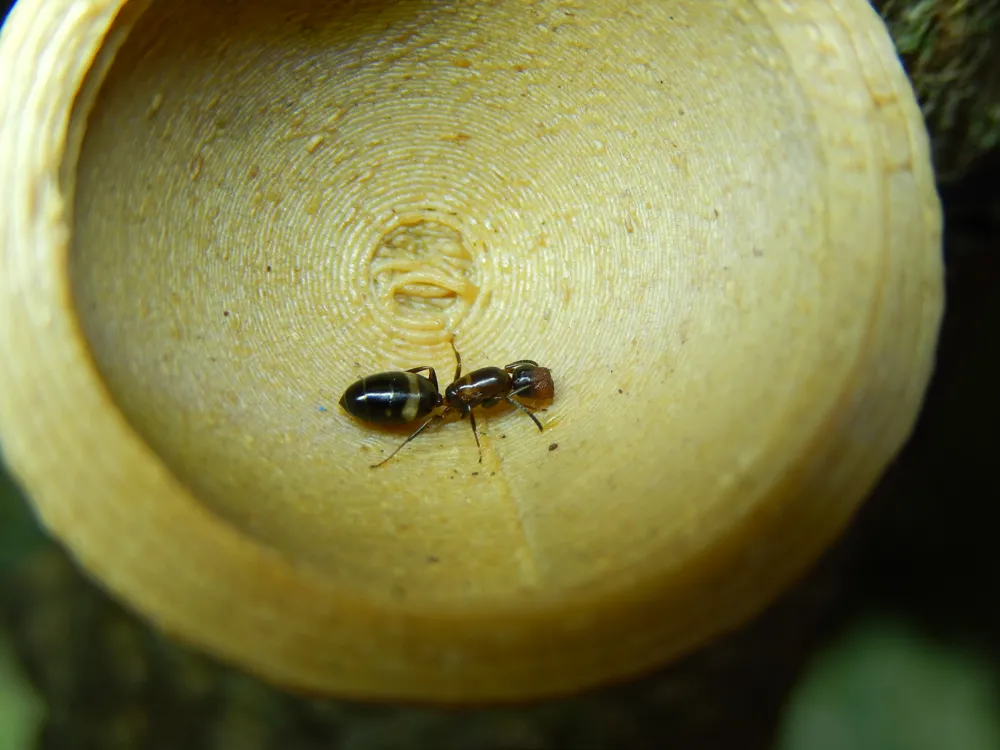
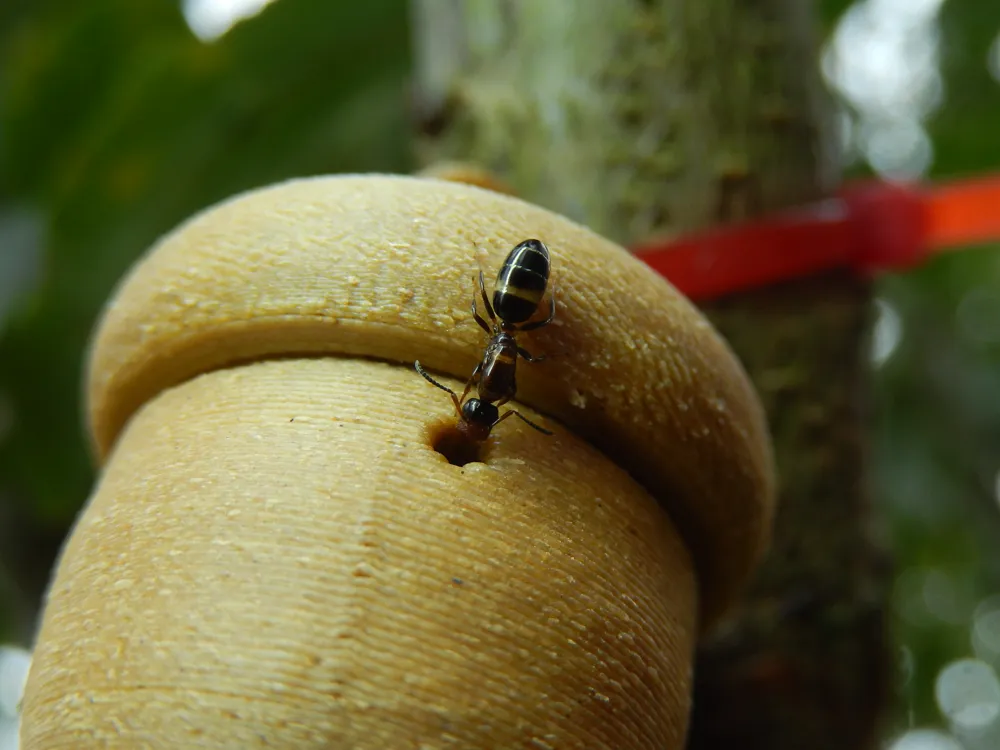
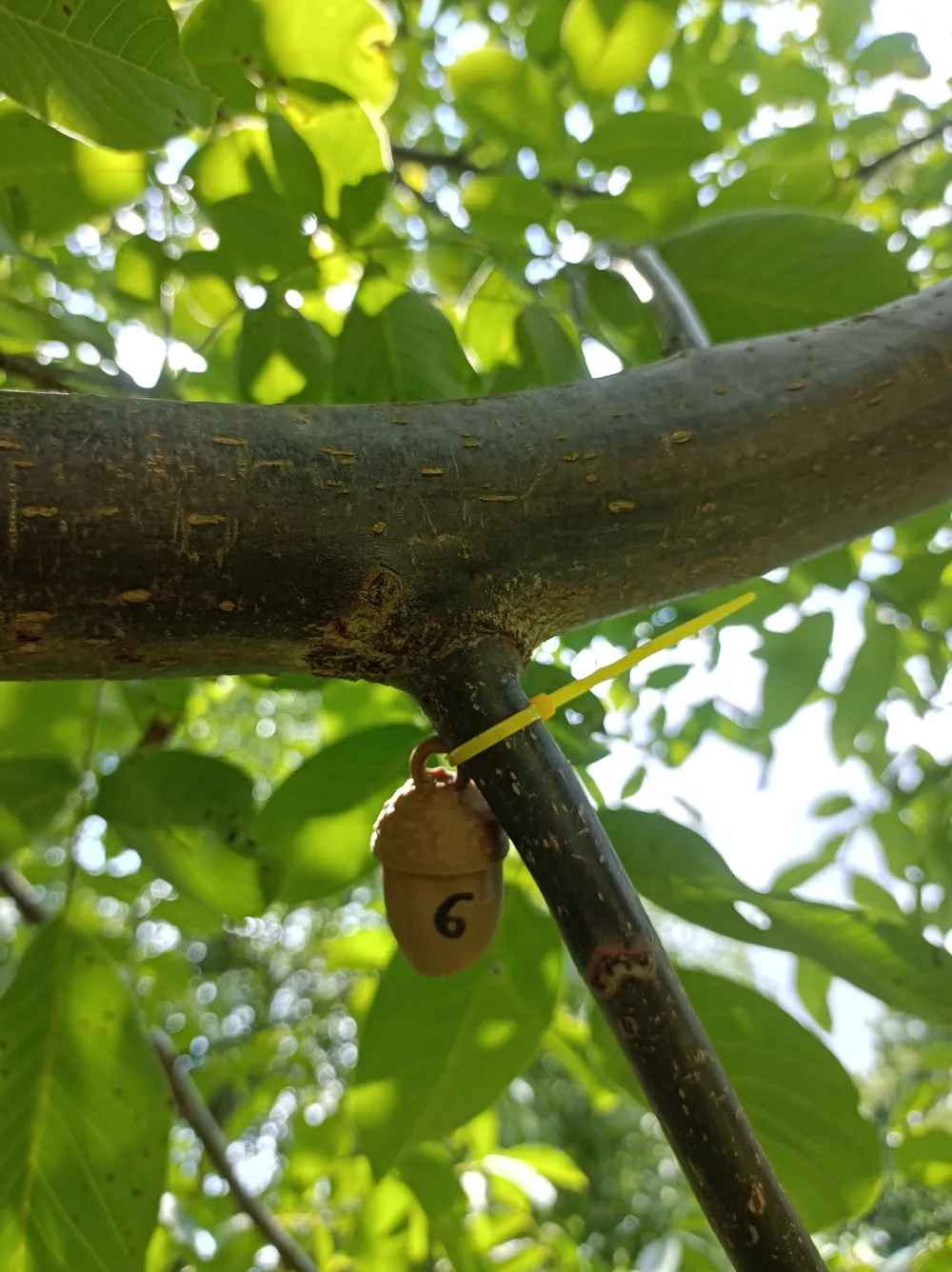
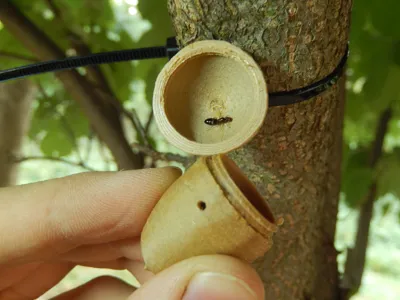
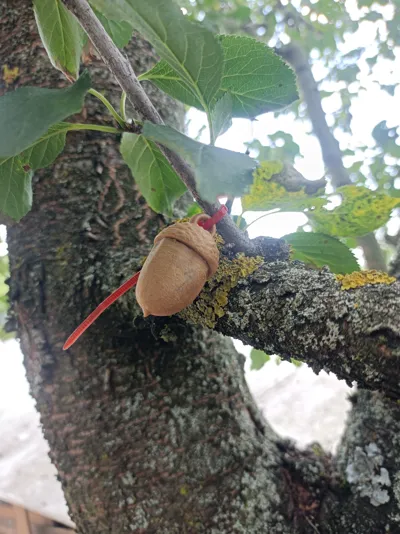
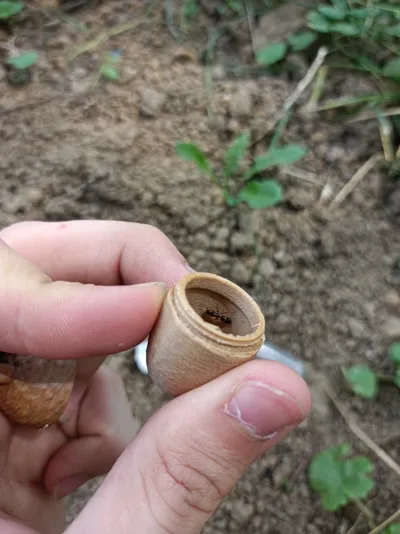
As of May 2026, almost a year later after the experiment, here are the results so far. All results are from fake acrons put on trees, near trunks or on branches. Ground testing was limited and I couldn't find the acorns, but Temnothorax should be attracted below oak trees with high acorn and gall density. More ant species are expected to nest inside than listed here. You can write in the comments what worked for you, but I can only try for species living in the Czech republic.
- Colobopsis
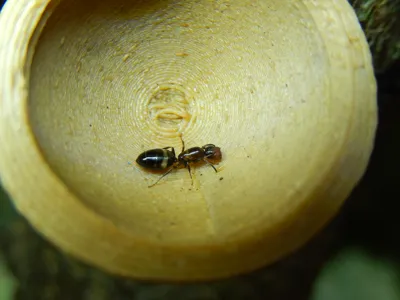
- C. truncata queens like them a lot, mainly the empty ones. Satellite colonies often found in infill acrons.
- Dolichoderus
- D. quadripunctatus queens found inside an empty, satellite colonies often found in infill acrons.
- Temnothorax
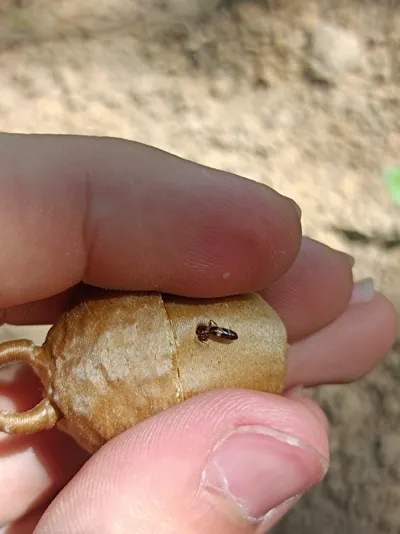
- workers have been found, no queens yet
- Leptothorax
- no testing sites are expected to have any Lepto species and acorns are also less likely to house these ants
Filament used for the acorns on photos: https://spectrumfilaments.com/en/filament/wood/ but other filaments with high wood percentage can be used as well. Using just PLA might also work but bear in mind that PLA is not suited for outside use and UV does break it down. One year on the tree didn't make them fall of, so they can hold at least for some time :D
Perfect for:
- Observing ant behavior in a controlled, natural-looking setting
- Educational projects for students interested in myrmecology
- Young queen collecting for ant hobbyists (Overexploitation is prohibited!)
- Experimenting with the effect of ants on the tree the fake acorns are attached to.
Boost Me (for free)
Boosts are used to create more exciting ant related models!
Some other Wood PLA projects you can expect:
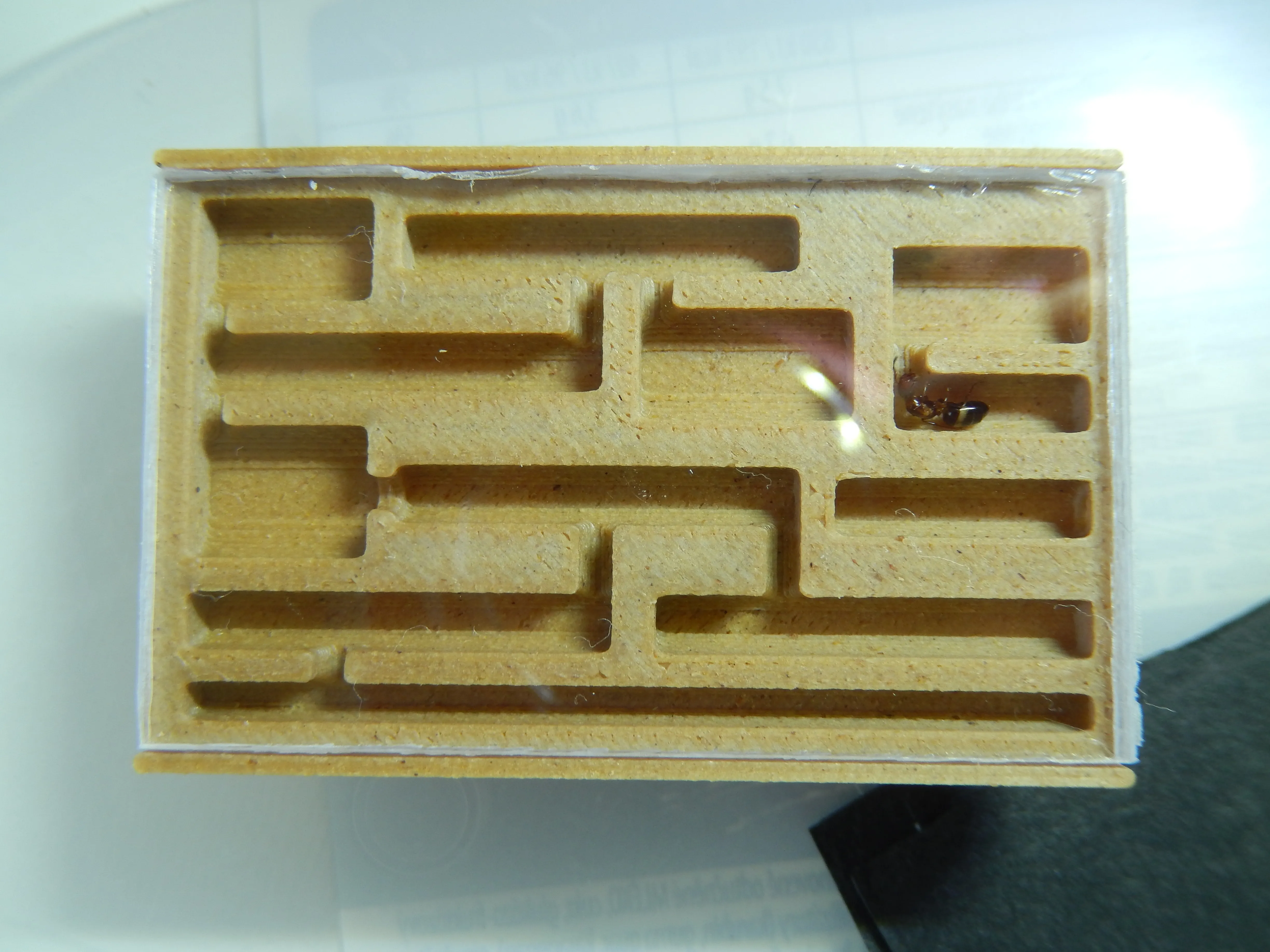
CzechOutAnts is an antkeeping shop based in Czechia, developed by AntsCzech.

License



Comment & Rating (40)