
Schlossberg Graz
Print Profile(1)

Description
A Short History of Schlossberg
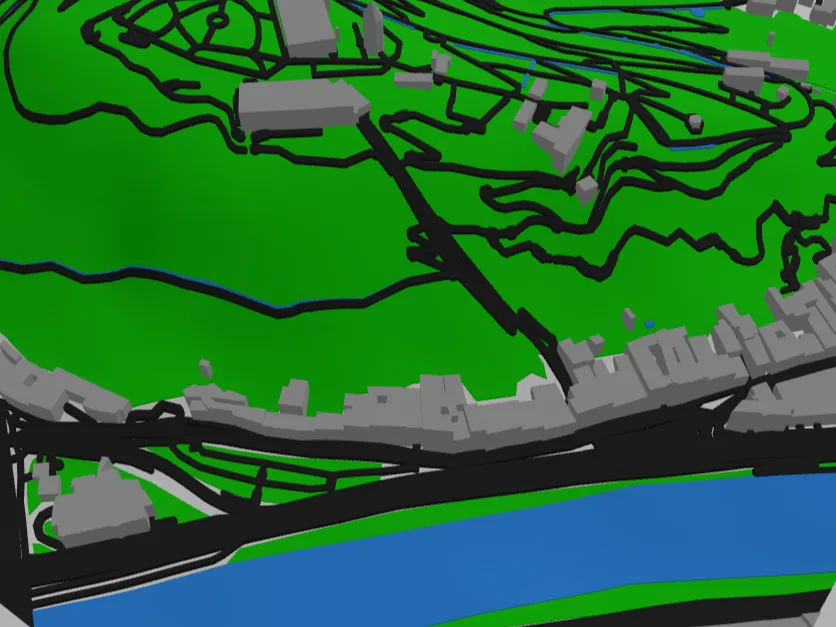
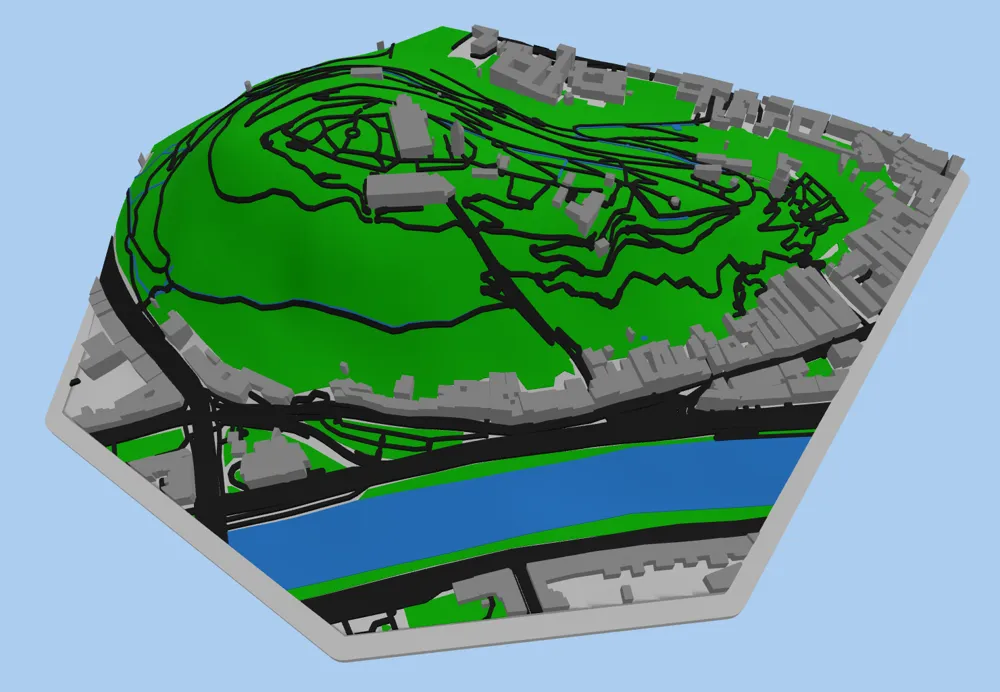
The Schlossberg in Graz is a 473-meter-high hill in the city center and served for centuries as a military stronghold and fortress. The first documented mention of a castle ("Gradec", small castle hill) dates back to the 10th century. This early fortification marked the origin of the later city of Graz
In the 15th century, under Emperor Frederick III and later Maximilian I, the complex was expanded and adapted to the military requirements of the time. However, the decisive step occurred in the 16th century, when Graz was massively upgraded due to the threat of the Ottoman Empire
Under the direction of the Italian fortress builders Domenico dell’Allio and later Pietro Ferrabosco, starting around 1544, one of Central Europe's most modern fortress complexes was built. The system included bastions, casemates, gatehouses, and extensive defensive works. Particularly well-known was the so-called Stallbastei (Stable Bastion) as well as a complex system of underground passages
The fortress withstood all sieges. Neither the Turkish campaigns of the 16th century nor later attacks could capture it. Its military strength earned Graz the reputation of being impregnable
The turning point came with the Napoleonic Wars. In 1809, after Austria's defeat in the Fifth Coalition War, Napoleon ordered the demolition of the Graz fortifications in the Peace of Schönbrunn. Large parts of the complex were blown up or dismantled. Only by the payment of 2,987 gulden by the citizens of Graz could the Clock Tower (first mentioned in the 13th century, current form 1560) and the Bell Tower (erected in 1588) be saved from destruction
Today, only fragments of the once mighty fortress construction are visible: the casemates, individual wall remnants and bastions, as well as the two towers. The Schlossberg is thus not only considered a landmark of the city but also as a stony testament to European fortress history – from the medieval castle hill to the Renaissance fortress and finally to the Napoleonic demolition
Boost Me (for free)
Like and Boost
License

You shall not share, sub-license, sell, rent, host, transfer, or distribute in any way the digital or 3D printed versions of this object, nor any other derivative work of this object in its digital or physical format (including - but not limited to - remixes of this object, and hosting on other digital platforms). The objects may not be used without permission in any way whatsoever in which you charge money, or collect fees.


Comment & Rating (0)