
Raspberry Pi Camera APERTUS-C1
Print Profile(1)

Description
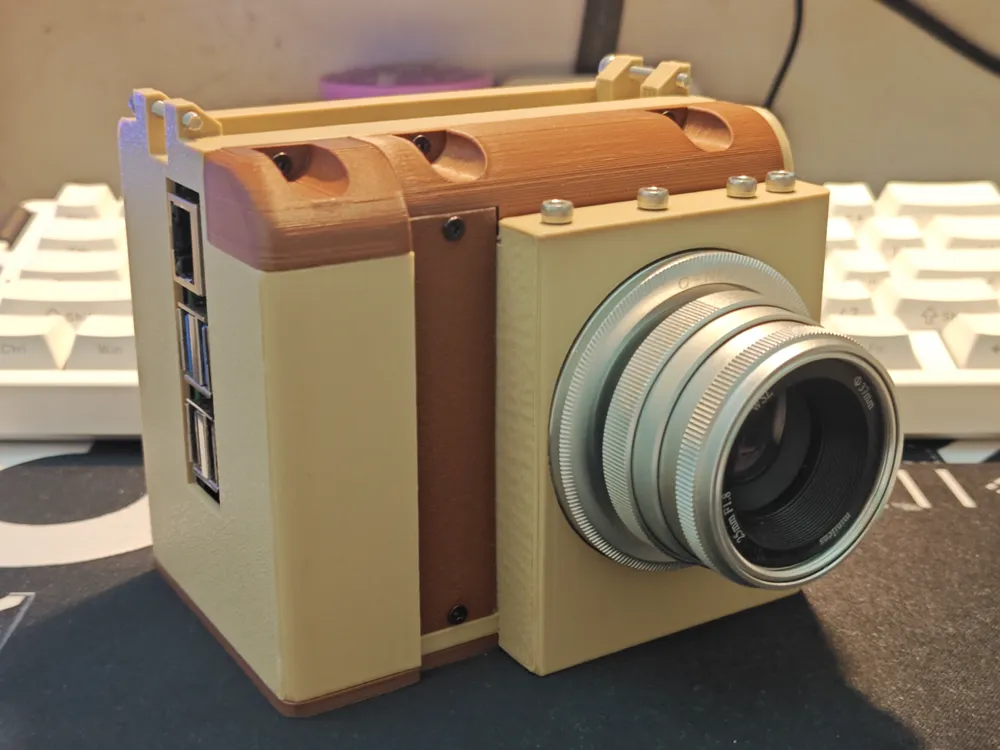
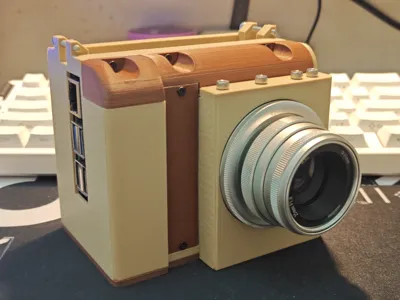
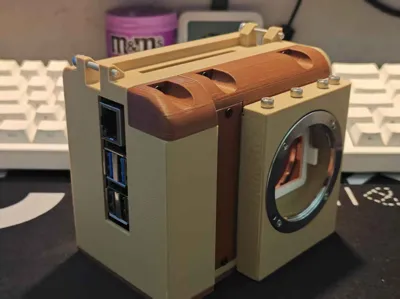
Hello everyone, another month has passed. This time I'm bringing you the apertus-c1, an M43 format cinema camera
First, I'd like to thank will127534 for the open source project, which allowed me to use this sensor (GitHub - will127534/FourThirdsEye: Open source Raspberry Pi 5 compatible Micro Four Thirds camera module based on IMX294)
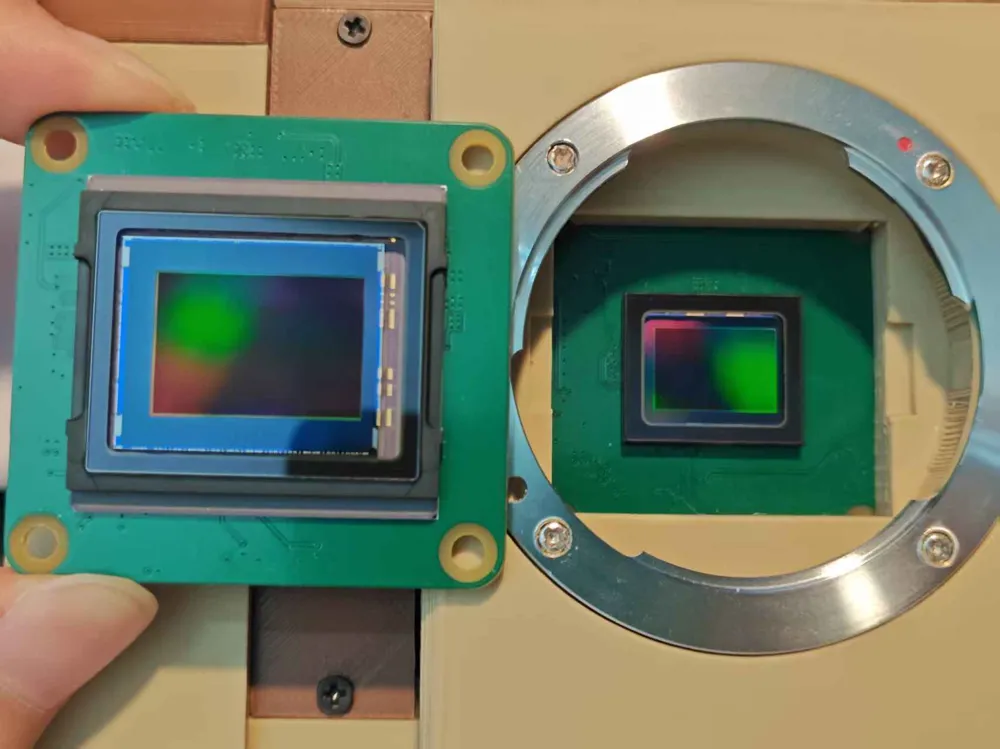
This is a DIY cinema camera using the IMX294 sensor. It currently has the capability to shoot 4K 30fps raw Cinema DNG video
Perhaps this isn't considered outstanding today, but it's enough for me. What truly makes me passionate is enjoying the creative process
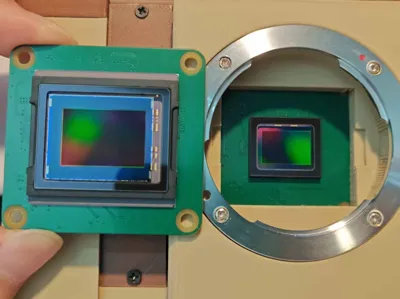
After successfully making the previous 1-inch test camera, I started designing a new camera. This cinema camera is currently considered my second-generation work
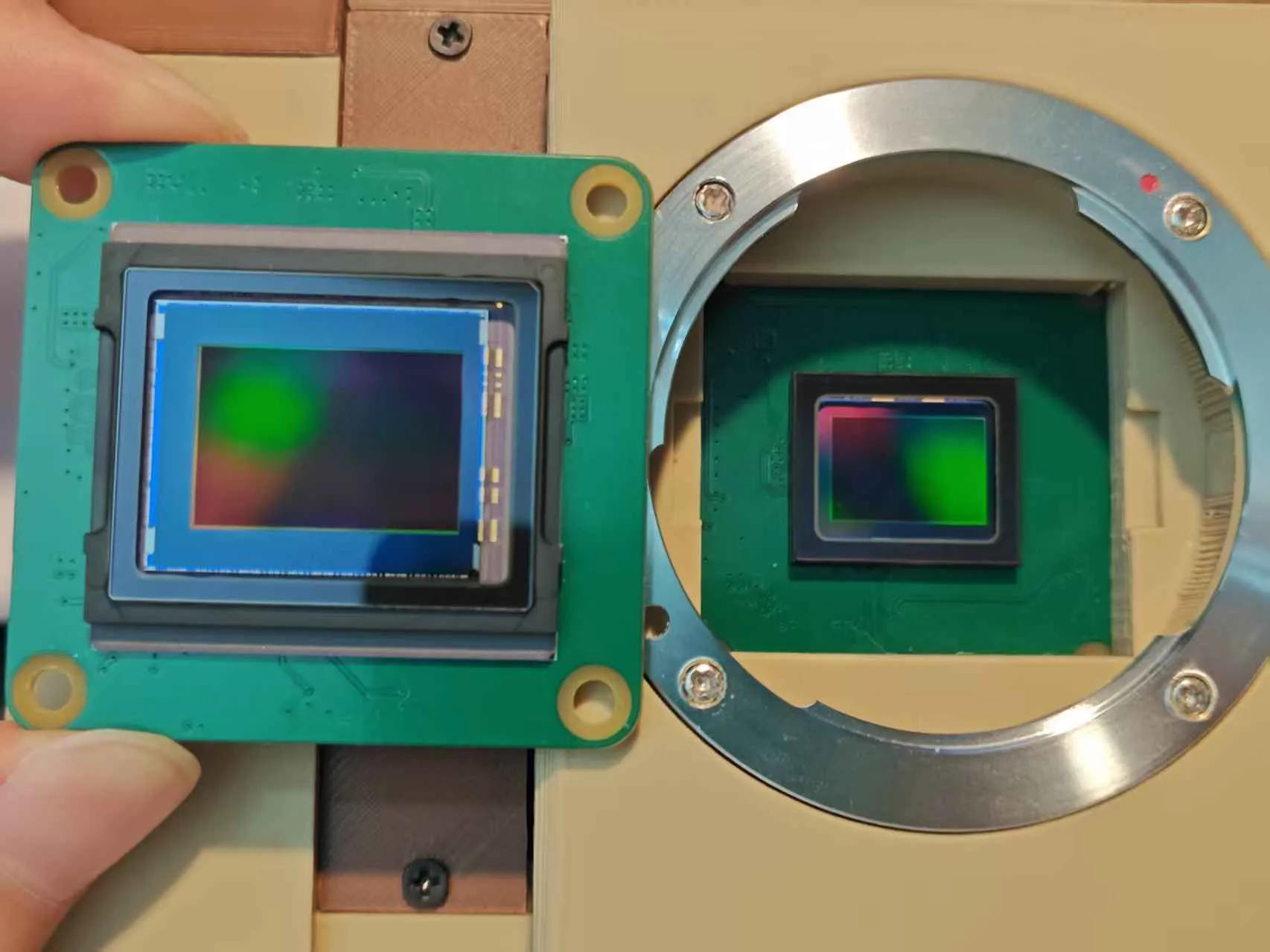
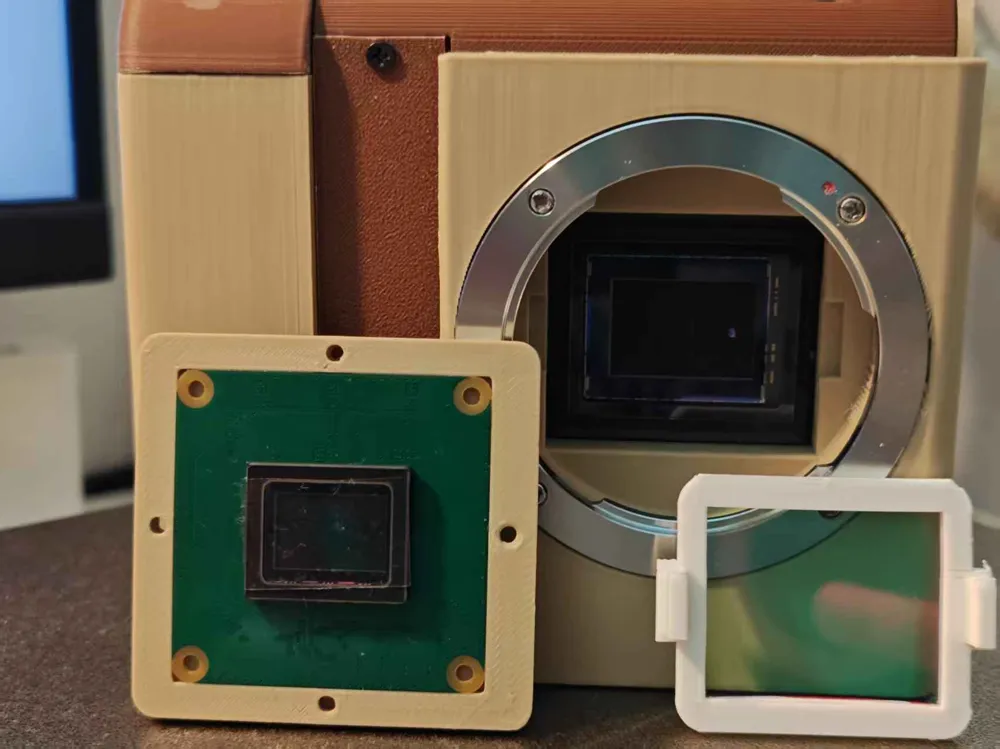
You can see it's also compatible with the first-generation sensor, and I've added support for will127534's open-source OneInchEye (GitHub - will127534/OneInchEye: A One Inch CMOS sensor (IMX283) camera board designed for Raspberry Pi)
The software is also compatible (I'm still testing and debating whether to release it together. Maybe what I wrote isn't very good -_-)
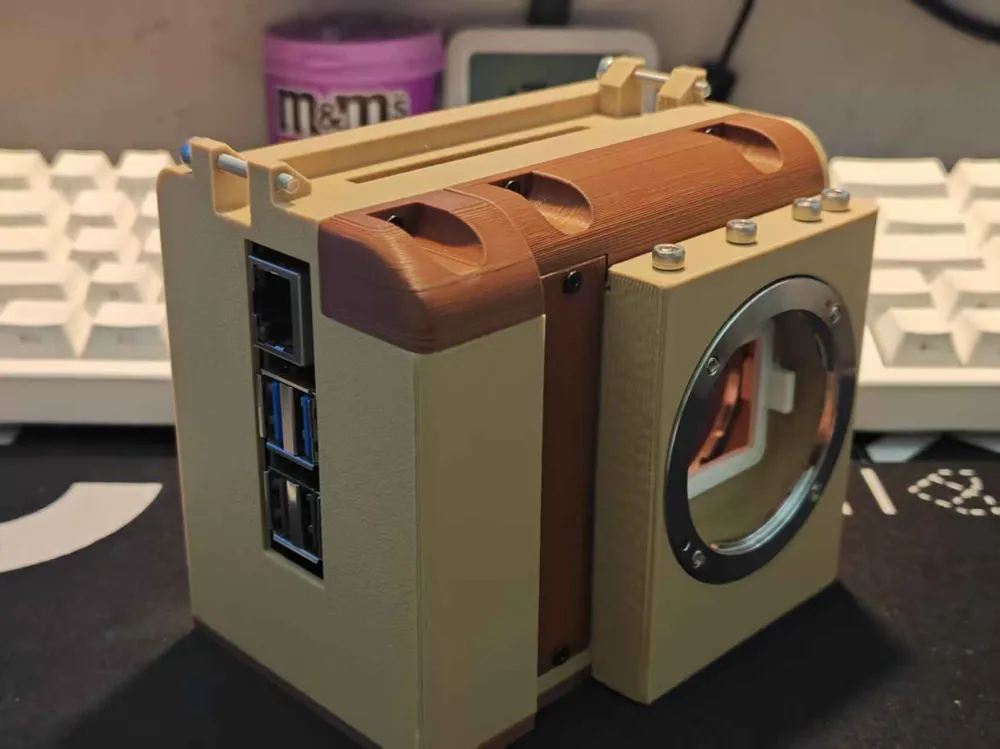
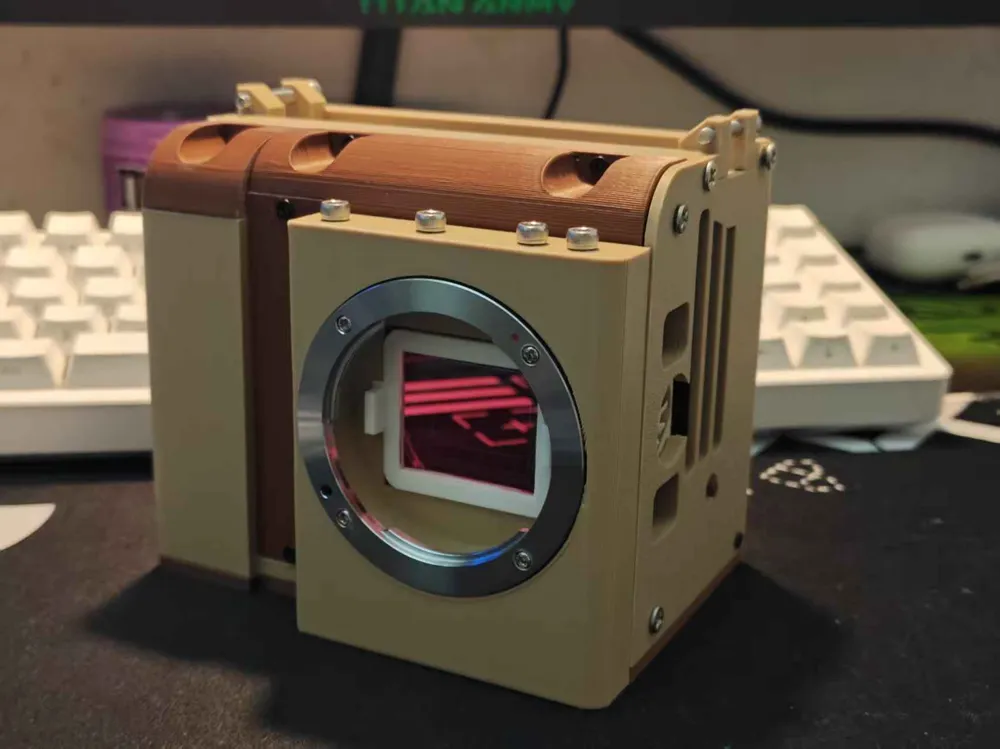
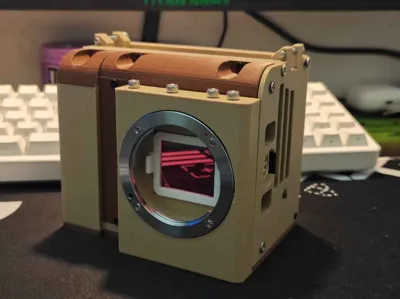
The new design adopts Sony's E-mount
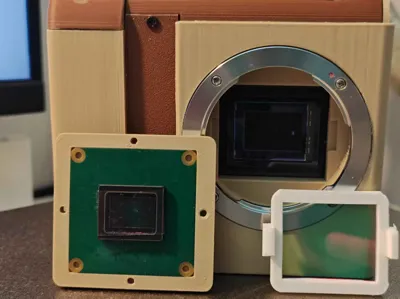
and removes the previous generation's ICR switcher, opting for a replaceable infrared filter design instead
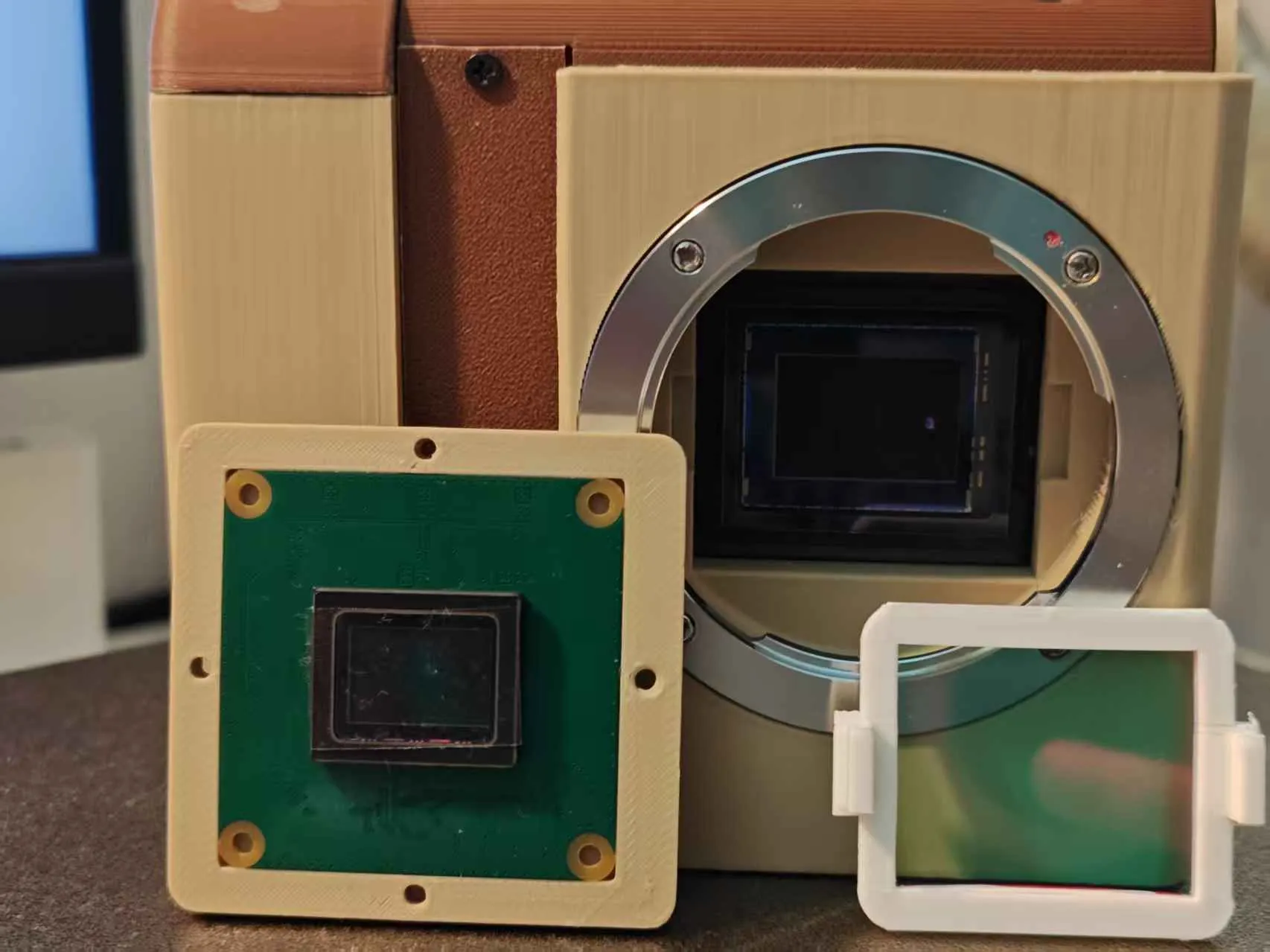
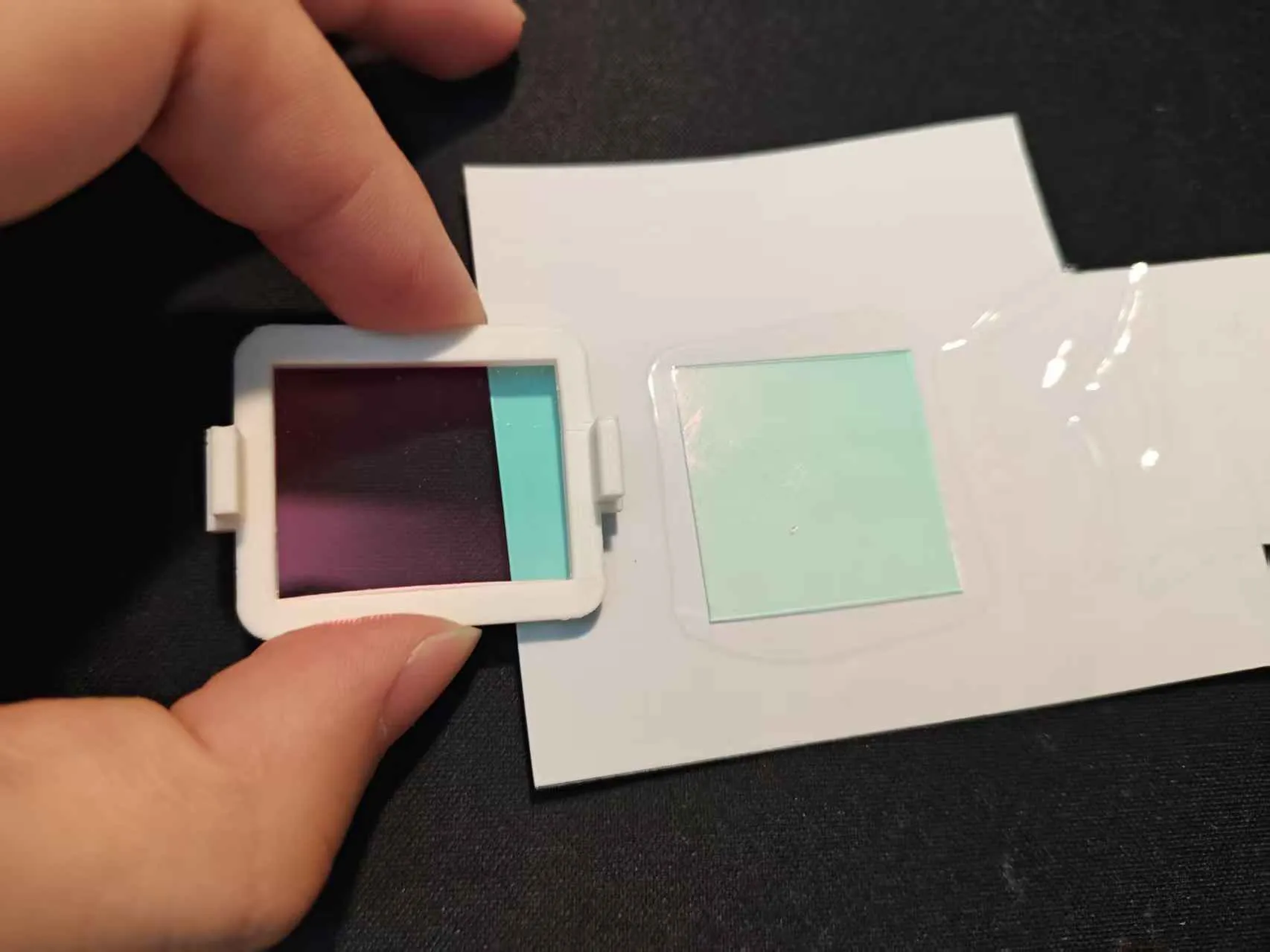
This design makes it easier to change special filters (like infrared filters and so on). I'm using a 30mm × 30mm infrared filter here
By overclocking the RP1 chip on Raspberry Pi 5, the APERTUS-C1 can shoot 4K 60fps video
Compared to the design flaws of the first generation, this time the focus was on solving the following issues
1. Overheating during operation, requiring urgent heat dissipation solutions
2. Lack of expansion space and expandability
3. Lack of high-speed storage media (like SSD)
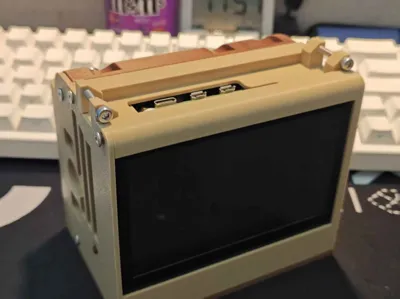
4. Insufficient screen brightness
Regarding the first issue, the second generation focused on the cinema camera aspect, so heat dissipation became particularly important. This time, I designed a 17mm × 17mm small fan at the air intake for the sensor and Raspberry Pi to continuously cool the interior. Currently, when recording 4K 30fps for one hour, there are no issues with overheating, throttling, or dropped frames (If I keep testing, the memory will be full 🤷:)
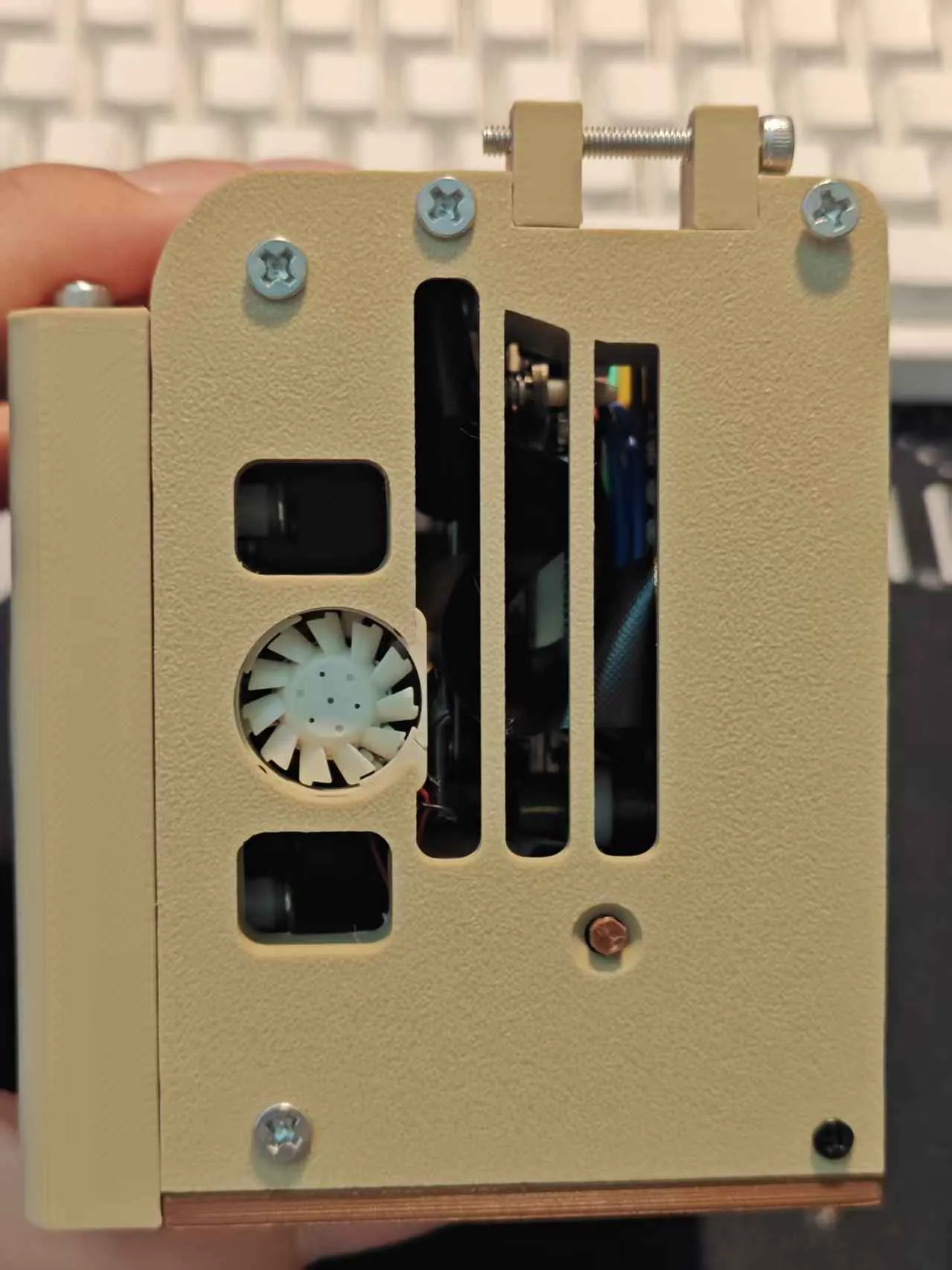
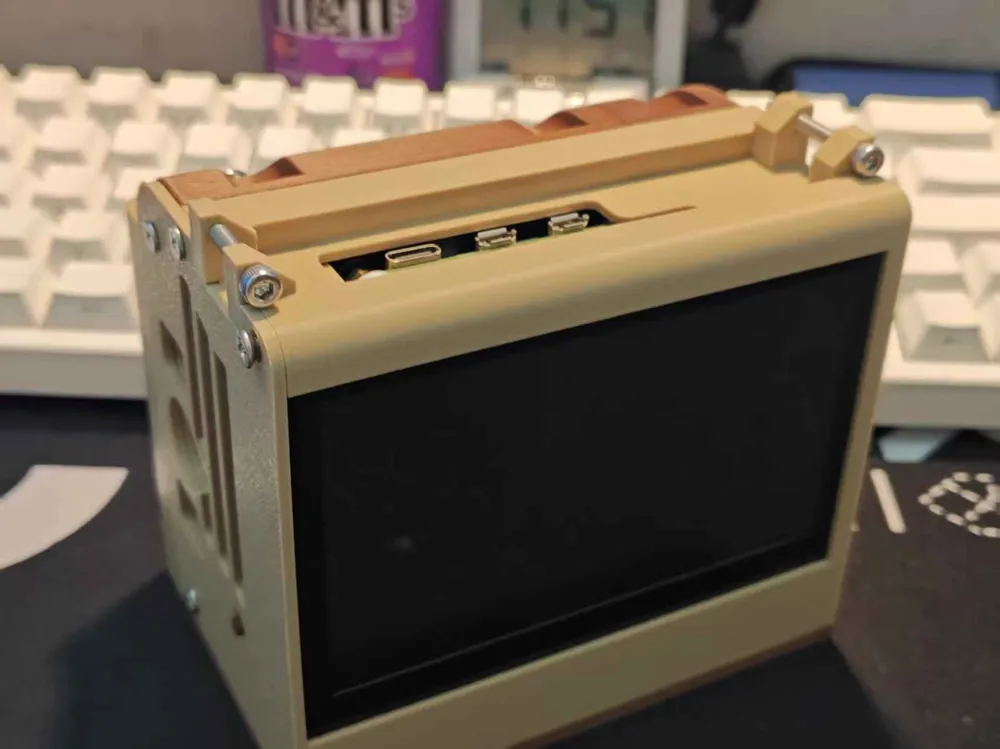
For the second issue, this time, multiple standard M3 screw holes were added to the top of the device, allowing connection to monitors or phones for reviewing recordings
Additionally, two 1/4-inch screw holes were added to the bottom this time, for connecting stabilizers, tripods, sliders, and so on
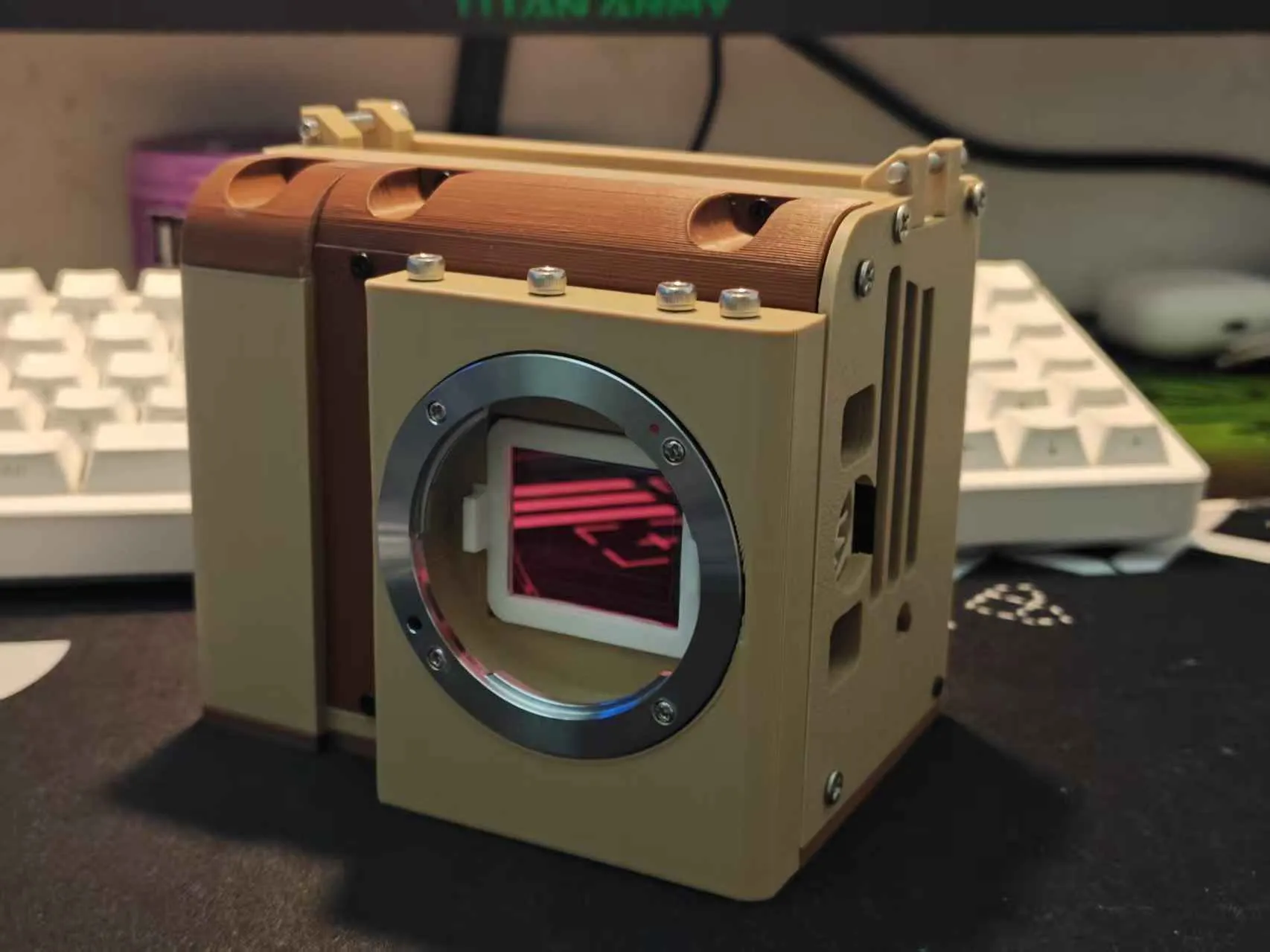
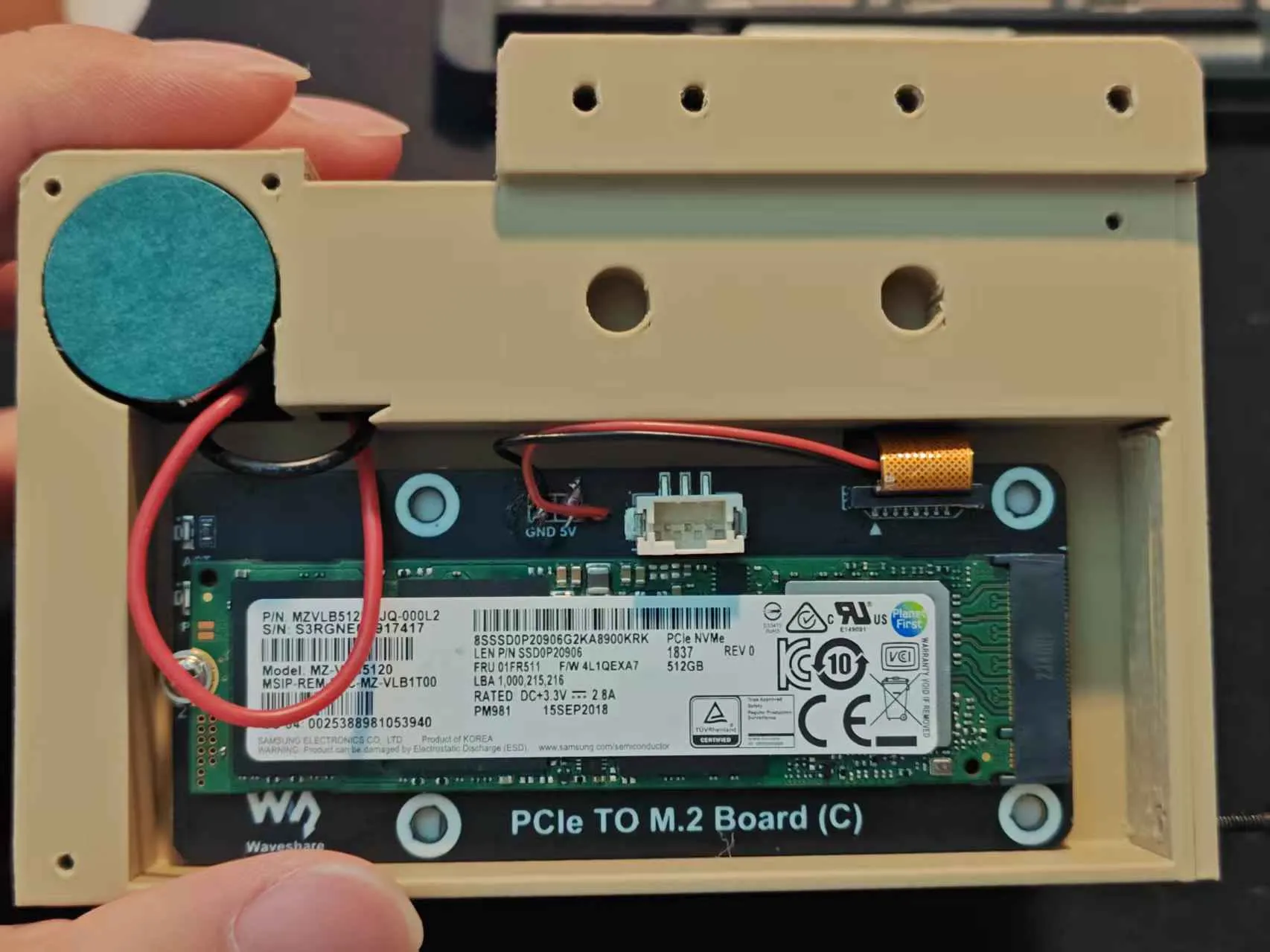
For the third issue, currently, an expansion board connected via Raspberry Pi 5's PCIe is used to enable SSD as storage media. The next version should support CFE cards
For the fourth issue, regarding insufficient brightness, this time, the 4.3-inch display screen was replaced with one that can reach 1000 nits, making outdoor monitoring essentially problem-free
If there are special requirements, web-based monitoring via mobile phone can be achieved through Raspberry Pi streaming
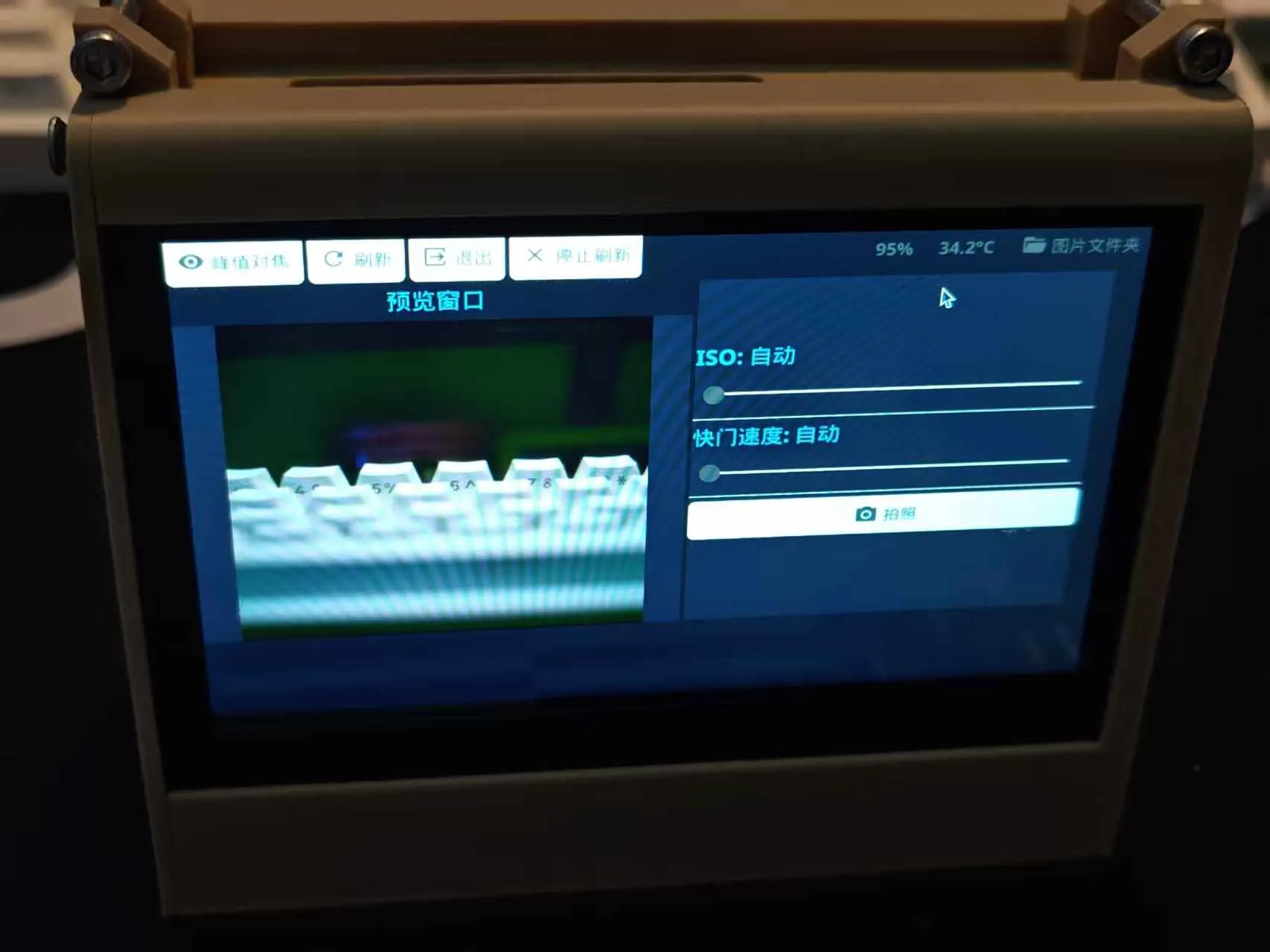
Regarding shooting, for still photography, I use software I wrote myself (still imperfect :)
For video recording, I use the open-source cinepi-raw plus control software I wrote myself (what I wrote is still imperfect, I'll consider releasing it when it's improved in the future -_- actually it's really bad, haha). I modified a part of it to support rpicam 1.7.0. Original link (GitHub - cinepi/cinepi-raw: raw cinema dng recorder application based on libcamera-apps.)
Of course, it also supports Cinemate
It's not perfect yet, but I will continue to improve it. It will stay with me for a long time
Here are some sample photos (They're not great; just casual snapshots of life. Please be gentle ;)
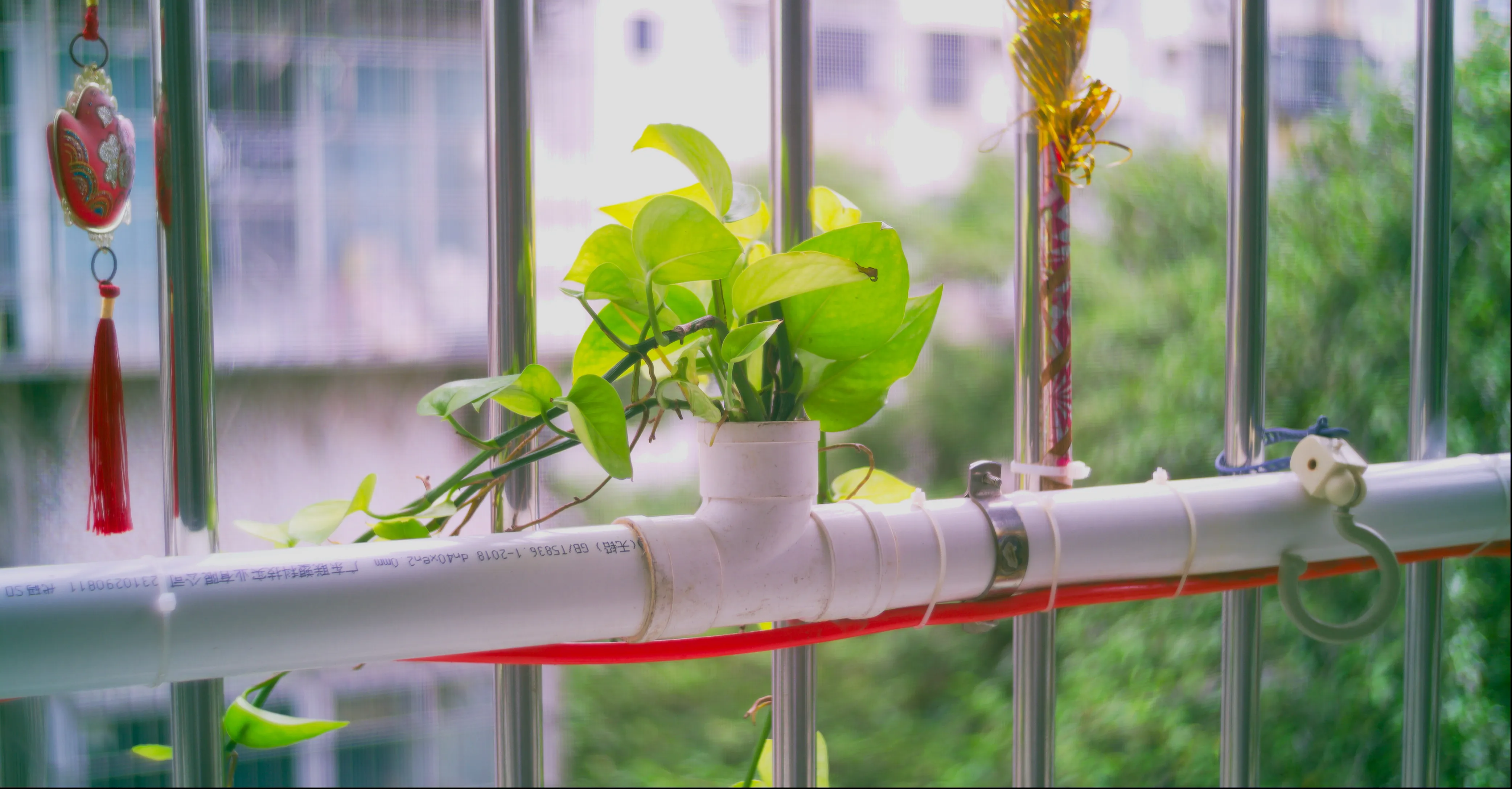
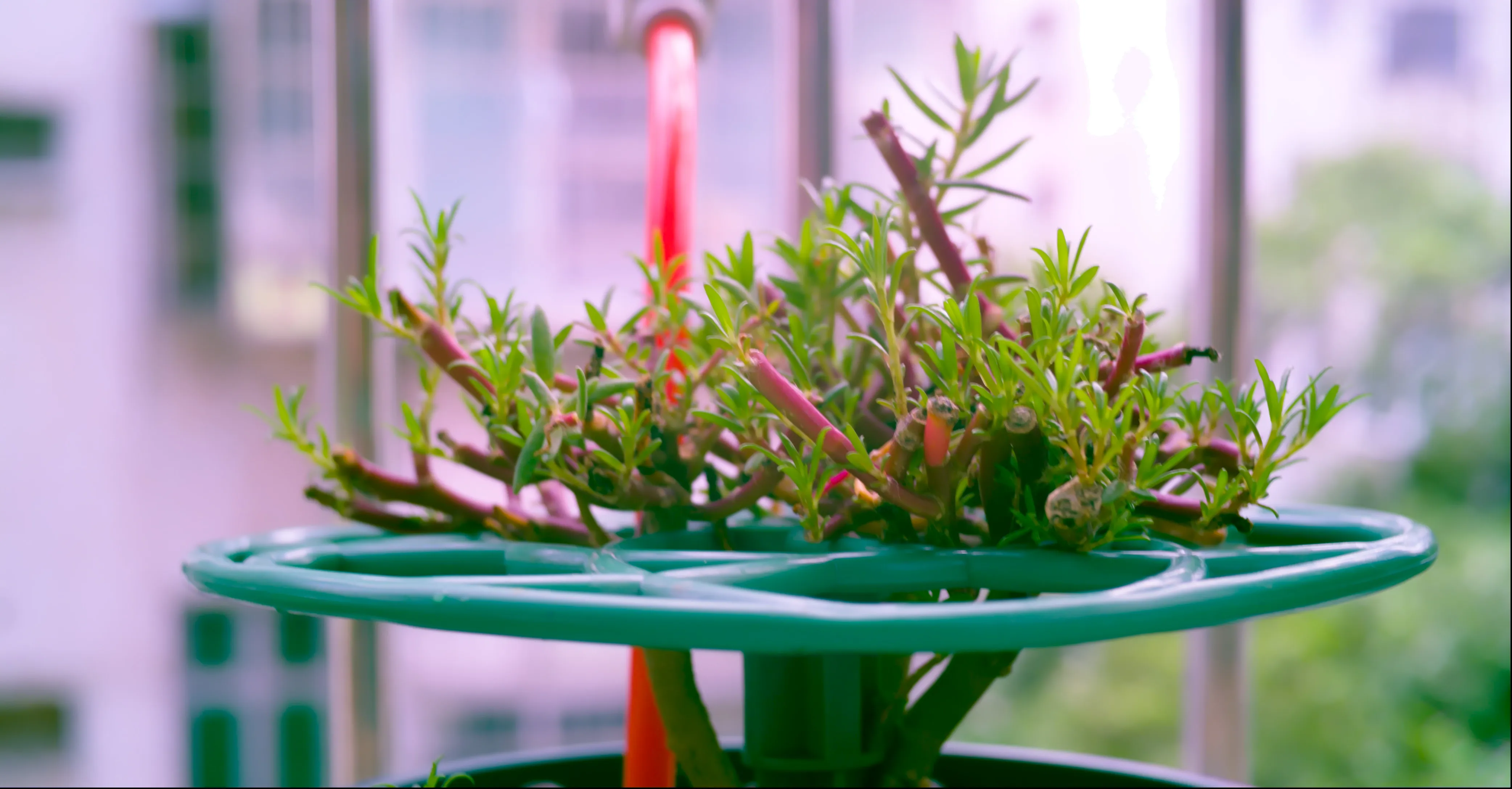
I will continue to update it, haha, just like a daily log
It still has many problems that need to be solved, and I will continue to make progress
Because making the PCB and the process are relatively complex and tedious, a detailed tutorial will be released later. However, this is purely out of passion. If you're looking for a camera for professional work, it doesn't meet that standard yet ╮(╯_╰)╭
I hope the story of this camera can continue to be written
License

You shall not share, sub-license, sell, rent, host, transfer, or distribute in any way the digital or 3D printed versions of this object, nor any other derivative work of this object in its digital or physical format (including - but not limited to - remixes of this object, and hosting on other digital platforms). The objects may not be used without permission in any way whatsoever in which you charge money, or collect fees.


Comment & Rating (2)