
Sectional Extendable Cane
Print Profile(1)

Description
Boost Me (for free)
Please boost me if you find it useful QAQ
Overview
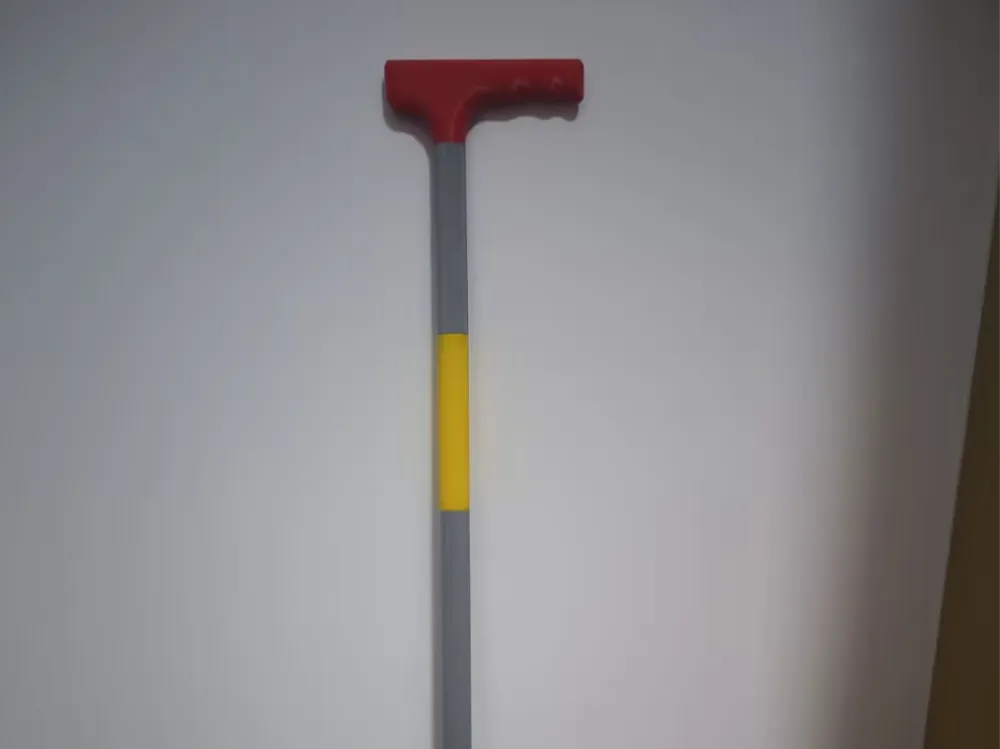
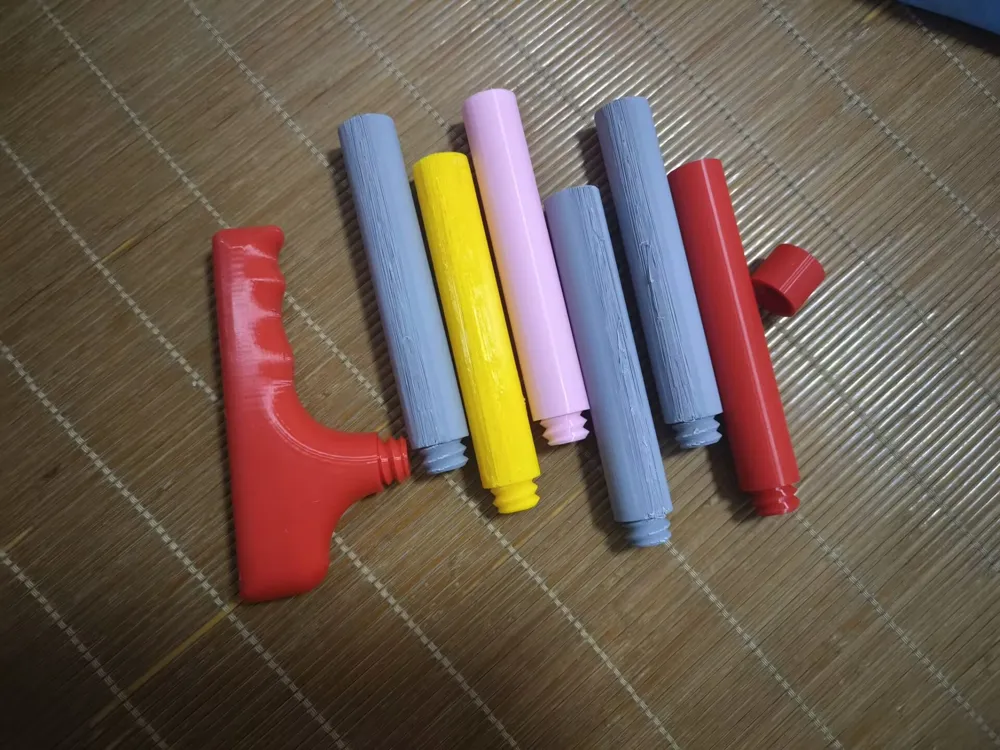
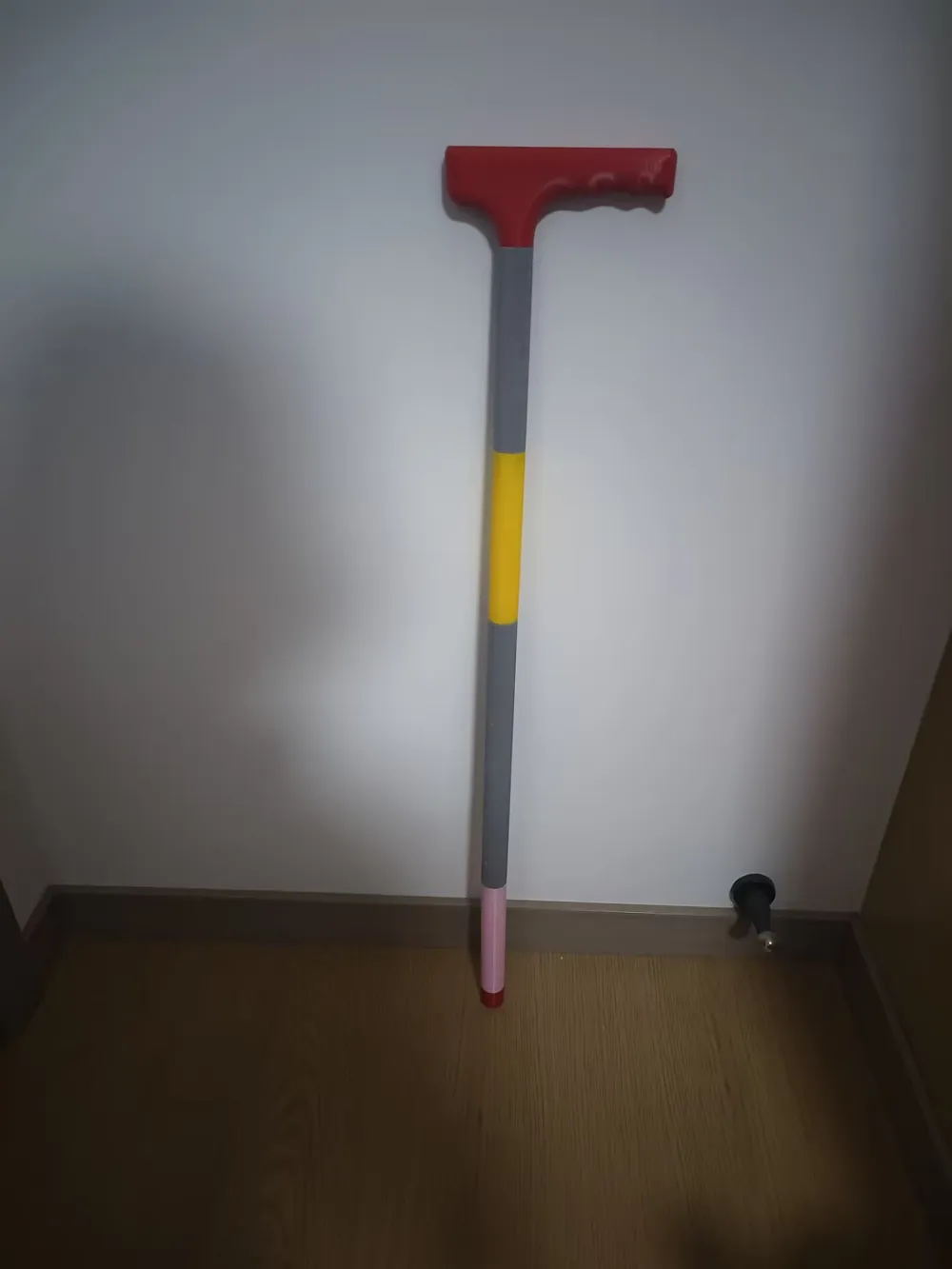
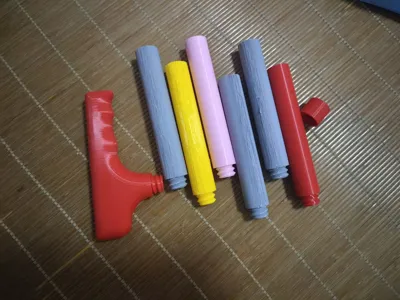
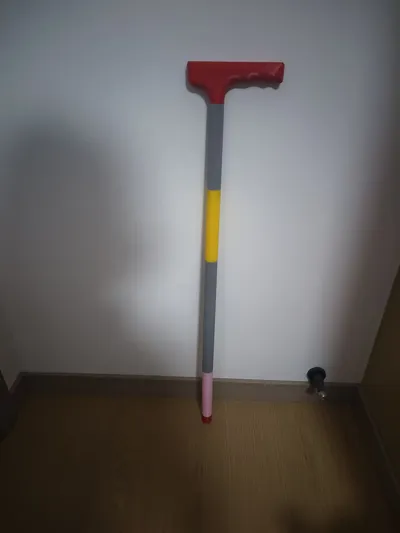
This is a cane model composed of three major parts: a handle, middle extension sections (multiple sections optional) and a base. Each part is connected via screw threads, allowing assembly without additional hardware. The middle section features a standardized modular design, with each segment approximately 15 cm long. You can increase or decrease the number of sections as needed to quickly adjust the total length. Testing shows that five to six middle sections provide a suitable length for temporary home use, structural demonstrations, educational displays, and creative modifications.
The demonstration images show the author casually printing the middle sections in different colors and assembling them together OVO
Highlights and Features
- Modular Length: Multiple middle sections can be stacked. Length = handle height + base height + N × 15 cm.
- Threaded Quick Release: Zero-tool assembly, easy to carry and maintain.
- Easy to Print: Three-segment structure is convenient for printing on small build plates; damaged parts can be reprinted individually.
- Easy Maintenance and Modification: Base material can be replaced (e.g., TPU anti-slip pad), and the handle can be widened or the middle section thickened as needed.
File Composition (Single Plate Print)
- Handle/ Handle (internal/external thread interface)
- Middle/ Middle extension section (approx. 150 mm per section, unified interface)
- Base/ Base/Footpad holder (connects to the middle section via thread; optional anti-slip pad slot)
Important Notes!!!
- If you intend to use it as a real cane, it is recommended to use the strongest possible filament, such as nylon or carbon fiber PETG, and also to use as high infill as possible
- It is recommended for entertainment purposes only; its practical cost-effectiveness is very low
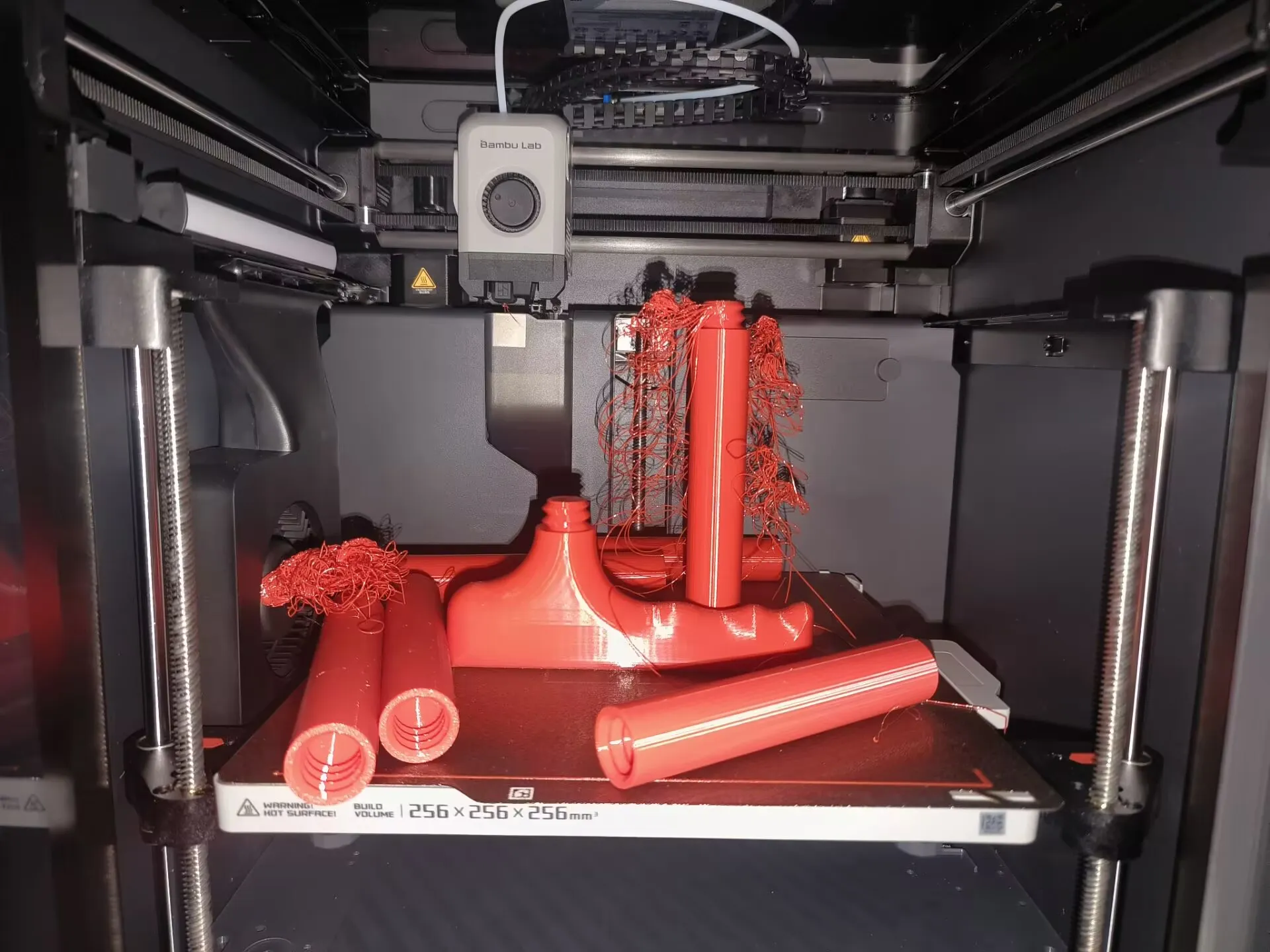
- If printing the middle section vertically, always remember to apply glue. The author himself failed a plate because he didn't apply glue
You can print the middle section horizontally, which is much more stable and faster, but the layer lines will be more prominent, making the effect not as good as vertical printing
(Below is a plate that the author failed without applying glue QAQ)
License

You shall not share, sub-license, sell, rent, host, transfer, or distribute in any way the digital or 3D printed versions of this object, nor any other derivative work of this object in its digital or physical format (including - but not limited to - remixes of this object, and hosting on other digital platforms). The objects may not be used without permission in any way whatsoever in which you charge money, or collect fees.


Comment & Rating (7)