
FDM Part Thickness Calibration Test
Print Profile(1)

Description
Boost Me (for free)
If you find this test file helpful, boost me so others can find it better ><
Description
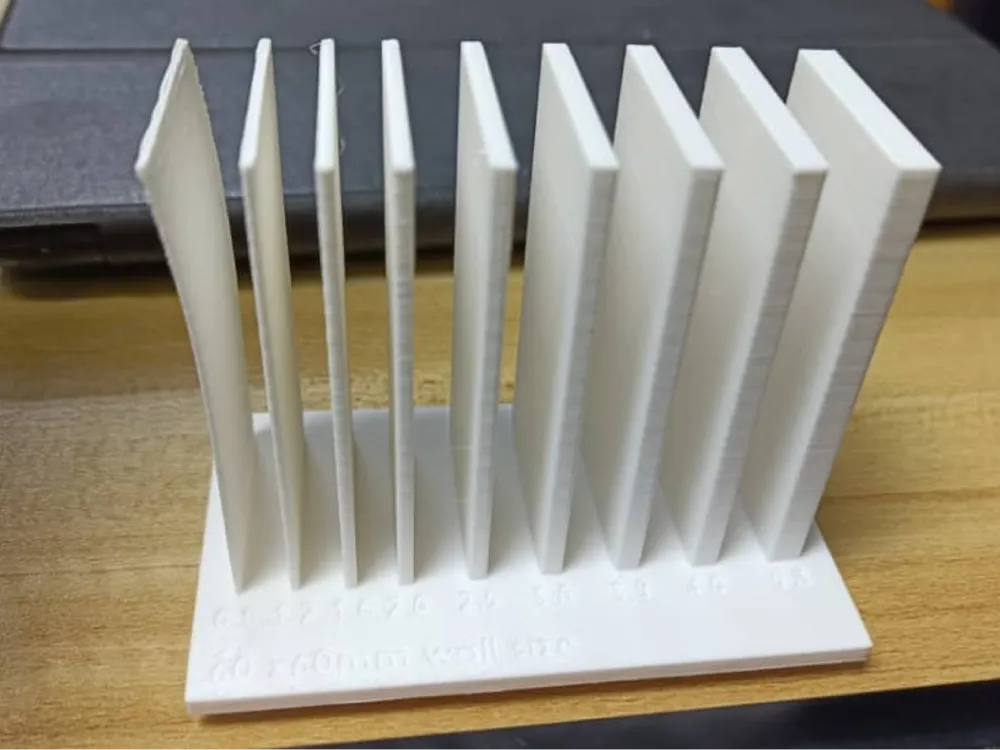
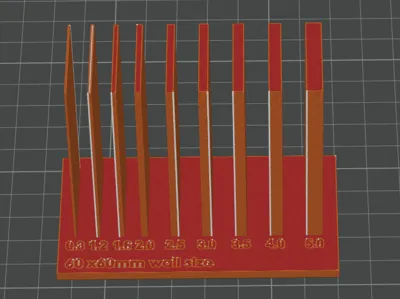
This model is a practical tool for testing and evaluating the minimum reliable part thickness for FDM printing, specifically optimized for Bambu Lab printers (A1, P1S, X1 series) using a 0.4 mm nozzle and standard filaments such as PLA or PETG.
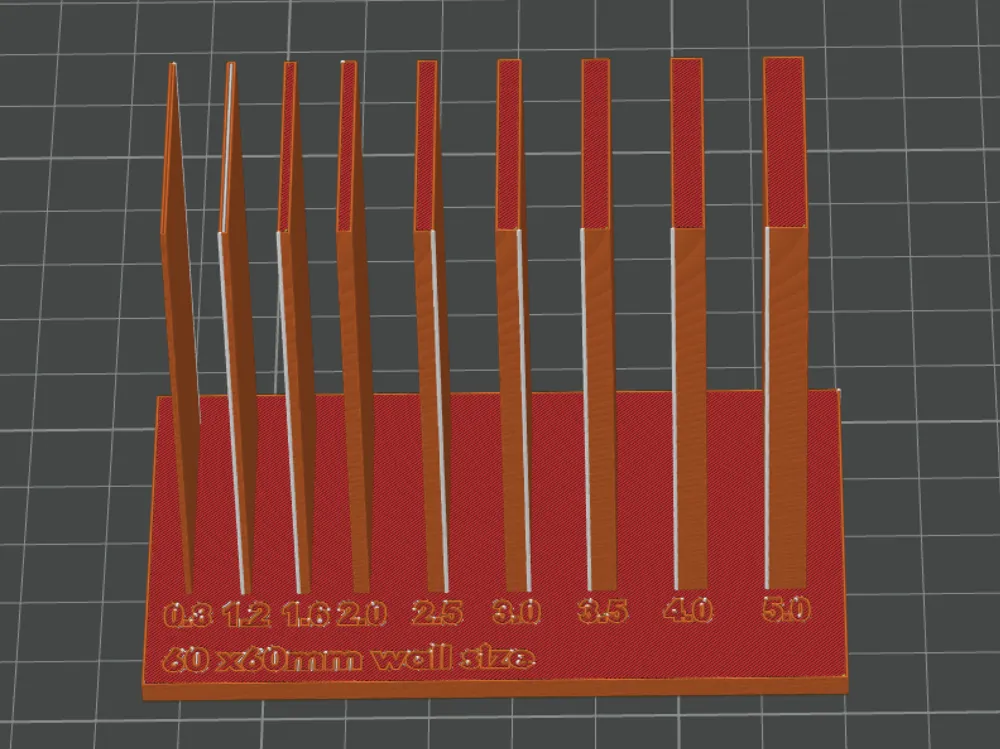
It includes a sequence of upright vertical segments with increasing wall thickness—starting from 0.8 mm up to 5 mm—allowing users to observe and compare extrusion accuracy, structural stability, and the visual quality of thin features.
What This Model Helps With
- Print Reliability: Determine which wall thicknesses consistently print without warping, wobbling, or delamination
- Design Validation: Identify the thinnest possible structural walls safe for production parts
- Material Calibration: Compare filament behavior (e.g., PLA vs PETG) under real-world print conditions
- Slicer Adjustment: Evaluate whether your current flow rate and wall settings need tuning
Included Features
- Labeled wall segments ranging from 0.8 mm to 5.0 mm in 0.4–1.0 mm increments
- Designed with consistent base dimensions for easy adhesion and direct comparison
- No supports required
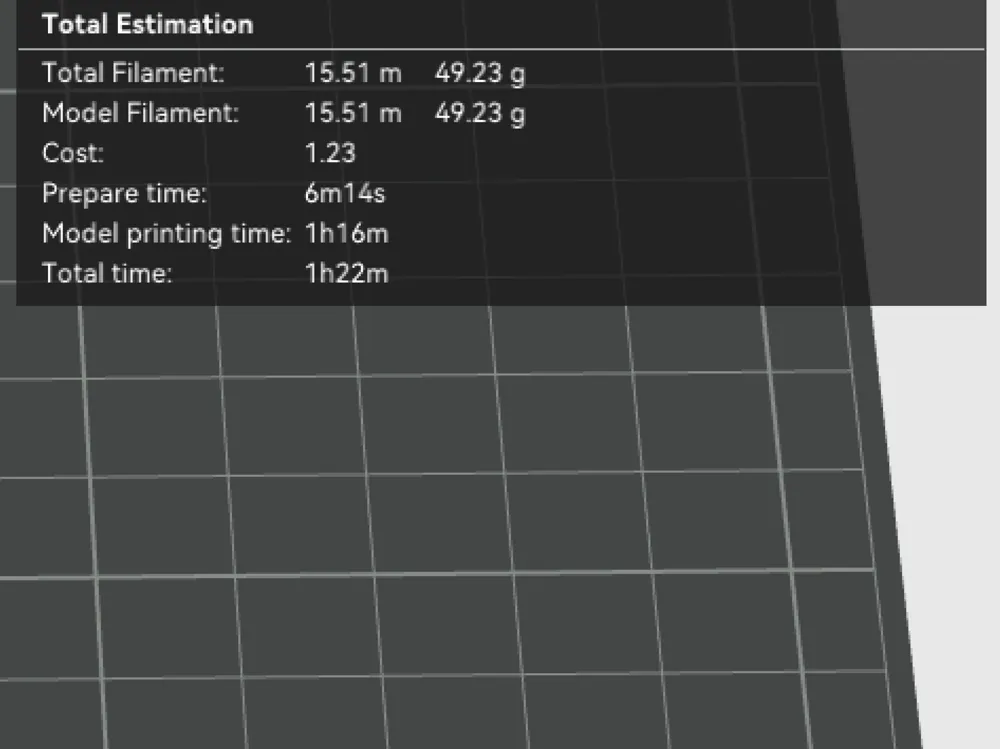
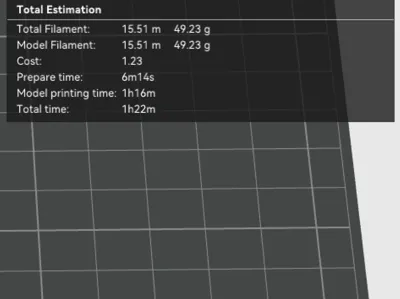
- Uses minimal filament, ideal for testing new materials or profiles
- Print results show where thin walls begin to fail (under-extrude, wobble, detach)
Recommended Settings
- Nozzle: 0.4 mm
- Layer Height: 0.2 mm
- Infill: 0–15%
- Support: Not needed
How to Use
Print the model and inspect each wall segment after cooling.
- If wall 0.8 mm are weak or fail, consider increasing your wall line count or adjusting flow rate.
- Observe which thickness maintains rigidity without excess filament use—this becomes your design baseline.
- Use calipers to check for extrusion accuracy or compare across different materials.
This model is ideal for designers, engineers, and hobbyists seeking a clear reference for minimum part thickness when designing structural components. Use it early in your workflow to avoid overbuilding or producing unreliable thin parts.
License

You shall not share, sub-license, sell, rent, host, transfer, or distribute in any way the digital or 3D printed versions of this object, nor any other derivative work of this object in its digital or physical format (including - but not limited to - remixes of this object, and hosting on other digital platforms). The objects may not be used without permission in any way whatsoever in which you charge money, or collect fees.


Comment & Rating (0)