
Keen's Ephemeral, Karma's Lifeline: DFA-03 "Dopple" Atmospheric Fighter
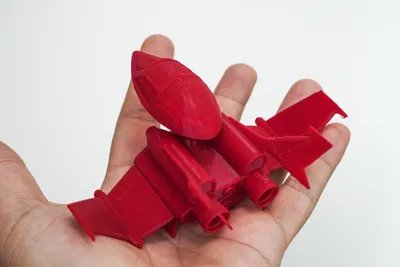
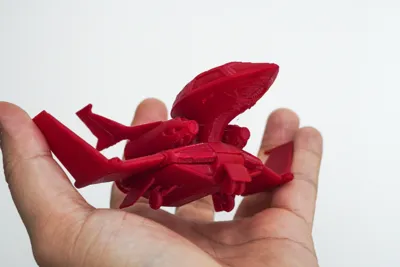
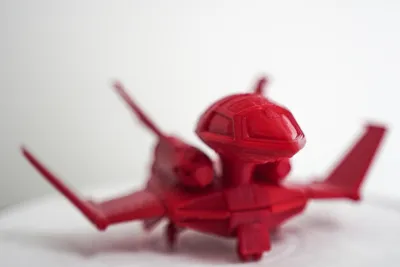
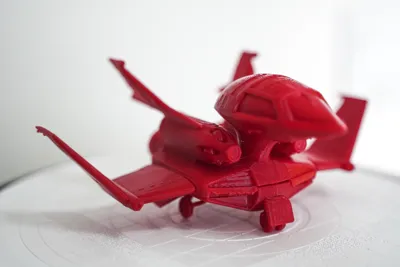
Print Profile(2)


Description
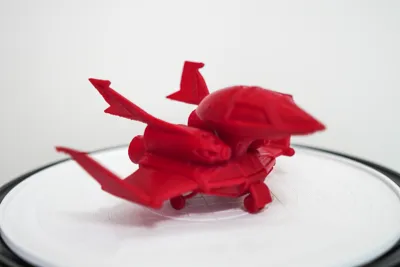
It's hard to imagine that Zeon developed such a cute aircraft during the One Year War; it even makes me think they were trying to be funny. However, the one Karma used while fighting Amuro and the White Base seems to have been this (manual smirk)
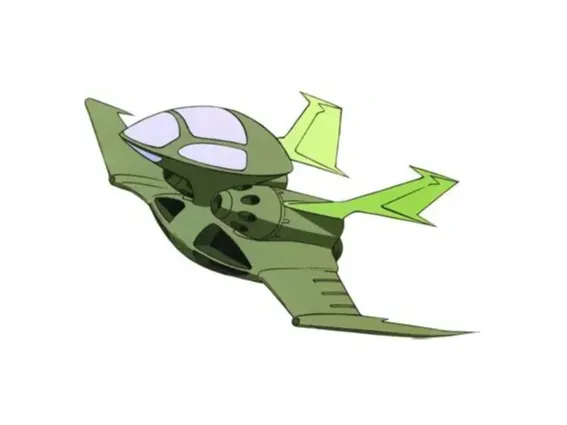
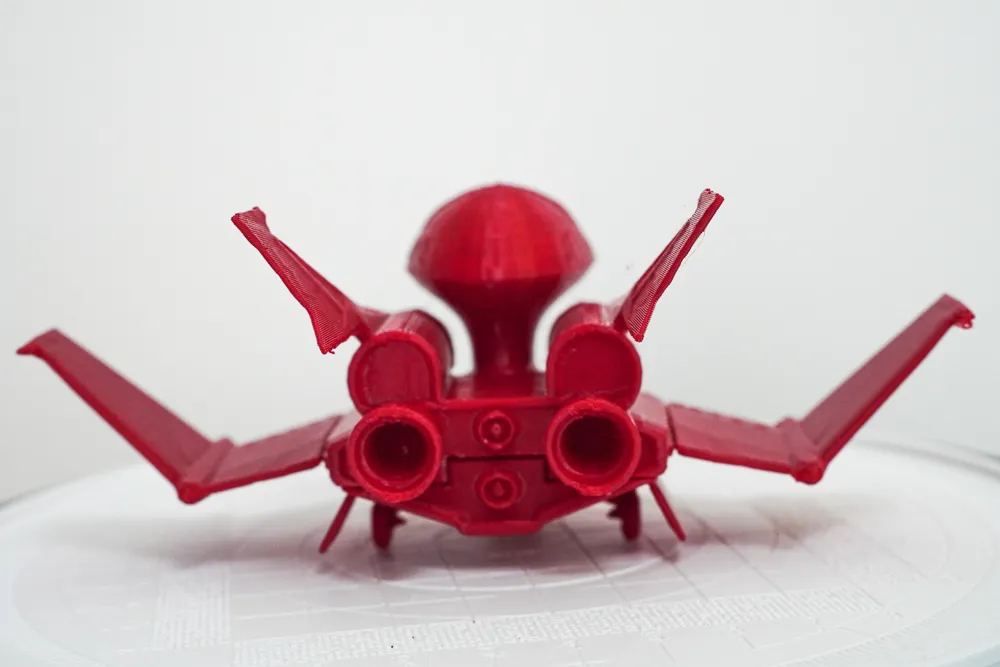
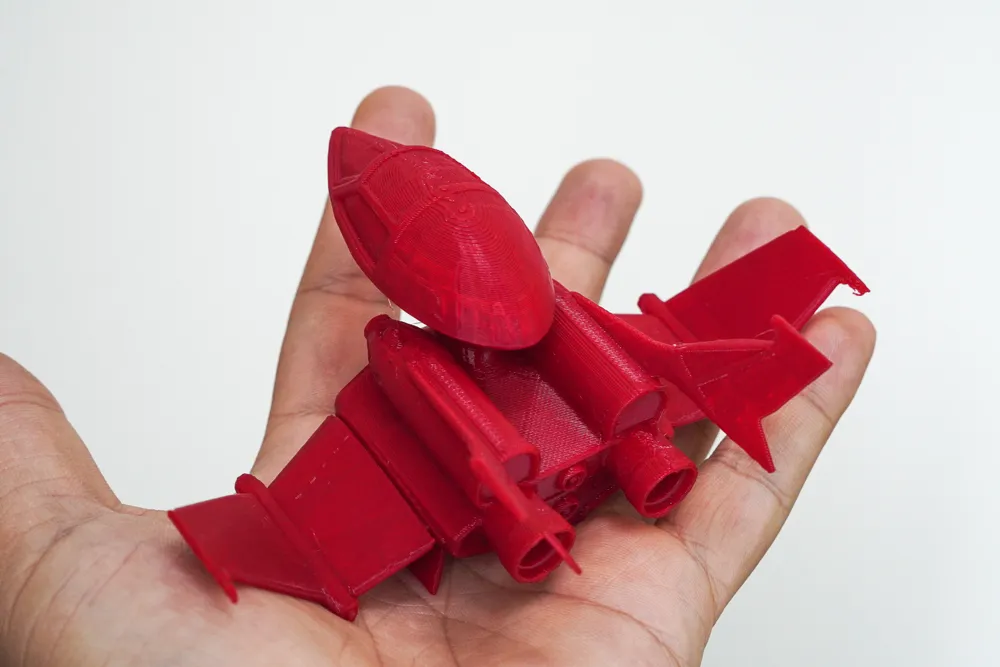
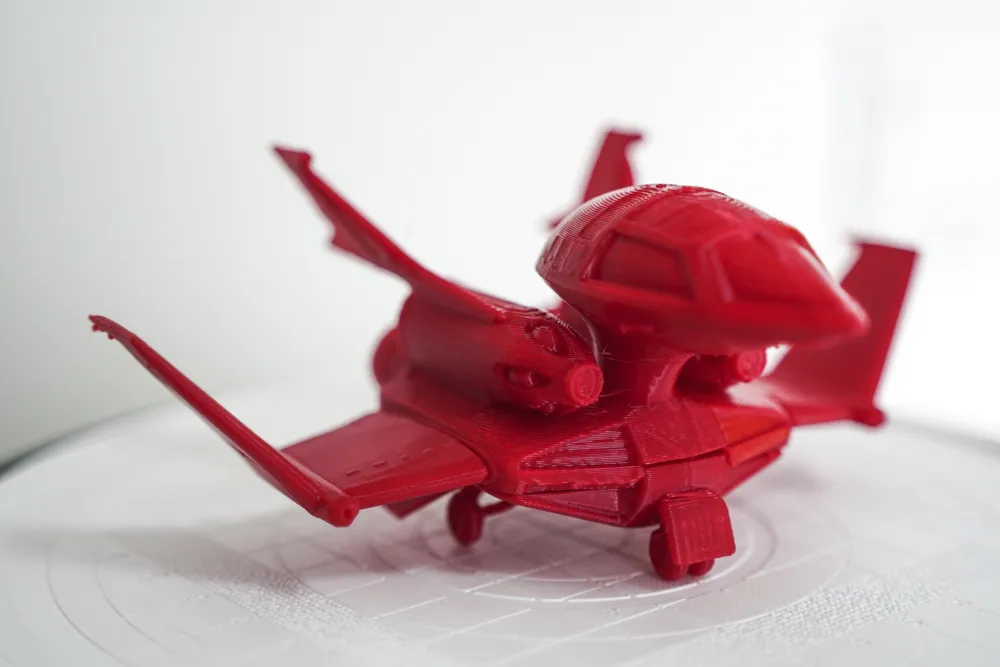
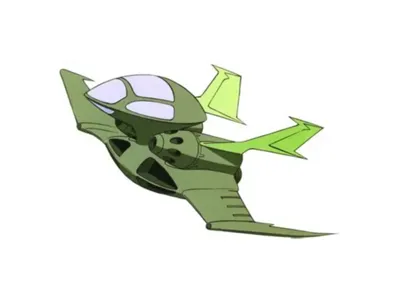
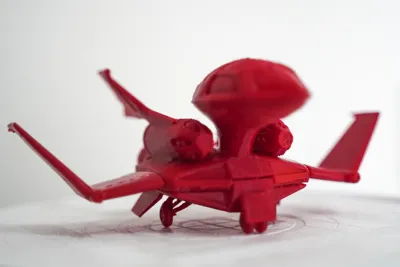
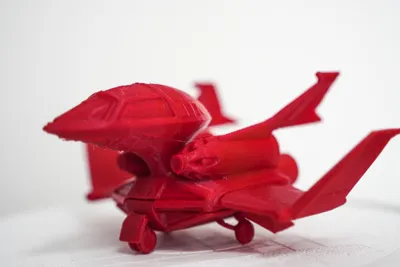
The DFA-03 Dopple was an atmospheric aircraft developed by the Principality of Zeon during the One Year War, primarily used to contest air superiority after operations to secure Earth's airspace. Developed by Zeon technicians lacking experience in aerodynamics, the design process was plagued by technical difficulties that resulted in numerous failed test flights, ultimately leading to its unique form.
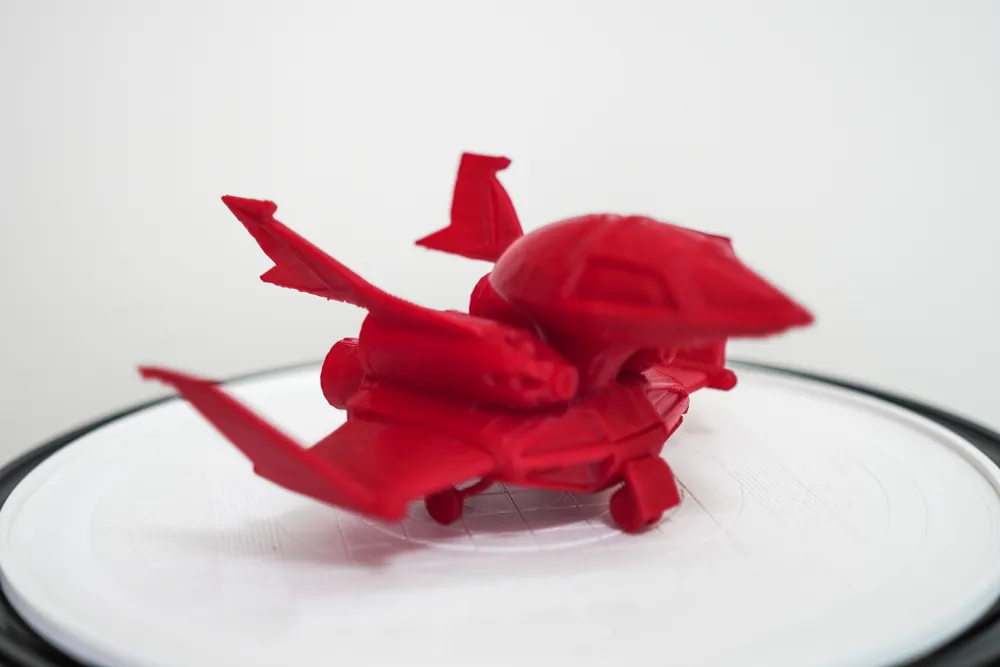
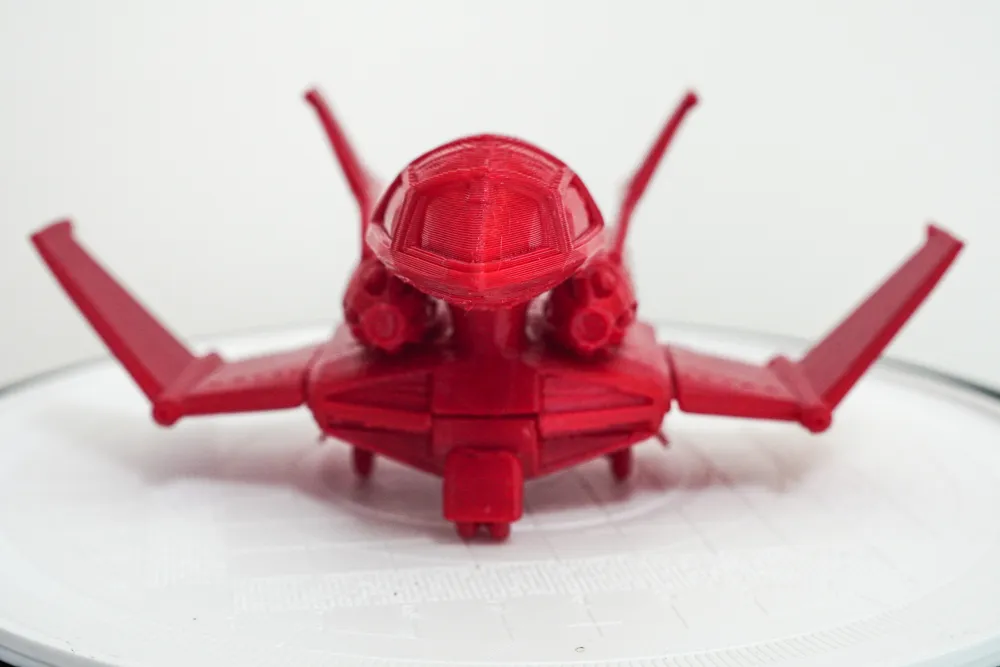
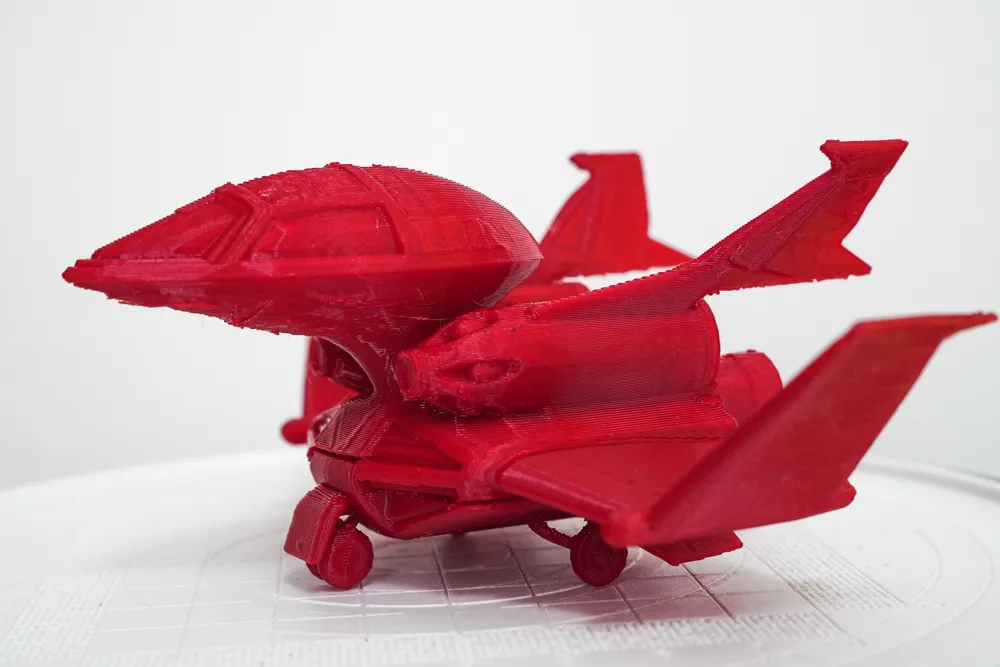
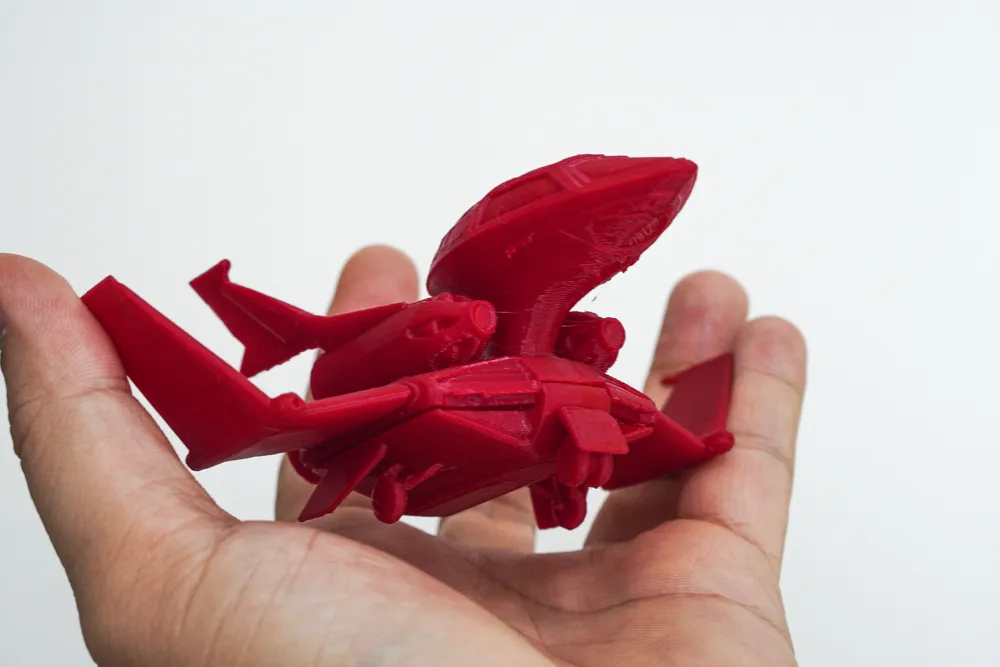
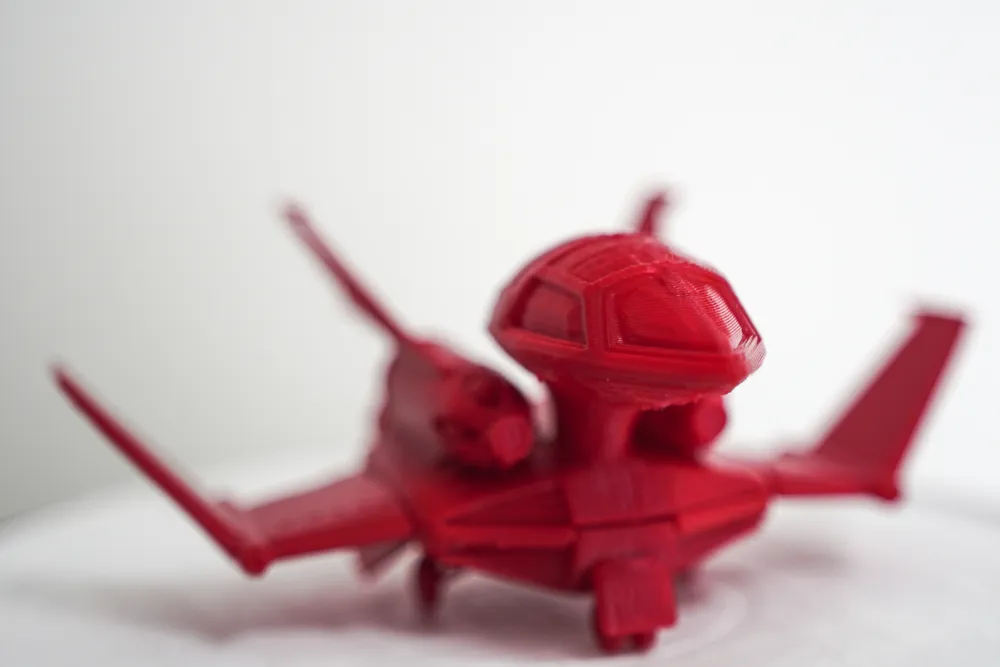
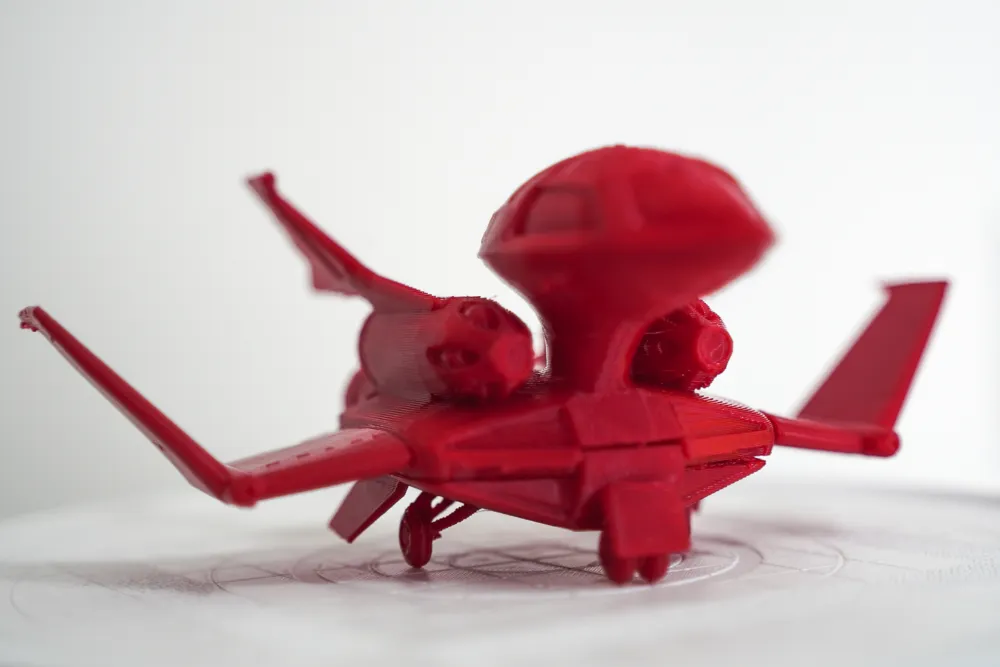
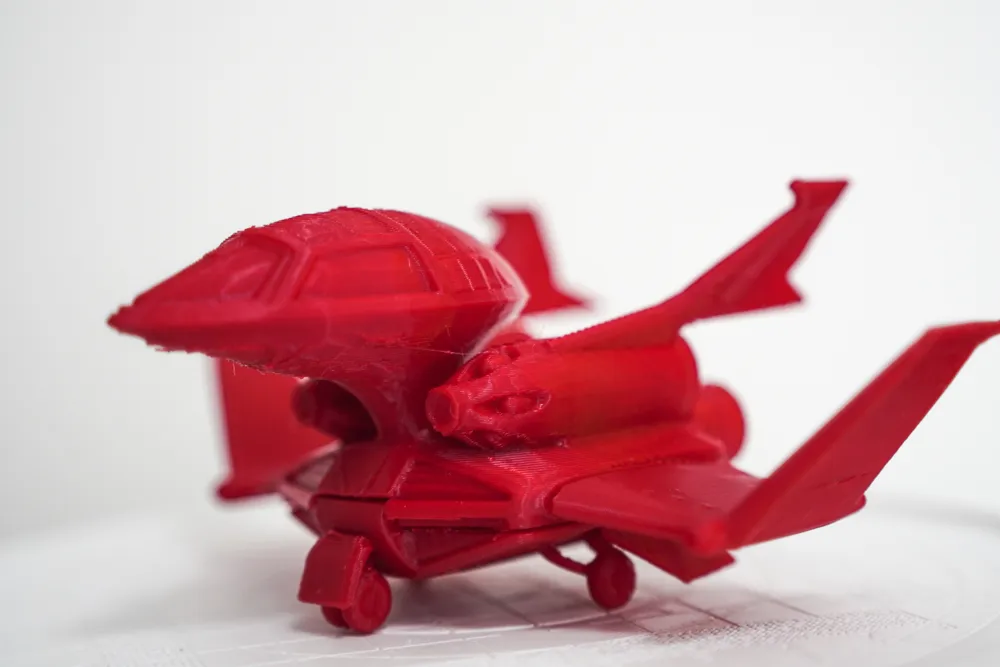
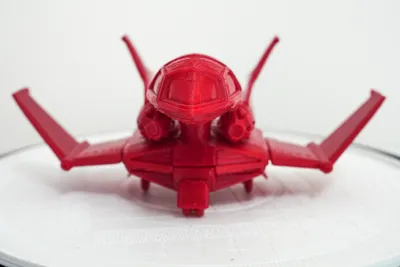
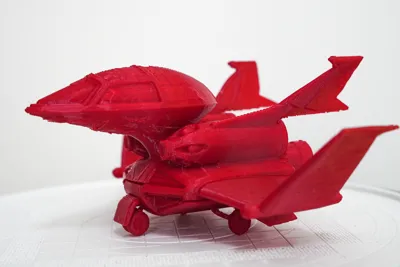
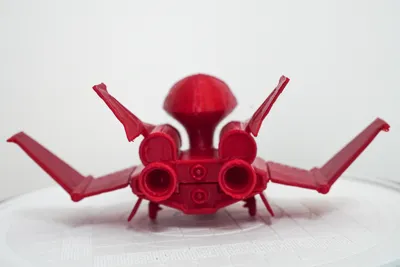
The airframe features inverted gull-wing main wings, foldable for reduced footprint during storage. Equipped with two main thrusters and multiple auxiliary thrusters to enhance maneuverability, it suffers from high fuel consumption and limited range. The cockpit features a bubble-style design to counteract the effects of Minovsky particles, with twin six-round missile launchers and 20mm Vulcan cannons on each side, though their firepower poses limited threat to armored targets. While the thermonuclear jet engine theoretically offers unlimited range, the attitude control nozzle consumption limits actual range to just 1200 kilometers. Because exhaust from missile launches can affect engine operation, attacks necessitate adjustments to flight attitude to mitigate risk. This aircraft's superior low-to-mid-altitude dogfighting capabilities made it a crucial element in Zeon's efforts to constrain the Federation's forces, though it was gradually phased out as the war evolved.
The inverted gull-wing main wings resemble a gently sloped inverted V-shape; the wings fold during storage to save space. While the design offers acceptable stability, its cruising speed and climb rate are unimpressive. To compensate, the Dopple, in addition to two main thrusters, is equipped with numerous auxiliary thrusters throughout the airframe to correct flight maneuvers, ensuring agile maneuverability, but at the cost of high fuel consumption, significantly impacting endurance and operational radius.
Considering its operation within the Minovsky particle environment, the cockpit is designed with a bubble-like structure to maximize the pilot's visibility, protruding significantly from the fuselage; the pilot enters via an access point at the bottom of the cockpit.
The elevated cockpit base houses air intakes on either side, with two large six-round missile launchers mounted above. Their power is insufficient to penetrate MS armor, only posing a limited threat to buildings and ground combat vehicles. Because the air intakes are so close to the missile launchers, missile exhaust can negatively impact the engines, causing surging or even stalling; thus, the Dopple must depress its nose when launching missiles to avoid exhaust, creating a significant tactical disadvantage. The two 20mm Vulcan cannons are only effective in air-to-air combat.
Each vertical stabilizer is mounted above the missile launchers, with outward-canted vertical stabilizers. The wings are low-aspect-ratio inverted gull wings, but the inboard sections are horizontally mounted, while the outboard sections are significantly upward-swept; the inboard and outboard sections have similar surface areas, meaning that while the Dopple has a large wingspan, the actual lift generated by the wings is relatively small. The thermonuclear jet engine theoretically offers unlimited operational range, but because attitude control nozzles also consume energy, the maximum operational range per sortie is limited to 1200 kilometers.
Despite numerous design flaws, its excellent maneuverability and hovering capabilities, and its suitability for close-range, high-subsonic, low-to-mid-altitude dogfights in the Minovsky particle environment, made it a valuable asset. The ability to carry small bombs for ground attacks further enhanced its usefulness, resulting in its deployment within the Zeon forces. Zeon's limited MS air combat capabilities and over-reliance on MS meant they lagged behind the Earth Federation in fighter development; from the time of the Earth drop, Zeon never achieved air superiority. Despite numerous drawbacks, the Dopple could effectively strike Federation warships, emplacements, and other targets with its agile maneuverability, serving as a key element in constraining the Federation's air power.
Facing the Federation's superior anti-air and air capabilities, the Dopple was limited to hit-and-run tactics, targeting Federation bases with weak air defenses and large warships in Earth's atmosphere; its role in the One Year War was limited. With Zeon's defeat on Earth and advancements in MS technology, the Dopple was phased out, never again seen in subsequent conflicts.
Dedicated to developing the miscellaneous and cannon fodder mobile suits in the Gundam series, giving a name to the many cannon fodders who died at the hands of the protagonist; ordinary people are also warriors~
License

You shall not share, sub-license, sell, rent, host, transfer, or distribute in any way the digital or 3D printed versions of this object, nor any other derivative work of this object in its digital or physical format (including - but not limited to - remixes of this object, and hosting on other digital platforms). The objects may not be used without permission in any way whatsoever in which you charge money, or collect fees.


Comment & Rating (2)