Search models, users, collections, and posts

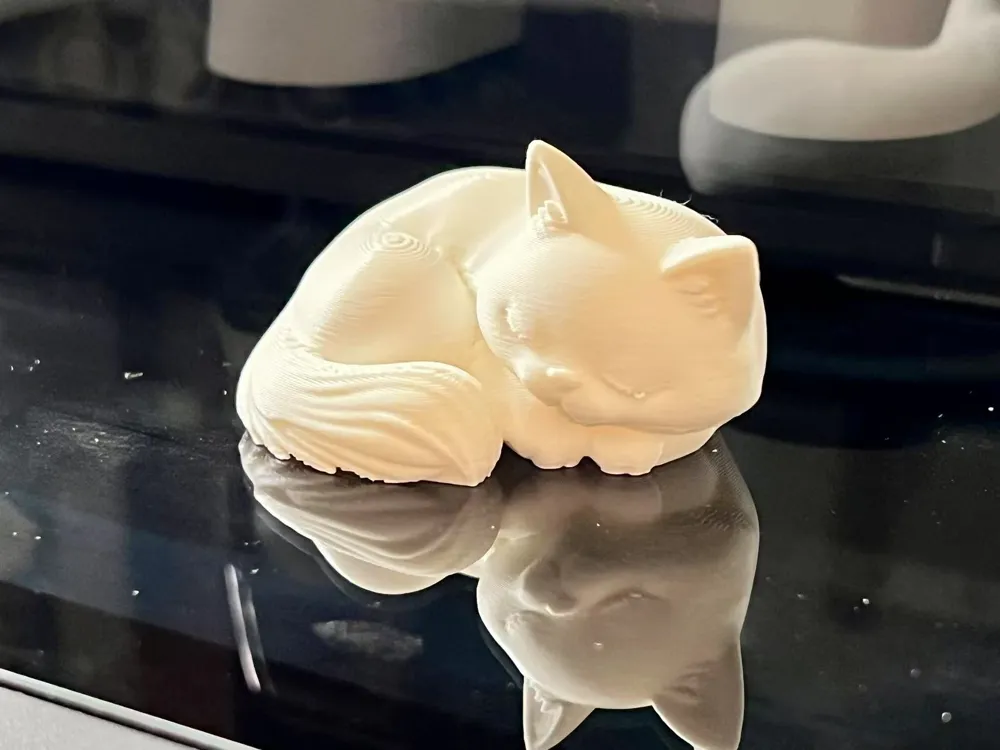
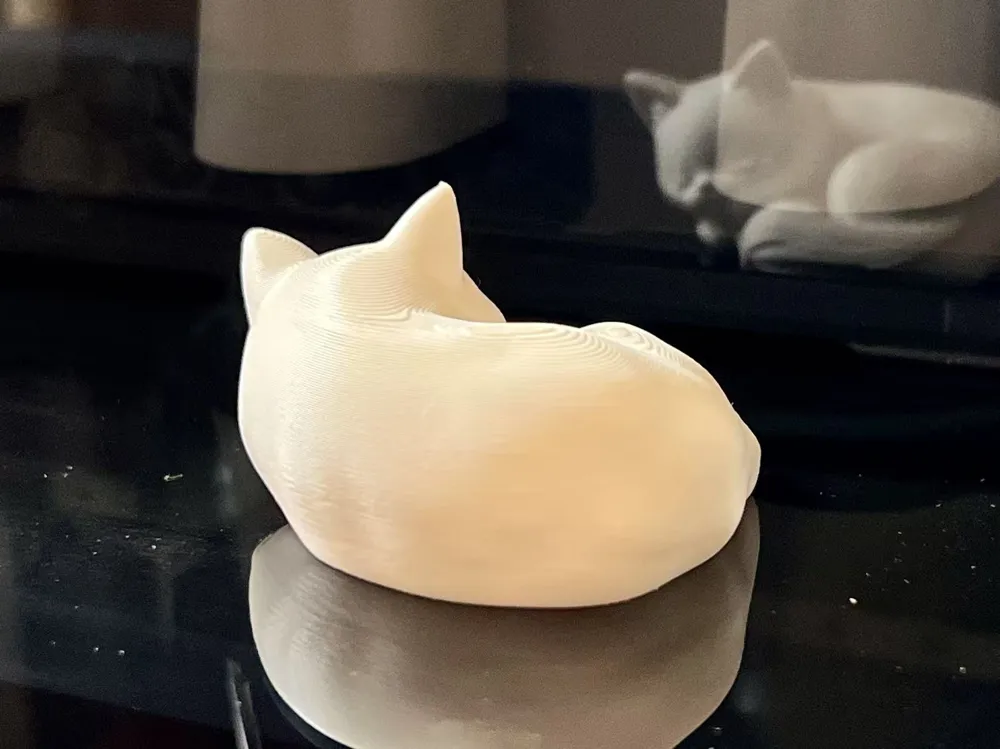
The Sleep Cat (Somnifelis letalis)
IP Report
Print Profile(1)

Single Color
Designer
45 min
1 plate
Open in Bambu Studio
Boost
2
3
0
0
7
3
Released
Description
Content has been automatically translated.
The Sleep Cat (Somnifelis letalis)
Scientific Name: Somnifelis letalis (Latin: somnus "sleep" + felis "cat"; letalis "lethal")
Classification: Mammalia-Carnivora-†Somnifelidae
Period: Middle Miocene Epoch (approximately 15 million to 8 million years ago)
Distribution: Isolated valleys of Southeast Asia (present-day Yunnan, China to northern Myanmar)
Characteristics and Morphology
- Size:
- Body length 1.2~1.5 meters, tail length 0.8 meters, weight 30~40 kilograms, similar to modern cougars but more slender.
- Lightweight skeleton, flexible joints, suitable for silent movement in dense forest canopies.
- Hibernation System:
- Transparent eyelids: Eyes covered by nictitating membranes allow monitoring of the surroundings during sleep, irises change from gold to dark blue with the light.
- Venom glands and claws: The paw pads secrete a powerful sedative mucus which is injected into the prey after a scratch, causing it to fall asleep within 10 seconds.
- Other Characteristics:
- Coat color changes with day and night: daytime is moss green with spots (camouflage in trees), nighttime turns to star-spotted silver-grey (blending with moonlight).
- Tail tip has a light-emitting organ; the flashing frequency is like Morse code during courtship.
Ecology and Behavior
- Diet: Dream-eating specialist, using the brainwaves of animals in a sedated state as energy, without consuming the body (prey awaken weak but alive).
- Hunting method:
- Leaping from the canopy, injecting the sedative with claws.
- Lying on the chest of the unconscious prey and absorbing its dreams through chest resonance.
- Sociality: Life-long mating pairs, jointly guarding a 50-square-kilometer "sleep domain", marking trees with claw marks containing sedatives.
Extinction Hypothesis
- Symbiotic breakage: The depended-upon dream-source plants (containing psychoactive alkaloids) went extinct due to drought.
- Human intervention: Ancient witches hunted it to create "eternal sleep artifacts", and the fur was used for sacrificial robes.
- Overslept: The population fell into a collective hibernation, missing the breeding season, with zero cub survival rate.
Cultural Influence
- Legends:
- The "Dream Weaver Leopard" in Dai folk songs (The spirit cat carries the moon, intoxicating all beasts).
- One of the prototypes of the Japanese yokai "Sleeping Fat".
Appendix: Surreal Discovery
Fossils unearthed from a cave in Yunnan in 2012 showed that the stomach contents of a Sleep Cat were carbonized butterfly wings—it is speculated that it occasionally ingested scales to enhance its perception of dream colors.
(Fictional Prompt: Real felines have no such physiological function, do not try dream-sucking experiments on your house cats!)
Boost Me (for free)
License

This user content is licensed under a
Creative Commons Attribution-Noncommercial-Share Alike


Comment & Rating (0)