
Fully 3d Printable Ocean Drum
Print Profile(3)


Description
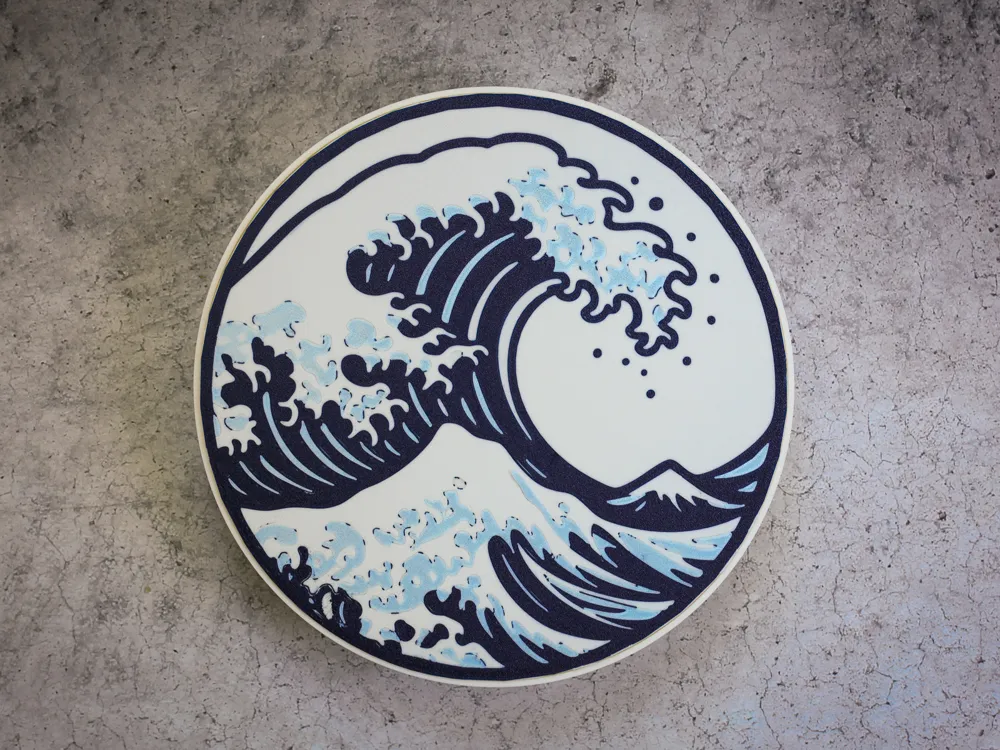
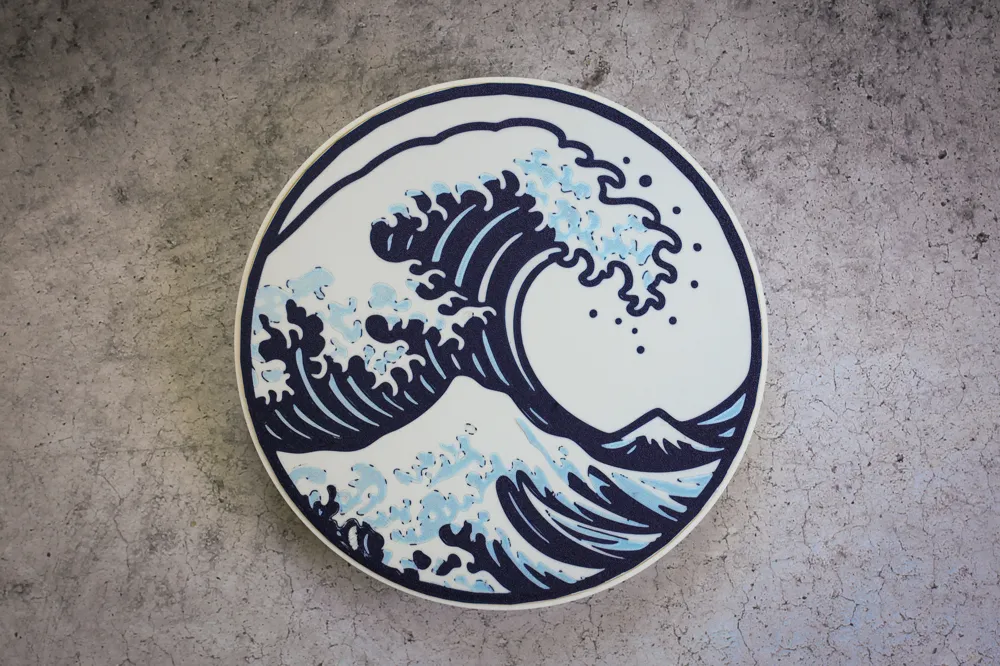
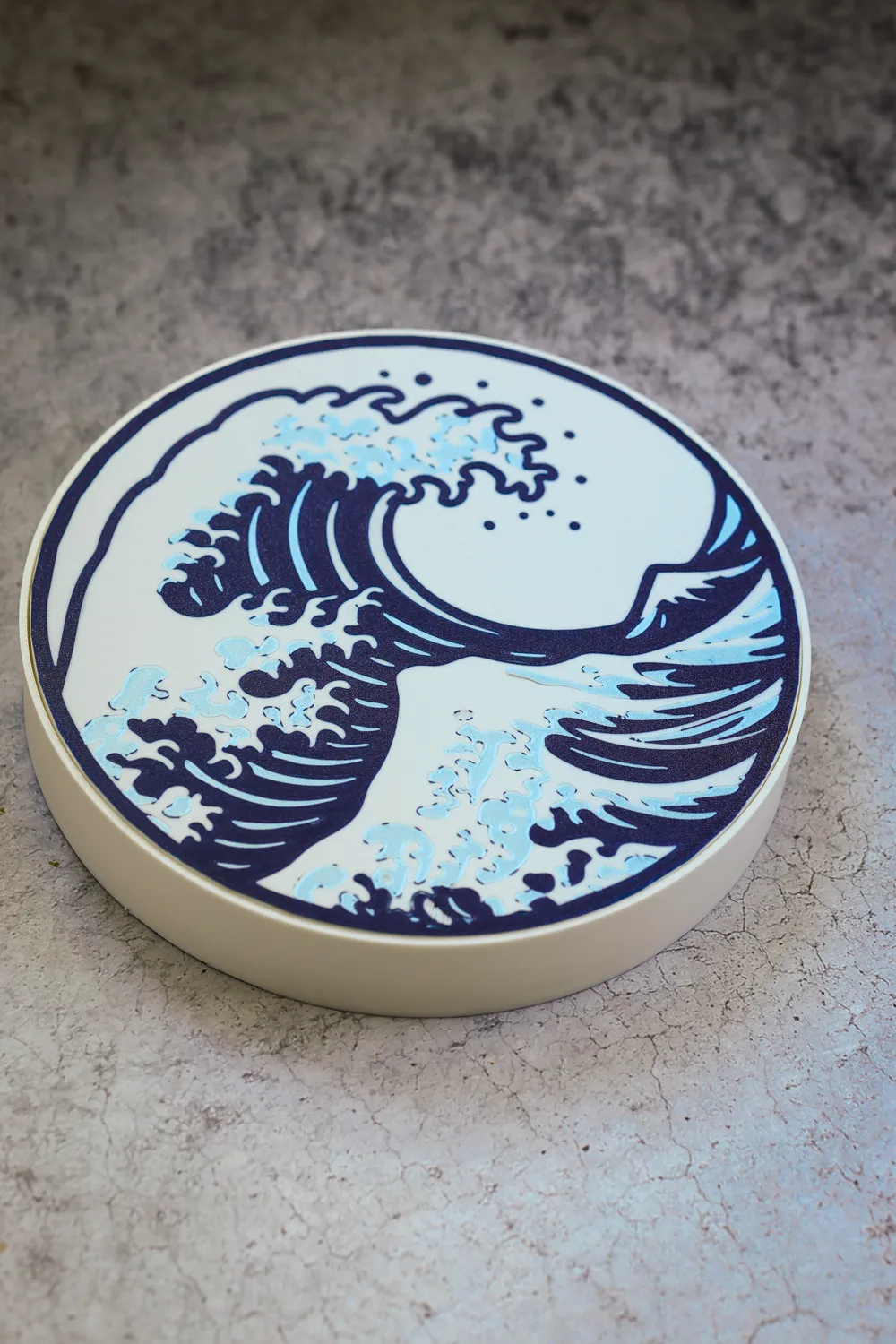
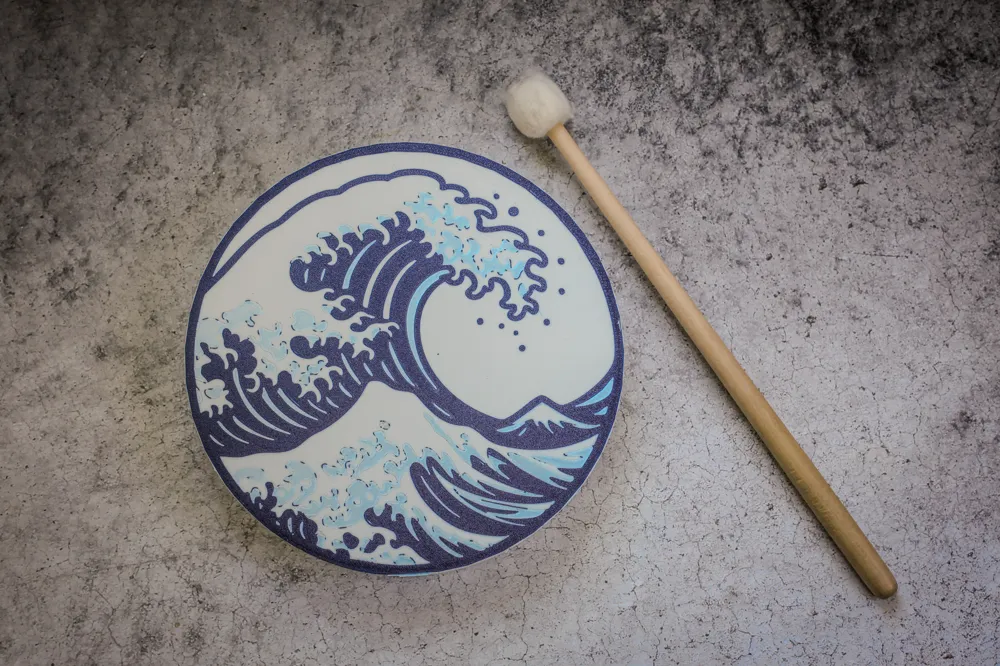
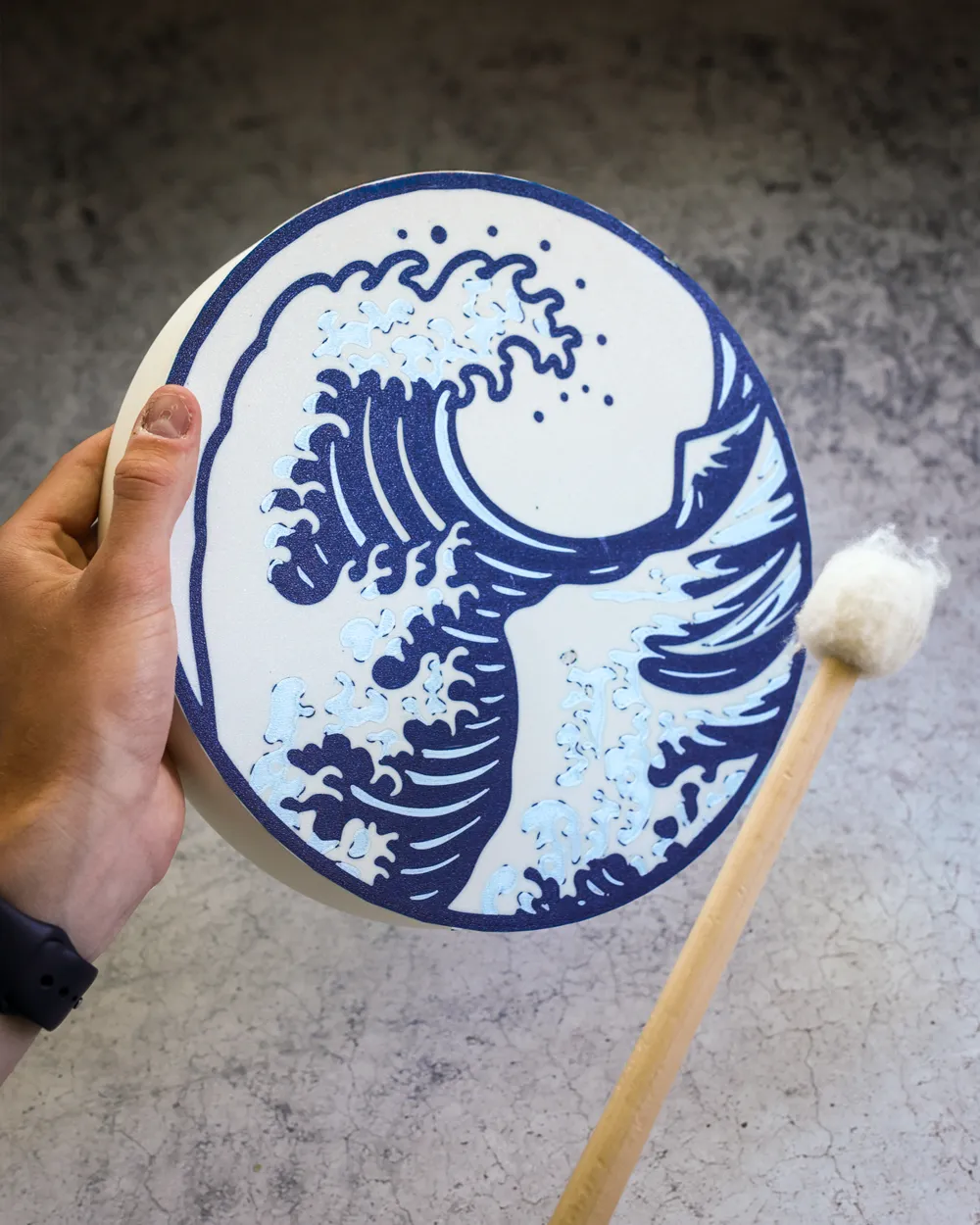
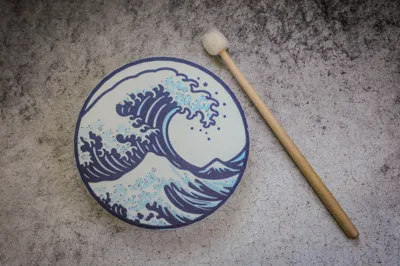
After many hours of careful design, revision, and printing, it is finally ready, a fully 3d printable ocean drum!
Introduction
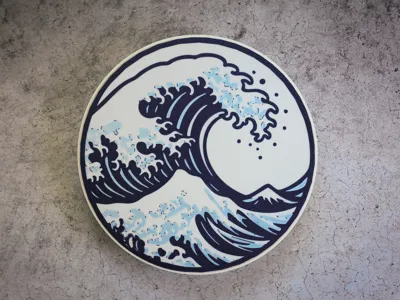
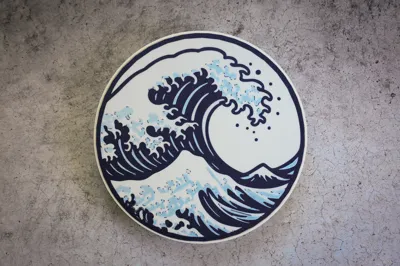
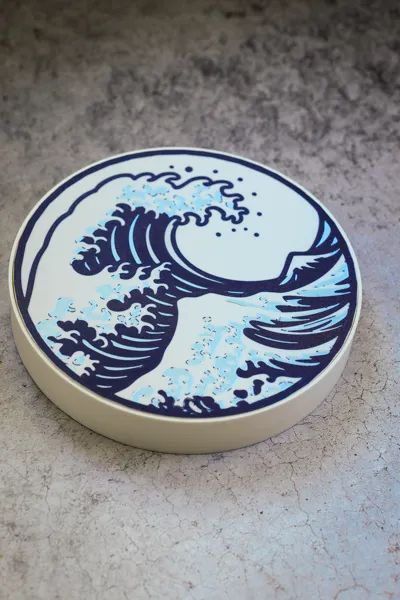
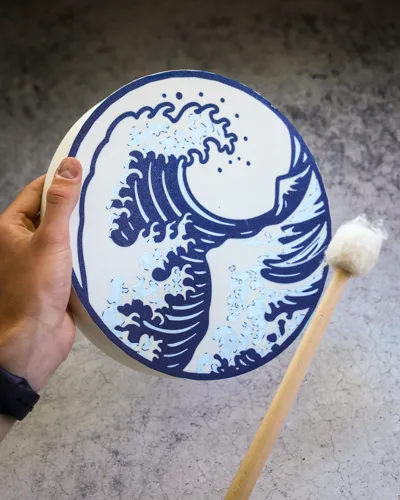
The ocean drum is a lesser known percussion instrument that you probably haven't heard of before. Through the use of hundreds of small beads, the ocean drum, when played correctly, can sound exactly like the rolling waves of the ocean! When I first heard this instrument being played, I was so fascinated by the soothing sounds that it produced that I just needed to design one of my own. Inspired by the designs adorning Remo Drum Company's signature ocean drum, I decided to not just design a instrument that is beautiful to the ears, but one that pleases the eyes as well. Inspired by one of my favorite works of art, and with the use of Bambu's Make My Sign and OpenAI's Sora, I was able to make a multicolored design that can be printed with only 3 colors.
This ocean drum has gone through multiple tests, insuring optimal sound quality. The timbre may change slightly based on the filament used, so be wary when using overly soft or hard materials such as TPU or fiber reinforced filaments. For my design, I used PETG for the drum and a mix of PETG and PLA for the beads.
Printing and Assembly Guide
Notice: Good plate adhesion is critical for this print, so please make sure to either wash or apply glue to your entire plate, as this uses the nearly the whole 256 x 256 build plate of a A1, P1S/P, or X1C/E (sorry A1 Mini users)
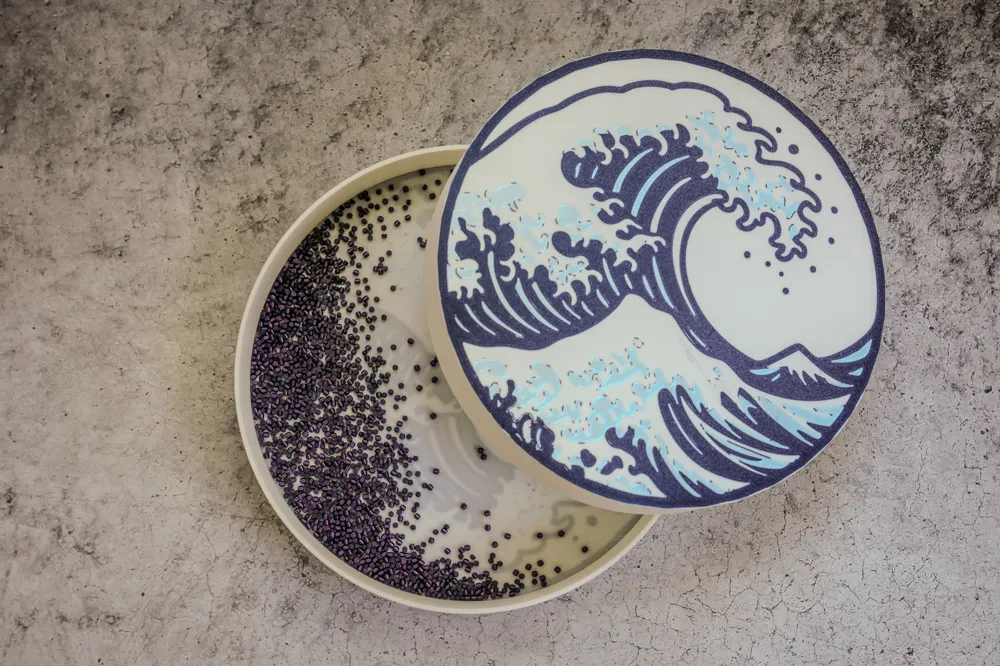
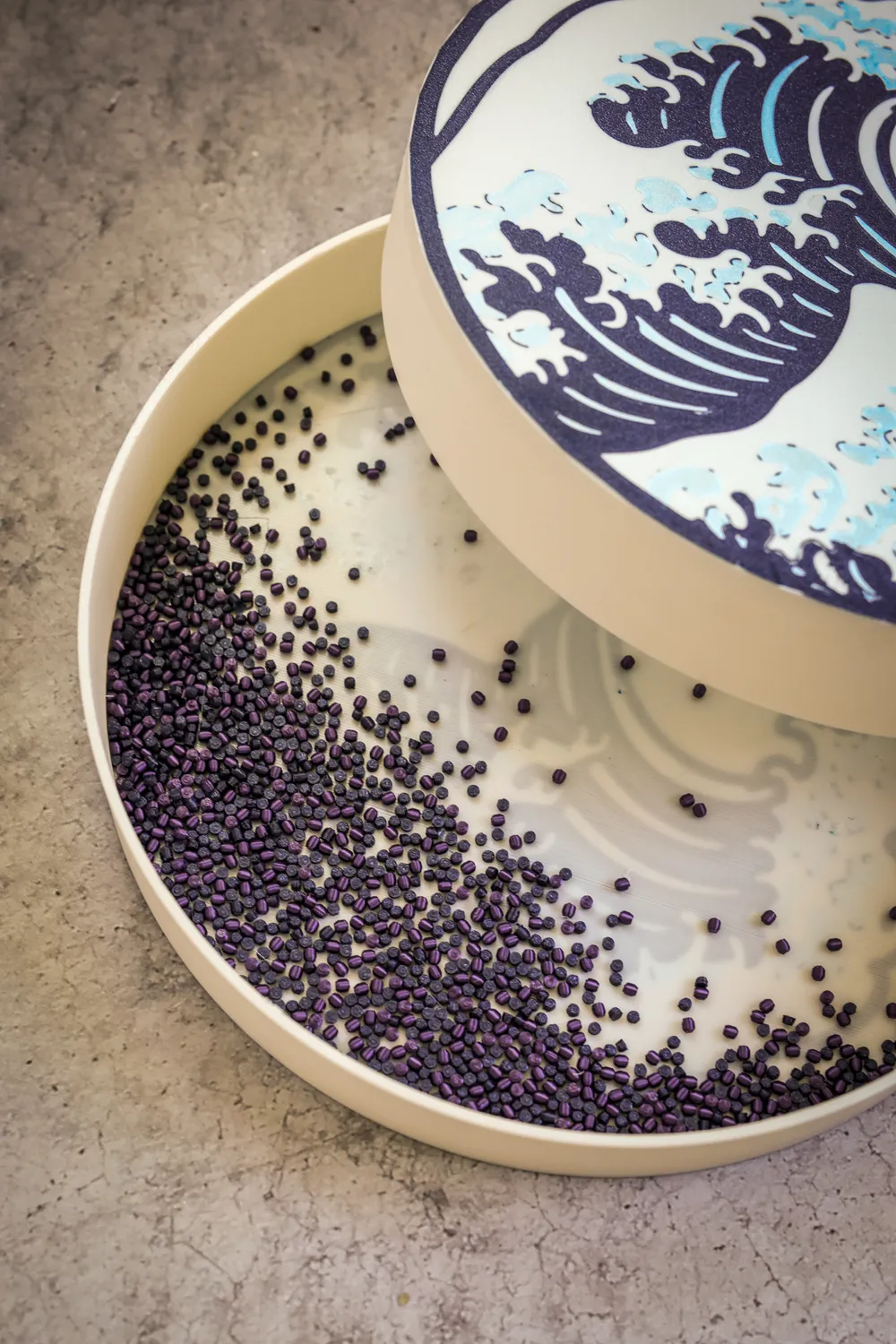
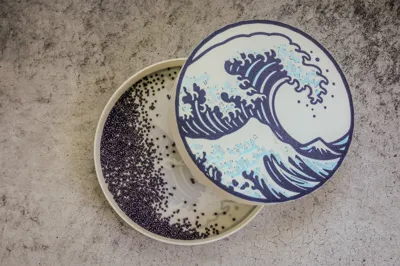
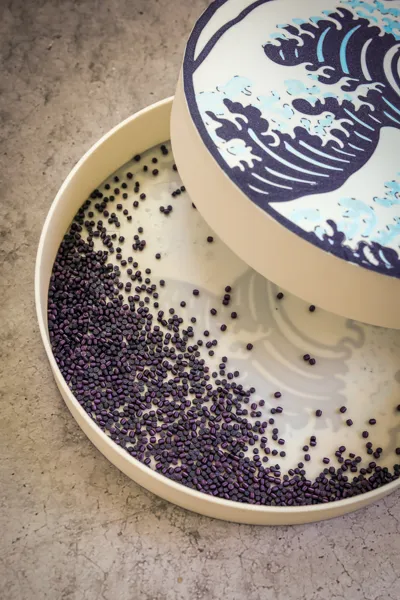
Start by printing the two outer drum parts. If needed you may use a brim to prevent warping. After printing the drum heads, print the beads. There are 700 beads on one plate, so you may either print one (faster) or two (better sound). Make sure for the beads that there is good bed adhesion, but please do not use a brim! The brim can take hours to get off because there are so many small beads.
To assemble, put the top half and the bottom half together with the beads inside, and you're ready to start playing!
How to Play
The ocean drum is a very strait forward instrument to play. It is traditionally played to sound like waves, but can be used as a shaker or hand drum. Below are instructions on how to play it in three ways:
To Sound Like Ocean Waves:
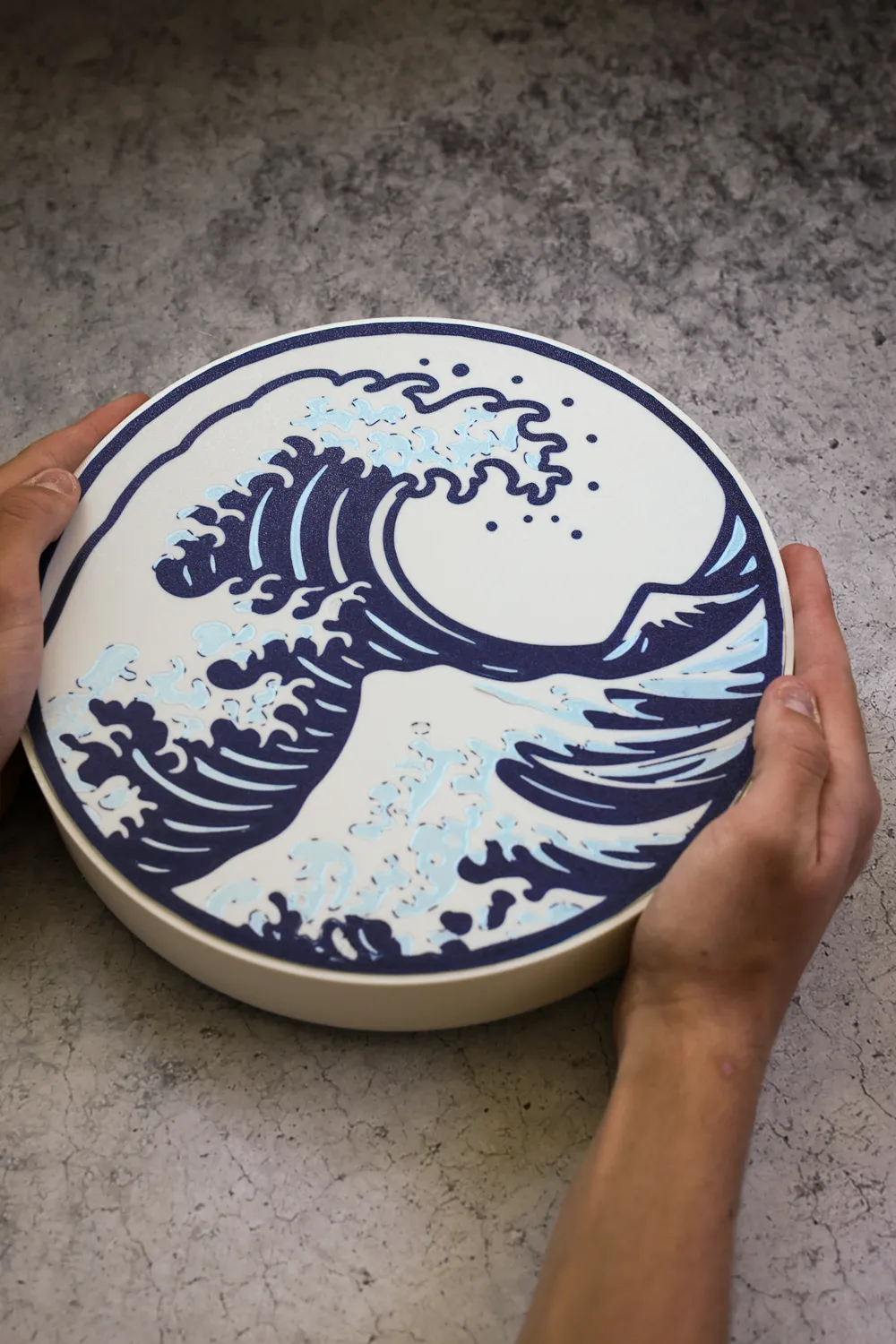
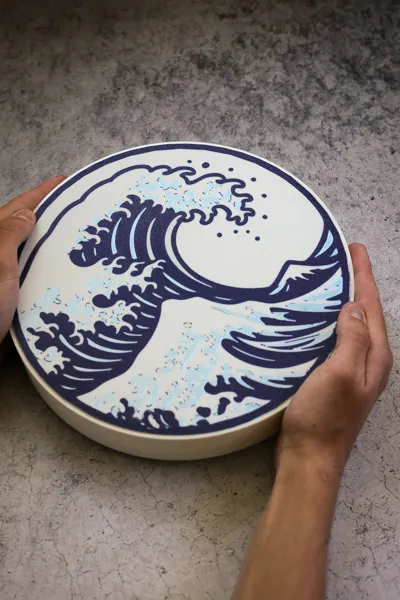
Start by holding it in front of you with one of the drumheads facing up. Hold it with both palms, one on each side. Try to avoid touching the drumhead as this can dampen the sound. Gently tilt the drum in a circular motion. You want the beads to go around the drum in a circle, rather than sliding back and forth, so the sound is continuous. You can then try altering the speed slightly as you tilt it in a circle to replicate the sounds of waves crashing on the shore.
To Use as a Shaker:
Hold the instrument in front of you with one of the heads facing your body. You may either hold it with both hands or just one, but try to keep the instrument from tilting. Use your arms to move the drum in a steady forward-and-backward motion, but while keeping the drum upright.
To Use as a Hand Drum
Pinch the drum with your non-dominant hand, then hold it so that one side of the drum is facing to your left, and the other side facing right. To hit the drum, you may either use your fingertips or a soft percussion mallet (I used a timpani mallet). You can experiment with how you hit the drum if you would like, such as if you hit it on the edge or middle, or hitting it with your palm or fingers.
Sound Samples
Here are a few sound samples of the ocean drum, played in a number of different ways:
License

You shall not share, sub-license, sell, rent, host, transfer, or distribute in any way the digital or 3D printed versions of this object, nor any other derivative work of this object in its digital or physical format (including - but not limited to - remixes of this object, and hosting on other digital platforms). The objects may not be used without permission in any way whatsoever in which you charge money, or collect fees.


Comment & Rating (7)