
Multi-axis 2-in-1 Dolly Cam Slider and Car
Print Profile(2)


Description
Membership
Your support is greatly appreciated, and I truly recommend subscribing to my tiered license to get the most out of my models. They are highly popular in the market, with over 1,000 sales of the decorations from verified users. Customizations are also welcome and available at no extra cost, depending on your tiered license.
Boost Me (for free)
If you enjoyed printing, I'd appreciate your boost to help me support this hobby! :)


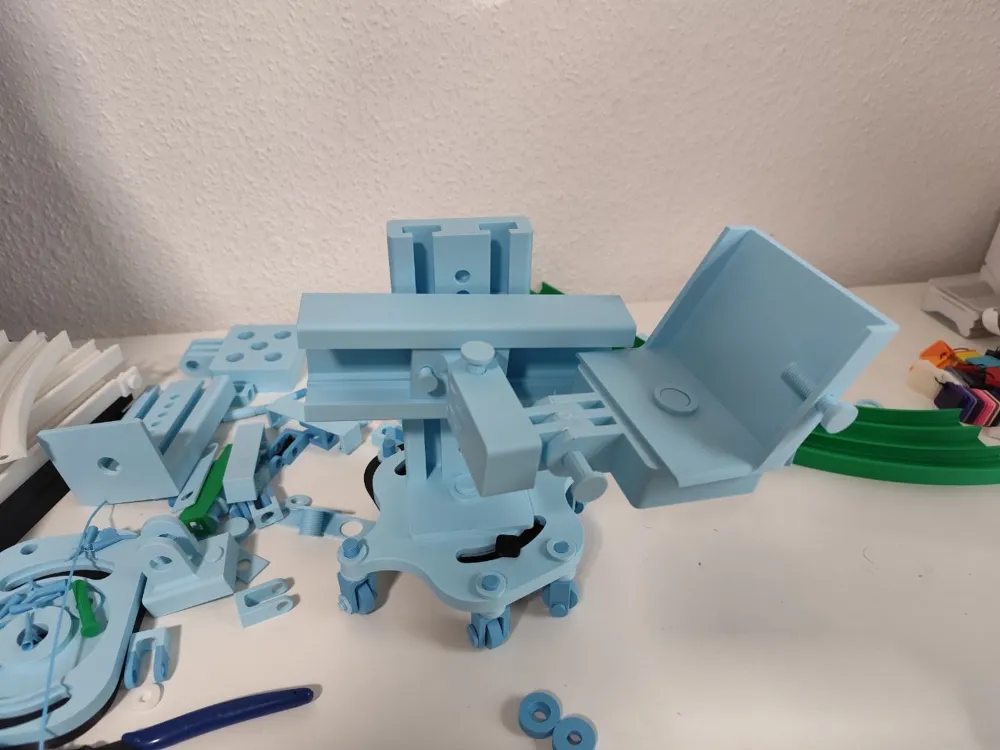
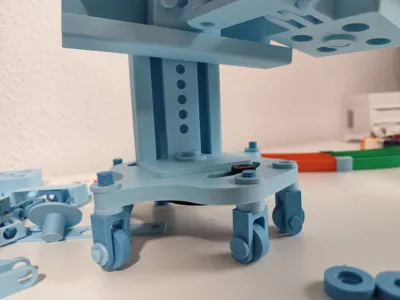
After countless hours of prototyping, testing, over 2 kg of filament, and more than 50 hours of print time, I’m proud to share with you my Multiaxial 2-in-1 Dolly Cam Slider and Dolly Car – a fully 3D-printed, metal-free design.
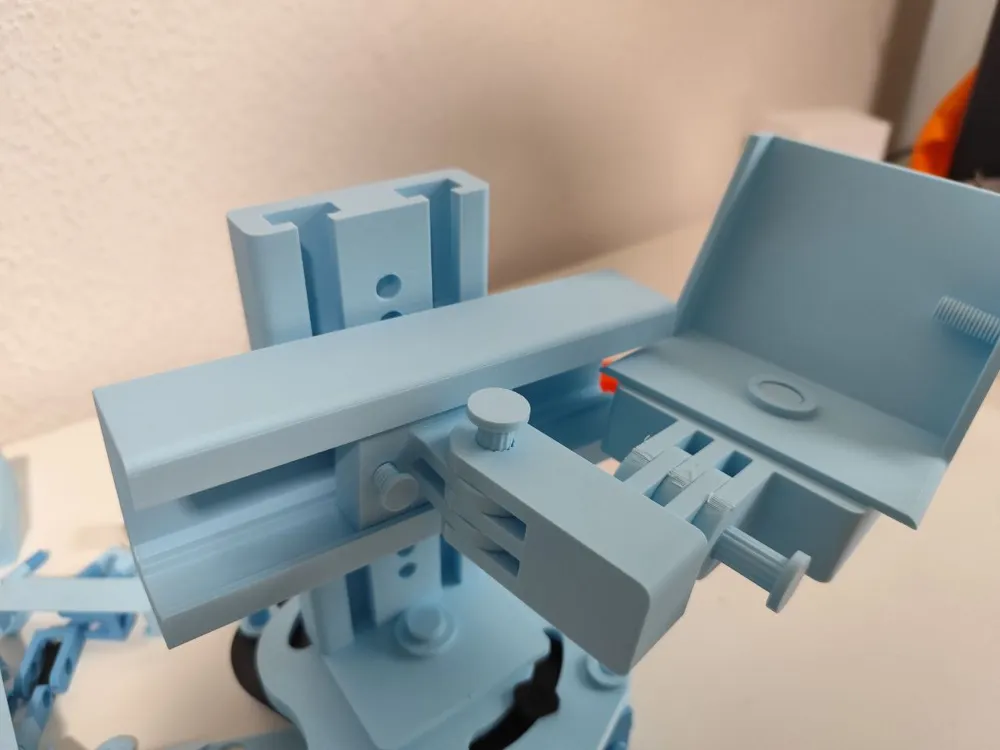
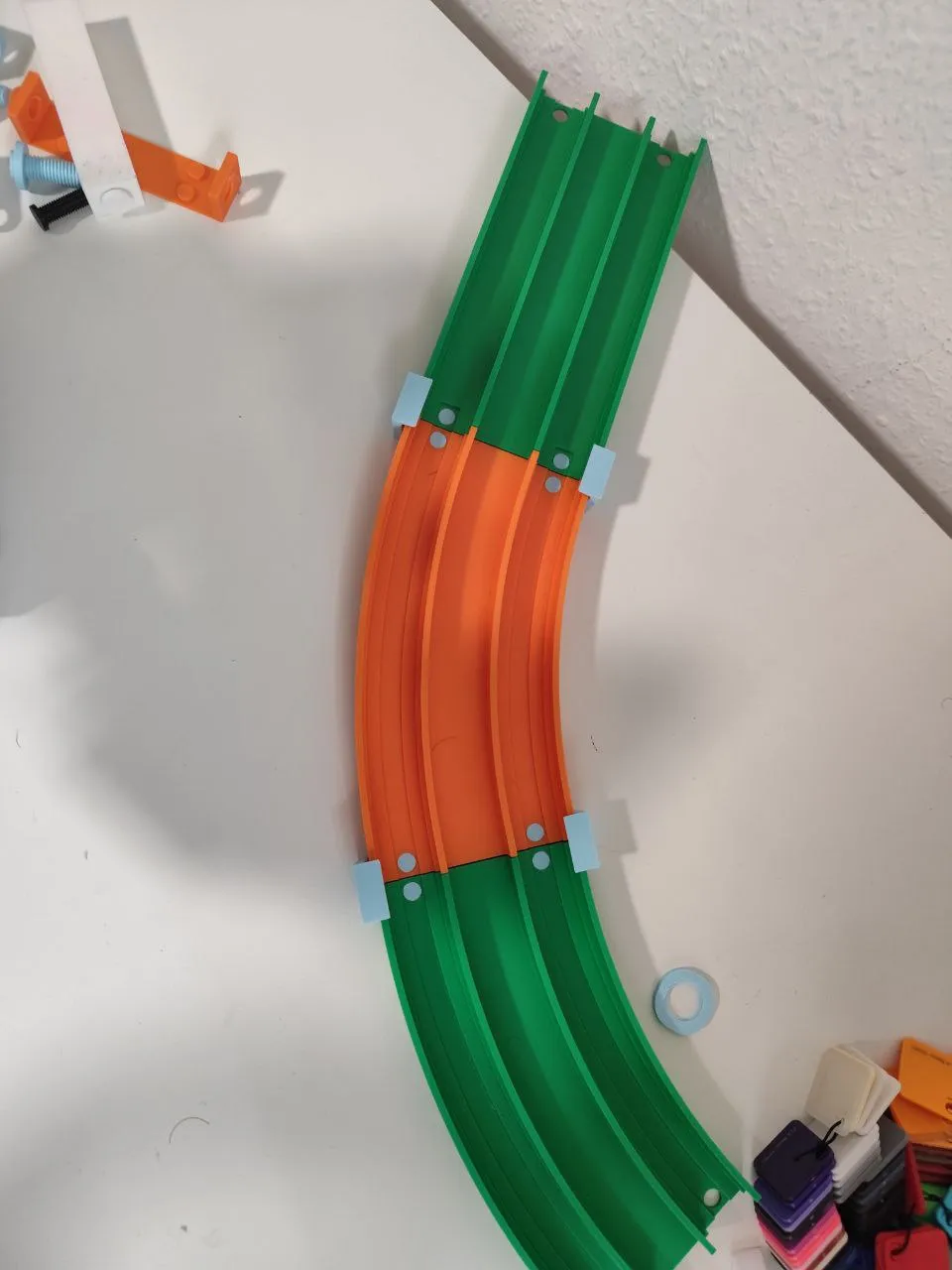
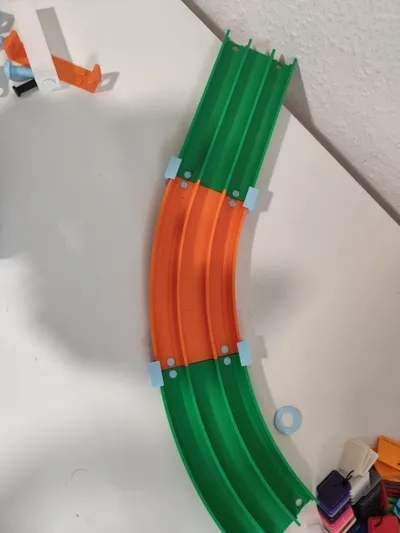
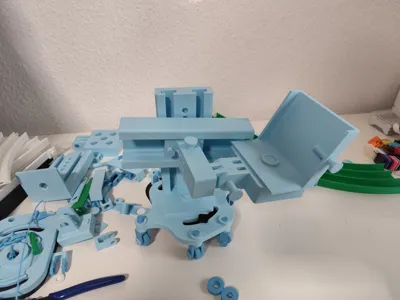
Unlike most models that offer either a straight rail or a rotatable dolly, this build combines both curved and straight rail options, plus full multiaxial adjustability. It includes customizable movement along the X and Y axes, along with tilt and swivel functionality. The system also supports extensions with properly joined rails for added stability.
This is a proof of concept demonstrating that a stable, functional camera slider can be entirely 3D printed – no metal bearings, rods, or custom parts required.
Before you start, please do check my profile for other models. I spend time doing some simple decor designs and other functional designs. Below is a sample of my latest models, hope you enjoy them too!
Key Features:
- Multiaxial System: Offers independent X and Y sliding, along with tilt and swivel adjustment.
- Y-axis: Uses fixed-height markers for positioning.
- X-axis: Uses a screw-stopper mechanism; the weight is offloaded onto the Y-slider, reducing stress.
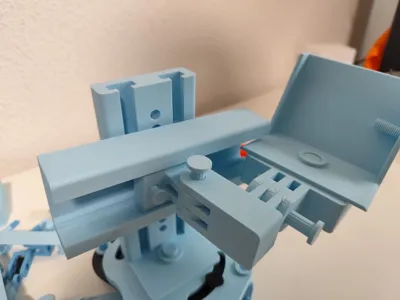
- Tilt/Swivel: Controlled with gear-like teeth for locking angles, and optional screw/nut adjustment for dynamic use.
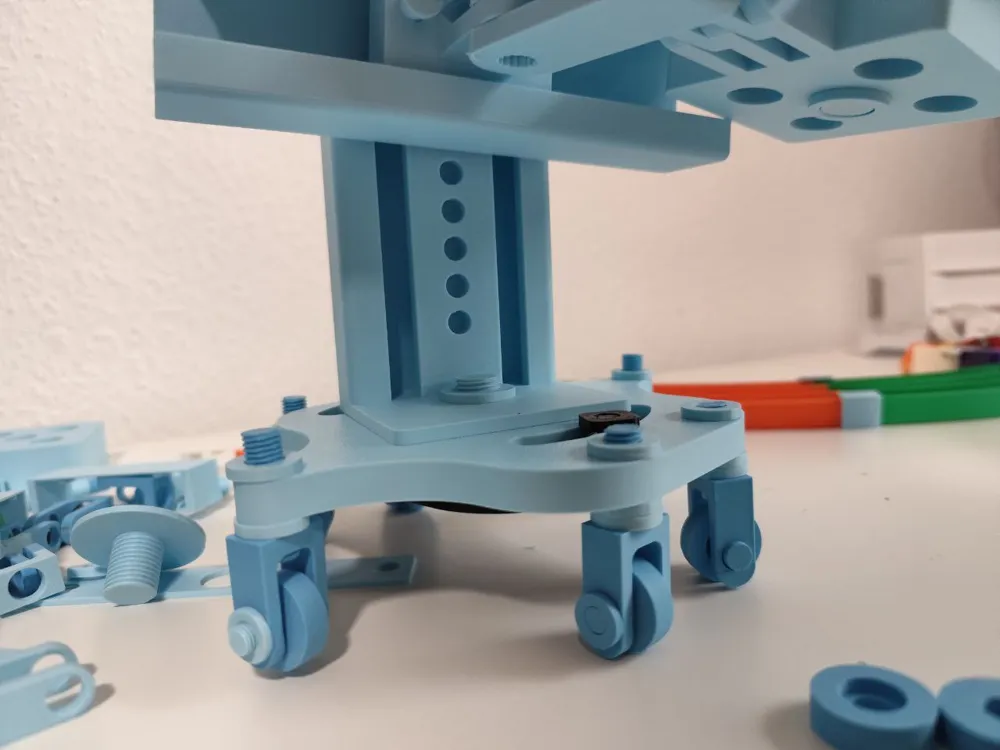
- Universal Usage: Swap wheels to convert between slider and dolly car. Compatible with axis adapters—no need to reprint parts depending on setup.
- Fully 3D-Printed: No metal or special components needed. Designed for practical use with consumer-grade FDM printers.
Design Philosophy:
The idea was simple: one modular system that works as both a rail slider and dolly car. Users shouldn't have to choose or reprint parts—print once, use it flexibly. Whether mounted on straight or curved rails or running solo as a dolly, it should remain compatible with all slider components.
This project went through many detailed iterations to achieve tight tolerances, especially where the slightest layer inconsistency affects functionality.
Why the Delay?
Originally, I used a Bambu A1 mini but switched to a P1S. In between, I mistakenly bought an S1 Kobra, which significantly slowed progress due to print issues. During this time, I focused on designing rather than prototyping, which created further delays. Eventually, with the P1S, I caught up and pushed the project forward.
Known Limitations:
Stability & Counterweights:
The camera slider requires counterweighting to prevent tipping. There are various ways to achieve this:
- Widening the base or adding side weights compromises functionality.
Adding weight to the rails limits standalone dolly use.
Current solution that has been implemented: two center-mounted stabilization wheels to balance the load without excessive bulk.
Still, the two wheels bear significant stress and may wear faster.
Material Limitations:
Being FDM-printed plastic, expect higher friction than machined metal systems. Lubrication helps, but minor dimensional inaccuracies can occur.
Mounts:
Currently, only a universal phone mount (up to 120mm) is included. More mounting options are planned in future updates.
Complexity:
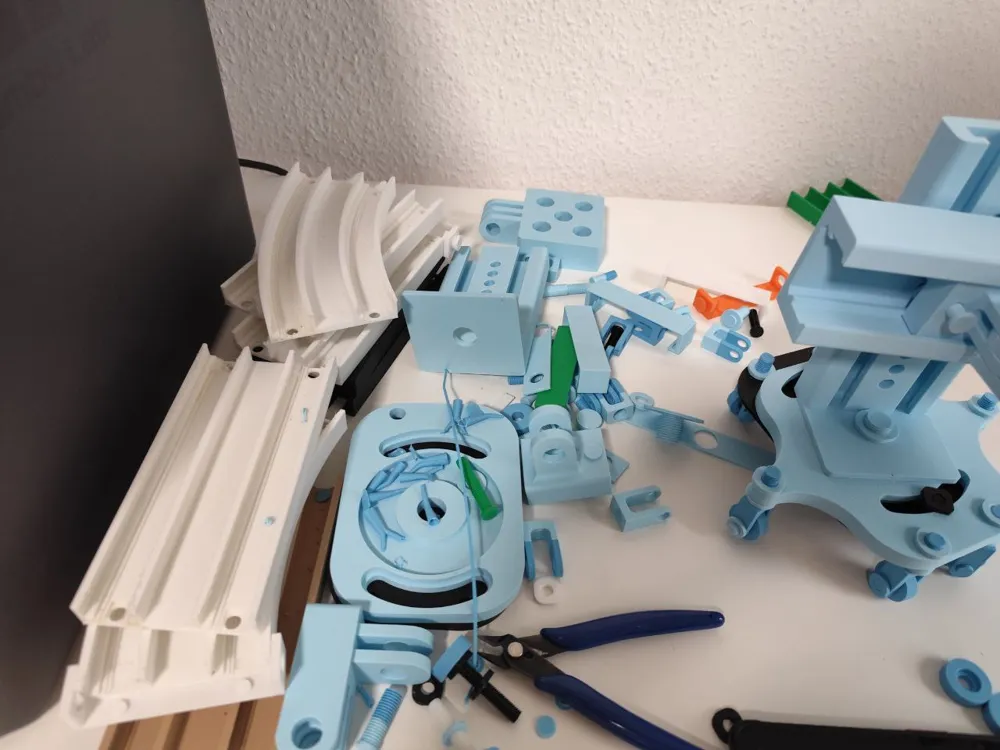
Due to its multifunctional nature, the model consists of many components. Assembly is straightforward but requires patience.
Feedback
This model has been thoroughly tested, but your feedback is invaluable. I hope this inspires others and shows what’s possible with pure 3D printing, even for demanding applications like camera movement systems.
Terminology
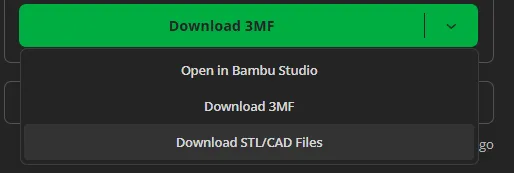
Terminology is important in case you want to download the STLs. Check them out here, they're sorted into folders for easy assembly :)
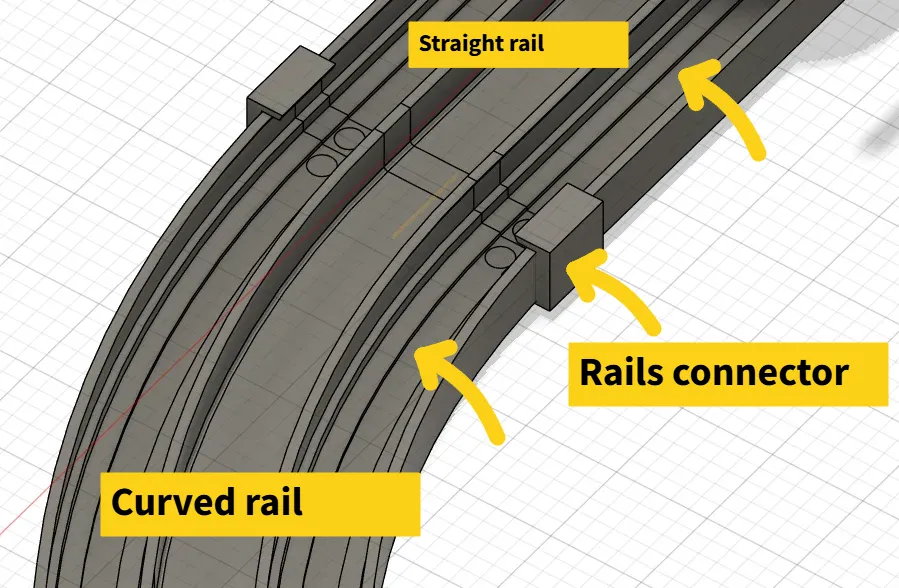
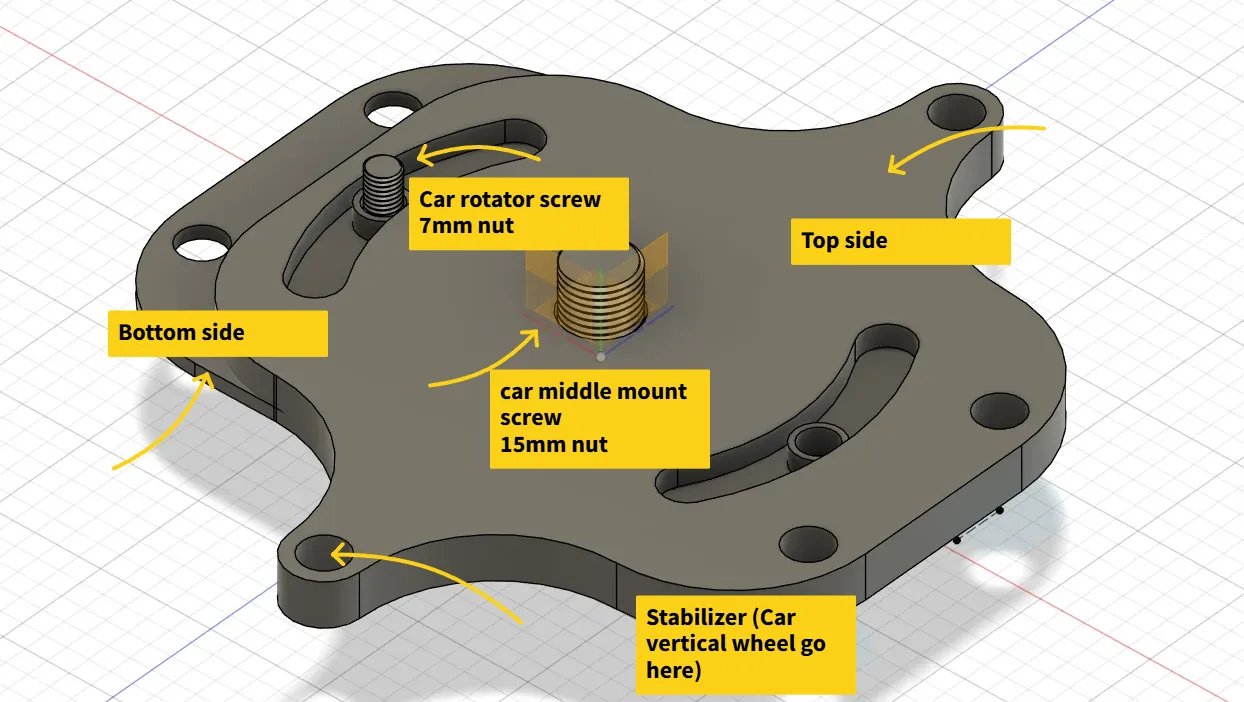
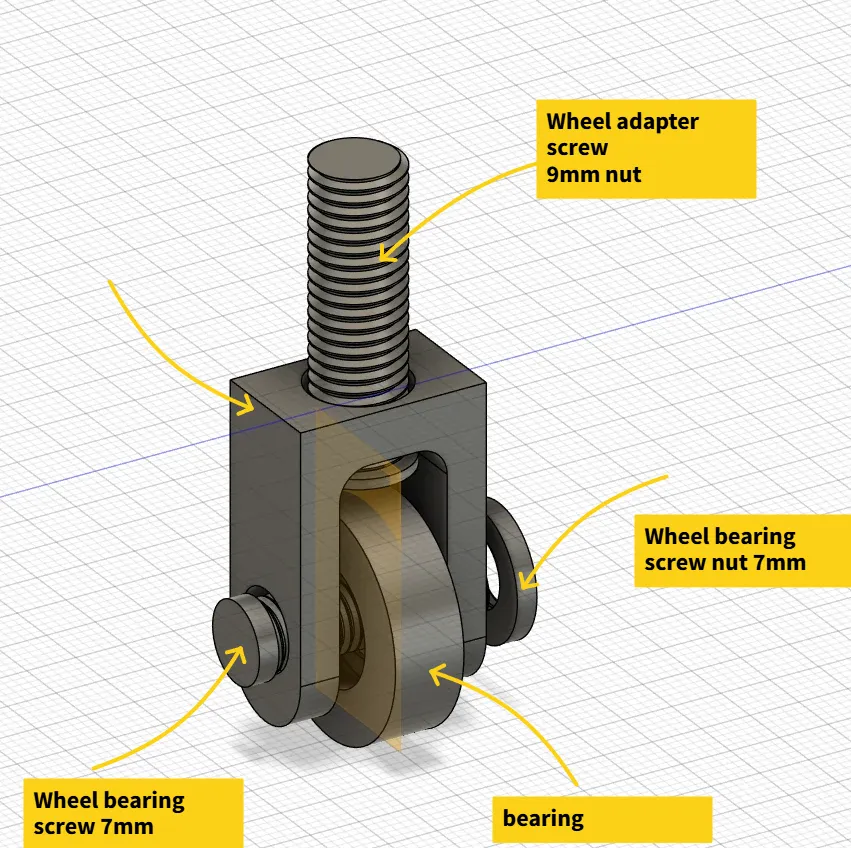
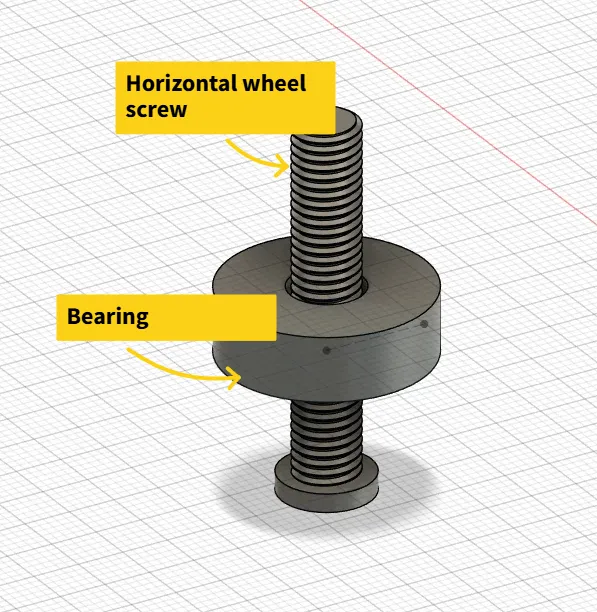
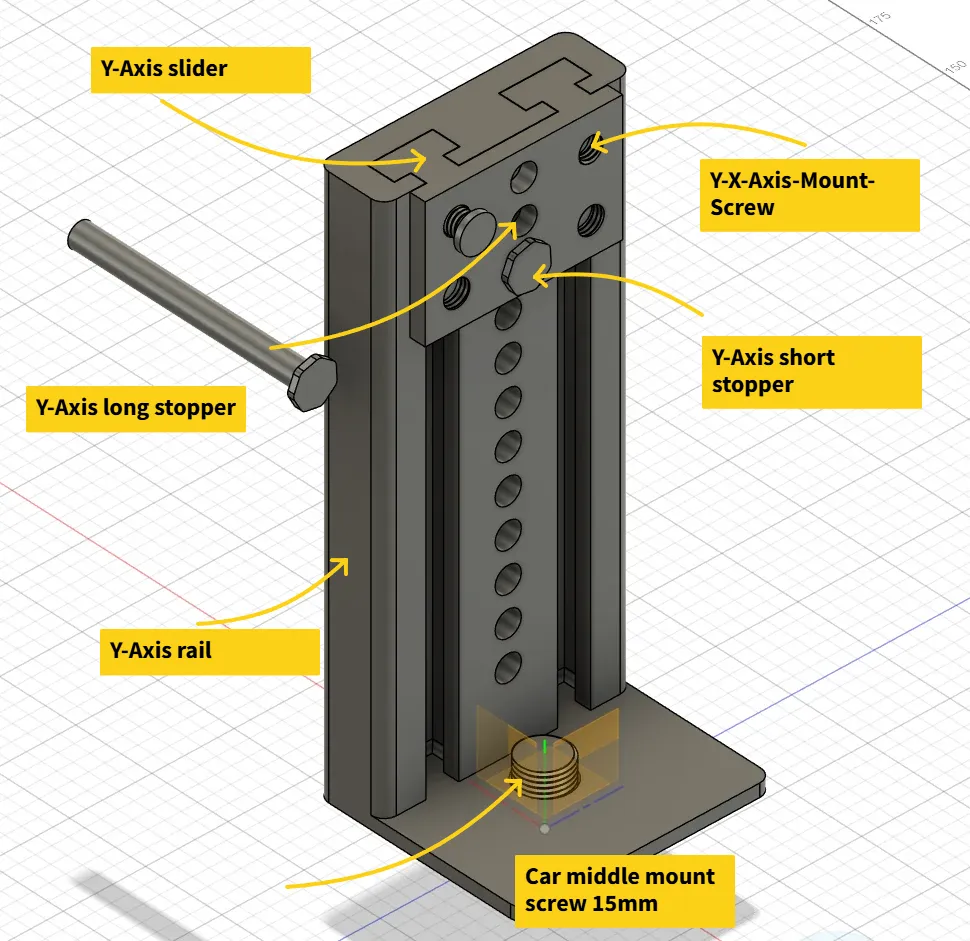
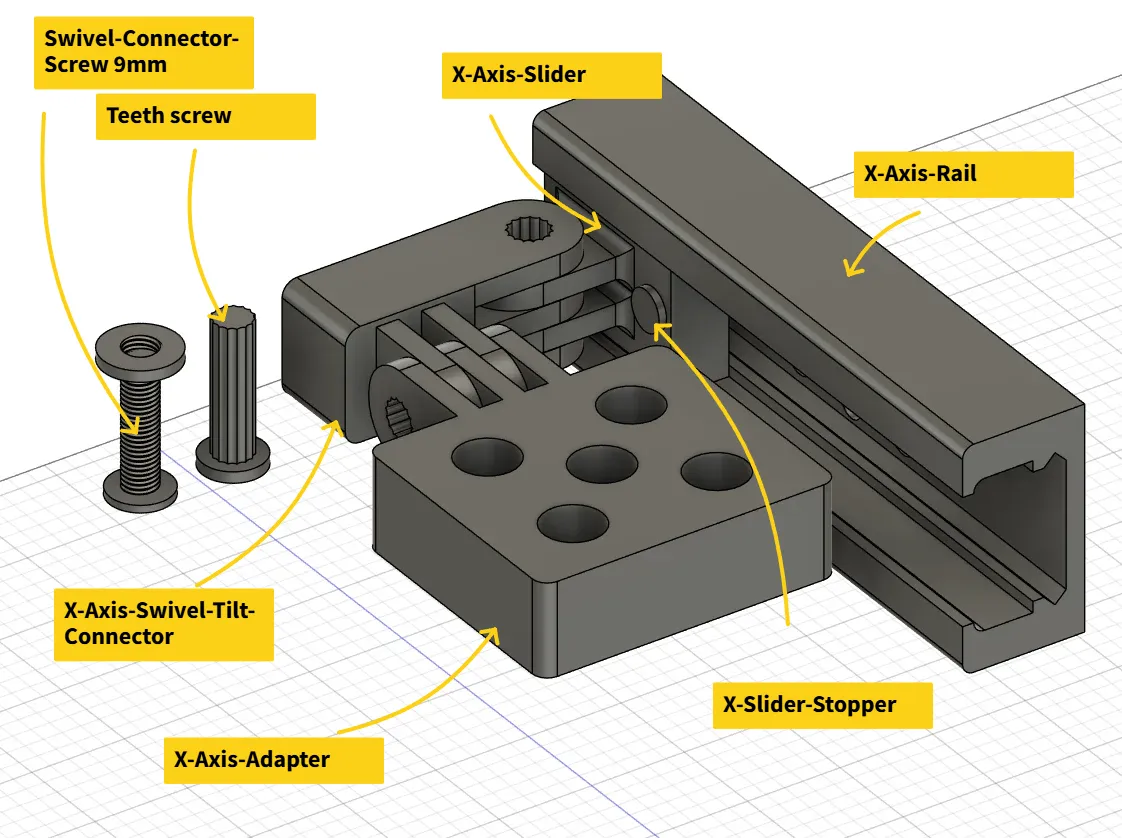
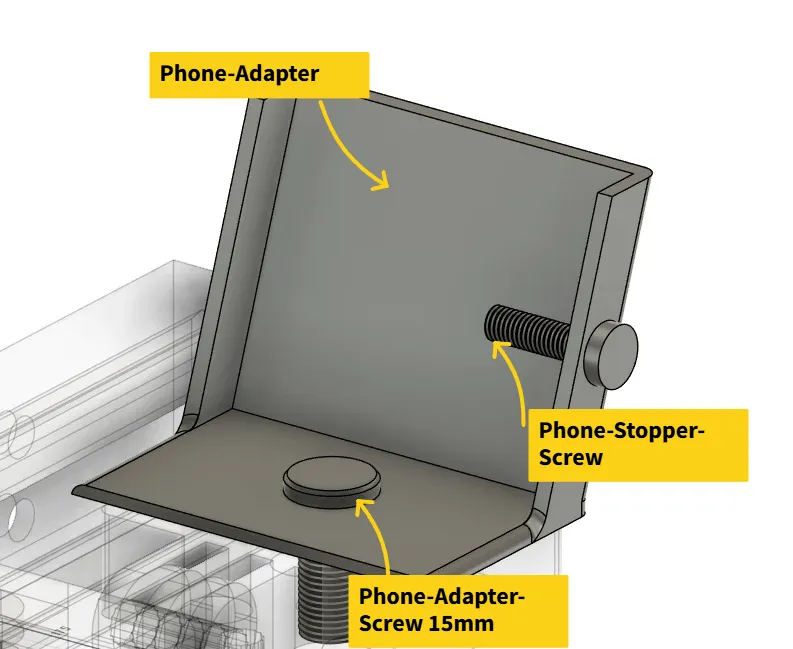
Assembly: video process
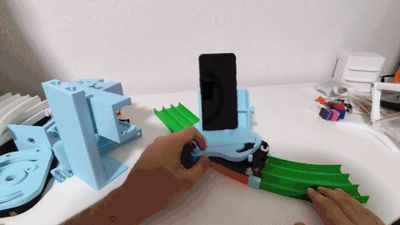
The following GIF shows the process and its result. Compare it with the textual guide and you will get your result. Please note that screws and nuts need to be adjusted. Putting bottom and top nuts will prevent the bearings screw from moving. You might need to adjust the height of nuts.



I hope you enjoy it! Happy printing and please do share your prints with me. Your feedback is much appreciated. Graphical assembly (images) will be uploaded later. Currently, there's the video process. Please be patient :)
Check out my profile, I post decorations and functional models and accept custom models wishes. Your support means a lot!
License

You shall not share, sub-license, sell, rent, host, transfer, or distribute in any way the digital or 3D printed versions of this object, nor any other derivative work of this object in its digital or physical format (including - but not limited to - remixes of this object, and hosting on other digital platforms). The objects may not be used without permission in any way whatsoever in which you charge money, or collect fees.


Comment & Rating (22)