Search models, users, collections, and posts

U7 In-Wall Paintable Flush Mount
IP Report
Print Profile(1)

0.12mm layer, 2 walls, 15% infill
Designer
7.7 h
2 plates
Open in Bambu Studio
Boost
15
36
0
1
22
7
Released
Description
✨ What It Does
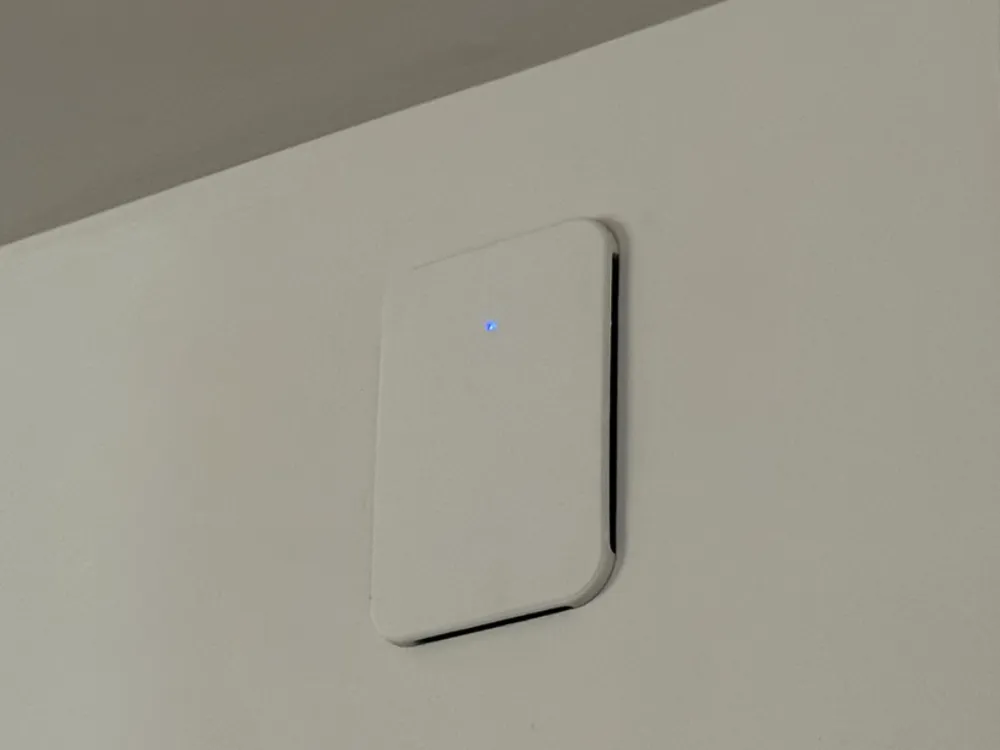
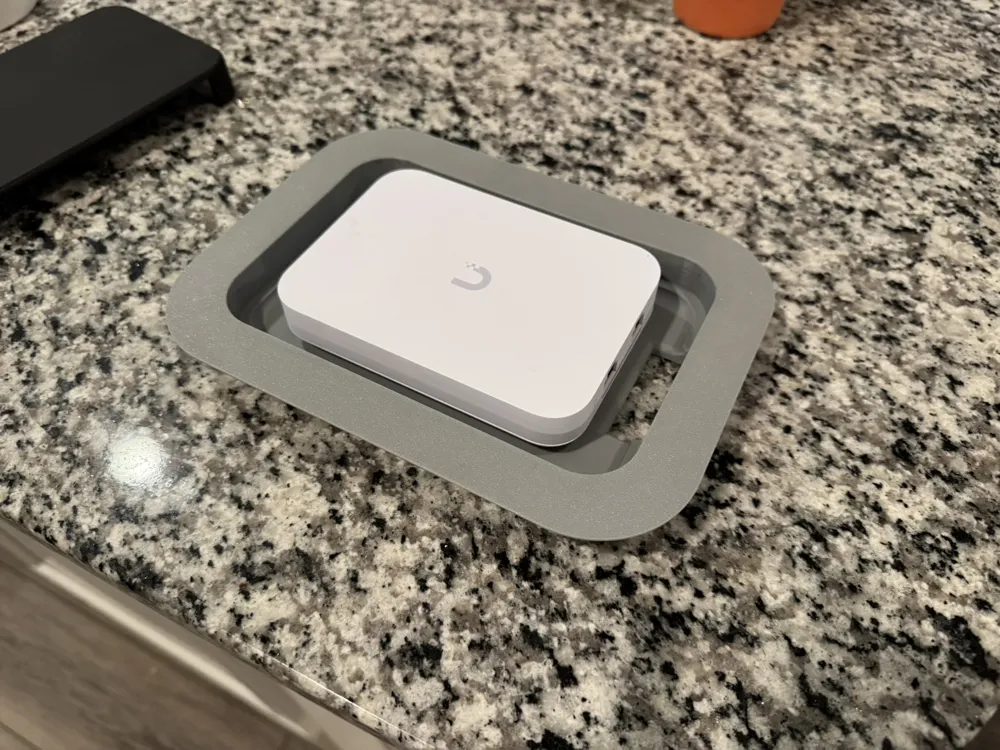
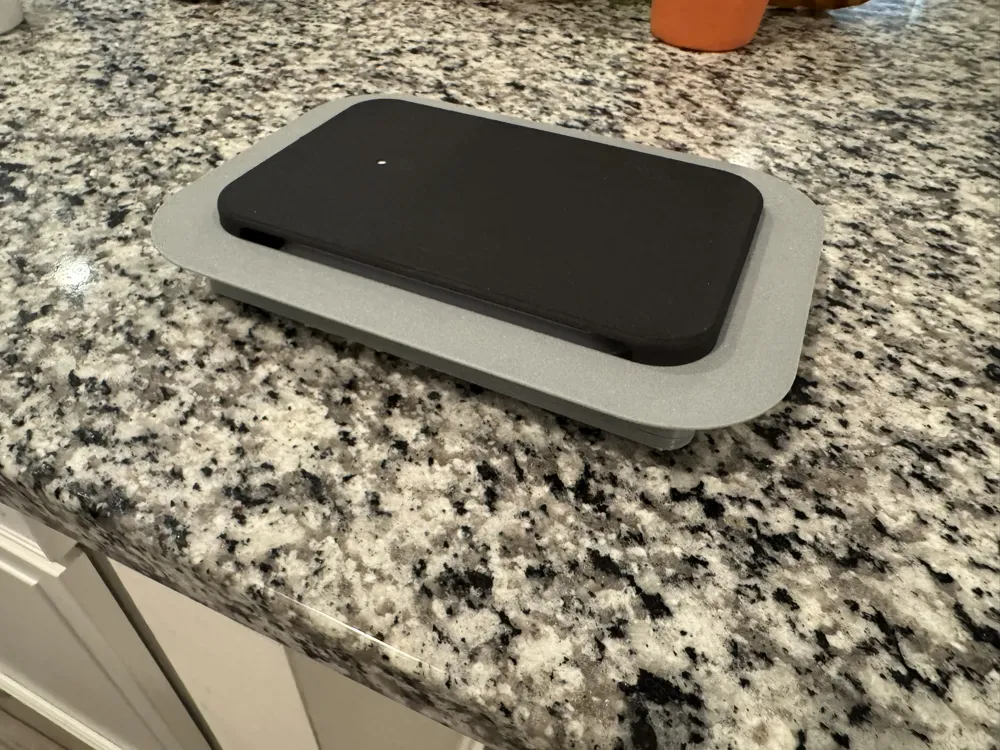
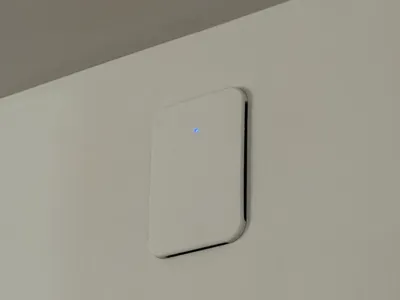
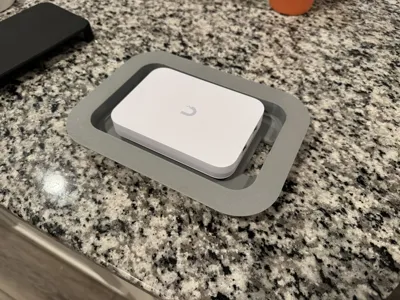
- Ultra Low-Profile: Mounts your UniFi AP just a few millimeters proud of the wall.
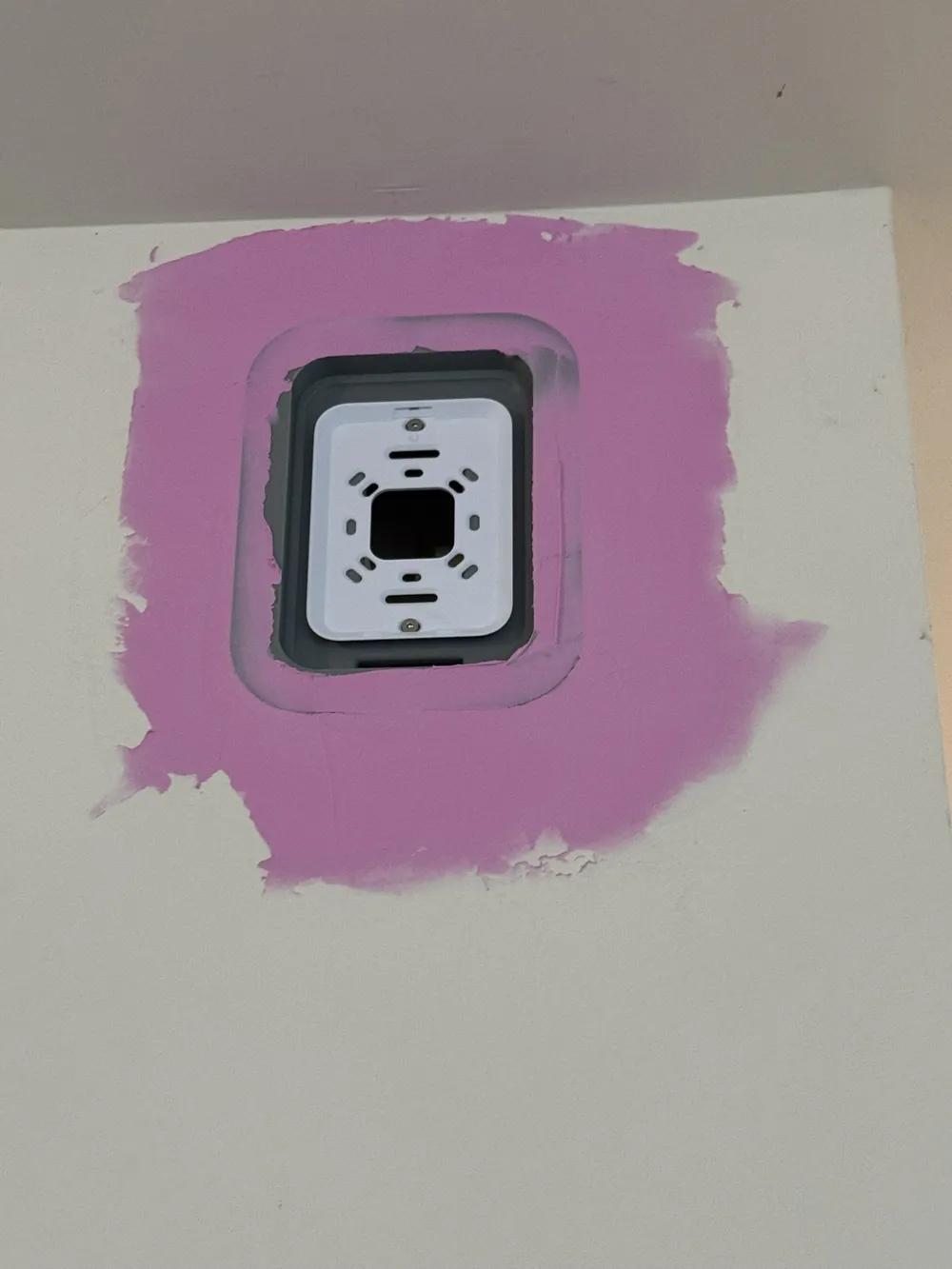
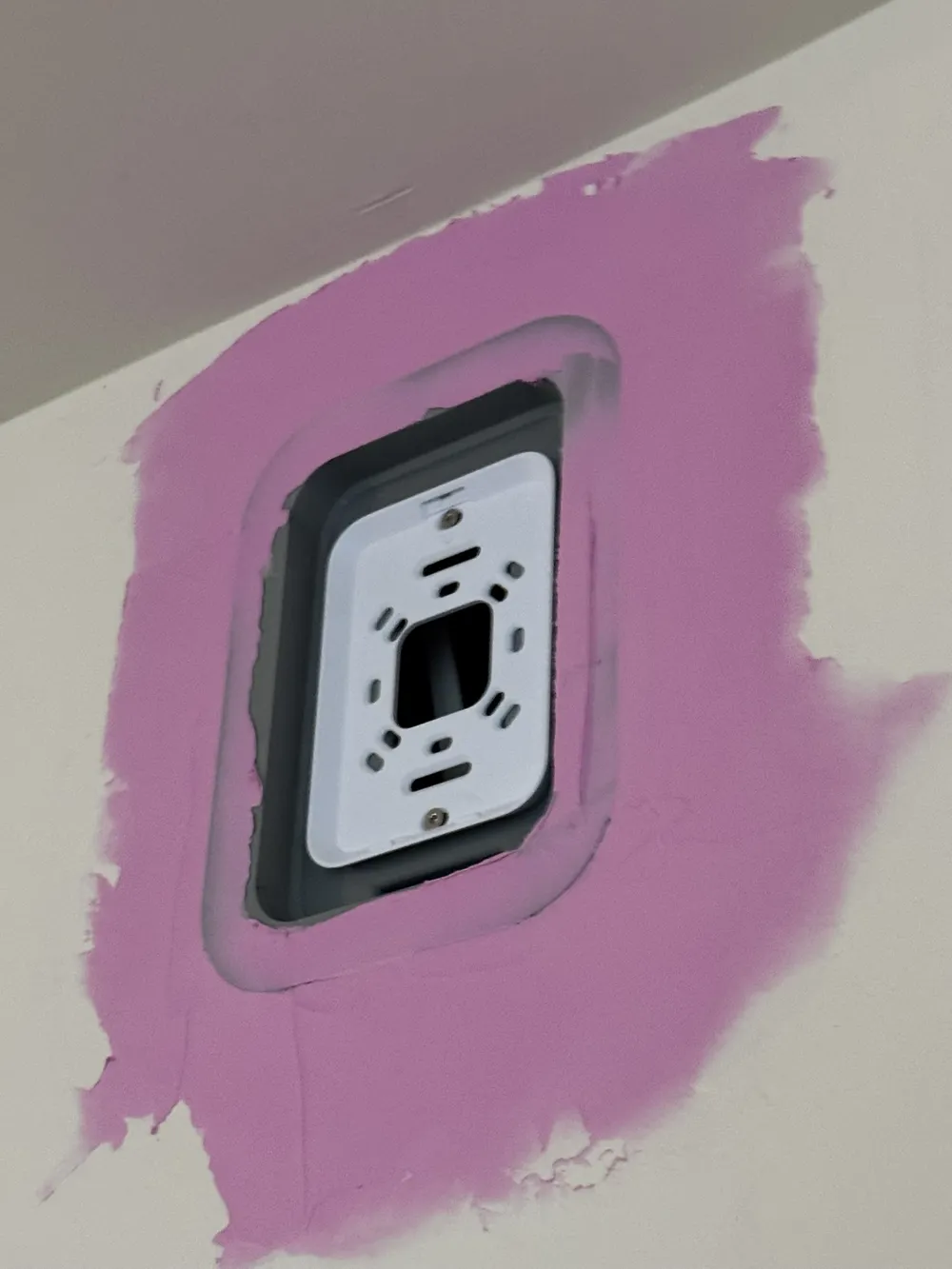
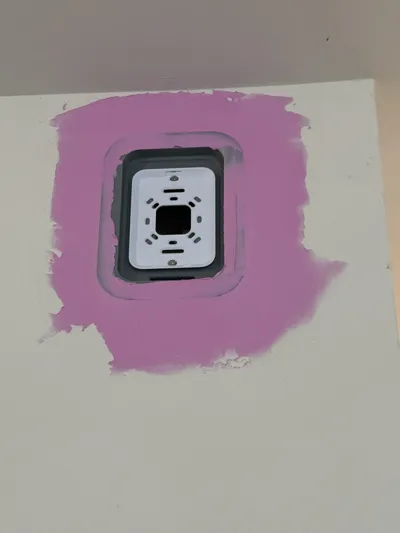
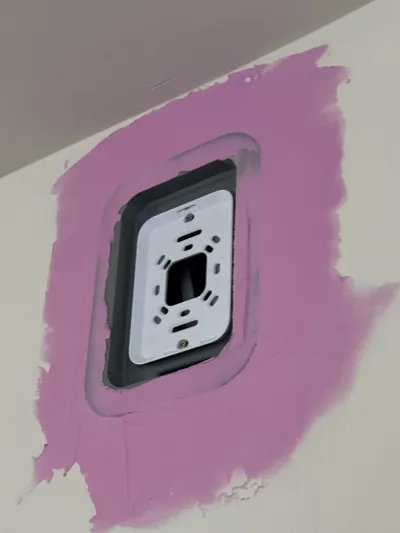
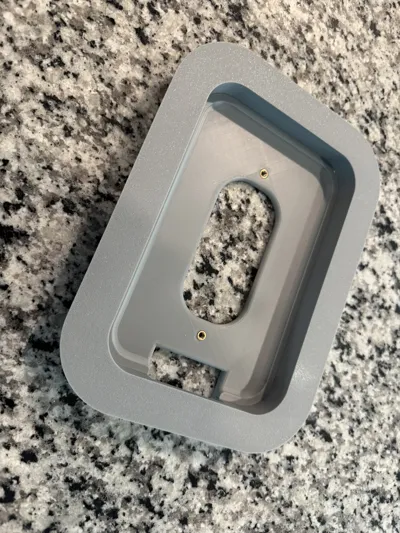
- Plaster-Ready Lip: 1 mm rounded “feather edge” lets you skim drywall compound right over the trim.
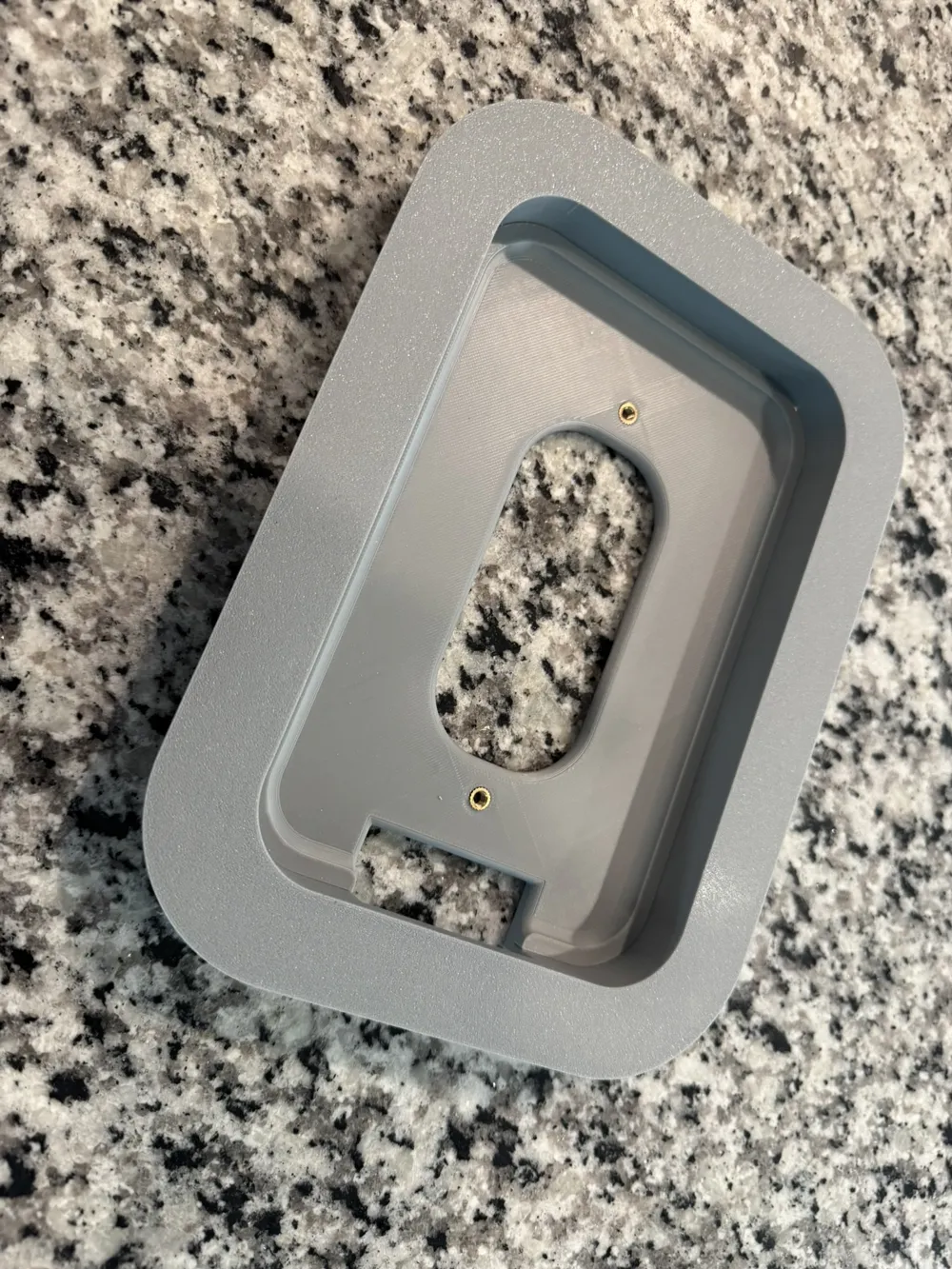
- Secure Mounting: Brass M4 threaded-insert pockets hold your AP rock-solid with countersunk bolts.
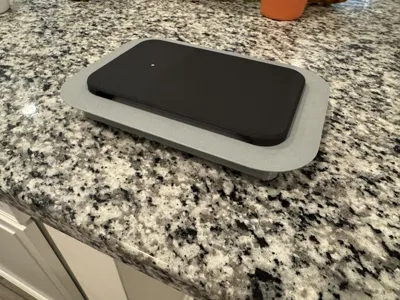
- Snap-On or Magnetic Cover: Optional recesses for eight 7 × 3 mm neodymium magnets—no ugly clips or gaps.
- Minimal Signal Loss: Tested at 1 Gbps across a 1,500 ft² open room with full Wi-Fi throughput.
🔧 You’ll Need
(Hardware not included; pick these up at any electronics or hardware store)
- 2× M4 × 4 × 6 mm brass knurled (female) threaded inserts
- 2× M4 × 6 mm flat-head countersunk bolts
- Optional: 8× 7 × 3 mm neodymium magnets
🖨️ Print & Install Tips
- Orientation: Print the frame and cover face-down (flat base to the plate) for best surface finish.
- Material: PLA, PETG, or ASA all work well—just use a primer before plastering.
- Heat-Set Inserts: Use a soldering iron or dedicated heat-set tool to press inserts into the back of the frame.
- Drywall Prep: Cut your wall opening to the size of the base, push the frame into the cavity, then secure your AP with the countersunk screws.
- Finishing: Feather joint compound over the 1 mm lip, let dry, sand flush, prime, and paint. Press the cover plate on—magnetically or by friction—and you’re done!
🛠️ Version History
v1.1 (Today):
- Added magnet recesses for cleaner snap-on cover
- Chamfered lip for easier skim-coating
❤️ If you enjoy this project, please ⭐️ Boost or 💬 Comment—your feedback helps me improve the design for everyone!
Happy printing—and enjoy your ultra-clean Wi-Fi setup!
License

This user content is licensed under a
Creative Commons Attribution-Noncommercial


Comment & Rating (0)