
Turtle Floating Island
Print Profile(1)

Description
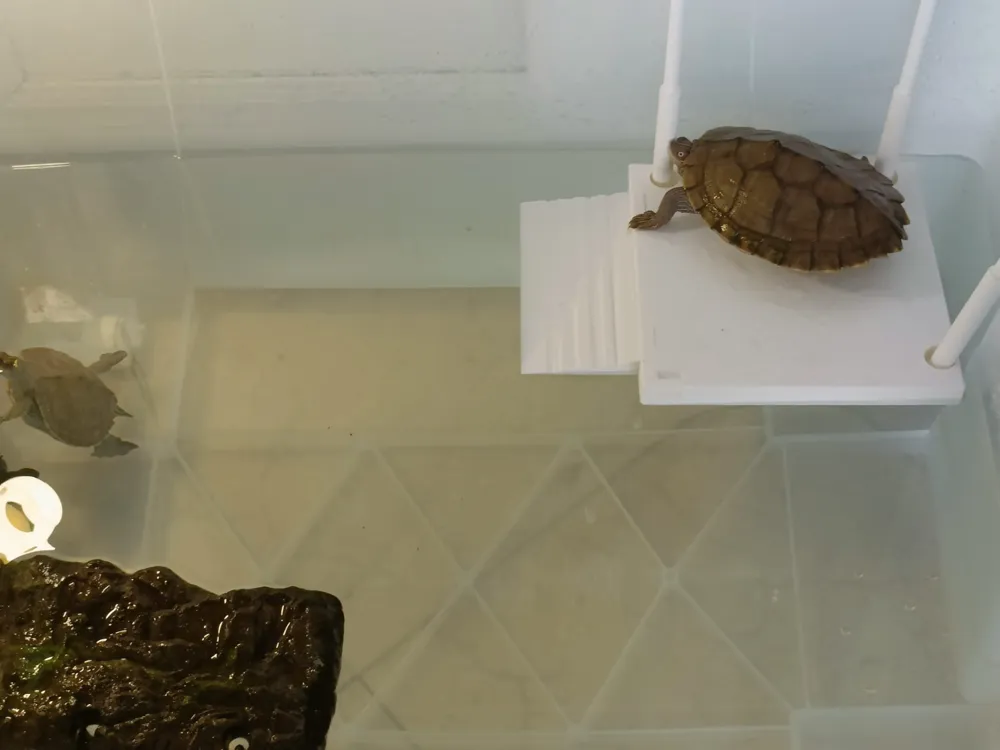
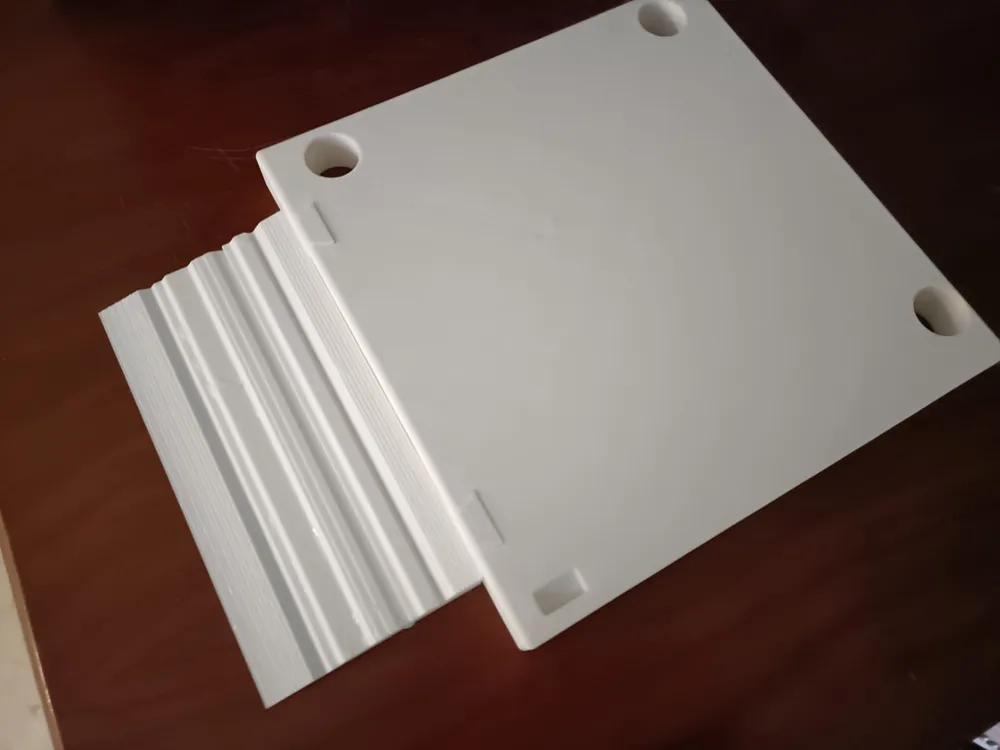
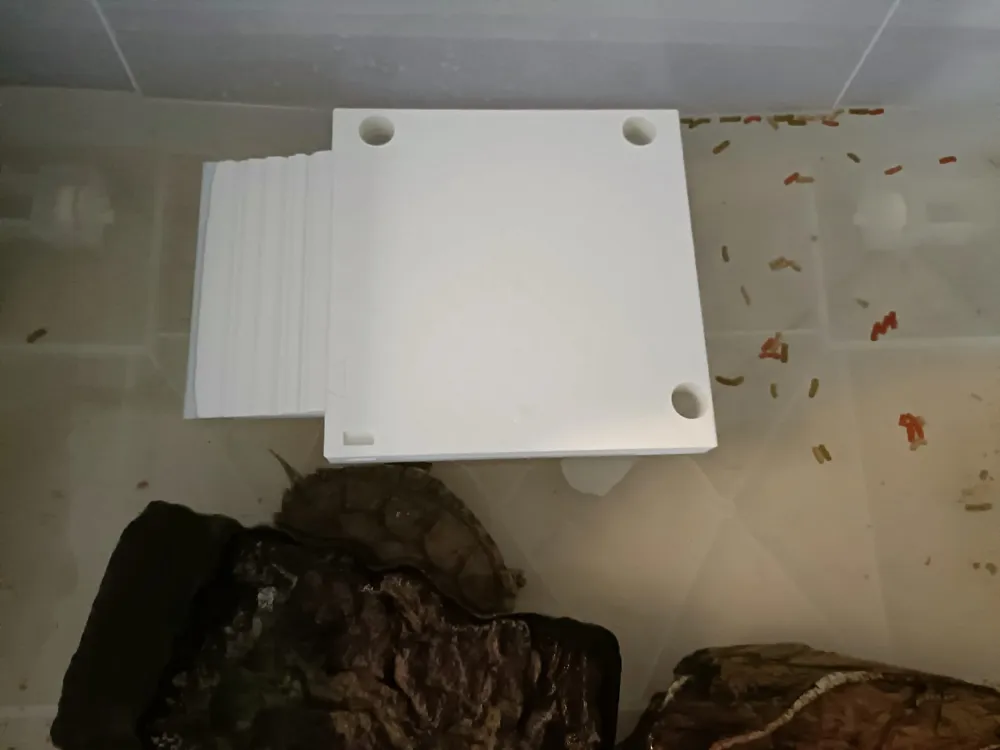
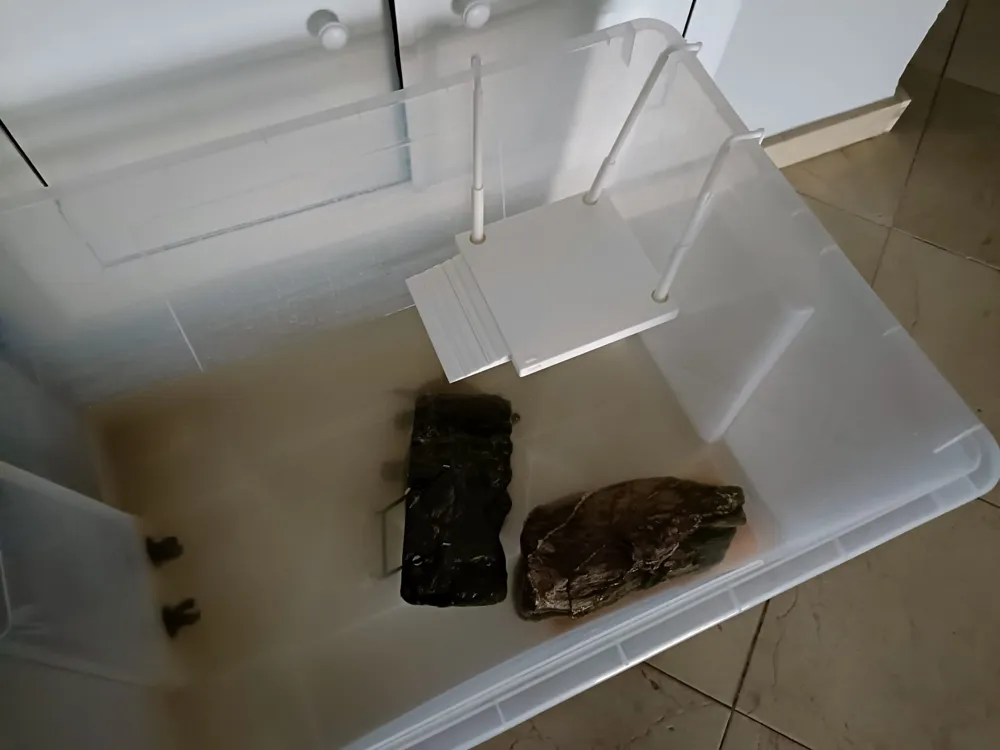
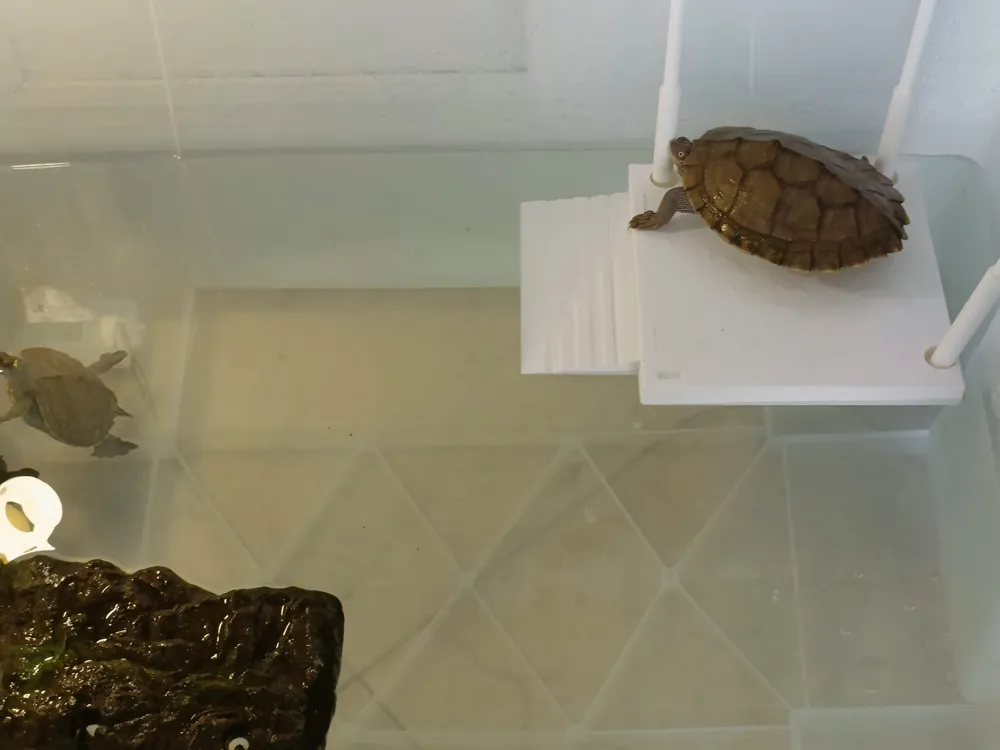
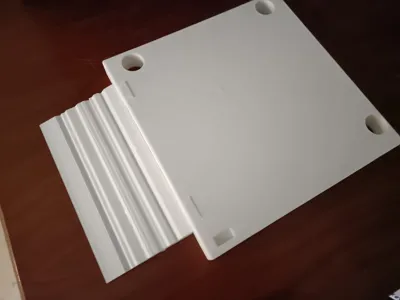
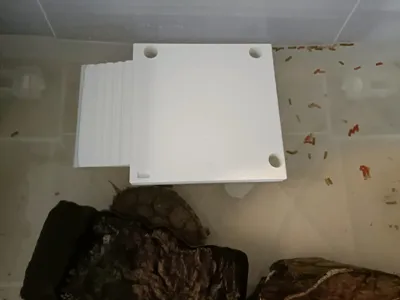
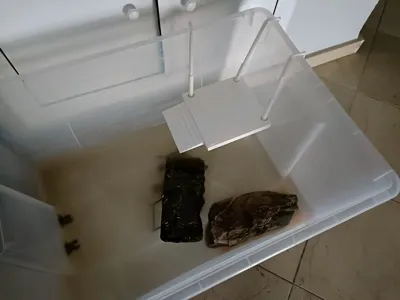
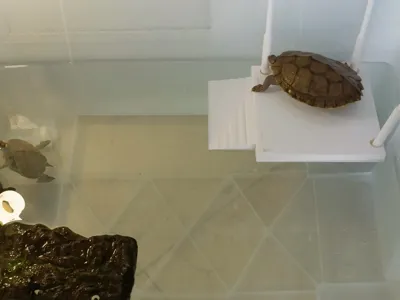
I designed this floating island specifically with the typical IKEA plastic containers (SAMLA, among others) in mind, which many of us use as homemade turtle enclosures. It is a floating platform with an integrated ramp so that your aquatic turtles can comfortably bask in the sun or UV light.
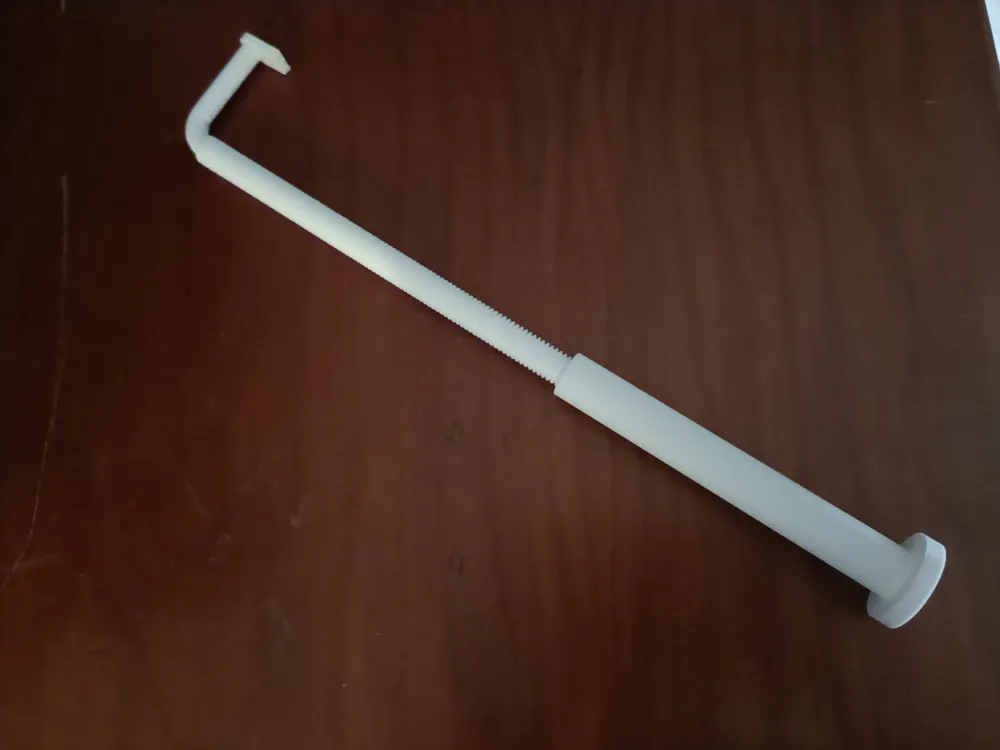
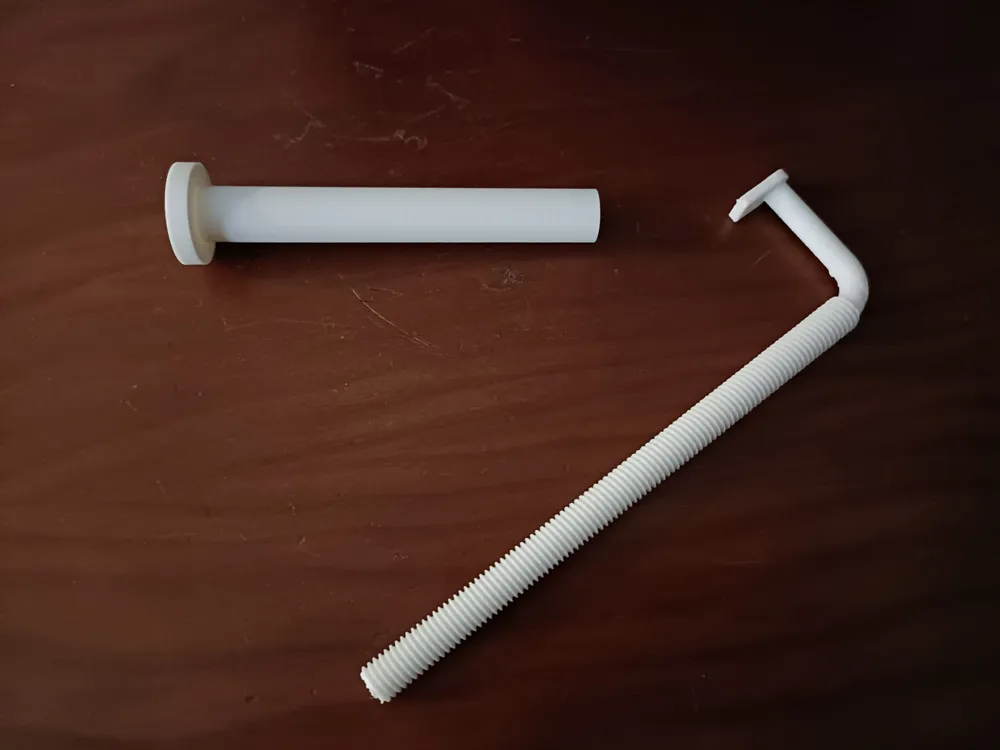
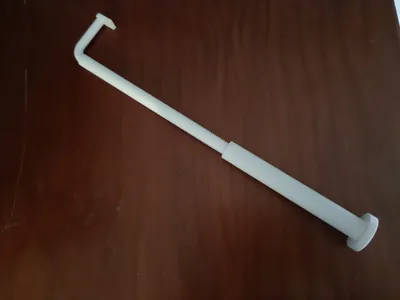
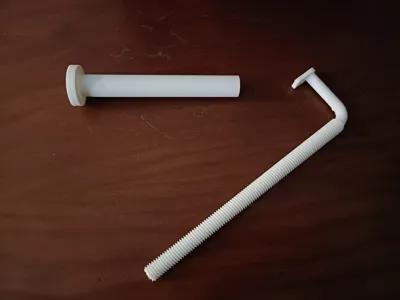
The design includes adjustable supports that allow it to be adapted to different heights, ensuring that it is securely attached to the container wall. It can also be used in small aquariums, fish tanks, or paludariums for reptiles and amphibians that need a dry space.
Made for 3D printing, it is easy to assemble and disassemble for cleaning or adjustment. A practical, economical, and customizable solution to improve the habitat of your pets.
I appreciate feedback.
Future Improvements:
- Extendable threads for suction cups
- Insertable addons in the hollow space for addons
- Possibility of modularity
Tips:
- The extendable thread for suction cups is designed with a fine pitch, so it is recommended to print it at a 0.12 mm layer height (or less) to ensure a good fit and smooth rotation.
- The rest of the floating island can be printed at higher heights (0.2-0.3 mm) to optimize times.
- The main platform is designed to be printed with 5% infill, creating internal air pockets that increase buoyancy without the need for additional sealing.
I have tested the platform without the extendable threads, simply resting on the water, and it perfectly supports the weight of my aquatic turtles.
🌱 Material:
Printed in PLA, a bioplastic derived from corn, non-toxic and safe for use with aquatic pets and reptiles. Ideal for environments where there is contact with water, although it is recommended to avoid prolonged exposure to temperatures above 50 °C (for example, in aquariums with very powerful heaters).
Currently my turtles are without heat resistance, so there is no risk of deformation. Even so, the PLA should not deform or emit harmful substances at the usual water temperatures in aquariums or turtle tanks (20-30 °C).
Caution should only be exercised if heaters are used that raise the temperature significantly or if the sun shines directly and for a prolonged period on the platform.
Boost Me (for free)
🚀 If you like this model, give it a boost! Your support helps me create more awesome designs. Thank you for being part of this community!
License



Comment & Rating (14)