
A kit that utilizes the P1/X1's heated bed for filament drying
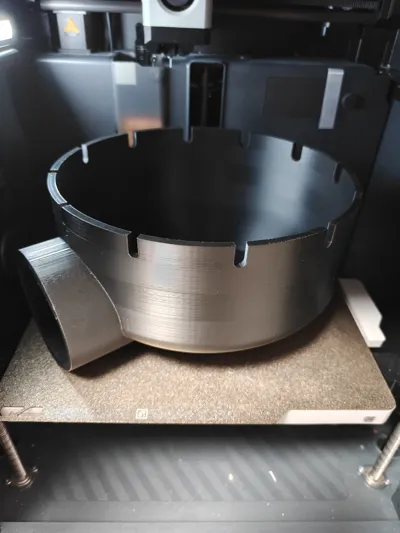
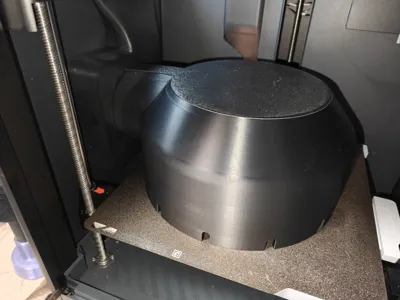
Print Profile(1)

Description
Similar to another project, I've implemented several design optimizations. However, this model's instructions alone provide a complete user experience.
What is this?
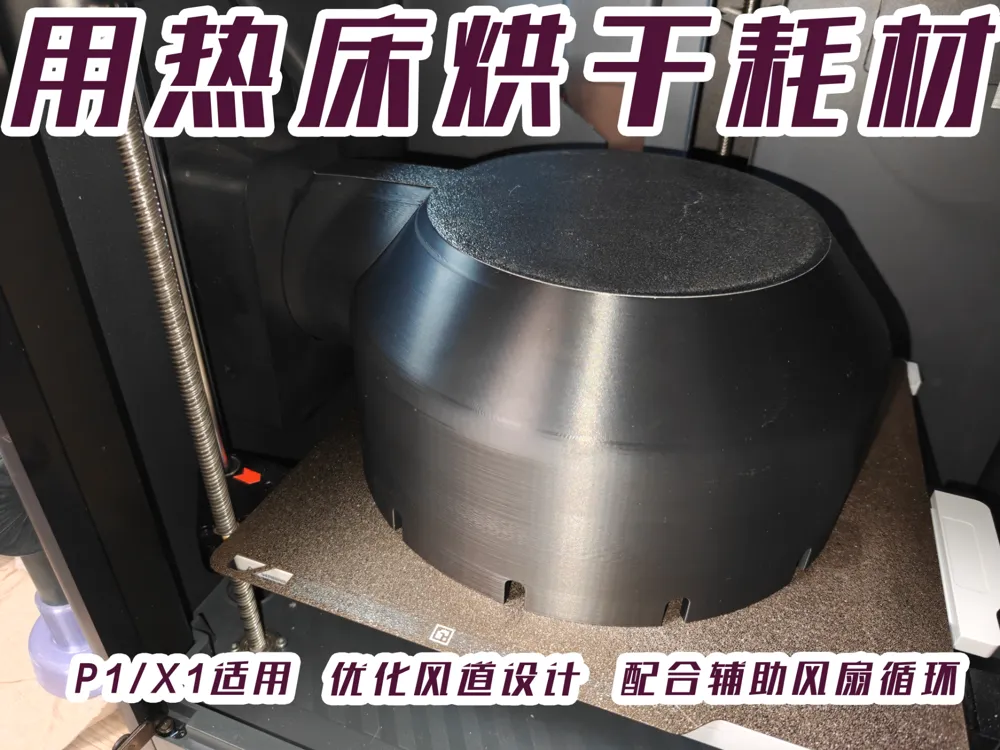
Filament drying typically requires specialized equipment, but sometimes we don't need such high costs. Therefore, this solution leverages the printer's enclosed chamber, heated bed, and auxiliary fan for simplified filament drying.
What's included?
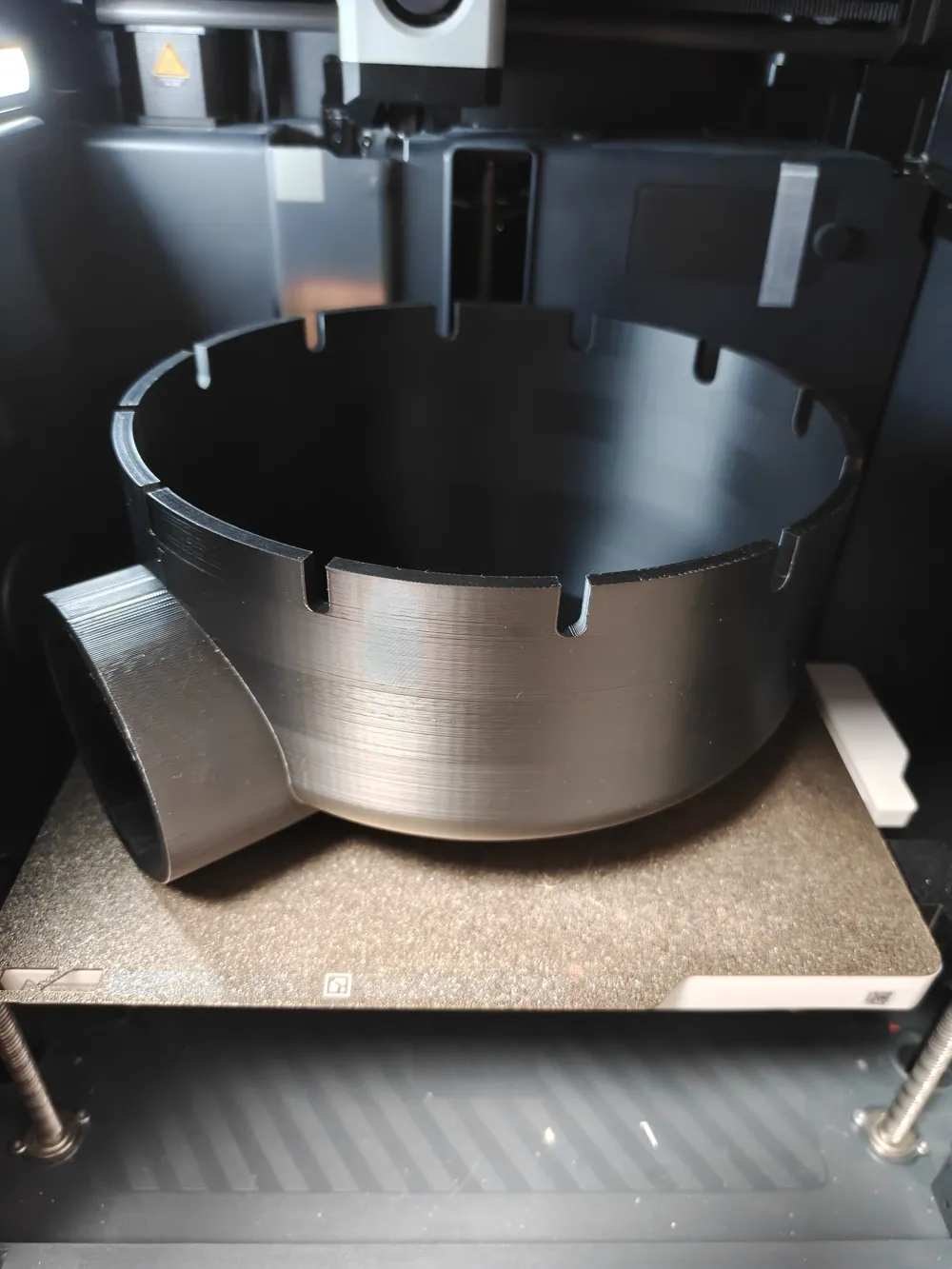
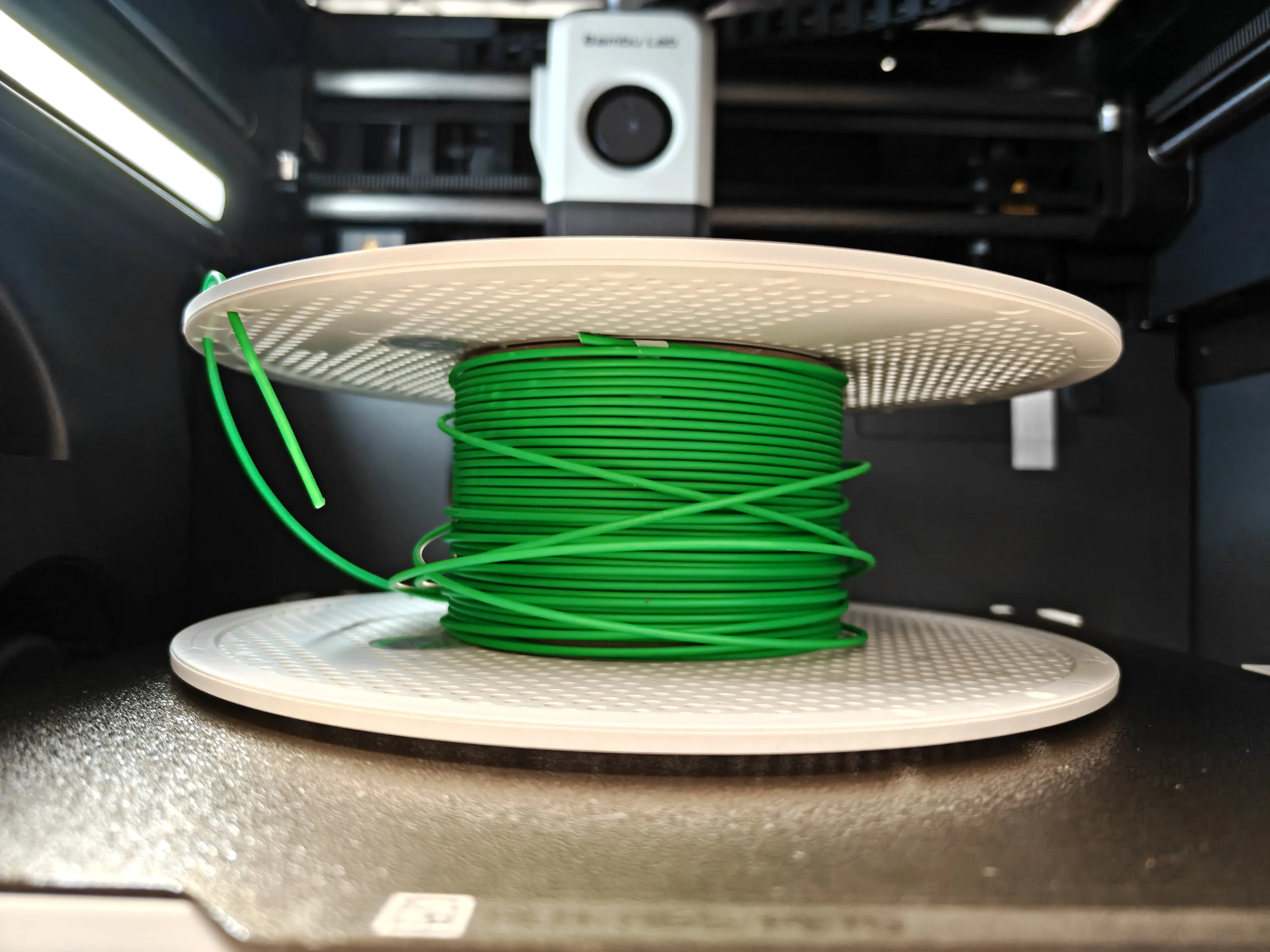
Includes a cover and a small spacer. The former covers the filament spool, and the latter elevates it.
How to use
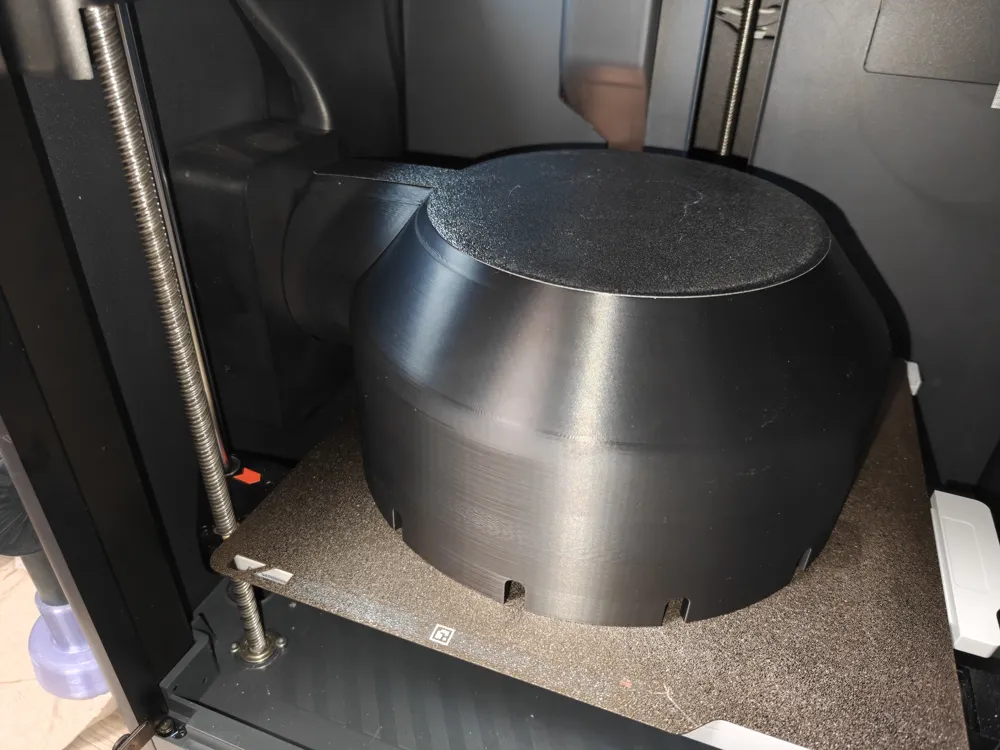
Place the filament spool, using the spacer, on the heated bed, then cover it with the cover. Ensure the cover's vent aligns with the auxiliary fan's intake. Adjust the heated bed height and cover position as needed.
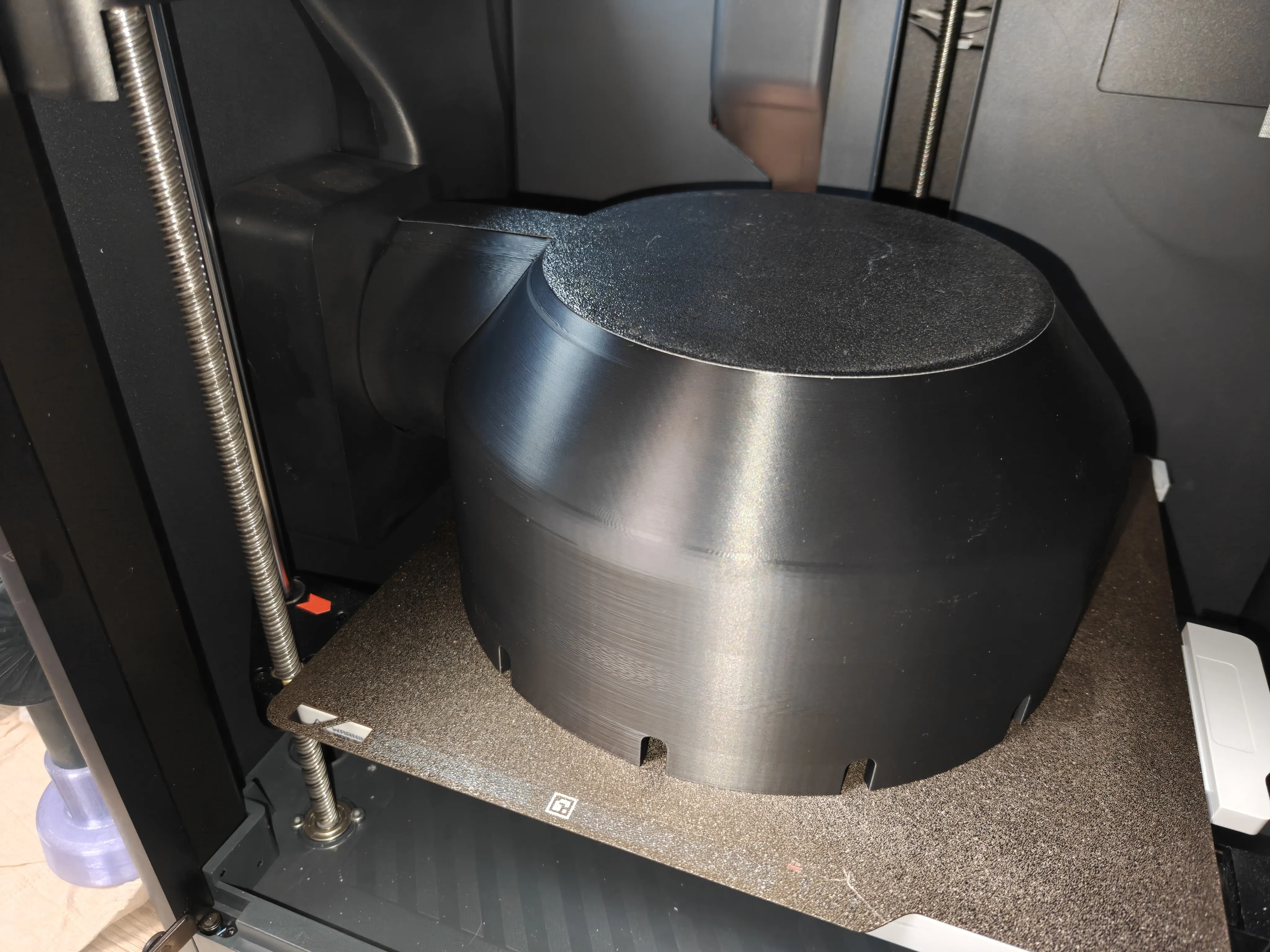
- Manually set the heated bed temperature and activate the auxiliary fan at maximum speed.
- After several hours, you will have a dried filament spool. For specific drying times and settings, refer to the official Bambu Lab wiki. This kit improves drying efficiency, potentially reducing drying time.
- If you have a smart plug, you can use it to control the printer's power off after a certain number of hours to stop the drying process.
Design notes
Unlike previous designs, the cover's air intakes have been redesigned. Larger intakes are positioned further from the outlet, while smaller intakes are closer. This ensures even heat distribution across the filament spool, increasing drying efficiency.
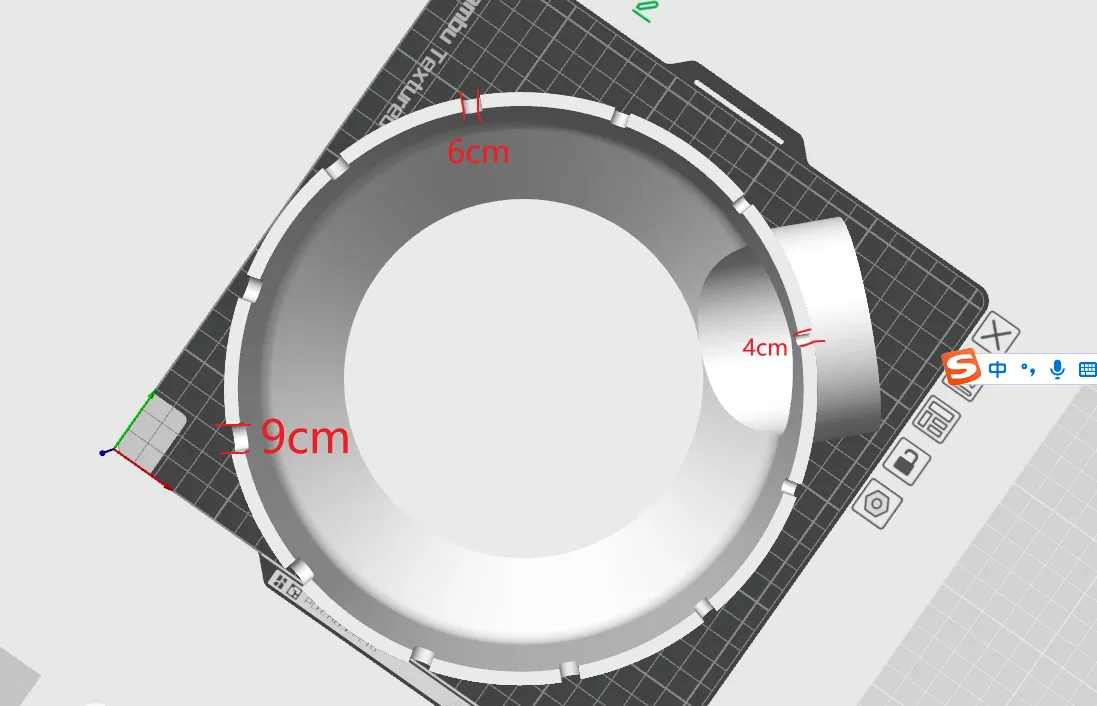
- A spacer has been designed to elevate the filament spool, preventing direct contact with the heated bed. This protects the spool from damage and allows for better ventilation through the spool's holes, improving drying performance. The spacer fits almost all spools and has been optimized for easy placement in the dark confines of the printer's enclosure.
Precautions
Always use a filament with higher temperature resistance than the filament being dried to print the cover and bracket. For example, if drying PETG and PLA, use ABS or ASA for printing.
Boost Me (for free)
If helpful, please boost me
License



Comment & Rating (2)