
Fyodor Dostoyevski
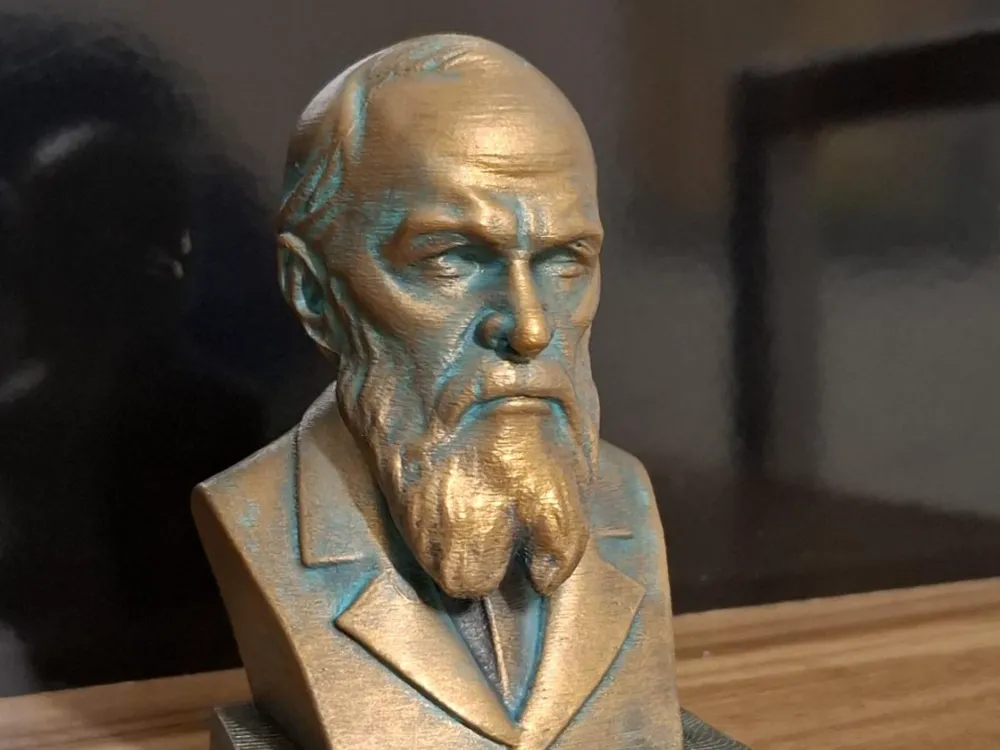
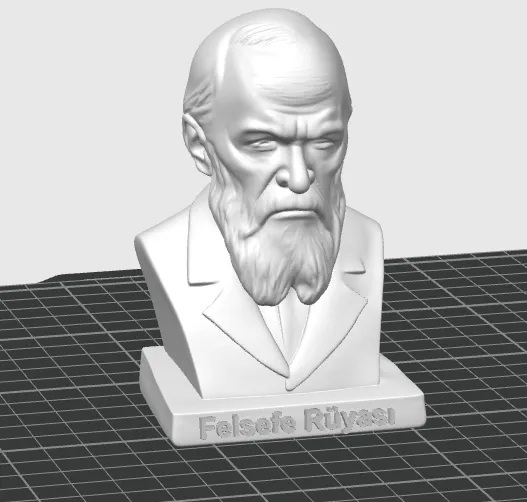
Print Profile(1)

Description
Fyodor Dostoevsky: A Brief Overview
Fyodor Dostoevsky (1821-1881) was a pivotal Russian novelist, short story writer, essayist, and journalist whose works explored the depths of the human psyche in the tumultuous socio-political and spiritual atmosphere of 19th-century Russia. He is widely considered one of the greatest psychologists in world literature.
Dostoevsky's novels are renowned for their profound philosophical and psychological insights, often delving into themes of good and evil, free will, alienation, faith, and the nature of suffering. His characters are complex and often tormented, grappling with moral dilemmas and existential questions. Through their struggles, Dostoevsky masterfully portrays the irrational, contradictory, and often destructive impulses within humanity.
Some of his most celebrated works include:
- Crime and Punishment (1866): A psychological drama about a young student who commits murder and struggles with the moral and psychological consequences.
- The Idiot (1869): Features an idealistic and compassionate protagonist, Prince Myshkin, who attempts to live a truly Christian life in a corrupt society.
- Demons (also known as The Possessed) (1872): A satirical and prophetic novel exploring the dangers of nihilism and revolutionary political movements.
- The Brothers Karamazov (1880): His final and arguably greatest work, a sprawling philosophical novel that examines parricide, faith, doubt, and the complex relationships within a family.
Dostoevsky's personal experiences, including his imprisonment in Siberia and his struggles with gambling and epilepsy, profoundly influenced his writing, lending a raw authenticity and intensity to his narratives. His unique literary style, characterized by polyphony (multiple independent voices), intense psychological realism, and dramatic tension, continues to resonate with readers worldwide, making him an enduring figure in literary history.
This text under the model can be changed or removed.
Boost Me (for free)
License



Comment & Rating (3)