Search models, users, collections, and posts

Guinea pig wheelchair
IP Report
Print Profile(1)

0.2mm layer, 2 walls, 10% infill
Designer
2.3 h
2 plates
Open in Bambu Studio
Boost
149
263
31
23
240
162
Released
Bill of Materials
Maker's Supply Kits and Parts
Select all

Description
Intro
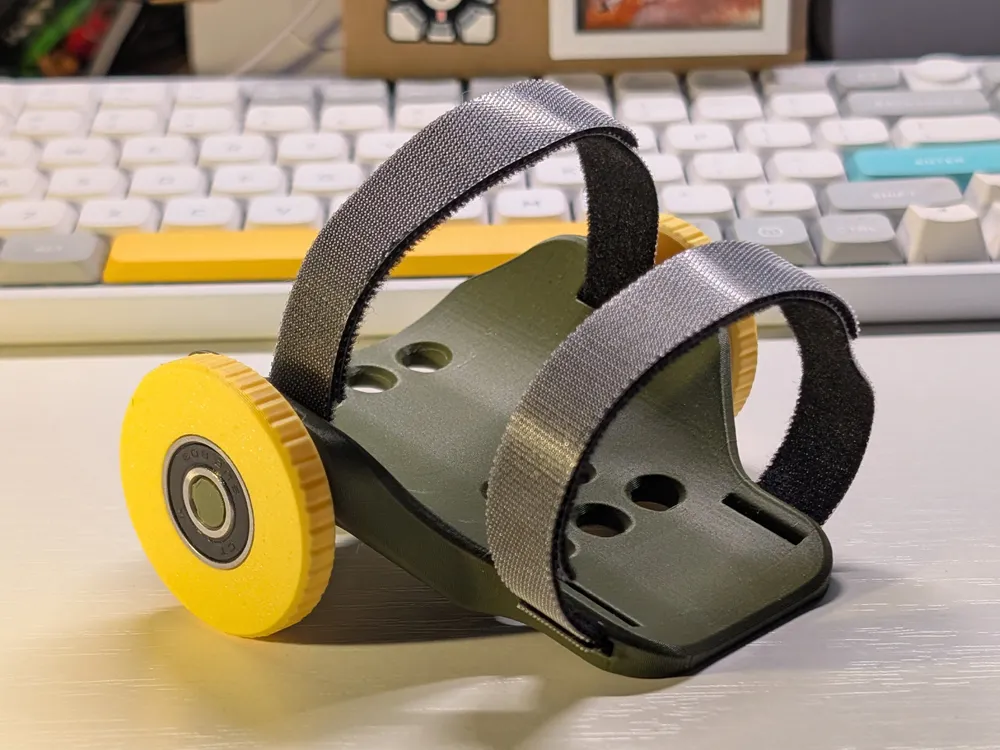
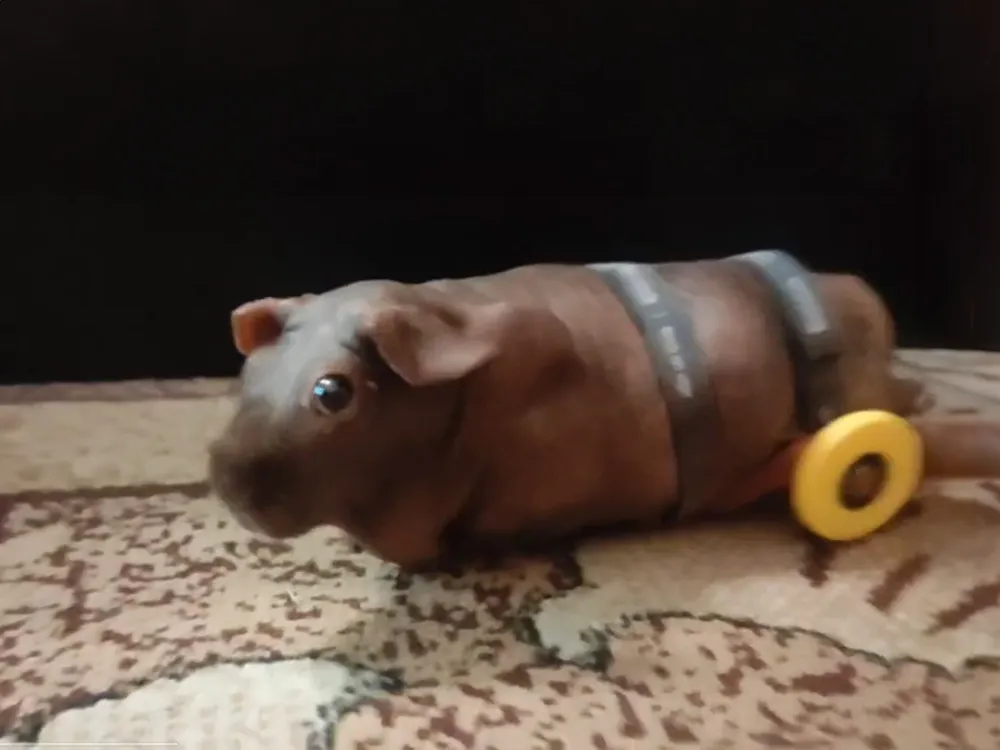
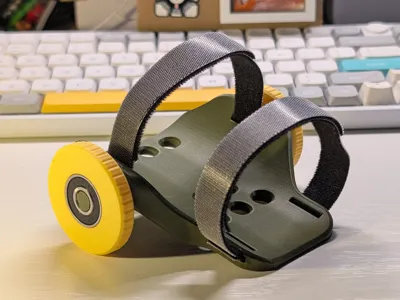
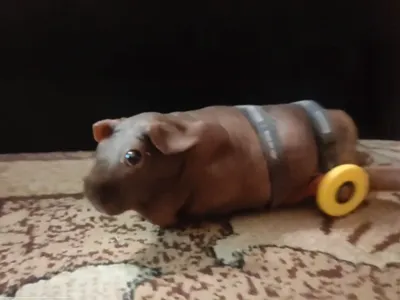
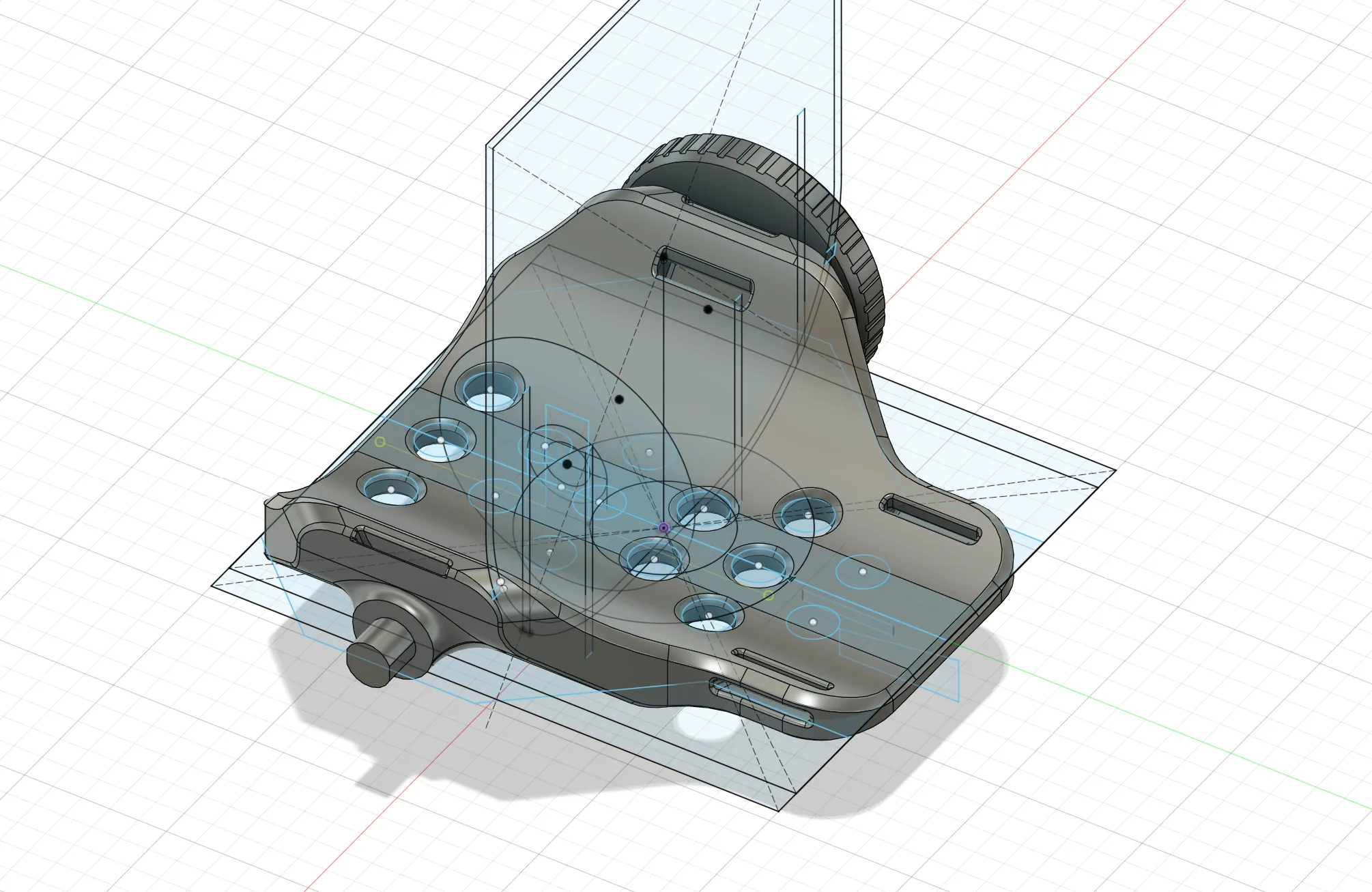
My friend’s guinea pig lost the ability to move its hind legs due to illness. He asked me to help by 3D printing a wheelchair so she could move again. As a former guinea pig owner, I couldn’t say no. However, I wasn’t satisfied with the models I found available online, so I decided to create my own 3D model, based on my experience caring for guinea pigs and the insights I discovered while researching the topic.
Features
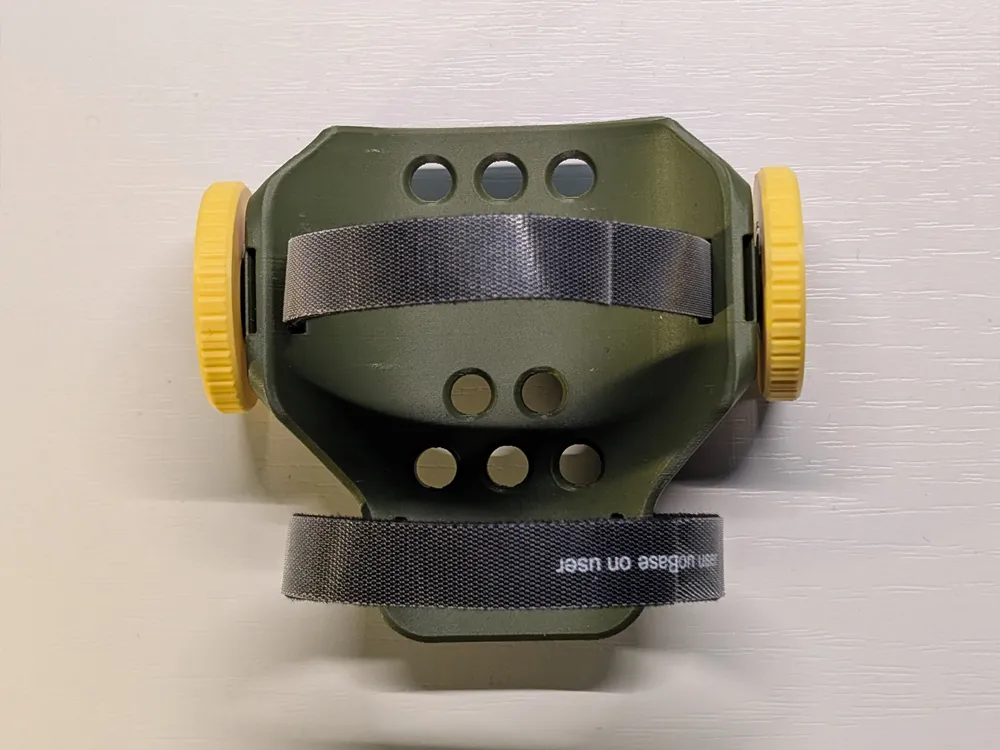
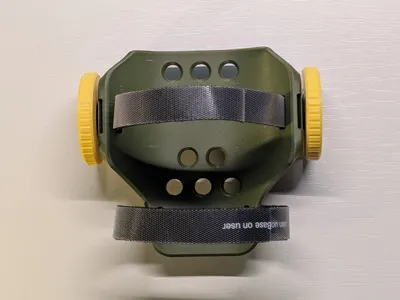
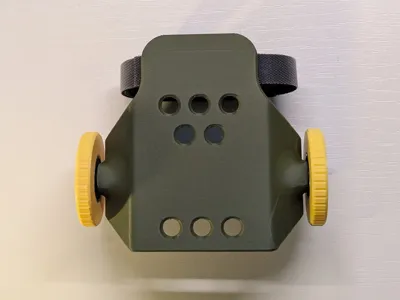
- anatomical curvature that fits most adult guinea pigs' sizes;
- 3 options for strap connecting;
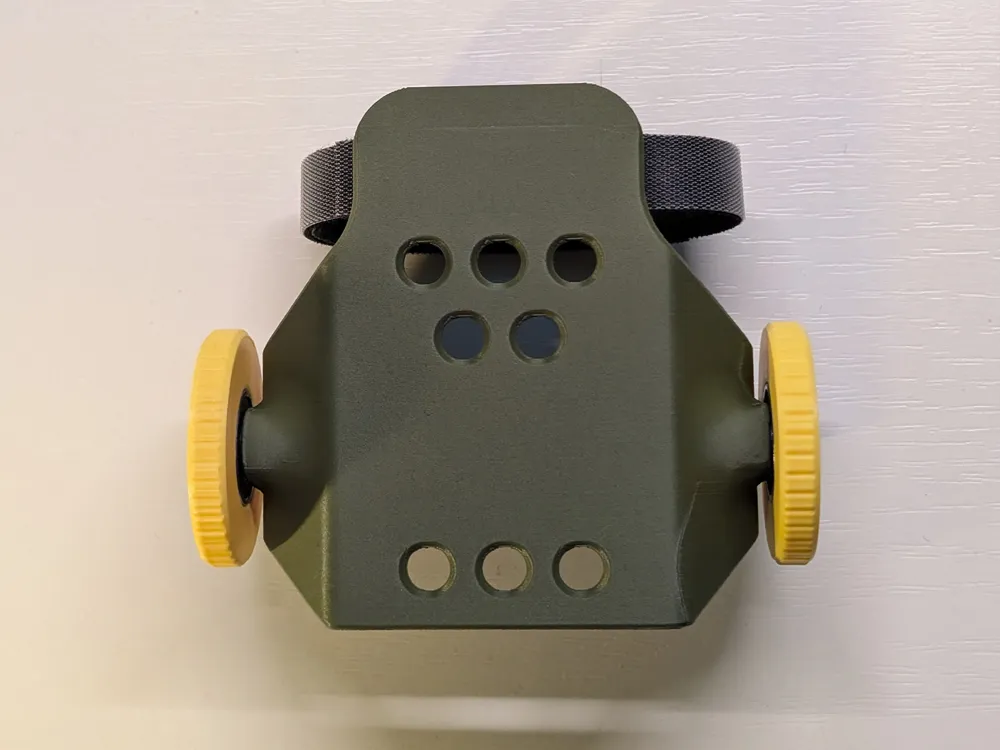
- smooth bottom side with ‘anti-stuck’ ramp in front;
- no hard edges, all curved to not scratch the animal;
- straps are blocking touching the wheels;
- ventilation + anti-slip holes;
- lightweight - base is only 33g with 10% gyroid infill
Boost Me (for free)
If you found this print useful, please give it a boost and leave your feedback in the comments. It will help me make future designs even better.
Assembly
This print required additional functional parts:
- Bearings CT 608 2RS - 2 pcs (or 608zz)
- outer diameter: 22mm
- inner diameter: 8mm - Velcro Strap
- width: up to 15mm
- length: up to 30cm
- I use Baseus Colourful Circle Velcro Strap (1m) (ACMGT-E) - Black
Print tips:
- Print the base in vertical orientation; it helps to achieve the smoothest results. If you print horizontally, it makes layer lines on the curved surface, which can scratch the guinea pig's belly during movement.
- You can replace the metal bearings with 3D-printed ones with an inner diameter of 8mm.
However, keep in mind that such bearings create more friction and are less efficient than metal ones.
Your guinea pig will need to put in more effort to get moving.
Therefore, I recommend going with metal bearings after all — they’re relatively cheap.
- Order of walls - outer/inner
- Seam position - back
- Enable support
- type - tree
- style - tree slim
- on build plate only - check
- support critical regions only - check - To reduce the amount of artifacts, I recommend printing at 50% speed, but it's not necessary.
License

This user content is licensed under a
Creative Commons Attribution-Noncommercial-Share Alike


Comment & Rating (31)