
BOCON Qinglong 10X42 Binocular Anti-reflection Cover


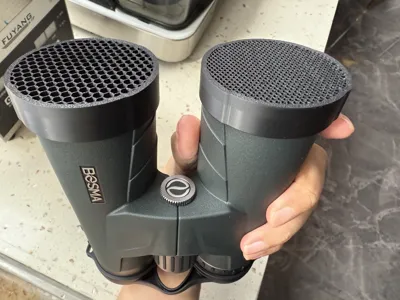
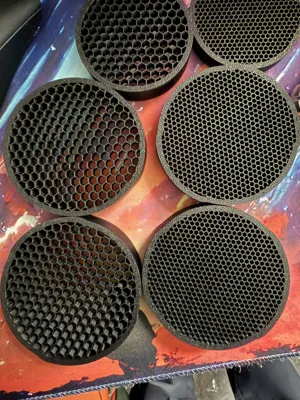
Print Profile(1)

Description
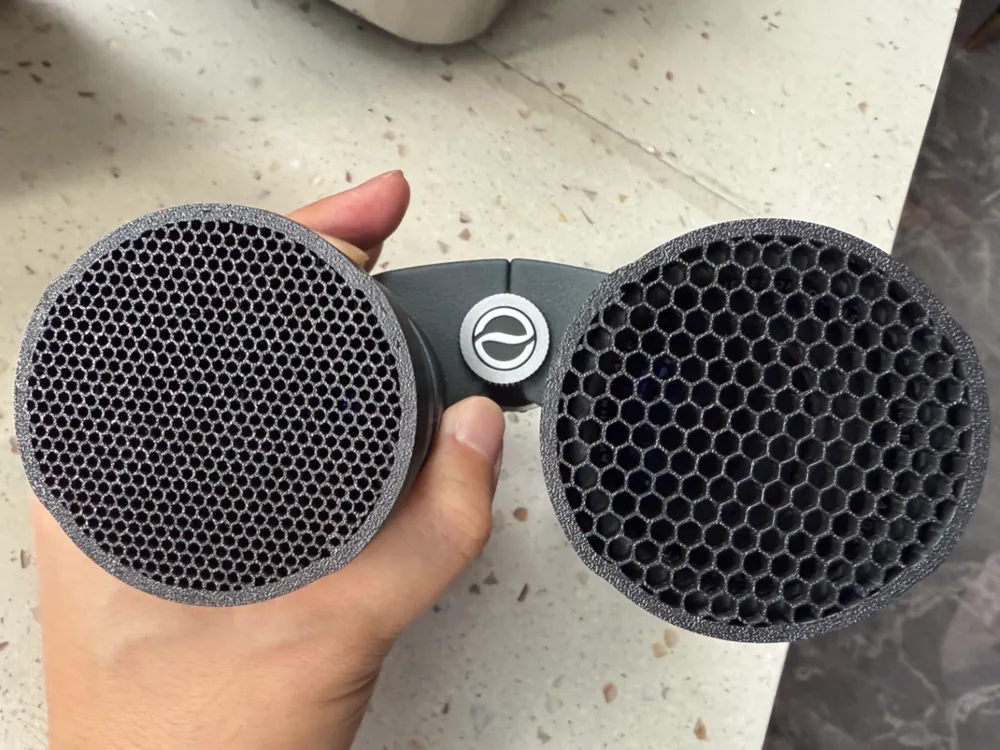
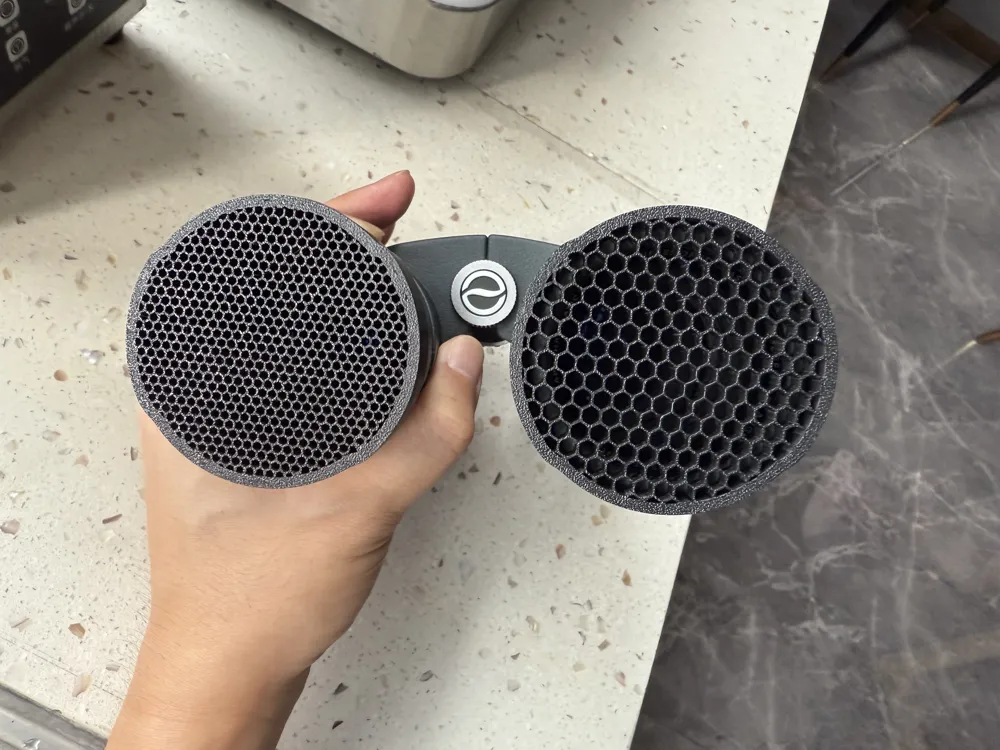
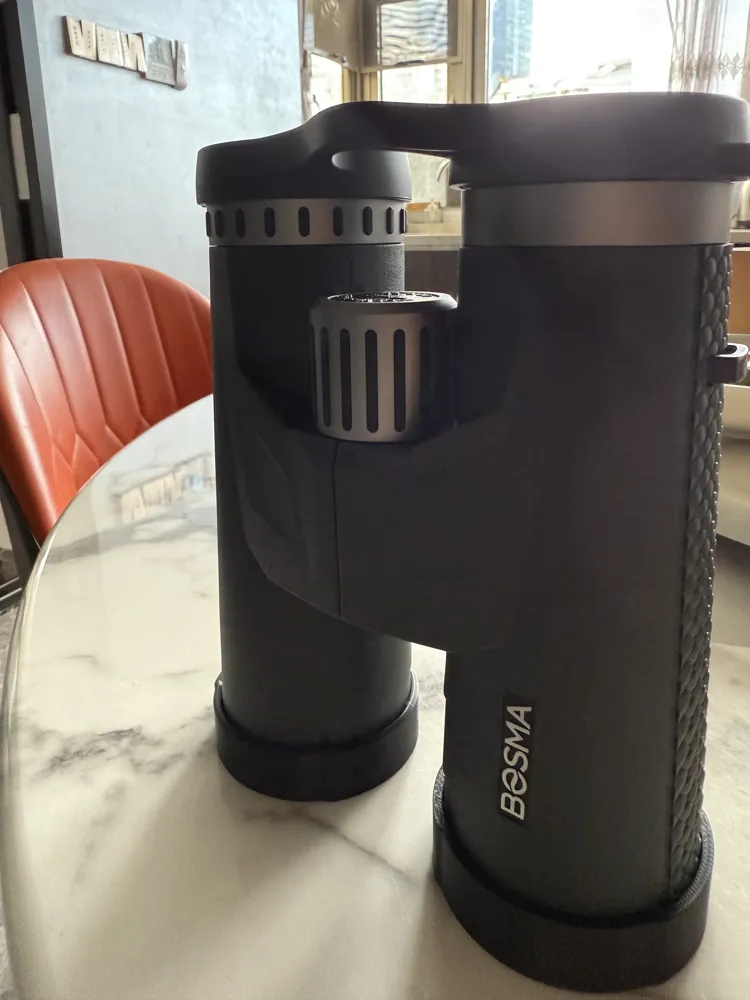
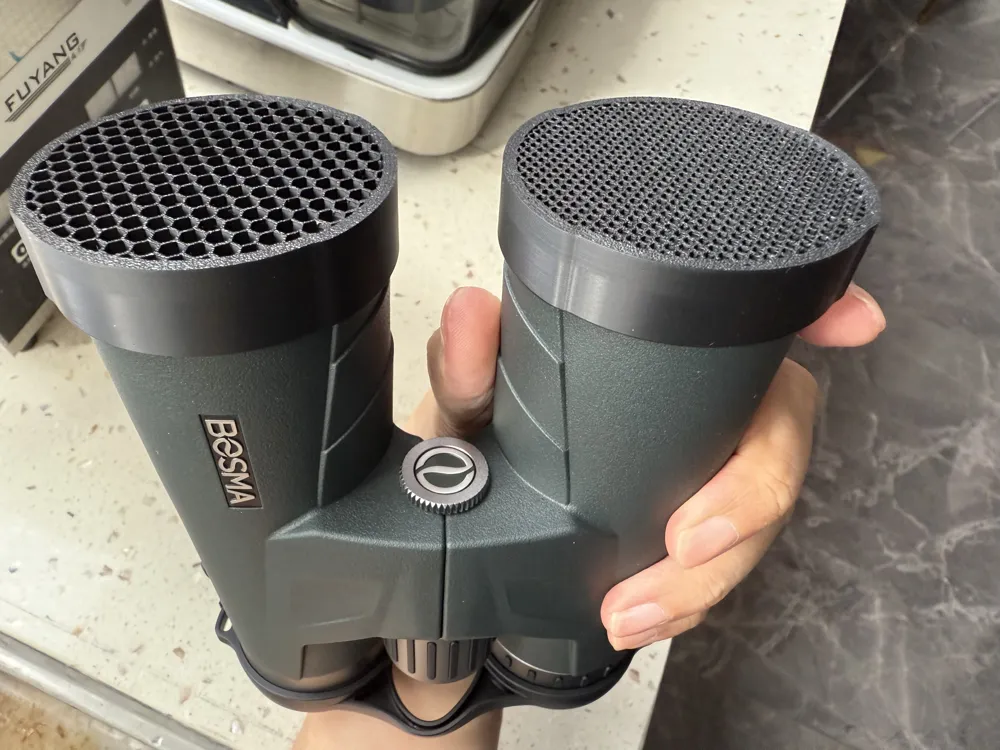
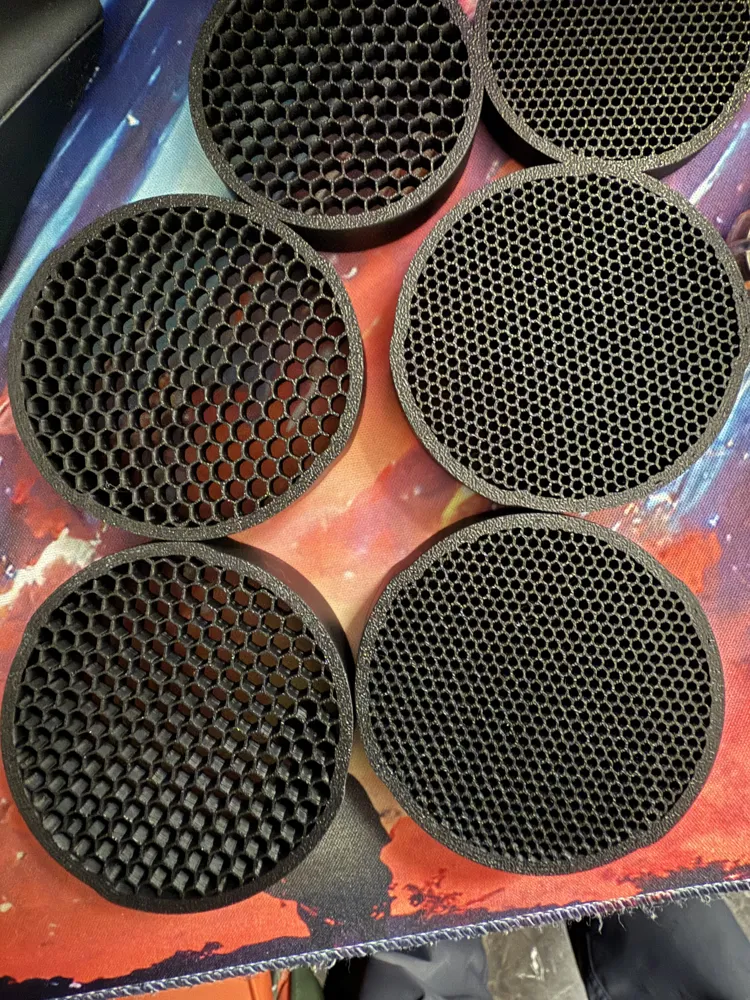
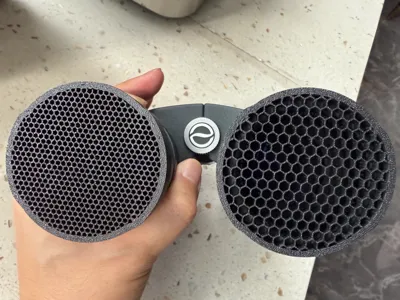
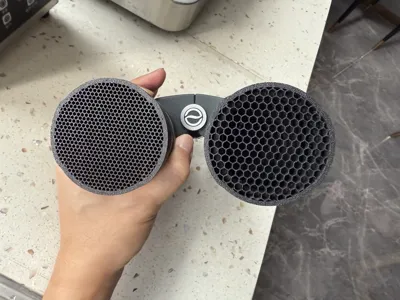
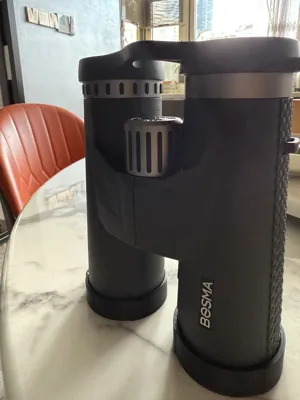
Adaptable to Boguan Qinglong 10X42 objective lens, with two aperture sizes, small and large. The small aperture offers stronger anti-reflection, while the large aperture allows for greater light transmission.
1. Anti-reflection Principle and Structural Function
The core objective of the anti-reflection cap is to minimize stray light reflections (e.g., interference from ambient light sources) by absorbing or scattering light to prevent its entry into the telescope's optical system. The dense hexagonal pore structure enhances the effect through the following mechanisms:
Increased surface area and light capture: The array of pores significantly increases the internal surface area, causing incident light to undergo multiple reflections within the pore walls. Each reflection offers an opportunity for absorption by the material, thereby lowering the overall reflectivity. The depth-to-diameter ratio of the 5mm deep pores relative to their aperture (hexagon side length 2mm, equivalent aperture diameter approximately 3.46mm) is relatively high (depth/aperture ≈ 1.44), which helps to extend the path length of light within the pore, promoting multiple absorptions.
Reduced direct reflection: The hexagonal geometry of the pores scatters light directions, avoiding specular reflection (i.e., direct reflection), leading to diffuse reflection or absorption. The black PLA material further strengthens absorption, reducing the intensity of emitted light.
Hexagonal pore FMICP has superior energy absorption capabilities, and tests have verified the effectiveness of this structure in reducing reflection, particularly in the electromagnetic spectrum (including visible light). This indicates that the pore design itself is an effective anti-reflection strategy.
2. Influence of Aperture Size
Aperture size is a crucial factor influencing anti-reflection effectiveness:
Relationship between aperture and wavelength: The wavelength range of visible light is 400–700nm (0.0004–0.0007mm). The small aperture (1mm) and large aperture (2mm or 2000μm) are significantly larger than the light wavelength; therefore, they do not cause significant diffraction effects (such as grating phenomena) but primarily rely on geometric optical behavior. Larger apertures allow more light to enter the pores, but they may also allow some light to be directly reflected or escape, particularly at larger angles of incidence. Compensatory mechanism: Because the pores are a dense array with high overall coverage, this compensates for the problem of a relatively large aperture. Light interacts between multiple pores, increasing the probability of absorption.
3. Influence of Pore Depth (5mm)
The 5mm pore depth is a design advantage:
Depth and absorption efficiency: The 5mm depth provides a relatively high aspect ratio (depth/aperture ≈ 1.44), significantly increasing the propagation path of light within the pore. After light enters the pore, it undergoes multiple reflections on the walls (estimated reflection count is 5–10 times), with each reflection being absorbed by the black material, cumulatively reducing the reflectivity. When the depth is sufficient, the light energy is almost completely absorbed, with only a small amount escaping.
4. Material (Black PLA Plastic)
Black PLA plastic is the core safeguard for the anti-reflection effect:
High absorption rate: Black pigments (such as carbon black) effectively absorb visible light, reducing the reflectivity of the material itself. After dyeing, the surface reflectivity of PLA (polylactic acid) plastic can be reduced to below 5% (far lower than 10–20% for untreated plastic). This directly reduces pore wall reflection, improving overall absorption.
5. Overall Anti-reflection Effect Assessment
Expected effect: Combining aperture, depth, and material, this design should achieve a good anti-reflection effect, with an estimated reflectivity of below 5% (compared to 10–30% for flat surfaces). The deep pore structure (5mm) and black PLA dominate efficient absorption, compensating for the slight scattering risk caused by the large aperture (2mm). In telescope applications, this effectively suppresses stray light and improves image contrast.
A small aperture version is provided: with an aperture of 1mm, the effect is even better, but 2mm is easier to manufacture in PLA 3D printing. The depth of 5mm is sufficient and does not need to be increased.
License



Comment & Rating (0)