
A.I. Speakerbox for Xiaozhi A.I. or Home Assistant


Print Profile(2)


Description
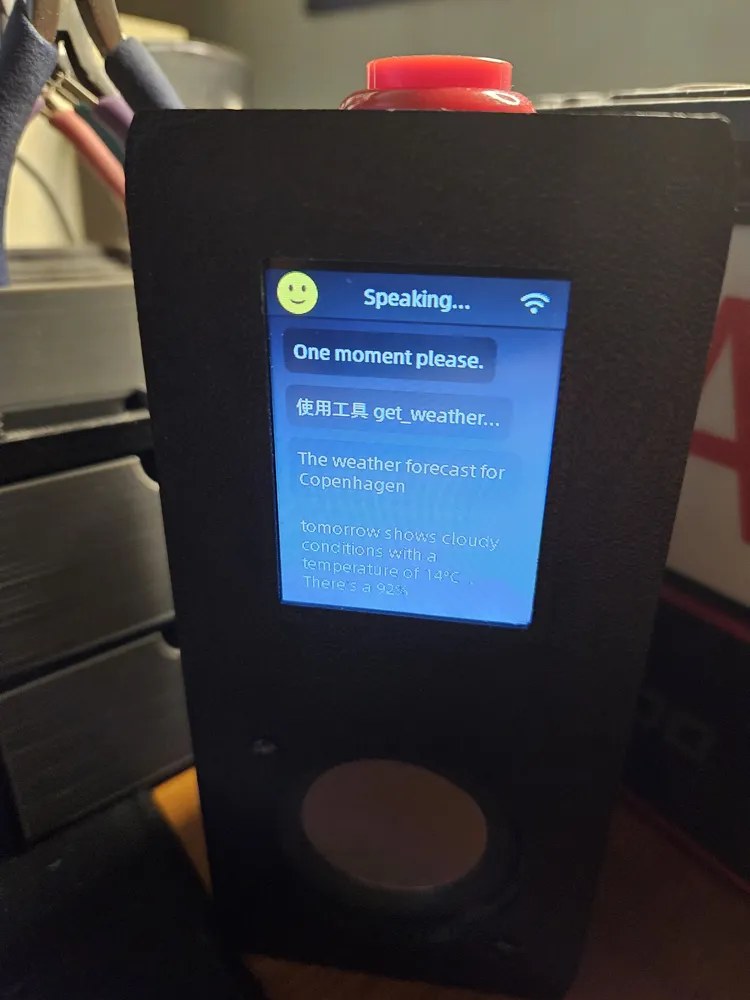
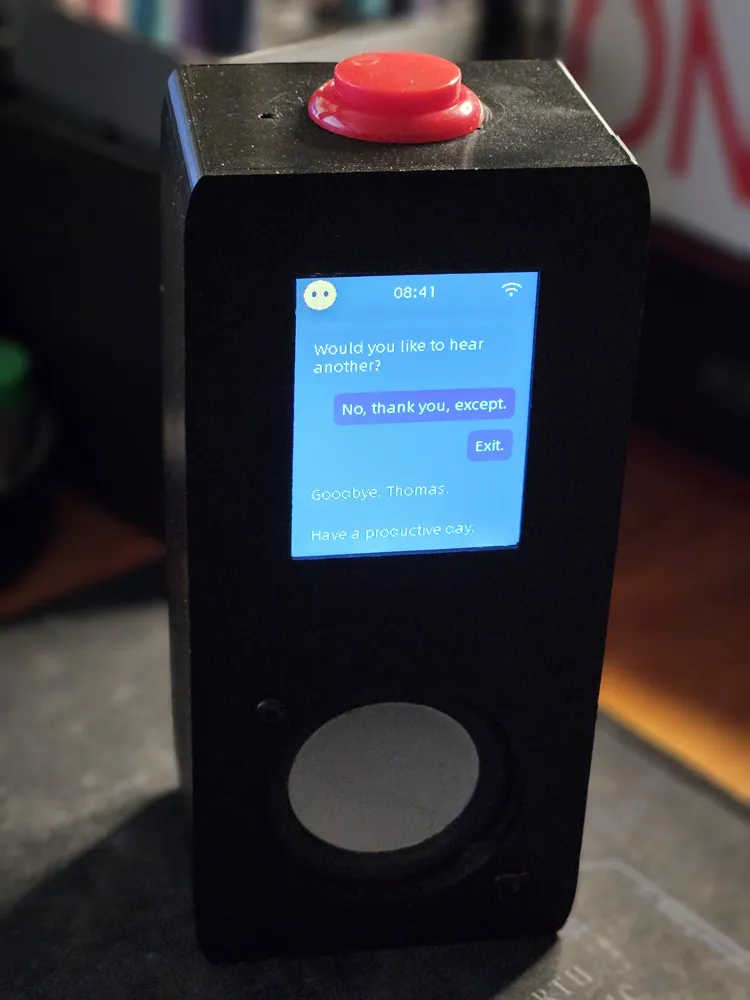
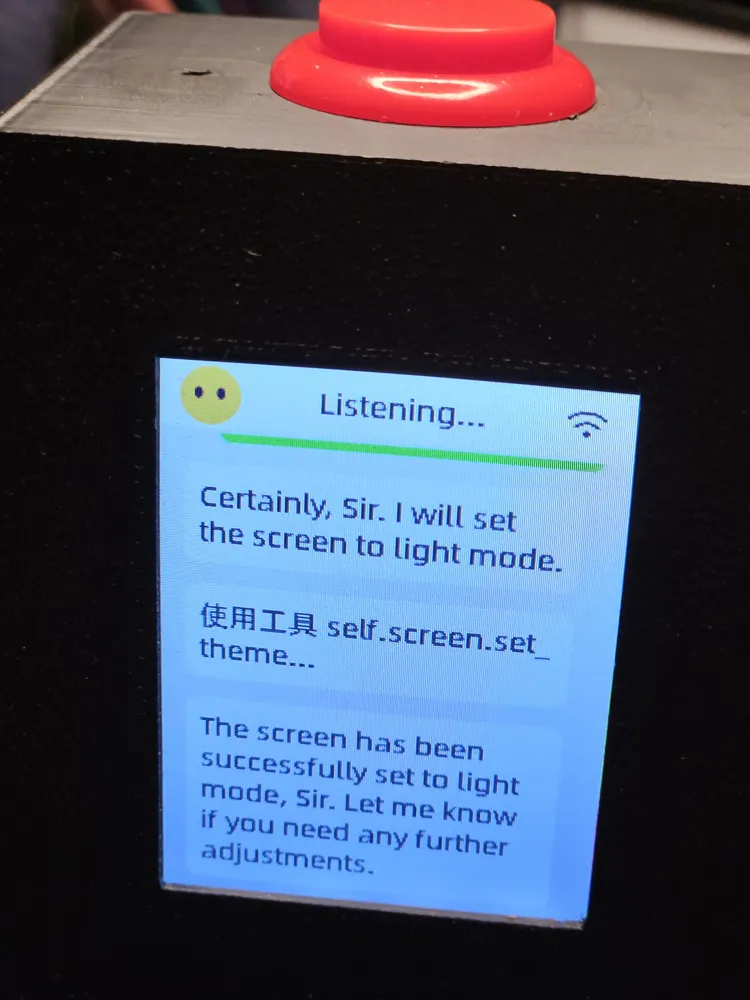
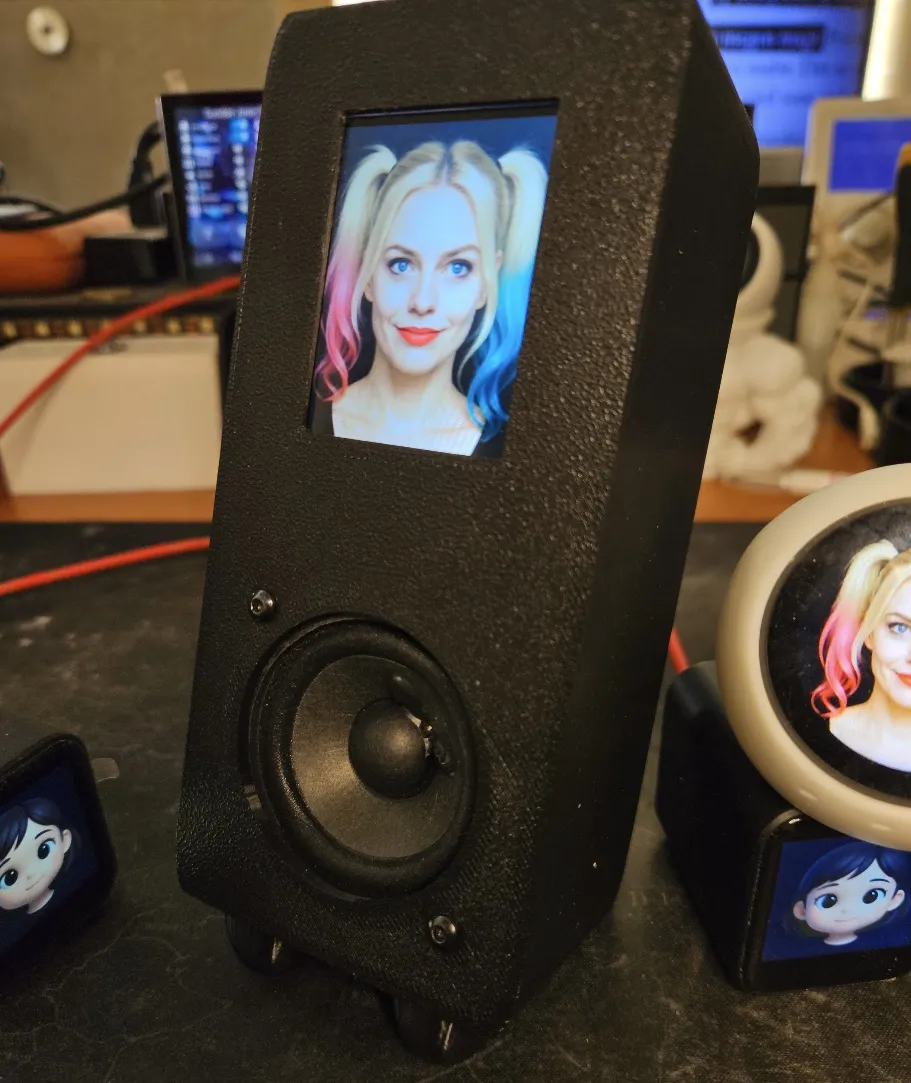
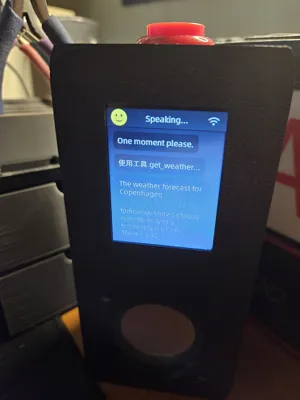
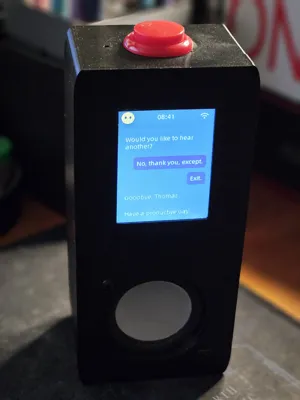
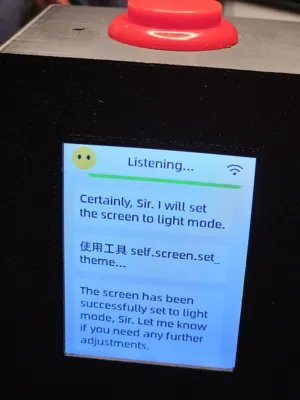
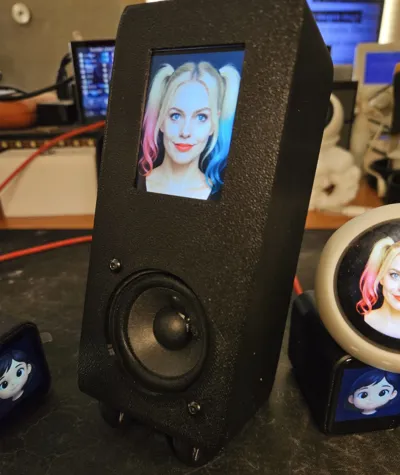
DIY Better-Sounding Xiaozhi AI VA Box or Home Assistant VA
Note: This can also be used with ESPHome and Home Assistant!
More details, part links, and pinouts here:
https://github.com/RealDeco/xiaozhi-esphome/tree/main/devices/Breadboard
I built this box because I wanted better sound quality from my Xiaozhi AI voice assistant. Most ready-made Xiaozhi devices have tiny speakers with pretty bad sound, so I decided to make my own. Just sharing here in case anyone else wants to give it a try!
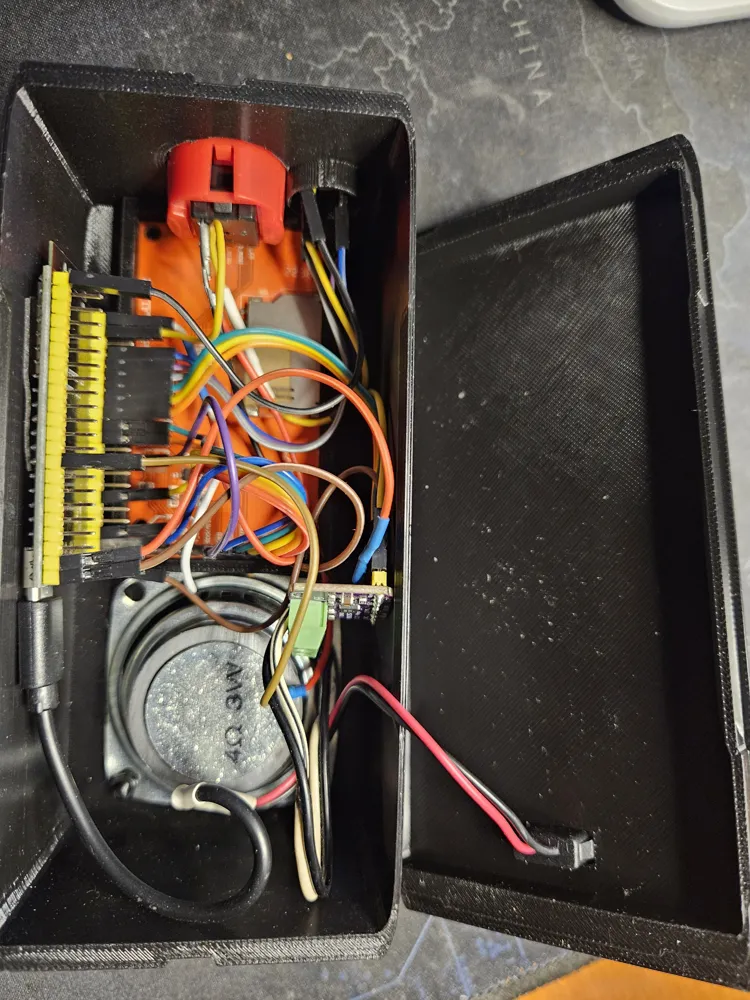
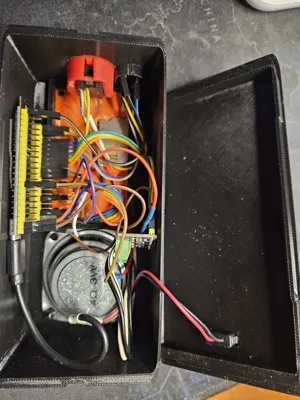
🛠️ Electronics:
The electronics are based on the official xiaozhi-esp32 project and public diagrams.
The ESP32 is loaded with the official Xiaozhi firmware.
Parts used:
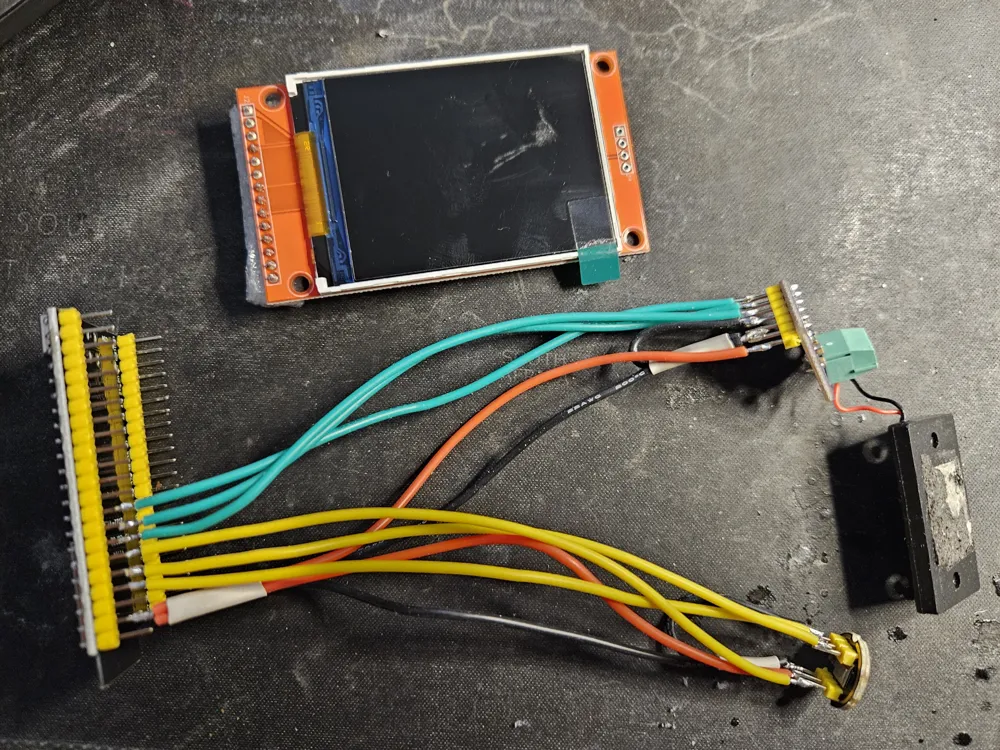
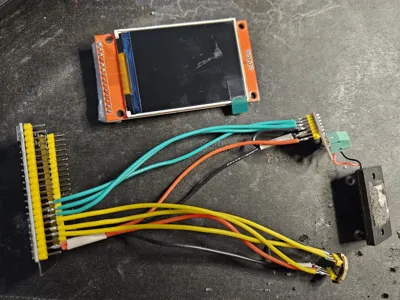
- 2.4" ILI9341 display
Screen Link - 2" speaker
Speaker Link - ESP32-S3 dev board
Board Link - INMP441 microphone
Mic Link - MAX98357 amp (DAC)
Amp Link - 24mm arcade button
Button Link - Power plug & cords
Power Plug Link
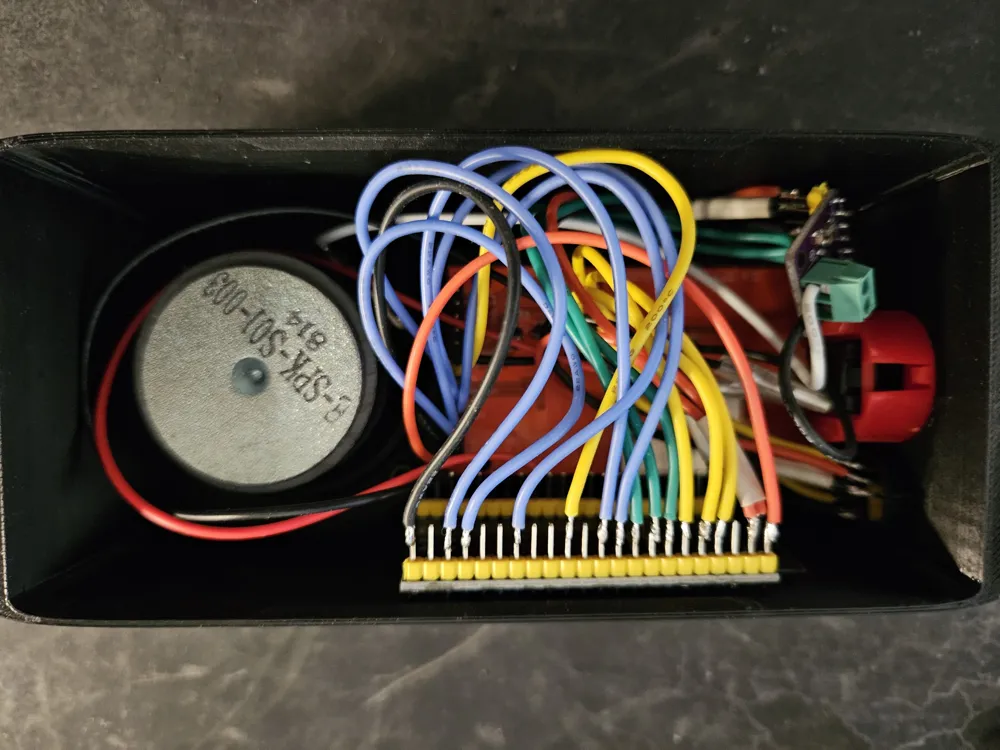
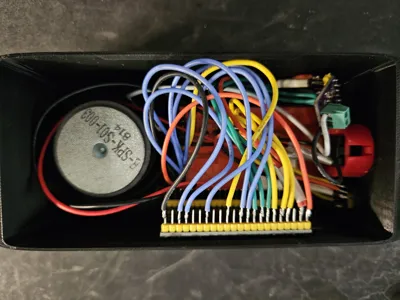
Plus, you’ll need a handful of breadboard cables to connect everything.
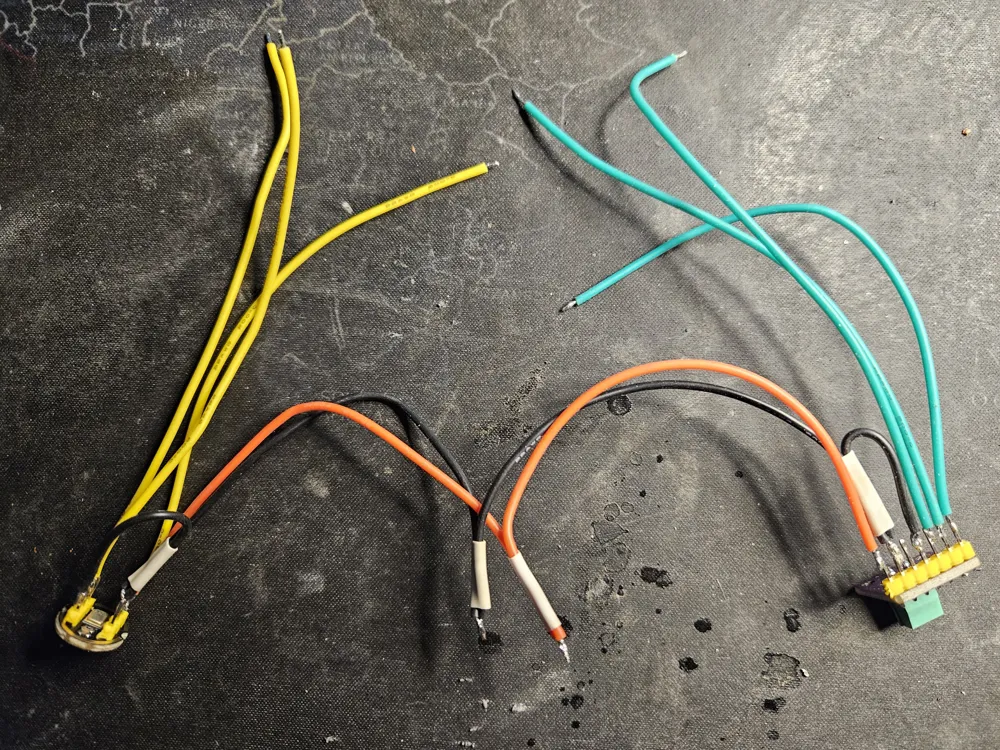
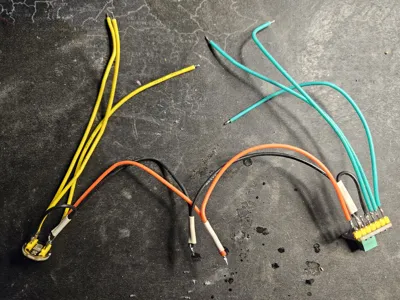
Minimal soldering required—mainly for header pins and a simple power splitter. Most parts fit snugly in the box (the screen and mic stay put without glue; the speaker is held with two bolts).
💡 Why DIY?
I already had these parts as leftovers, but even if you buy everything new, the cost is about the same as the cheap commercial Xiaozhi boxes/cubes/balls—but with much better sound. If you’re going to have a “person” talking to you all day, it should sound nice, right? 😄
This box is pretty universal since it’s based on ESP32-S3—you can use it for Xiaozhi AI, or flash ESPHome/Home Assistant, or even run Arduino sketches. You can also run your own Xiaozhi server, control Home Assistant, and more.
📖 More Setup & Info:
- Xiaozhi-ESP32 GitHub Project
- Xiaozhi-ESPHome Project & Pinouts
- Instructables: Build Your Own AI Voice Assistant
- Feishu Wiki: Xiaozhi-ESP32 Setup Guide (copy & paste into browser if link isn't clickable)
If you have any questions, feel free to ask!
License



Comment & Rating (10)