
Electronic Anti-Itch Device (Wicked) Piezoelectric Ceramic Exciter
Print Profile(1)

Description
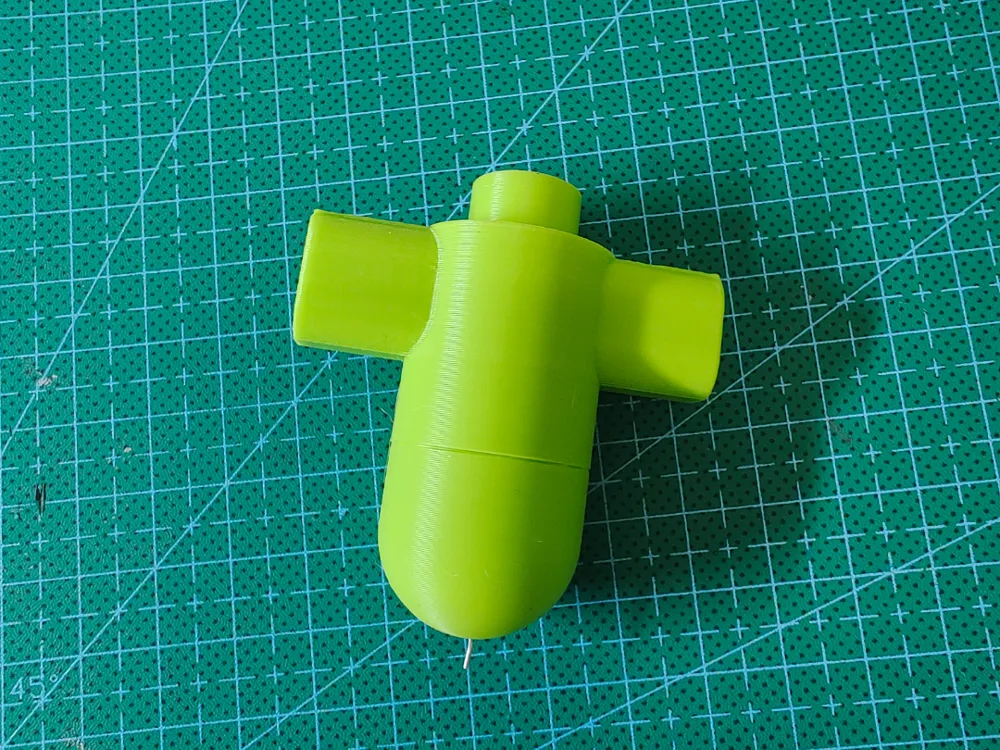
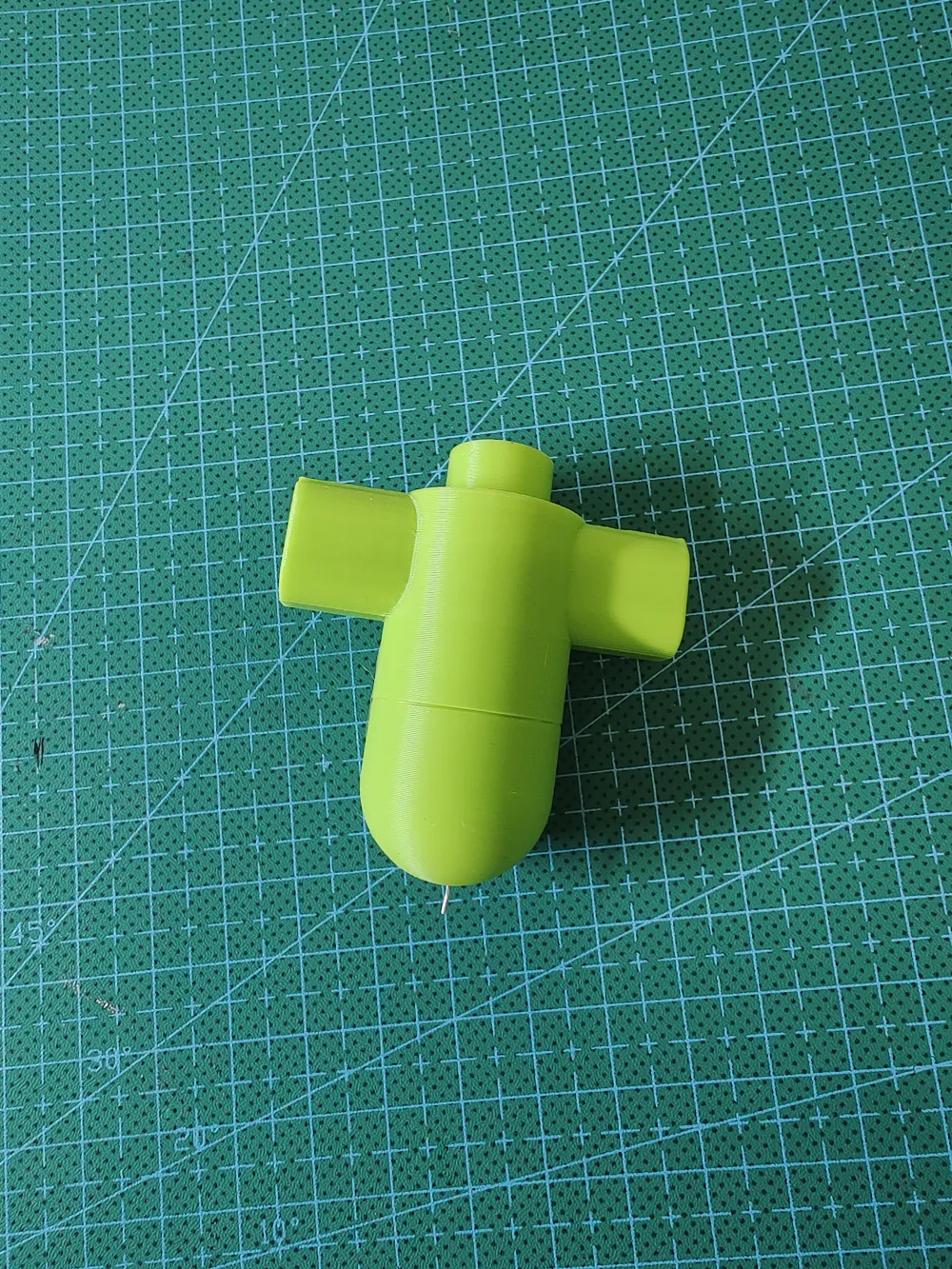
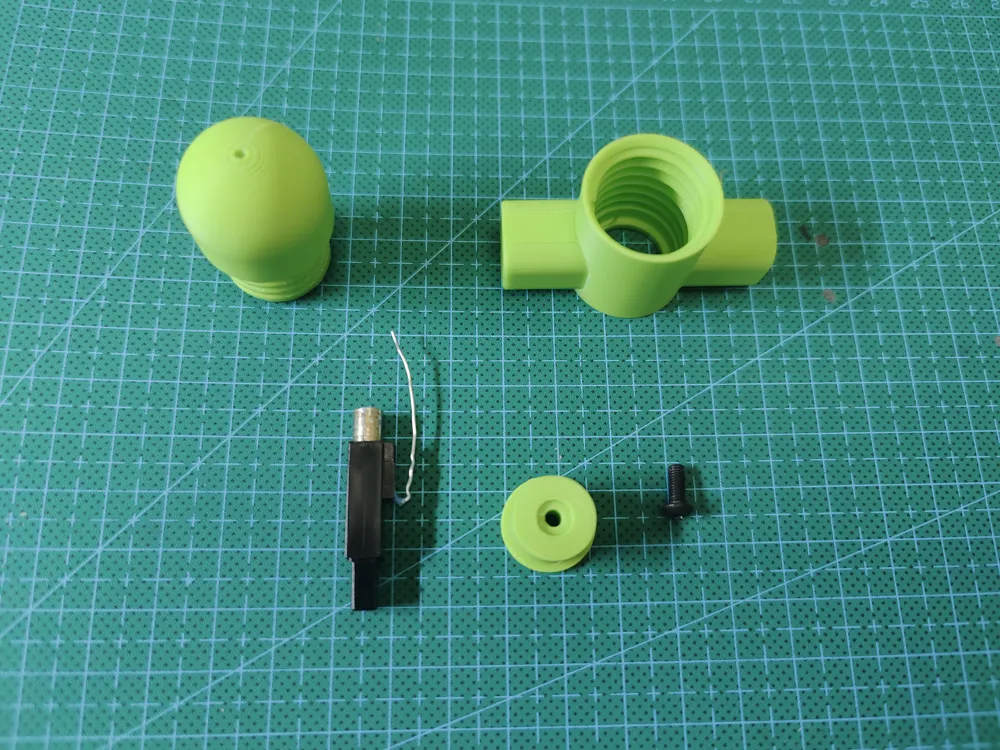
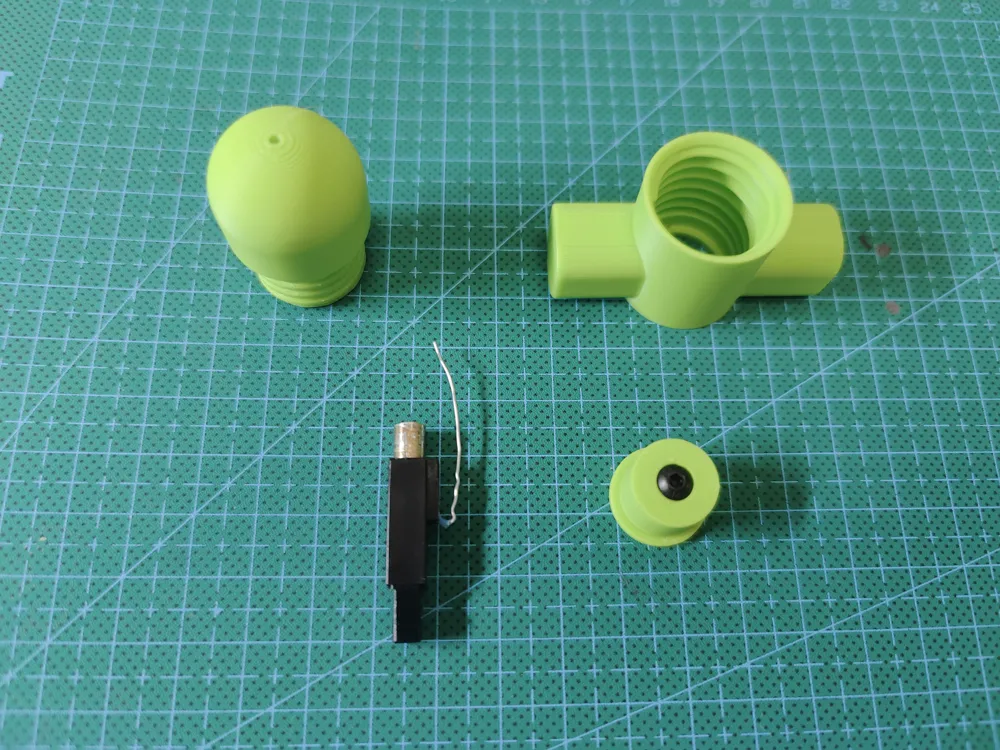
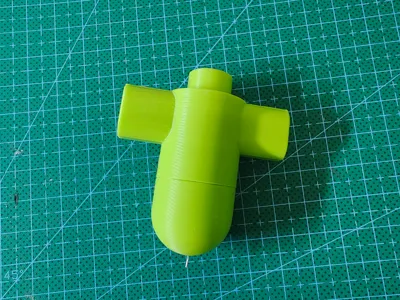
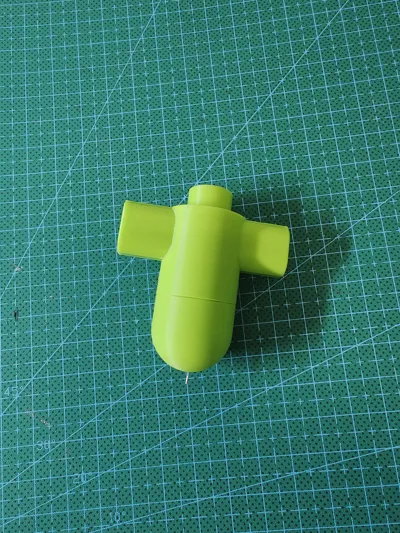
I stumbled upon a bizarre itch-relief device teardown on Bilibili, which piqued my interest, prompting me to design a similar one; the structure is detailed below.
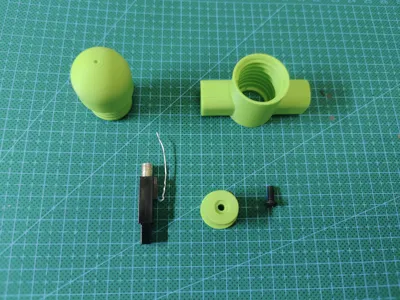
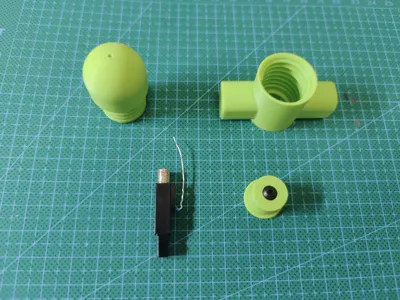
During installation, note the screw orientation: insert from the button's small end, tightening gently until secure. The lighter's igniter requires partial stripping for easier insertion into the head; this may require several attempts. Trim any sharp cable ends with scissors to prevent injury.
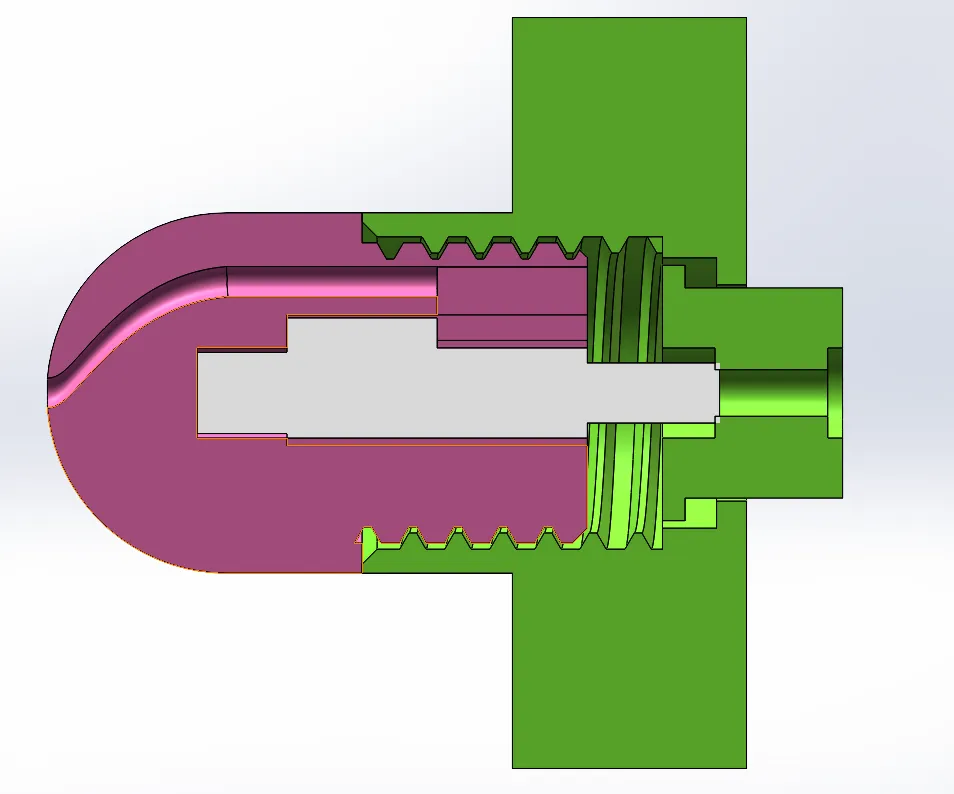
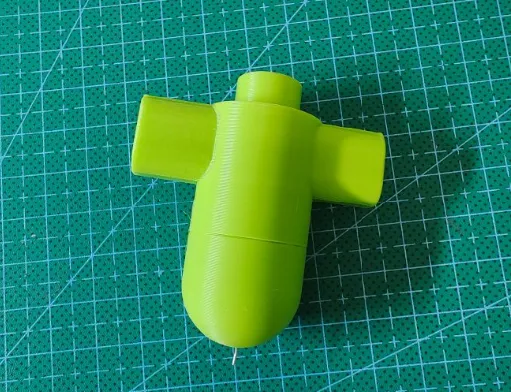
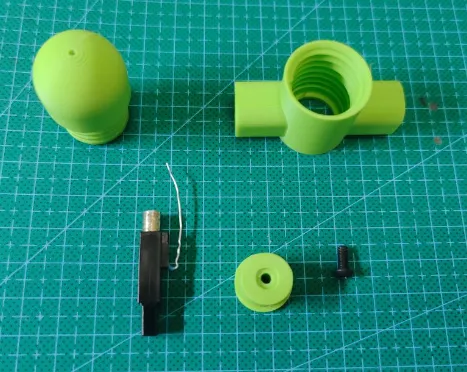
Important! The button requires an M3*8mm metal screw; otherwise, the piezoelectric ceramic is highly unlikely to generate a spark.
This issue only emerged after several iterations. The initial pen-shaped design consistently failed to generate sparks. Initially suspecting a damaged piezoelectric ceramic, I disassembled several lighters, but the problem persisted. Online research into piezoelectric ceramic functionality yielded no relevant explanations.
I hypothesize that the piezoelectric ceramic operates as a self-circulating charge system. Using an insulating medium to completely open-circuit both ends, with only one lead wire extending, prevents the inflow of additional charge during compression. Therefore, even with compression, the lack of a circuit impedes charge movement and supply, thus hindering spark generation.
Incorporating a metal screw into the button allows the user's finger to provide a charge path through the screw, effectively completing the circuit for spark generation. This is noticeable during use: the spark discharges twice per press—once externally and once via the user's finger and the metal screw. However, the thumb’s lower sensitivity may mask the second discharge.
The above explanation may be conjecture; I welcome alternative interpretations. I’ve included the original design; suggestions for improved triggering mechanisms are welcome.
Caution! Avoid use on delicate areas of the body, such as soft tissues and mucous membranes. The effects are unknown, and consequences unpredictable. Do not attempt lightly.
Boost Me (for free)
If you found this interesting, please give me a boost!
License



Comment & Rating (0)