
SUNLU FilaDryer E2 110 °C silica desiccant drying
Print Profile(2)


Description

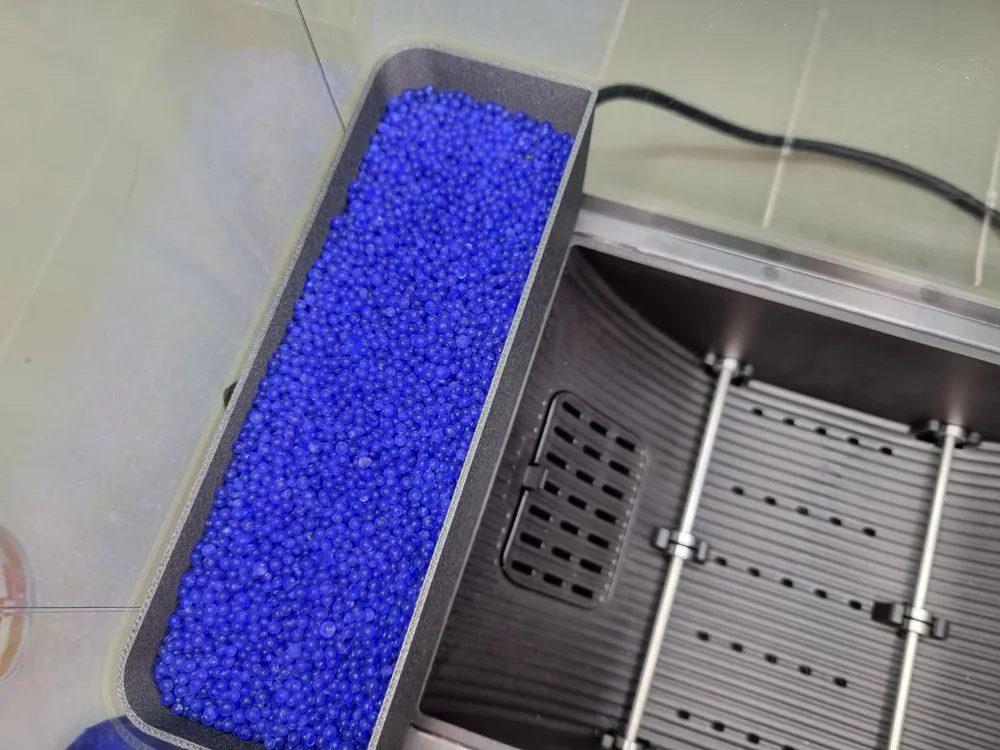
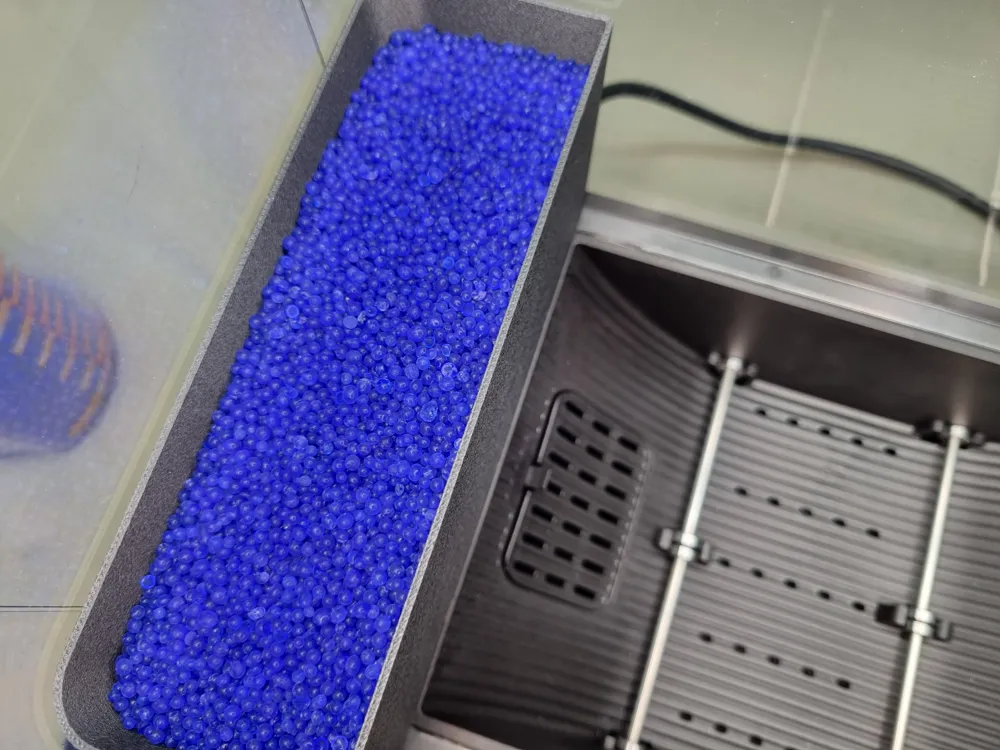
Regenerate up to 1 kg of desiccant right in your SUNLU FilaDryer E2 – this precision-fit drying box channels 110 °C airflow straight through the silica gel for fast, safe, and maintenance-free drying.
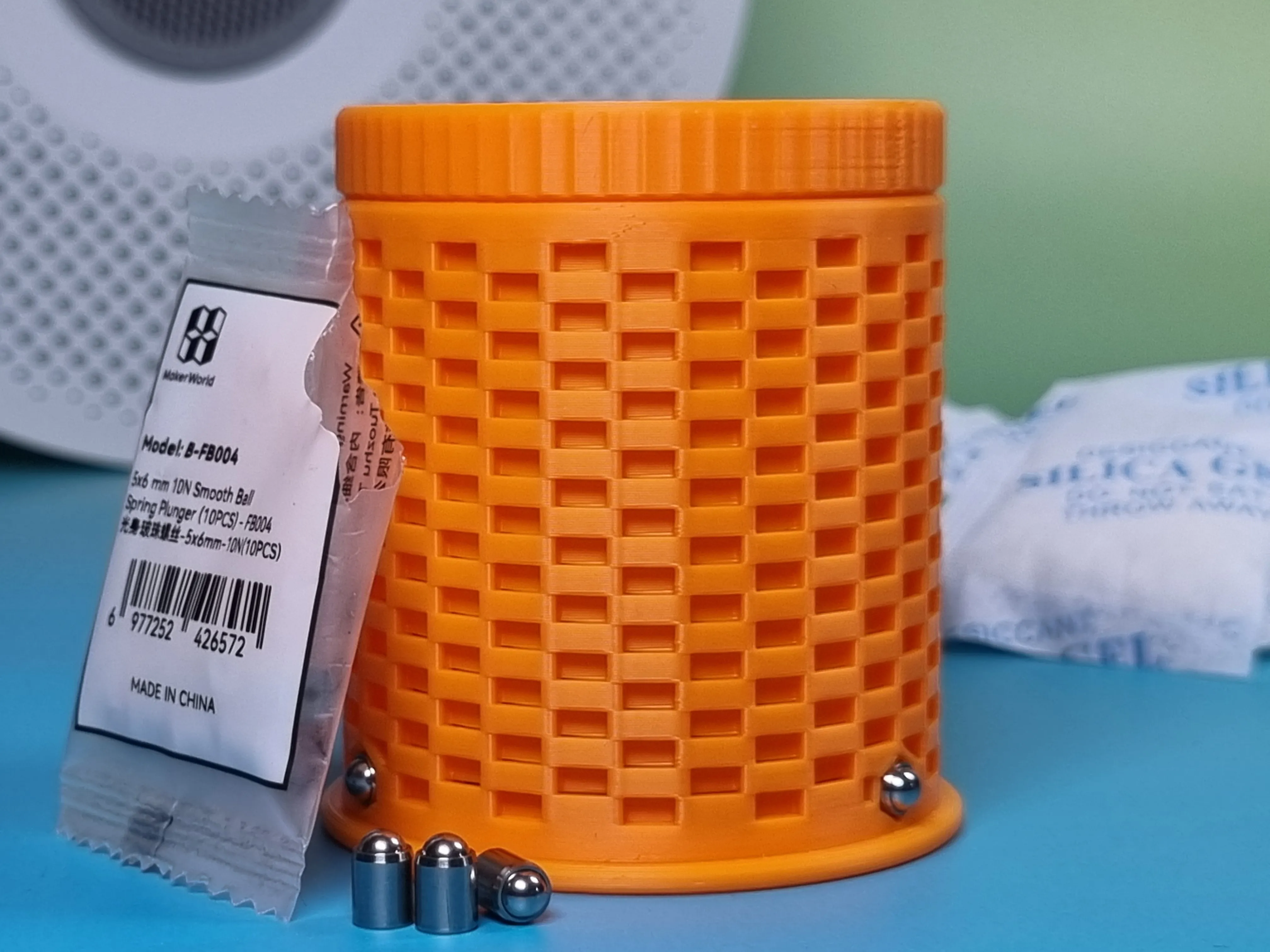 Designed as part of an evolving system for filament storage and moisture control.
Each desiccant holder is conceived, printed, and tested in real day to day use, not just tuned for screenshots. Airflow, capacity, refill handling, AMS compatibility, and long term durability are explored across multiple iterations. Spool Desiccant Collection: Spool Drying ⧸ Dry Filament
Follow me If dry filament matters to you. A like or a boost directly supports further testing and new designs driven by daily use, not trends. |
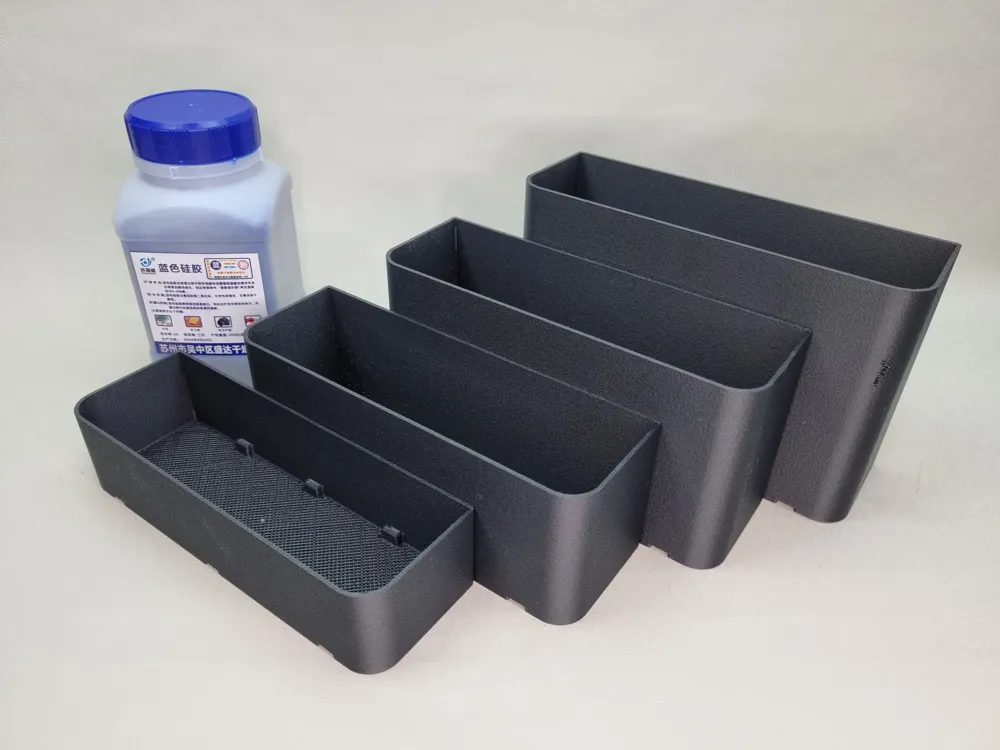
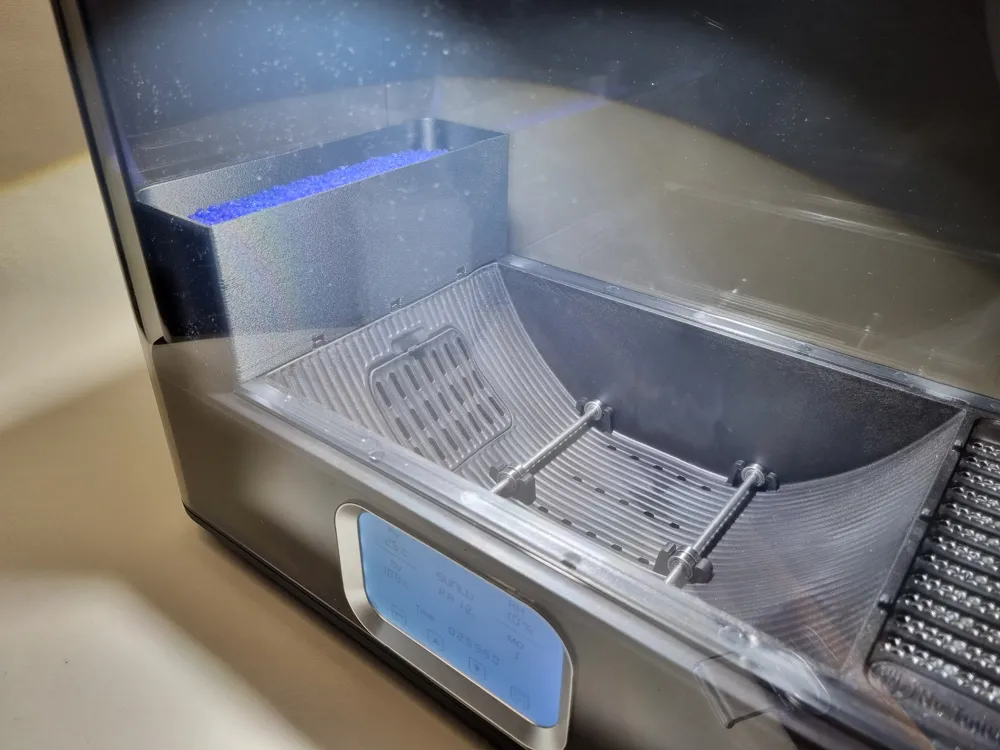
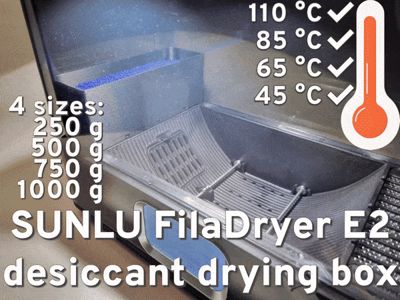
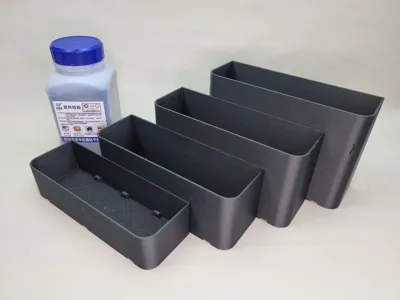
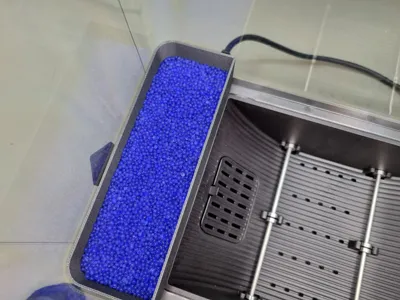
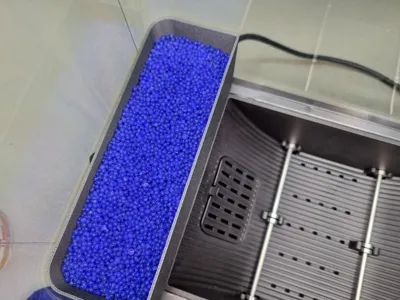
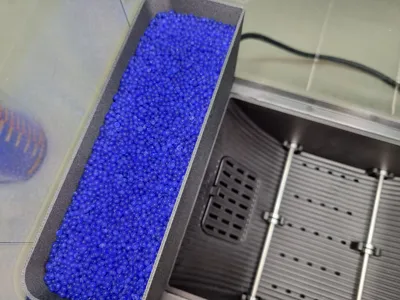
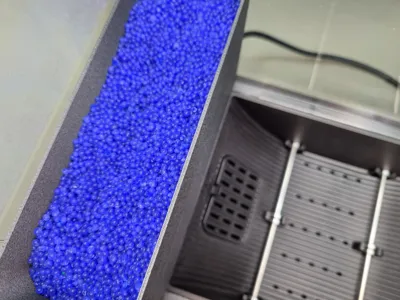
250 g, 500 g, 750g or 1000 g of desiccant can be speed dryed at 110 °C in the SUNLU FilaDryer E2, when using the appropriate filament.
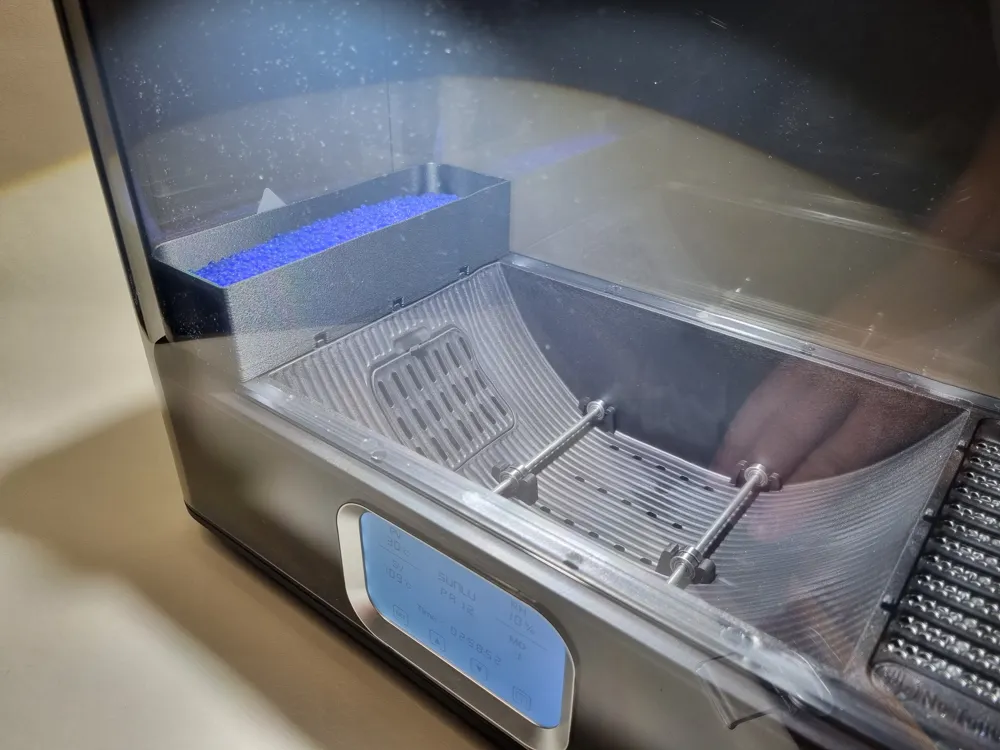
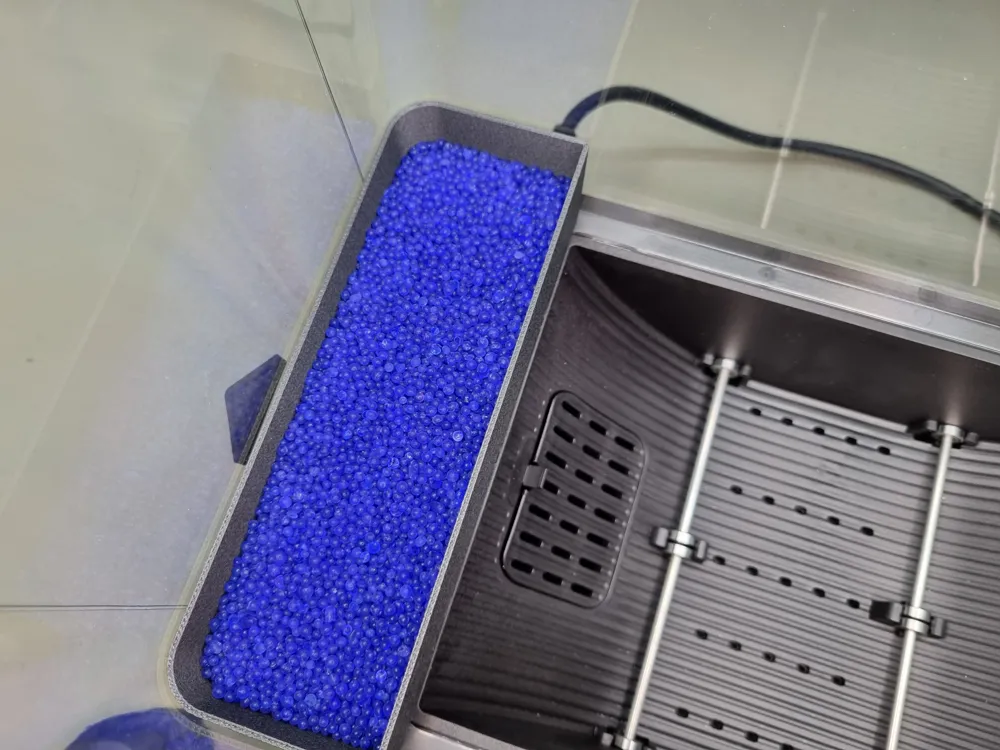
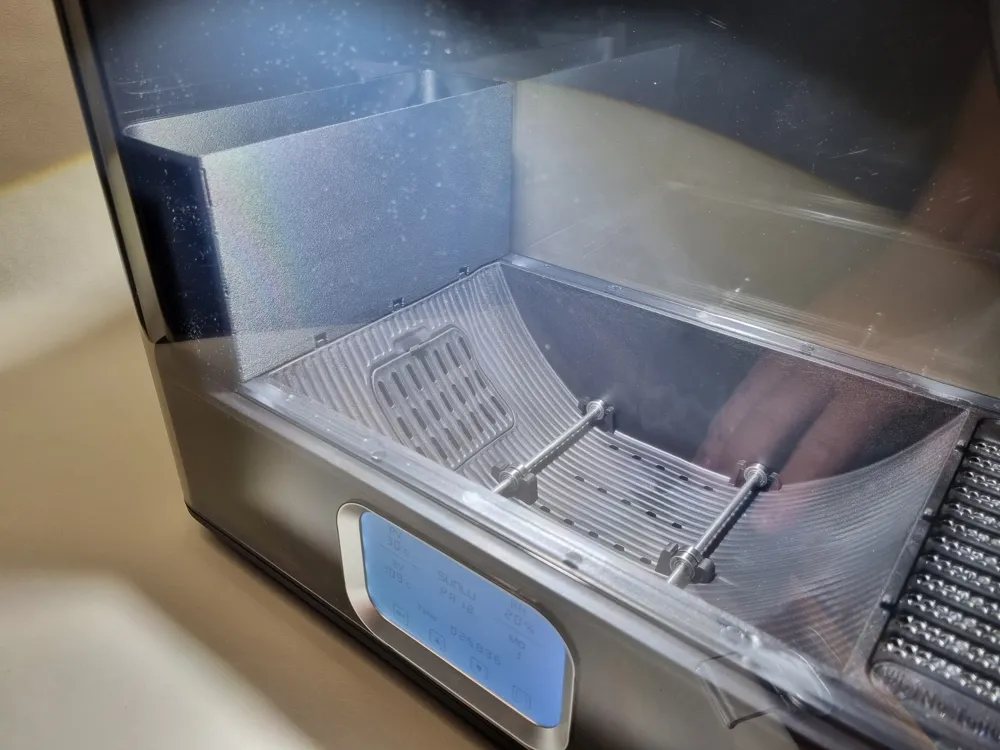
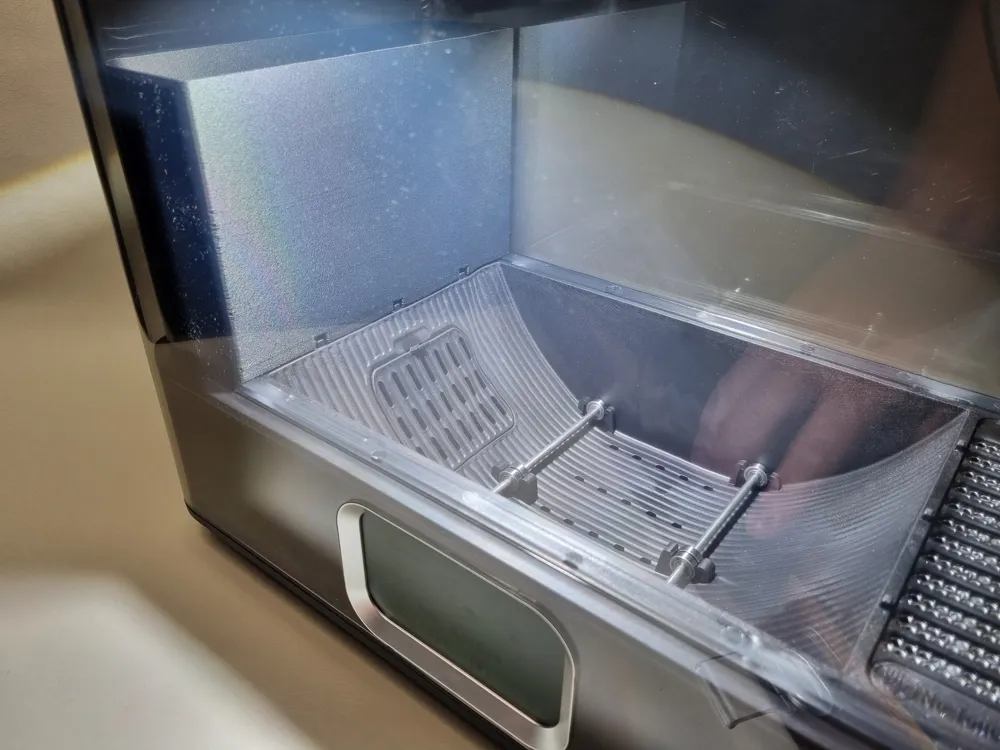
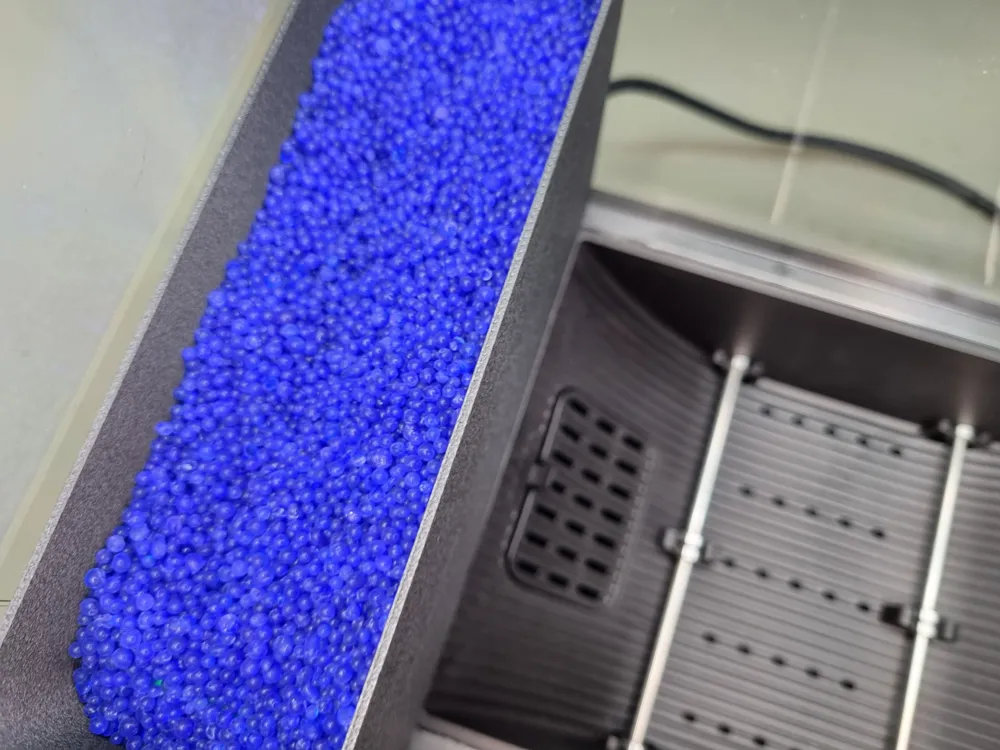
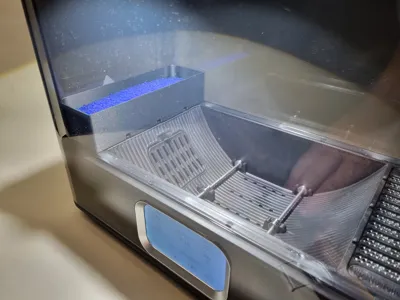
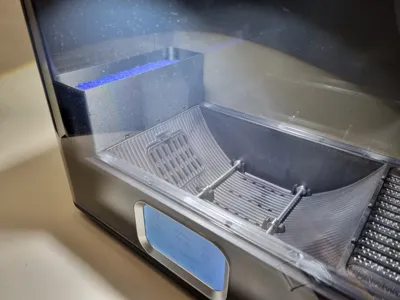
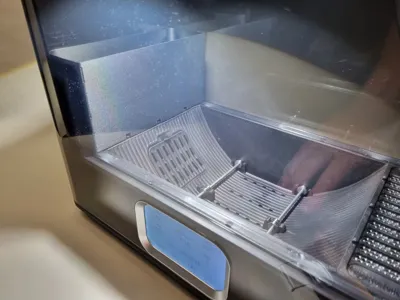
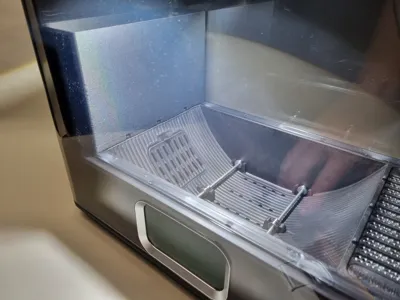
This drying box is placed over the suction opening of the appliance so that the hot air is sucked through the drying agent to be regenerated.
Take a look at the list of filament temperatures below and choose a suitable filament for your target temperature compatibility.
Attention, use the right nozzle for the model and your filament. The wall thickness and properties of the model are optimized for either a 0.4 mm nozzle and 0.2 mm layer height or a 0.6 mm nozzle and 0.3 mm layer height.
When the appliance is in use, the hot air (up to 110 °C) is sucked through the box and over the desiccant, effectively drying and regenerating the silica gel.
Simple, safe and maintenance-free. That's how it should be.
Passion for detail
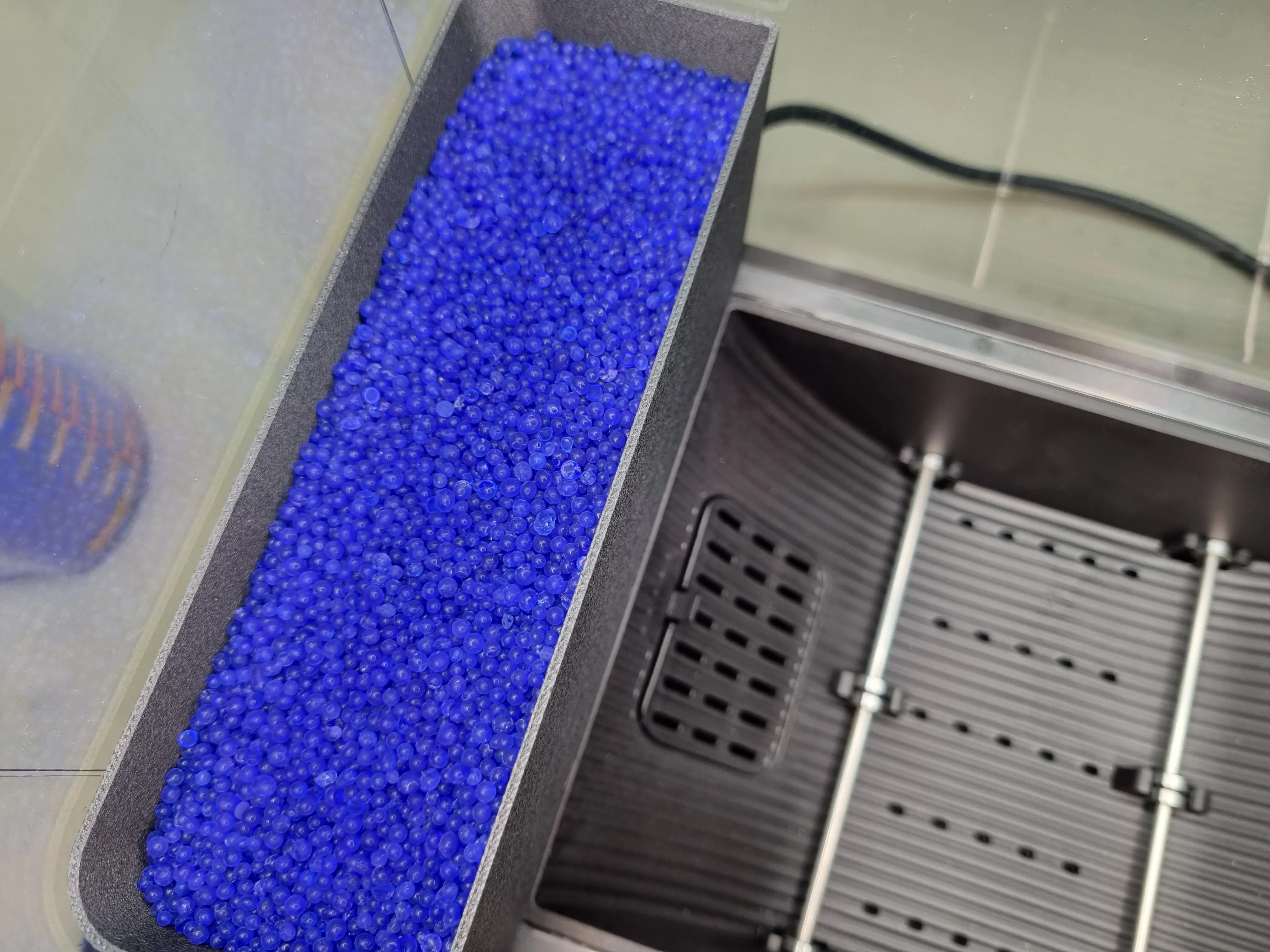
Absolutely accurate sits above the intake opening. The annealing insert can be used as usual.
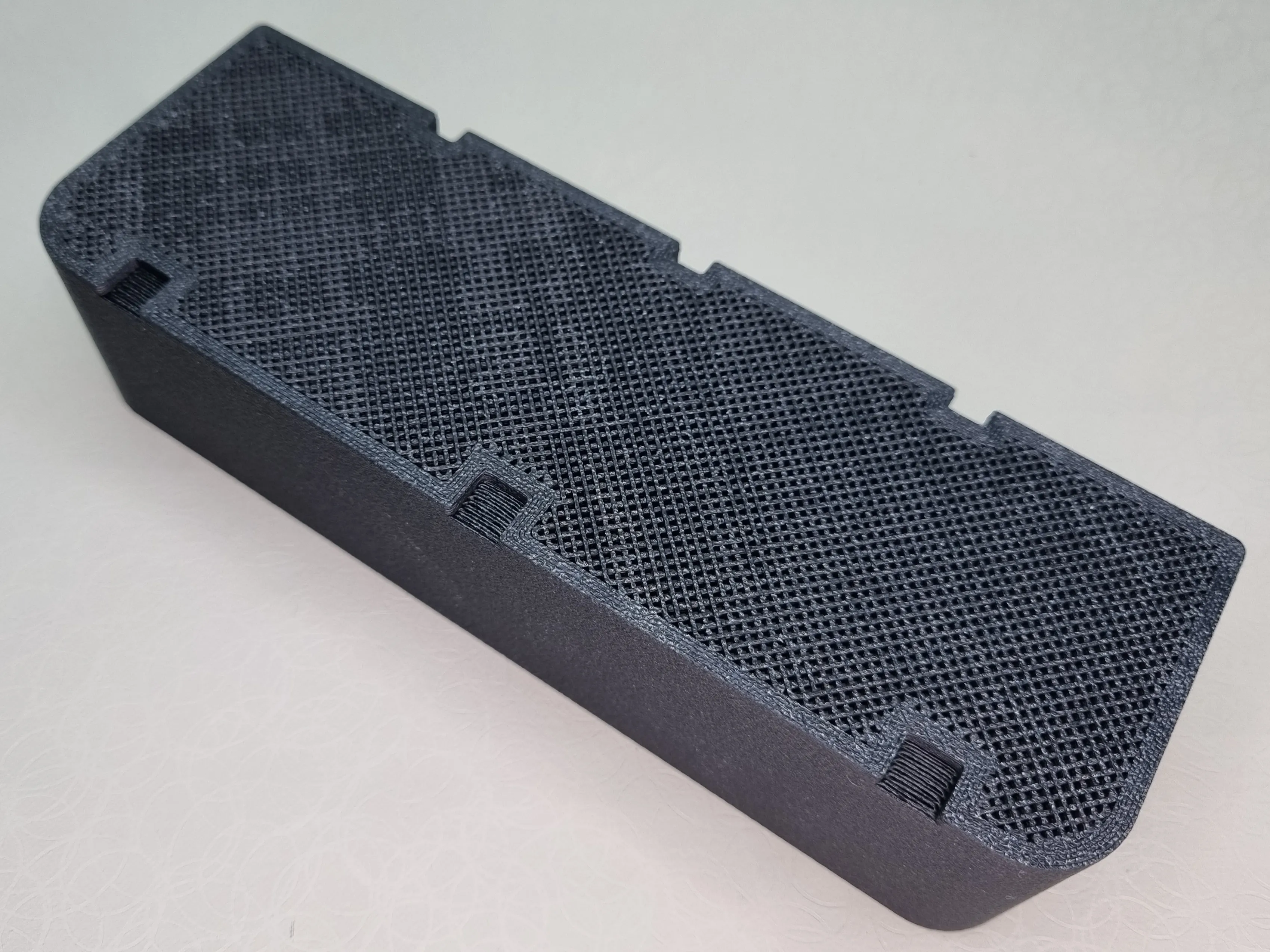
Cut-outs on the underside fit the SUNLU FilaDryer E2 perfectly, absolutely secure fit without slipping.
Filament list
Choose a filament suitable for your temperature range. The SUNLU FilaDryer E2 heats up to 110 °C, probably even warmer in some places. PC already softens here, I have tested this.
I have divided all filaments into four tiers according to their heat deflection temperature, whereby each higher tier can of course also be used for all lower tiers. There is nothing wrong with using PPS-CF filament for a 45 °C application, it's just a bit expensive.
I would currently recommend glass filled nylon (PA6-GF), because it's cheaper than PAHT-CF, for use in the SUNLU FilaDryer E2. For around €50 you get a rock-solid and heat-resistant filament that prints well with a hardened 0.6 mm nozzle. I use Magigoo PA on a smooth PEI build plate for PA6-GF.
Tier C: 45 °C
- 52 °C PLA Galaxy
- 53 °C PLA Silk Dual Color (only 0.4 mm nozzle)
- 55 °C PLA-CF (0.4 mm or 0.6 mm hardened nozzle)
- 55 °C PLA Glow (0.4 mm or 0.6 mm hardened nozzle)
- 55 °C PLA Sparkle
- 56 °C PLA Marble
- 57 °C PLA Basic
- 57 °C PLA Wood
- 58 °C PLA Matte
- 60 °C PLA Silk+ (only 0.4 mm nozzle)
- 62 °C PLA Metal
Tier B: 65 °C
- 69 °C PETG HF
- 70 °C TPU 85A / TPU 90A (only 0.6 mm nozzle)
- 70 °C TPU 95A HF
- 70 °C TPU for AMS
- 74 °C PETG-CF (0.4 mm or 0.6 mm hardened nozzle)
- 74 °C PETG Translucent
- 87 °C ABS
Tier A: 85 °C
- 99°C ABS-GF (0.6 mm hardened nozzle recommended)
- 100 °C ASA (0.4 mm nozzle recommended)
- 110 °C ASA-CF (0.6 mm hardened nozzle recommended)
- 113 °C PC-FR
- 117 °C PC
Tier S: 180 °C
- 186 °C PA6-CF (0.6 mm hardened nozzle recommended)
- 186 °C PA6-GF (0.6 mm hardened nozzle recommended) (cheaper than PAHT-CF) recommended by the designer
- 194 °C PAHT-CF (0.6 mm hardened nozzle recommended)
- 205 °C PET-CF (0.6 mm hardened nozzle recommended)
- 227 °C PPA-CF (0.6 mm hardened nozzle recommended)
- 264 °C PPS-CF (0.6 mm hardened nozzle recommended)
Boost Me (for free)
Support for this model helps fund 3D printing in a local school in Lower Saxony, Germany. Contributions go toward printers and filament for student maker and robotics clubs, including preparation for "Jugend forscht" competitions. Likes, follows, and boosts help increase visibility and indirectly support hands-on technical education.
Translation Notice: I am not a native English speaker. I write all descriptions in English to ensure the best automated translation into other languages. To make the text smoother and more readable, I use language tools to refine my wording.
Bill of Materials Notice: Hero Shot models are usually printed in Bambu Lab PLA Basic, primarily Pumpkin Orange, Purple and Matte Charcoal Black. The Bill of Materials contains the recommended filament for the model, which may differ from the filament used for the photos.
Purchases made via the BOM support my work through the Maker World Commission Incentive at no extra cost to you.
License

You shall not share, sub-license, sell, rent, host, transfer, or distribute in any way the digital or 3D printed versions of this object, nor any other derivative work of this object in its digital or physical format (including - but not limited to - remixes of this object, and hosting on other digital platforms). The objects may not be used without permission in any way whatsoever in which you charge money, or collect fees.


Comment & Rating (22)