
Bacteria – Virulent Phage Infection (Lytic)


Print Profile(1)

Description
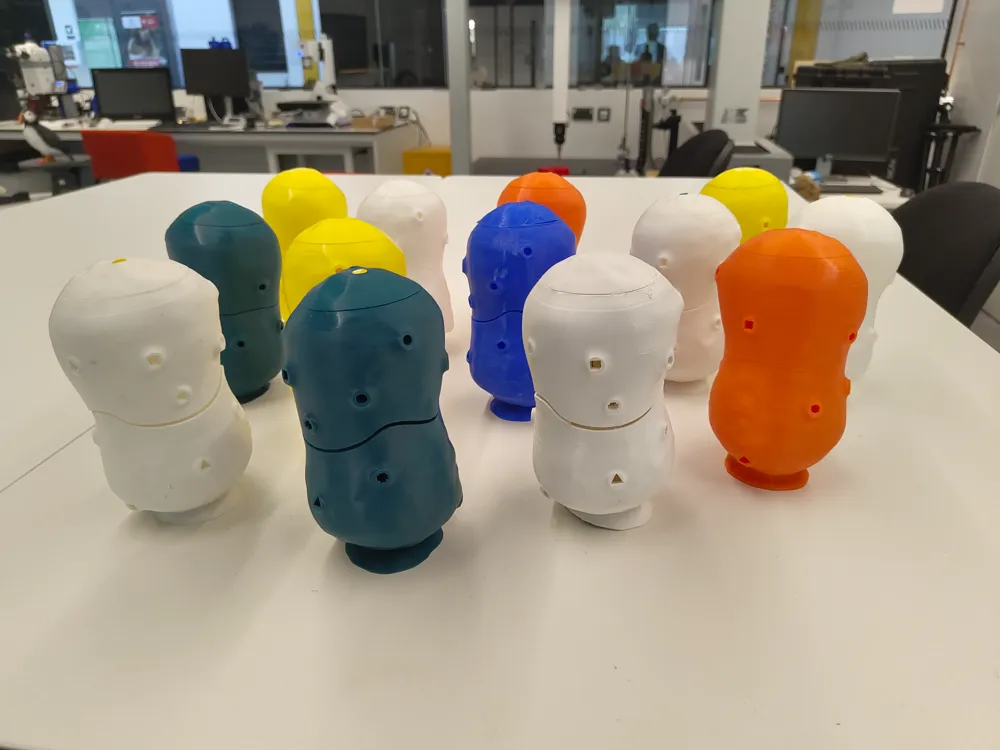
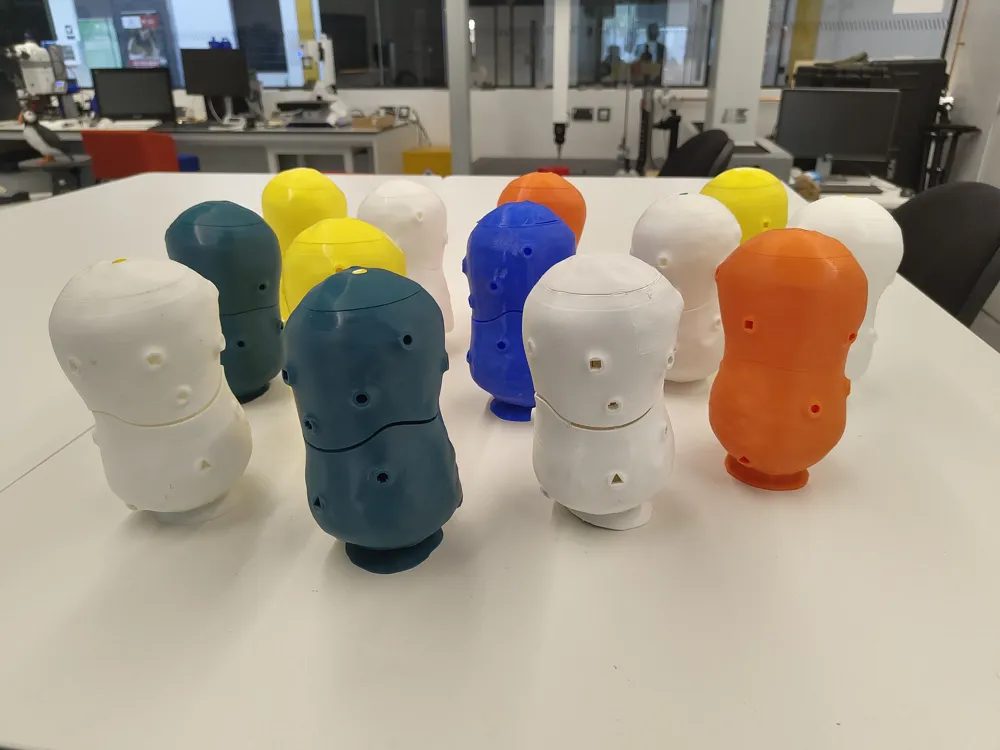
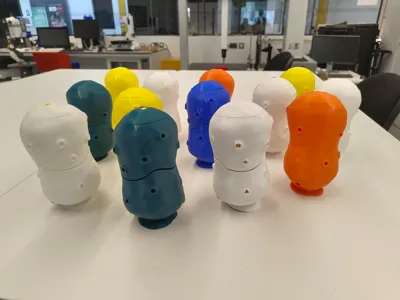
Here we present our giant microbial models, designed to help people explore how bacteria and their viruses (phages) interact using hands-on 3D prints.
How to Use This Virulent Model:
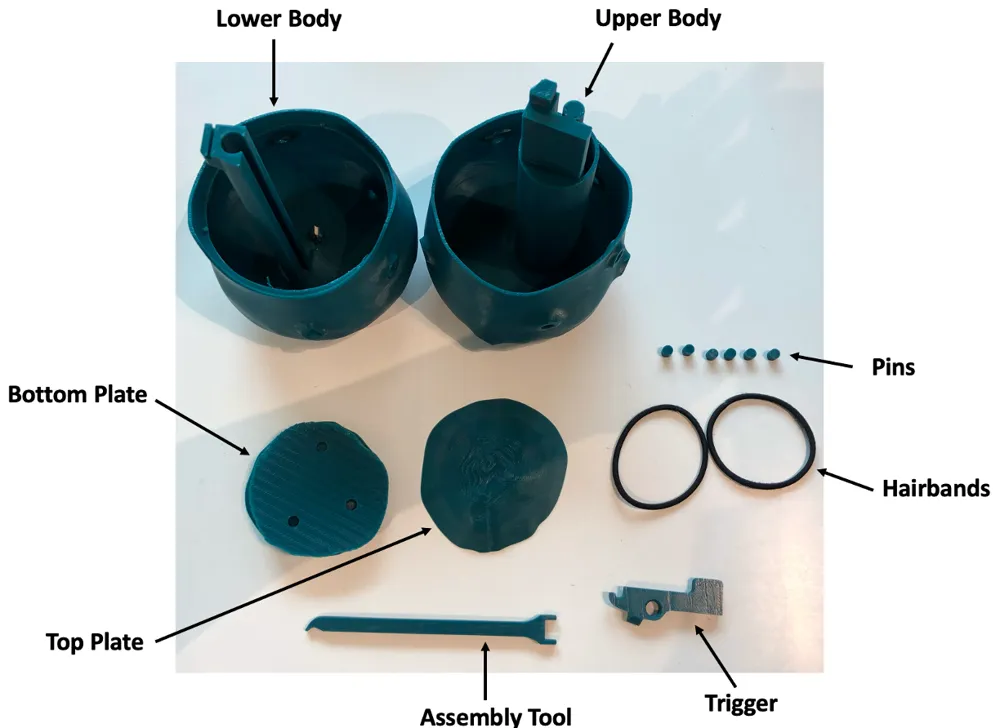
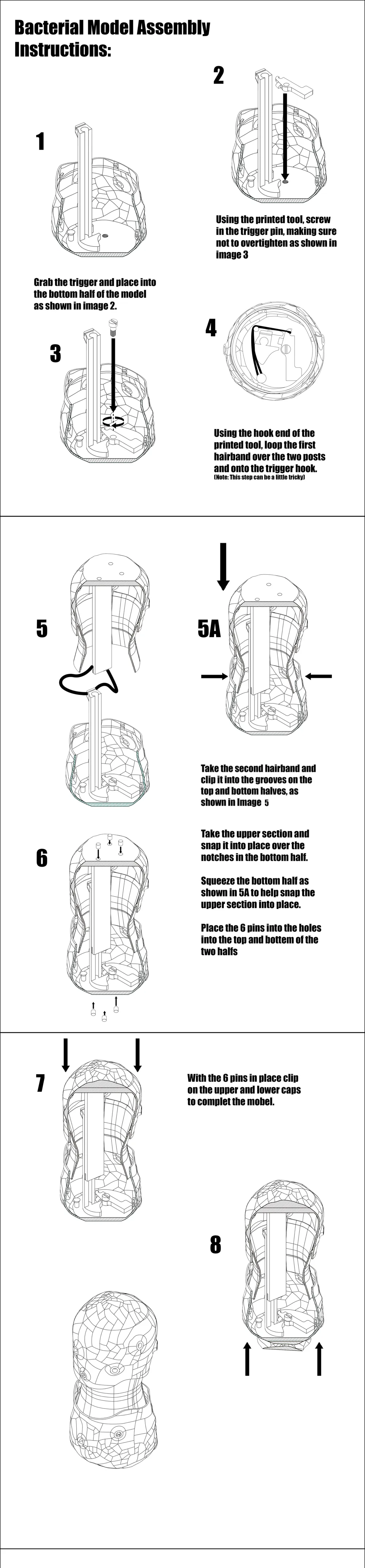
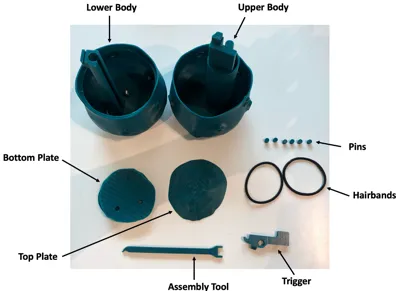
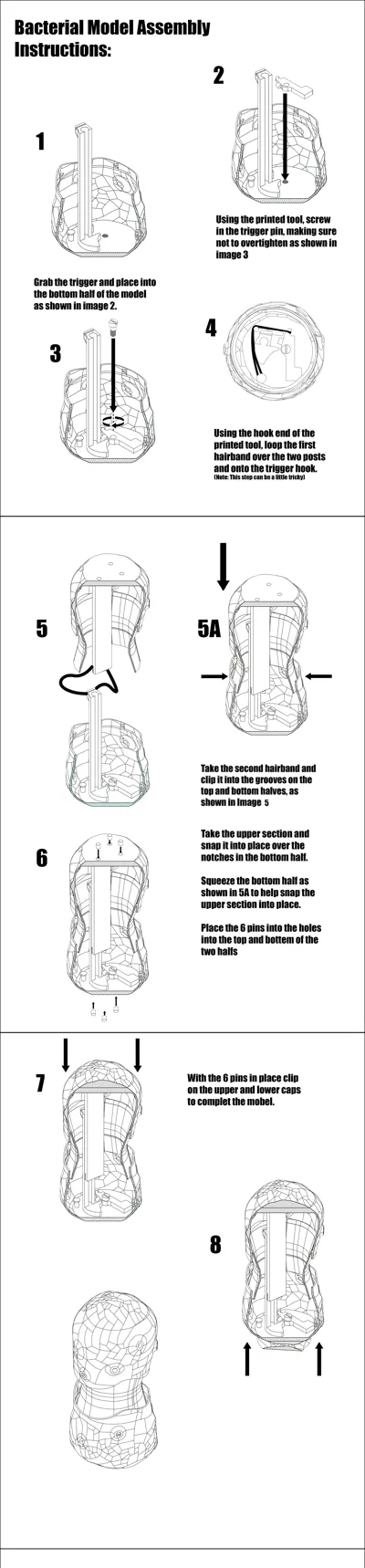
- Assemble the bacterial cell model (see instructions).
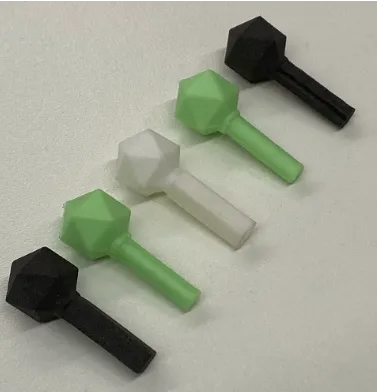
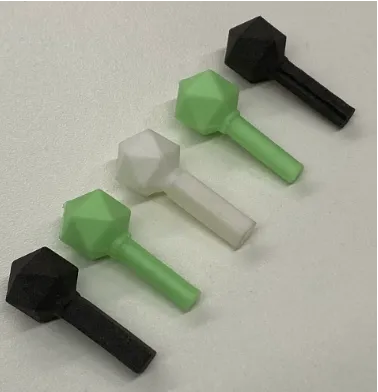
- Fill it with the phage “keys” and shut it closed.
- Insert a specific phage key into the trigger hole, if it’s the correct one, the bacterium will pop open and release the phages inside!
This shows how virulent phages infect bacteria in a fun, hands-on way.
-------------------------------------------------------------------------------------------------------------------------------------------------------------
Bacteria, just like humans, can get infected by viruses. These bacterial viruses are called bacteriophages, or phages for short.
There are two main types of phages, based on how they behave inside bacteria:
- Virulent (lytic) phages quickly infect the bacterium and destroy it. Because of this, they are being explored as treatments for bacterial infections in a medical approach called phage therapy.
- Temperate (lysogenic) phages can live quietly inside bacteria without killing them. Sometimes this can even make the bacteria stronger or give them new traits, such as antibiotic resistance. For this reason, temperate phages are usually not used in phage therapy.
In this model set, we show two different bacterial cell models: one that can be infected by virulent phages, one that shows infection by temperate phages.
This page is specifically for the virulent phage infection model and its matching phage “keys” used to kill the bacteria. The temperate phage infection model is available on a separate page here: https://makerworld.com/en/models/1413039-phage-lysogenic#profileId-1467109
You’re welcome to download, print, share, and explore how they work.
Once you have assembled the bacterial cell model, fill it with the phage “keys” and shut it closed. When you insert the correct phage key into the trigger hole, it activates the mechanism, causing the bacterium to pop open and release the phages inside, just like a real virulent infection. Only phages with the correct tail shape can successfully trigger the bacterium, demonstrating the lock-and-key mechanism of phage–bacterium interactions.
These models were created by the Microbial Puppet Masters team at the University of Salford, in collaboration with Morson Maker Space and the University of Liverpool.
To learn more about what we do, visit: https://scicomm.space/rs22
-------------------------------------------------------------------------------------------------------------------------------------------------------------
We’d Love Your Feedback!
If you use this model for fun, in a classroom, or for any teaching, we’d really appreciate it if you could fill in our short survey. Your feedback helps us improve these models and create more fun science activities for everyone!
https://forms.office.com/e/U2xn2KqrkE

License



Comment & Rating (0)