
Mechanical Acoustic Telephone
Print Profile(1)

Description
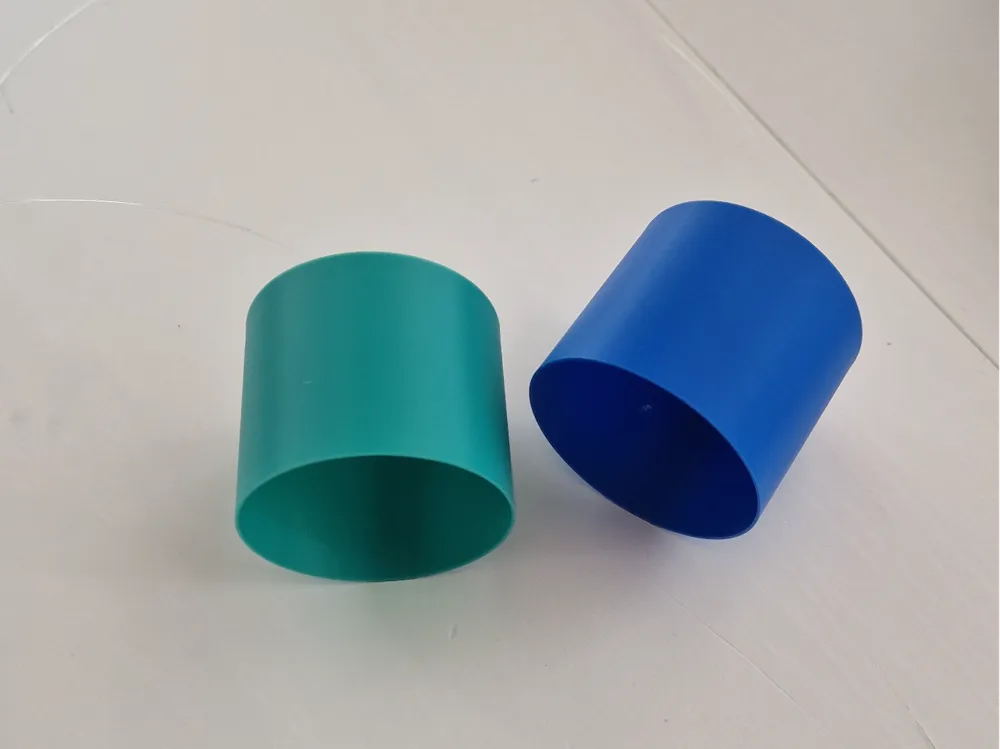
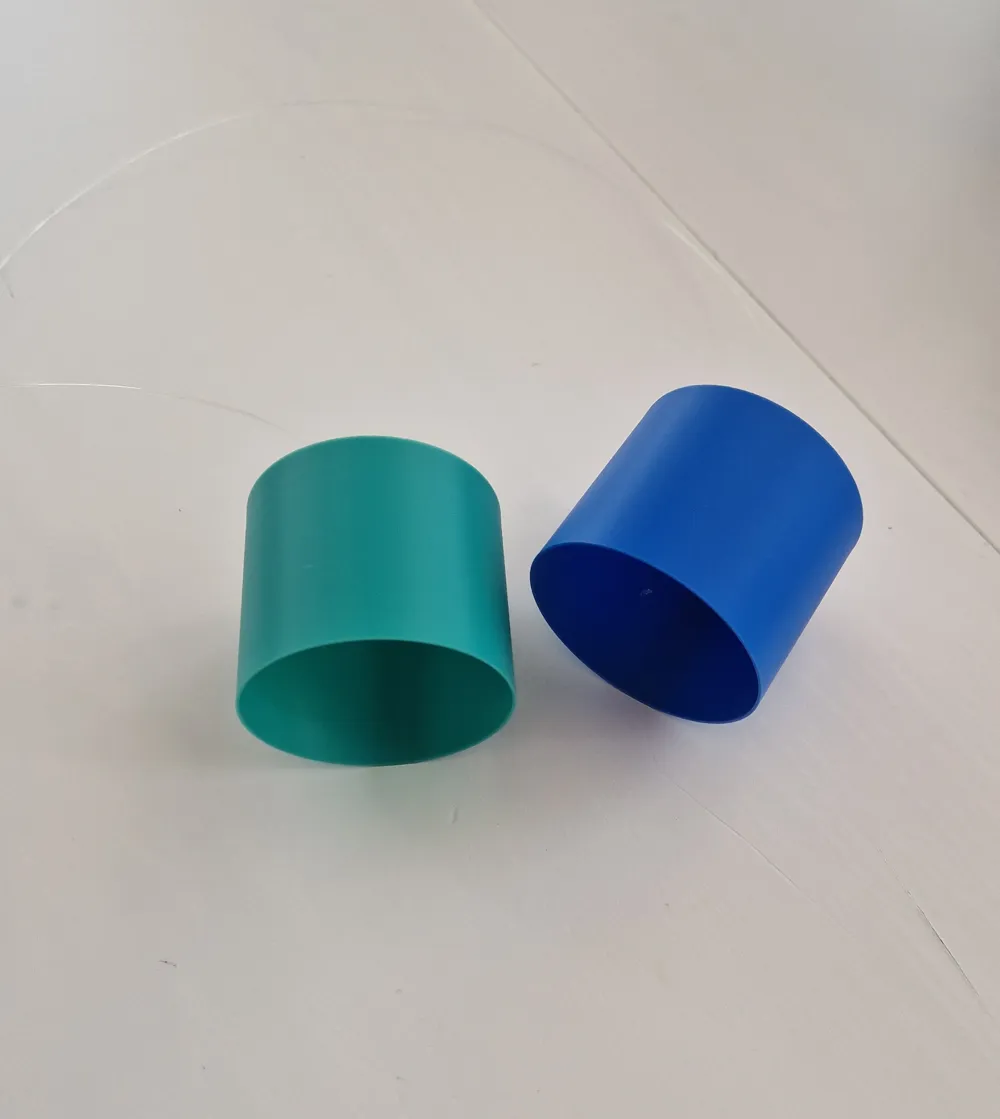
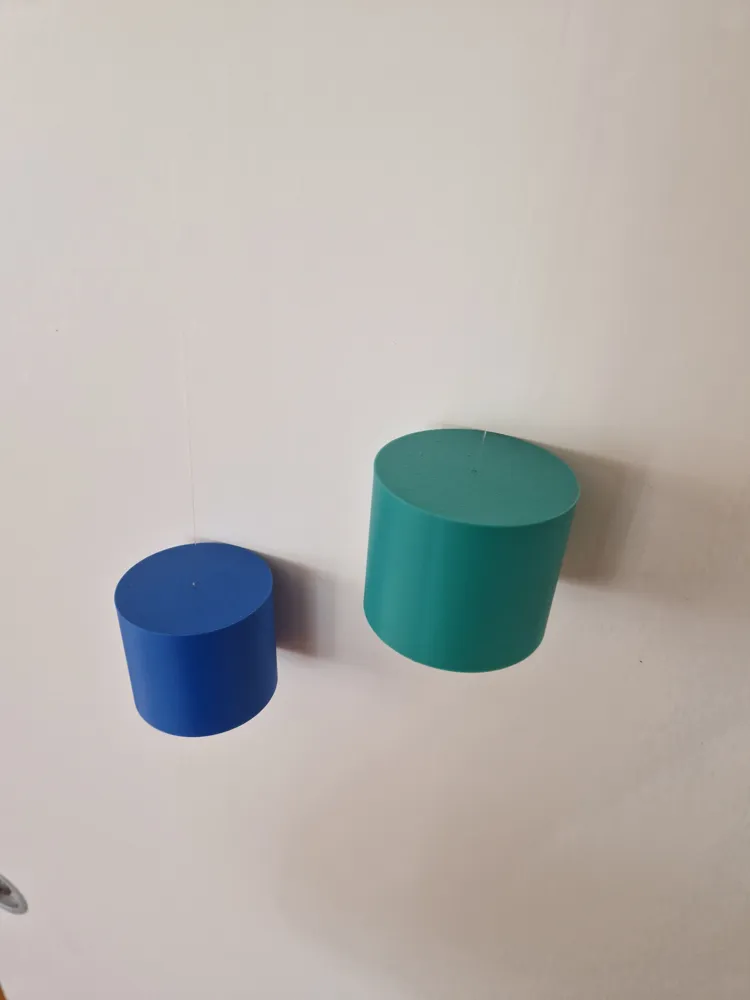
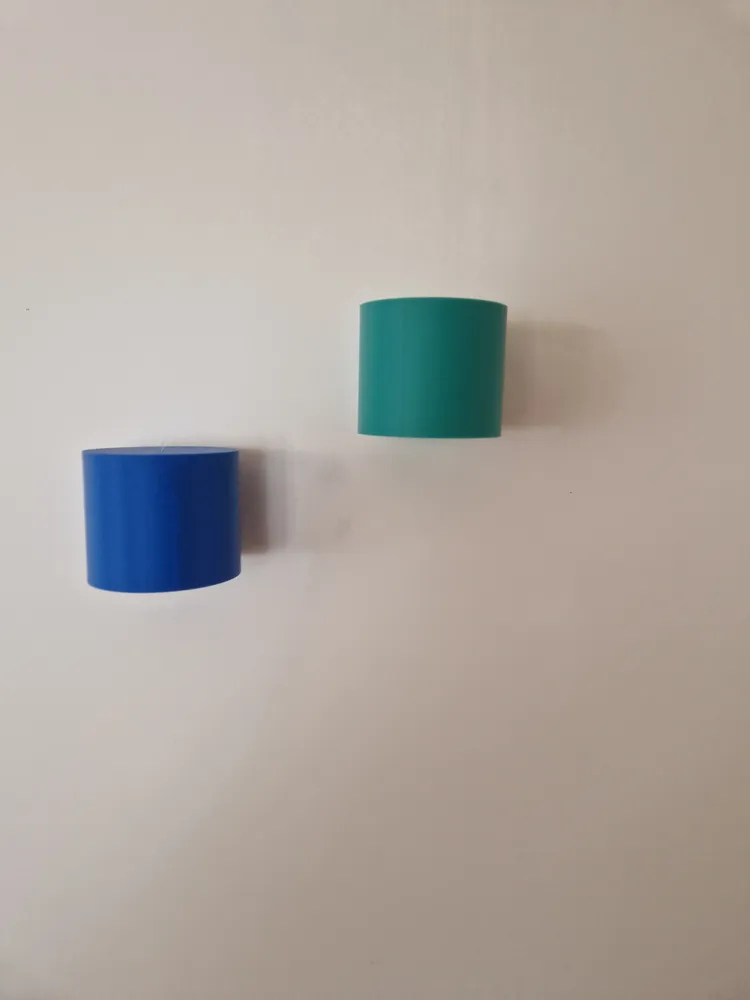
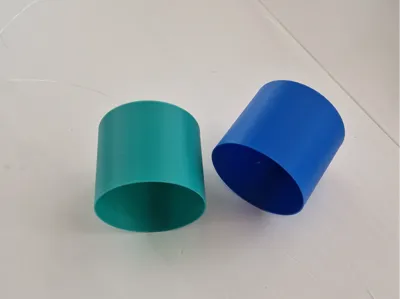
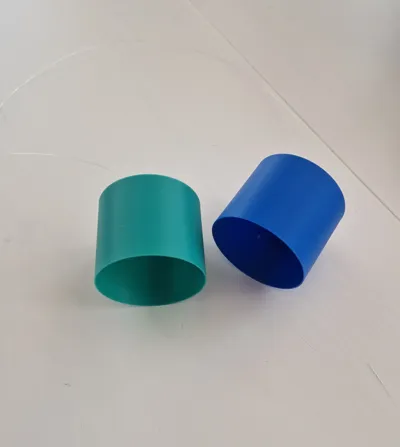
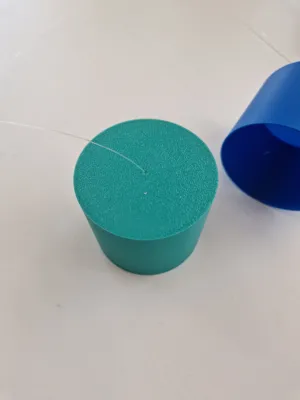
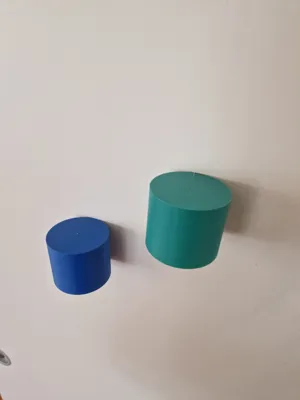
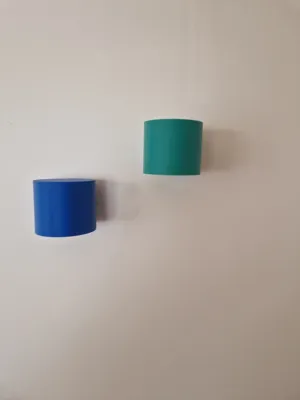
Simple telephone built with two cans and a string.
This type of telephone is a classic example of an acoustic-mechanical telephone, which transmits sound through physical vibrations rather than electrical signals like modern telephones or the electric telephone of Meucci and Bell.
Construction Instructions:
- Prepare the String: Take one end of the nylon string.
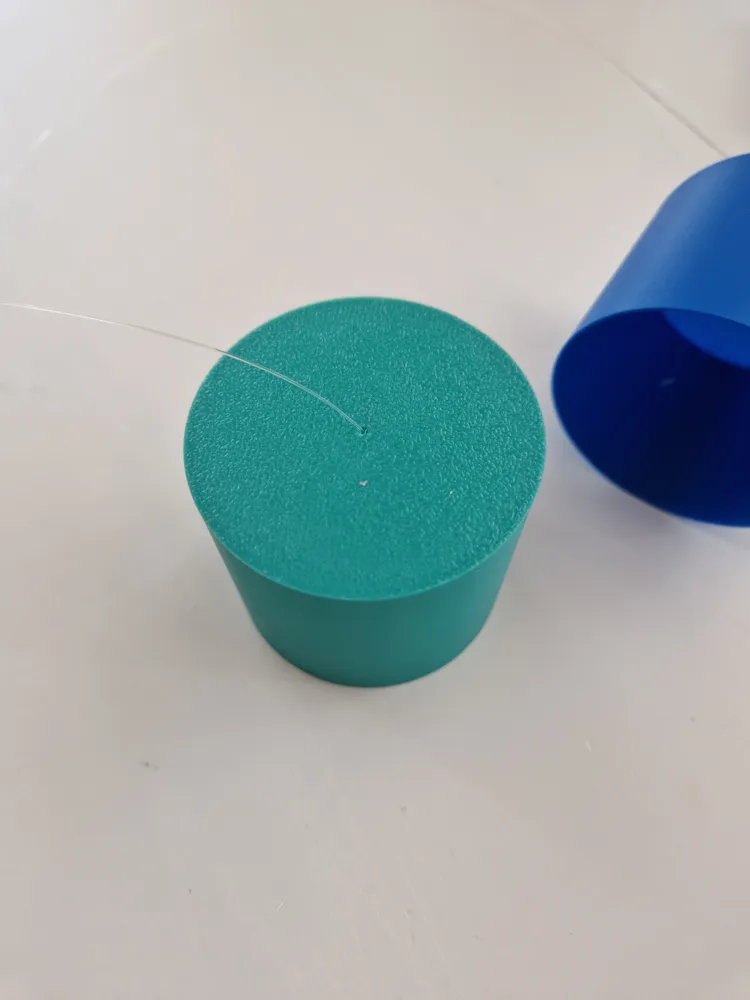
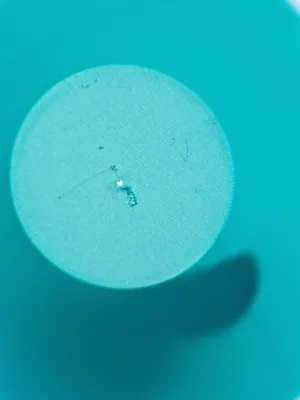
- Attach the First End to the Can: Insert the end of the string through the hole at the bottom of one of the cans, passing it from the outside to the inside.
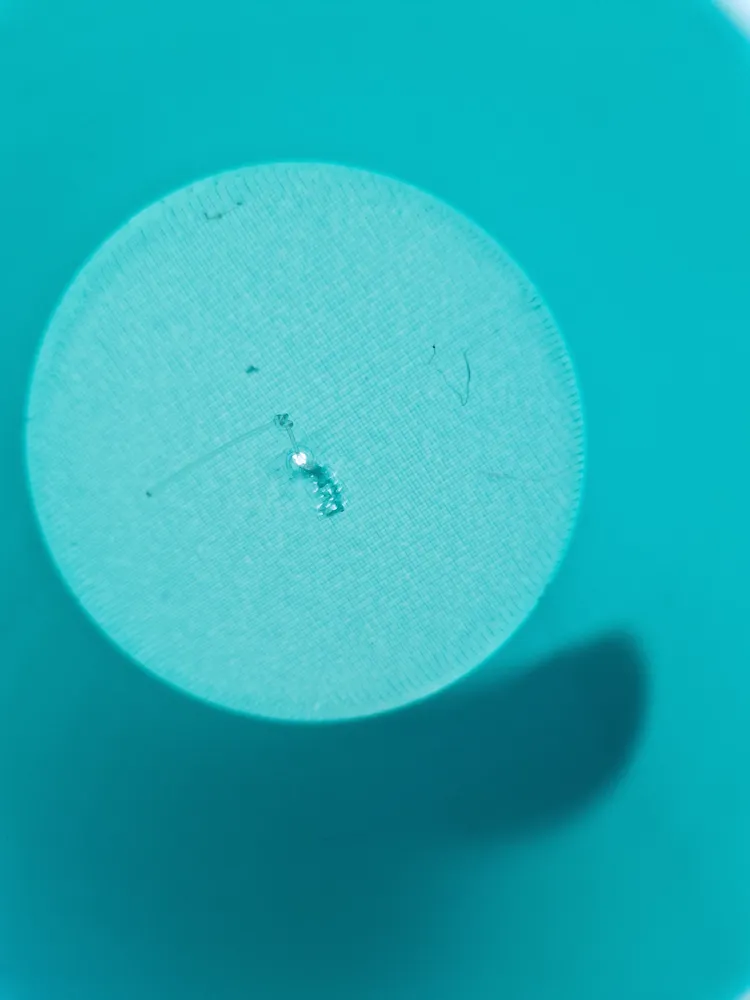
- Secure the String (Side 1): Once the string is inside the can, tie a sturdy knot at the end. For extra security and to prevent the string from fraying or passing through the hole, you can first thread the end of the string through the hole of a small washer, a button, or tie it to a small piece of matchstick, and then tie the knot so that this object blocks the string against the inner bottom of the can.
- Repeat for the Second Can: Take the other free end of the nylon string and insert it into the hole of the second can, again from the outside to the inside.
- Secure the String (Side 2): For this can also, secure the inner end of the string with a sturdy knot, possibly using the same method as point 3 (washer/match/button) to keep it firmly against the inner bottom.
How to Use Your Mechanical Telephone:
- Distance yourselves: Two people each take a can and move away from each other until the nylon string is taut. It is essential that the string is taut and does not touch any object (walls, furniture, hands, etc.) along the way, otherwise the vibrations will not transmit well.
- Speak: One person brings their can to their mouth (using it as a transmitter) and speaks normally. The vibrations of the voice will cause the bottom of the can to vibrate.
- Listen: The other person brings their can to their ear (using it as a receiver). The vibrations traveling along the string will cause the bottom of this can to vibrate, creating sound waves in the air inside that the ear can hear.
License

You shall not share, sub-license, sell, rent, host, transfer, or distribute in any way the digital or 3D printed versions of this object, nor any other derivative work of this object in its digital or physical format (including - but not limited to - remixes of this object, and hosting on other digital platforms). The objects may not be used without permission in any way whatsoever in which you charge money, or collect fees.


Comment & Rating (1)