
Rain Gauge with Magnetic Hall Sensor
Print Profile(1)

Description
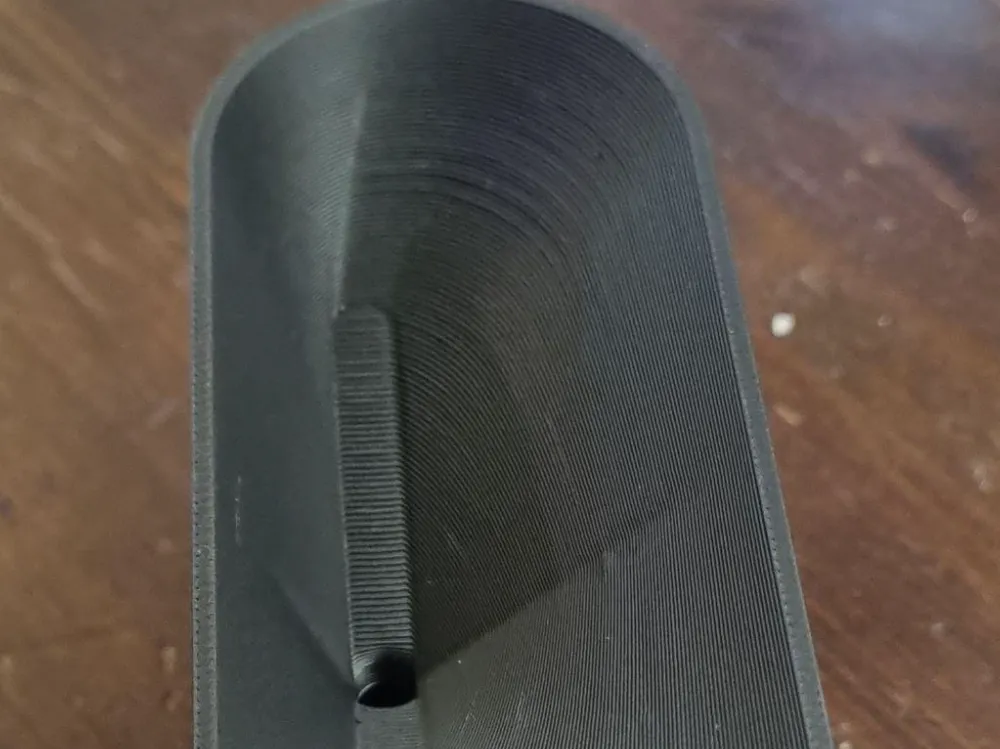
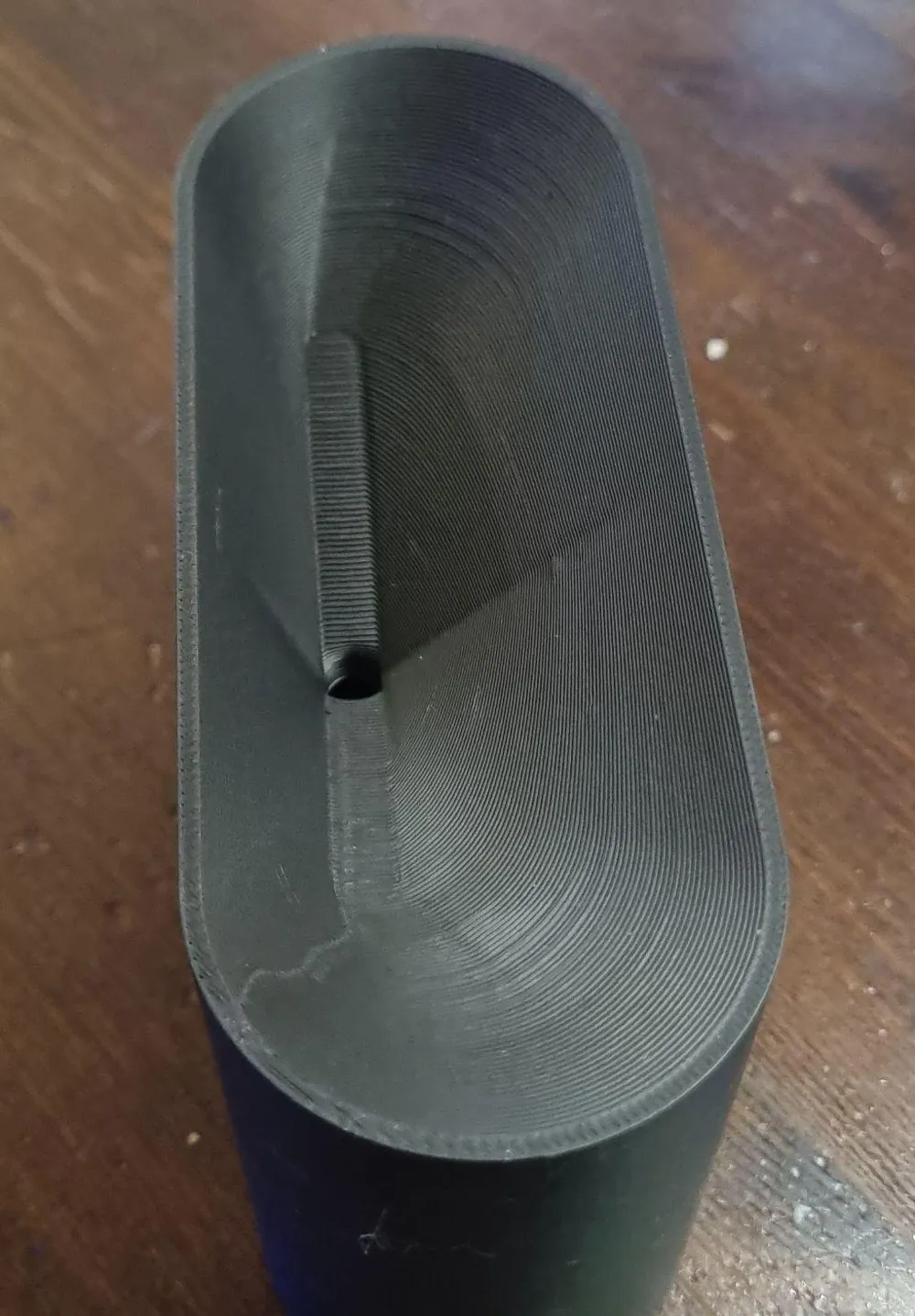
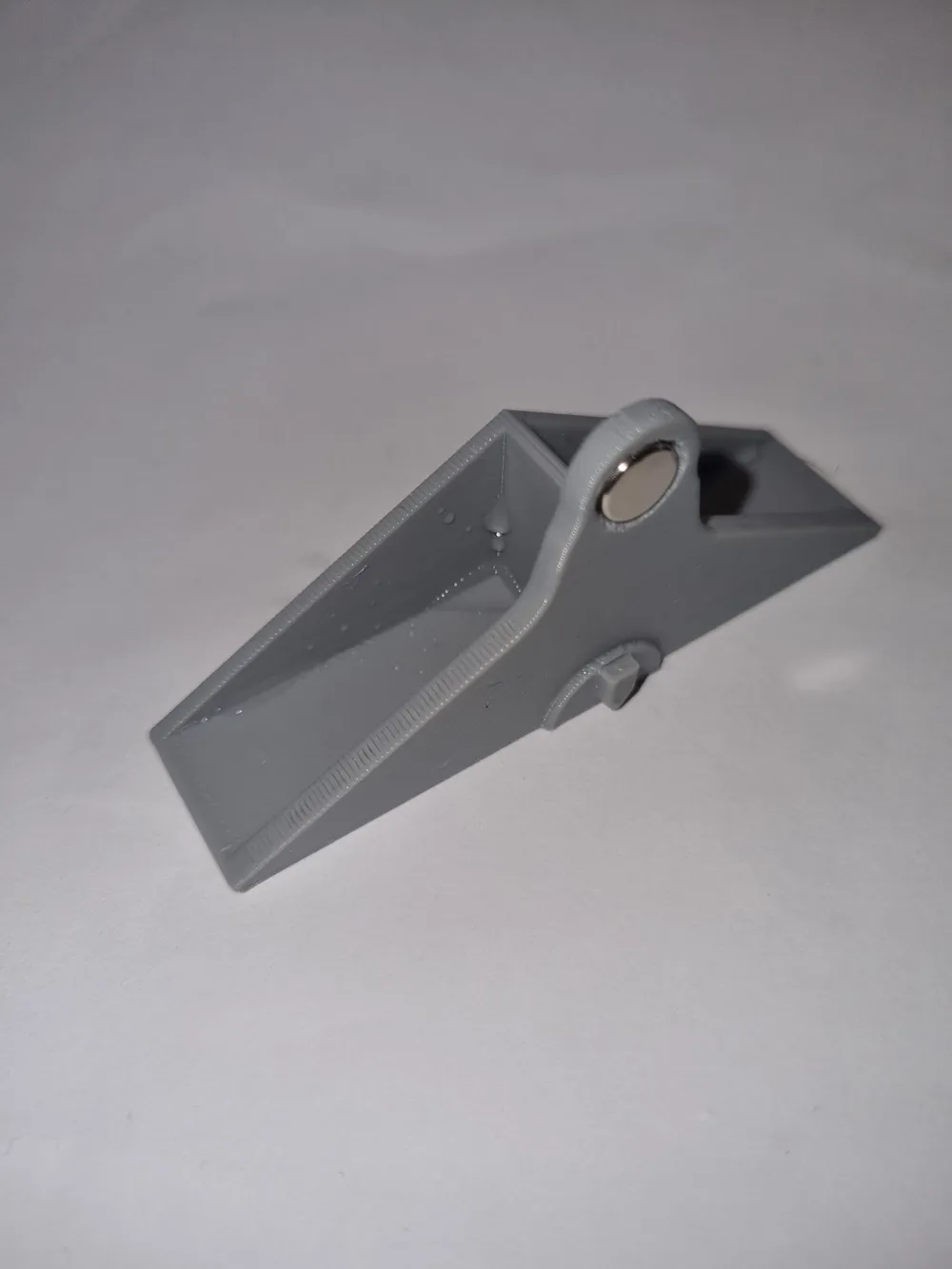
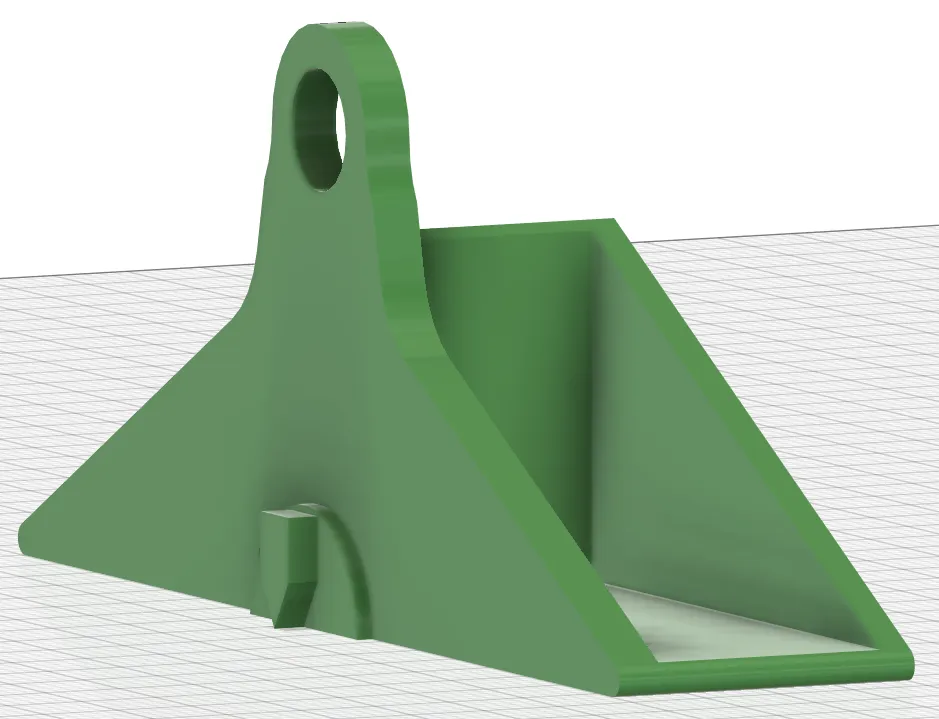
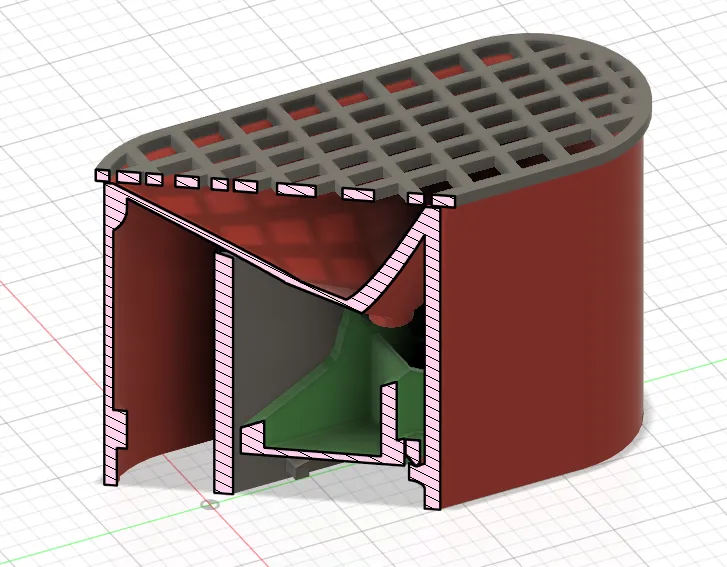
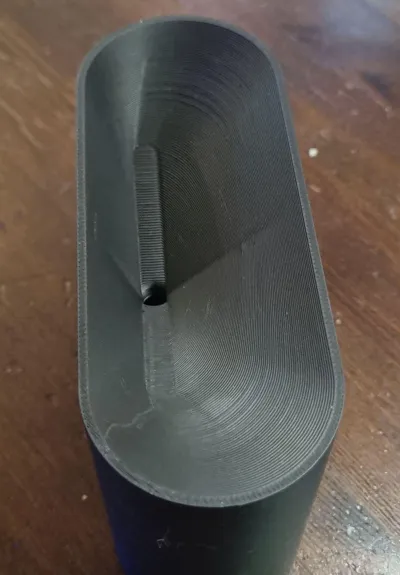
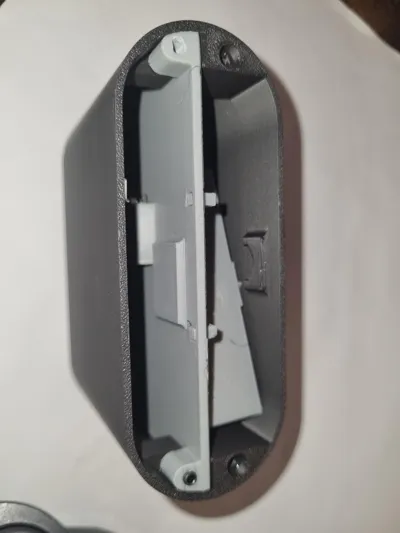
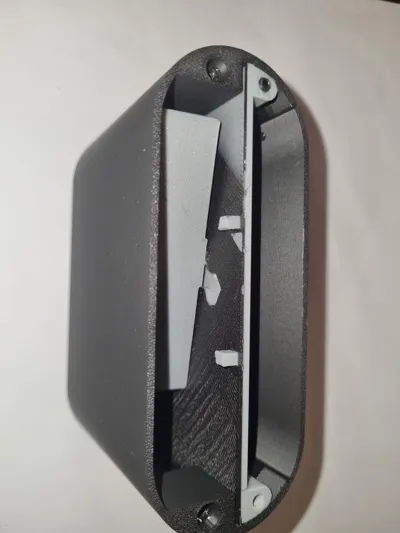
Rain gauge with tilting mechanism for measuring rainfall.
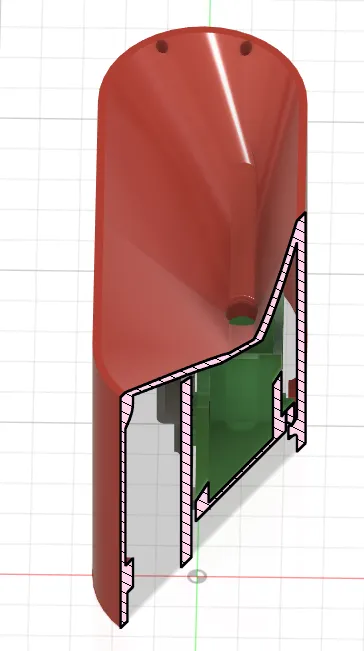
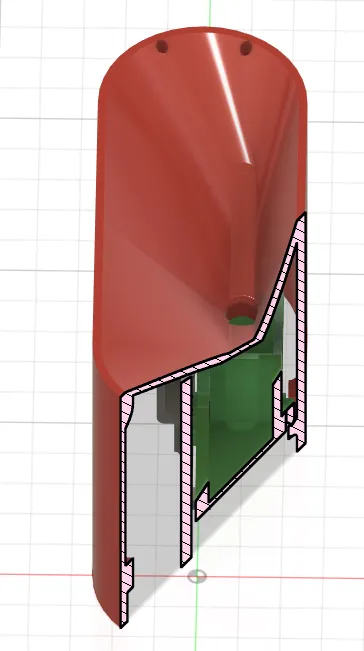
Here is a device for measuring the amount of rainfall ("rain").
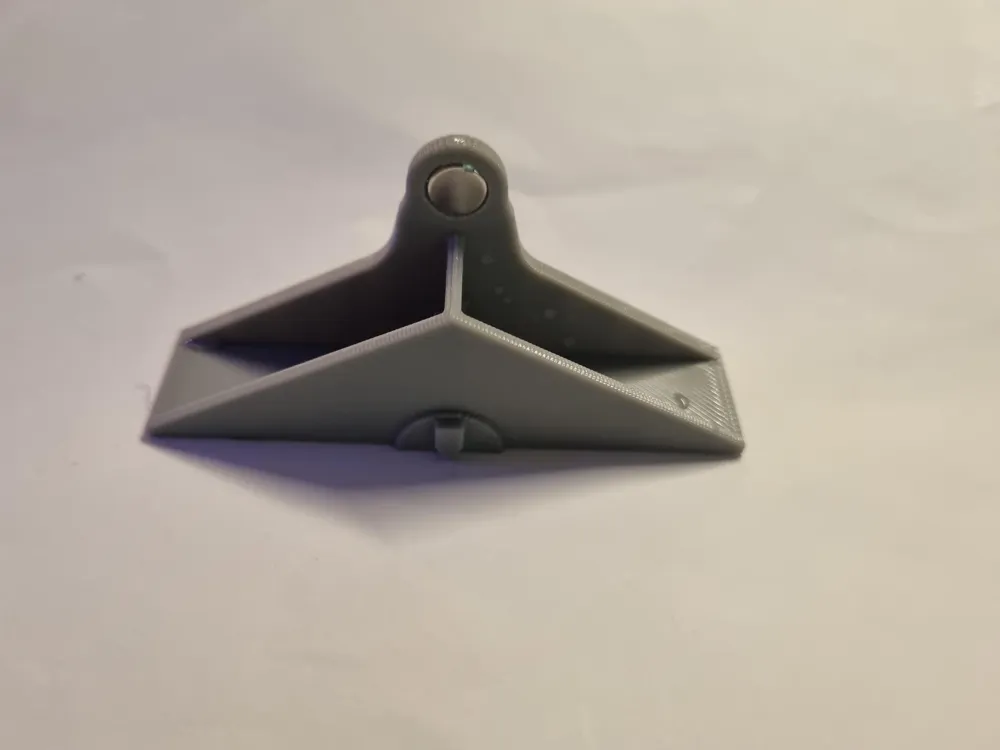
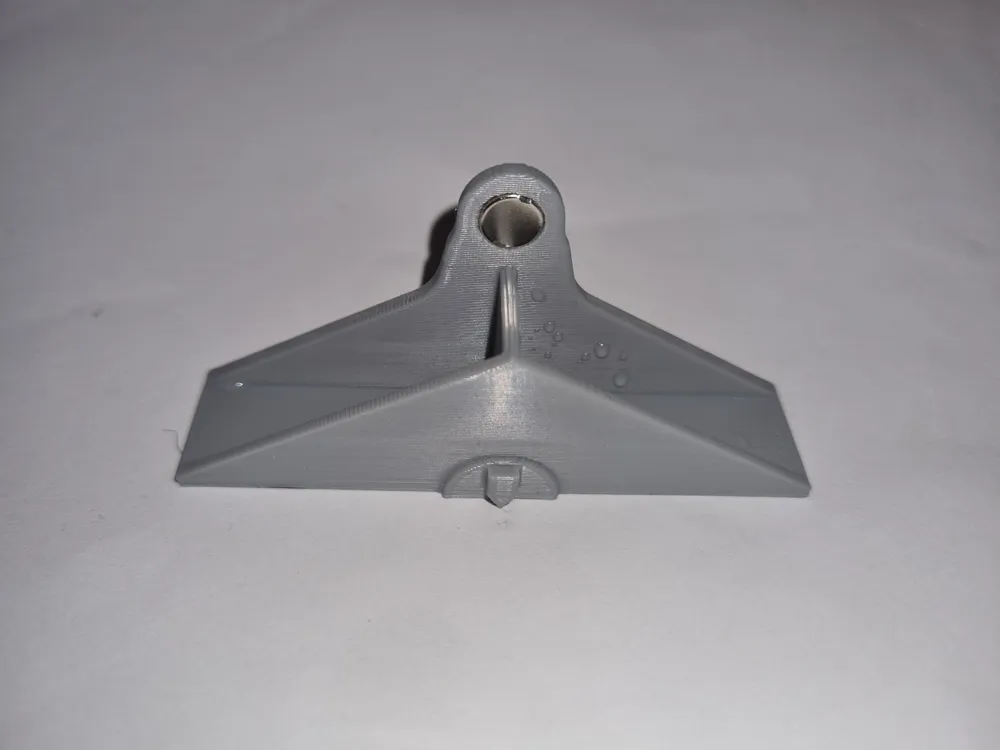
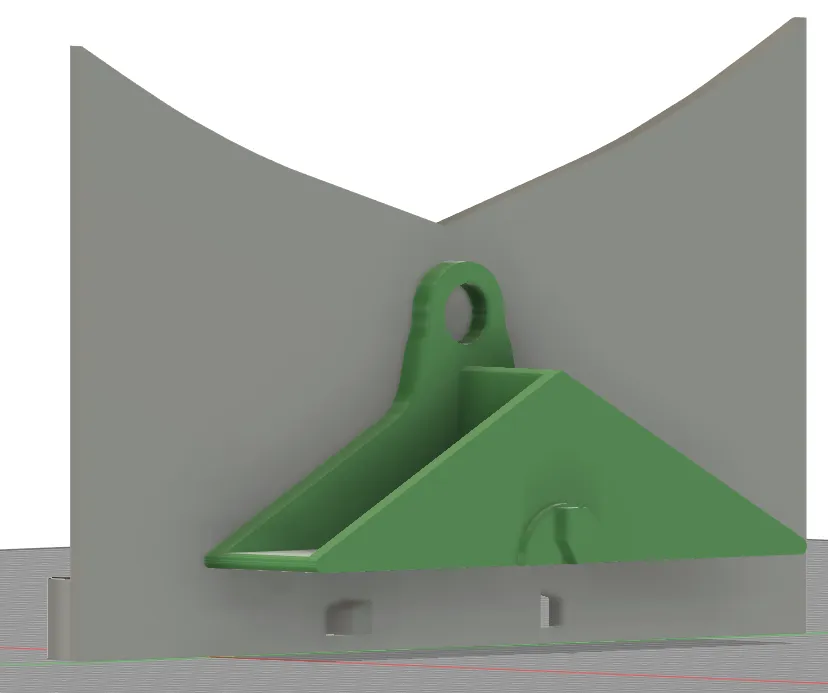
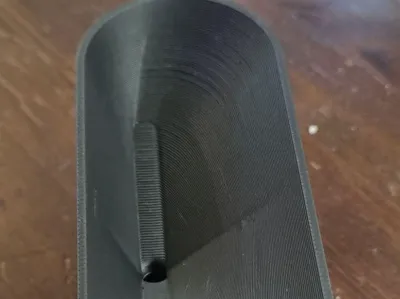
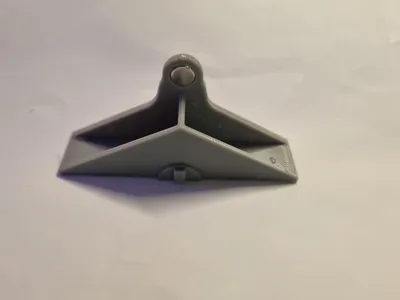
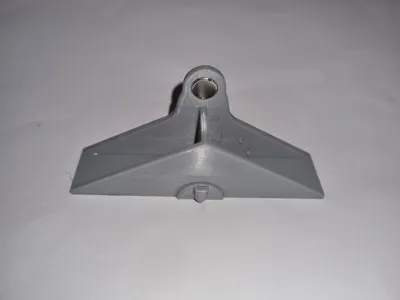
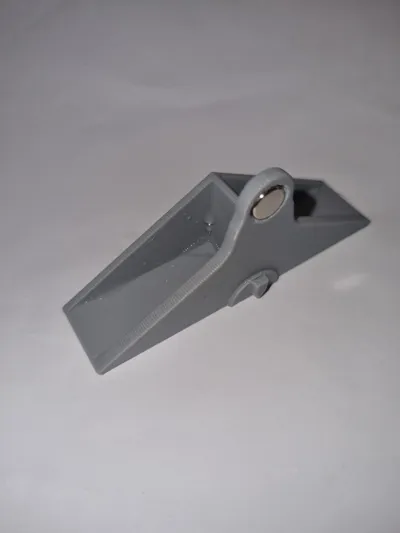
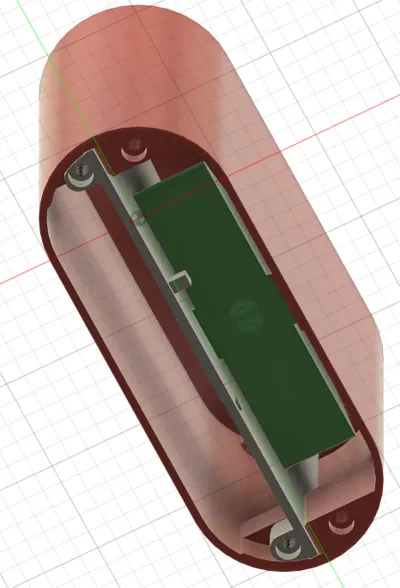
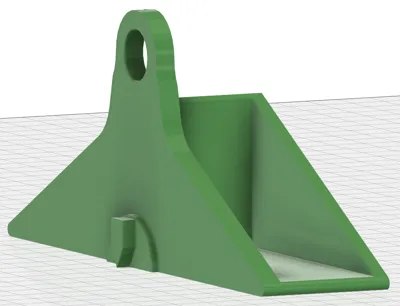
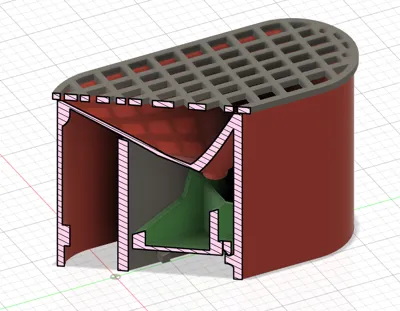
When a certain amount of liquid has flowed through the asymmetrical funnel into the device, the rocker tilts and triggers a pulse of the Hall sensor KY-003 (7mm diameter) via a small magnet (https://www.amazon.de/AZDelivery-KY-003-digitaler-Transistor-Arduino/dp/B07V3S94HZ).
This can be further processed by an Arduino or a D1-Mini (e.g., https://www.amazon.de/AZDelivery-KY-003-digitaler-Transistor-Arduino/dp/B07V3S94HZ).
Dimensions:
130 X 50, 80mm high
The sensor works well at the home sink. For outdoor use, the use of PETG and/or light colors is recommended to prevent the structure from overheating and deforming in the summer sun. (This significantly weakened the wings of my anemometer. https://www.thingiverse.com/thing:5293025)
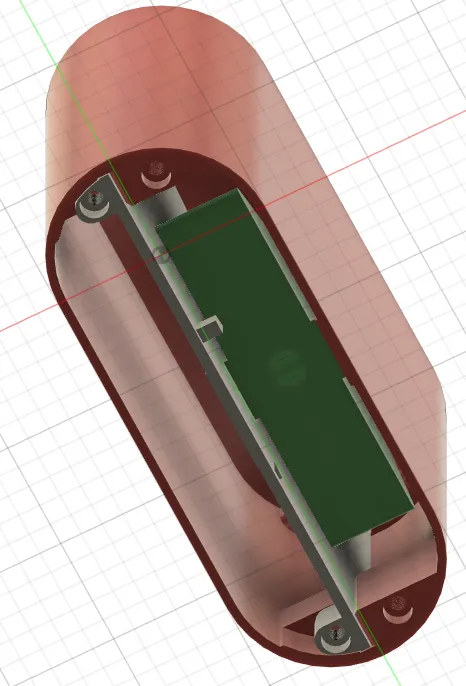
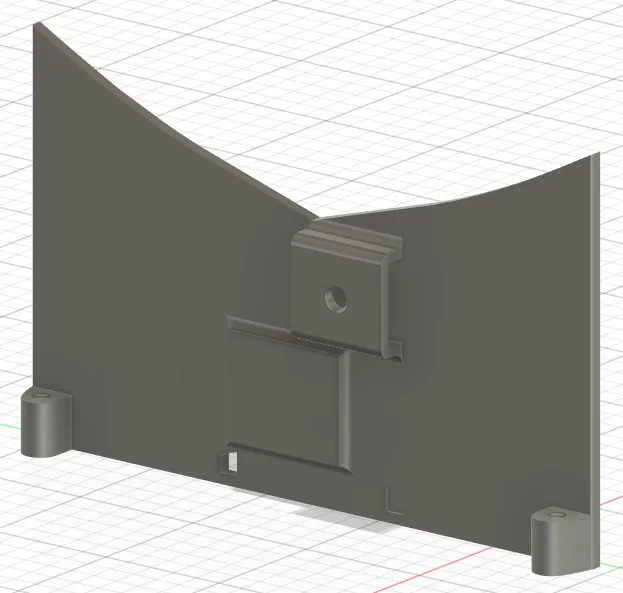
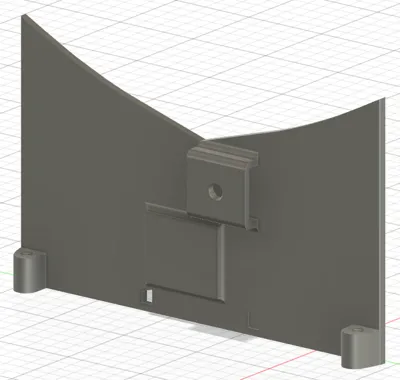
4 x M3 screws are required to attach the optional grid at the top to fix the structure to an aluminum rail (or similar), or there are 4 x M4 threads in the plate of the gauge. I used set screws in my prototype.
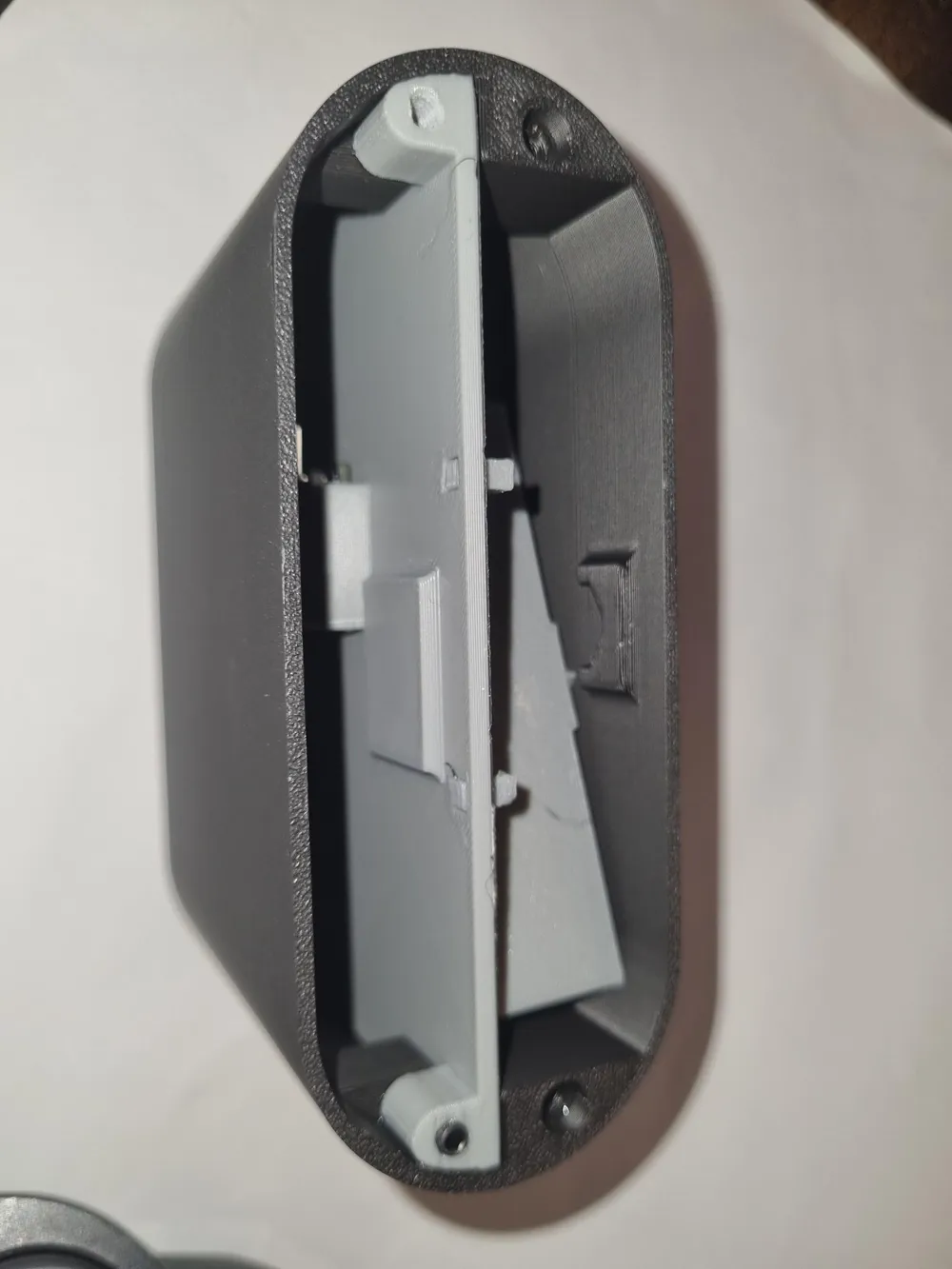
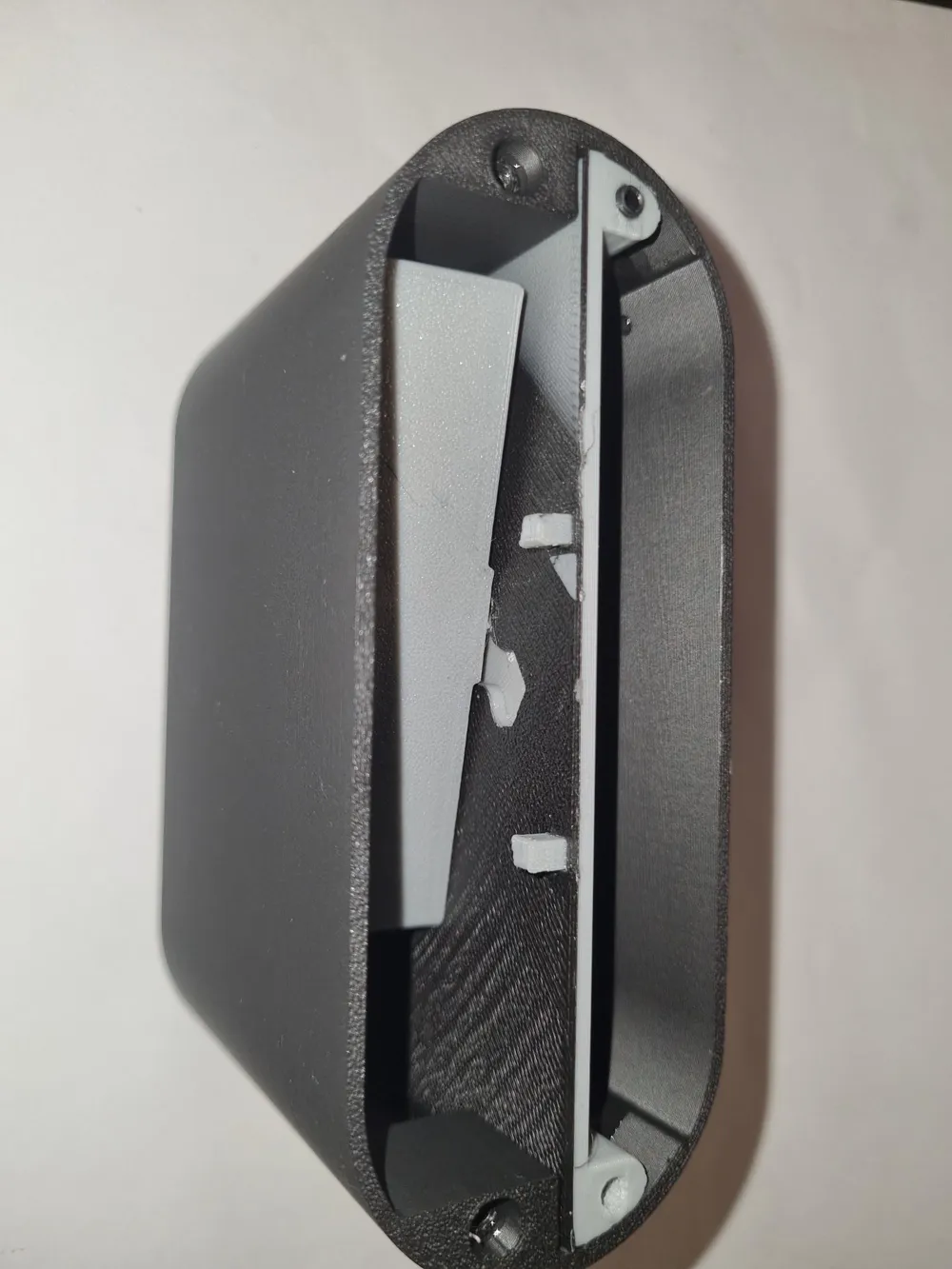
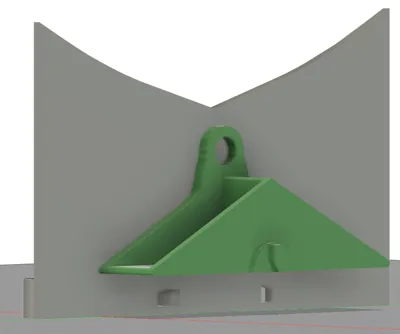
For assembly, I provided "air" in the plate so that the cutting edges of the rocker can be threaded, practically the plate can also be bent a little and thus the assembly is even easier than thought. I was able to press the stops of the rocker into the provided holes with pliers and a little force.
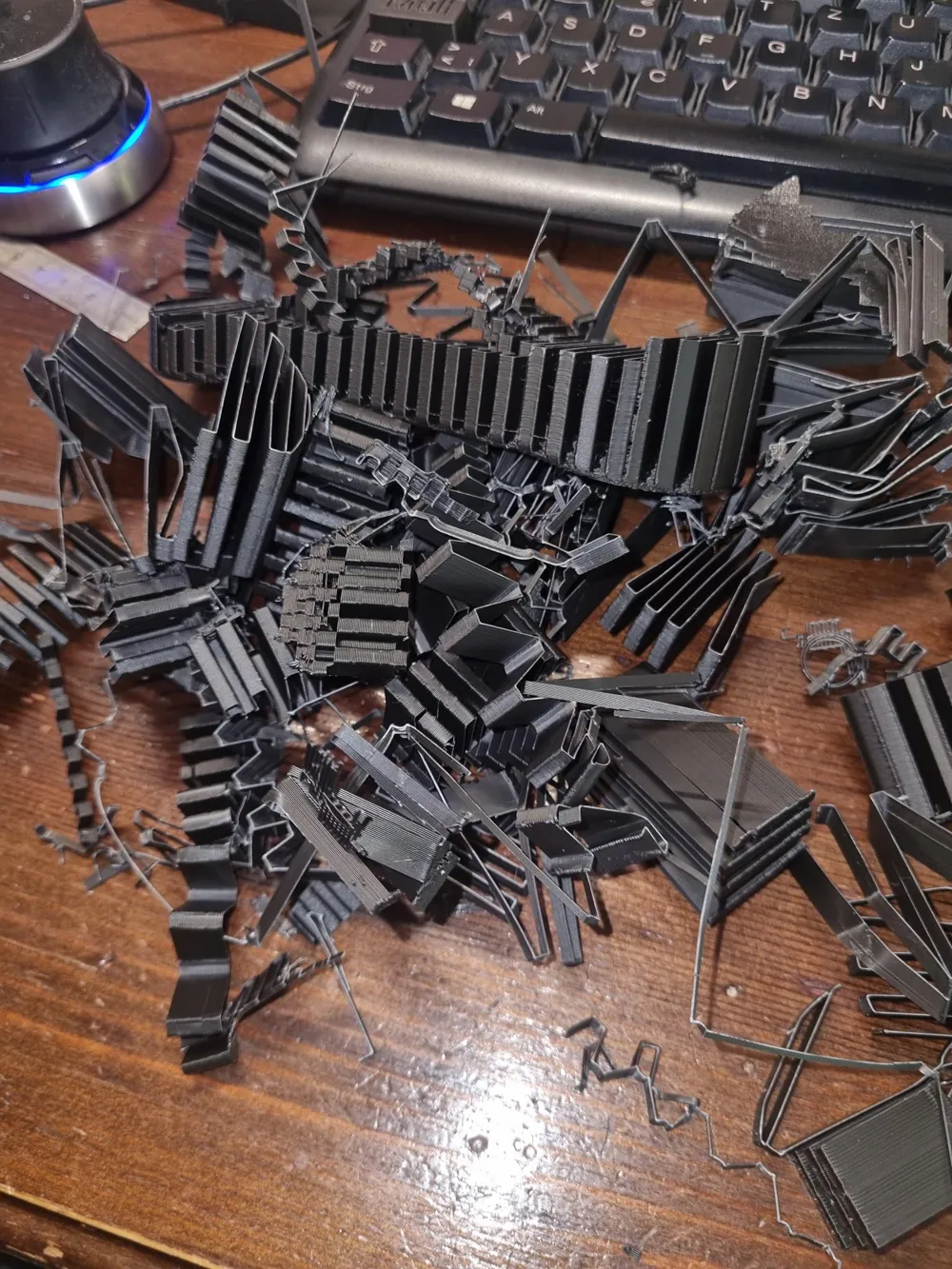
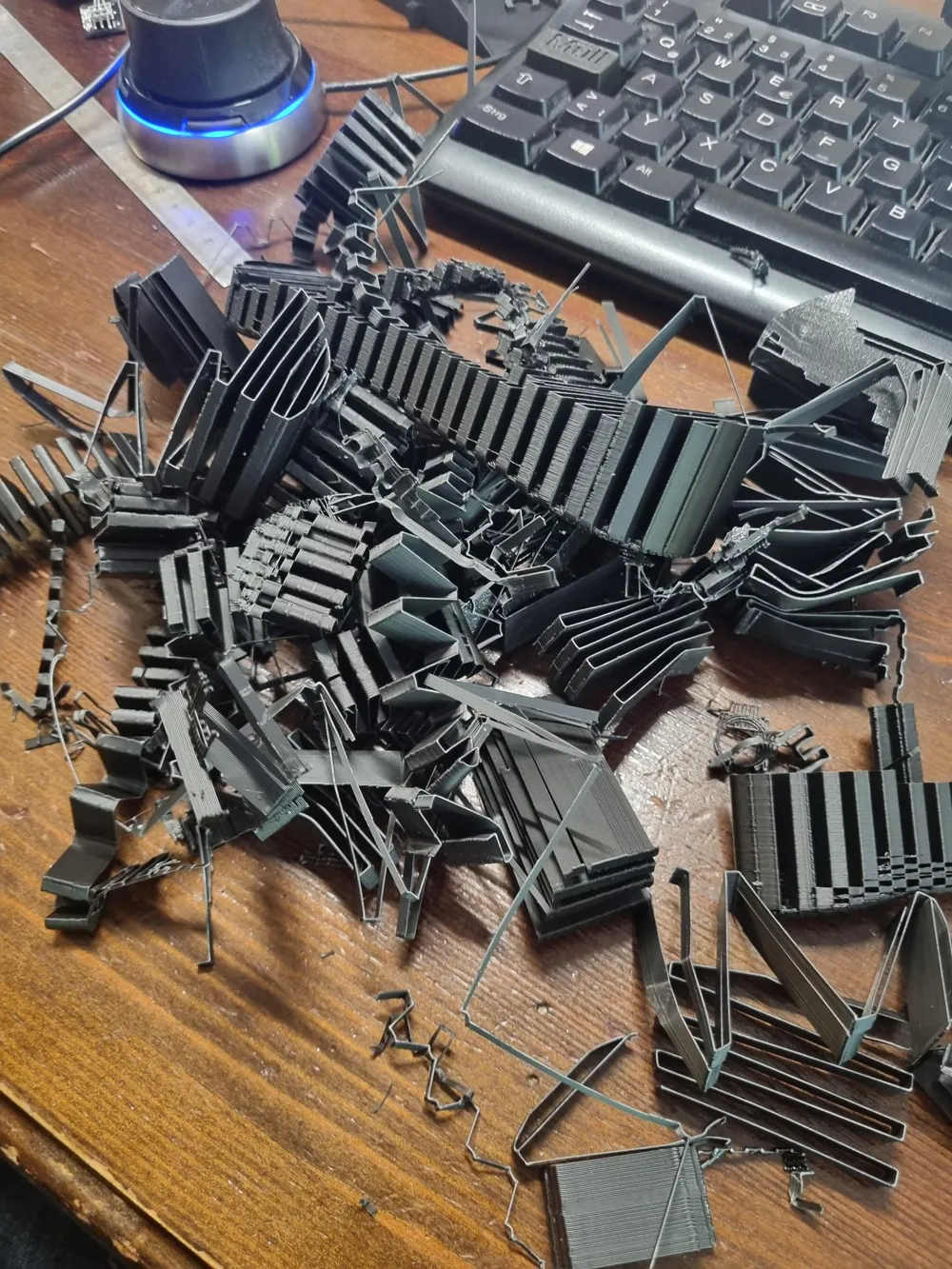
With sparse use of support, everything is printed in less than 4 hours.
Good luck!
License



Comment & Rating (3)