
Print Profile(2)

Bill of Materials

Description
New Update:
- Change the support wall setting to make it more transparent when printing. (There is no need for a special setting anymore. Transparent color is just for a good look. You can use whatever color you like.)
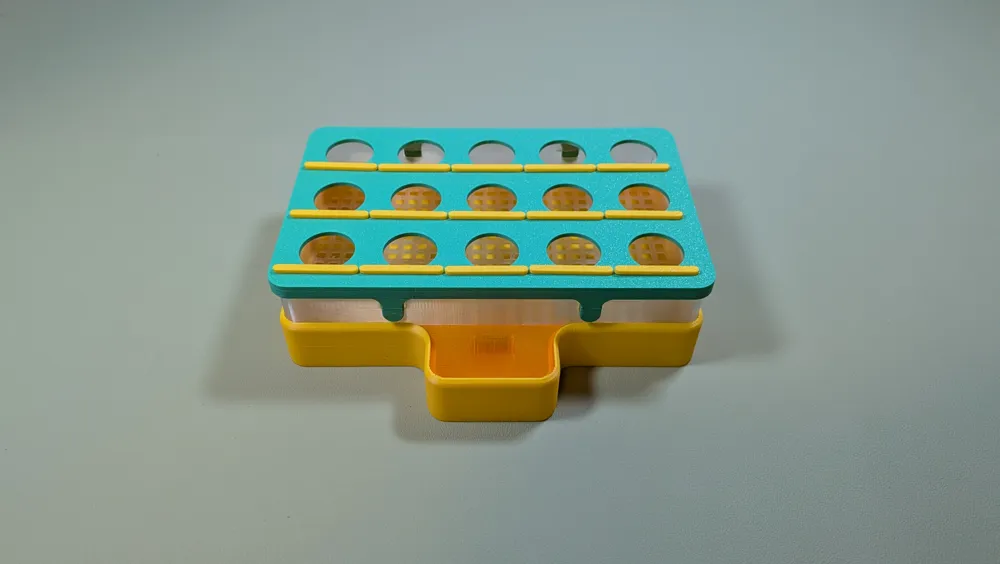
Modified the bracket to make it easier to print and less likely to break.
If you have already printed the model, the base has no changes.
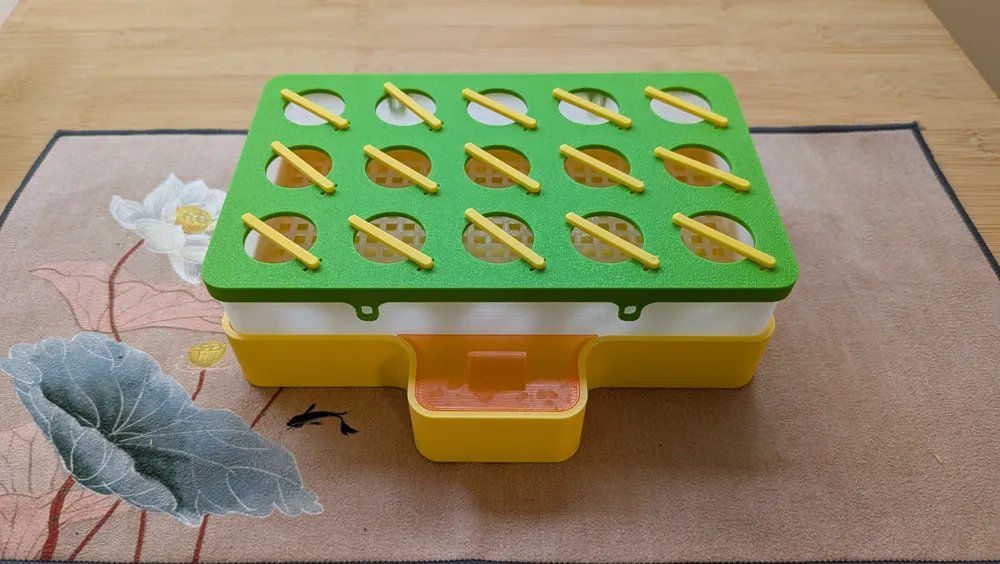
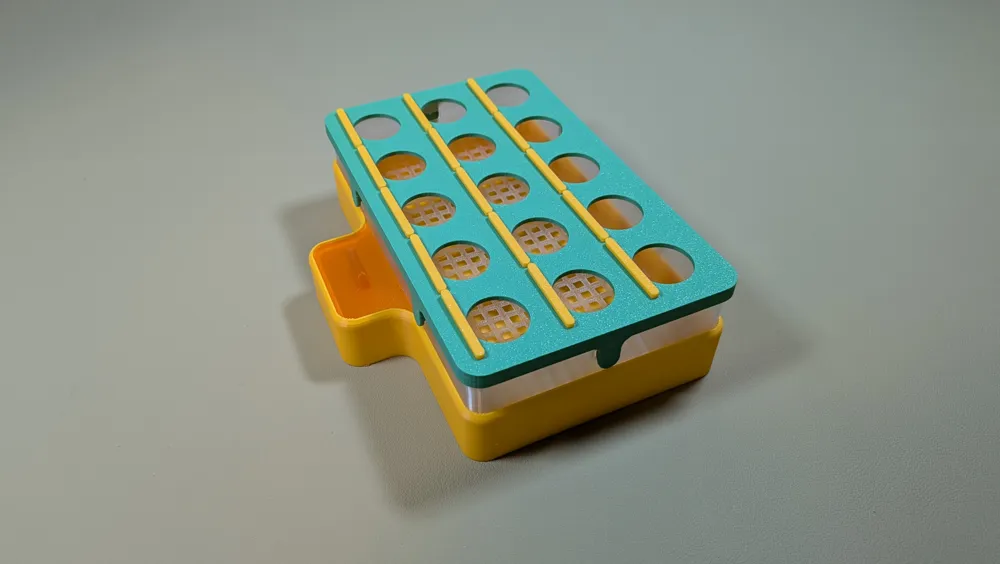
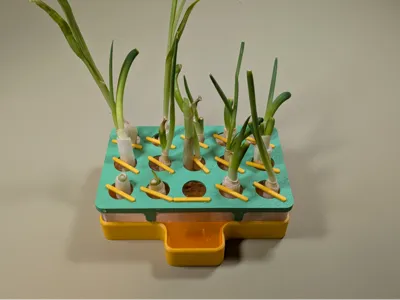
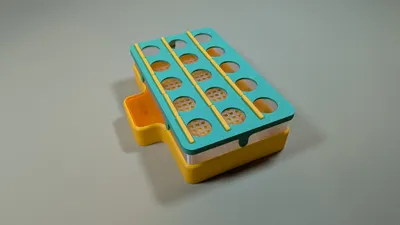
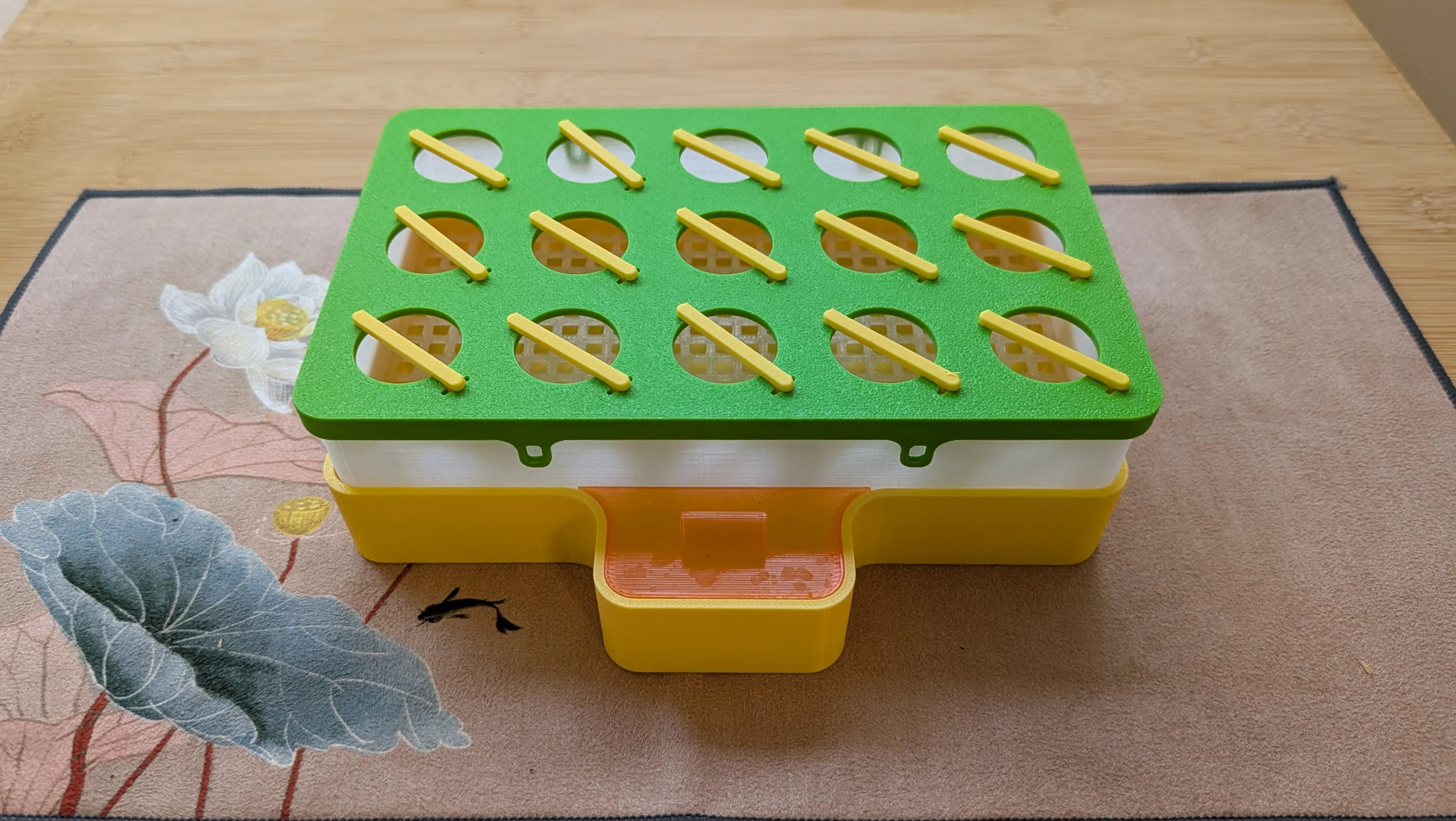
The picture below is printed using Bambu lab PETG HF green, yellow, and transparent.
=========
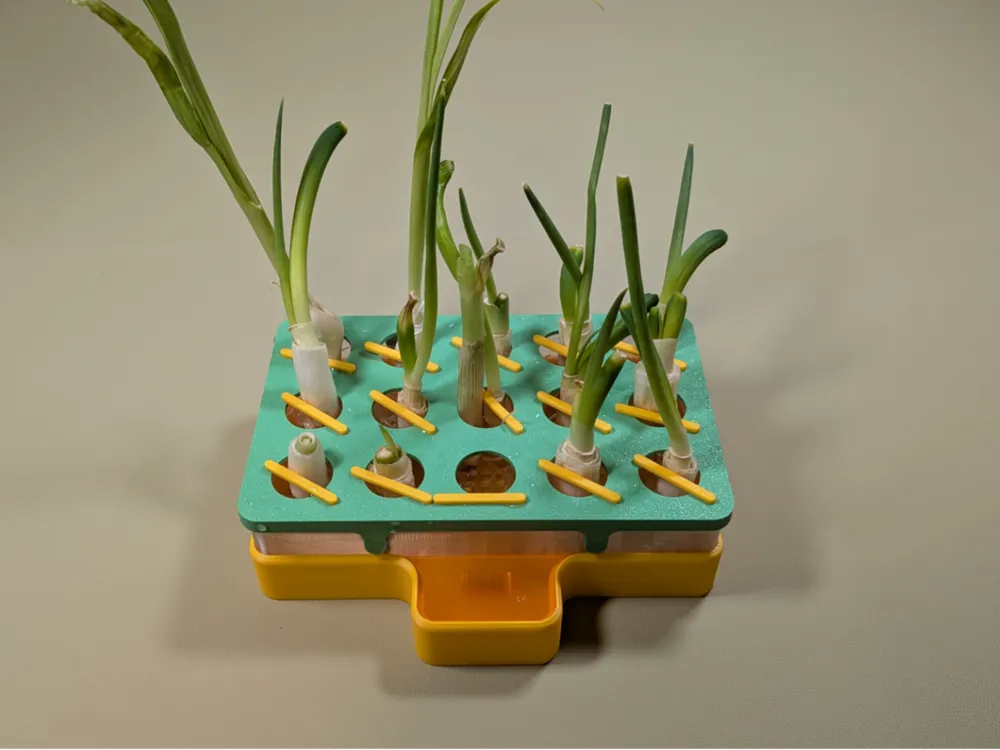
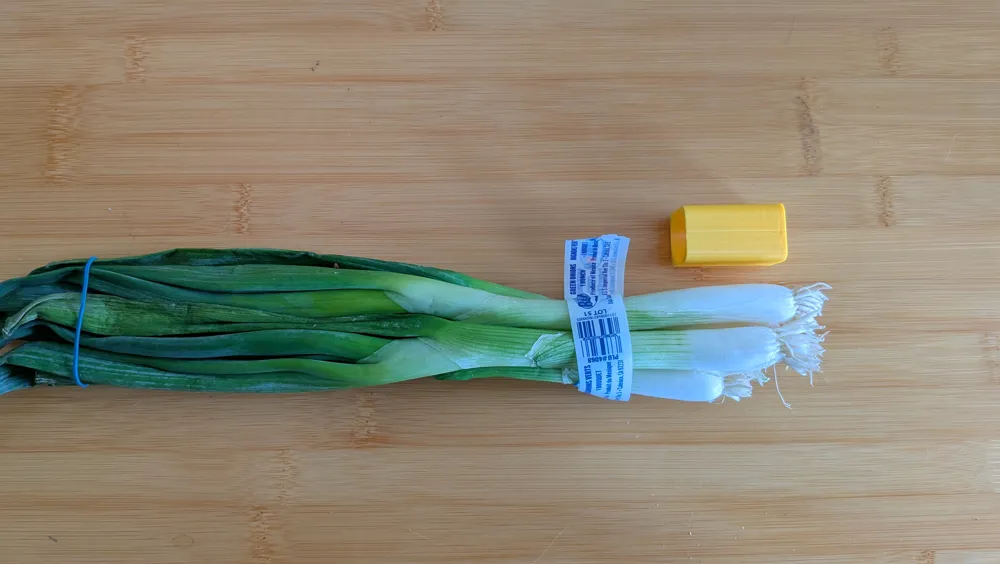
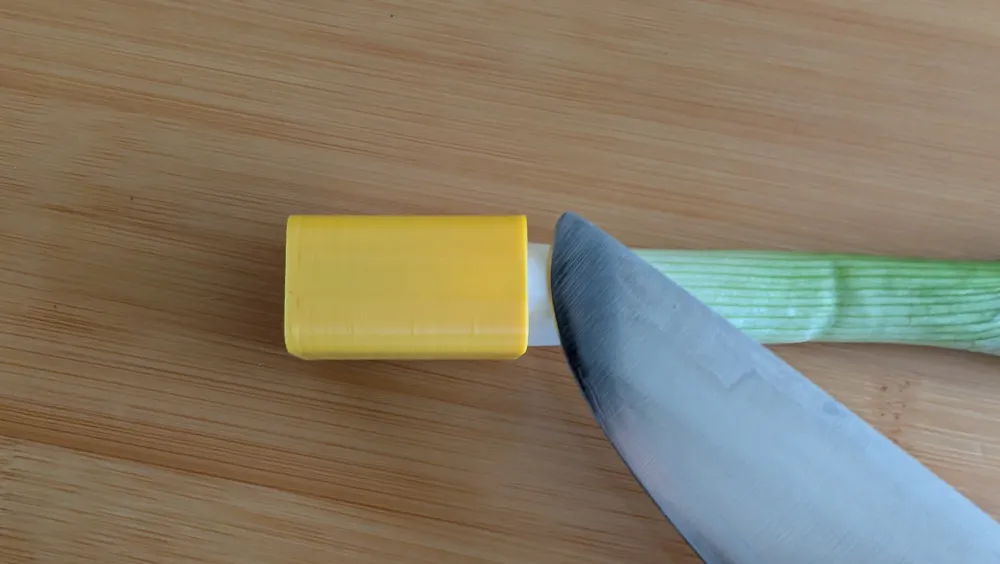
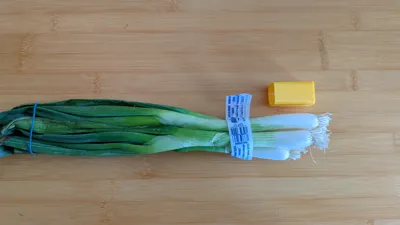
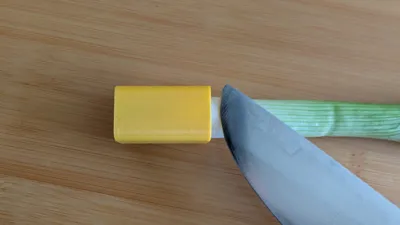
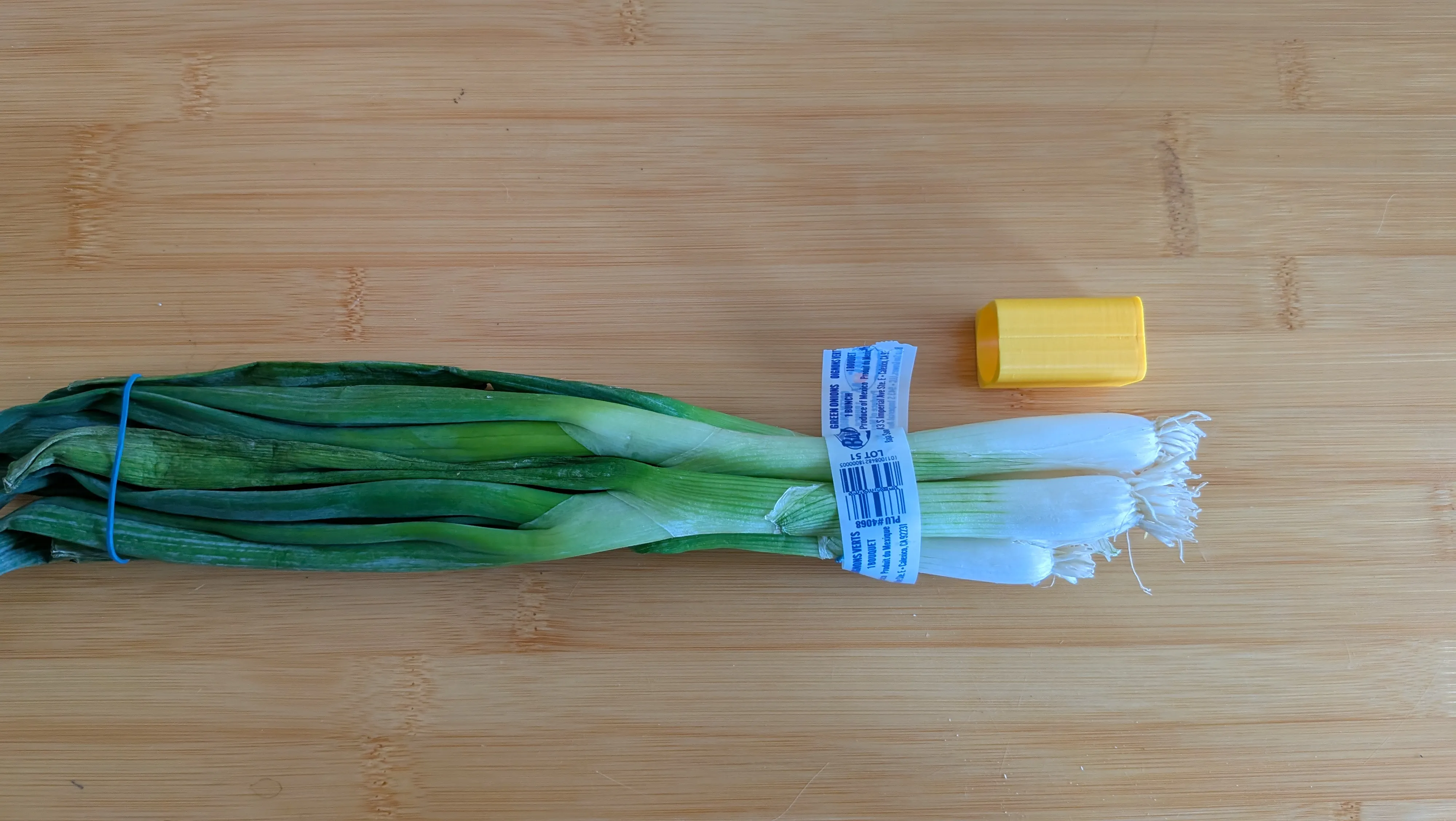
If you often buy green onions with roots in the supermarket, cut off their roots using the cutting template provided in this model, and then you can use this planter to replant them. In about two weeks, they will grow new edible stems and leaves.
Surprisingly, it also works for growing garlic. Just throw a clove of garlic into the planter. (Those two in the left top row in the picture are garlic)
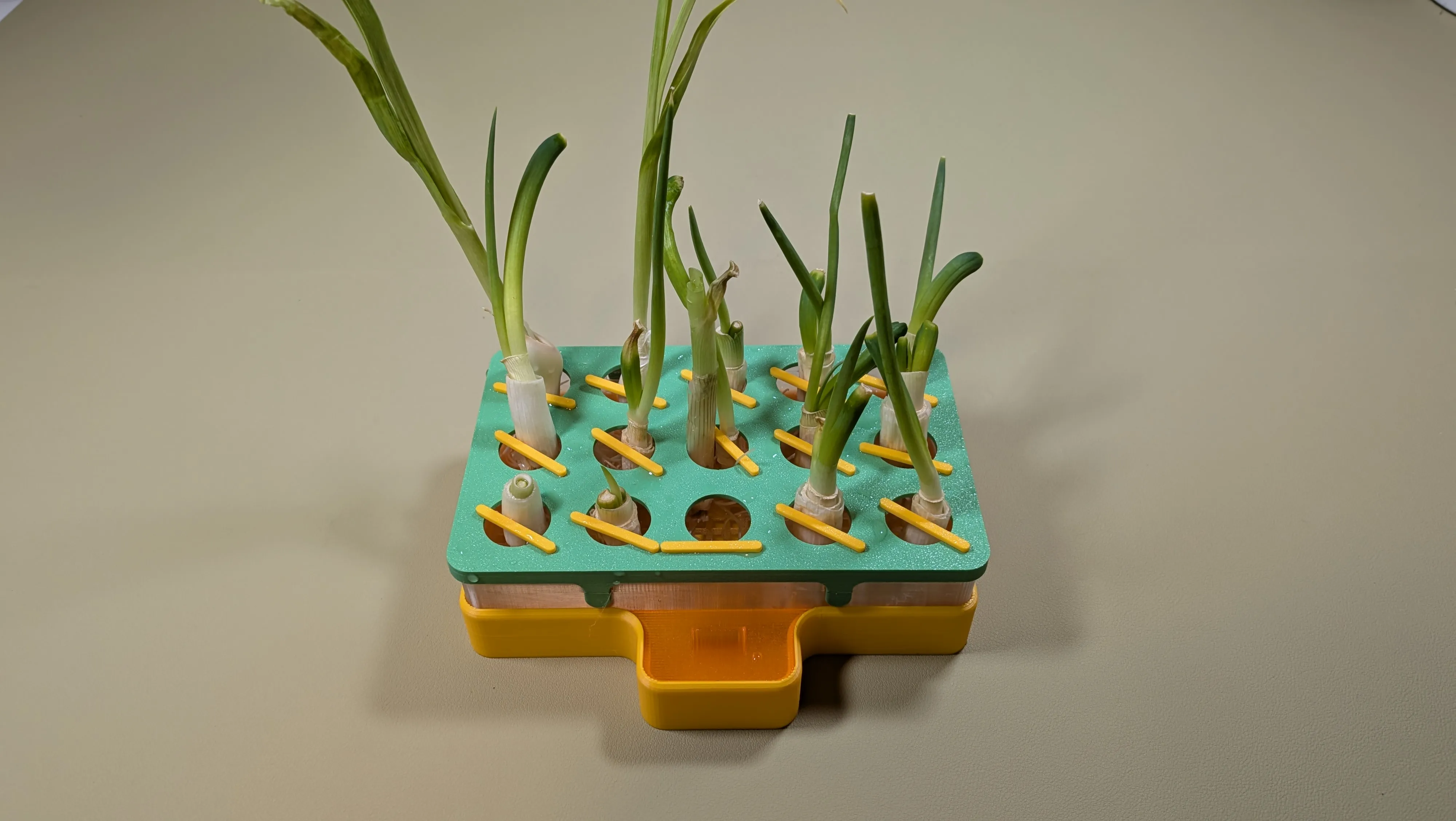
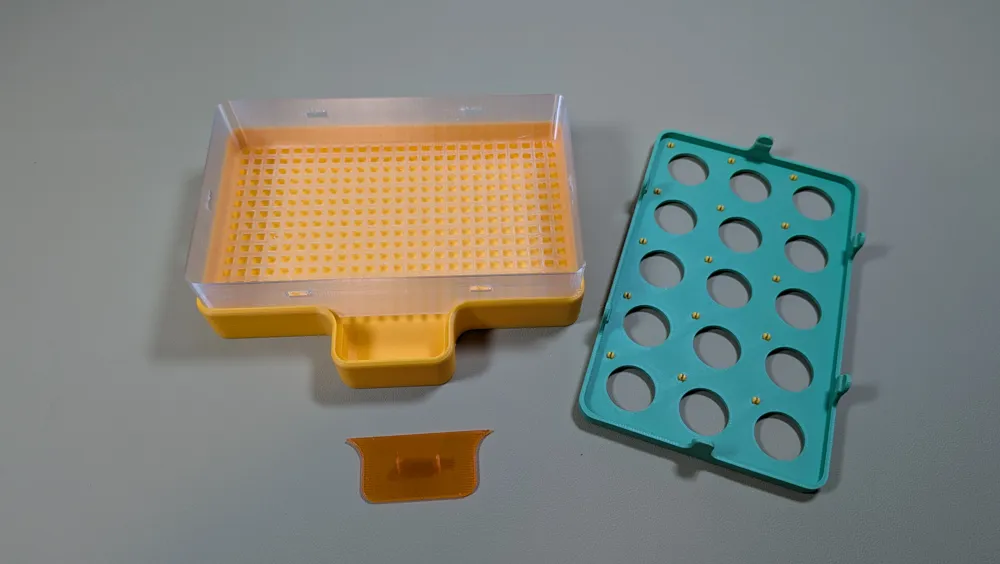
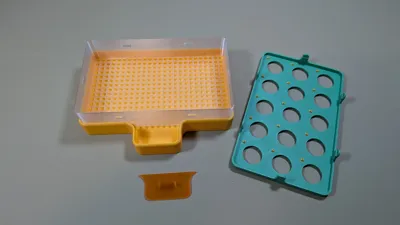
The yellow bracket on the top can help fix the stem when it is still thin, but allows the stem to push it back as it grows.
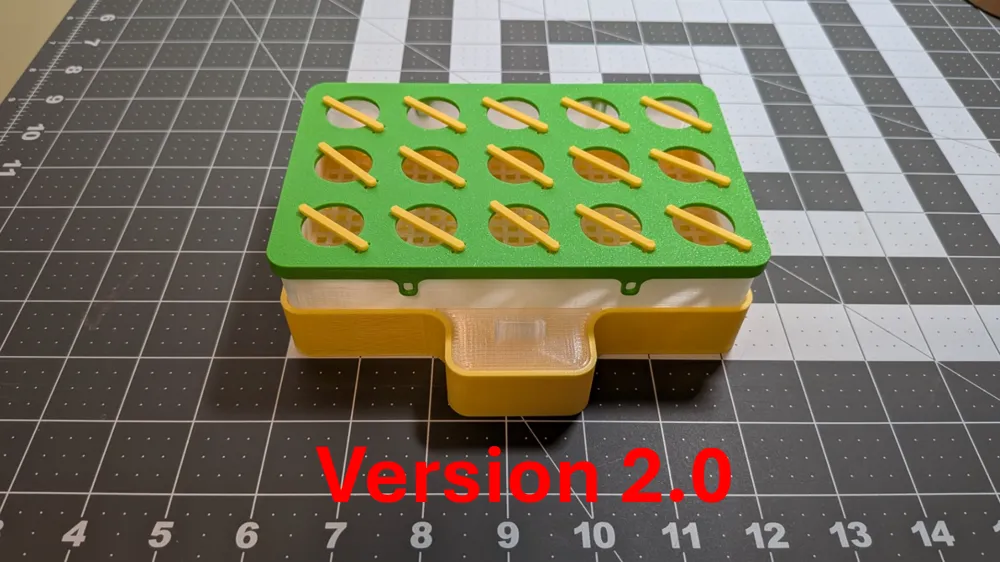
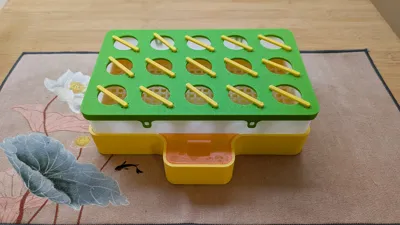
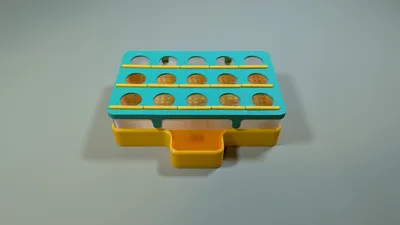
The water tank at the bottom can store enough water to support about a week without watering. The transparent part and the green cover on top can be removed together with the plants from the bottom part, which is convenient for changing water or cleaning the bottom water tank.
=== Update ===
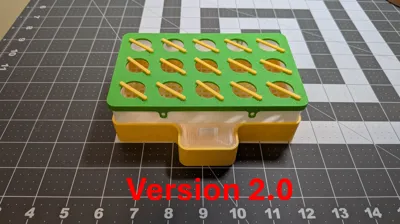
You may not need to do any special settings to print version 2.
I compared the results between different settings, including the Bambu-recommended ones, using a 0.8mm nozzle.
Since the wall is thin enough, the results are almost the same.
=== For old version ===
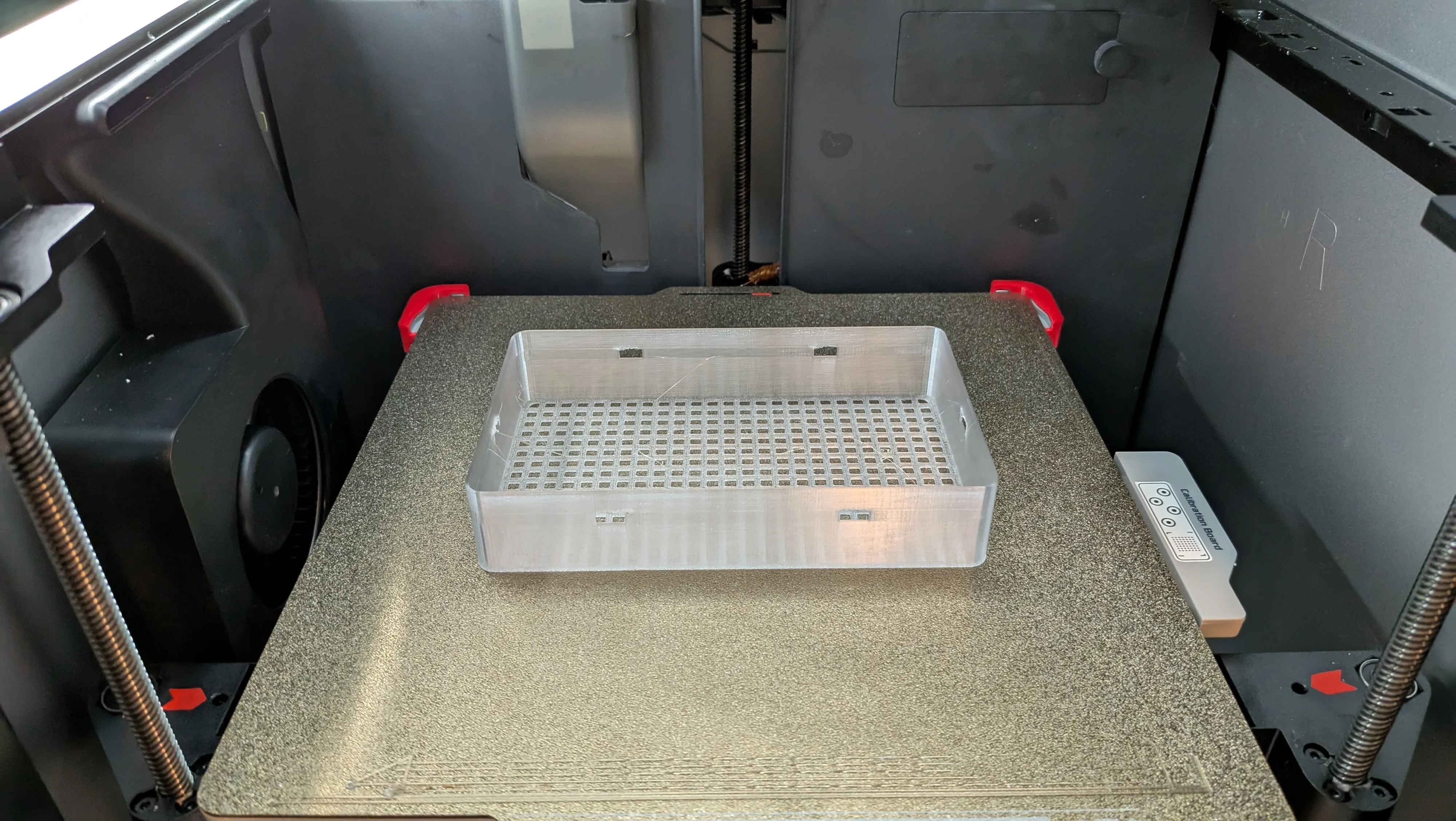
If you want to print parts that are as transparent as what is shown in the picture, please use Bambu Lab's Transparent PETG. And use the Bambu Lab recommended printing configuration. For more info, refer to this. https://wiki.bambulab.com/en/knowledge-sharing/transparent-petg
===
Other parts can be printed with PLA, unless you plan to use them outdoors, in which case you may also need to print with PETG. Printing the bottom part with PETG is also an option, as it must always be filled with water. In theory, this should make it more durable than PLA. (But I have one using PLA as base last for months now, no leaking yet)
Anyway, have fun, and do not forget to share your feedback and pictures!
License

You may create derivative works based on this object, provided that all such derivative works are published exclusively on the MakerWorld platform and include proper attribution to the original creator. You may not share, upload, host, distribute, or publish this object—or any derivative work of this object—on any other digital platform, marketplace, or distribution channel. Commercial use of this object and any derivative works is strictly prohibited. This includes, but is not limited to, selling, renting, sublicensing, or using the object in any context in which you receive monetary compensation or other financial benefits.


Comment & Rating (32)