
EDC-Friendly Lightweight Utility Knife
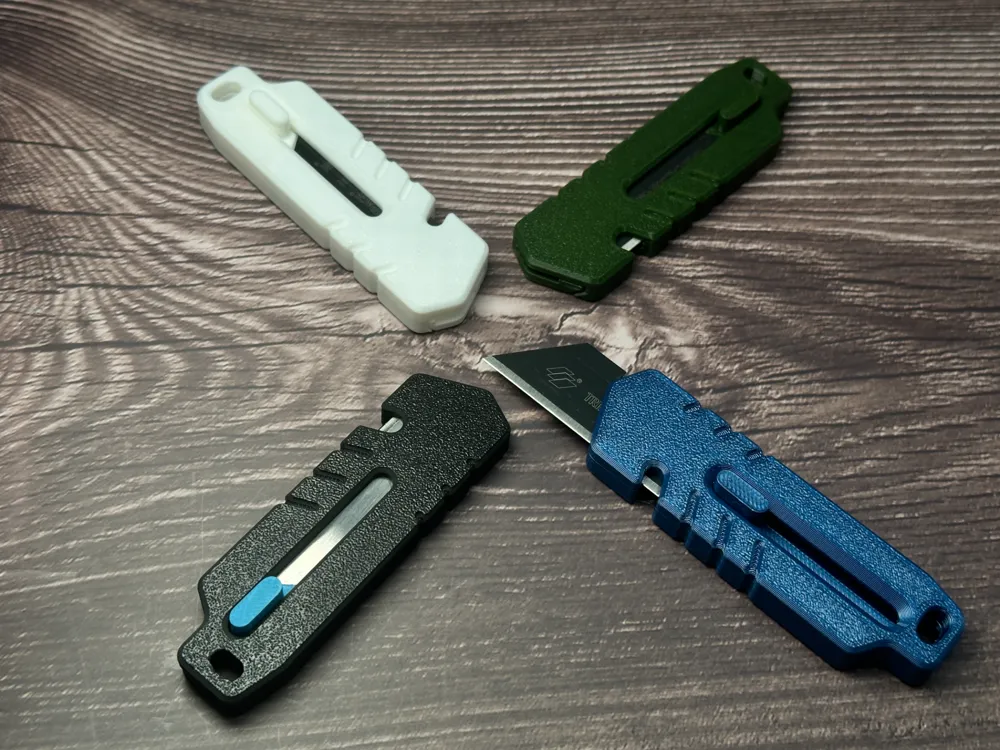
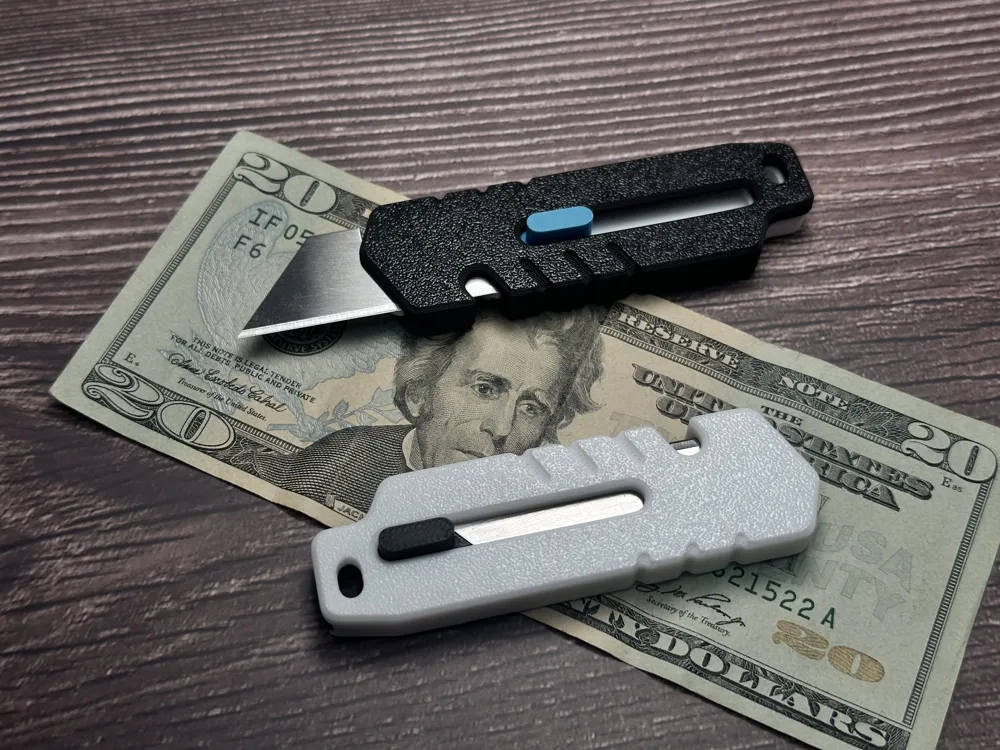
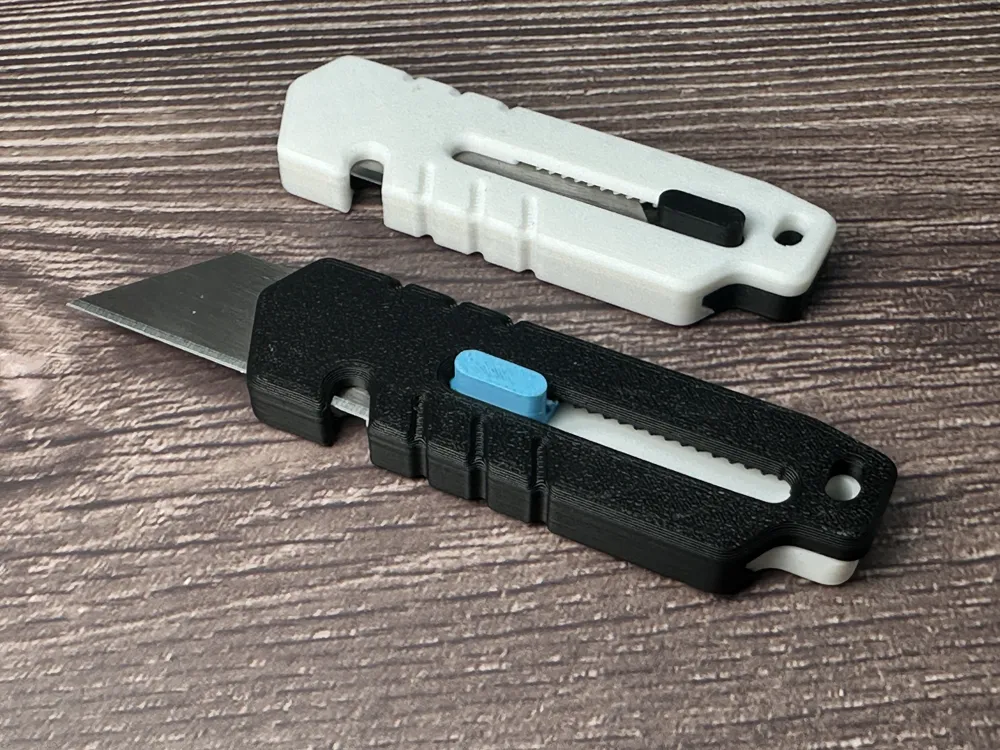
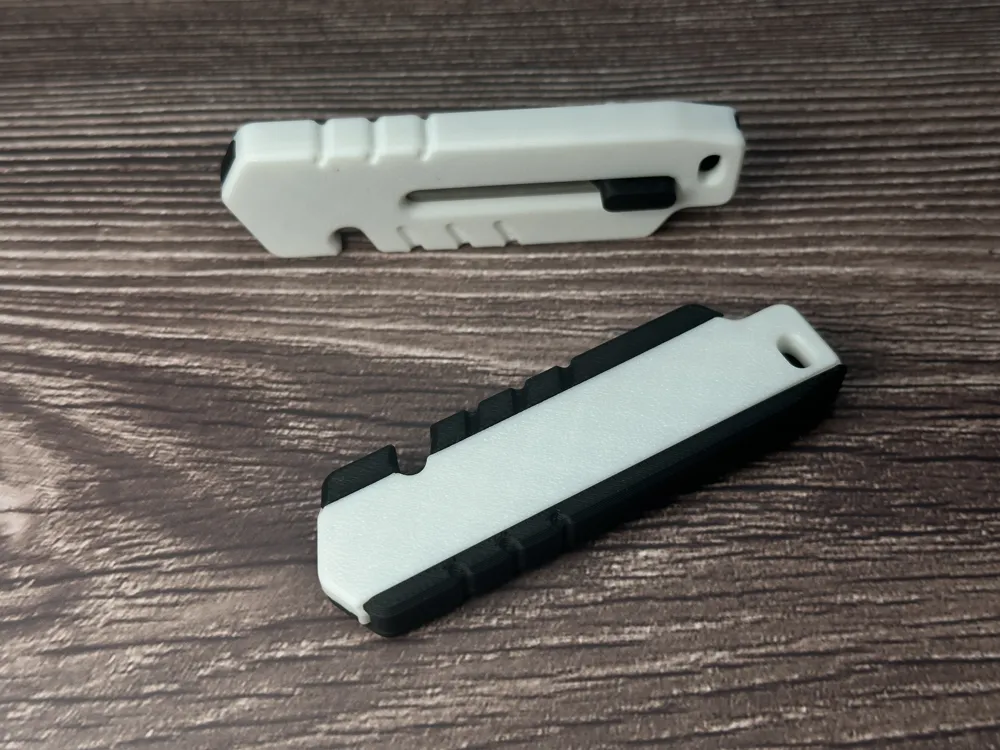
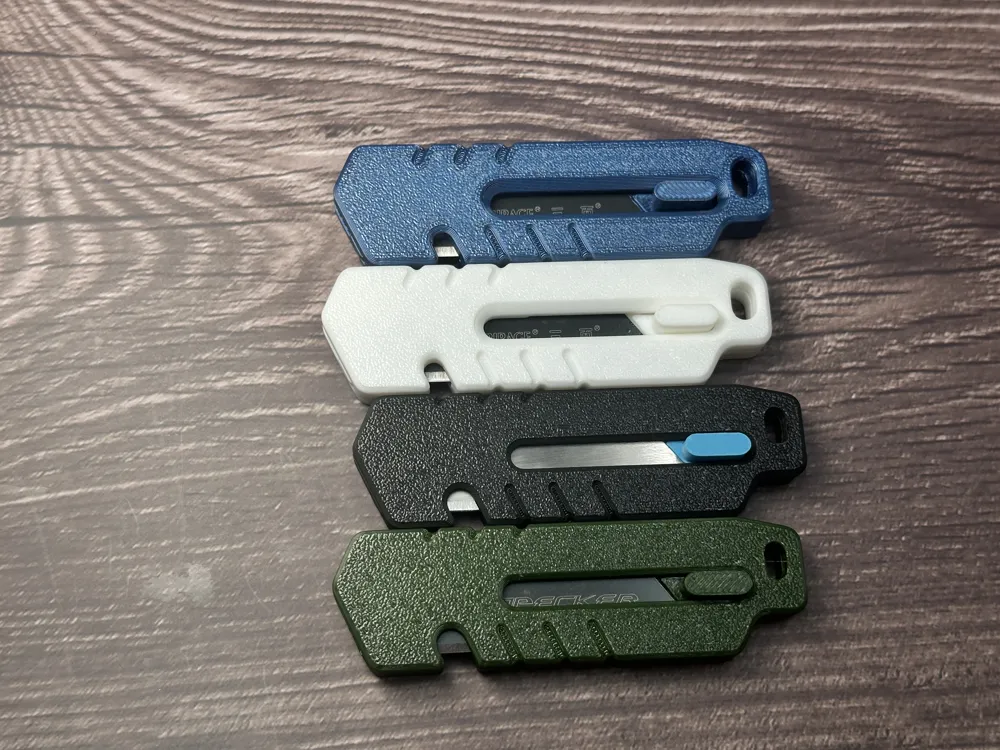
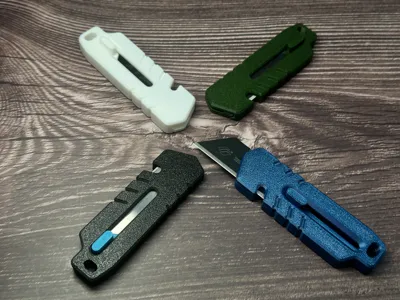
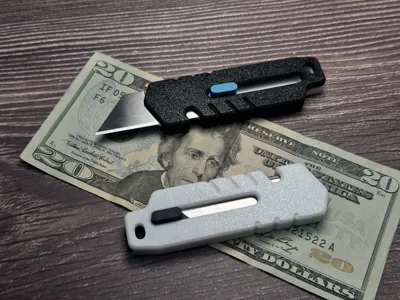
Print Profile(6)


Description
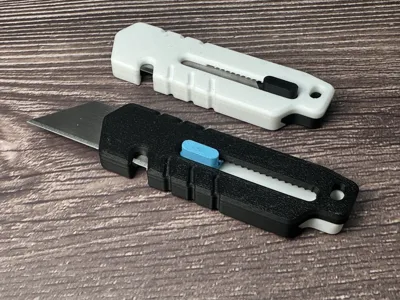
This is a high-precision model designed to achieve controlled blade deployment resistance within minimal spatial constraints, while generating crisp mechanical feedback (audible "click" engagement).
No supports required
Tool-free, glue-free, hardware-free assembly (1-minute completion)
Design Concept:
As part of a series of utility knife designs, this version prioritizes:
Ultralight portability (pocket-ready dimensions)
Slider button depresses resistance rack for smooth blade extension
Rack spring force provides secure retention
Update: New Optional Version - Reinforced Edition
(Detailed changelog at end)
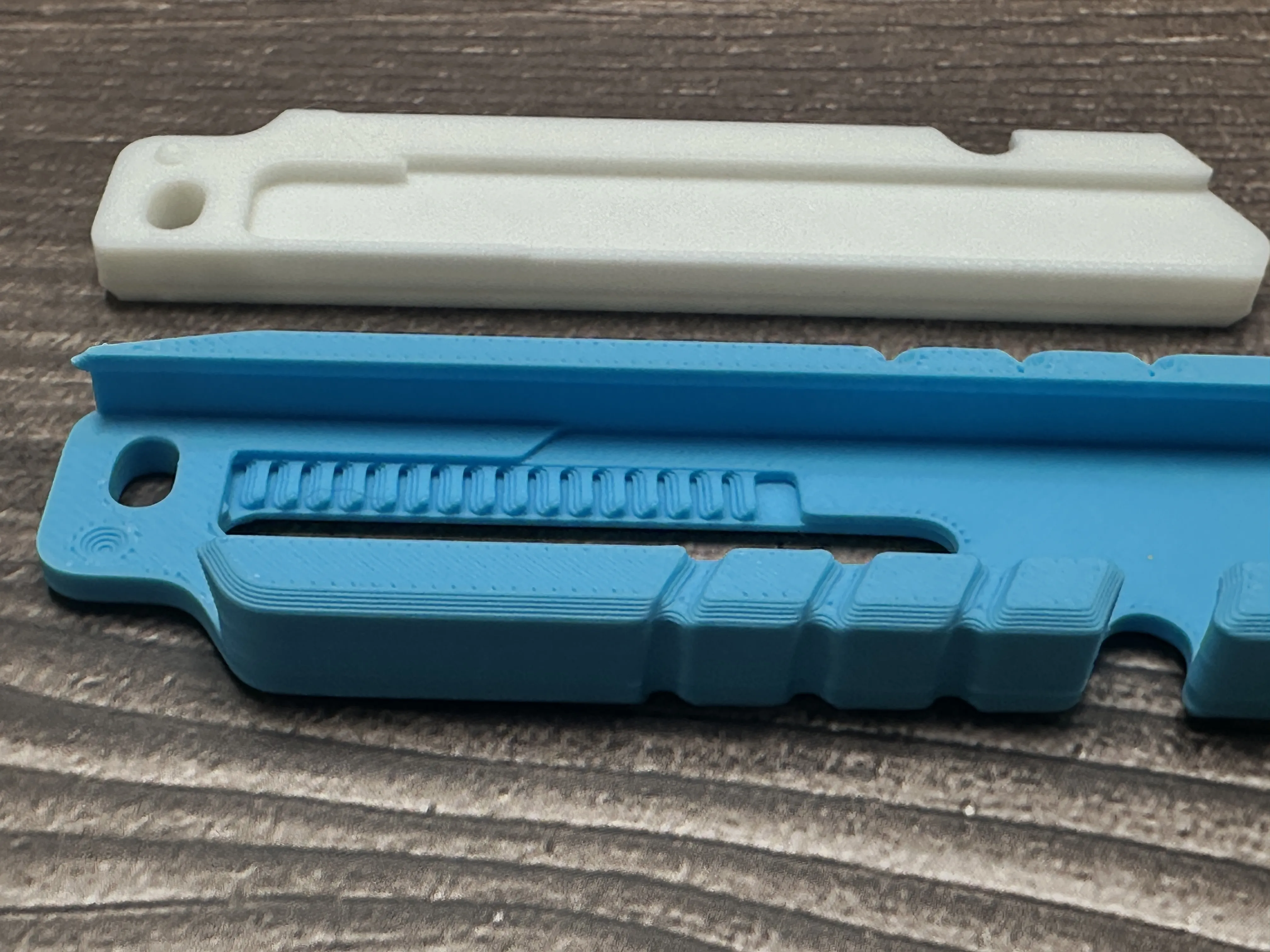
Secondary cutting function (cord-cutting notch on blade spine in stored position,⌀4mm)
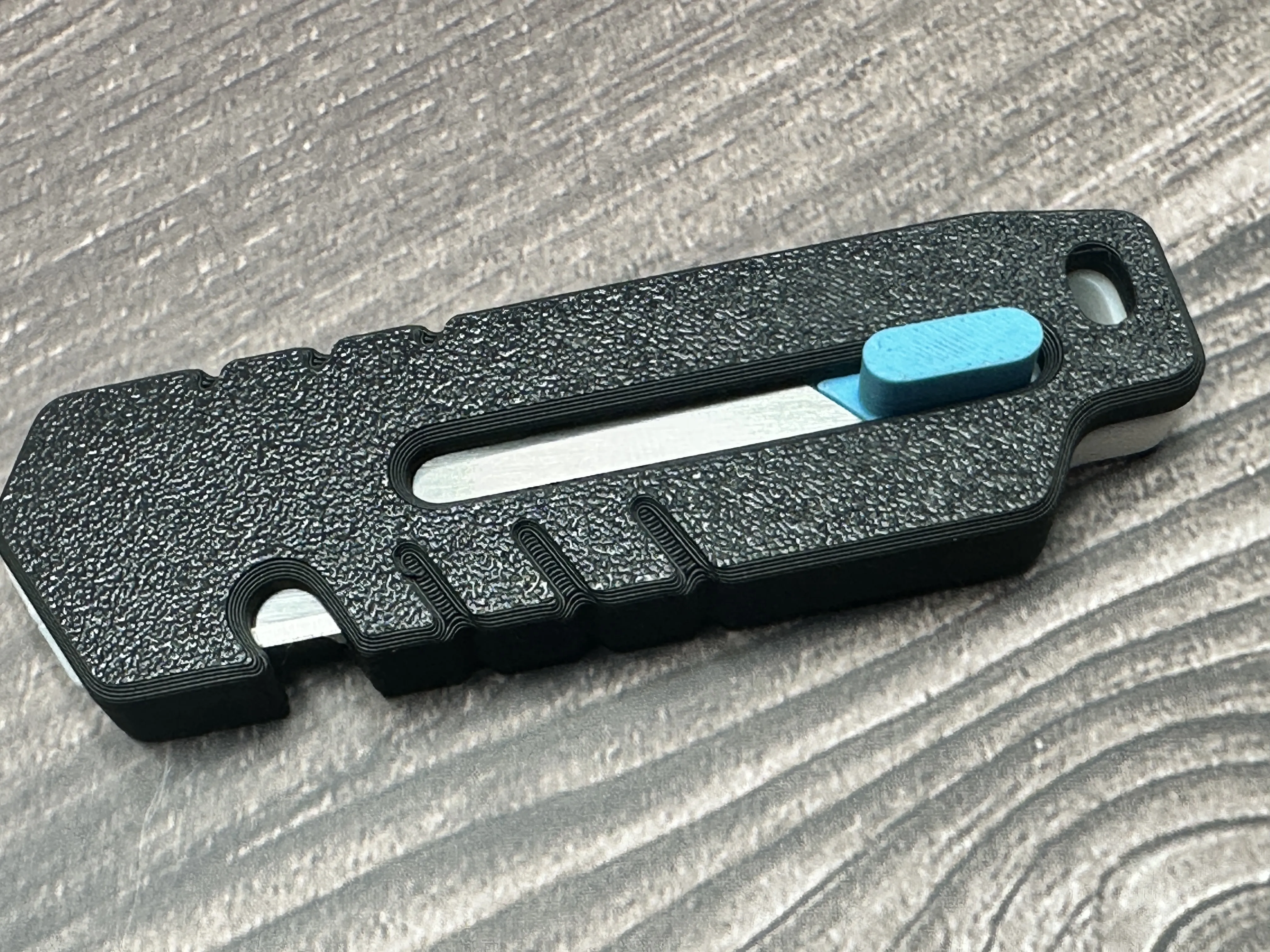
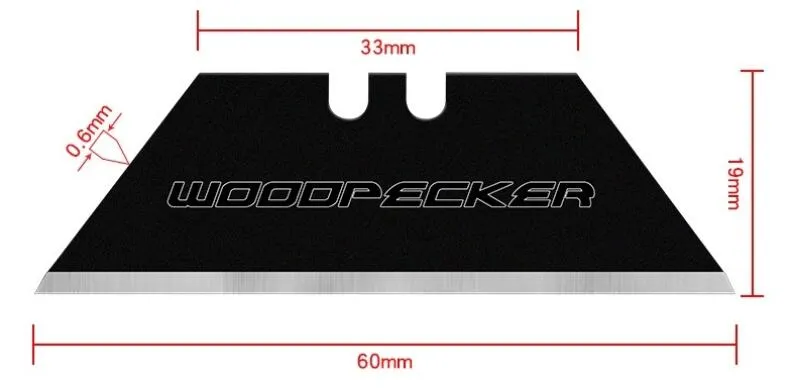
Print Tolerance Specifications: 0.12
The internal elastic structure pushes the small gear into contact with the rack, allowing tolerance compensation.
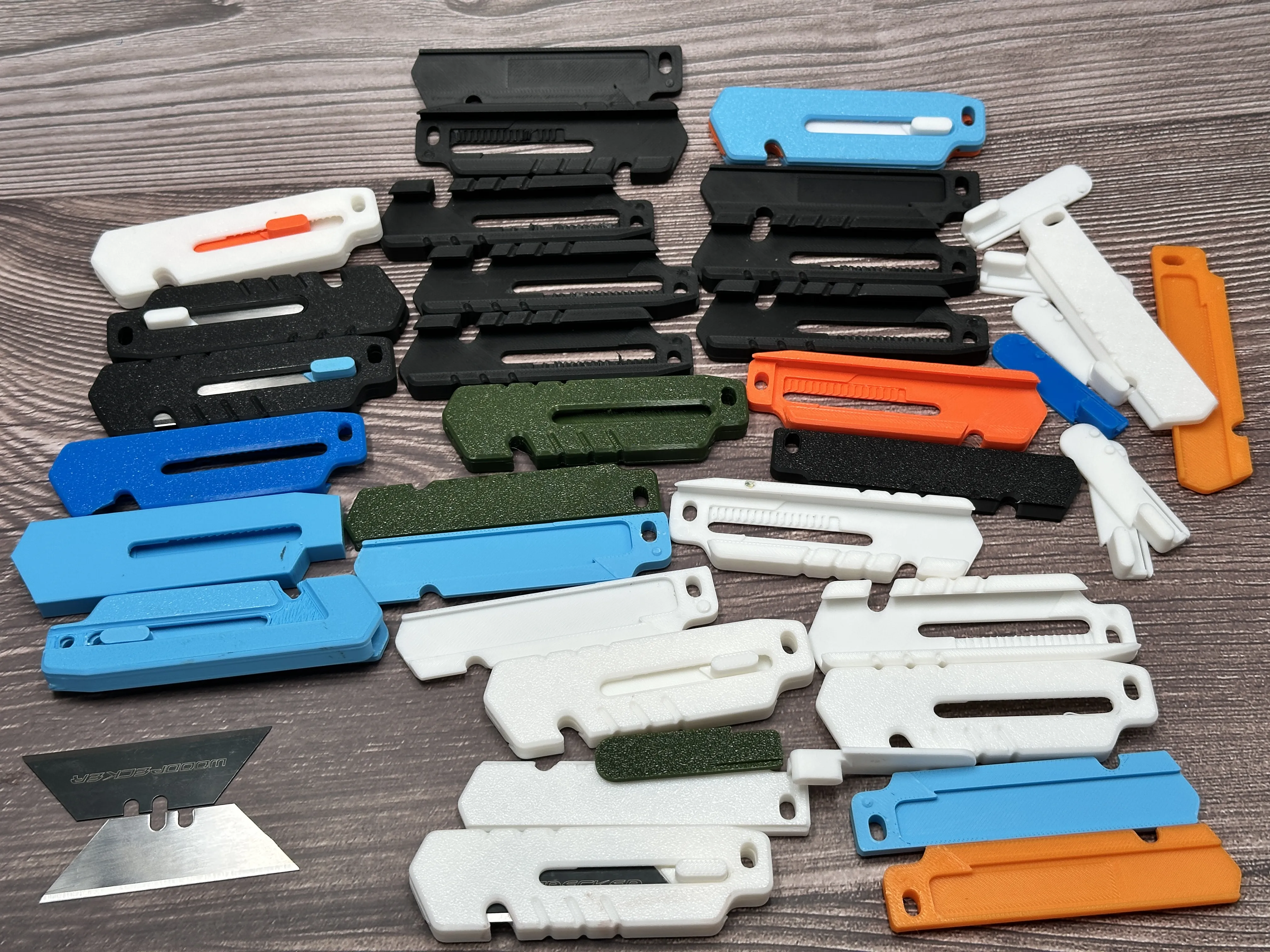
After completing the design work, I have printed over a dozen units and gifted them to family and friends.
Critical Safety Notice:
⚠️ Structural limitations:
Strictly not suitable for heavy-duty tasks
No positive blade lock (constant thumb pressure required during cutting)
Assembly Guide:
The utility knife in the video was printed with PETG material, resulting in a slightly tighter fit during assembly compared to PLA. Recommend using PLA for optimal results.
Critical Safety Reminder:
Exercise extreme caution during assembly to protect fingers. Today, after assembling/disassembling the knife over 30 times, I sustained a finger injury.
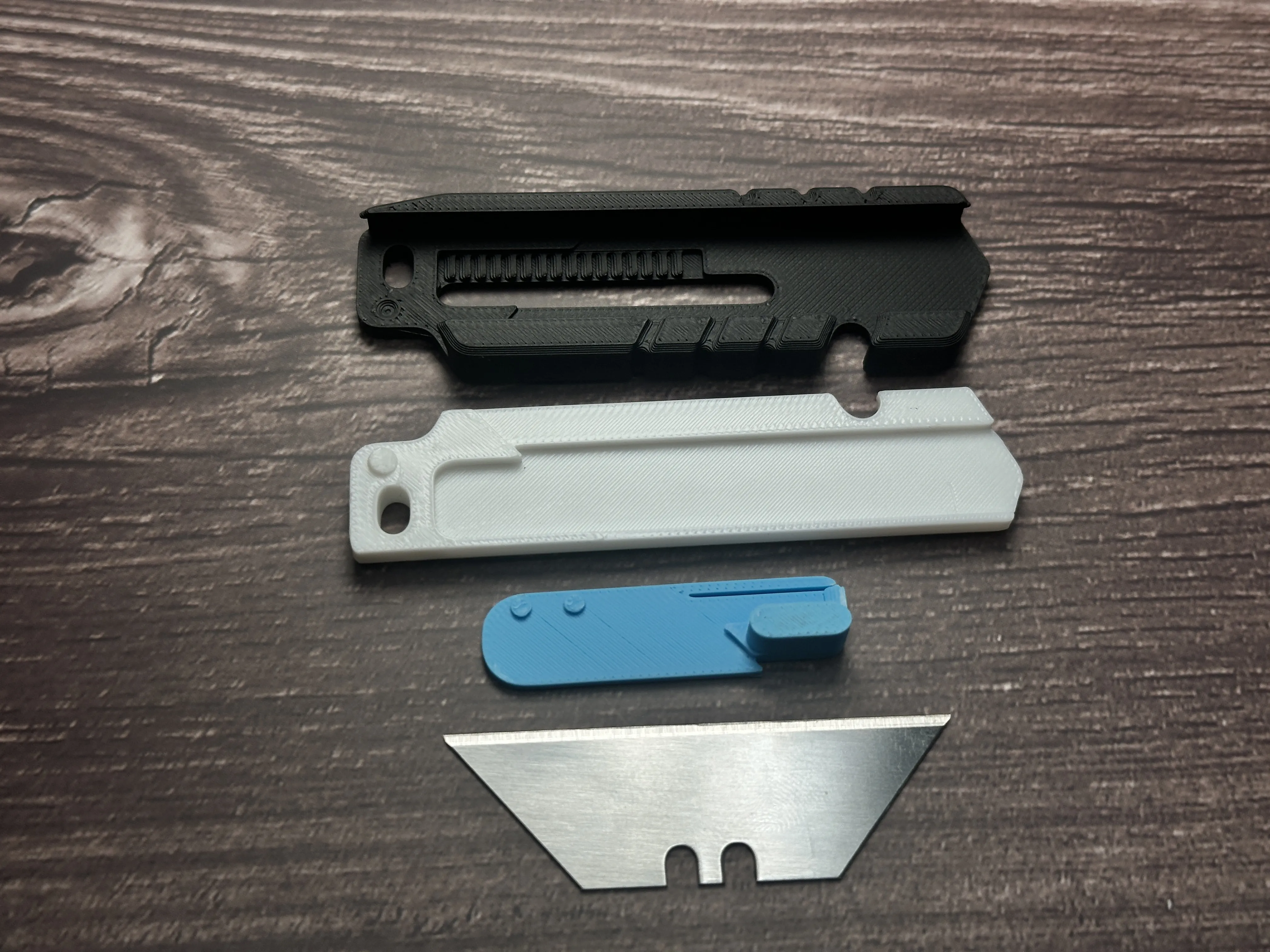
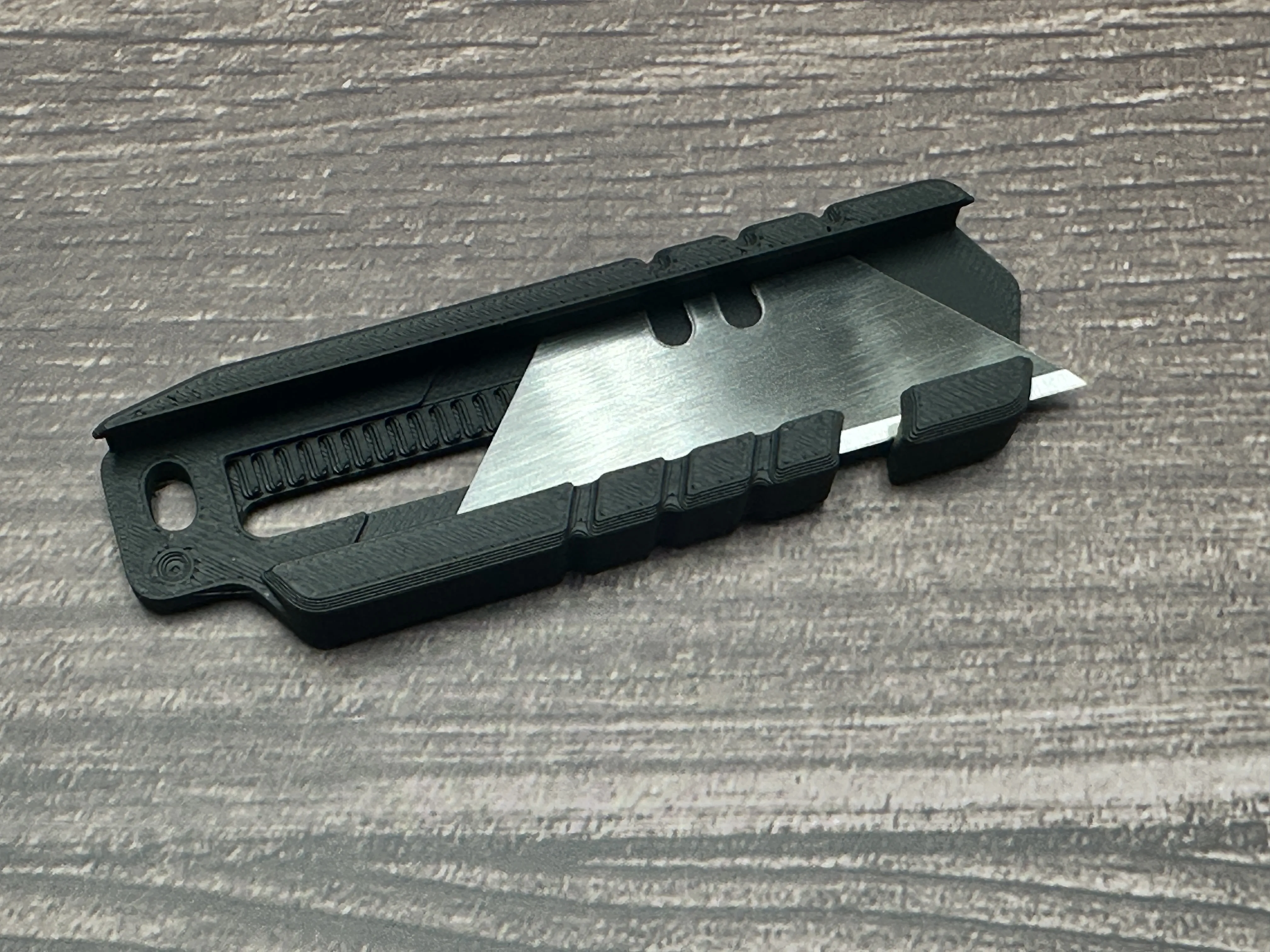
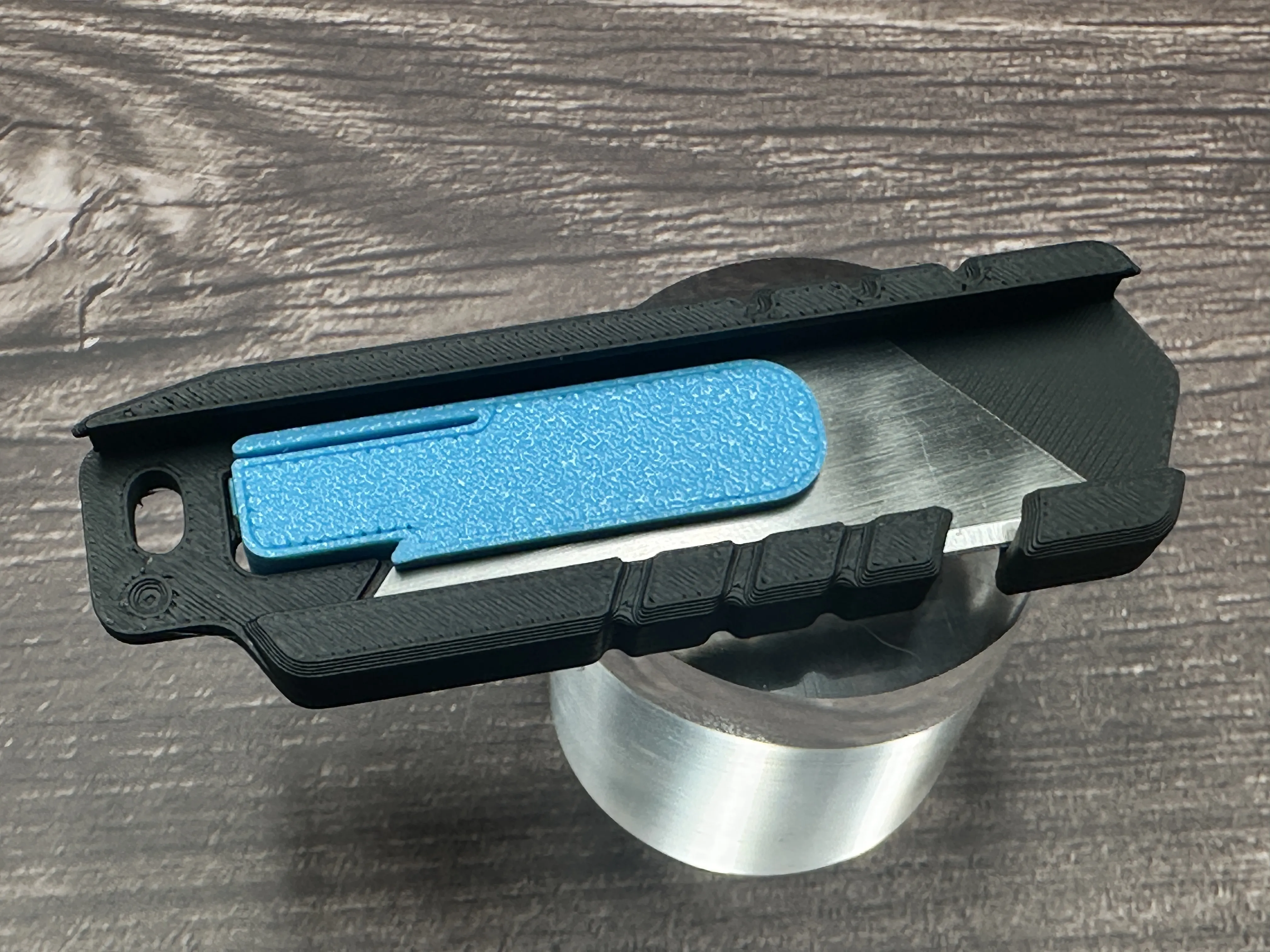
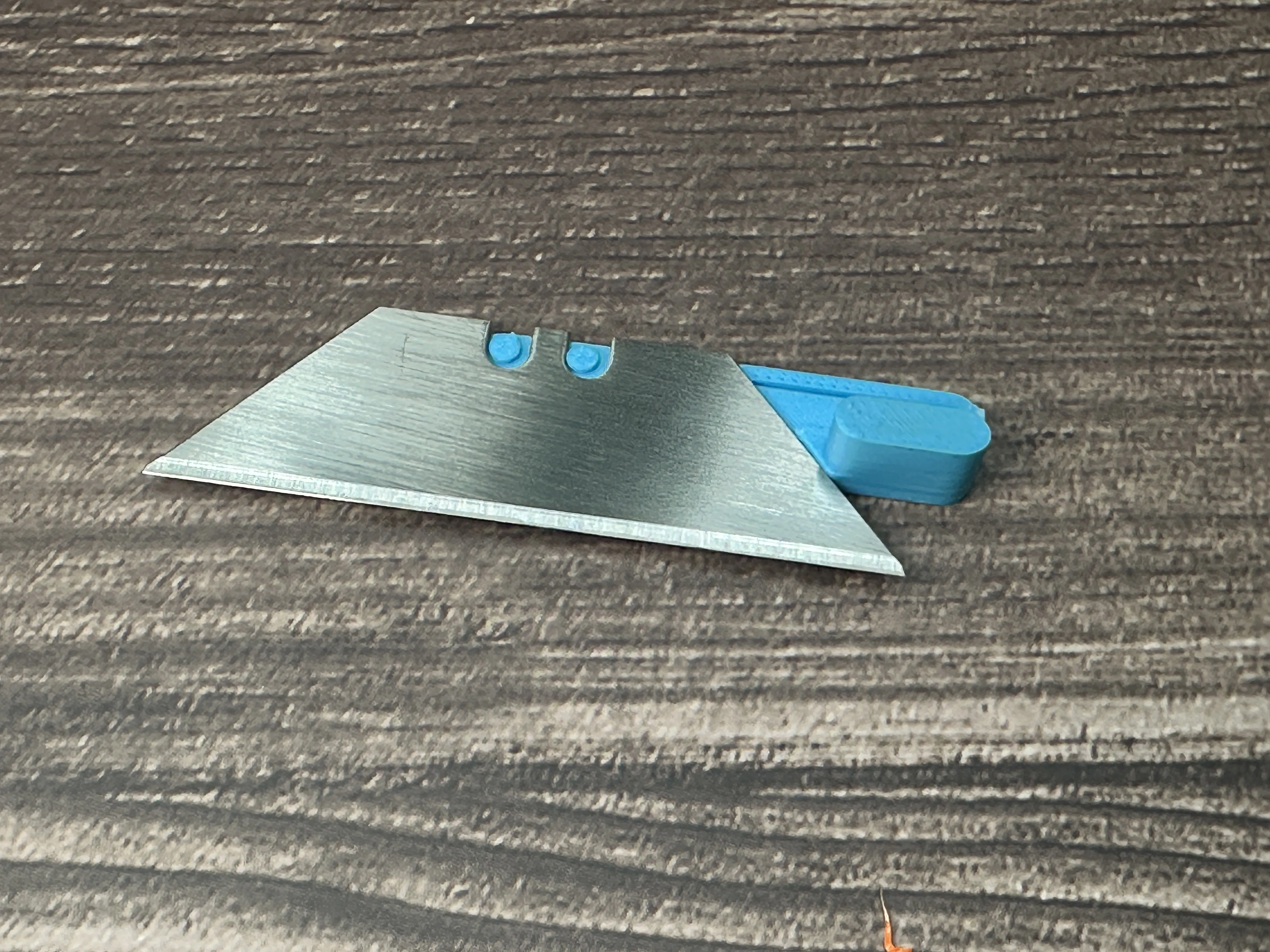
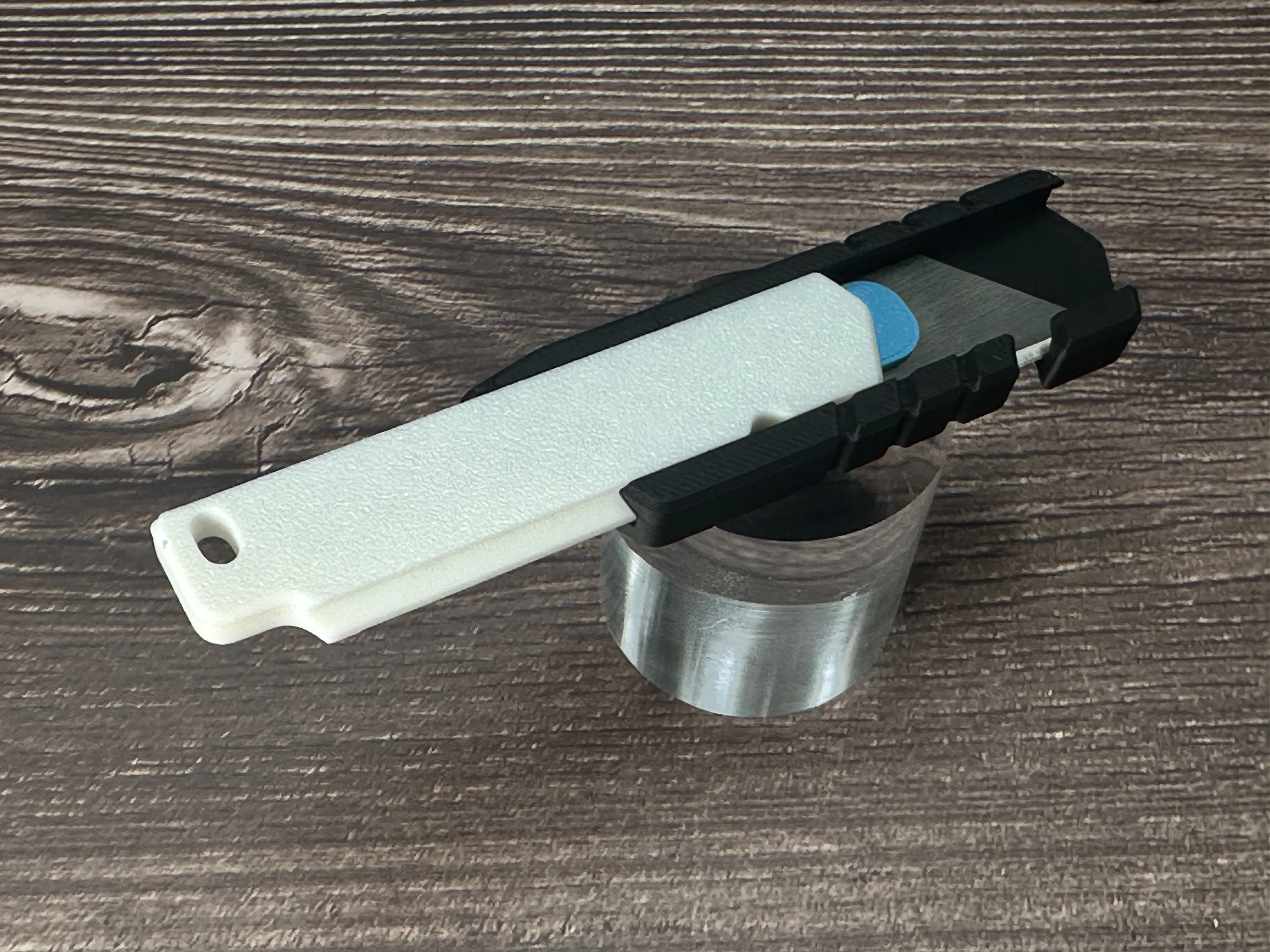
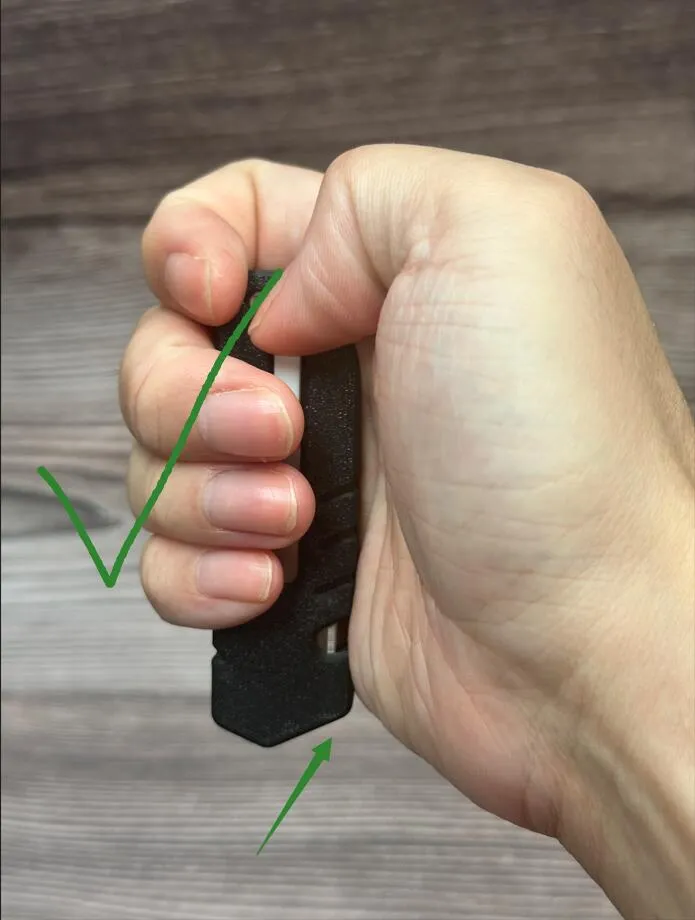
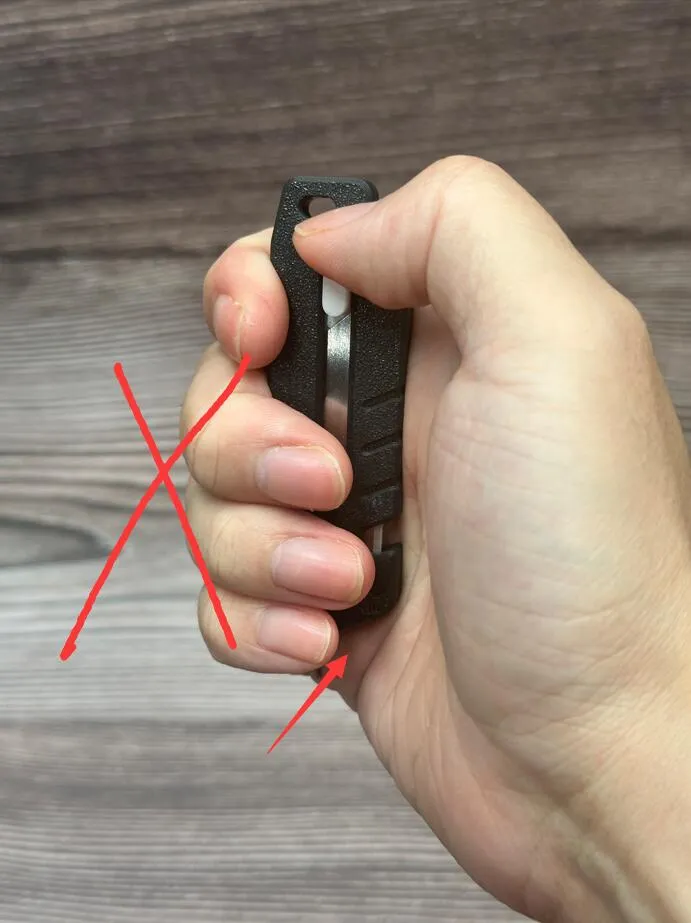
Ensure proper hand positioning during initial forceful blade deployment.
| 
|
Reinforced Edition-Modifications Summary:
Enhanced Blade Clamping Mechanism
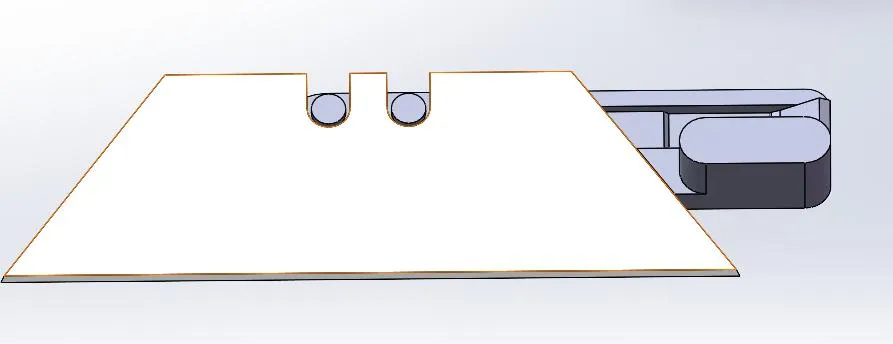
Slim Edition |
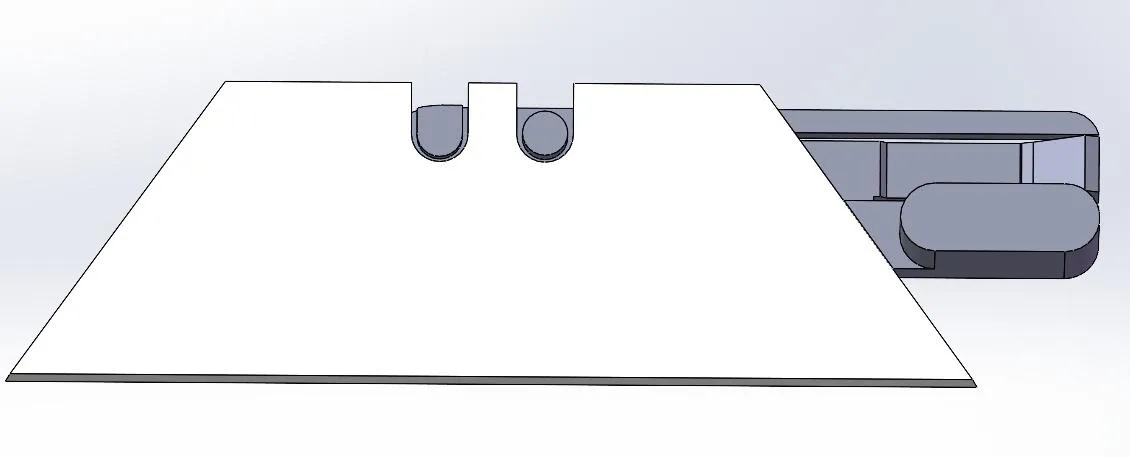
Reinforced Edition |
Structural Upgrades
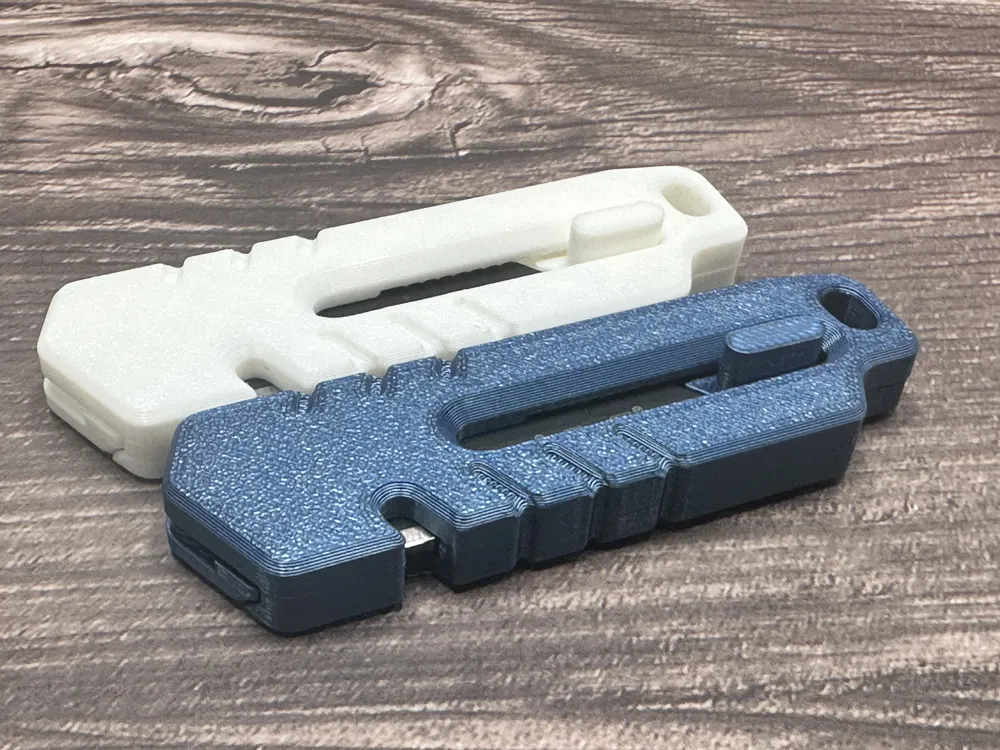
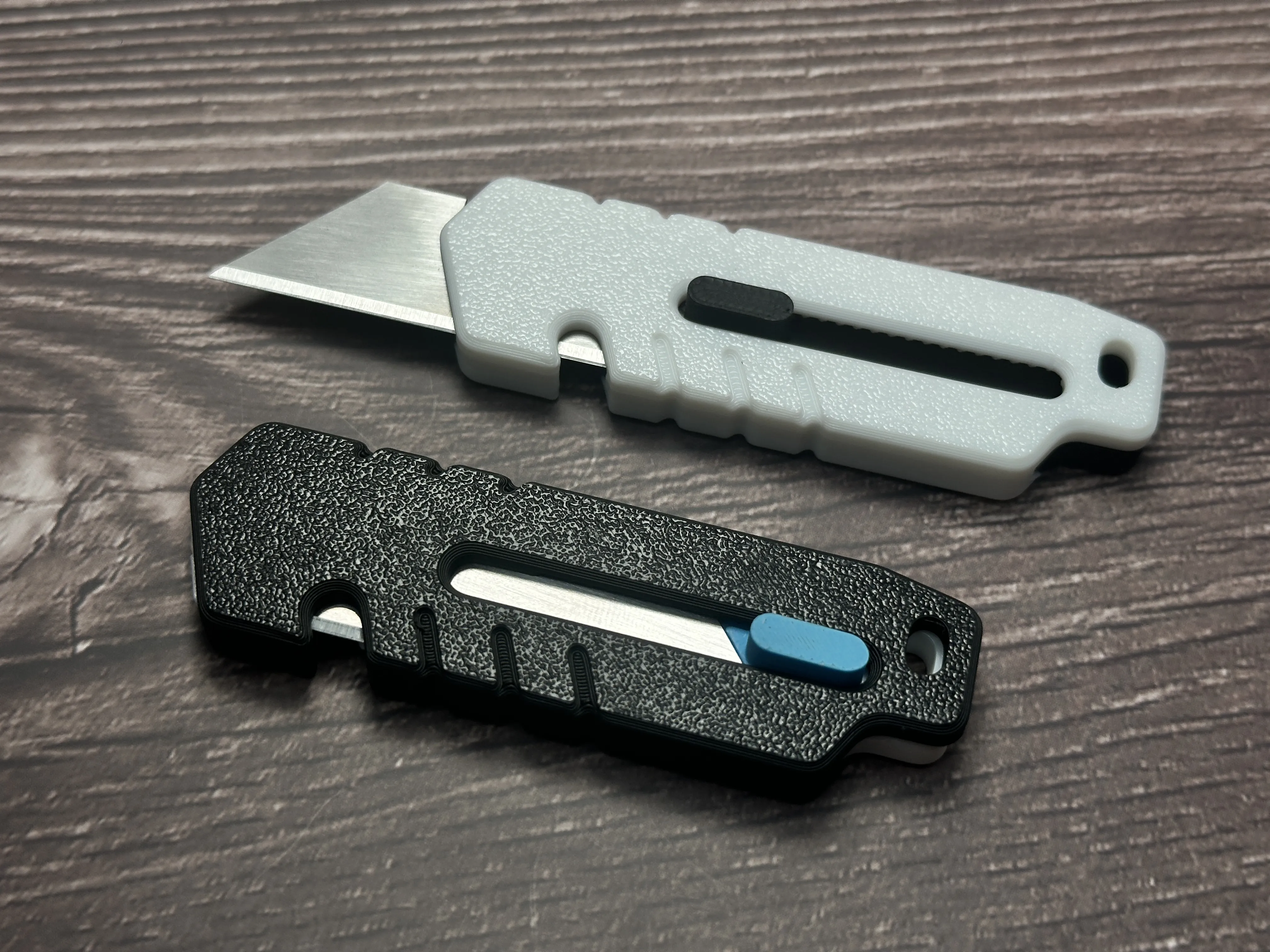
Overall thickness increased by 1.5mm
Side cutting groove narrowed 0.5mm (safety optimization)
Blade Tolerance Adjustment
Max compatible blade thickness: MAX 0.75mm
Recommended for users experiencing overtightness in previous version
Ergonomic Refinements
Lanyard hole enlarged
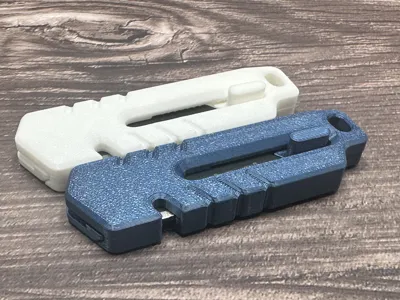
Surface contour (see diagram comparisons)
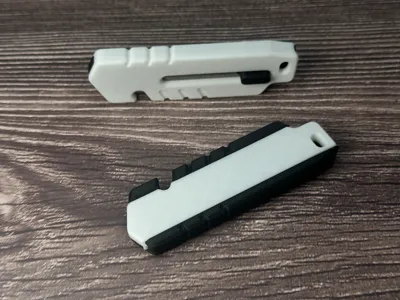
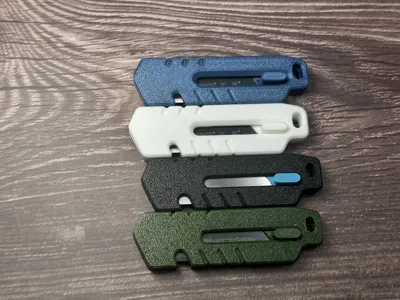
The blue and white components are the Reinforced Edition.
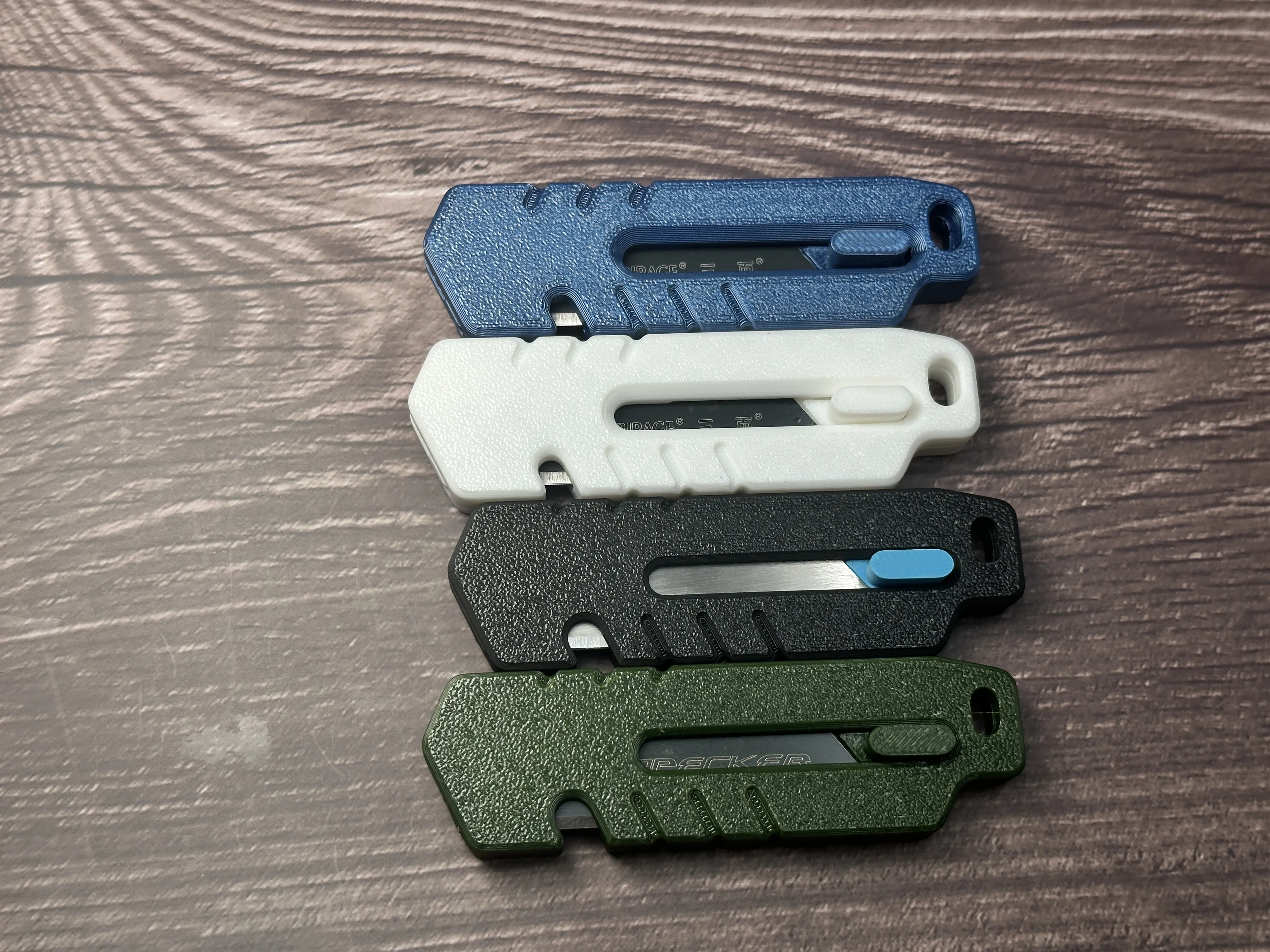
This design isn't perfect. Its core concept uses minimal components and compact structure to achieve specific functions I desired, including audible mechanical feedback clicks and proper blade deployment resistance.
From the initial 0.05mm clearance, I've revised two versions. The current tolerance has been increased to 0.12mm. Honestly, this adjustment weakened the tactile feedback on my printer, though it remains acceptable. I'm reluctant to further increase tolerance, and must admit this model isn't suitable for everyone - some users still report blade deployment issues.
I realize global blade dimensions likely vary slightly, compounded by printer and material shrinkage rate differences, making universal satisfaction impossible.
New utility knife designs are forthcoming (yes, I have an entire series planned). They'll feature distinct characteristics, including one with similar style/functionality but greater tolerance allowances. I aim to improve in future iterations.
Critical Reminder:
Exercise utmost caution to maintain hand positioning clear of the blade exposure zone during this procedure.
When blades are worn out, do not discard directly in trash bins to prevent potential hazards for waste management personnel.
While the printed blade holder allows blade replacement via disassembly, it is recommended to reprint a new holder with each blade replacement to ensure continued safety integrity.
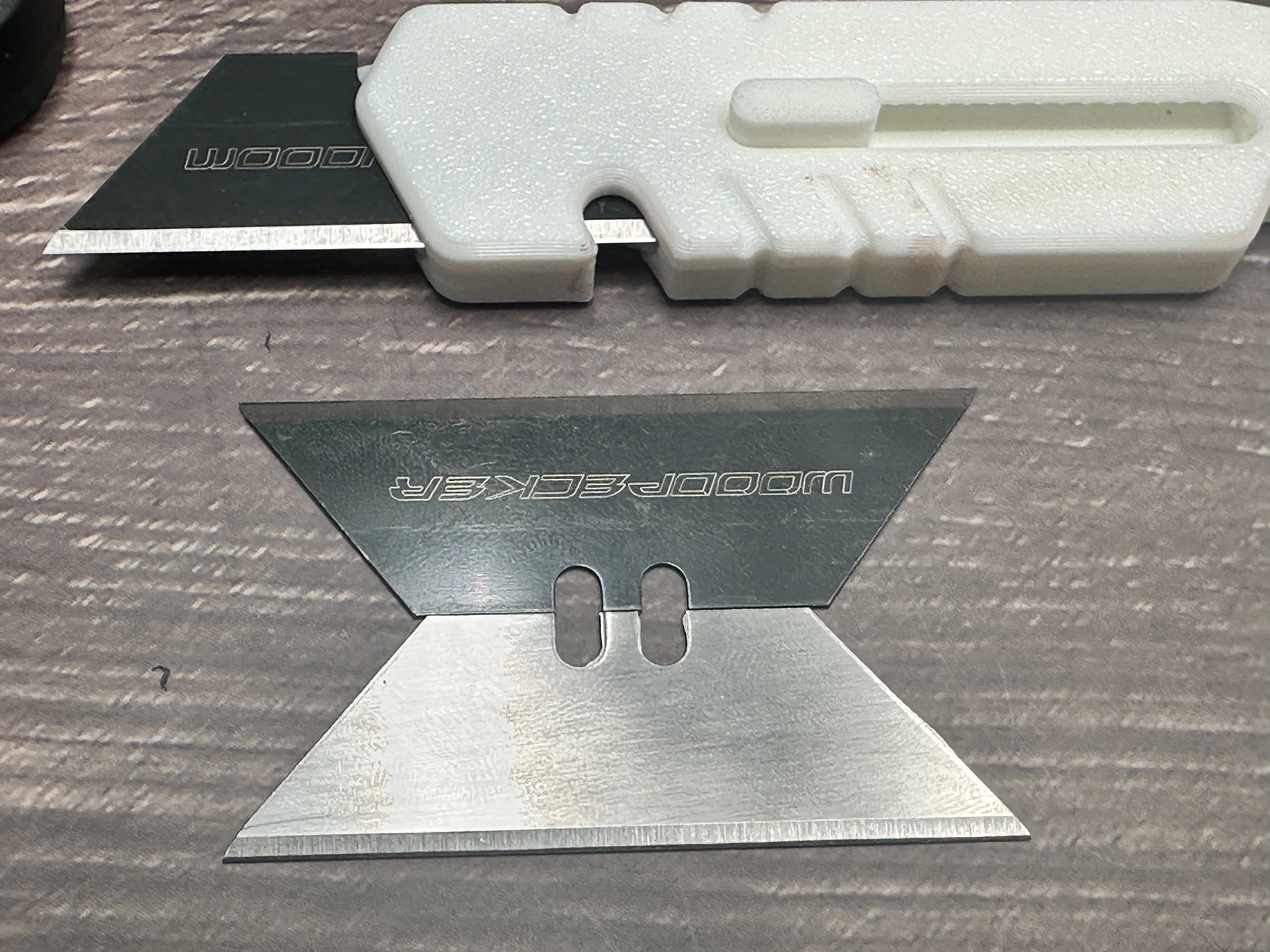
My original design was based on measuring a trapezoidal utility blade from a random box using vernier calipers. Assuming metal products maintained excellent dimensional control, I allocated only 0.1mm tolerance clearance for the blade. However, multiple users reported assembly difficulties. Puzzled, I reprinted several units for testing but consistently assembled them successfully.
That evening, I tested a premium brand blade purchased earlier and encountered the same assembly issues. Comparative measurements revealed my original reference blade deviated over 1mm from standard dimensions with reduced thickness—a critical oversight that caused widespread user frustration. I sincerely apologize.
The model was immediately withdrawn. After several hours of redesign and testing, I optimized the internal structure to accommodate broader tolerances. Current version easily accepts standard-sized blades, with modified rack geometry eliminating initial deployment resistance. PLZ material prints confirmed functional. Additional filament compatibility tests ongoing. Please report any issues encountered.
Apologies reiterated to all affected users.
My similar projects, click on the picture
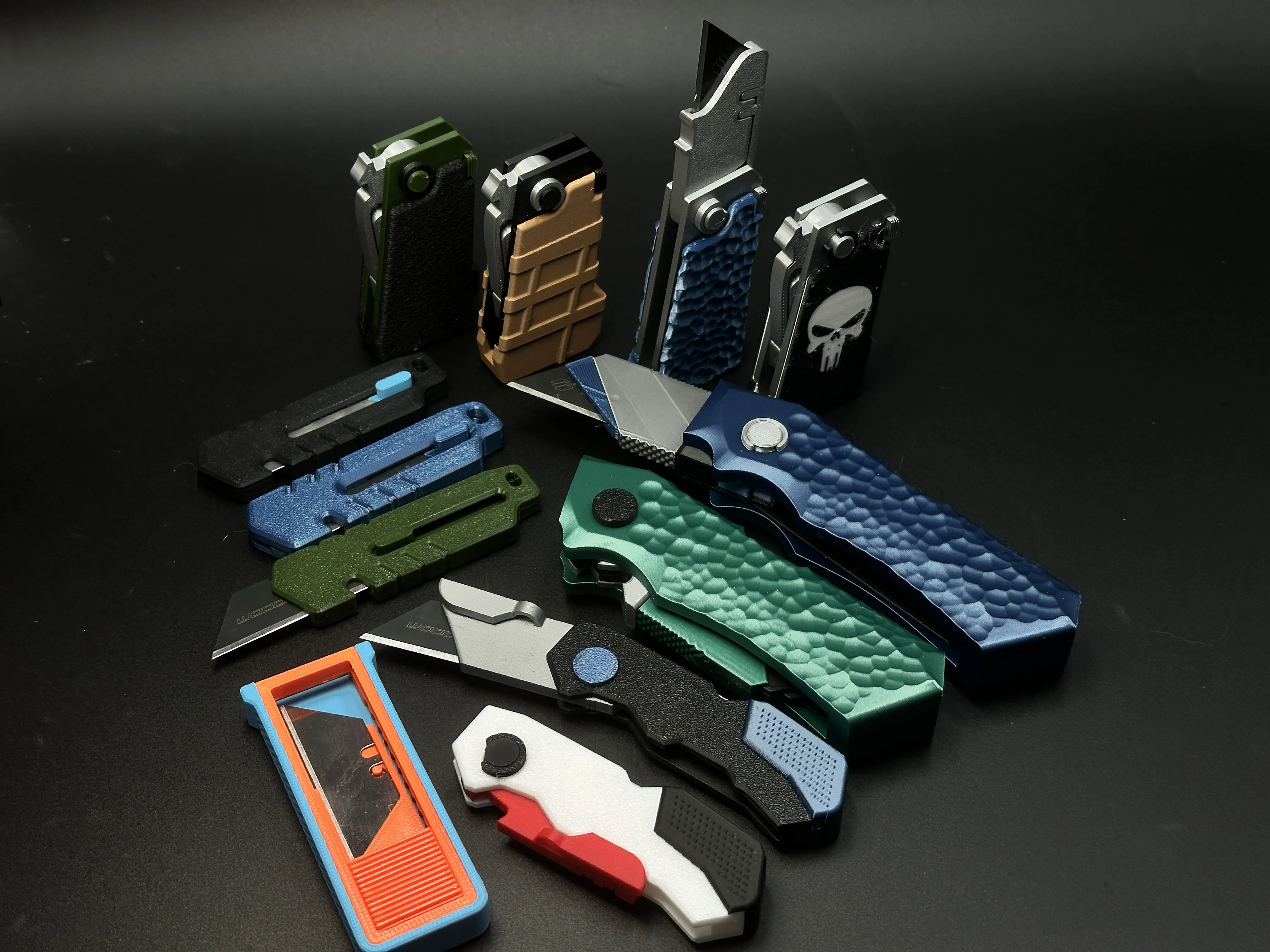
The strength of 3D-printed knives cannot be guaranteed and they are suitable only for light-duty tasks, such as cutting paper or opening Amazon packages. Unless otherwise specified, all of my knife designs are intended for light-duty use only.
My similar projects, click on the picture
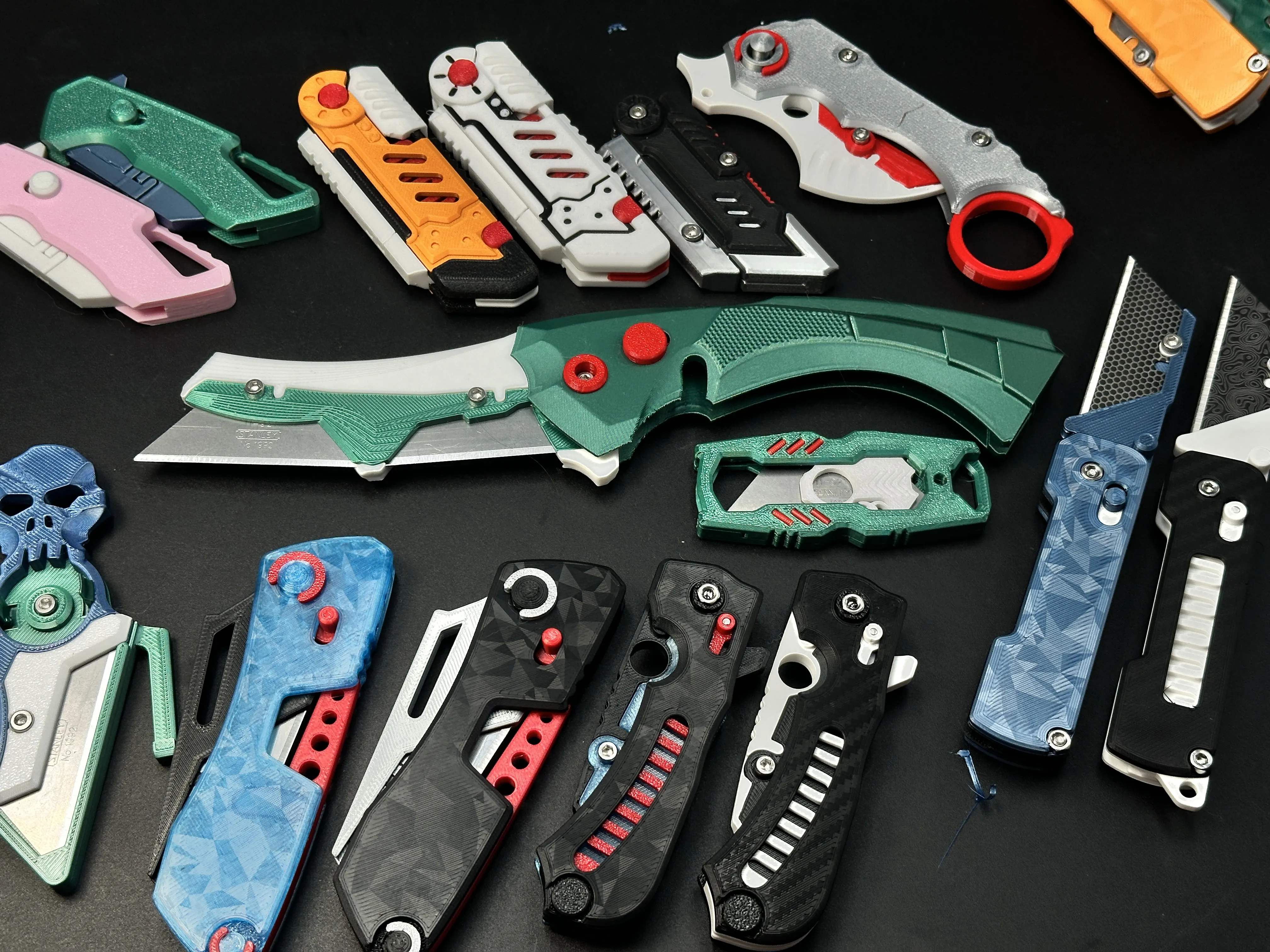
Membership
License

You shall not share, sub-license, sell, rent, host, transfer, or distribute in any way the digital or 3D printed versions of this object, nor any other derivative work of this object in its digital or physical format (including - but not limited to - remixes of this object, and hosting on other digital platforms). The objects may not be used without permission in any way whatsoever in which you charge money, or collect fees.


Comment & Rating (310)