
Birdhouse Nesting Box - Spec. Built (No AMS)
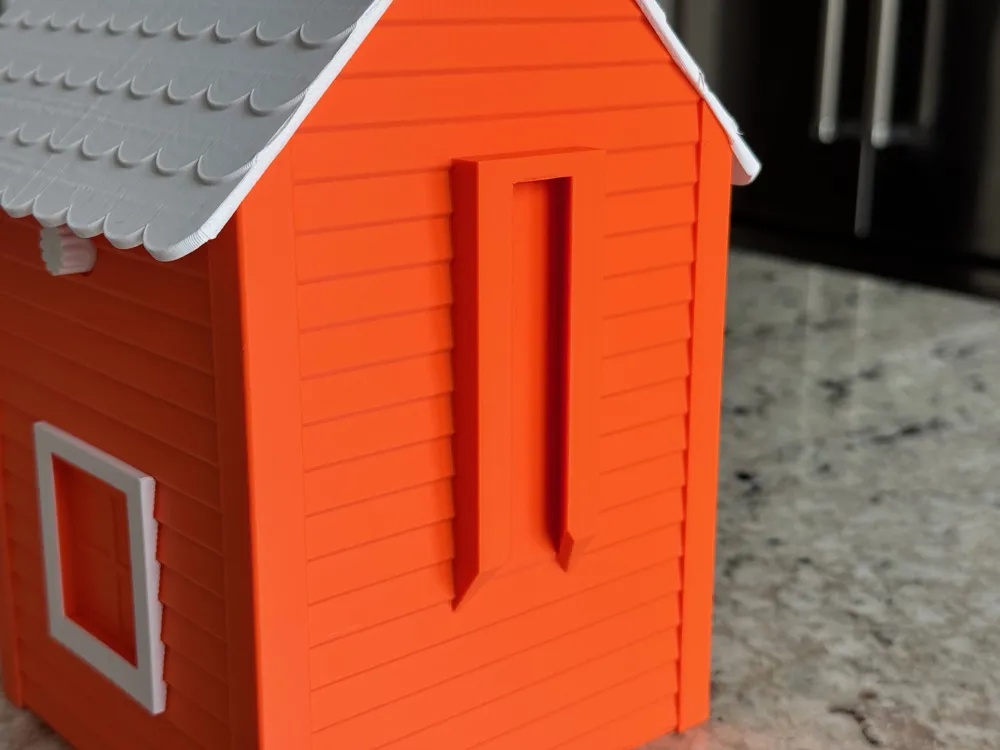
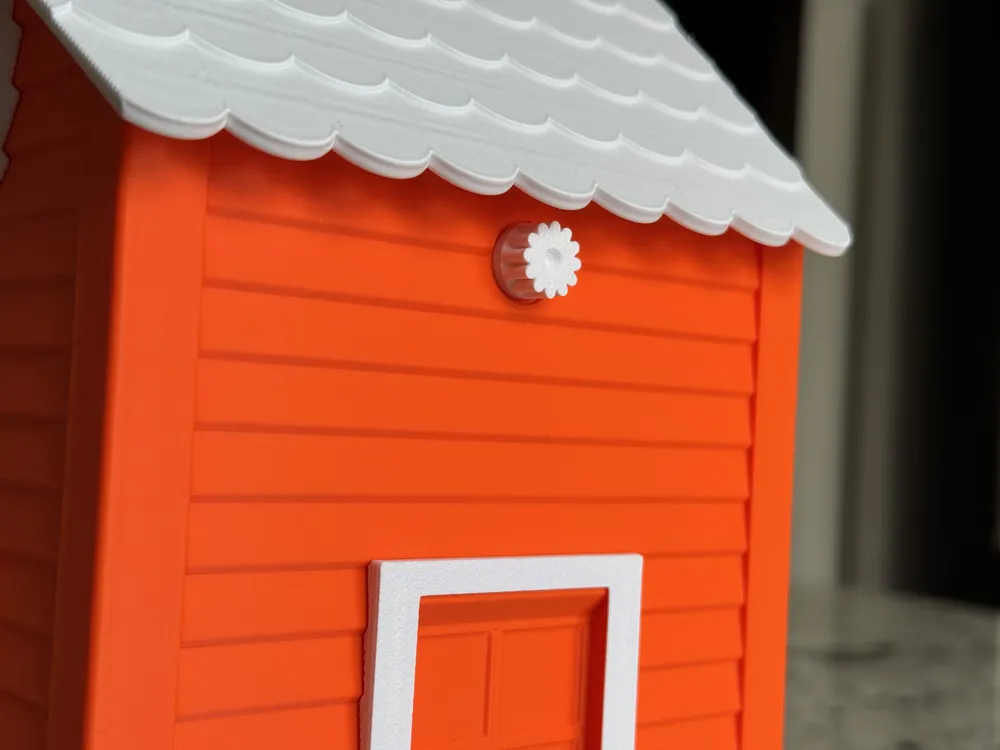
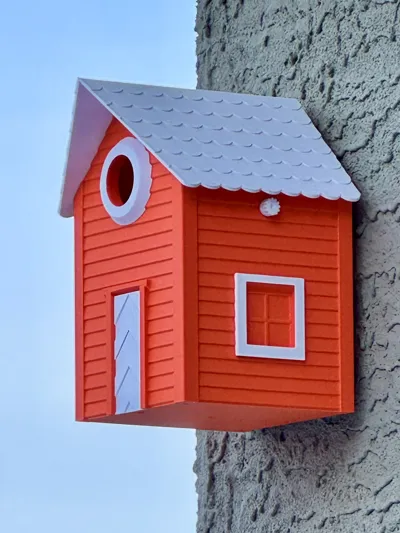
Print Profile(1)

Description
PSA for Bird Lovers & Makers: I was having a lot of difficulty attracting tree swallows to my nesting box this season. After doing some troubleshooting, I made a few critical tweaks and BOOM—almost instantly, a pair moved in within a few hours!
If your local birds are checking out the hole but refusing to go inside, please check out my full update and print suggestions at the bottom of this page!
🔽 🔽 SCROLL TO THE BOTTOM FOR THE UPDATE & TIPS! 🔽 🔽
👇 👇 👇 👇 👇 👇 👇 👇 👇 👇 👇 👇 👇 👇 👇 👇 👇 👇 👇 👇 👇 👇 👇 👇
------------------------------------------
WHY THIS NESTING BOX?
Far too many "birdhouses" are built without considering what it takes for a successful brood. While many species will nest in almost anything out of desperation, they often see little success. Common issues include boxes being too small, easily accessed by predators (including other birds like House Sparrows), or holes that are too large, allowing eggs to be stolen. Add in improper ventilation, poor drainage, or lack of shade, and a birdhouse can quickly become a trap rather than a sanctuary.
I meticulously designed this box to be as functional as possible. While it was built specifically around the requirements of the Tree Swallow, it is sized to support many smaller species and songbirds. I highly suggest reading up on what you can do to help your feathered friends succeed—you might be surprised by the details, and like me, you might just get sucked into the hobby!
Boost Me (for free)
I worked very hard on this model. Please consider a Boost to help motivate me to keep designing! Much appreciated! :)
✅ Features
Bird-Friendly Design
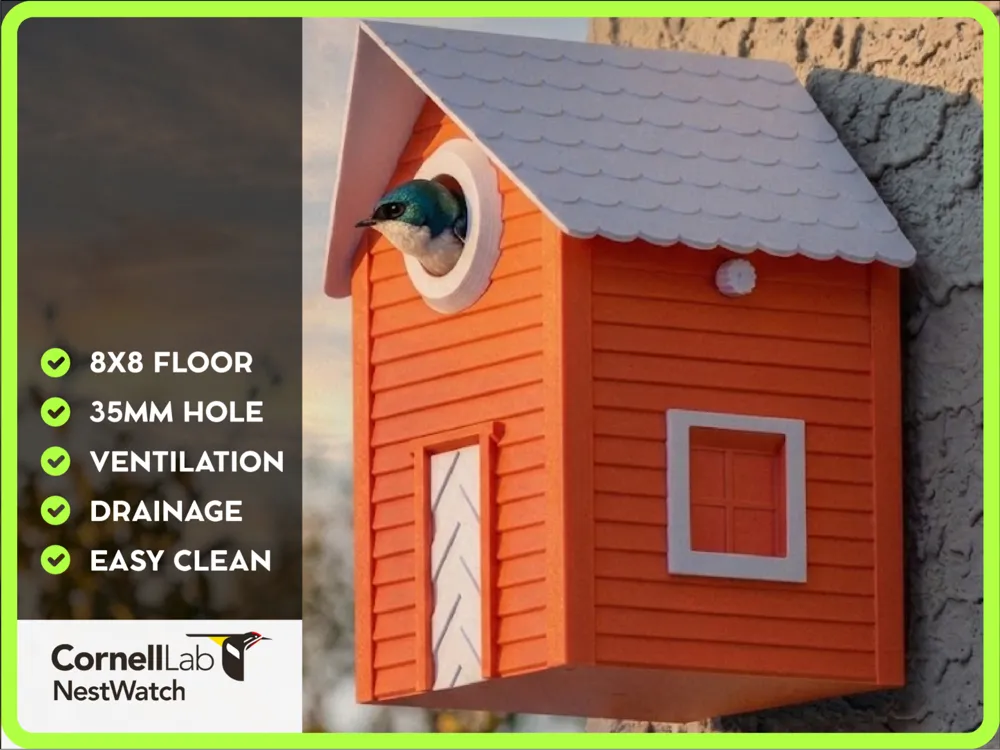
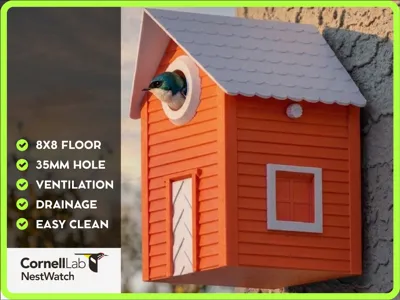
- 5" x 5" Floor Space: Provides ample room for growing fledglings.
- 1 3/8" Entrance Hole: Specifically "Tree Swallow approved" to prevent larger competitors from entering.
- Internal Ladder: Textured grooves help nestlings climb to the exit when they are ready to fledge.
Smart Ventilation & Drainage
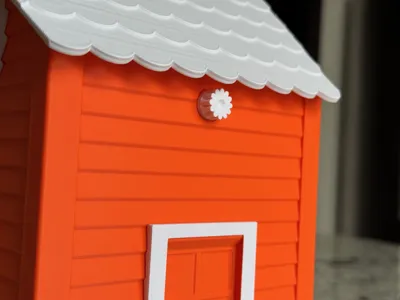
- Upper Ventilation: Strategic holes near the roofline prevent overheating.
- Floor Drainage: Integrated drainage holes prevent moisture buildup and keep nesting material dry.
Simple, Tool-Lite Assembly
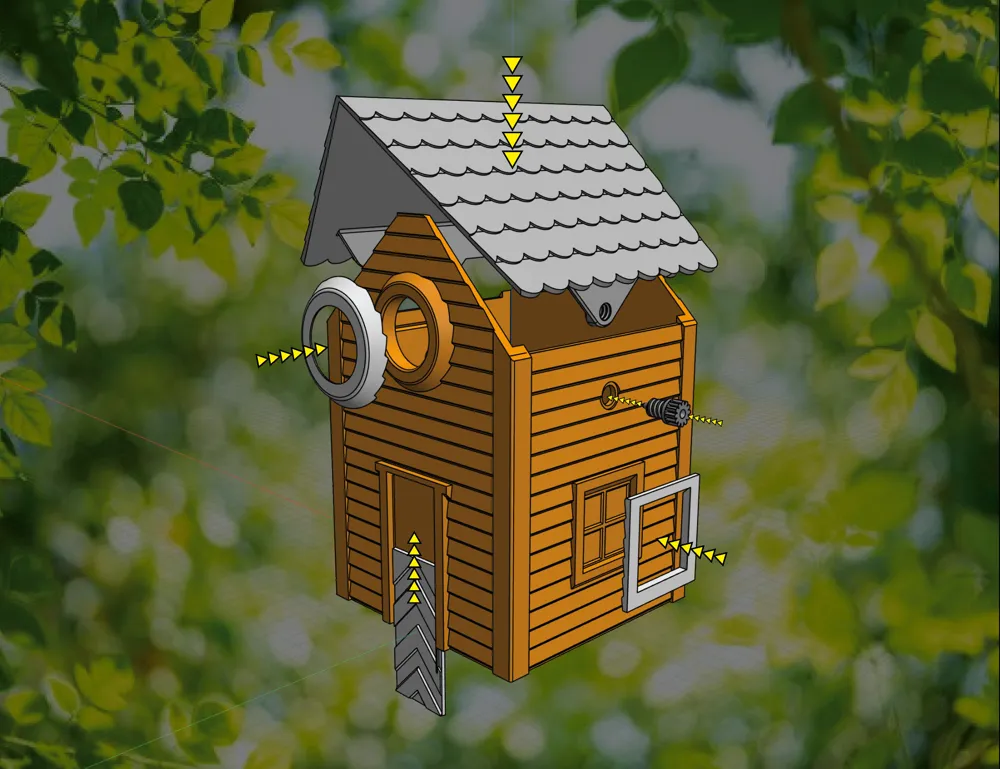
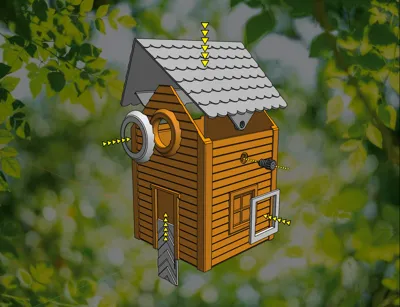
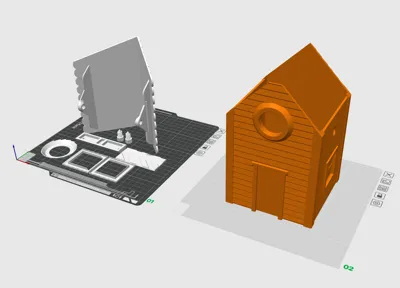
- 3 Main Components: Main body, roof, and mounting bracket.
- Easy Access: The roof removes easily with just 2 screws for essential seasonal cleaning.
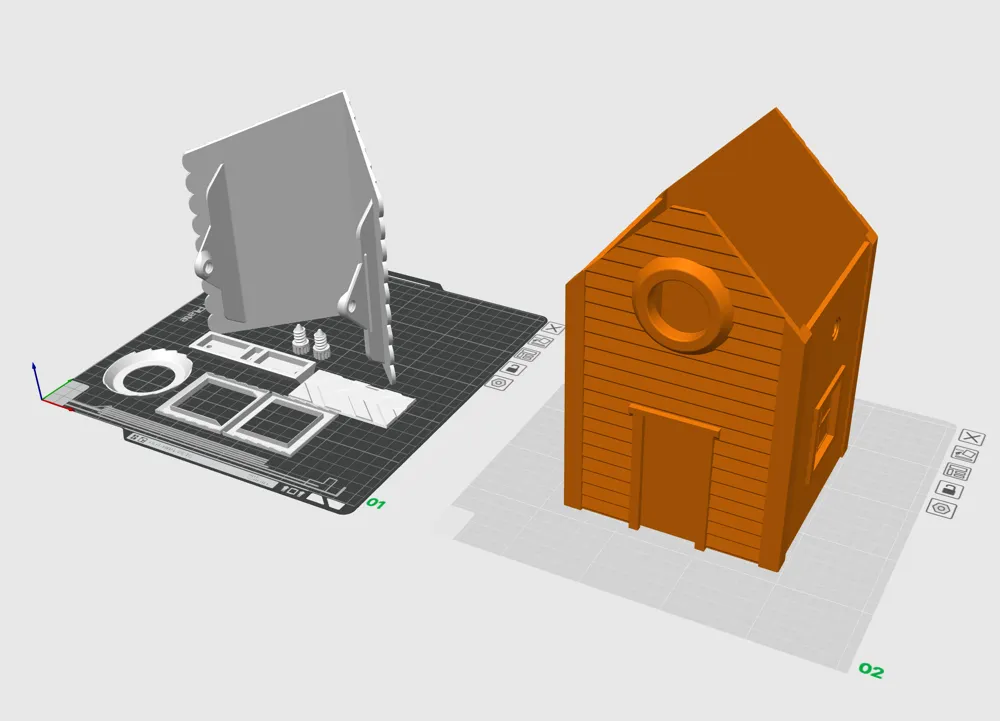
- No Supports Required: Optimized geometry for a clean print without wasted material.
Slide-On Mounting Bracket
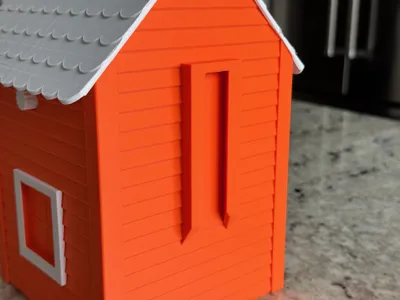
- Integrated bracket design makes it easy to mount on flat surfaces or walls.
- Quick, secure, and user-friendly.
Customizable Accessories (Optional)
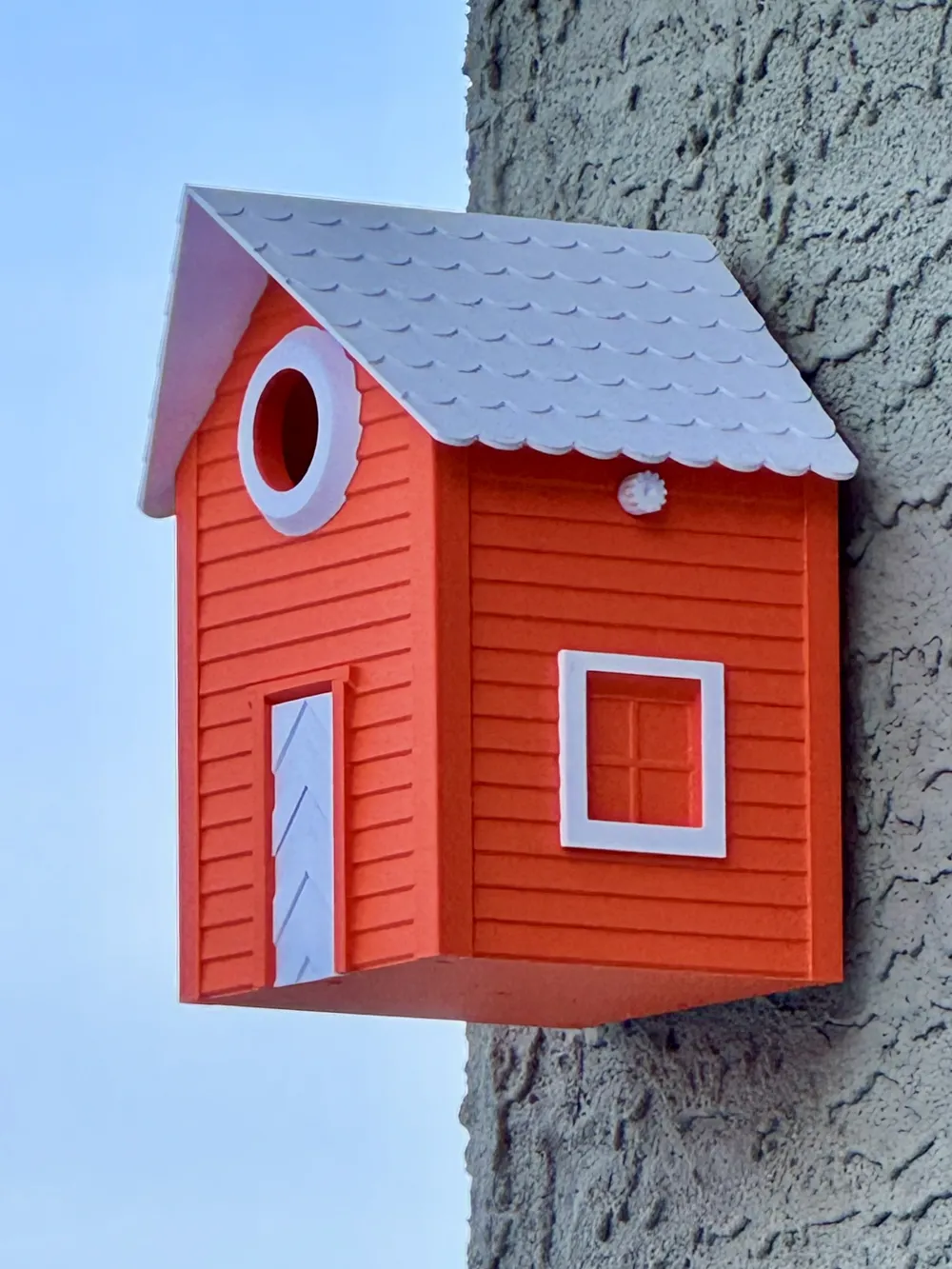
- Decorative window frames, entrance hole surrounds, and sliding faux “door” panels.
- Note: Accessories require a small amount of glue to stay in place.
Fast, Support-Free Printing
- Designed to print cleanly on most FDM printers.
- Optimized orientation and tolerances for a perfect fit right off the plate.
🔗 Explore My Other MakerWorld Creations
TIPS AND TRICKS!!
. Filament Color & Light Levels (The Biggest Factor)
Tree swallows may be discouraged by a bright, glowing interior. If you print the box or roof in a light-colored or translucent filament, sunlight will pass right through the walls and spook them.
- If you haven't printed yet: Print the box and lid using a dark pigment filament (like an earthy green, brown, or black). This blocks out ~90% of the ambient light and makes the interior feel like a safe, dark cavity.
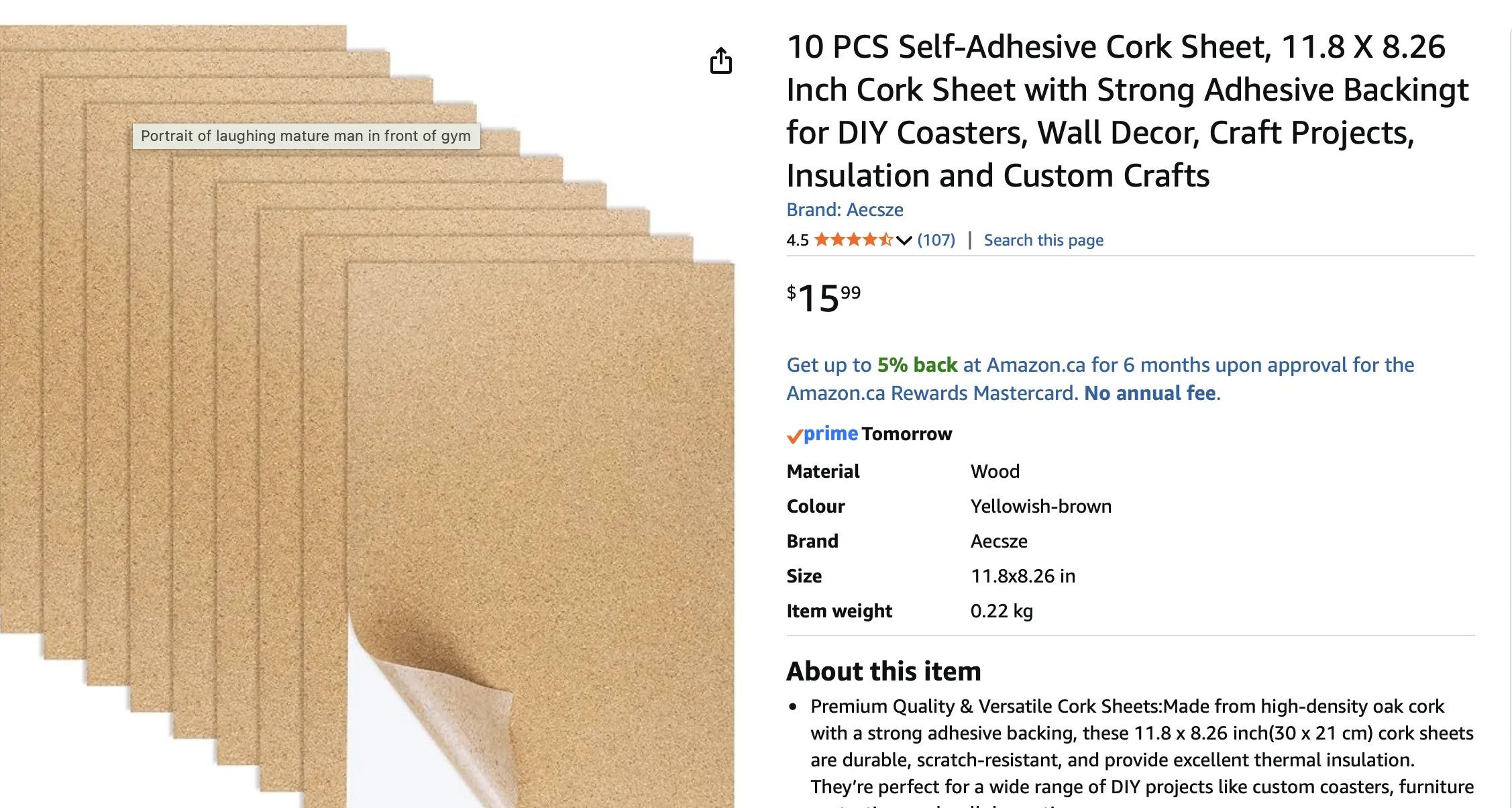
If you already printed a light color: You need to darken the inside. I found a great workaround using adhesive-backed natural cork sheets on the walls and ceiling. CRITICAL SAFETY NOTE: Make sure absolutely no sticky adhesive residue is left exposed inside the box. It can catch on their delicate feathers and trap them! I was able to find cork sheets with an adhesive for around 15 bucks on amazon.
2. The "Dirt & Grass" Trick (Don't skip this!)
Plastic is sterile and smells like a hot 3D printer bed, which birds can detect.
- Grab a handful of dry garden dirt and rub it vigorously all over the interior walls to kill the plastic sheen and synthetic smell.
- Toss a small handful of dried grass or very light twigs onto the floor. This breaks up the flat plastic reflection on the bottom of the box and makes it instantly look like a safe landing zone.
3. Interior Texture
Make sure the interior front wall directly below the entry hole is heavily textured so their tiny claws can grip it to climb out. If your slicer settings left it too smooth, use a wood rasp or heavy sandpaper to scratch deep horizontal grooves into the plastic right up to the rim of the hole.
I would love to hear your success stories. what worked or what didnt!
License

You shall not share, sub-license, sell, rent, host, transfer, or distribute in any way the digital or 3D printed versions of this object, nor any other derivative work of this object in its digital or physical format (including - but not limited to - remixes of this object, and hosting on other digital platforms). The objects may not be used without permission in any way whatsoever in which you charge money, or collect fees.


Comment & Rating (44)