
Customizable Parametric Lattice Fabric with Wave Interference Effects 0.7.1-beta


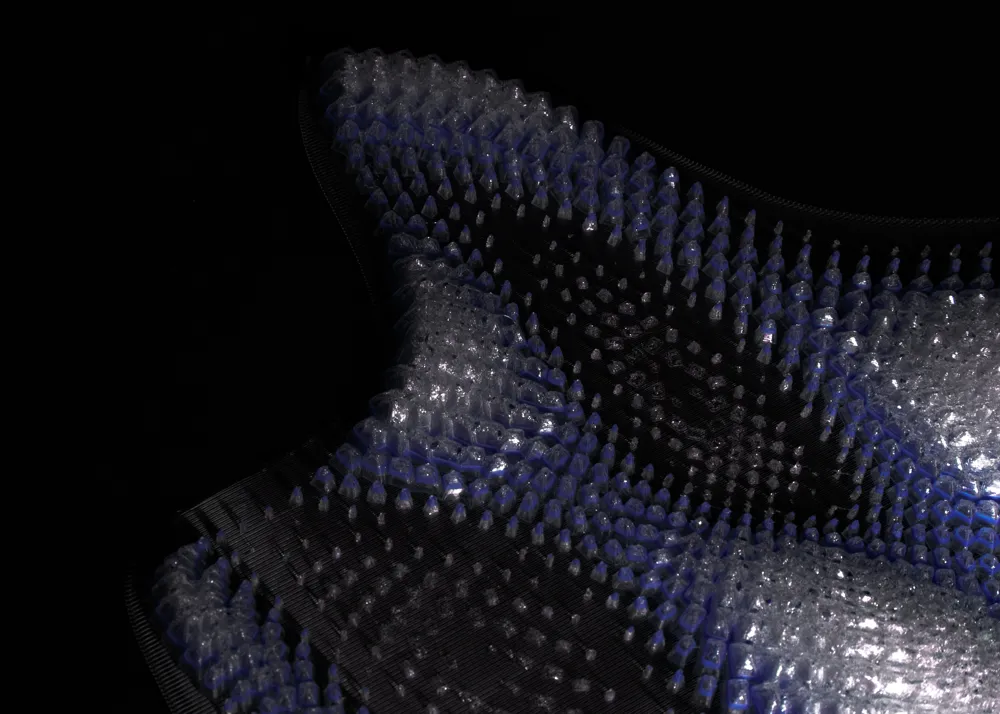
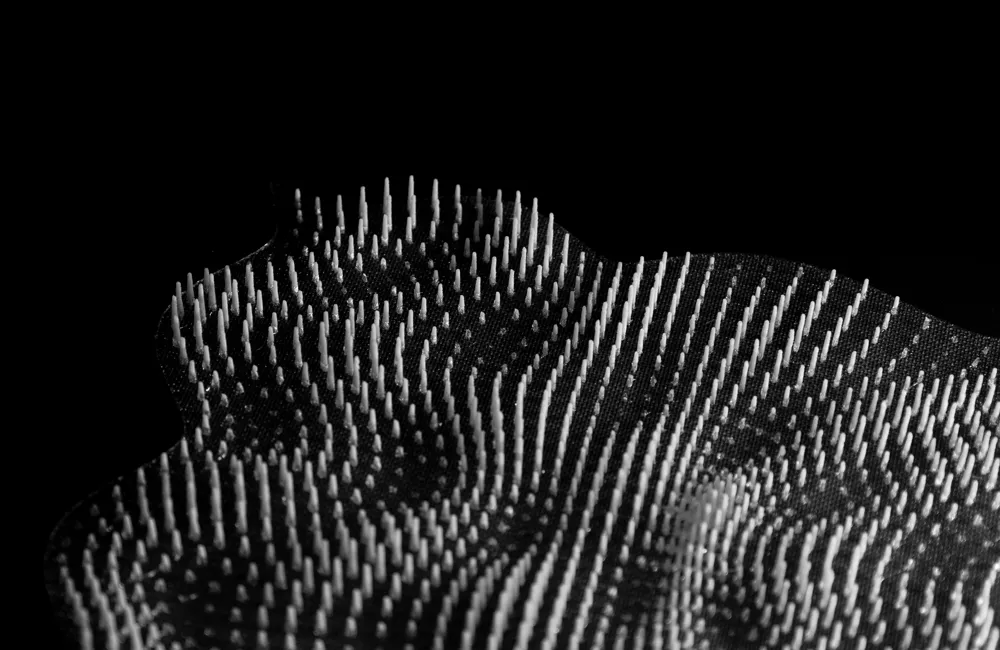
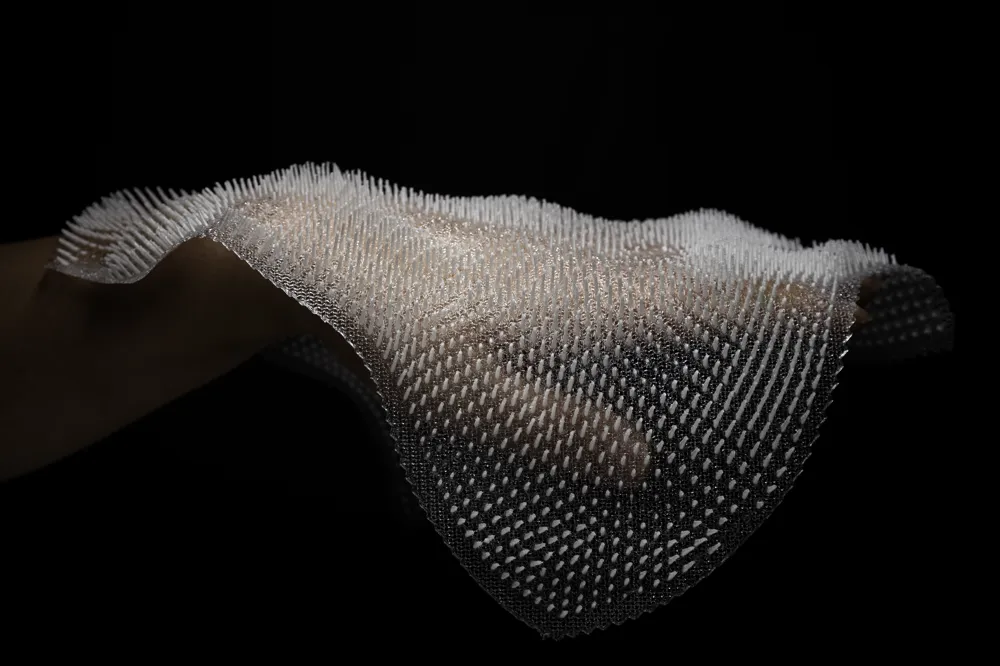

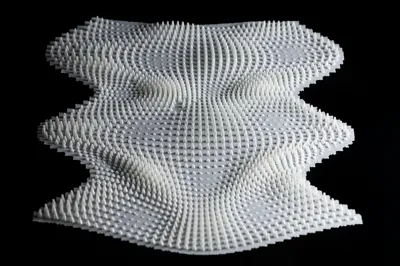
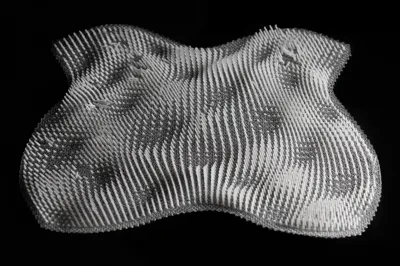
Print Profile(1)

Description

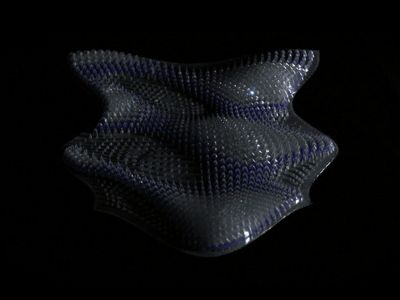
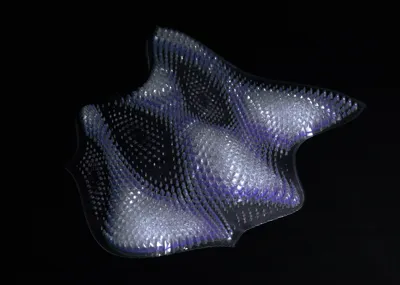
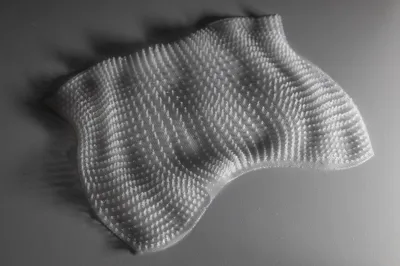
Customizable Parametric Lattice Fabric with Wave Interference Effects
Parametric Lattice Fabric with Wave Interference Effects

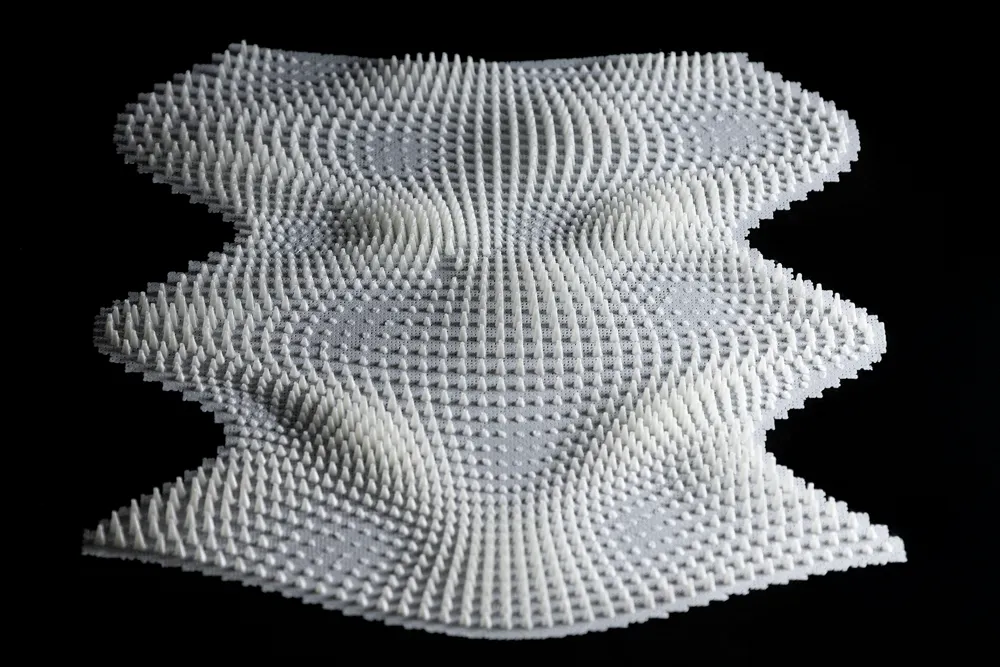
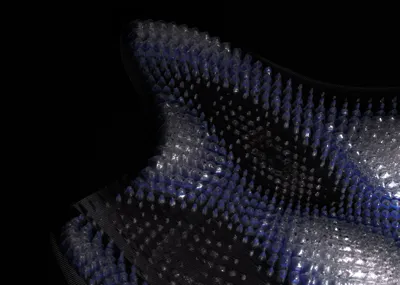
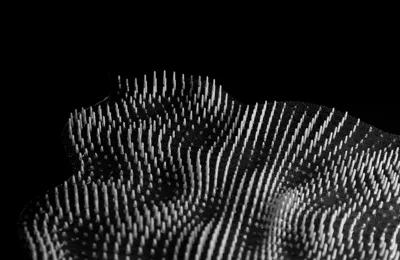
This project draws inspiration from Thomas Young's double-slit experiment in 1801, and of course, the numerous subsequent scholarly achievements in the field of wave interference. By simulating the meeting and interference patterns of waves of multiple directions and frequencies in space, I aim to introduce this classical scientific principle into parametric modeling and visual structures, transforming it into a generative fabric that combines mathematical aesthetics with structural logic.
But more importantly, it embodies "experimentation"—I hope that any user can participate in this process in the most direct and concise way. Therefore, I have designed an adjustable OpenSCAD script for everyone to explore and create freely.
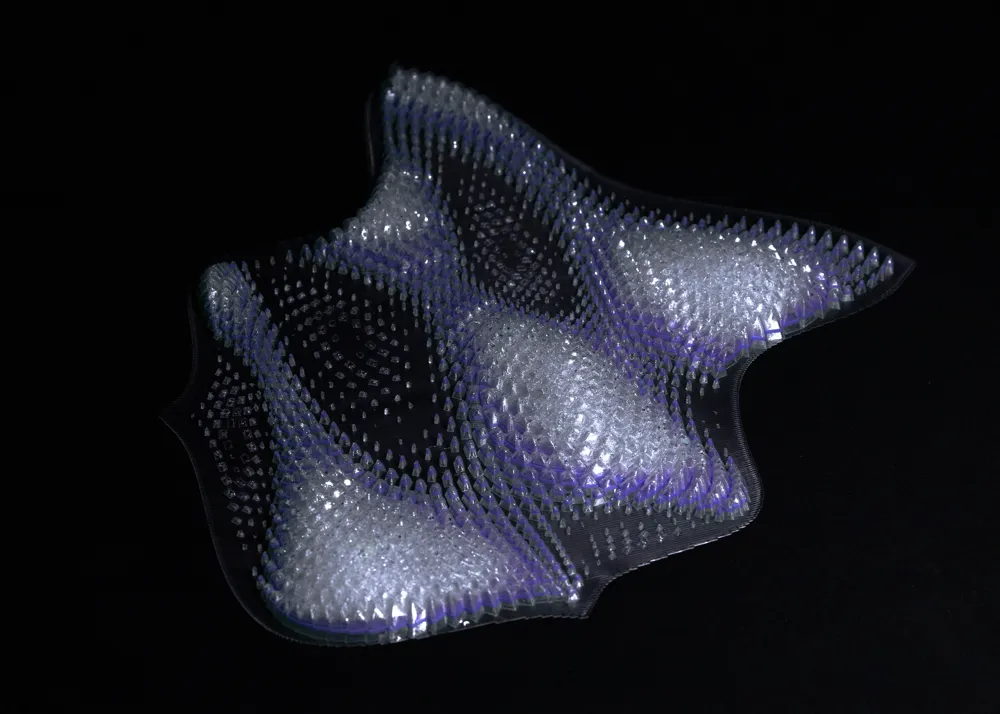
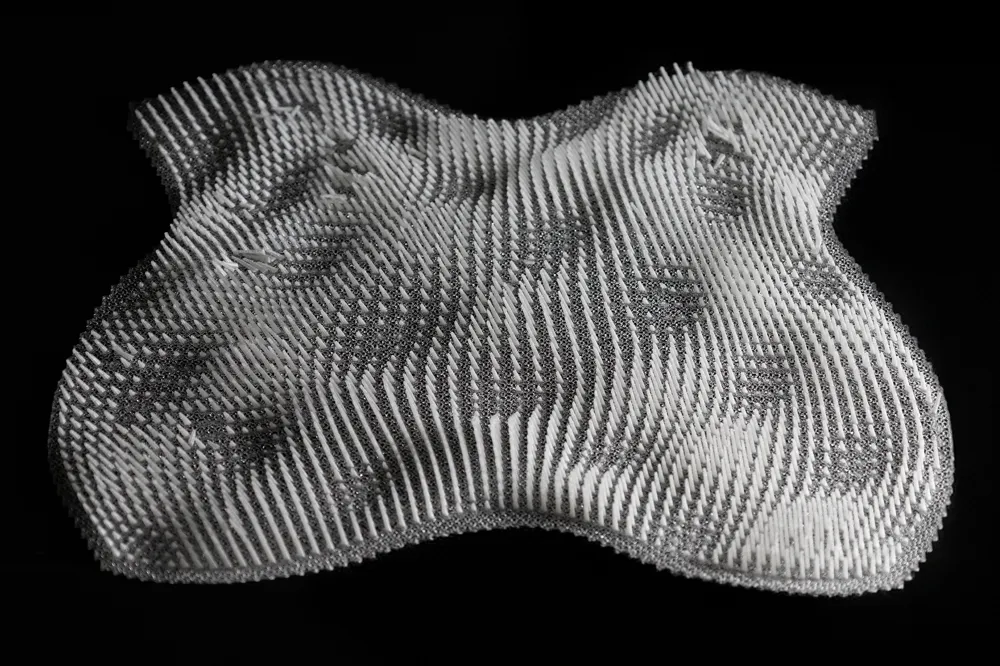
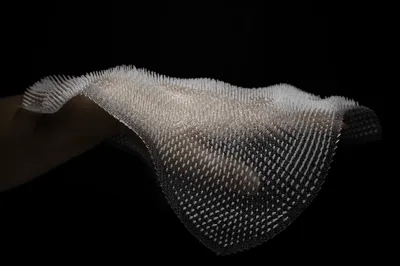
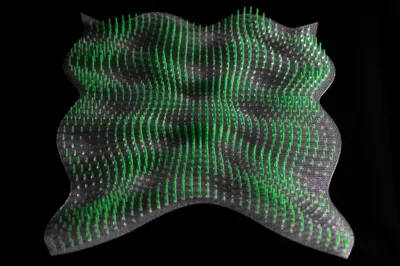
Users can adjust parameters to flexibly control the spatial position, height variation, and interference patterns of small units, simulating the interference effects of multi-directional, multi-frequency, and multi-intensity ripples. This ultimately generates complex and organic three-dimensional textures, and in the updated custom script, users can infinitely extend and adjust the fabric.
Major Update 0.7.1-beta See version details below
The overall fabric is divided into two parts—small units and base
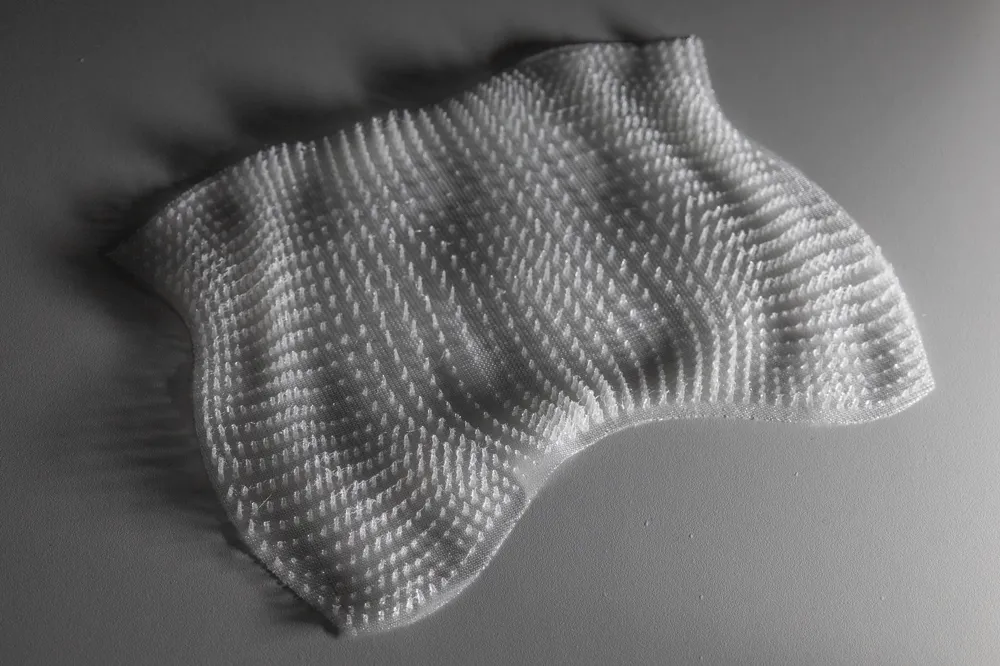
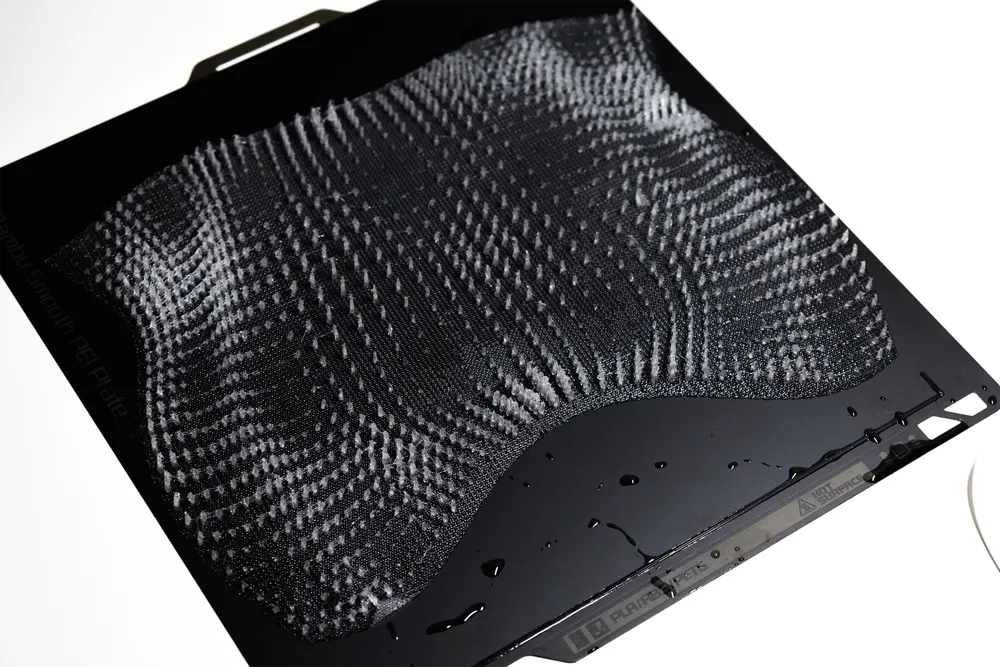
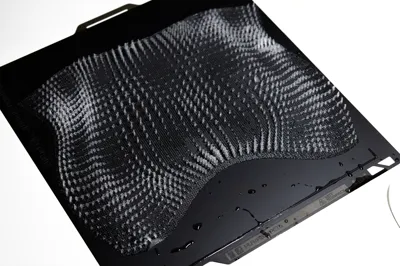
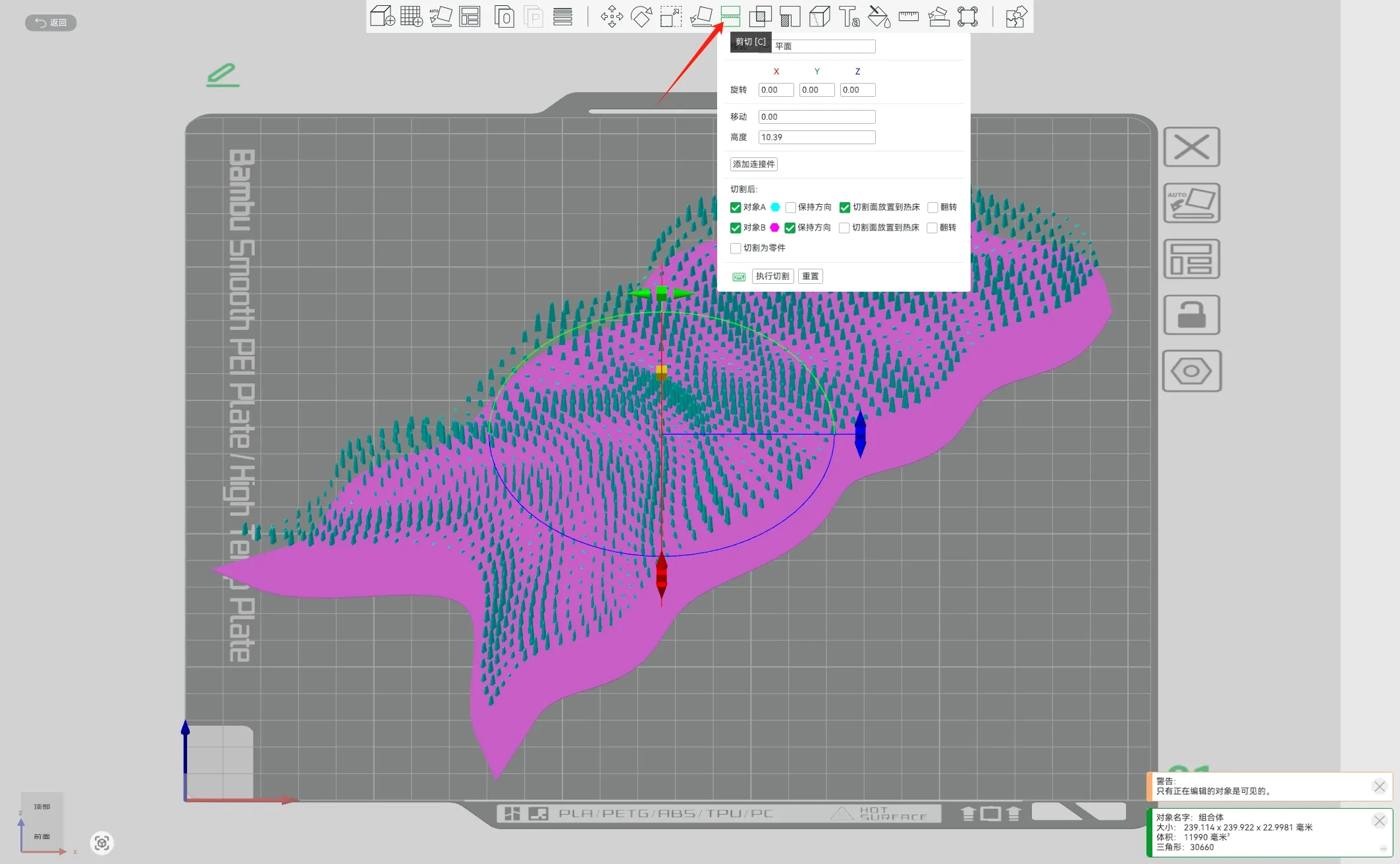
After generation, it will come with a complete base. The base will be located a certain distance below the small unit array to facilitate cutting and deletion during slicing. You can remove the base during slicing and use DIY mesh as the base.
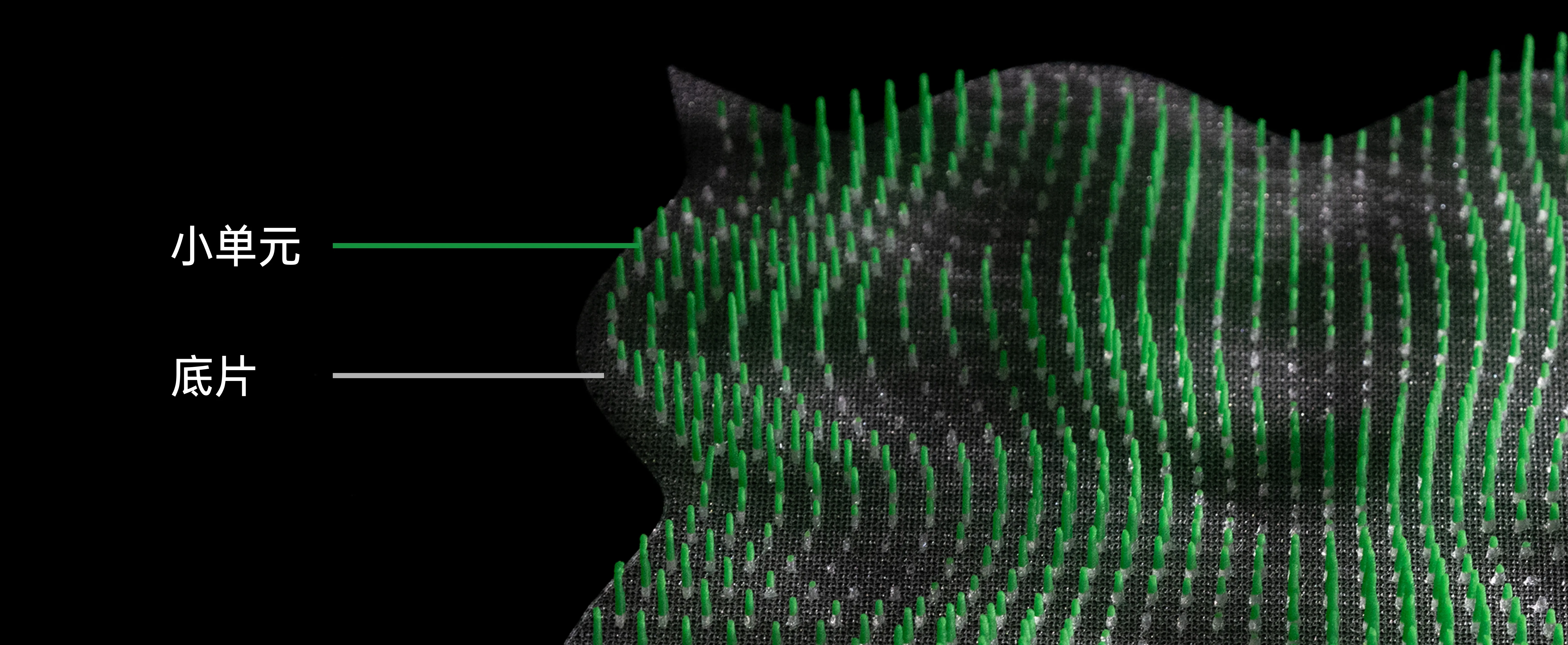

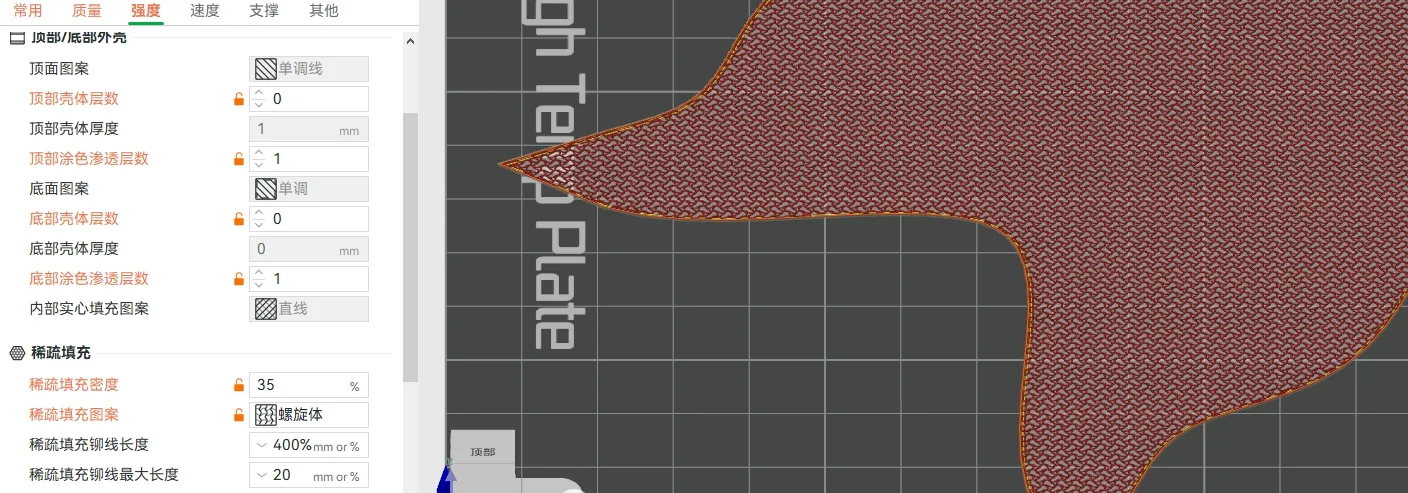
In all the examples, the top and bottom layers of the base are removed, simulating soft fabric by leaving only sparse infill. Here, I strongly recommend using the official TPU series as the printing material for the base. Also note that when printing, you need to apply a sufficient amount of liquid glue to the build plate; I also recommend using the official liquid glue for large-area application to facilitate post-print rinsing and demolding.

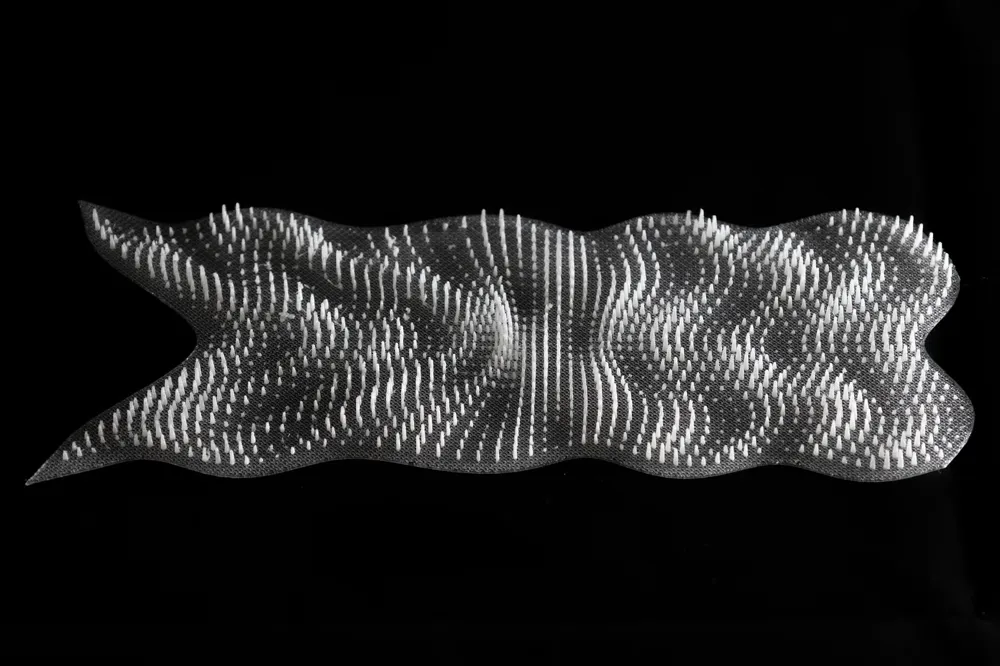
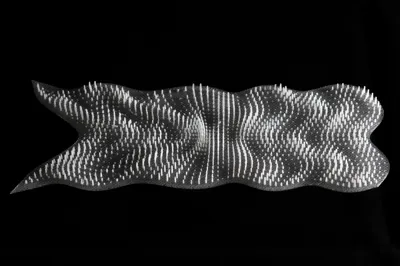
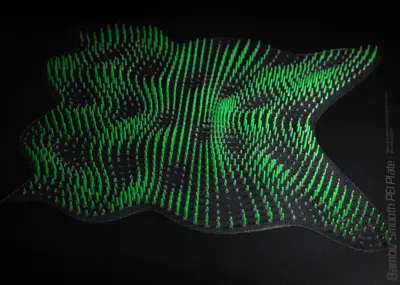
For the generation script, you can customize any size and ripple interference method, and you can also set special parameters to experiment. As shown in the figure above, I increased rows (the number of longitudinal small units) in the script to 90 to obtain a long strip of fabric.
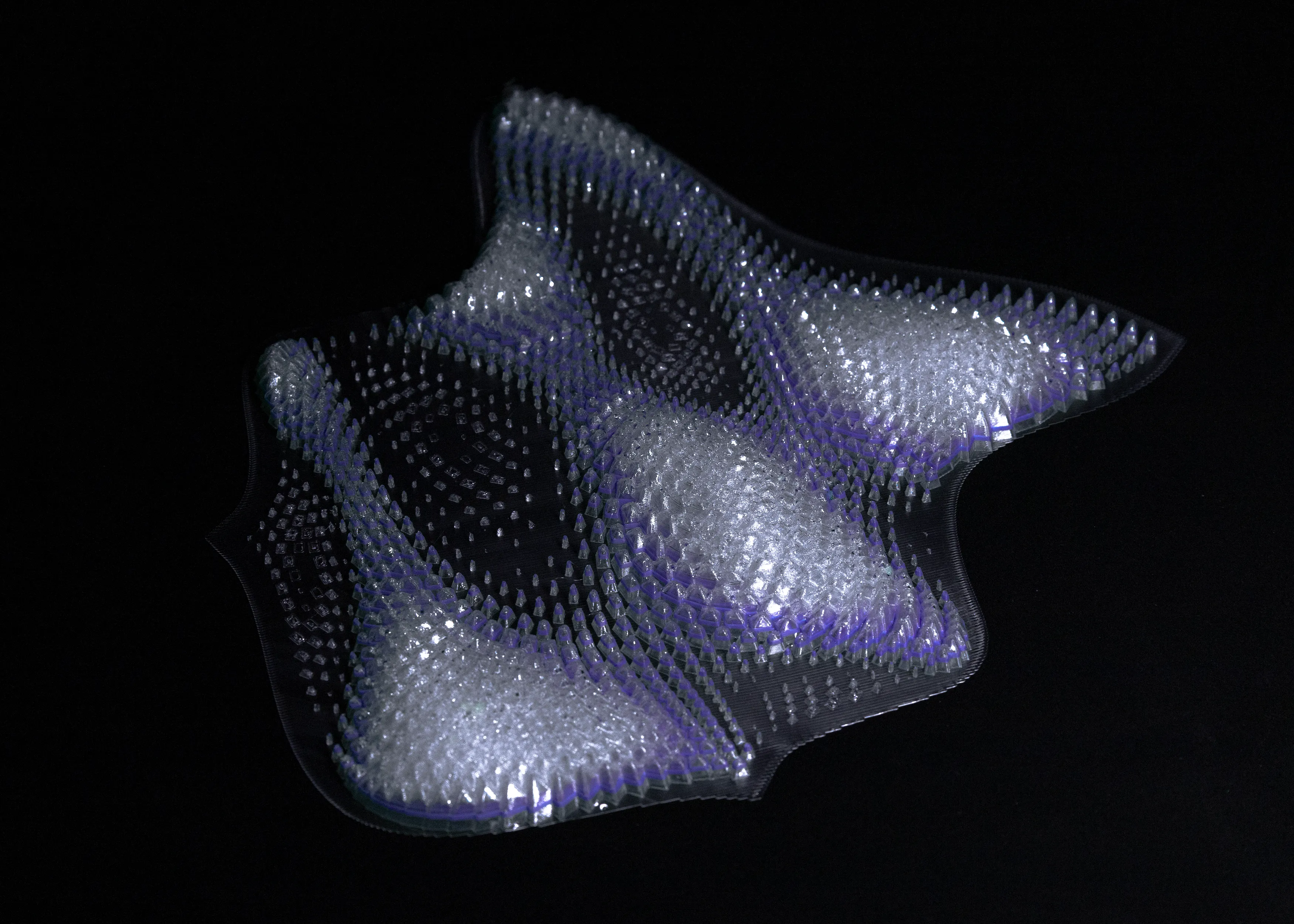

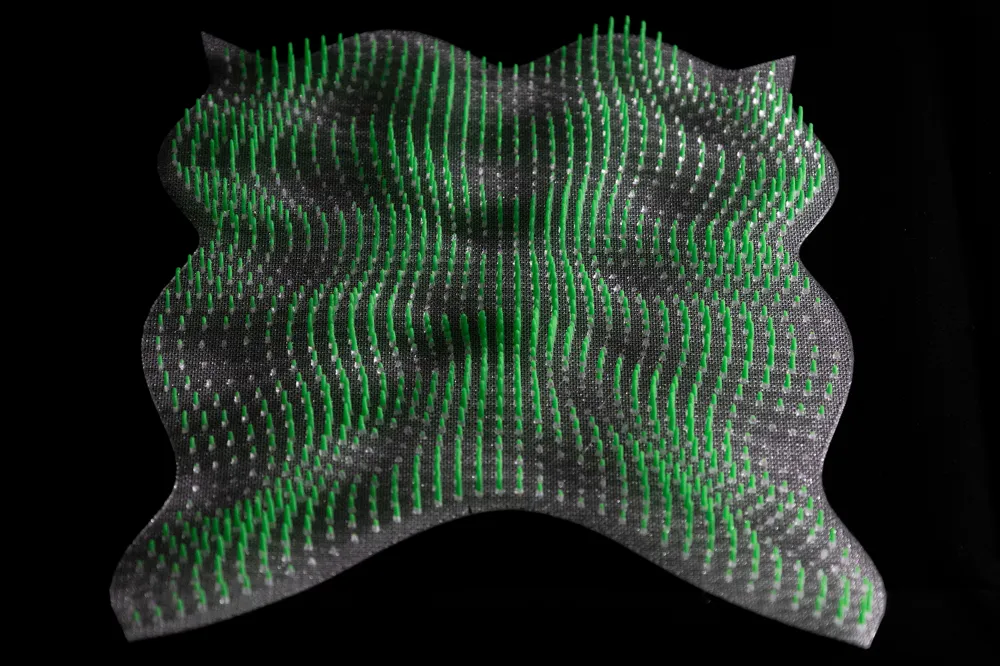
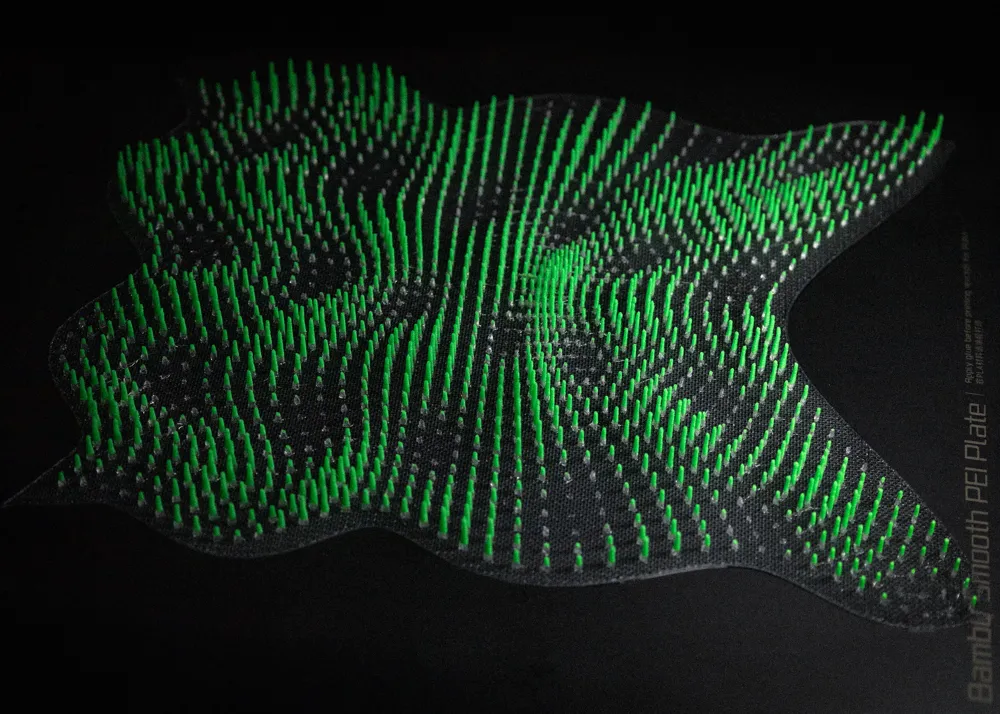
In Example 6 in the above two figures, I increased the difference in the size of the small units, making the small units overlap and become obvious where the two waves meet; at the same time, I adjusted the newly added [Tower Bevel Parameter] in v0.5 to give the small units a "fire" effect like gemstone facets.
------------------------------------------------
V0.7.1-beta Current BETA Version
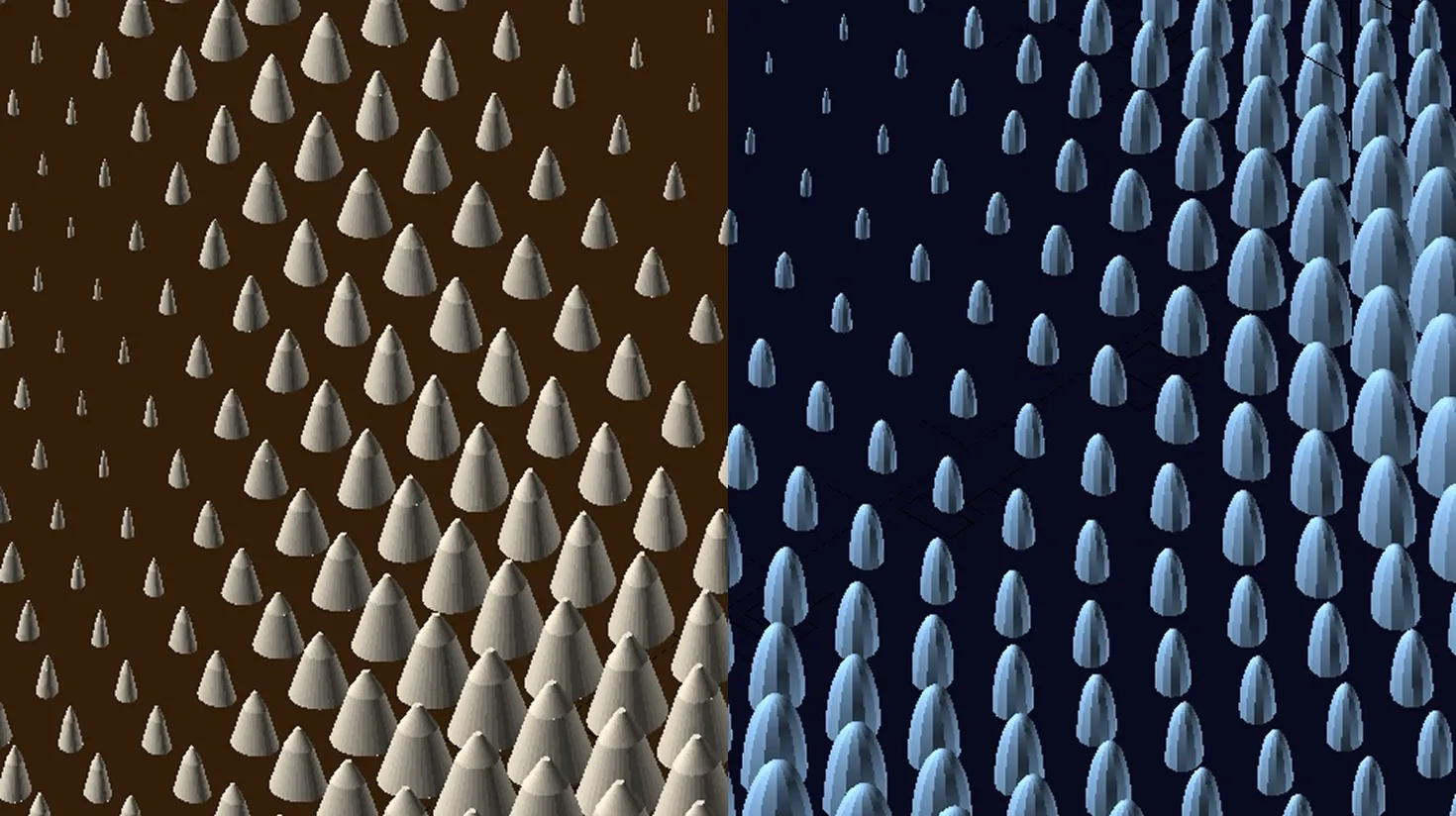
Added a new module [Small Unit Style Selection]
It includes square towers, round towers, domesthree modes for users to choose from
Domemode will affect generation performance; see the script for details.
------------------------------------------------
V0.5 Current Version
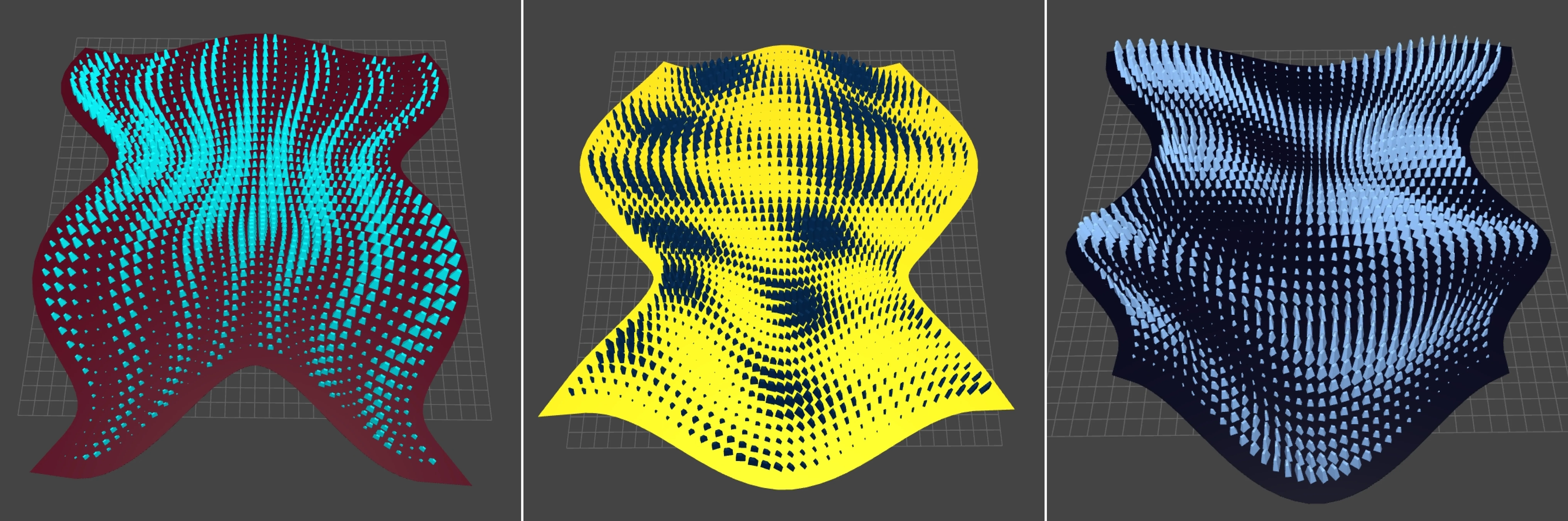
Added new module [Tower Bevel Parameter] [Base Color Selection] [Small Unit Color Selection]
After the update, generation may take 1 second to 10 seconds. The generation time may depend on your current network status.
------------------------------------------------
V0.4
Added a new module [Center Rotation]
Optimized parameter order
Removed some invalid parameters
------------------------------------------------
V0.3
The fitting of the small unit bottom square to the large base has been optimized to directly generate a smooth large base.
Small unit chamfer scheme optimization
------------------------------------------------
Note
In the examples, all bases are cut, sparsely filled, and the top and bottom surfaces are removed, and the base thickness is scaled to 0.4mm, with a printing layer height of 0.2mm.
Here are some examples generated by this custom script
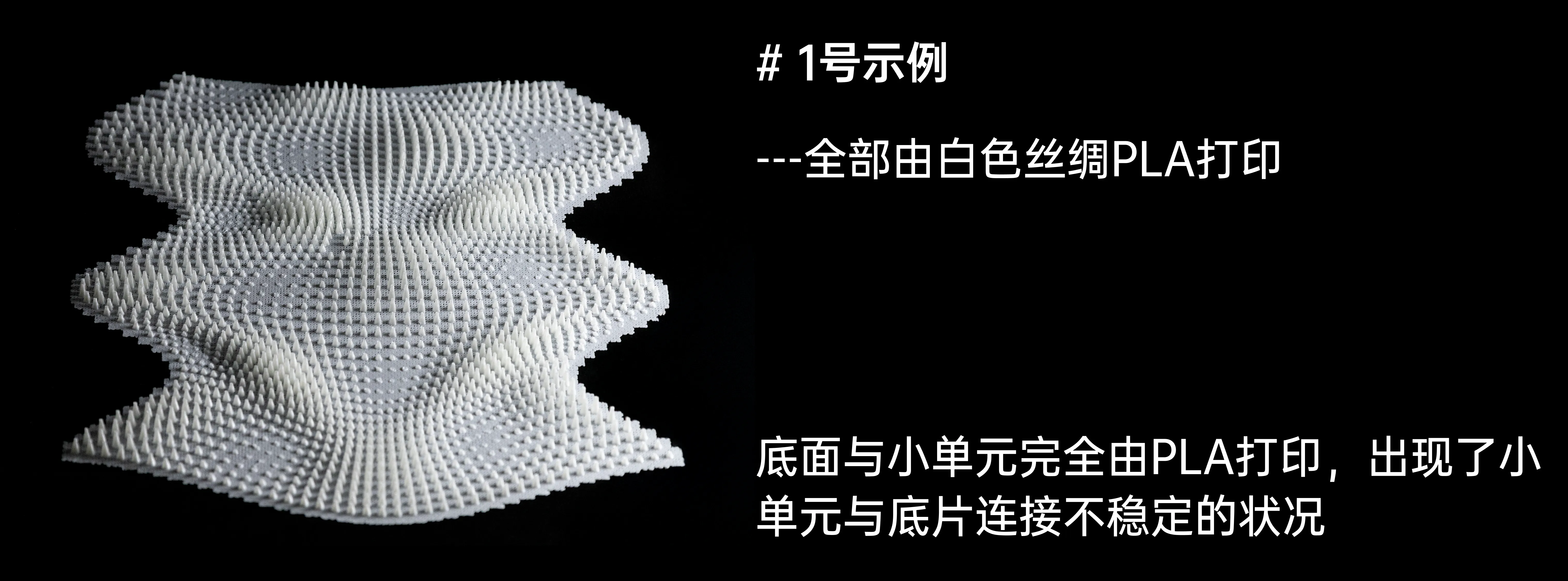
Examples 1 and 2 were generated from the initial V0.1 version
Examples 3, 4, and 5 were generated from the V0.2 version
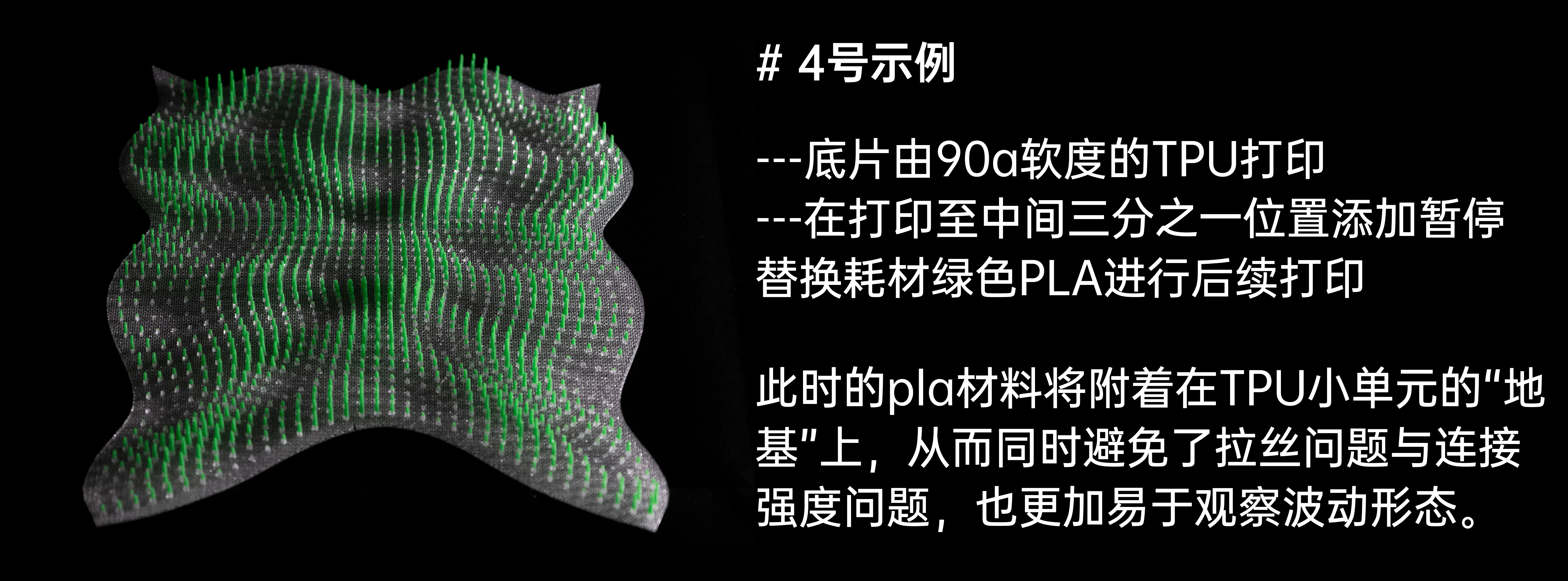
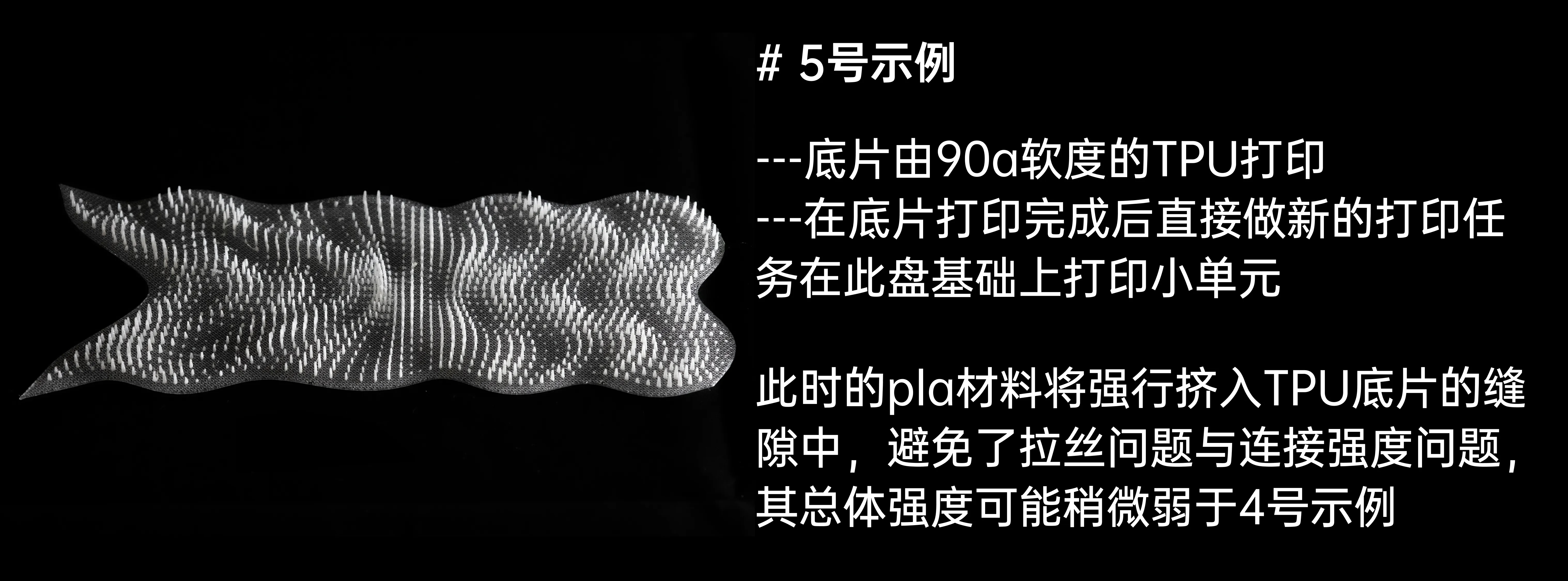
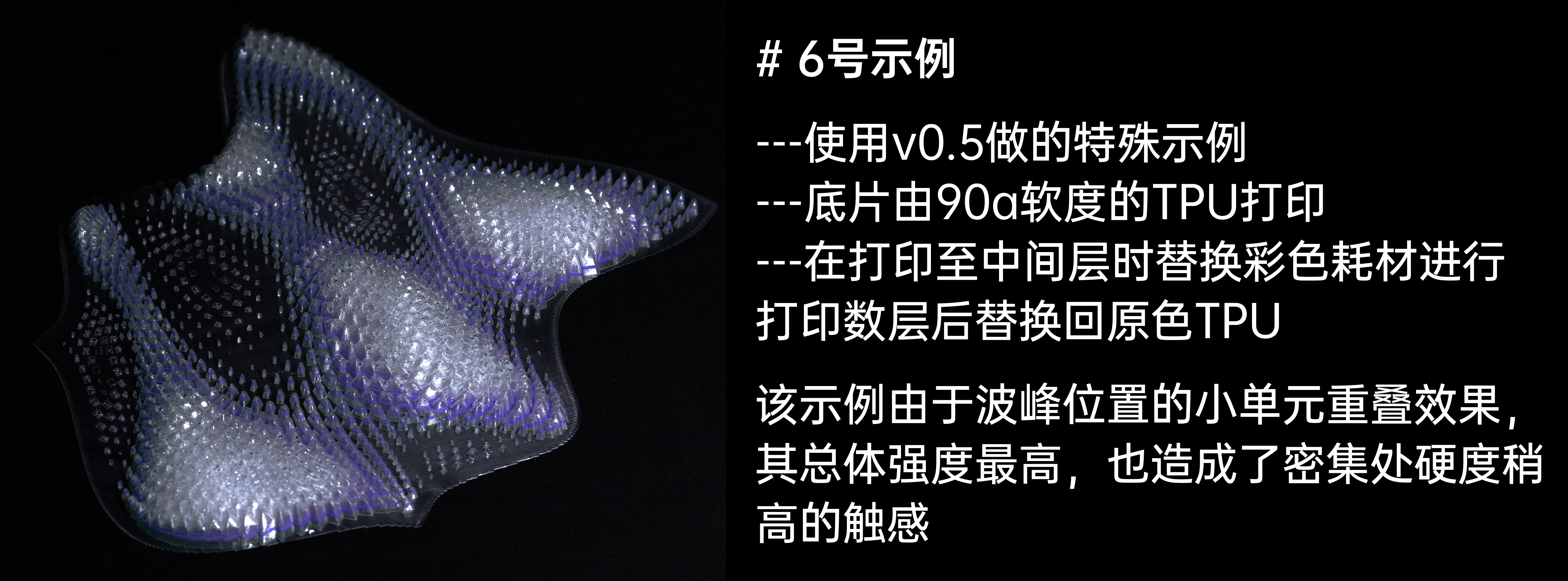
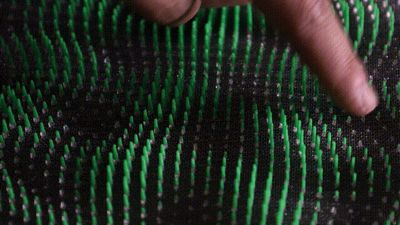
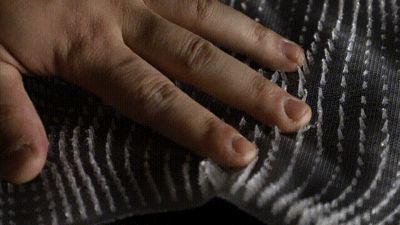
Here is a detail display of the sample print
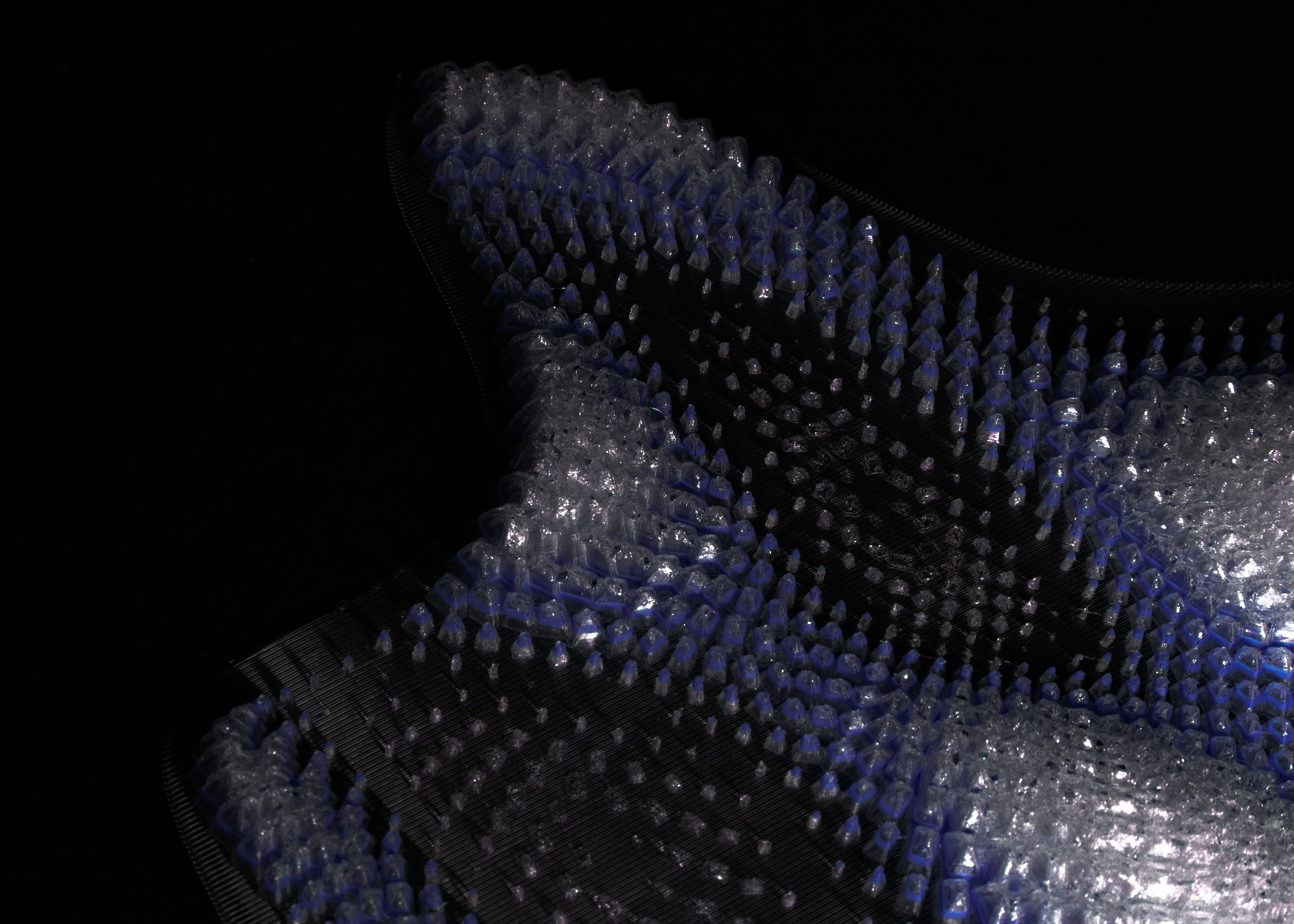
The above is a partial print of Example 6
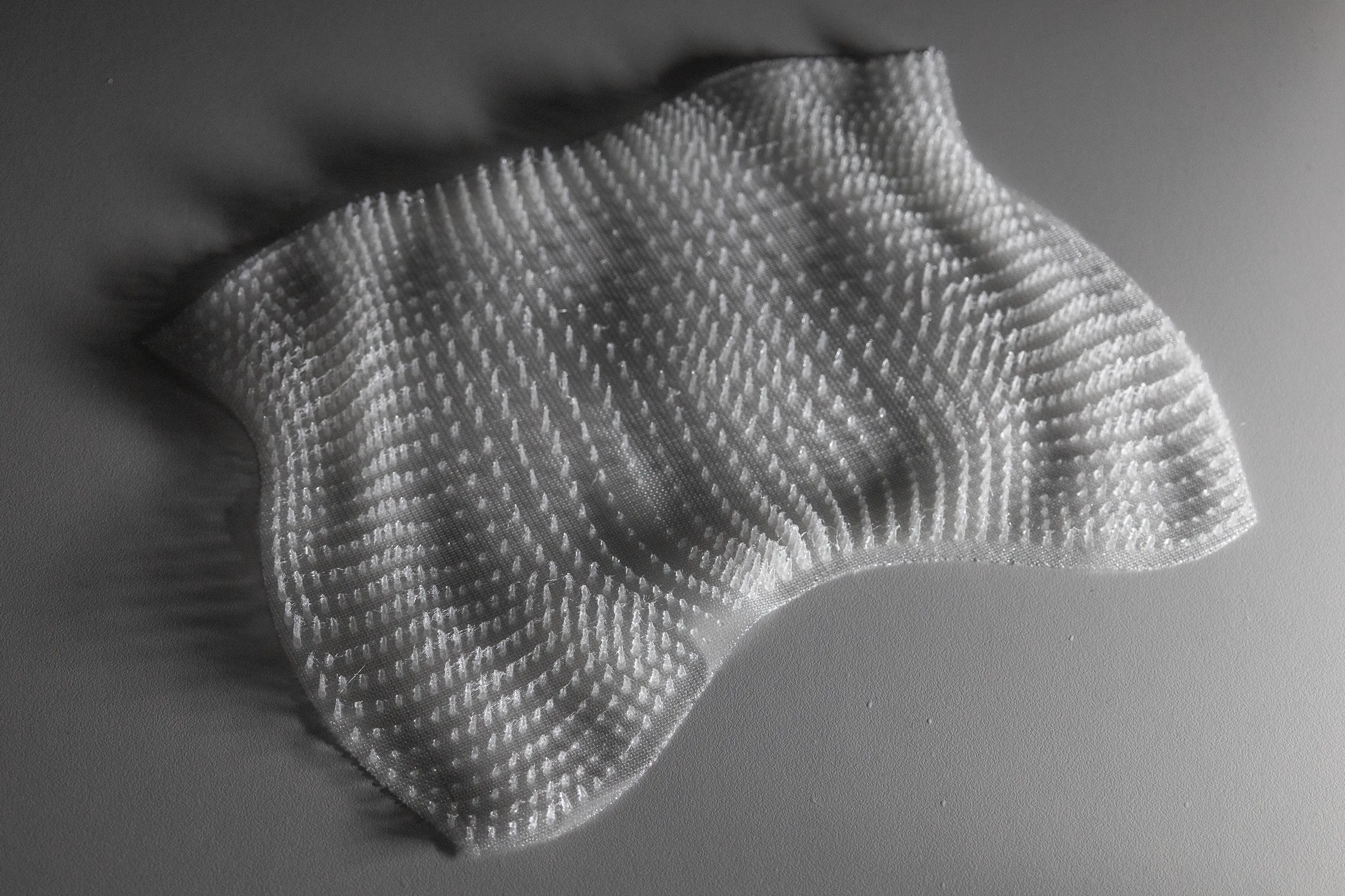
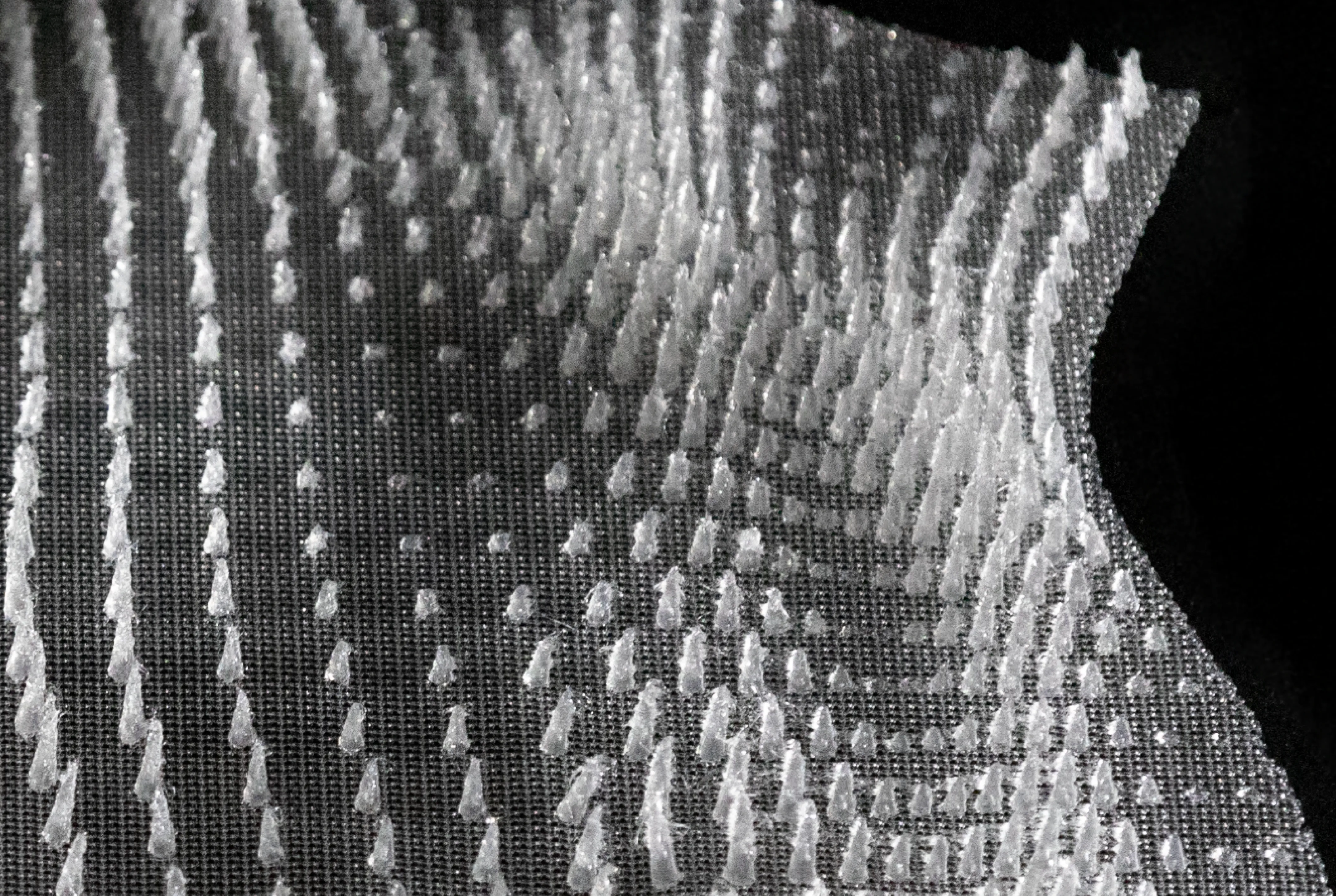
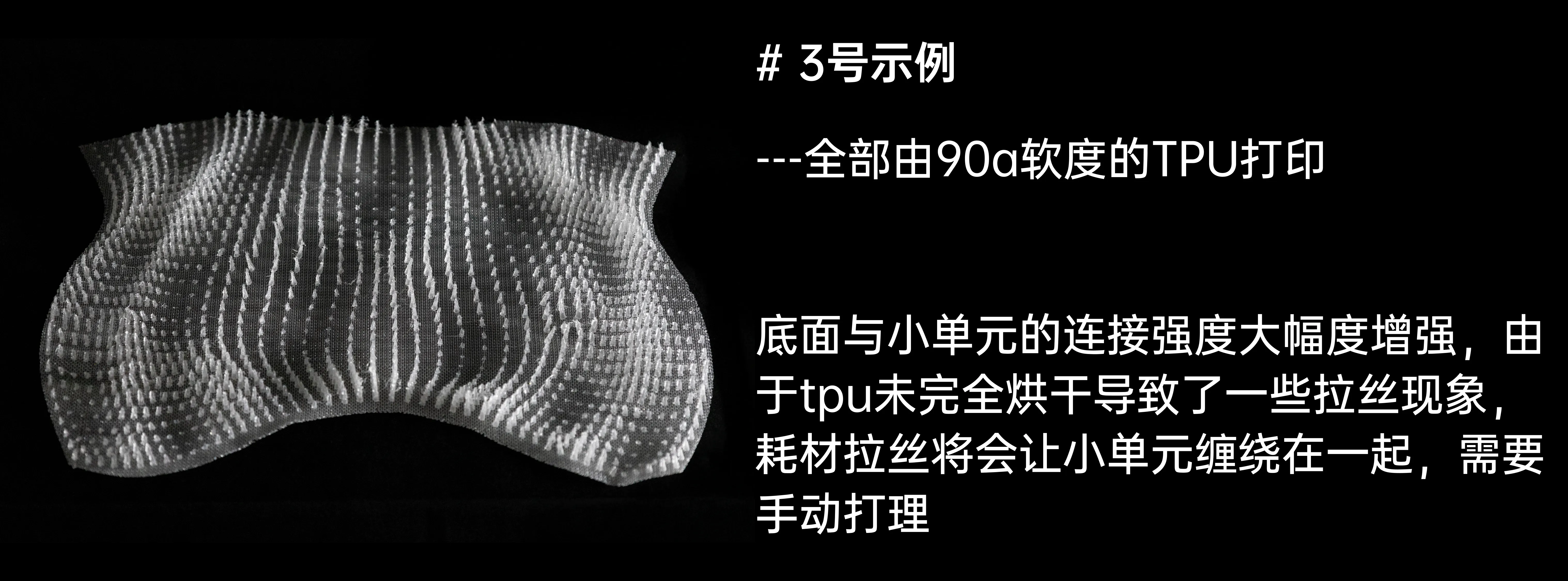
The above two are Example 3 prints
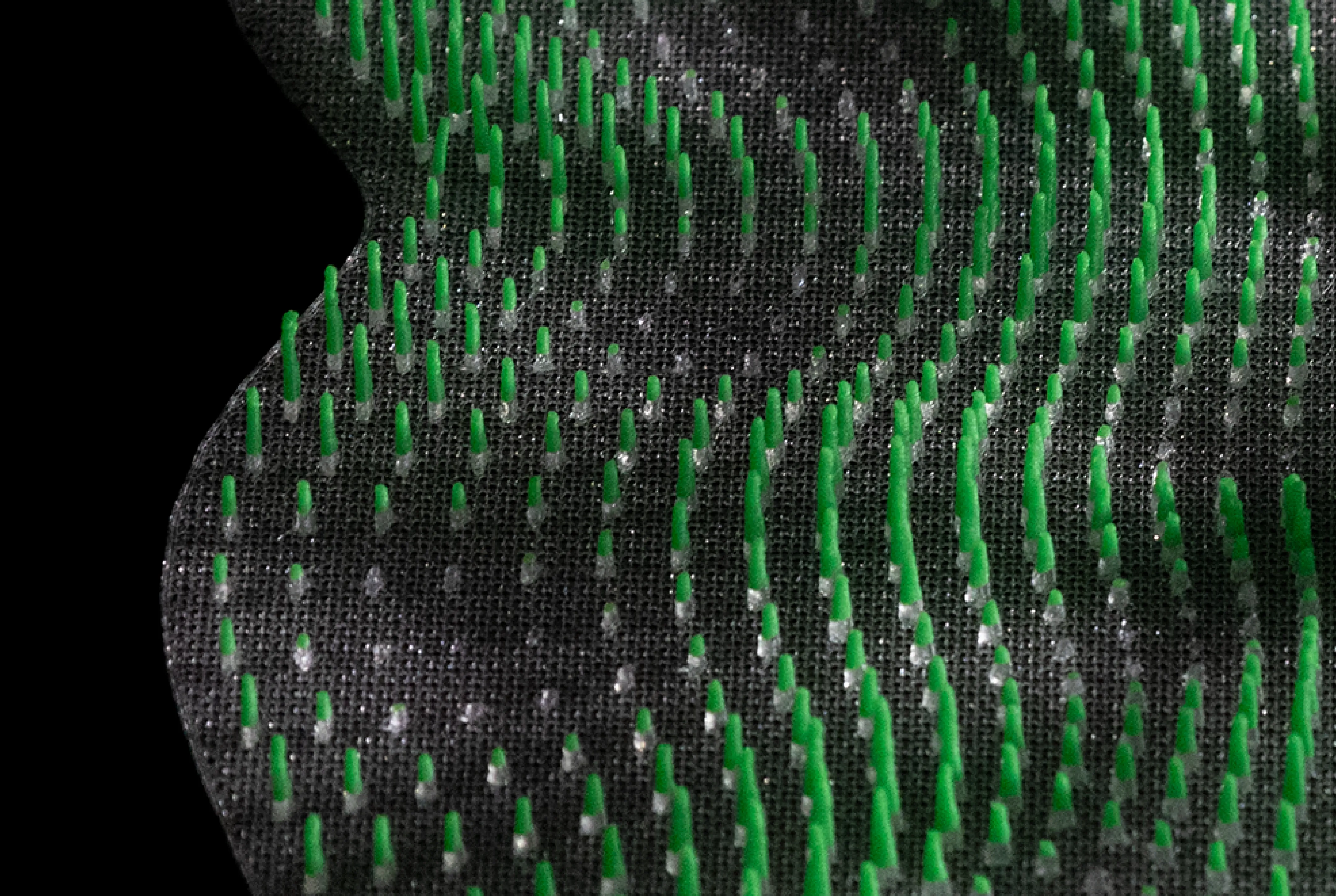
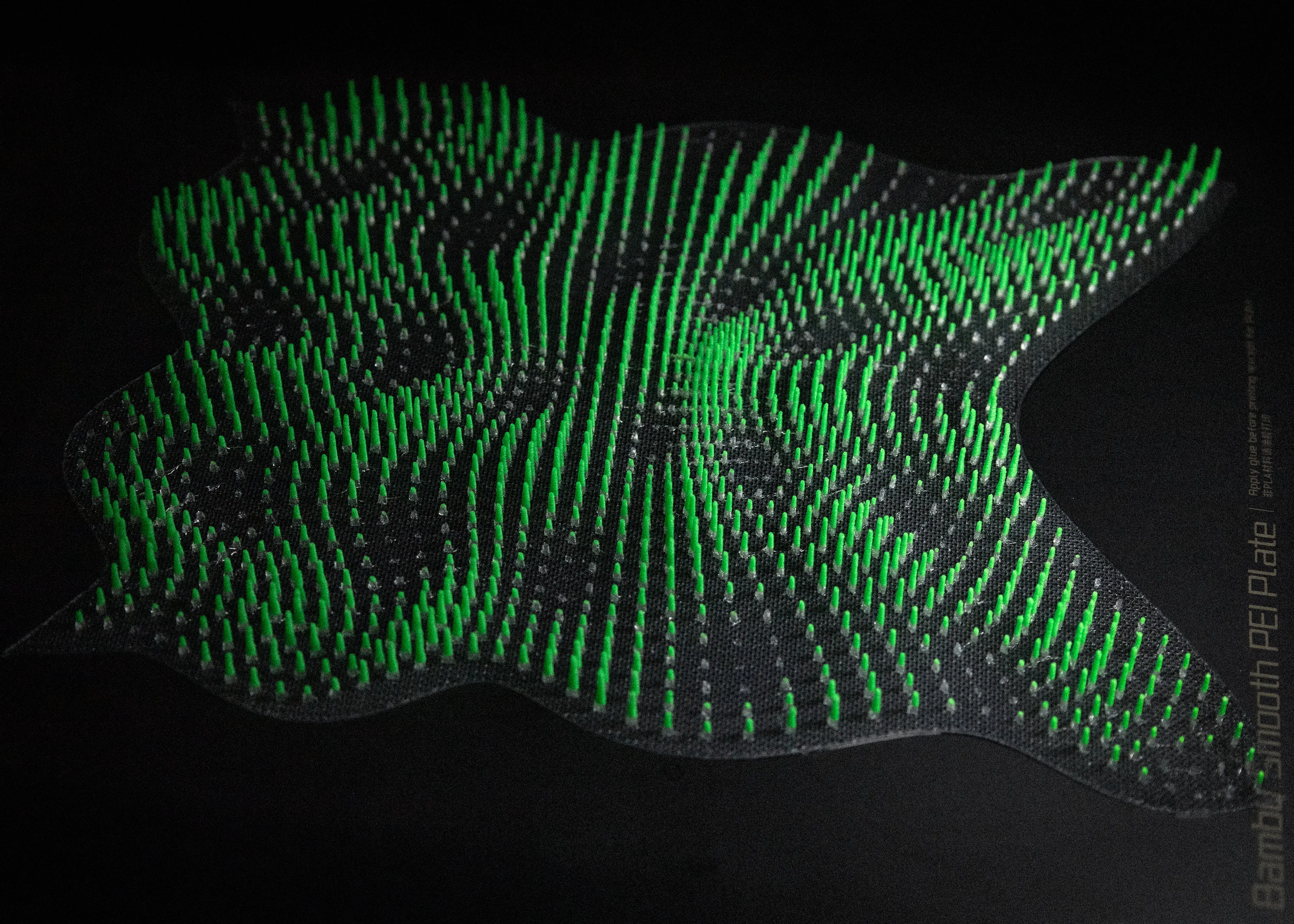
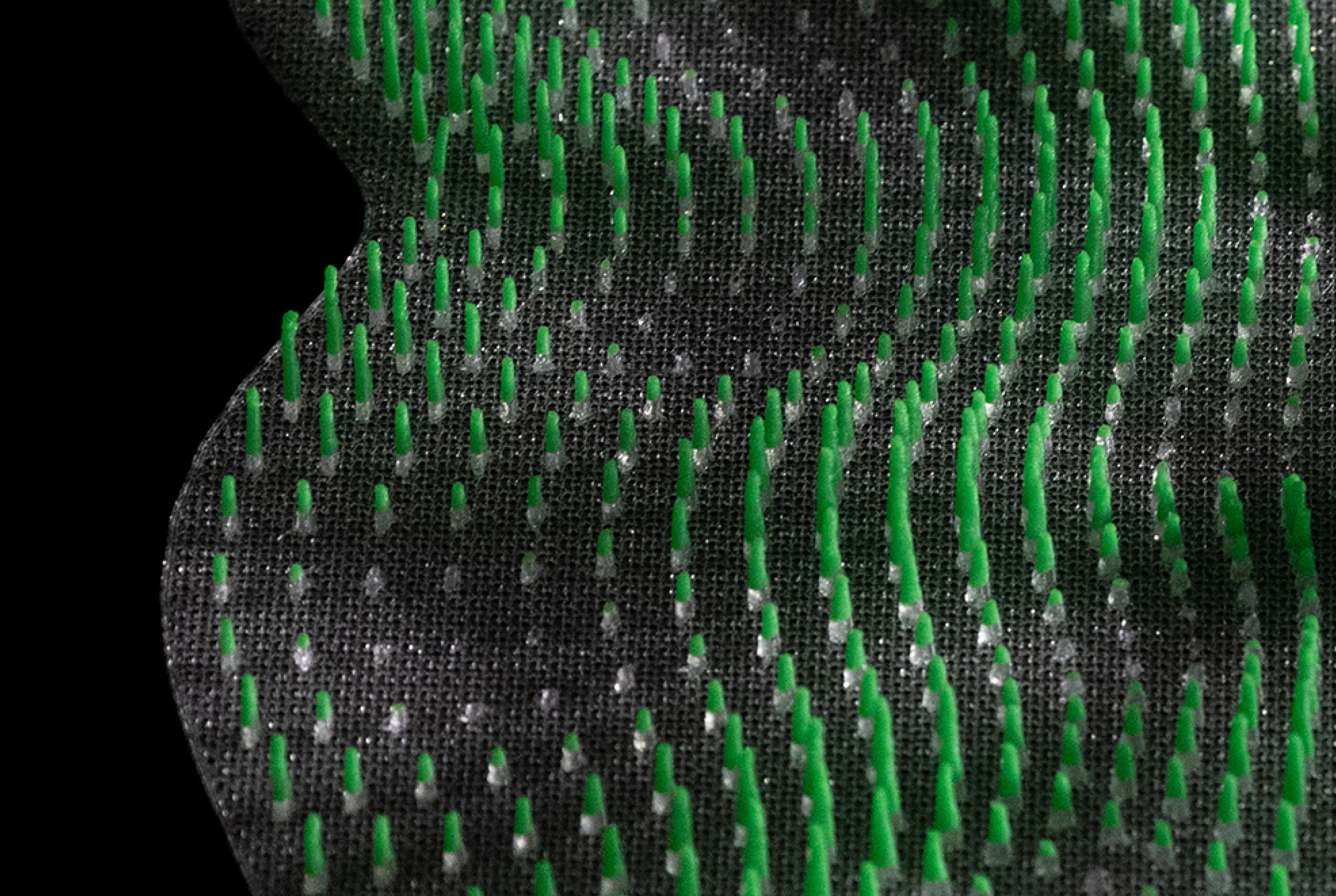
The above two are Example 4 prints
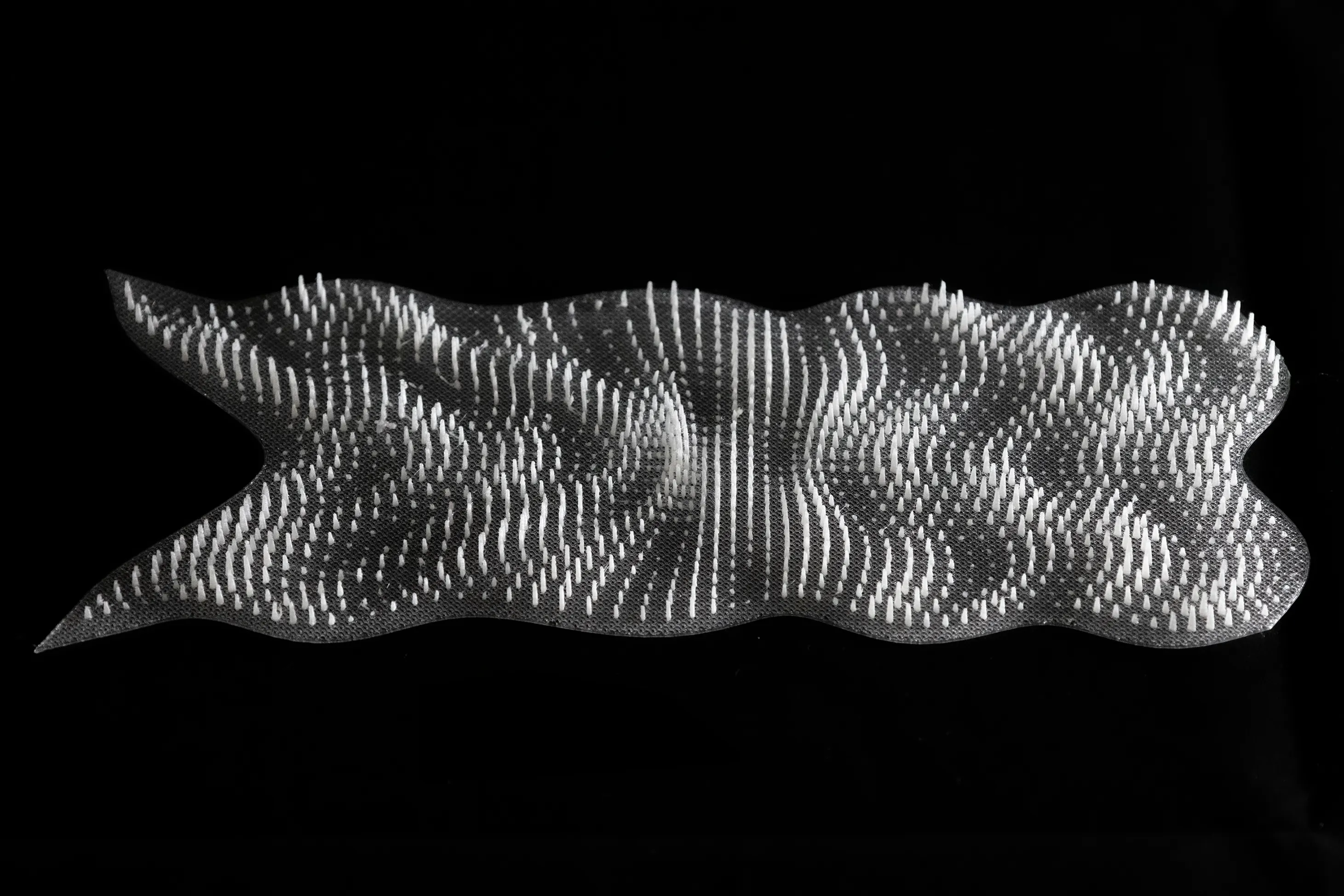
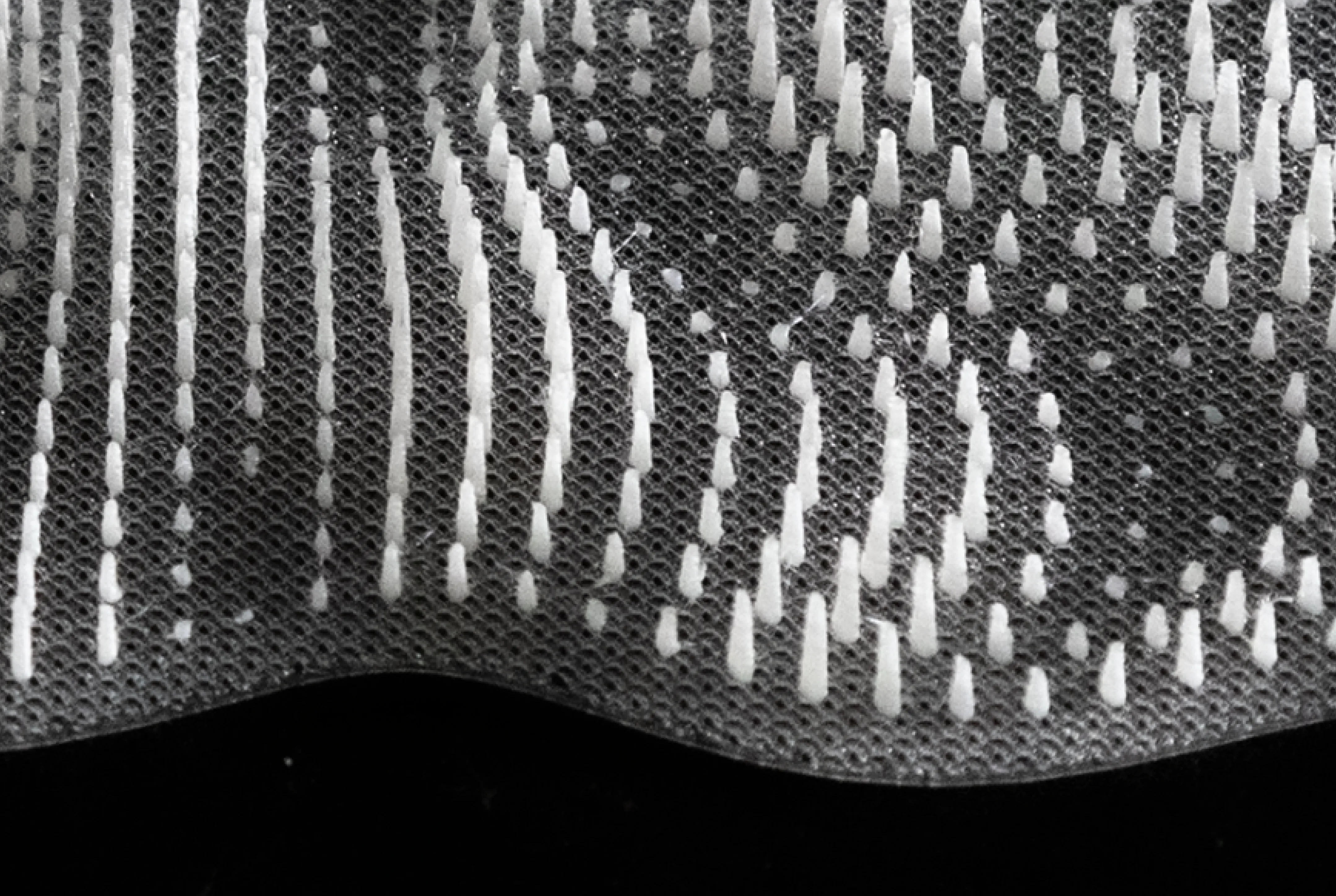
The above two are Example 5 prints
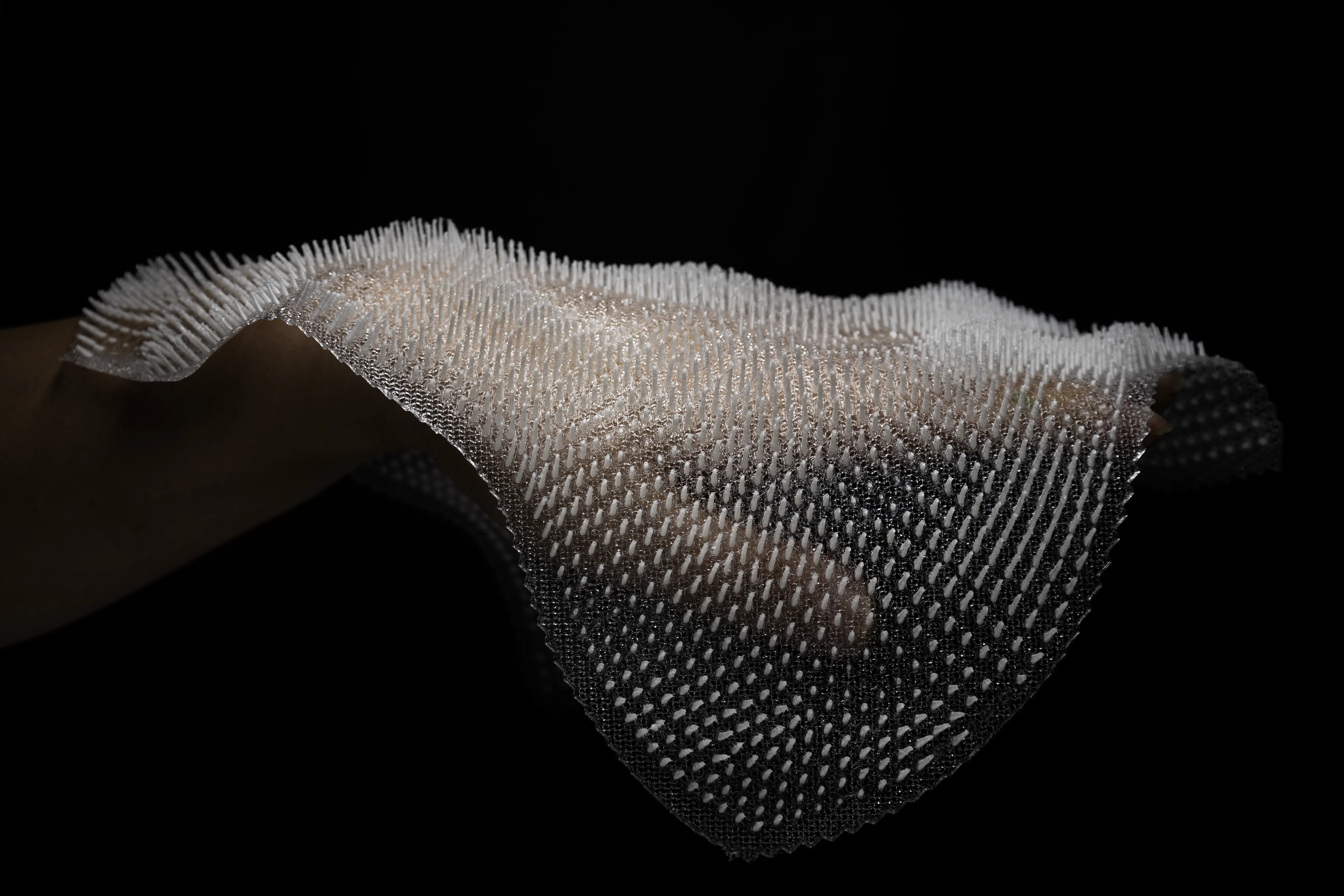
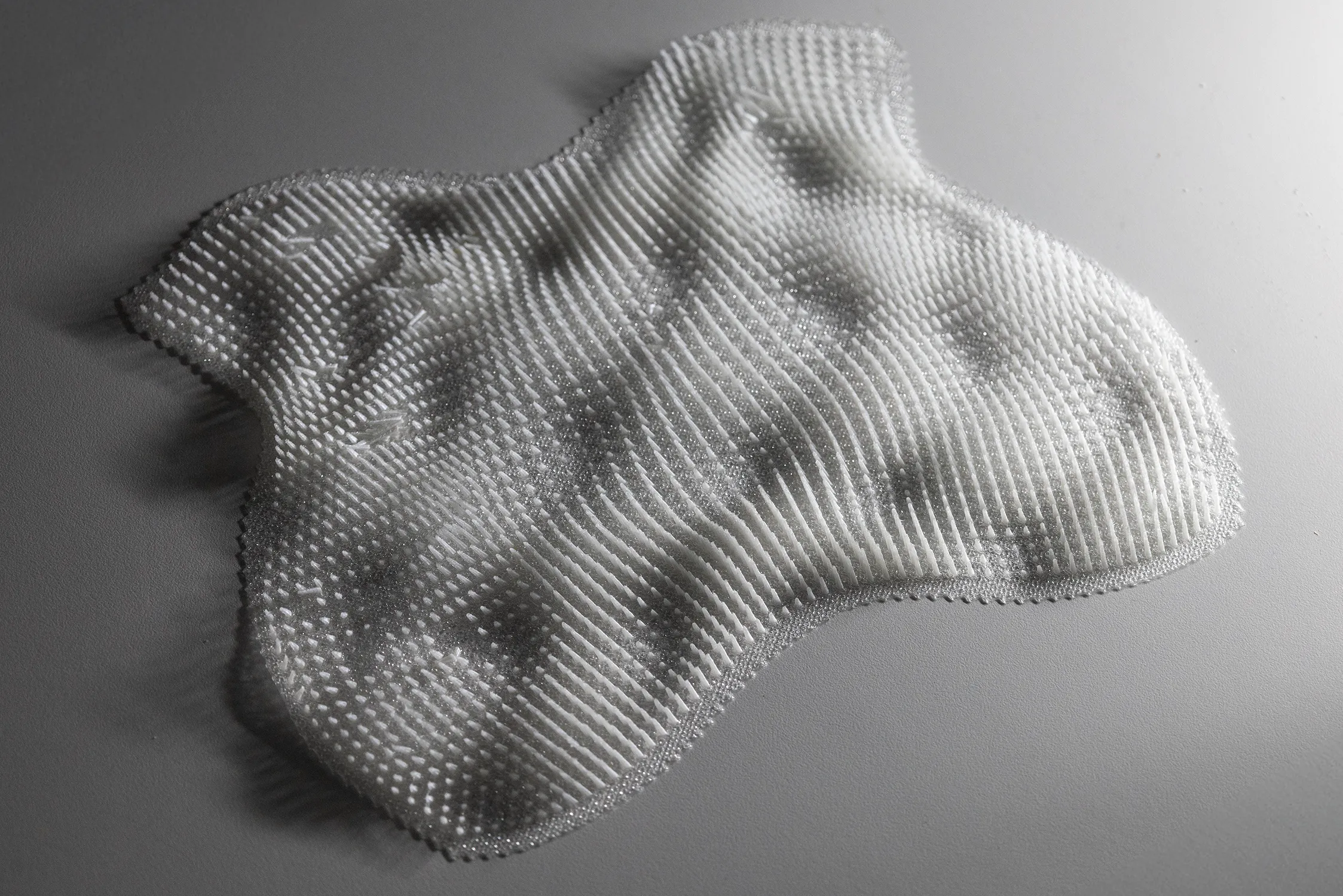
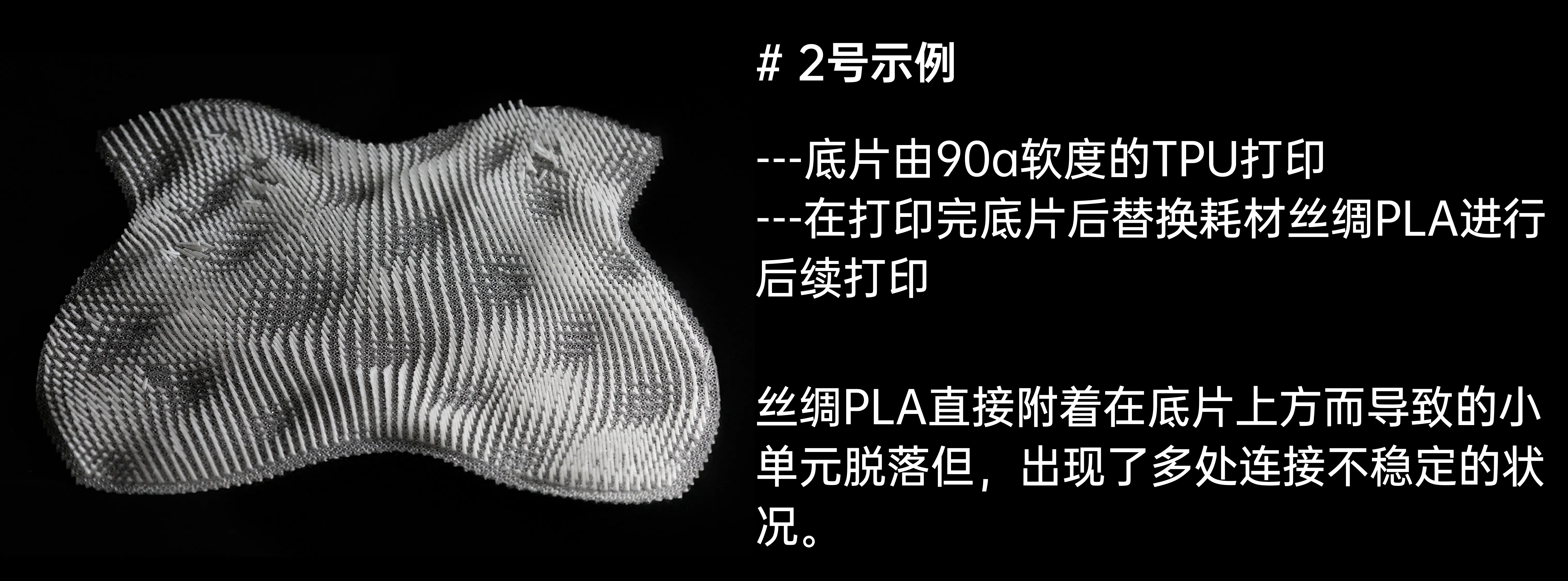
The above two are Example 2 prints, and small units fell off after rubbing
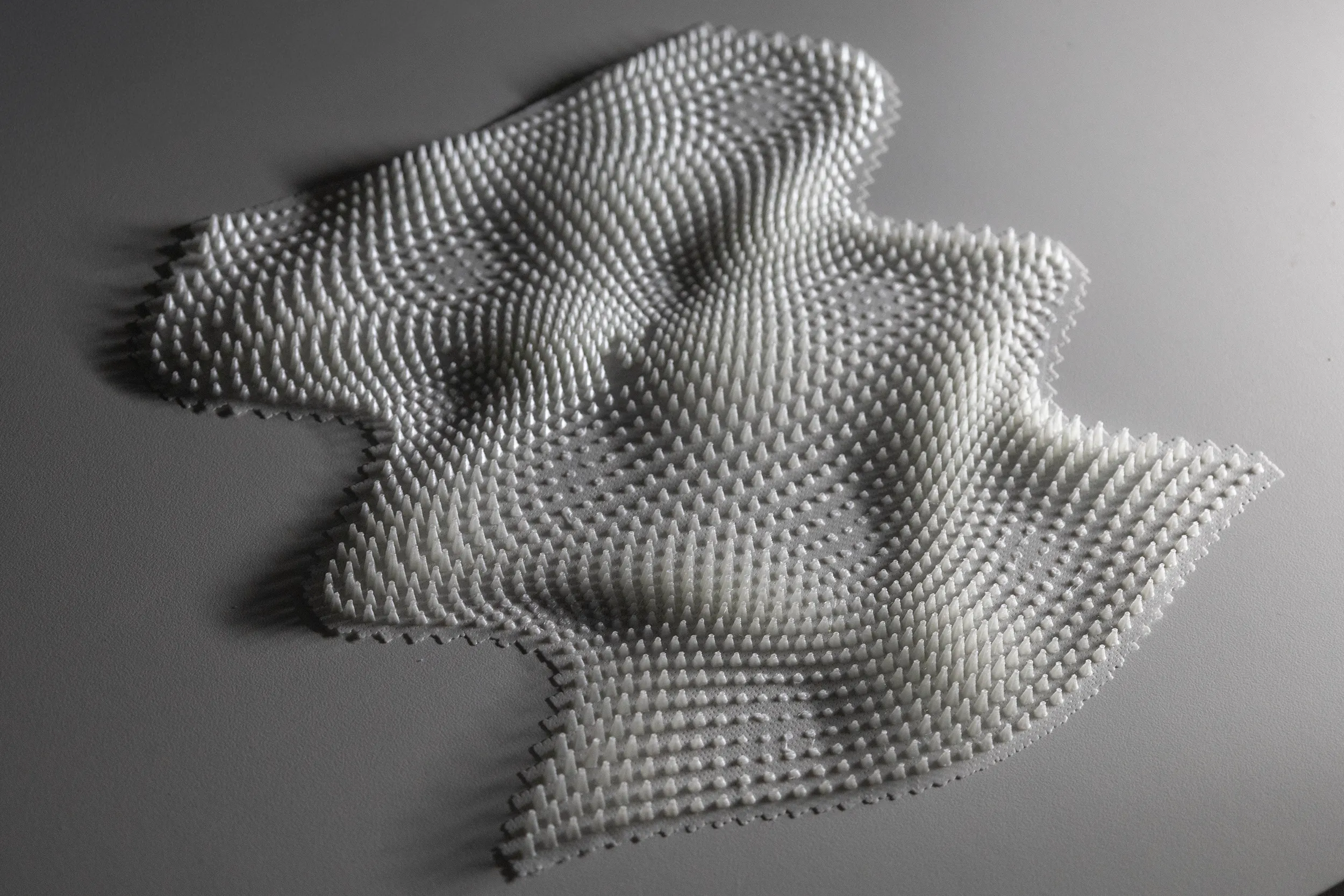
The above is a print of Example 1 of the fabric generated in version 0.1. The base and small units are entirely PLA printed, and the connection was also unstable.
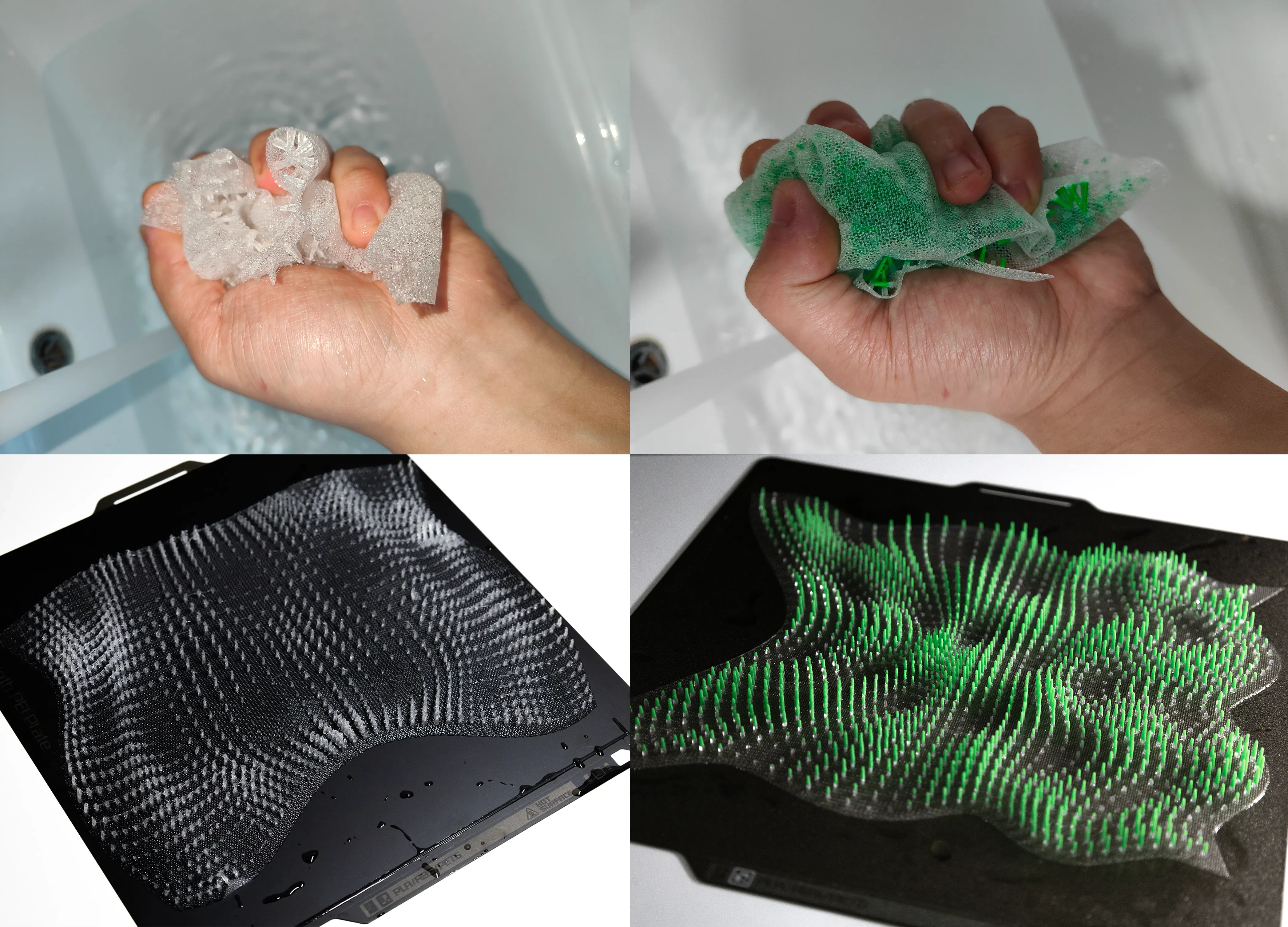
The above is a print of Examples 3 and 4 of the fabric generated in version 0.2. After rinsing, gently rubbing, and air drying, no small units fell off. Therefore, in comparison, printing entirely with TPU or replacing the material with TPU printed to one-third, these two methods may be better choices for printing this work. With a TPU base, the small units will also feel more skin-friendly and smooth to the touch.
Boost Me (for free)
The work and script will continue to be updated, thank you for your support!
License

You shall not share, sub-license, sell, rent, host, transfer, or distribute in any way the digital or 3D printed versions of this object, nor any other derivative work of this object in its digital or physical format (including - but not limited to - remixes of this object, and hosting on other digital platforms). The objects may not be used without permission in any way whatsoever in which you charge money, or collect fees.


Comment & Rating (9)