
The Lady of Elche
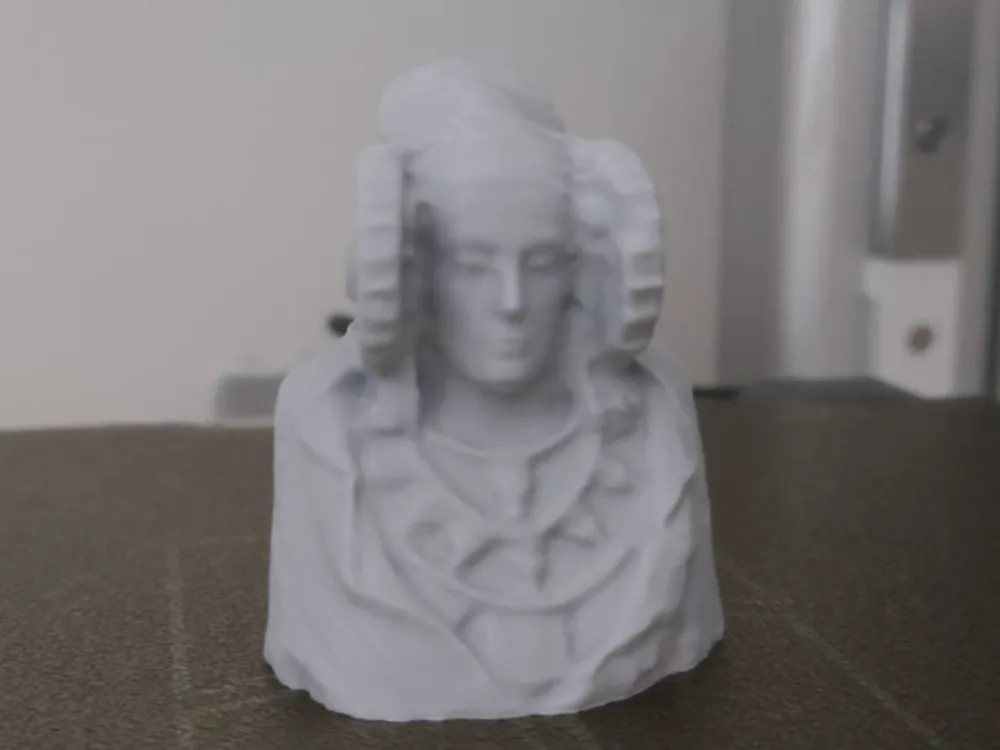
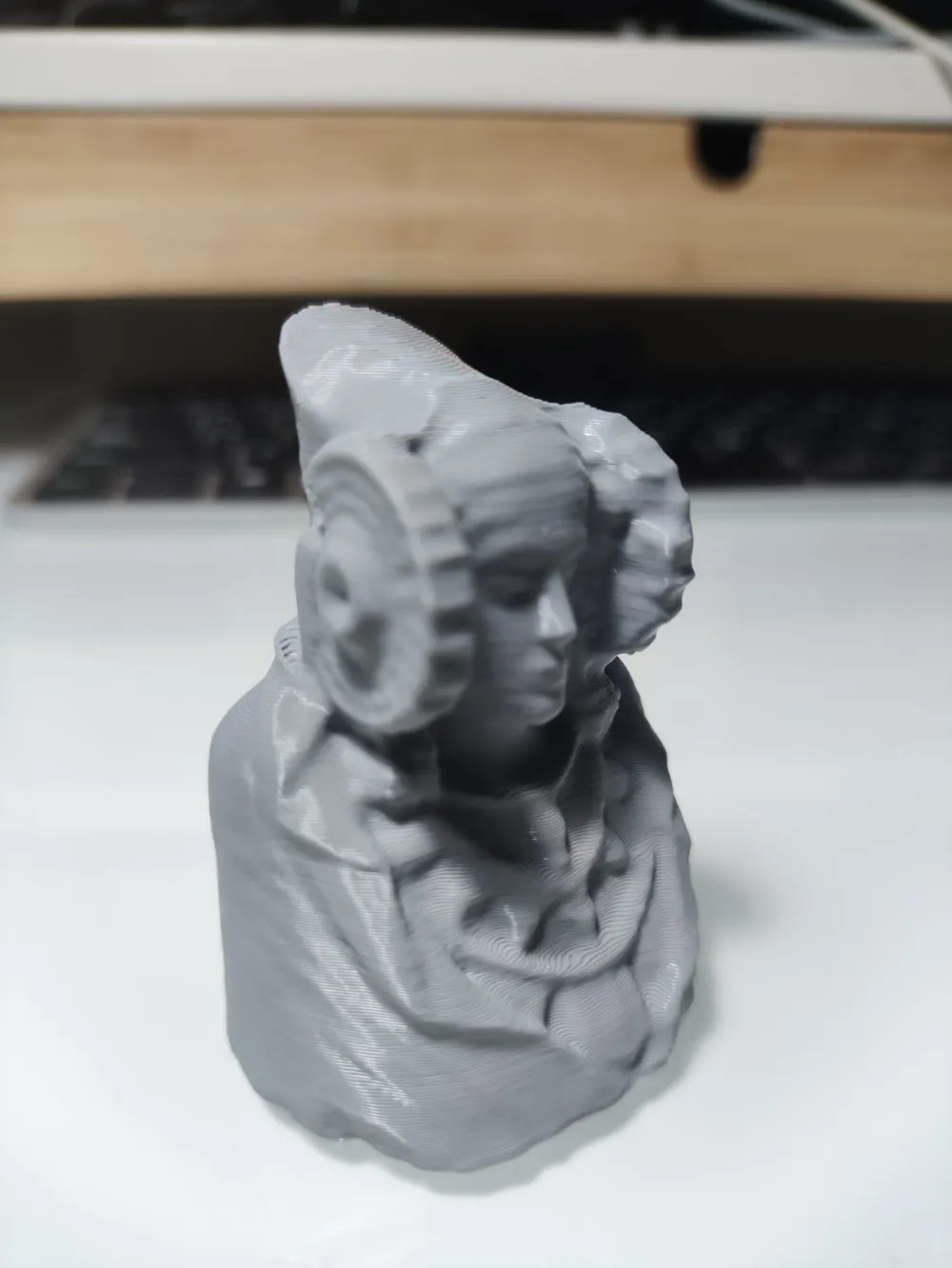
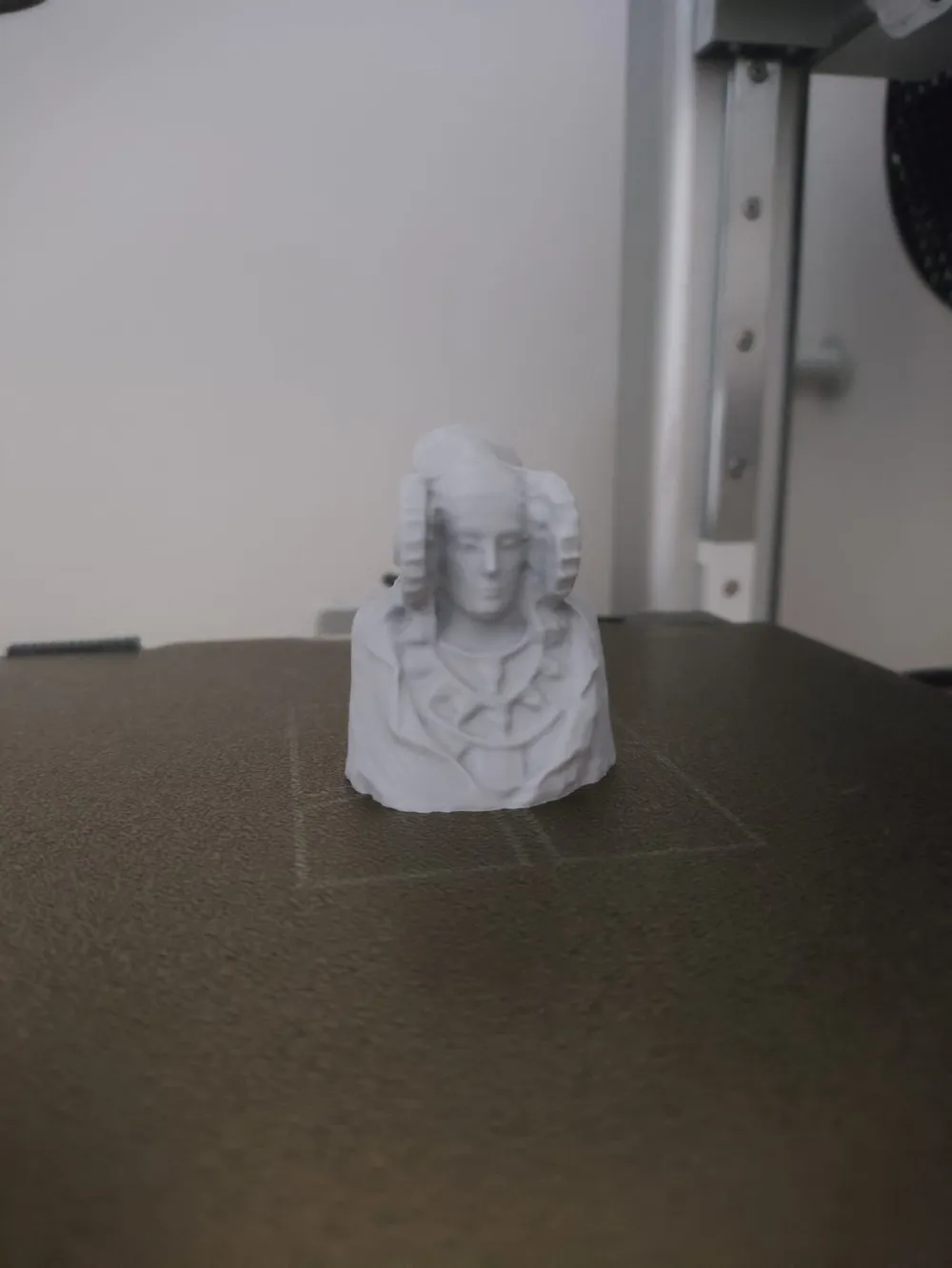
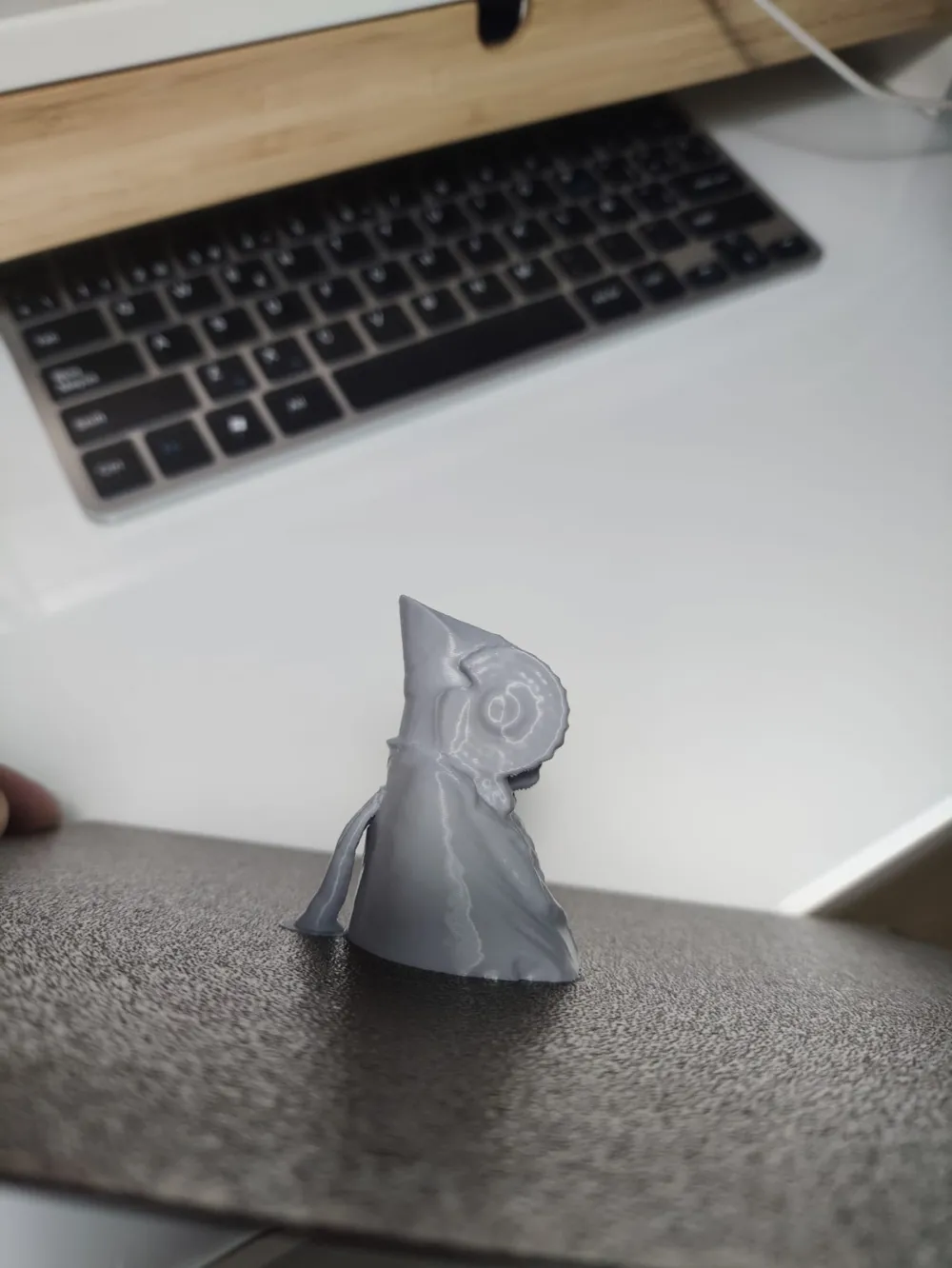
Print Profile(1)

Description
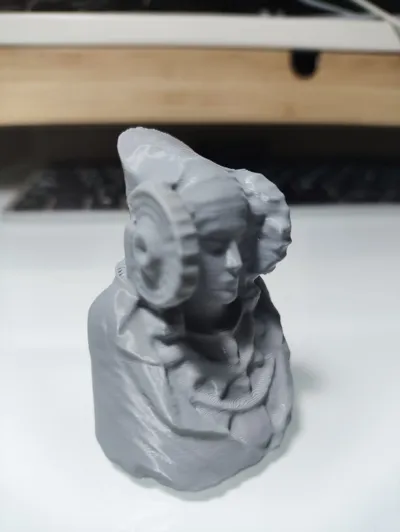
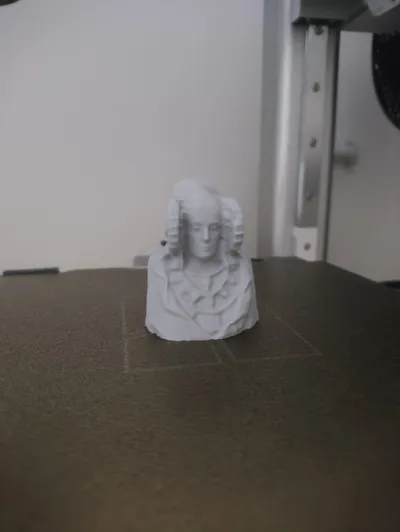
The Lady of Elche is a limestone Iberian sculpture, 56 cm in height, dating from between the 5th and 4th centuries BC. It depicts a woman with remarkably flawless, possibly idealized, features, splendidly adorned in robes and jewelry. The sculpture is exceptionally well-preserved; while most of its original polychromy is lost, remnants remain visible on the lips, veil, and tunic.
The Lady of Elche, serendipitously discovered at the archaeological site of La Alcudia by a boy during agricultural fieldwork, is among the world's most renowned sculptural works. It is currently housed in the National Archaeological Museum of Madrid. Following its discovery on August 4, 1897, French archaeologist Pierre Paris acquired it for the Louvre Museum, where it remained until 1941, when it returned to Spain. Since then, the sculpture has twice visited its namesake city: for 14 days in 1965, and for nearly six months in 2006 for the inauguration of the MAHE (Museum of Archaeology and History of Elche).
La Dama de Elche es una escultura íbera realizada en piedra caliza, de 56 cm de alto, datada entre los siglos V y IV a. C. Representa a una mujer de rasgos muy perfectos, posiblemente idealizados y espléndidamente ataviada con ropajes y joyas. La escultura está bien conservada y, si bien ha perdido casi toda su policromía original, conserva algún resto en los labios, el velo y la túnica.
La Dama de Elche, hallada en el yacimiento arqueológico de La Alcudia de forma casual por un niño mientras se realizaban tareas agrícolas en el campo, es una de las obras escultóricas más célebres del mundo. Actualmente se custodia en el Museo Arqueológico Nacional de Madrid. Tras su descubrimiento el 4 de agosto de 1897, el arqueólogo francés Pierre Paris la adquirió para el Museo del Louvre, permaneciendo en Francia hasta el año 1941, año en que regresó a España. Desde entonces, la escultura ha visitado dos veces su ciudad: 14 días en el año 1965, y casi 6 meses en 2006 con motivo de la inauguración del MAHE.
License



Comment & Rating (3)