
Skeleton Skull
Print Profile(2)


Description
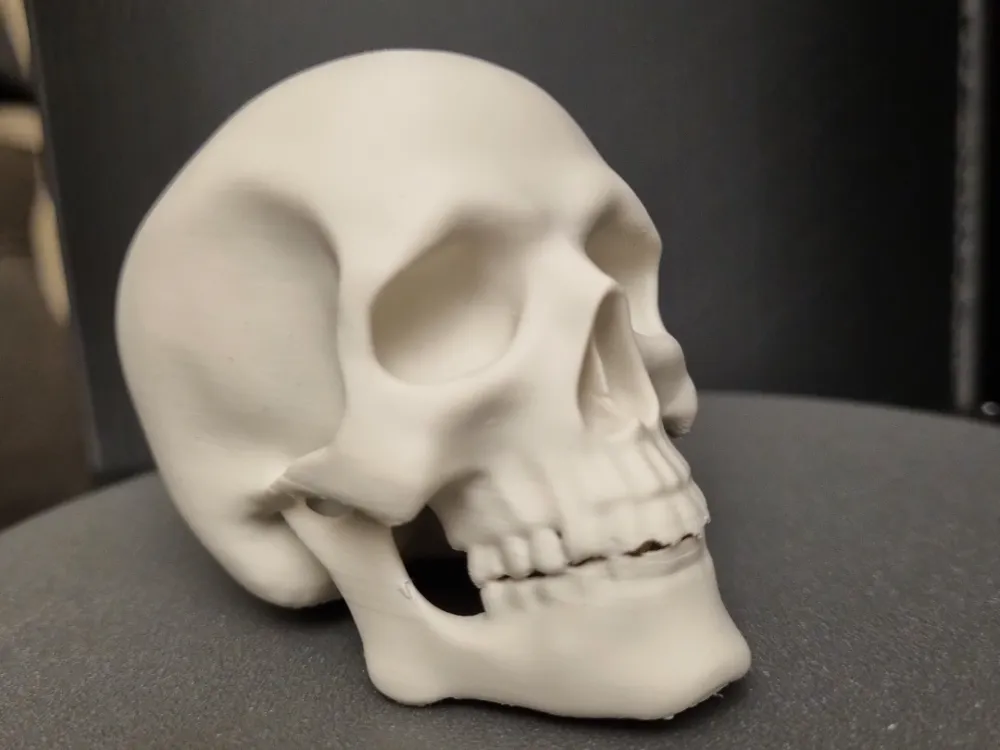
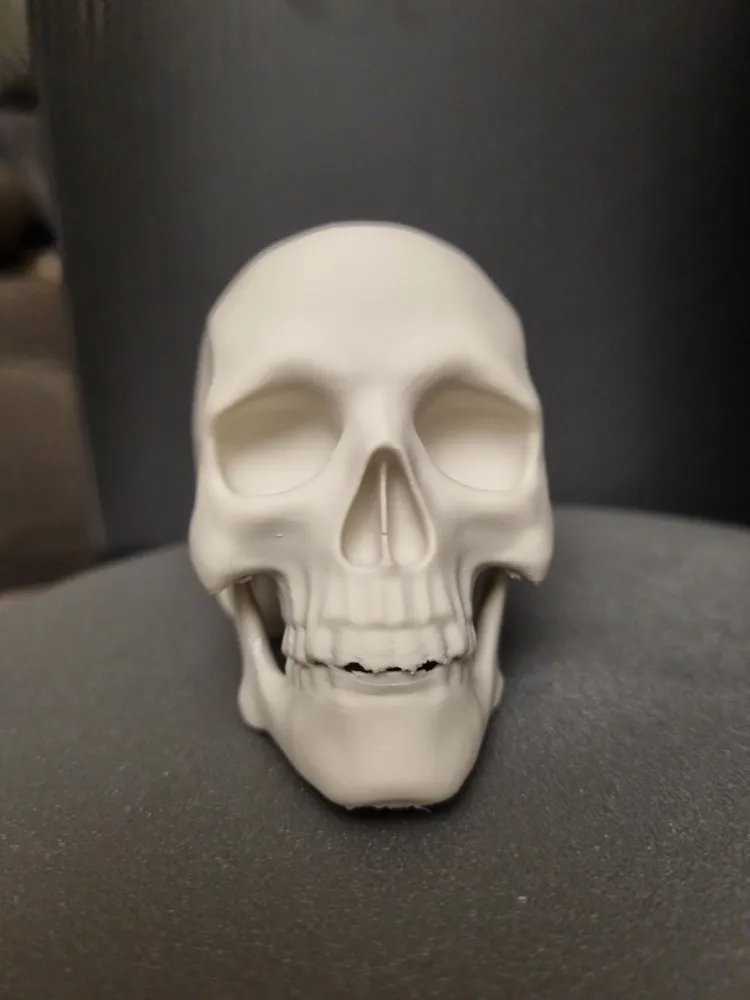
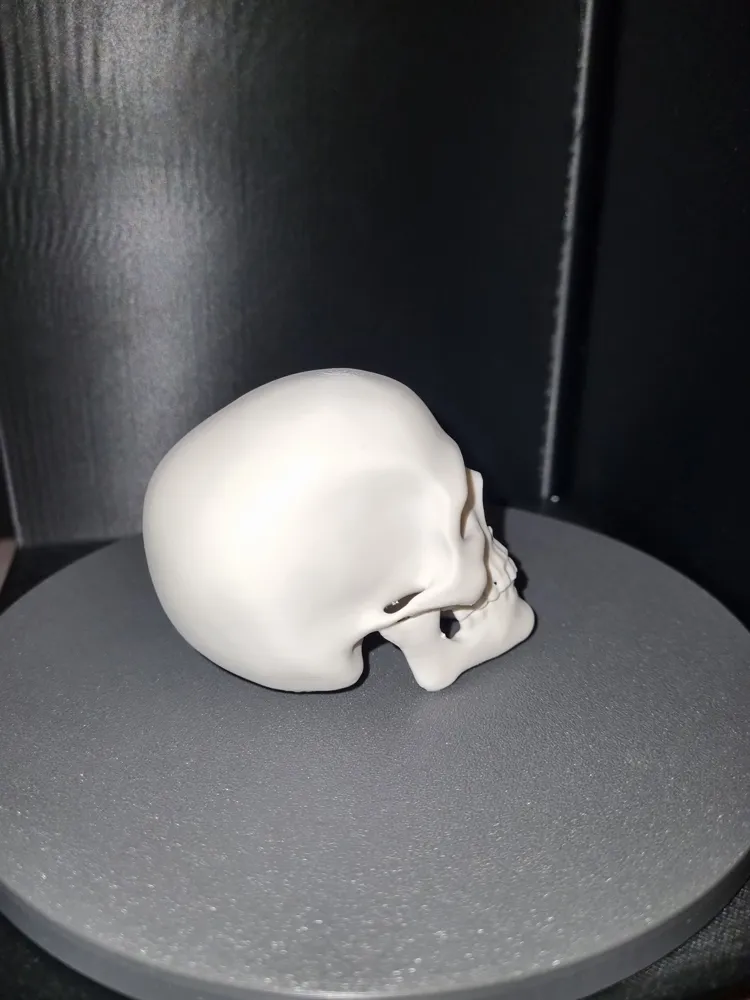
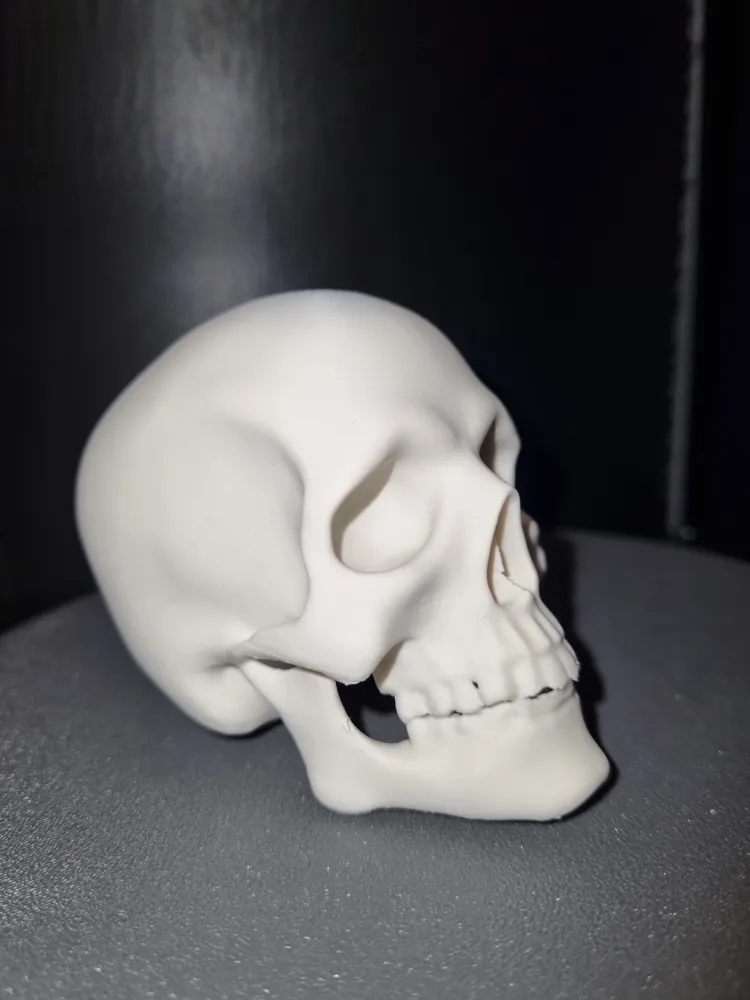
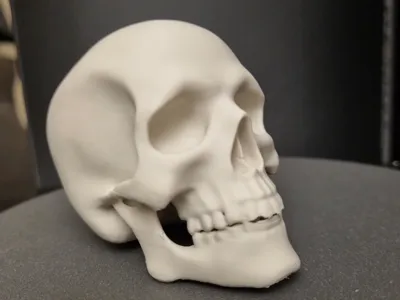
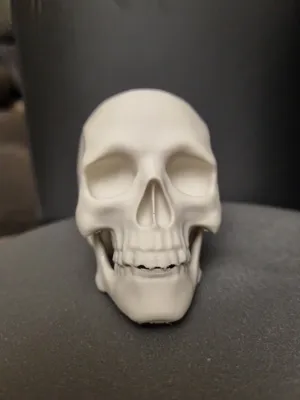
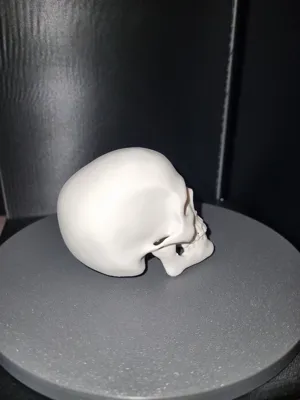
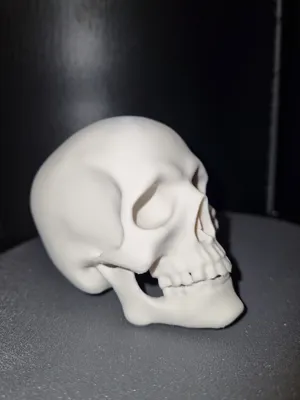
Here is a high-poly model of a skull
I hope you like it
Have fun printing
Boost Me (for free)
A 3D model of a skull, specifically a human skull, is a three-dimensional digital representation of the skull's bone structure. Such models are frequently used in anatomy, medicine, forensics, and art. Here are some key aspects to consider when explaining a 3D model of a skull:
1. Anatomical Parts
A human skull consists of various parts that can be depicted in the model:
- Cranium (skullcap): Includes the upper and lateral parts of the skull.
- Facial Skeleton: Includes the bones of the face such as the nasal bone, jaw, cheekbones, etc.
- Jaw: The mandible (lower jaw) and maxilla (upper jaw) are important components.
- Sutures: The lines where the skull bones meet may be visible in the model.
2. 3D Modeling Software
The model can be created using various software programs, such as:
- Blender: Open-source software for 3D modeling and animation.
- Maya: Professional software used in the film and gaming industry.
- ZBrush: Particularly popular for organic models and detail work.
3. Texturing and Materials
To make the model look realistic, textures and materials can be added:
- Surface Materials: To simulate different textures (e.g., smooth, rough).
- Textures: Images or patterns applied to the model's surface to depict details like wrinkles or signs of aging.
4. Anatomical Accuracy
Accuracy is crucial, especially in medical and scientific applications. The model should exhibit the correct proportions and features of a human skull.
5. Animation and Interactivity
In some applications, 3D models can be animated or made interactive, allowing users to rotate, zoom, or isolate various parts of the skull to learn more about anatomy.
6. Use in Education
3D skull models are valuable tools in medical education, as they help students better understand the anatomy and function of the skull bones.
7. Applications in Forensics
In forensics, 3D skull models can also be used for facial reconstruction or to analyze injuries.
In summary, a 3D model of a skull is a complex and versatile tool used in various fields to deepen understanding of human anatomy and support diverse applications.
License

You shall not share, sub-license, sell, rent, host, transfer, or distribute in any way the digital or 3D printed versions of this object, nor any other derivative work of this object in its digital or physical format (including - but not limited to - remixes of this object, and hosting on other digital platforms). The objects may not be used without permission in any way whatsoever in which you charge money, or collect fees.


Comment & Rating (16)