
15 Yuan LED Integration with Mijia—Dual Color Temperature 50W Low-Voltage LED Driver
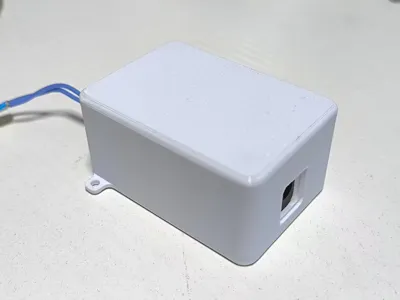
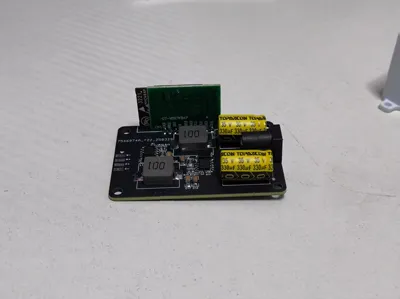
Print Profile(1)

Description
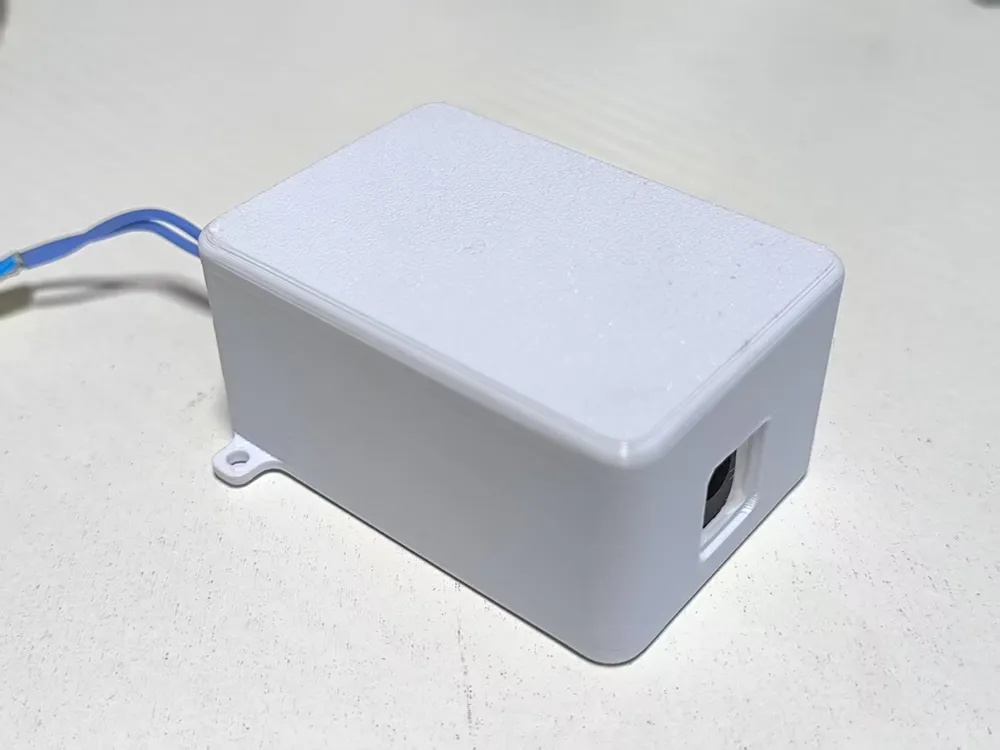
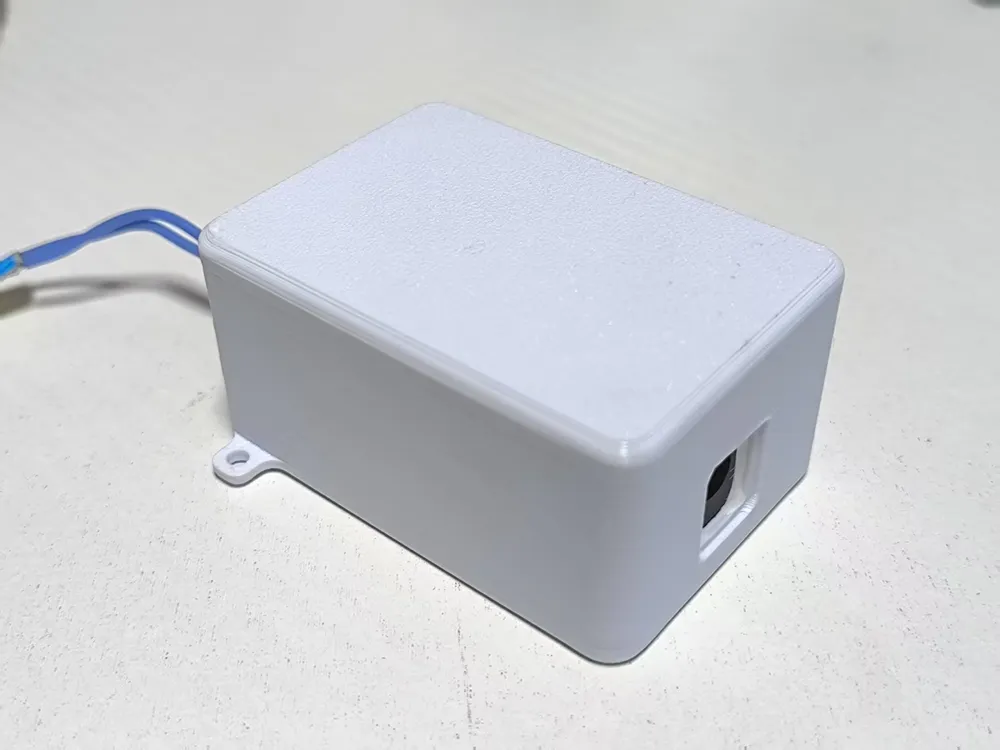
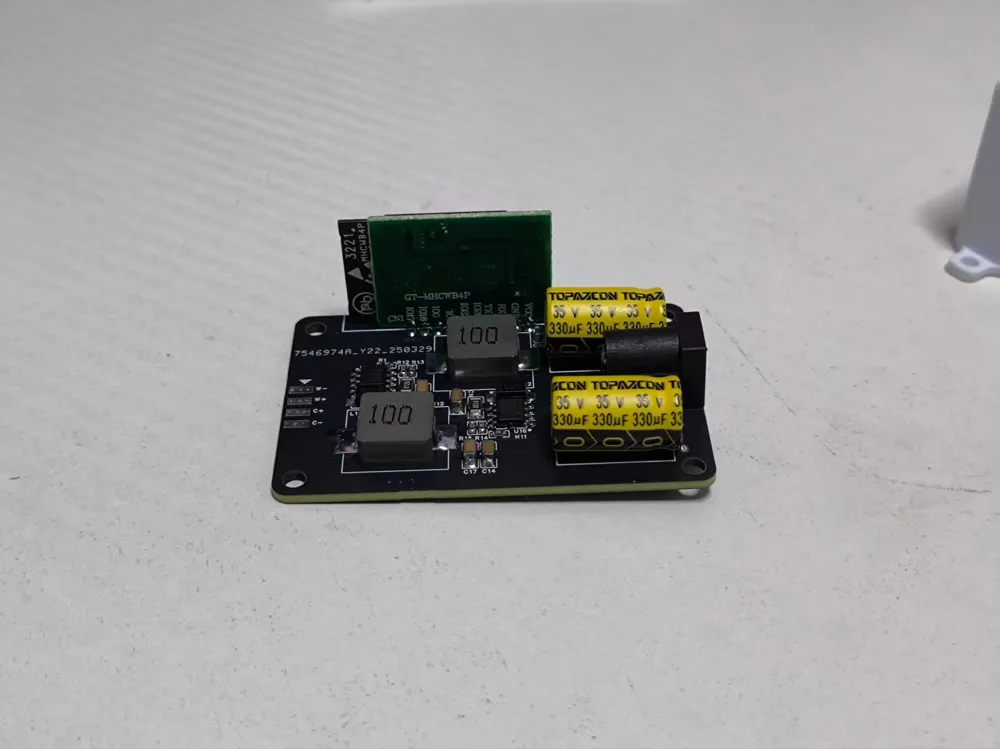
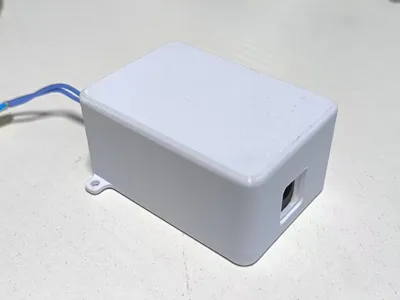
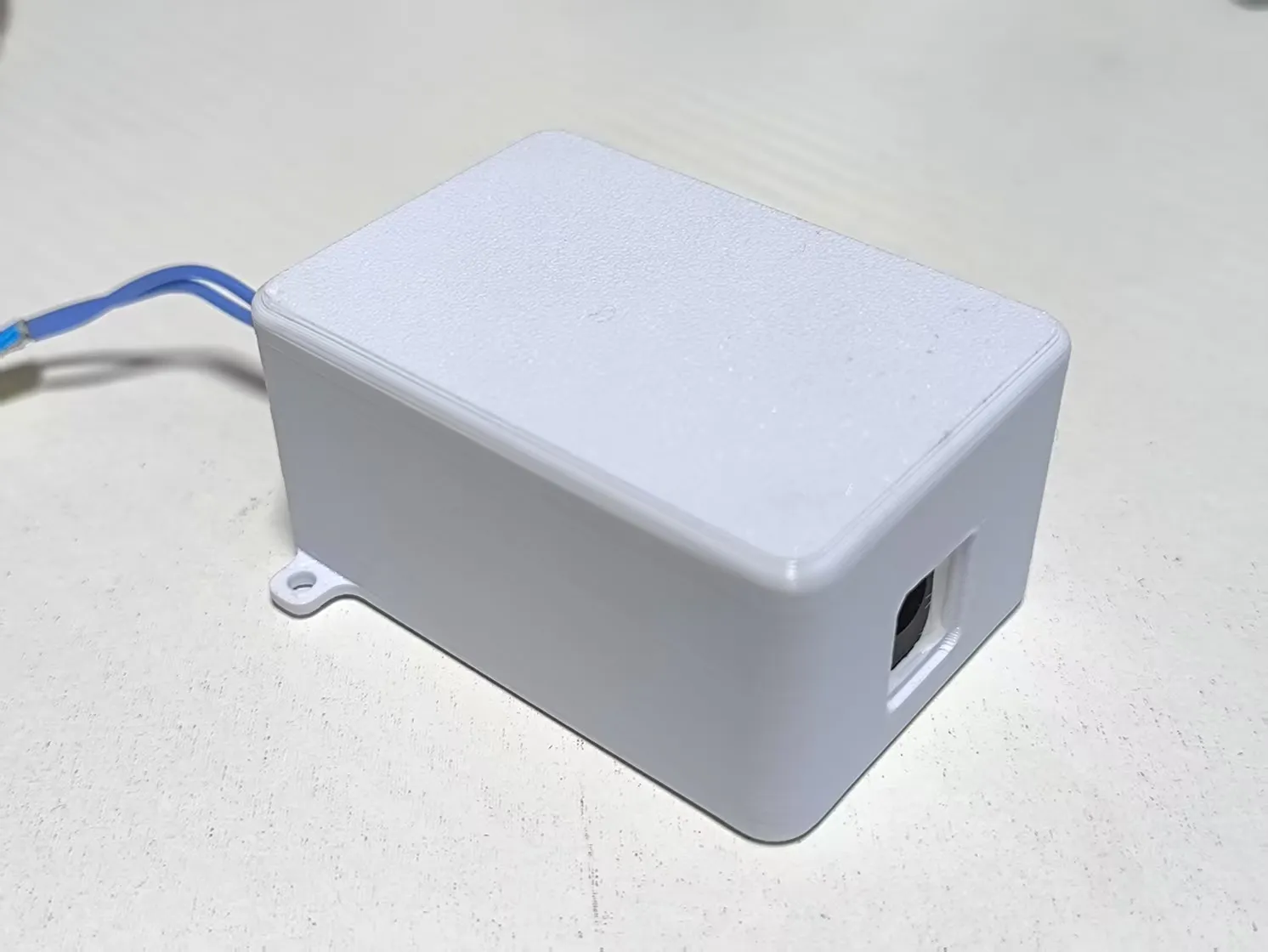
This project is an LED driver made using ESP32 modules from disassembled Mijia ceiling lamps (non-Mijia/Yeelight versions) that are widely available from PDD It can be magnetically mounted The printed enclosure has poor heat dissipation, so it is recommended to print with ABS
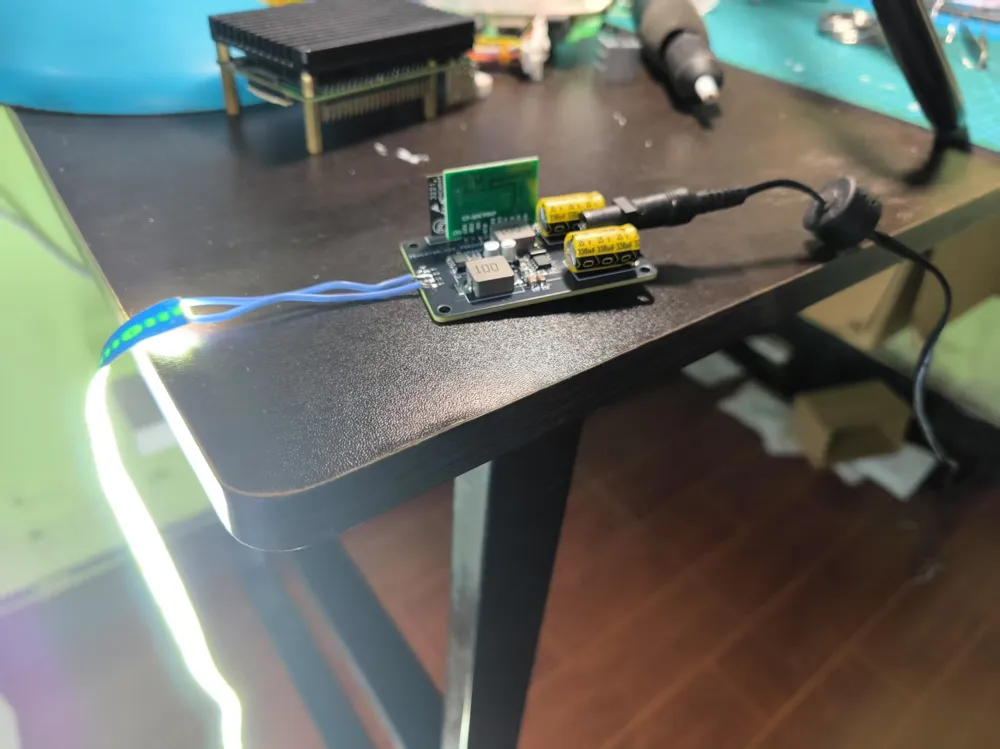
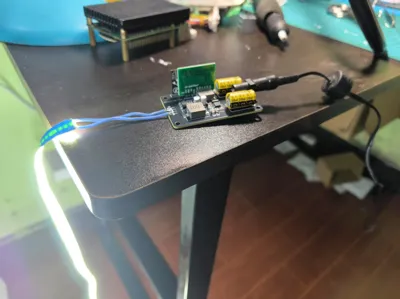
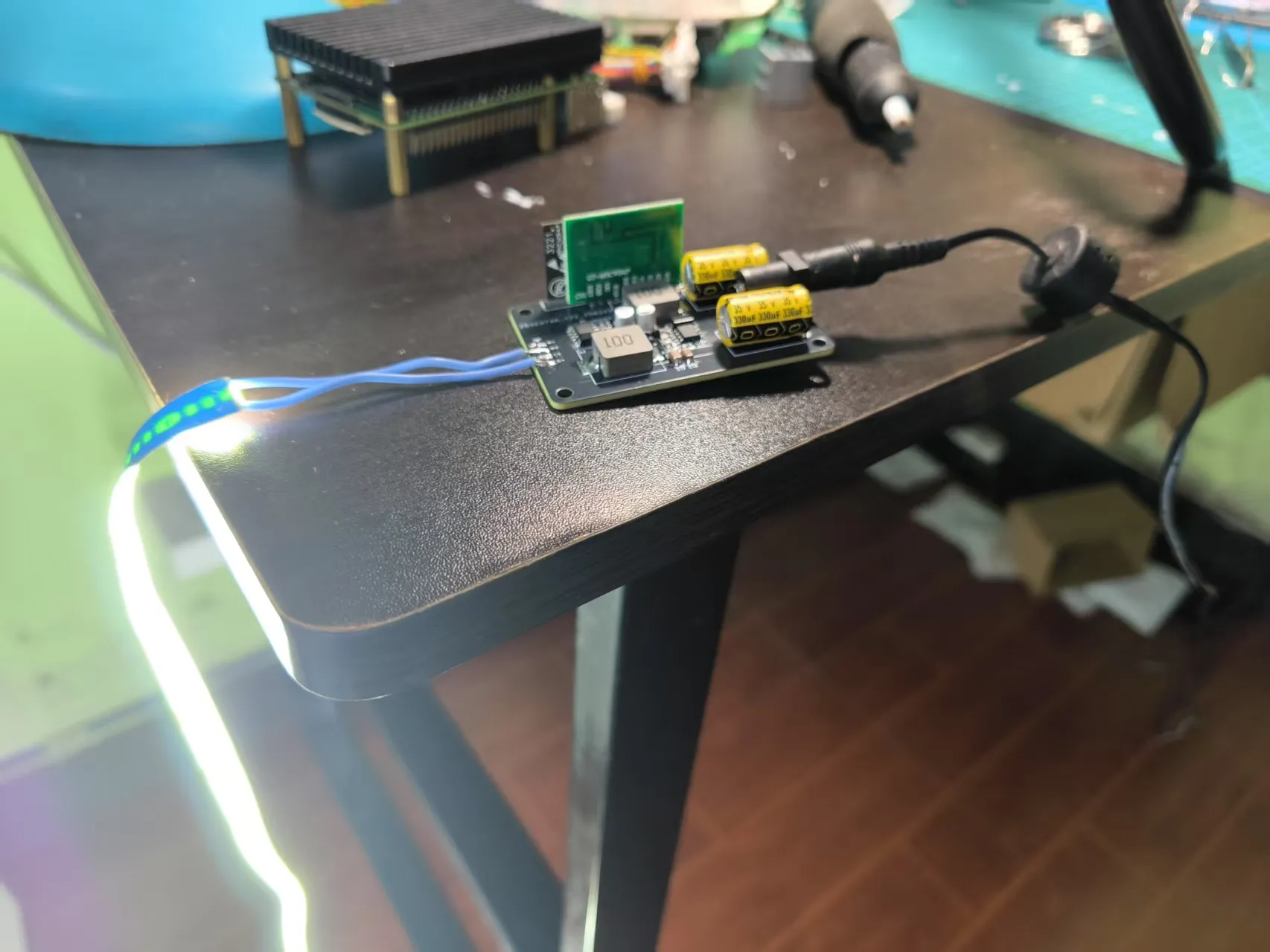
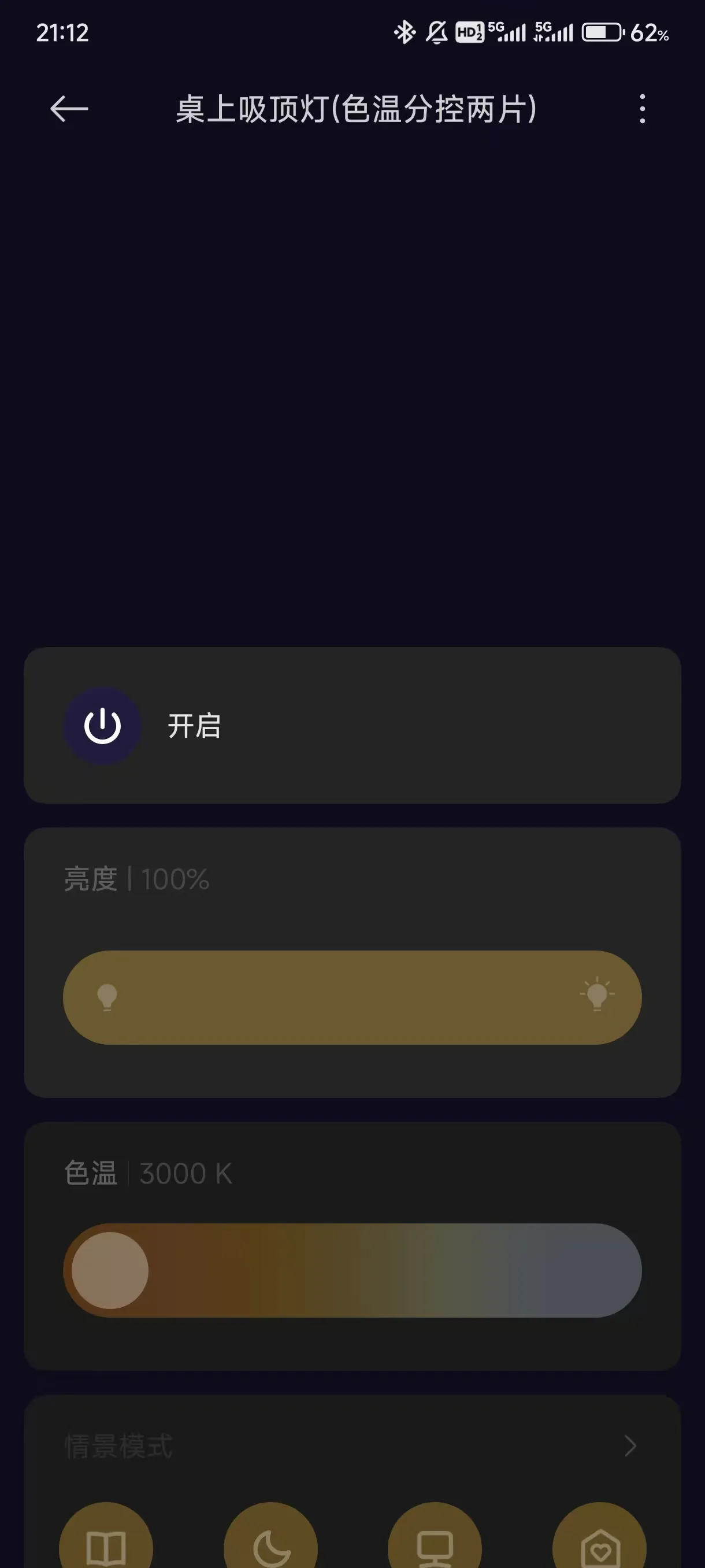
Idle desk lamps/light strips/light bands can be modified to support Mijia control
update: This module is cheaper on Xianyu, averaging 2.8-3 yuan, with free shipping for 20 units, and the yield rate is unknown, I've already bought some
update2: The yield rate on Xianyu is touching, it's recommended to buy from PDD instead
Fabricating and soldering your own PCBs and printing, the cost per set is less than ¥15 Before making, ensure you have the ability to solder 0603 resistors and capacitors, and have complete equipment
PCB/schematic is open source: Xiaomi High-Power Light Strip Controller - Lichee Open-Source Hardware Platform
There are two hardware versions:
BUCK-24VIN is a pure buck driver, requiring VIN > VLED, 24V input is recommended
BUCKBOOST_12VIN is an automatic buck-boost driver, with OVP set to around 30V, 12V input is recommended
BUCKBOOST_12VIN is recommended
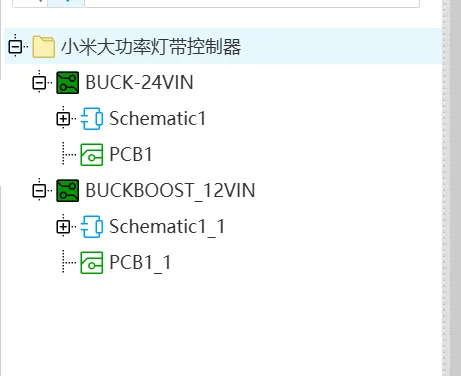
If BUCK-24VIN produces a whining sound, it is normal Simply replace the output capacitor with a 10uF electrolytic capacitor MLCCs can indeed whine if the dimming frequency is too low
PCB thickness of 0.8-1.0mm is recommended Refer to the image below for the module; buying disassembled components may have yield issues, so it's advisable to buy two extra
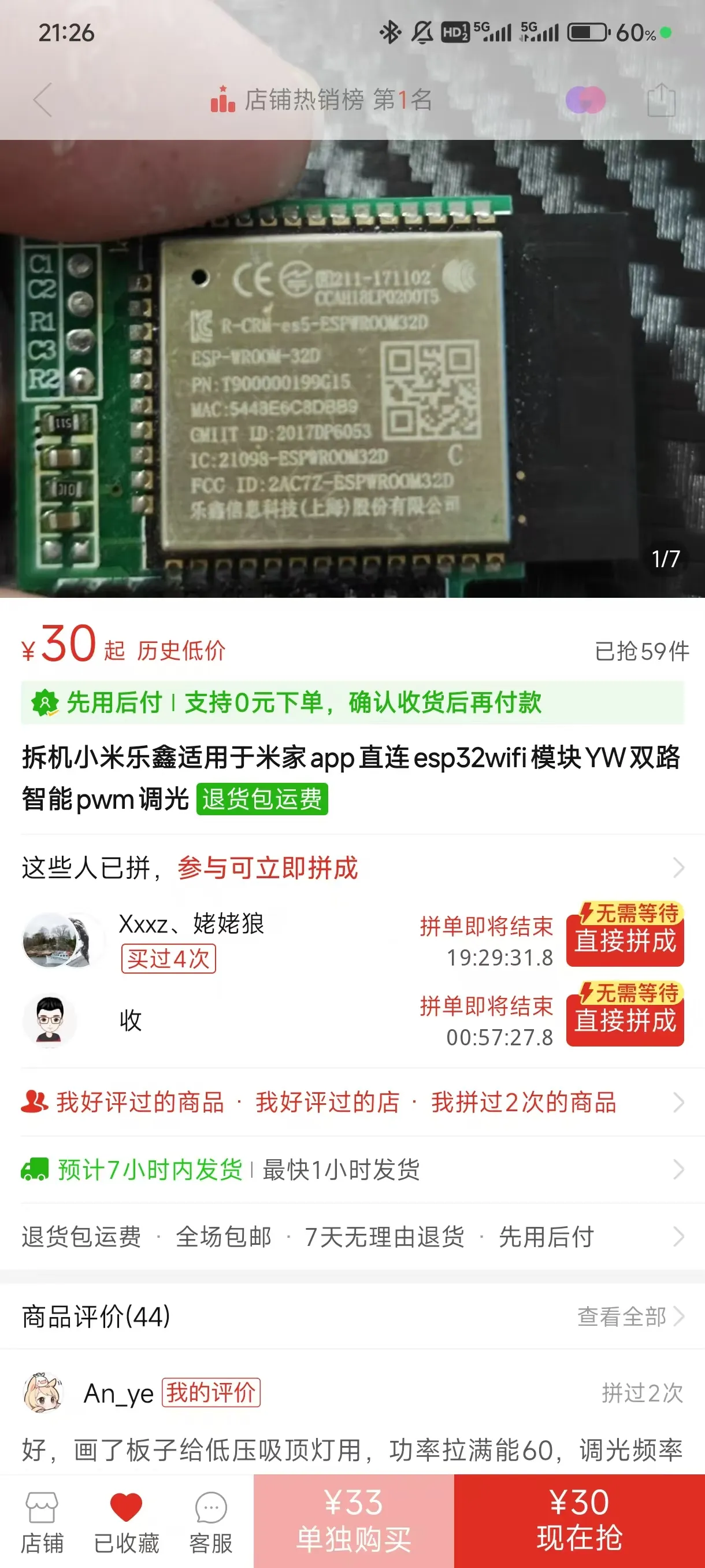
ps: If unfortunately there is no response when powered on, a VCC-to-ground short circuit means it can be discarded If there's no short circuit, checking the Espressif EN pin level can often reveal the problem
After receiving the module, remove the pin headers, process it as shown in the figure below, and solder it to the board
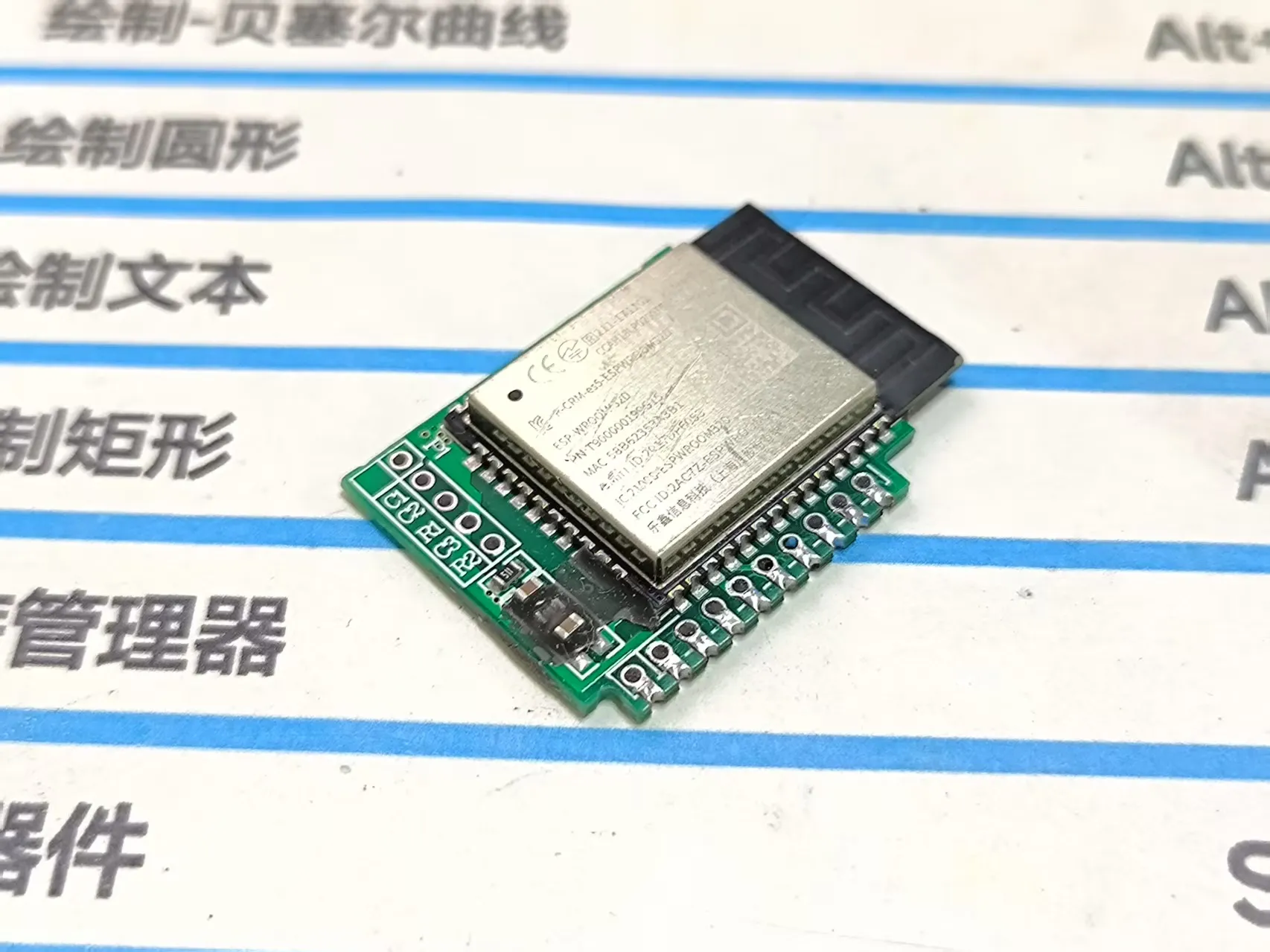
If the module is normal, but Mijia cannot detect a new device after powering on, you can manually pull down the AC pin 8 times with tweezers (to restore factory settings)
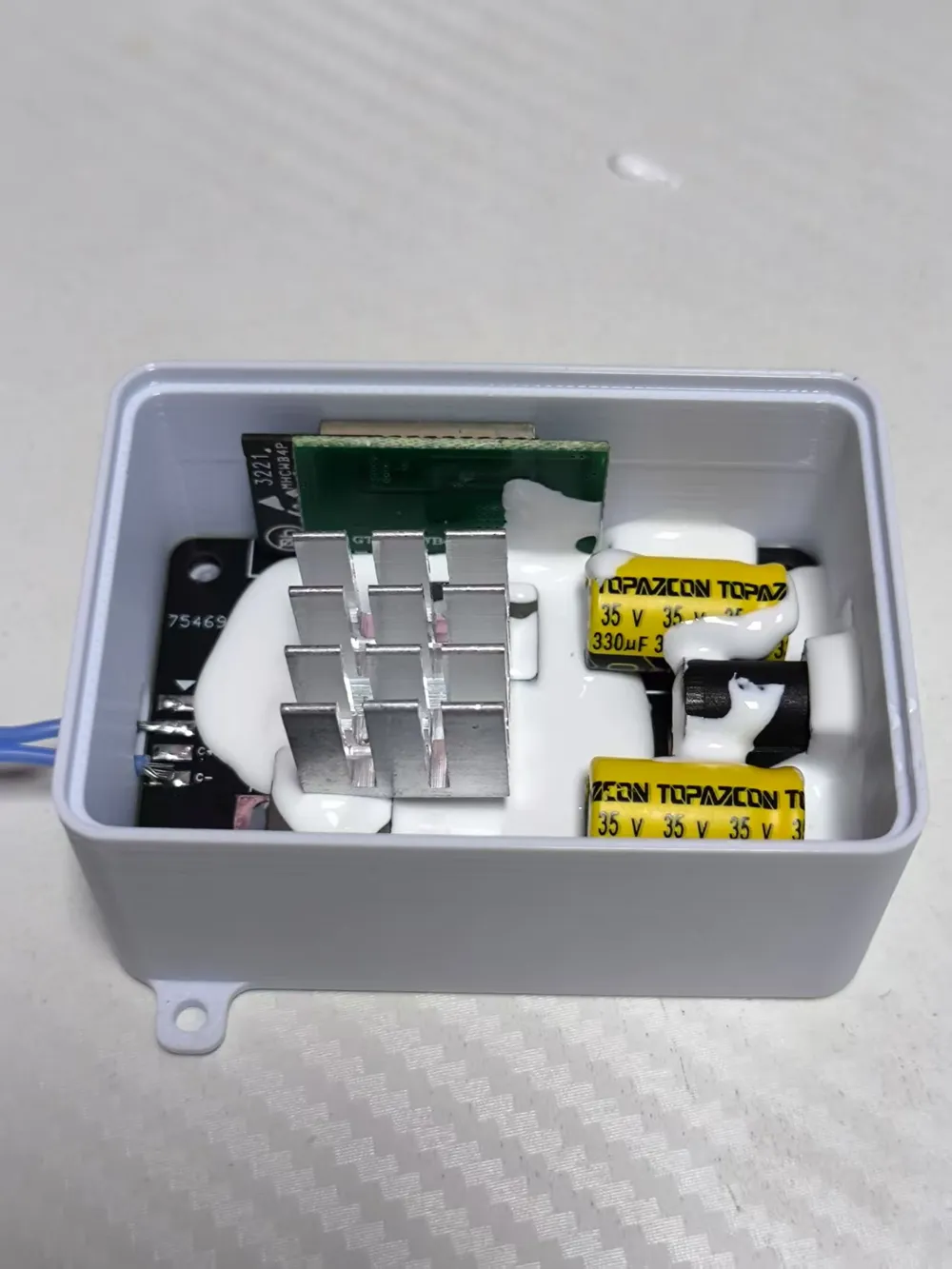
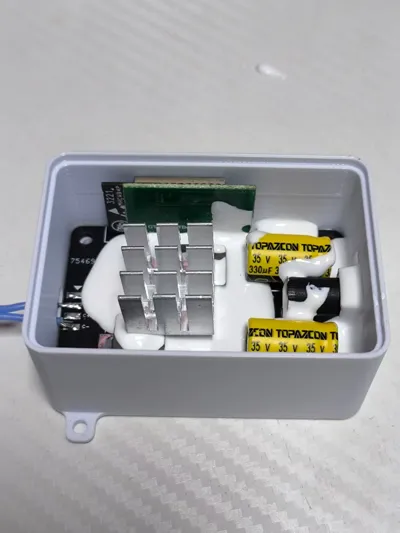
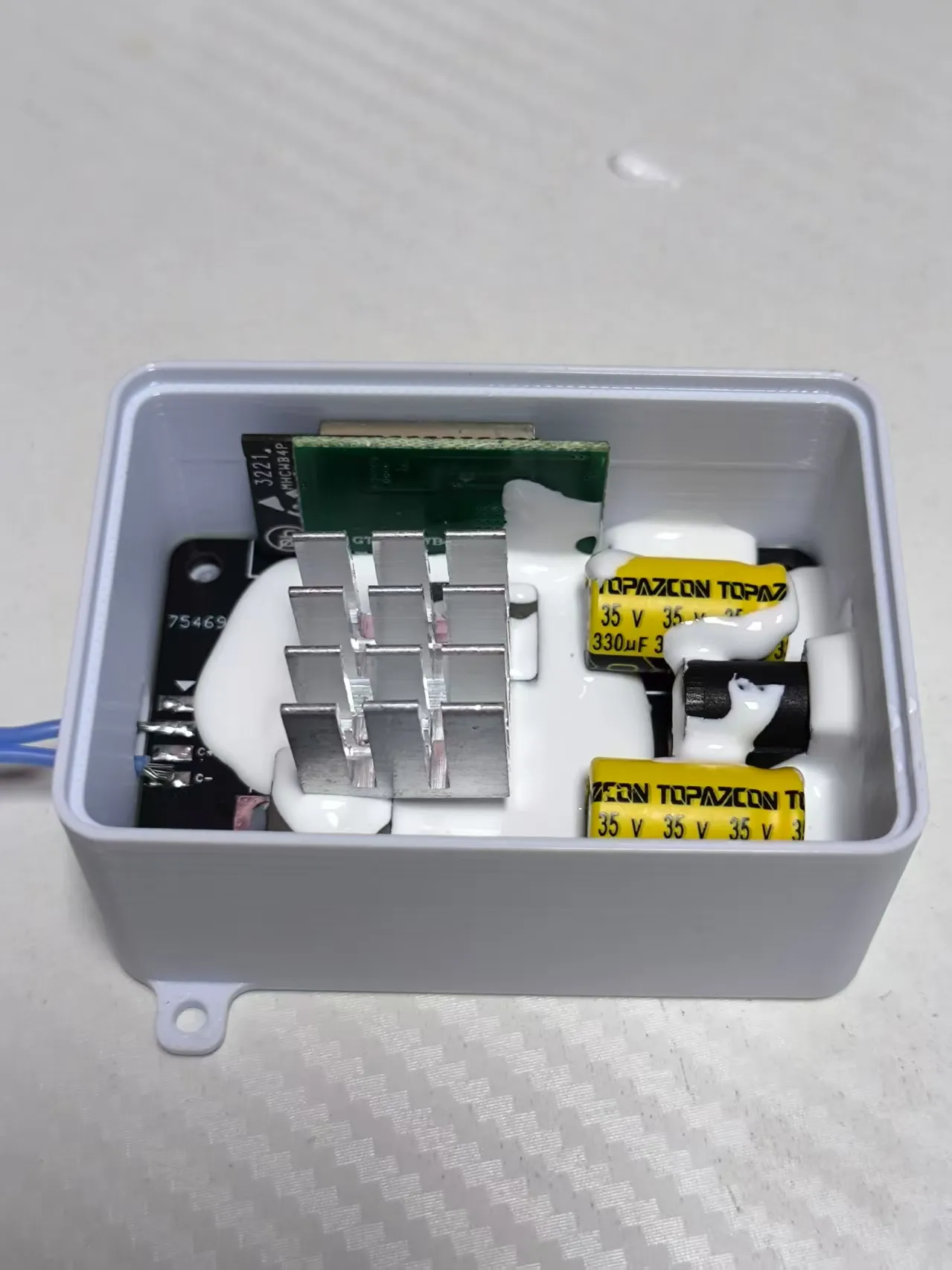
After testing is complete, potting can be done Then attach a heatsink (it may not be very useful as the enclosure has no vents for heat dissipation)
The enclosure is secured with 4 M3*30 self-tapping countersunk screws
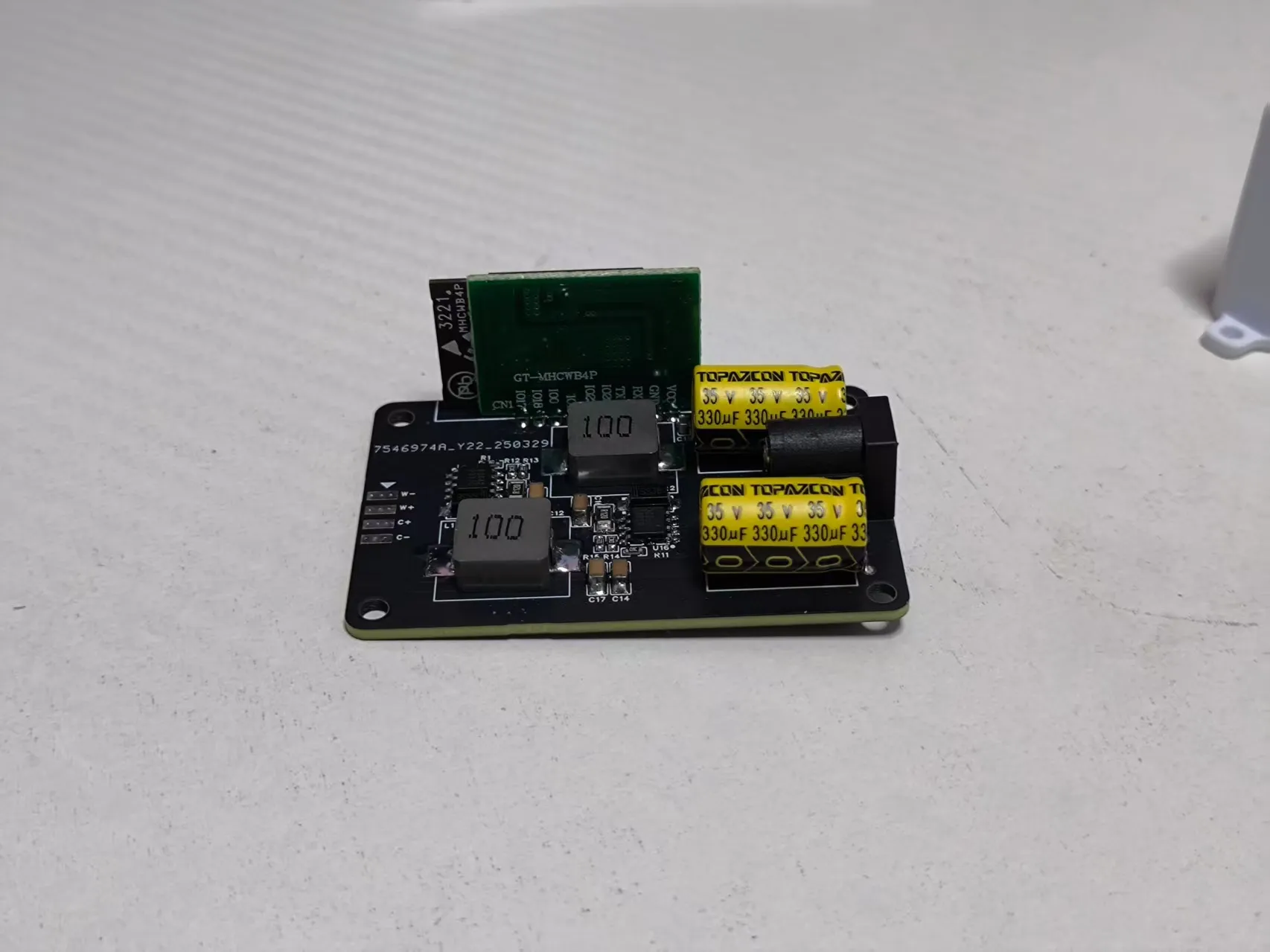
PS: Additional notes on Mijia modules
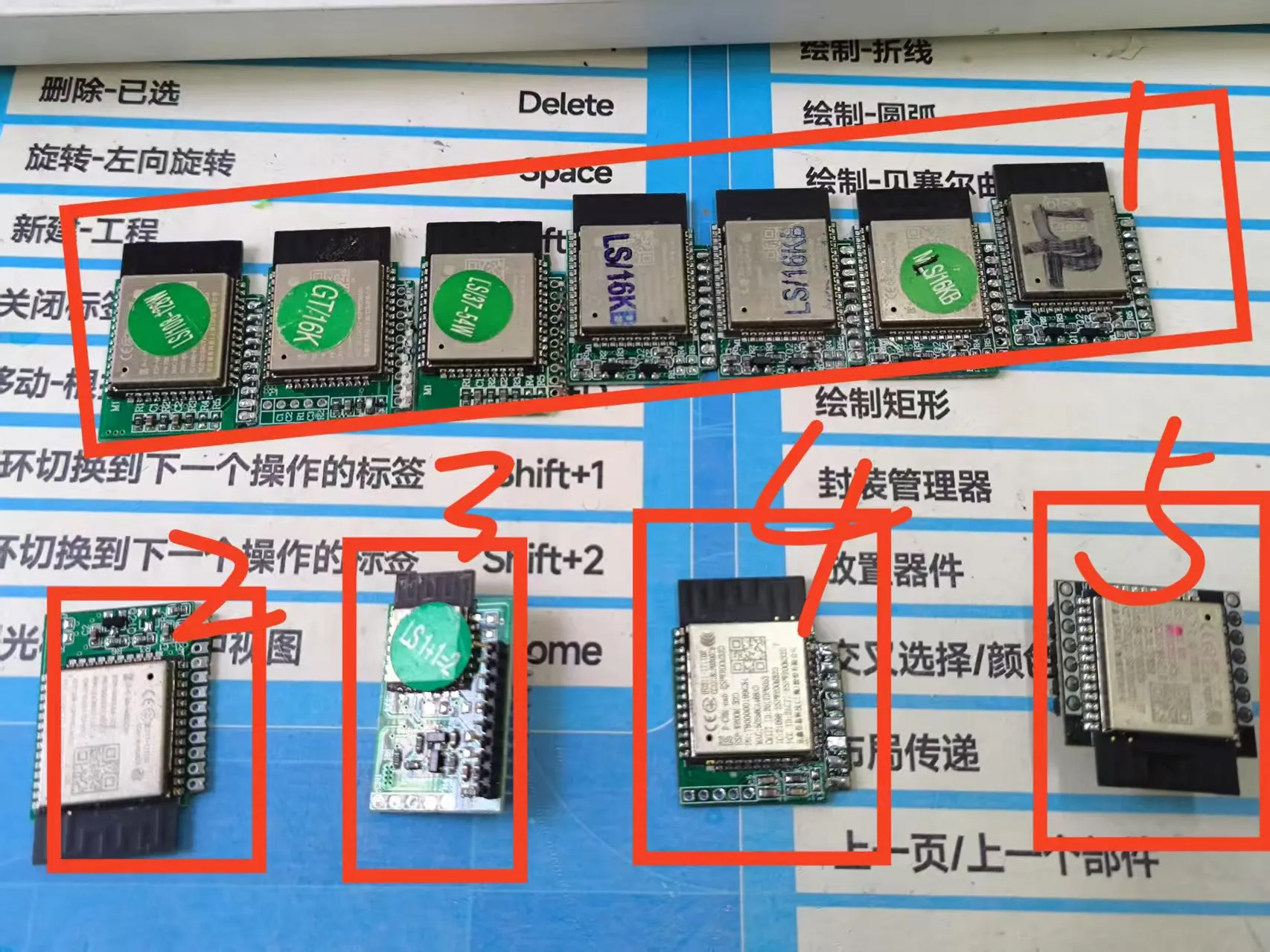
Third-party firmware (no soft start, power-on startup state may have bugs)
1-Used in this project, also the most common type from disassembled stock
2-Has two more pins than 1, otherwise compatible
3-No pin function labels, not yet tested
4-Fewer pins than 1, arrangement is incompatible
Official firmware
5-Xiaomi official module, from disassembled complete Mijia ceiling lamps, good craftsmanship and materials, no software bugs, but difficult to acquire
License



Comment & Rating (0)