
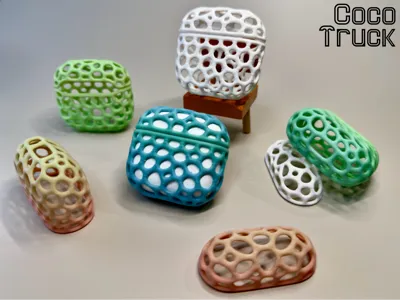
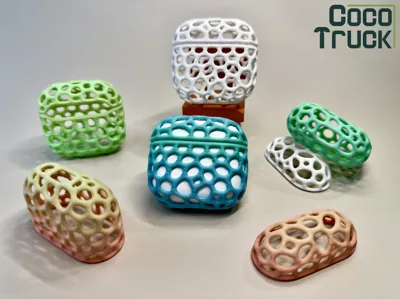
AirPods 4th Generation - Coral Reef - Earphone Case
Print Profile(3)

![[PLA]](https://makerworld.bblmw.com/makerworld/model/USa9b55ca4c19383/306796088/instance/2025-04-04_4c0f820db1ce6.jpg?x-oss-process=image%2Fresize%2Cw_100%2Fformat%2Cwebp)

Description
No more struggling with loose PLA lids, please read the description…
【AirPods ❹ Generation Openwork Protective Case】 |
Boost Me (for free)
Designing and debugging this was challenging. Fellow Bambu users, if you like it, please lend your support!
I. Author's Overview
The photos were taken with a simple backdrop I set up myself, this is a long-awaited little idea; after purchasing the A1, it took me over a month to finally realize it…
It all started because I wanted an openwork earphone case, then I used the grasshopper algorithm to initially verify its feasibility, from reverse-engineering the phone case model, to countless versions of adjusting the wireframe data → program generation → wireframe extraction → data adjustment → program generation…
The iterative process culminated in the earphone case of my dreams finally becoming a reality!
As a designer, I'm truly amazed by the accessibility of manufacturing capabilities nowadays!
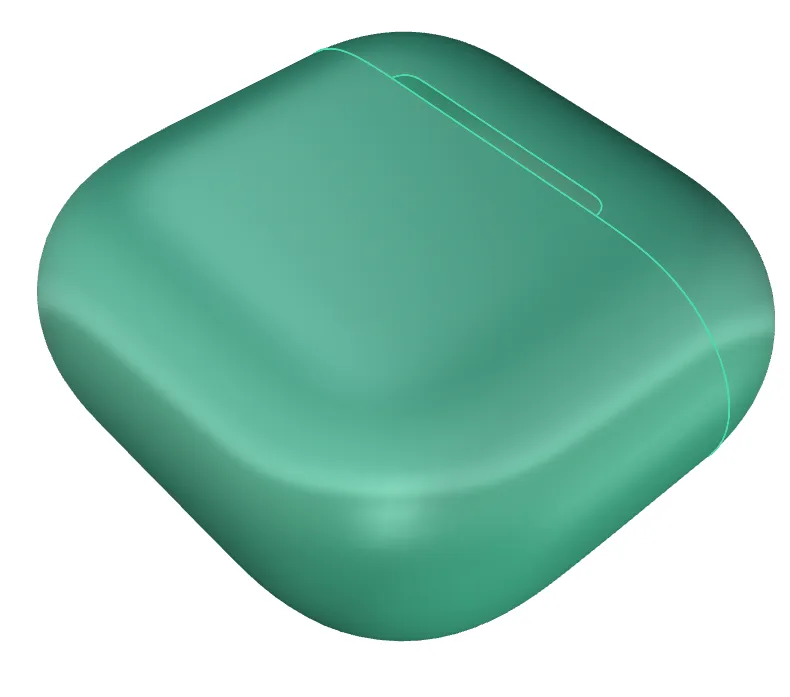
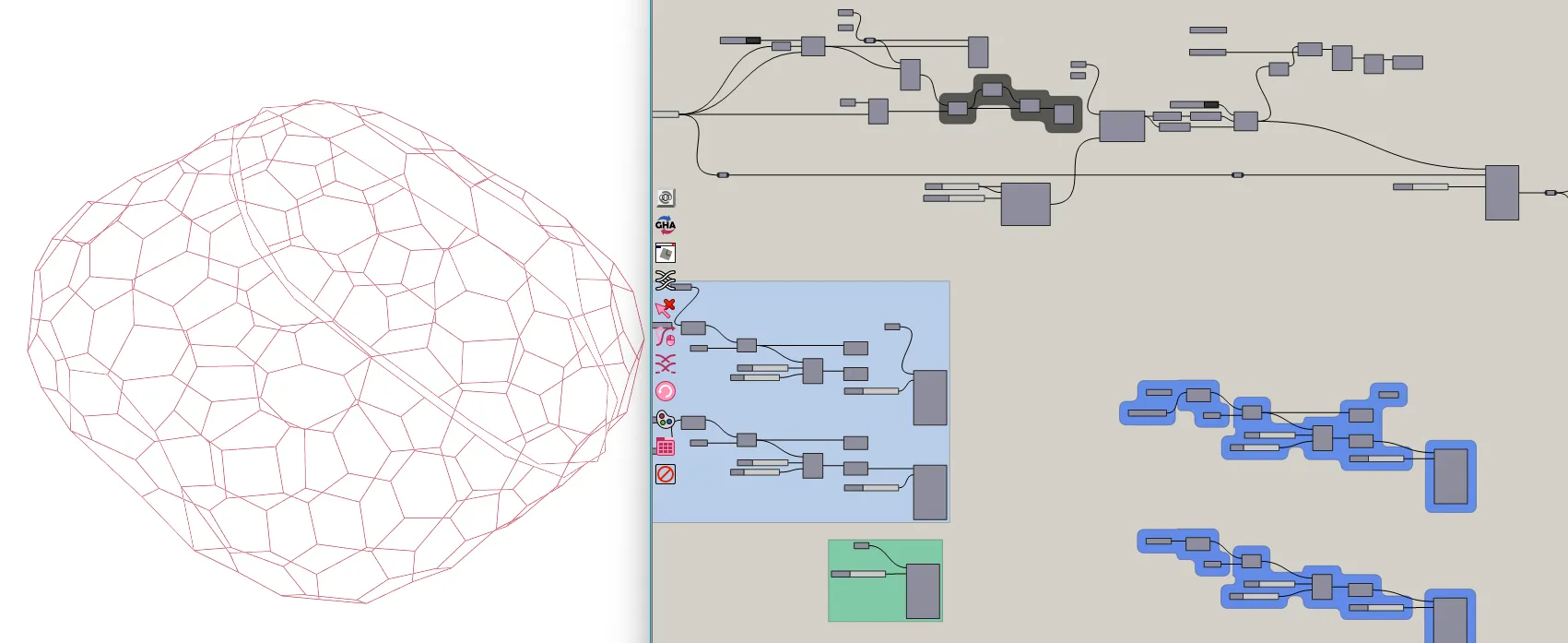
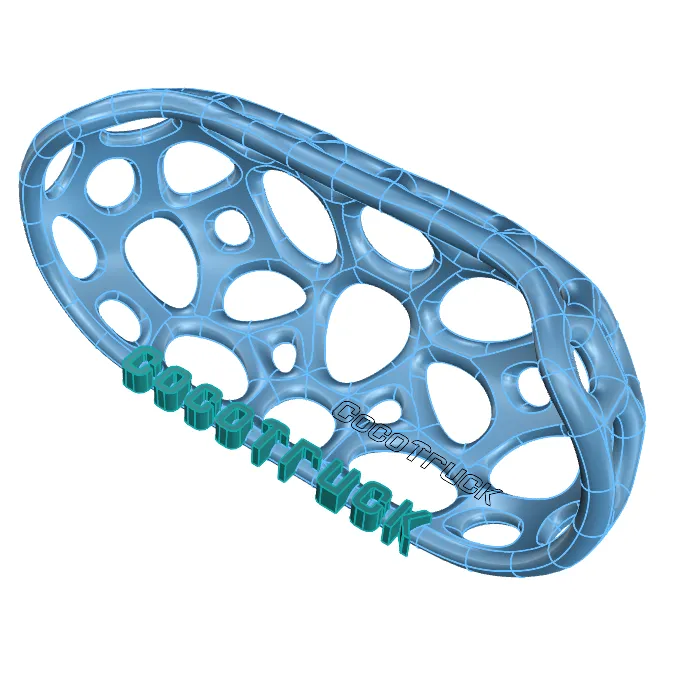
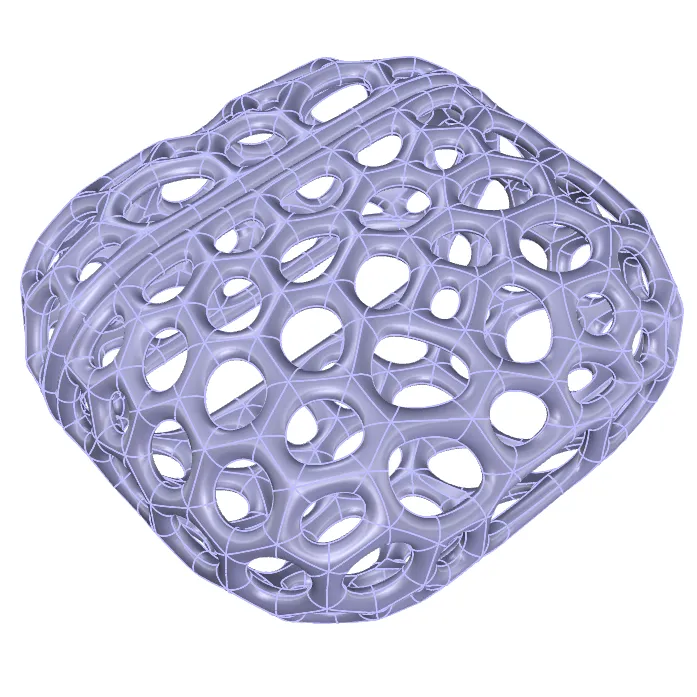
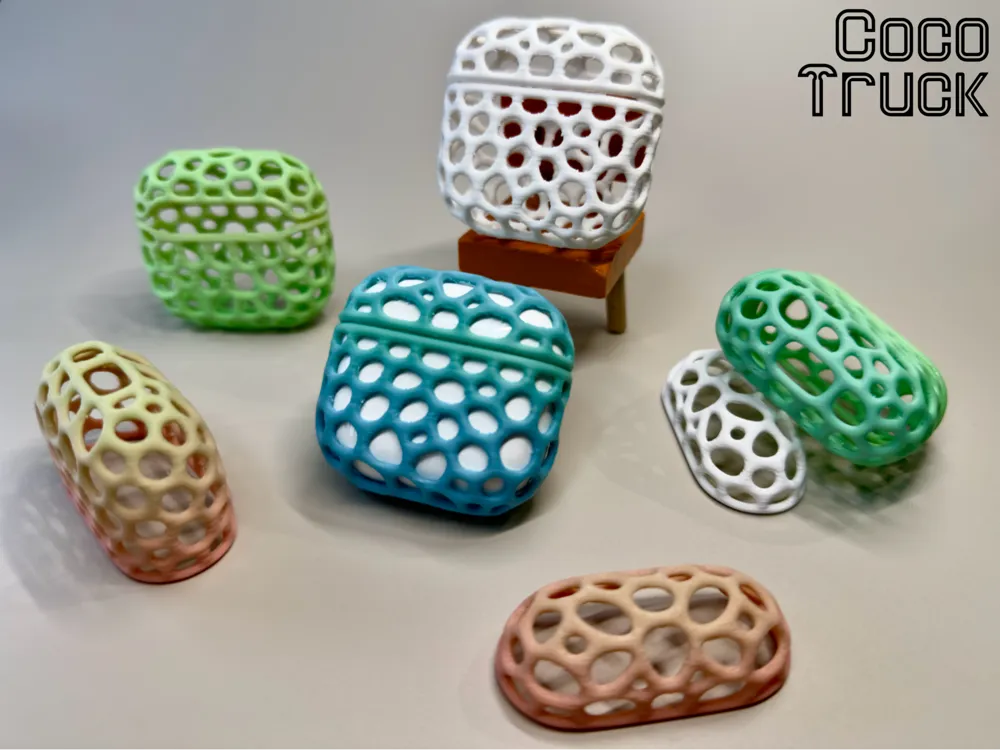
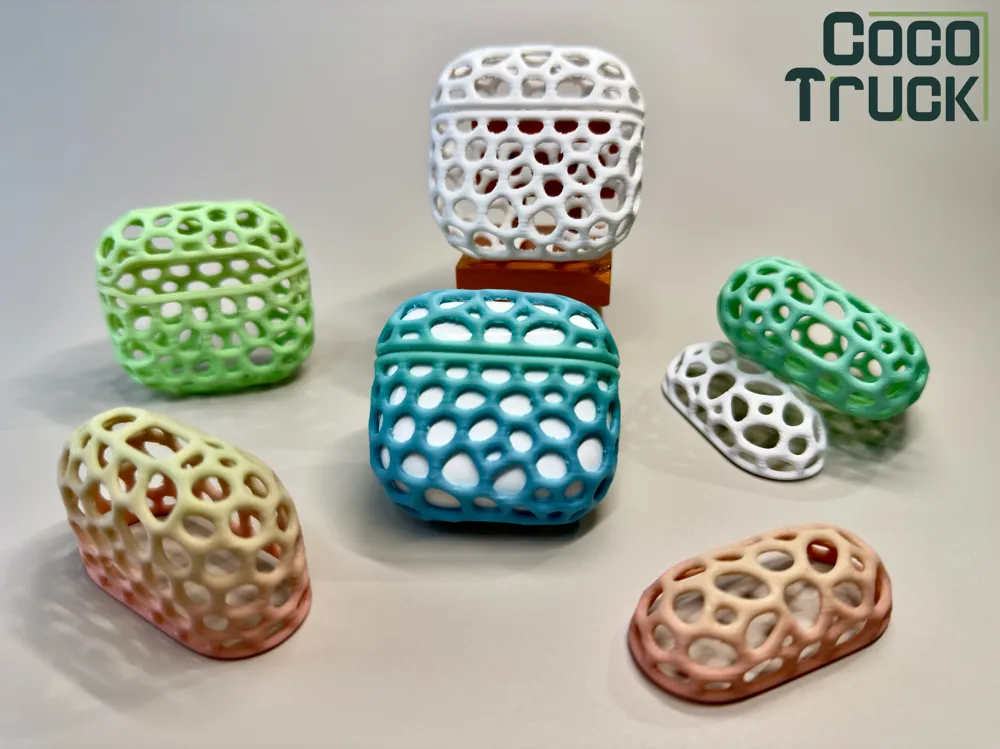
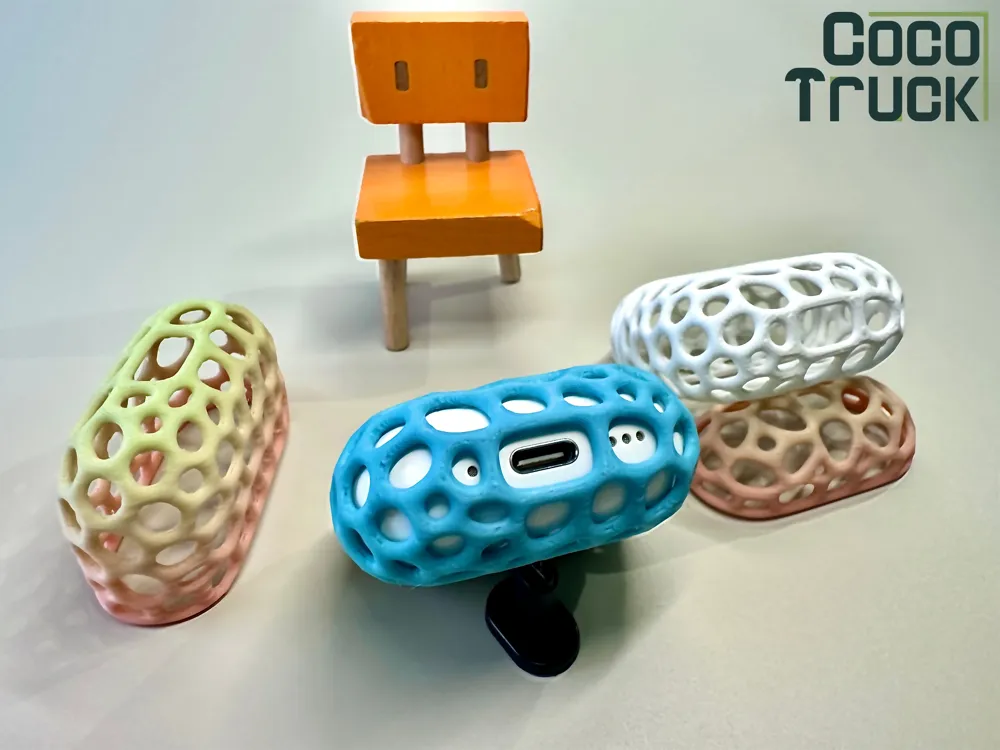
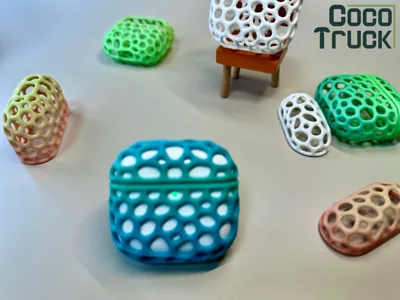
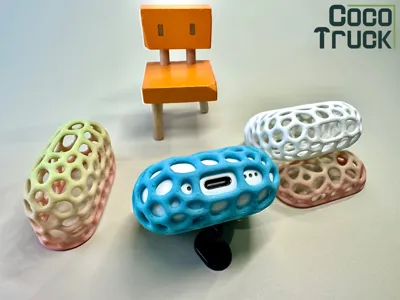
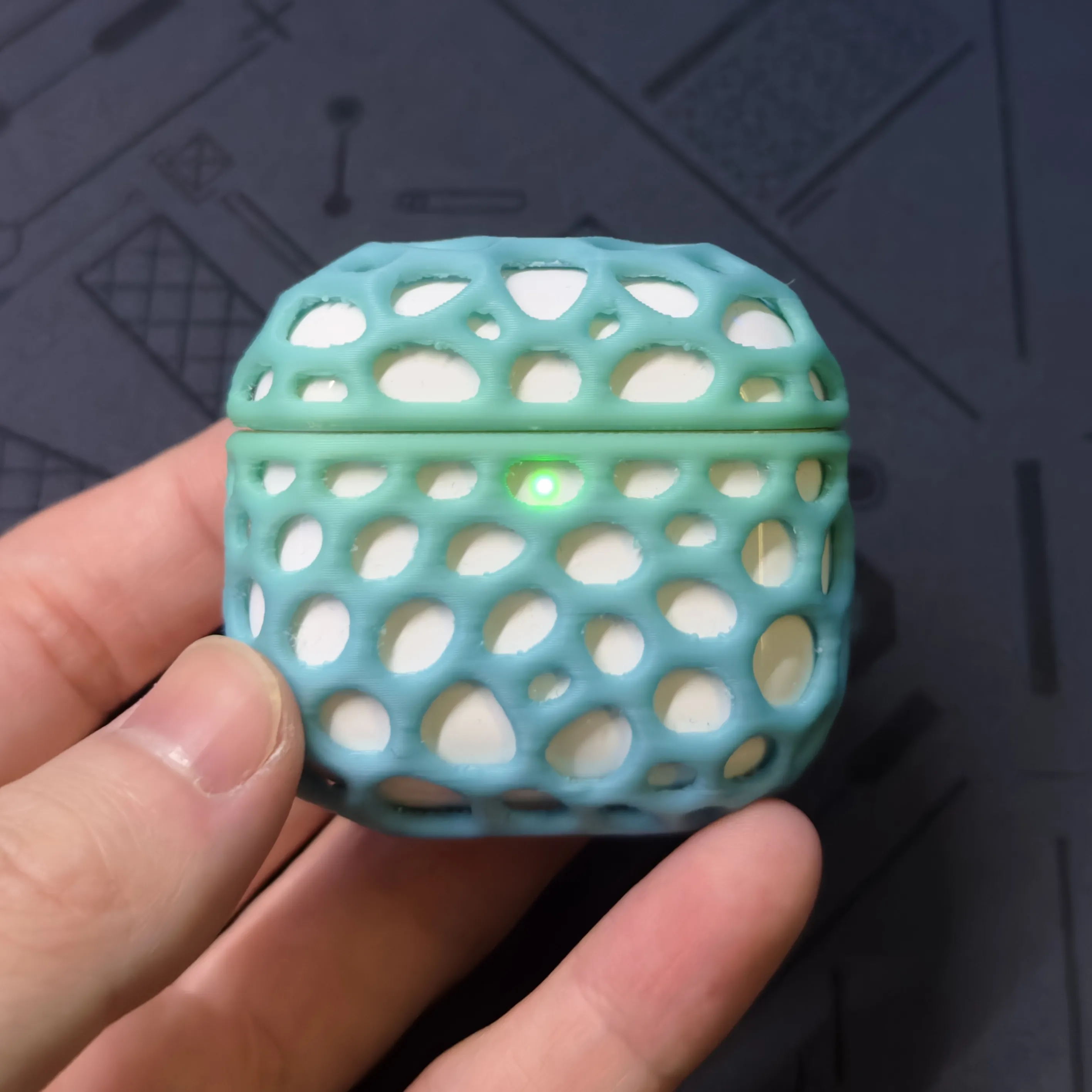
The blue one in the main image is the one I use daily, and quite a few people have asked where I bought it! ( ̄▽ ̄)~
Work Title“Rainbow Coral
” isinspired by a comment, a netizen said that the branches look like coral; it's quite interesting, so I adopted this nickname~

II. Practicality and Functionality
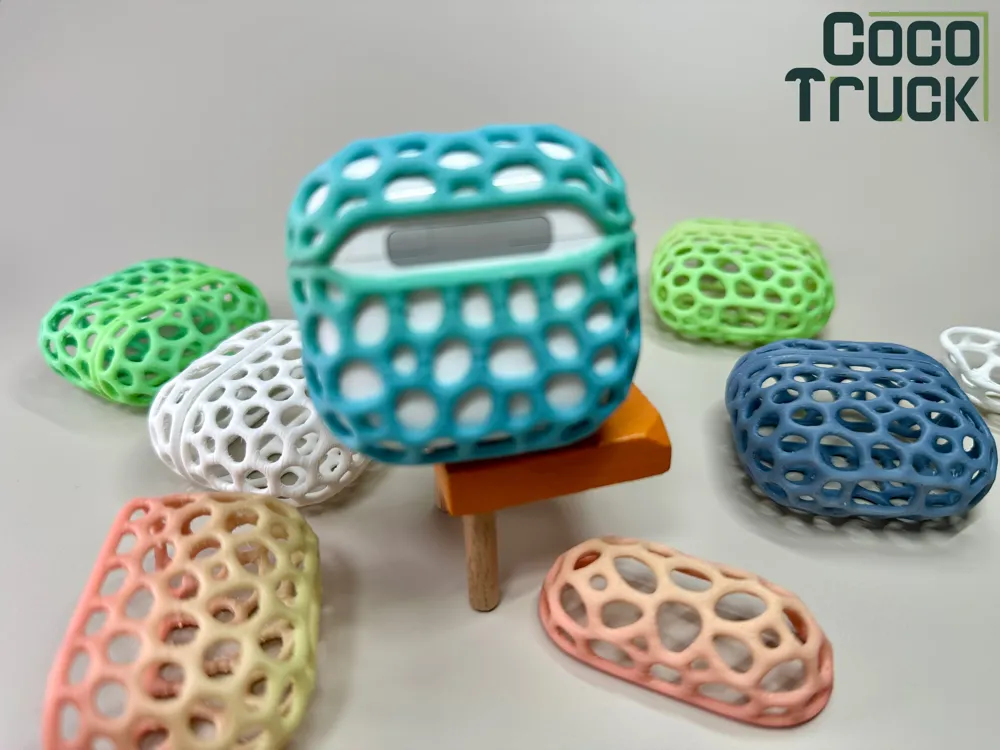
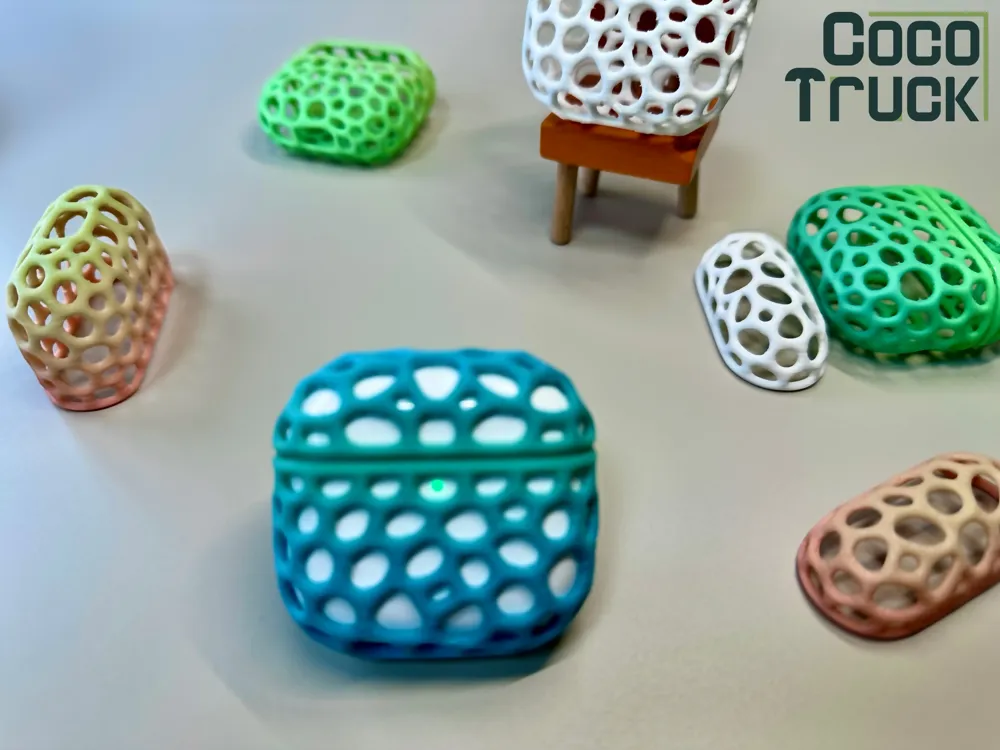
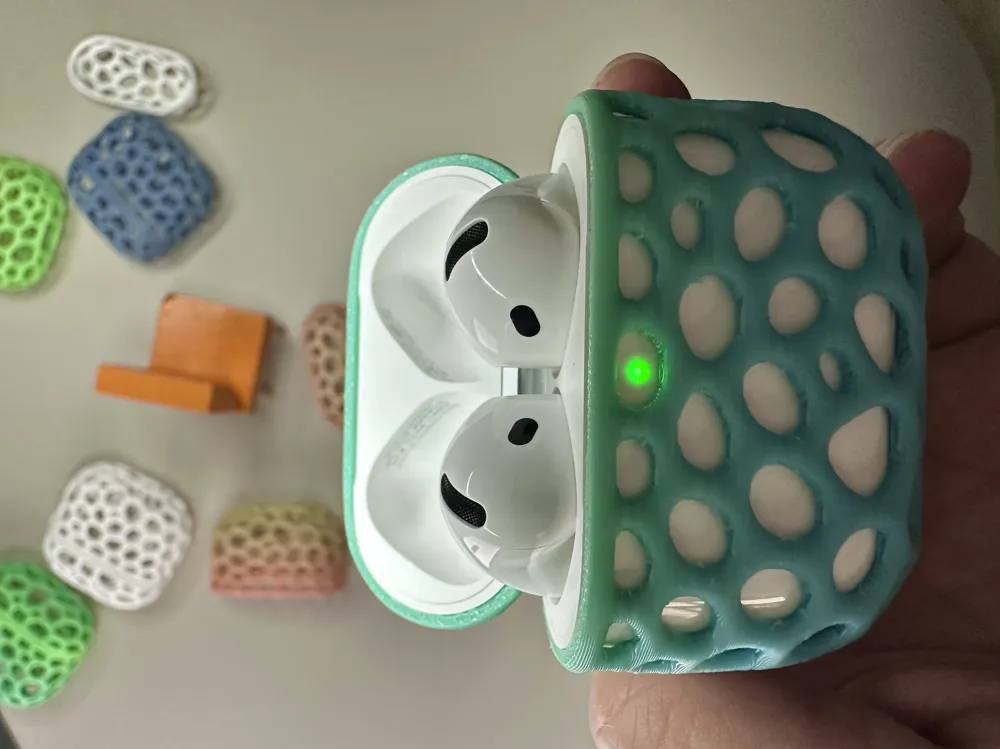
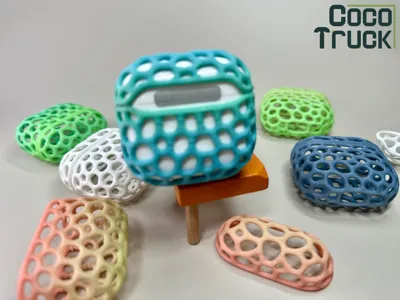
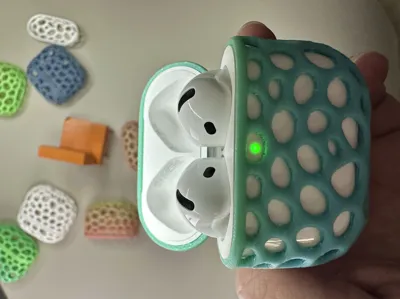
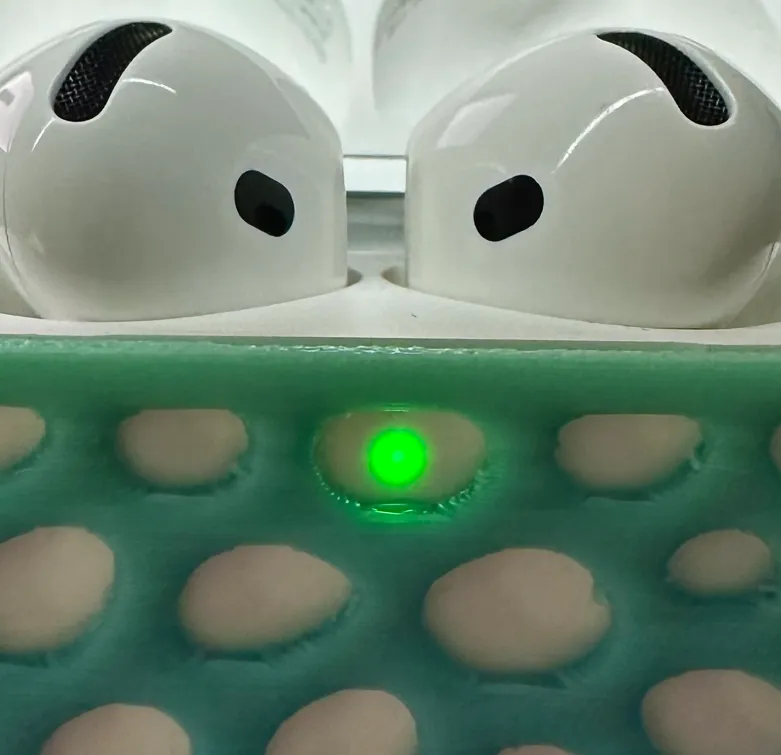
① Indicator light apertures perfectly aligned
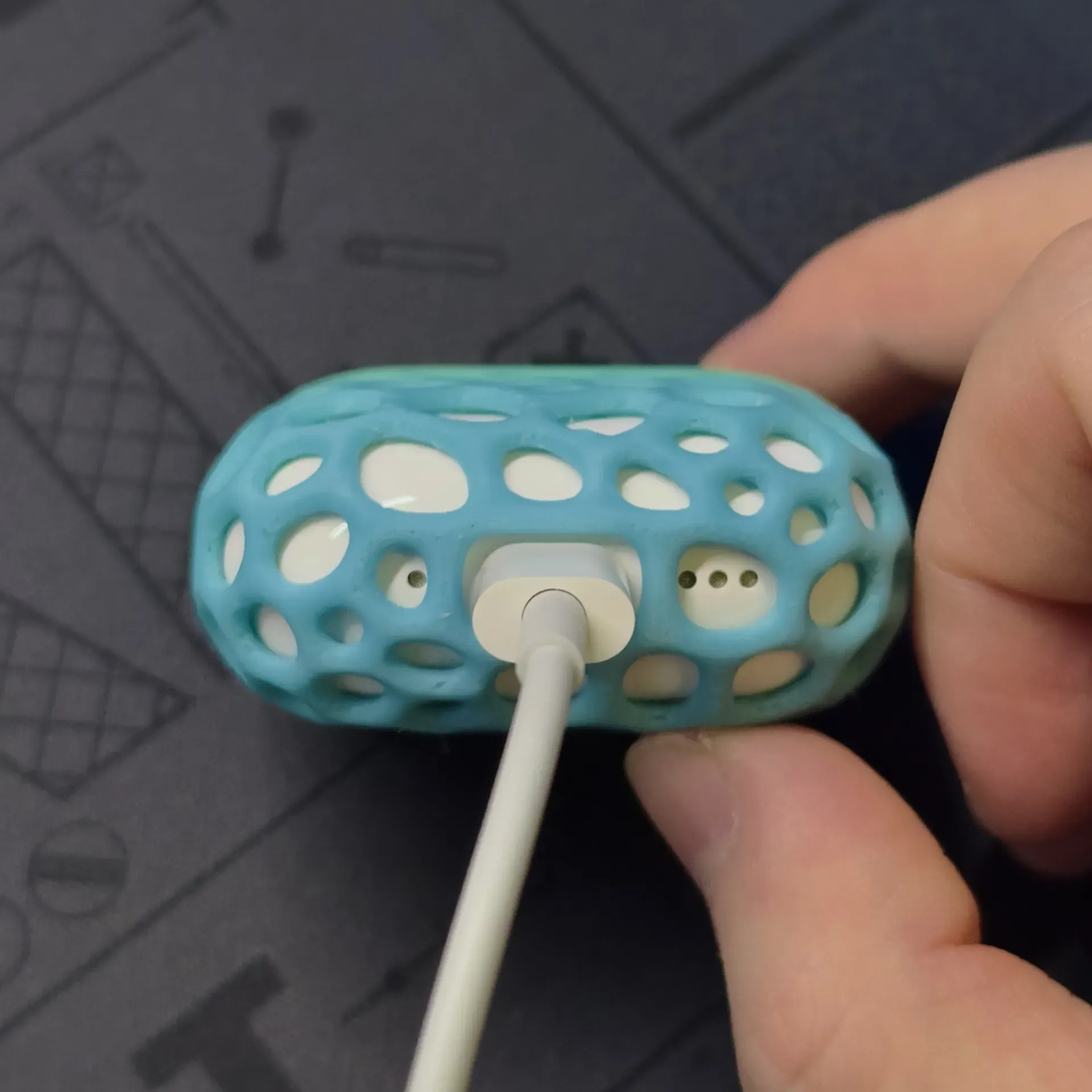
② Charging port, and the four bottom apertures, while maintaining overall aesthetic harmony, all fulfill functionality requirements
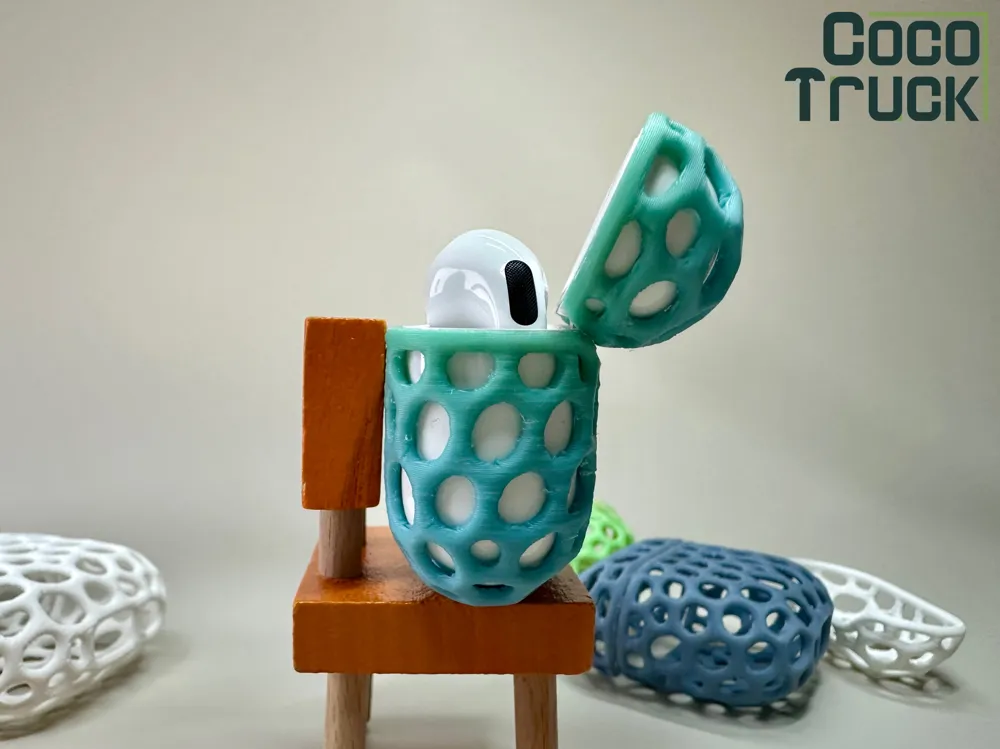
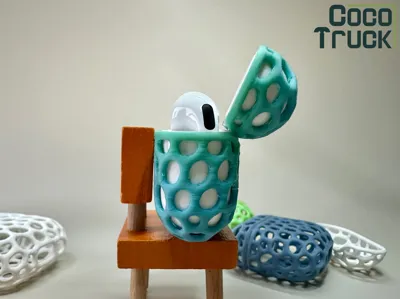
③Opening angle of 115° (approximately)
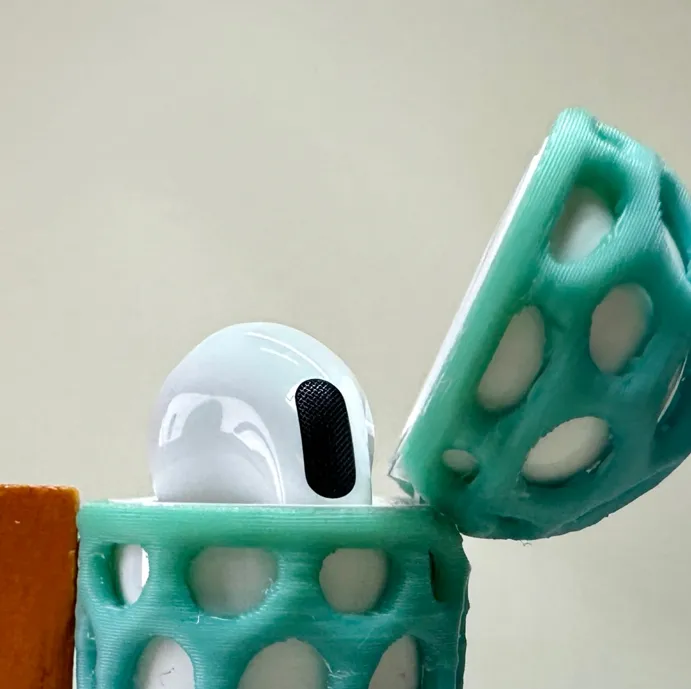
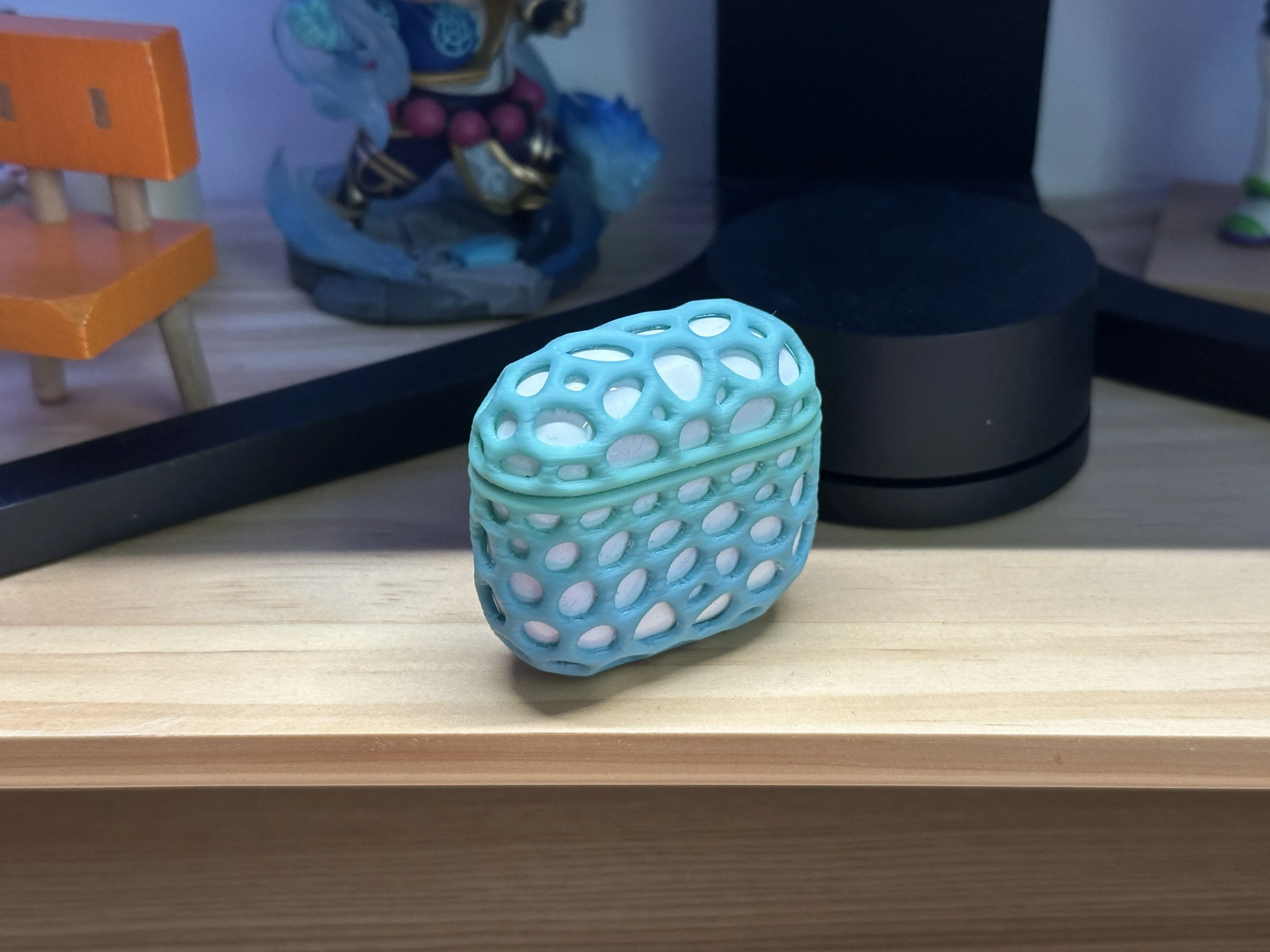
④On a flat surface, itcan stand upright
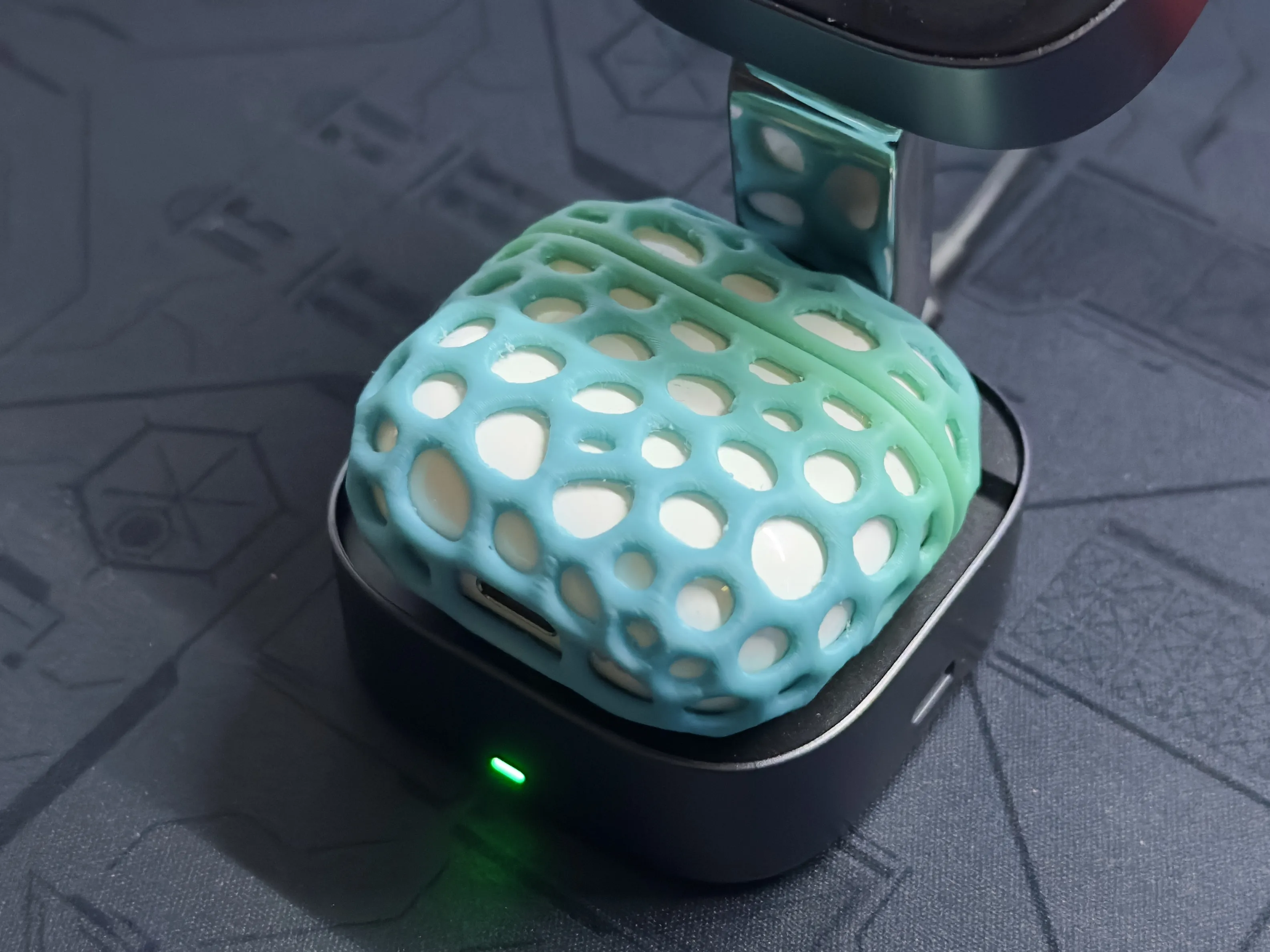
⑤Supportswireless charging
III. What if the lid doesn't close tightly?
A: This was a problem that plagued me for a long time. The loose-fitting lid on Bluetooth earphone cases is a common issue with many earphone cases; many commercially available earphone cases include double-sided adhesive tape to secure the lid.
But I originally envisioned solving this problem during the design phase. In the end, I partially solved this problem, the earphone lid can be directly fastened, but only when using TPU material, because even if the earphone lid is secured with PLA material, it's too rigid, and the vibration when closing the earphone case will knock it off.
Another option is to attach the lid directly to the bottom of the earphone opening. I tried this, and it was indeed very tight, but with prolonged use, it would cause the hinges of the earphone lid to loosen…
Perhaps using a more resilient PETG or a TPU print configuration might yield better results. This is just an idea, it hasn't been tested yet.
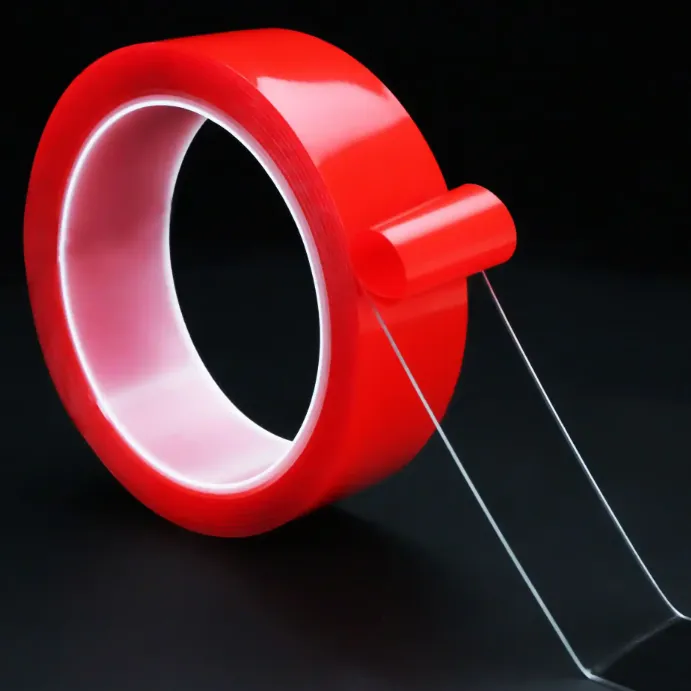
Therefore, to summarize, if using PLA, it's best to use double-sided tape. Cut it into small pieces and stick it in inconspicuous areas (the main image uses double-sided tape, which doesn't affect the appearance)
This transparent double-sided tape leaves no residue, as shown in the image
IV. Regarding the issue of PLA material being too rigid, causing scratches on the earphone case from repeated disassembly!
A: There are no scratches when using TPU material, but note that using a dedicated TPU print configuration is better (update coming soon)
Equipment, material quality, material hardness and softness, printing environment, material dryness…
This is a very small functional model, so the accuracy requirements are relatively high, therefore the factors listed above will all affect the printing quality of TPU material
As a 3D printing novice, TPU is indeed a bit difficult to print for me, which might also be due to my equipment and materials.
Therefore, if you're confident, the model is here, and everyone can adjust and modify it based on their own experience printing TPU.
V. Demonstration Video
① PLA
② TPU
VI. Warm Tips~
1. Try to clean the spool before printing, because the contact area between the first layer and the heated bed is small, it may not adhere well. Considering that a brim would affect the appearance, I haven't added one;
2. I feel that the printing effect is better with colored and short gradient materials;
3. Remember to dry the filament, and remove supportscarefully;
4. All tests were performed with a 0.4 nozzle, my equipment is a Bambu Lab X1 Carbon.
5. For better printing results: Reduce speed by 50%, fan at 100%; reduce nozzle and heated bed temperatures appropriately
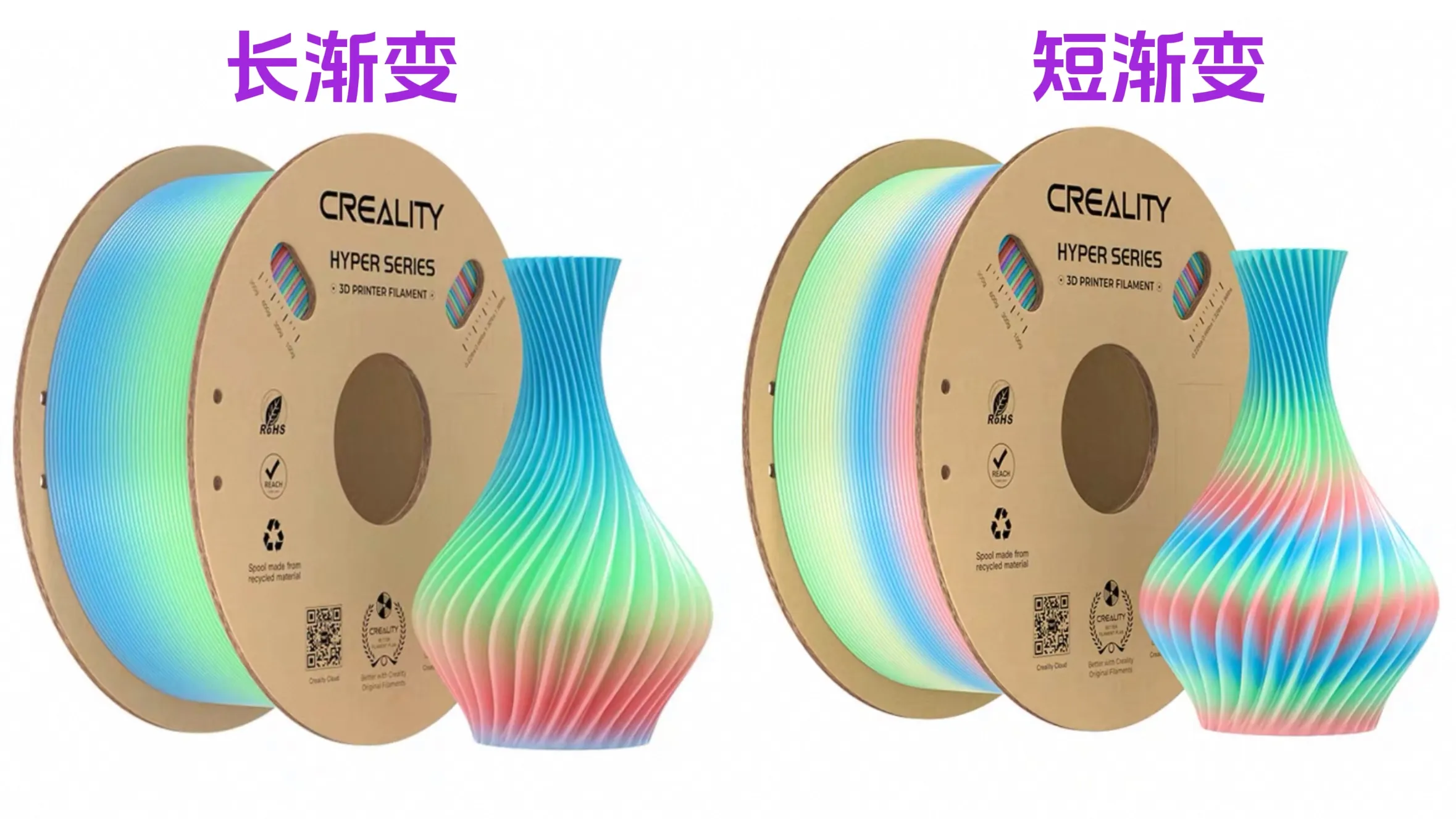
Finally, I hope you'll lend your support
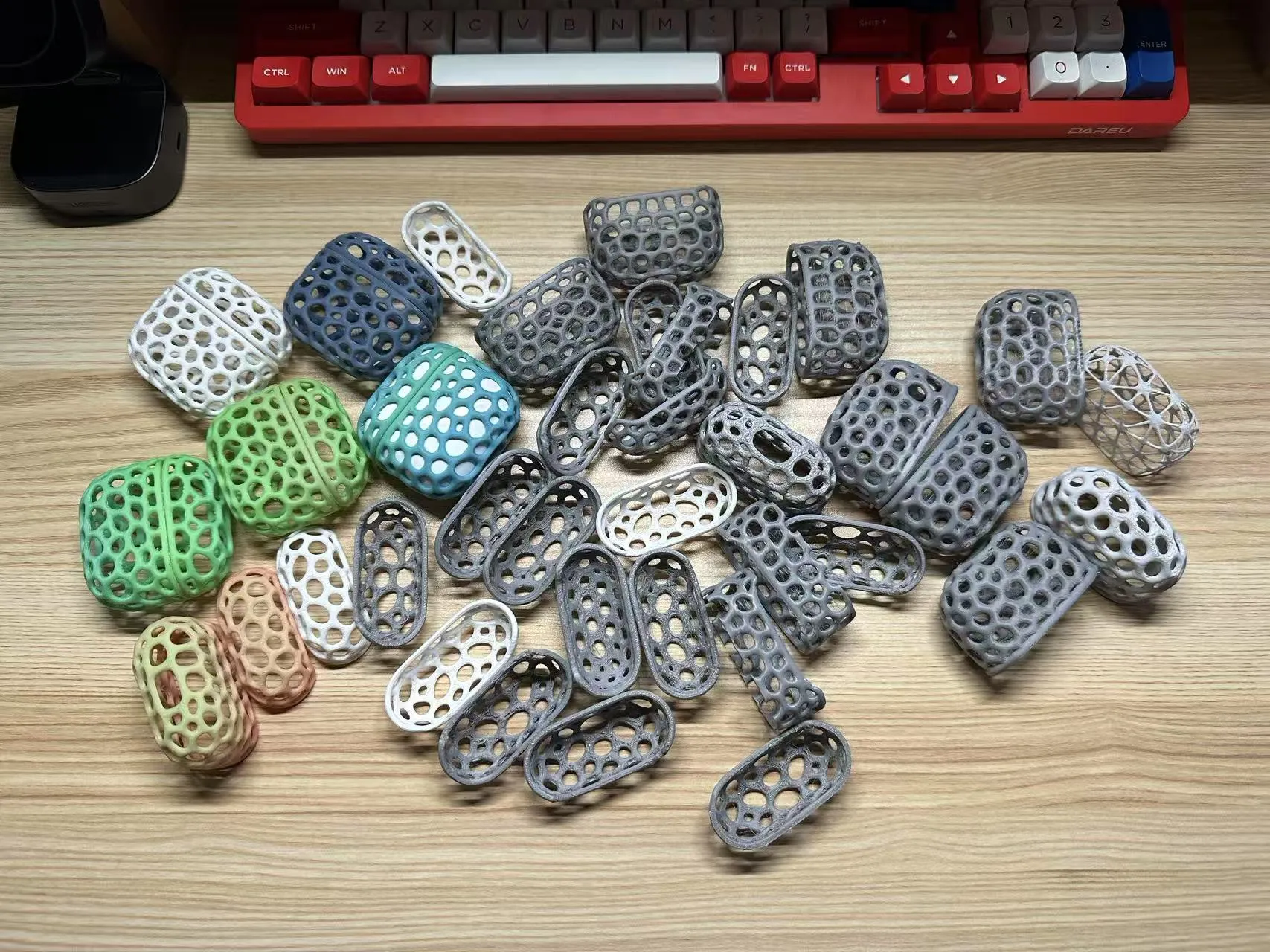
Because it was truly challenging, from project initiation ▶ reverse-engineering the earphone dimensions ▶ modeling ▶ modification ▶ debugging ▶ further modification ▶ repeated debugging…
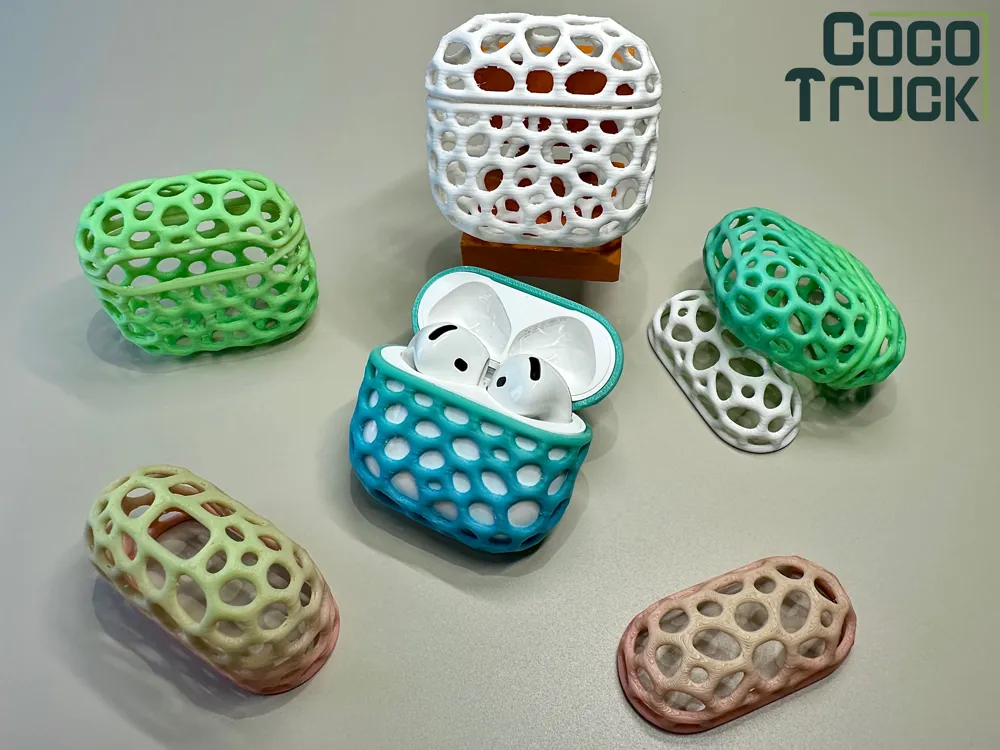
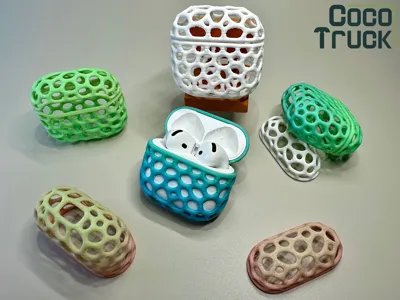
It took over a month, from TPU to PLA, with dozens of iterations (some shown in the image).
Thickness, curvature, whether the lid is snapped on or glued; diameter, curve paths, relationships between circular holes, point alignment…
License

You shall not share, sub-license, sell, rent, host, transfer, or distribute in any way the digital or 3D printed versions of this object, nor any other derivative work of this object in its digital or physical format (including - but not limited to - remixes of this object, and hosting on other digital platforms). The objects may not be used without permission in any way whatsoever in which you charge money, or collect fees.


Comment & Rating (229)