
135 Film Cassette Loading and Shutter Testing All-in-One Device
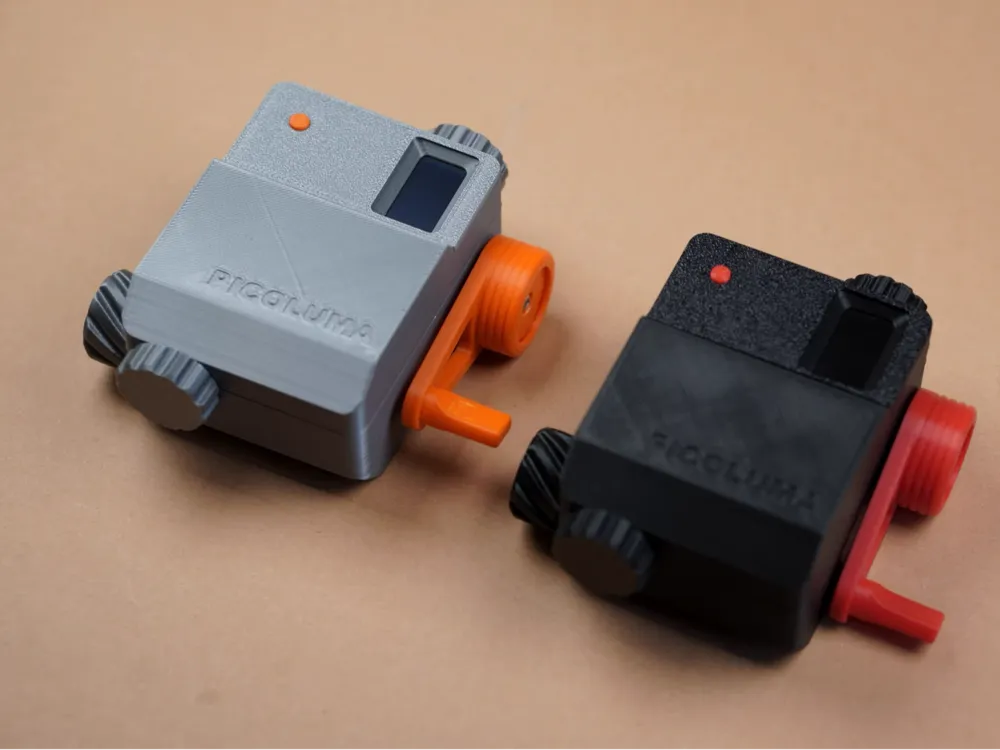
Print Profile(4)


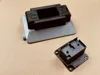
Description
Update: 2025-9-25
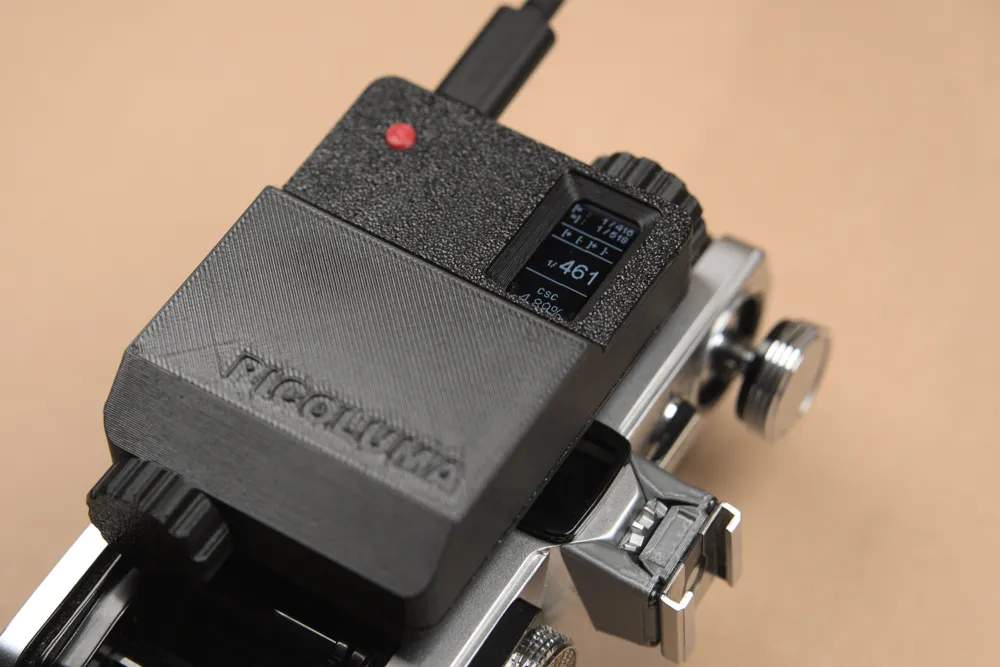
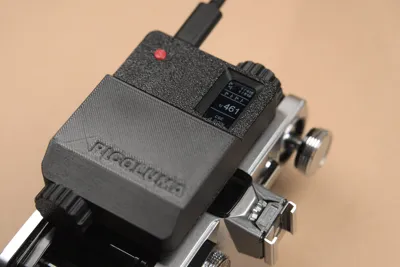
- Raised the detection module to solve the problem of some cameras not fitting the detection module due to protruding viewfinders
- Updated the detection module, using an outer cover to avoid potential light leakage issues that occurred with insufficient printing accuracy before
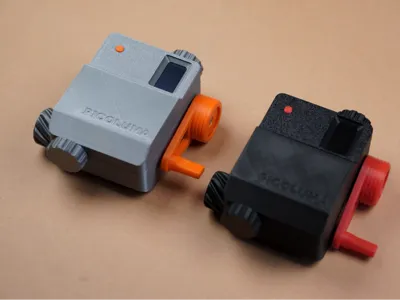
- It is recommended to print the light sensor cover position with black material, as shown in the figure If multi-color printing is not used, it is recommended to print the entire module in black
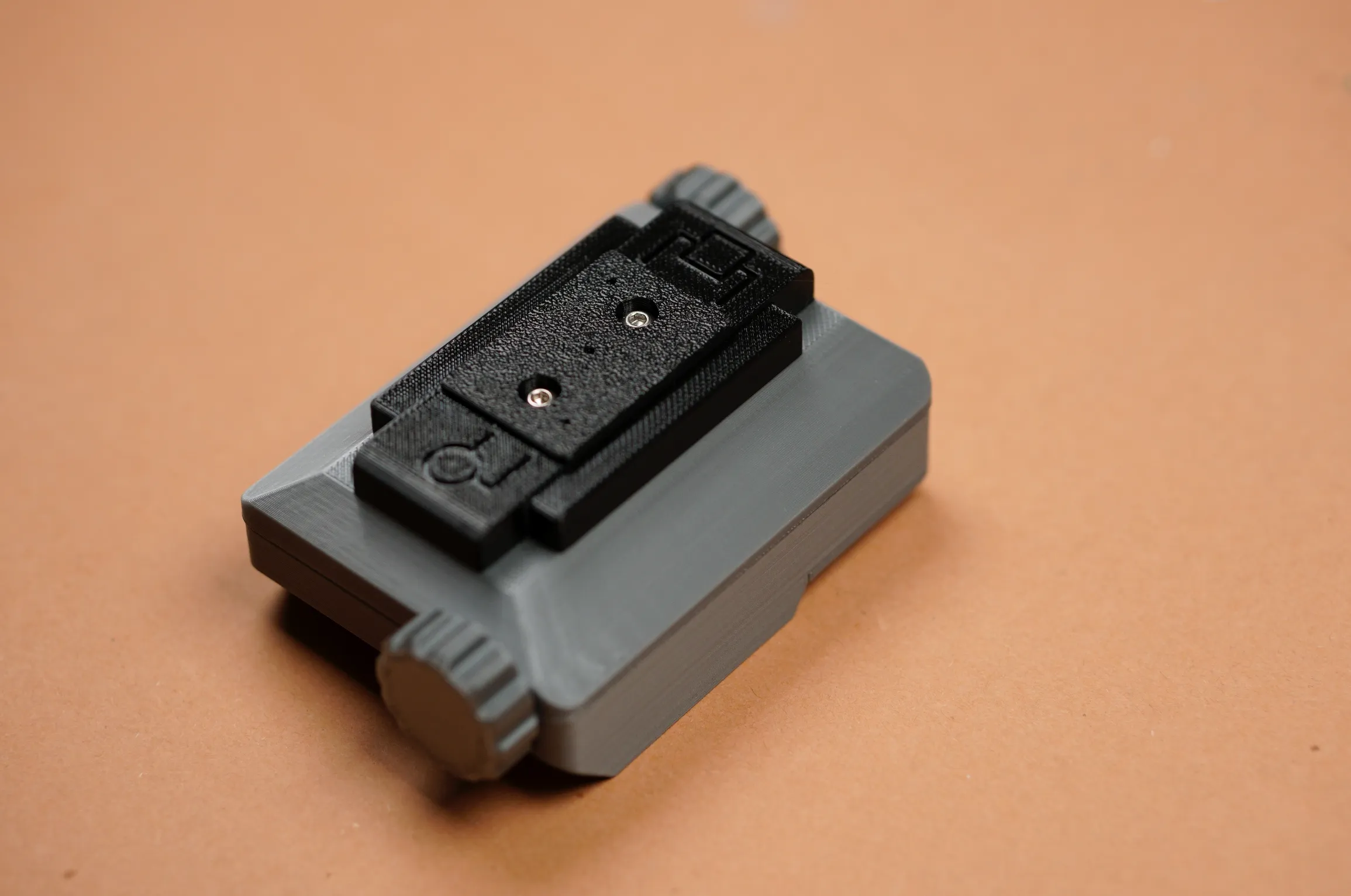
Update: 2025-6-14
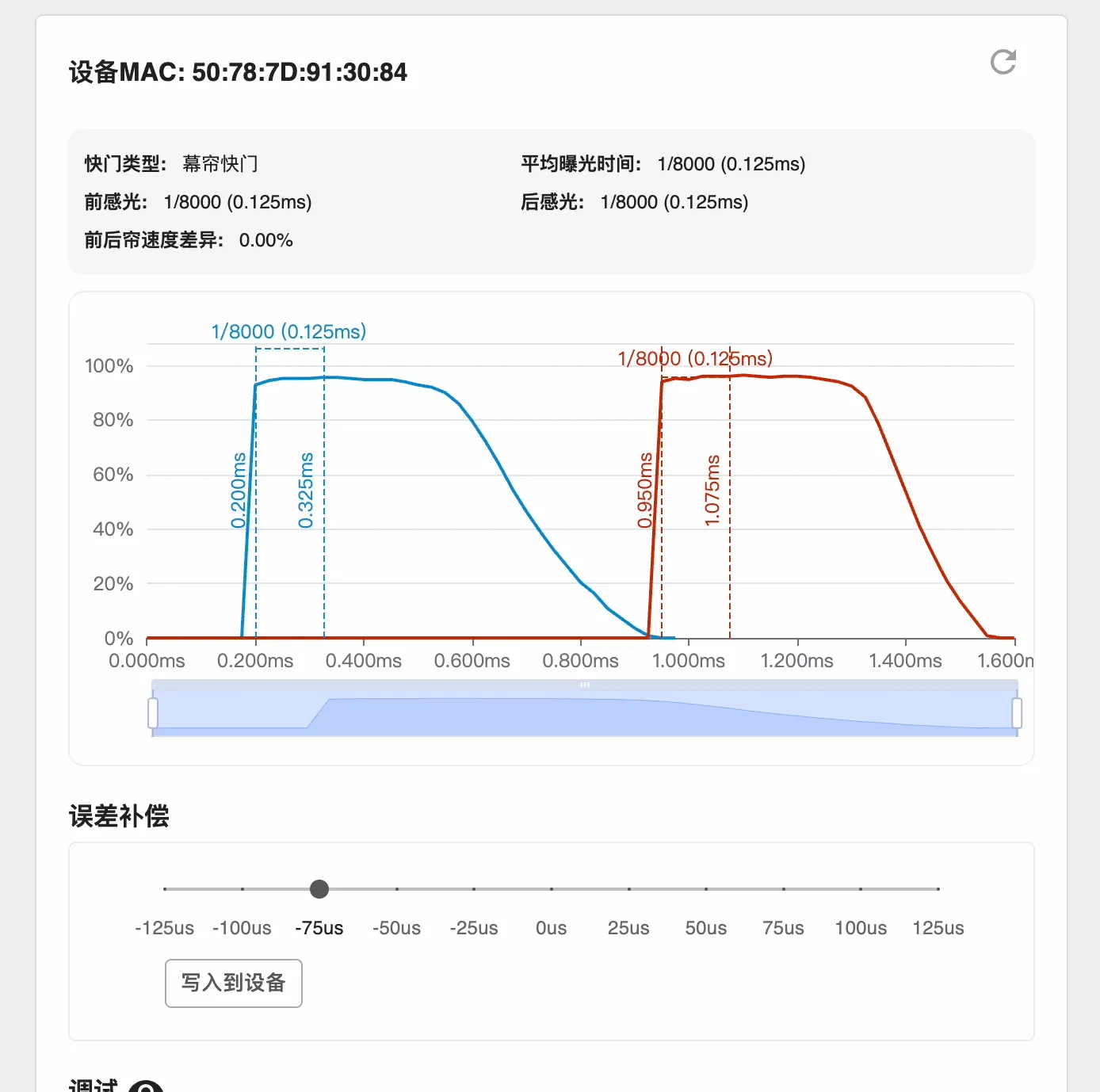
In the browser configuration tool, detection compensation has been added to correct errors in the detection equipment using more modern, electronically triggered film cameras (generally more accurate), greatly improving the accuracy of high-speed shutter detection Each sensor has a sampling rate of 40,000 times per second, with a theoretical sampling accuracy of 25 microseconds, while a 1/8000 shutter is 125 microseconds After calibration, the "theoretical" error can be controlled to:
1/8000 ~ 20%
1/4000 ~ 10%
1/2000 ~ 5%
1/1000 ~ 2.5%
Most purely mechanical film cameras have shutters within 1/1000, and a few purely mechanical ones can reach 1/4000, which is perfectly sufficient
Demo video
Update: 2025-5-10
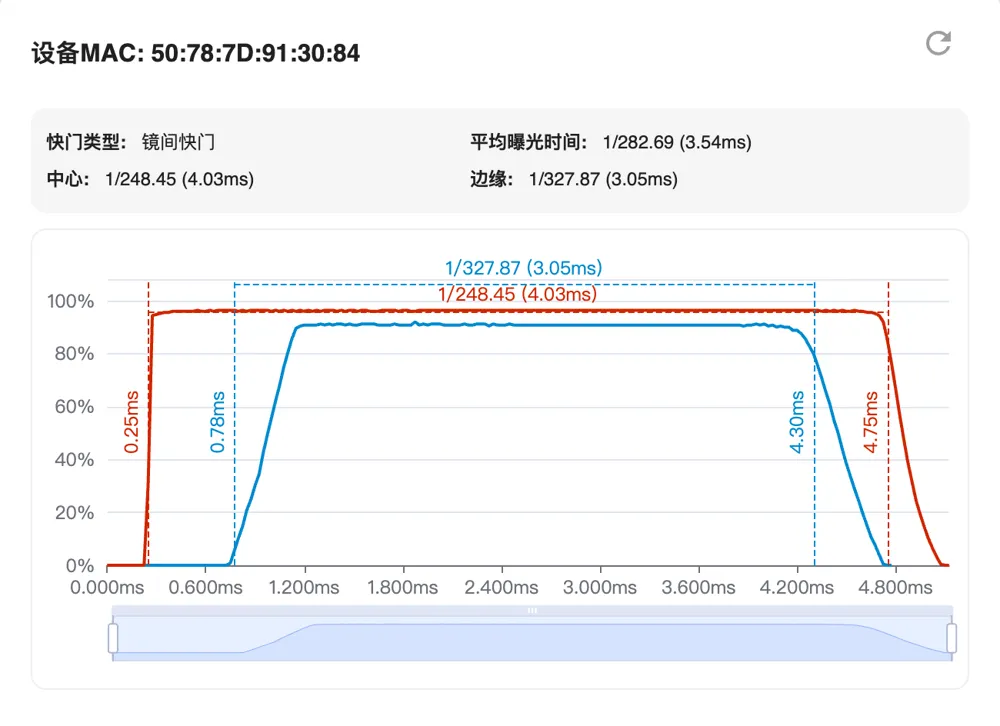
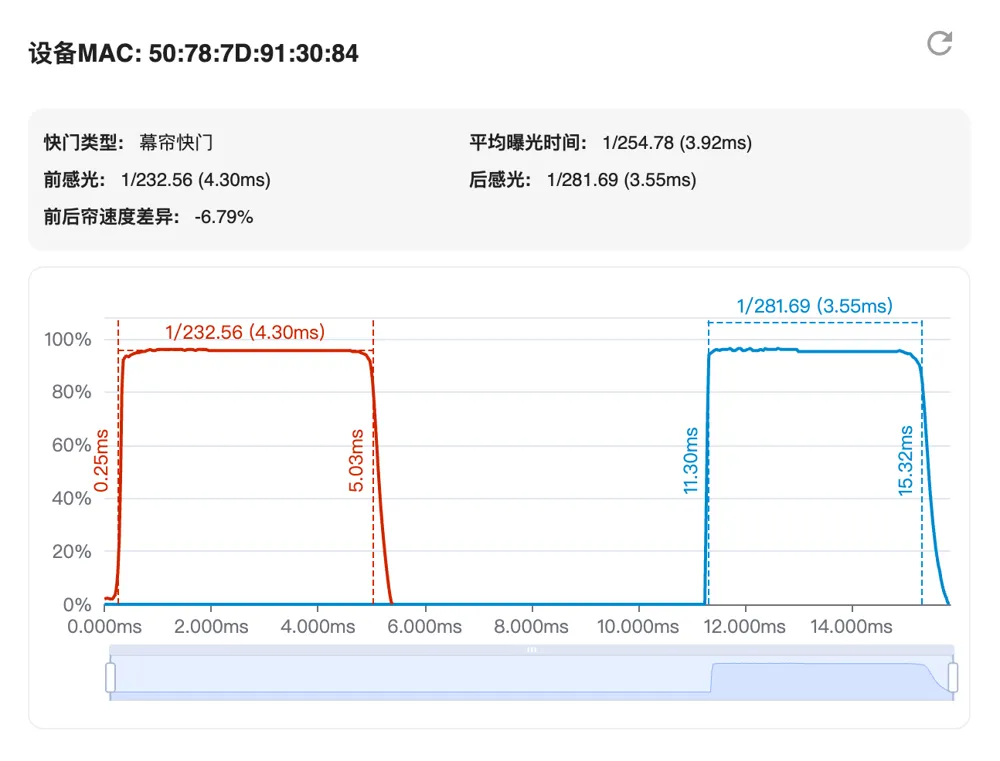
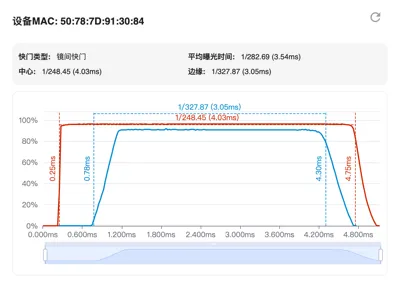
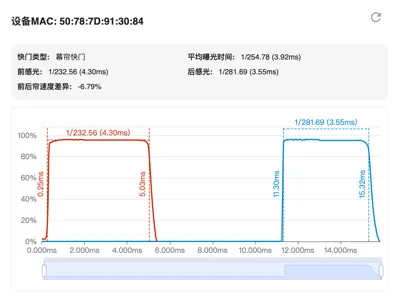
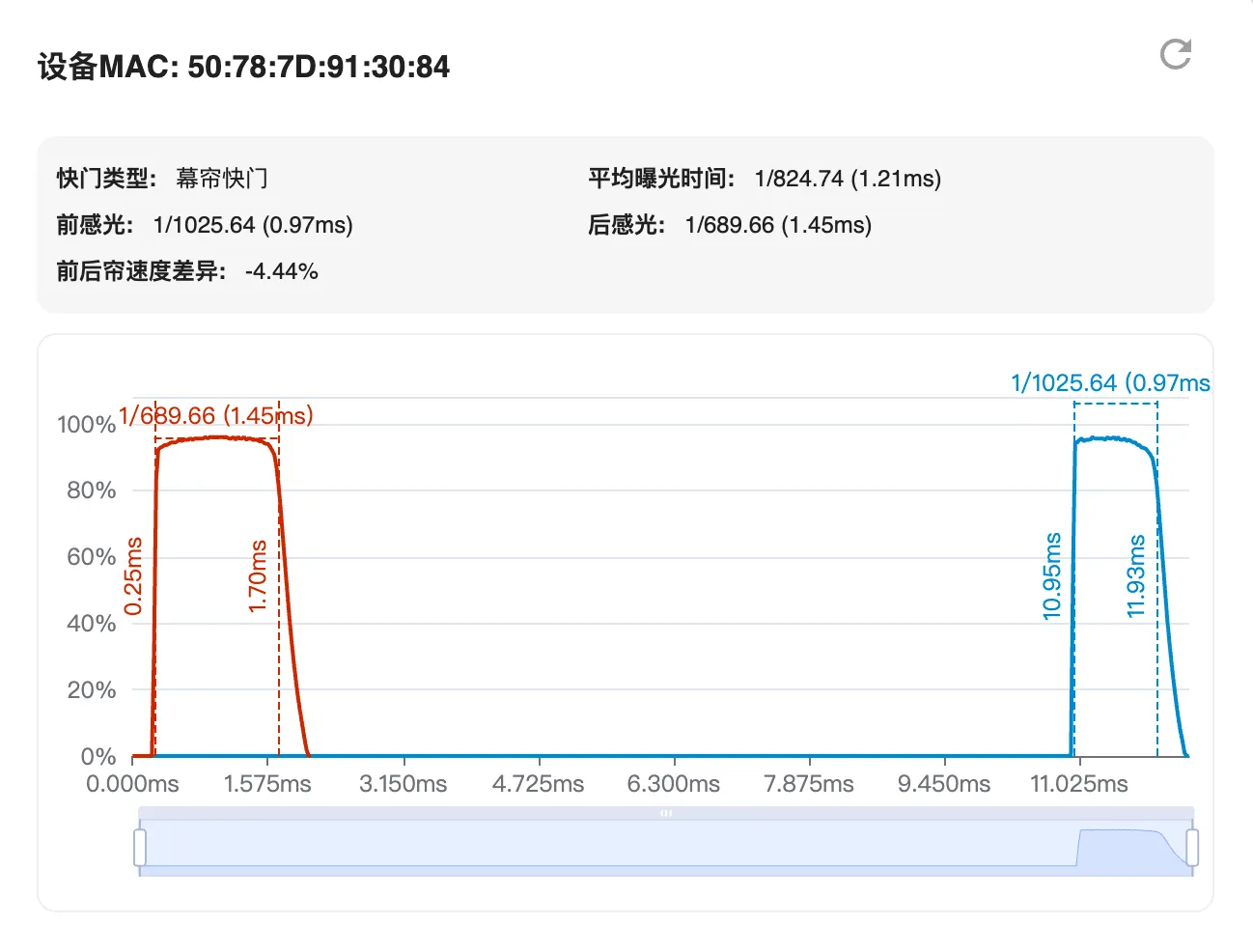
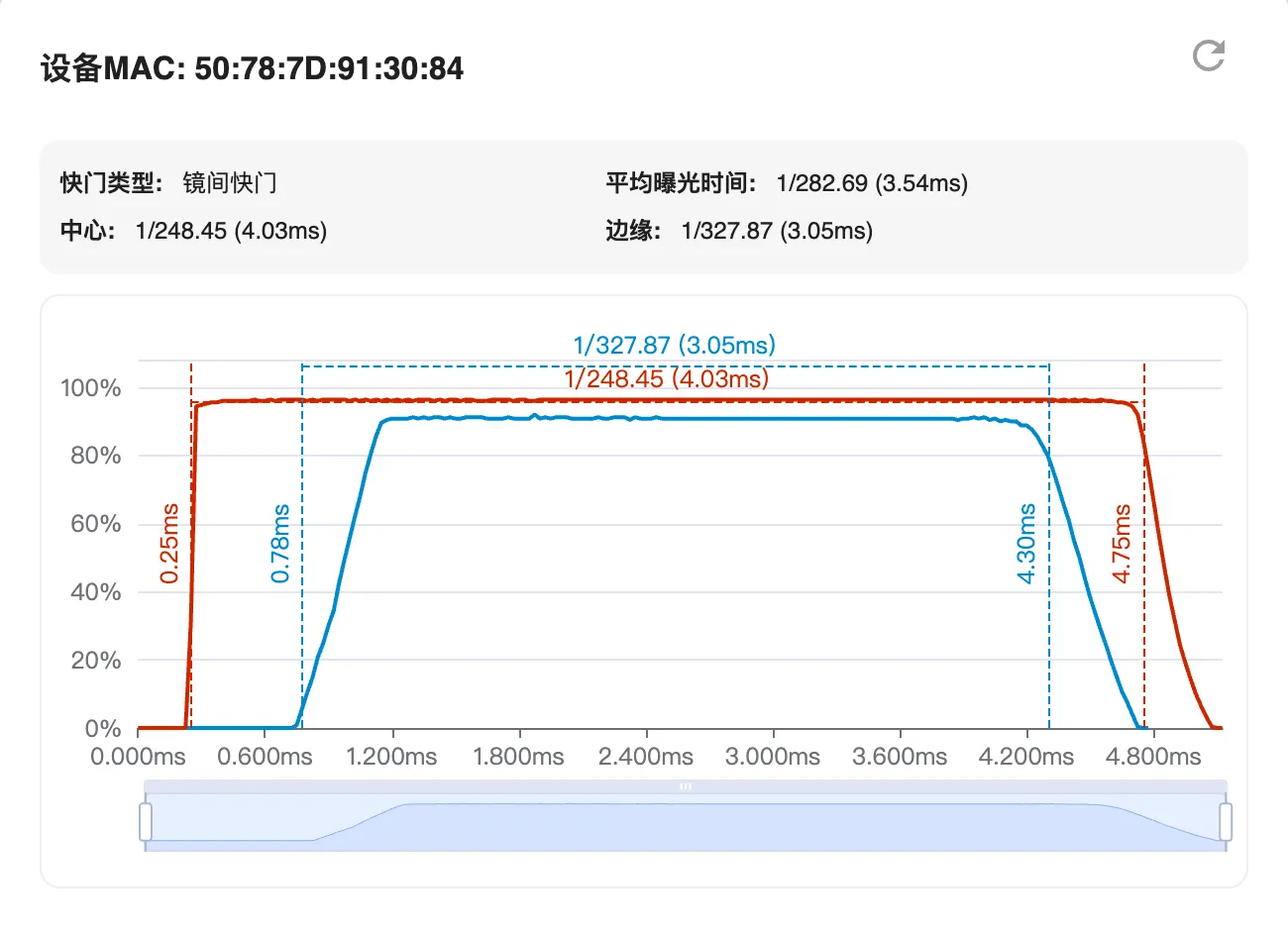
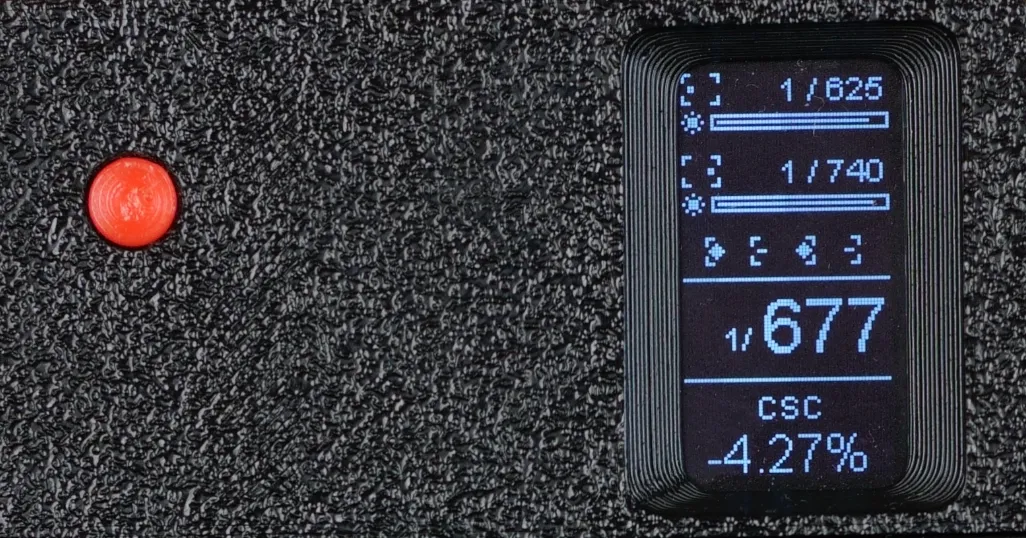
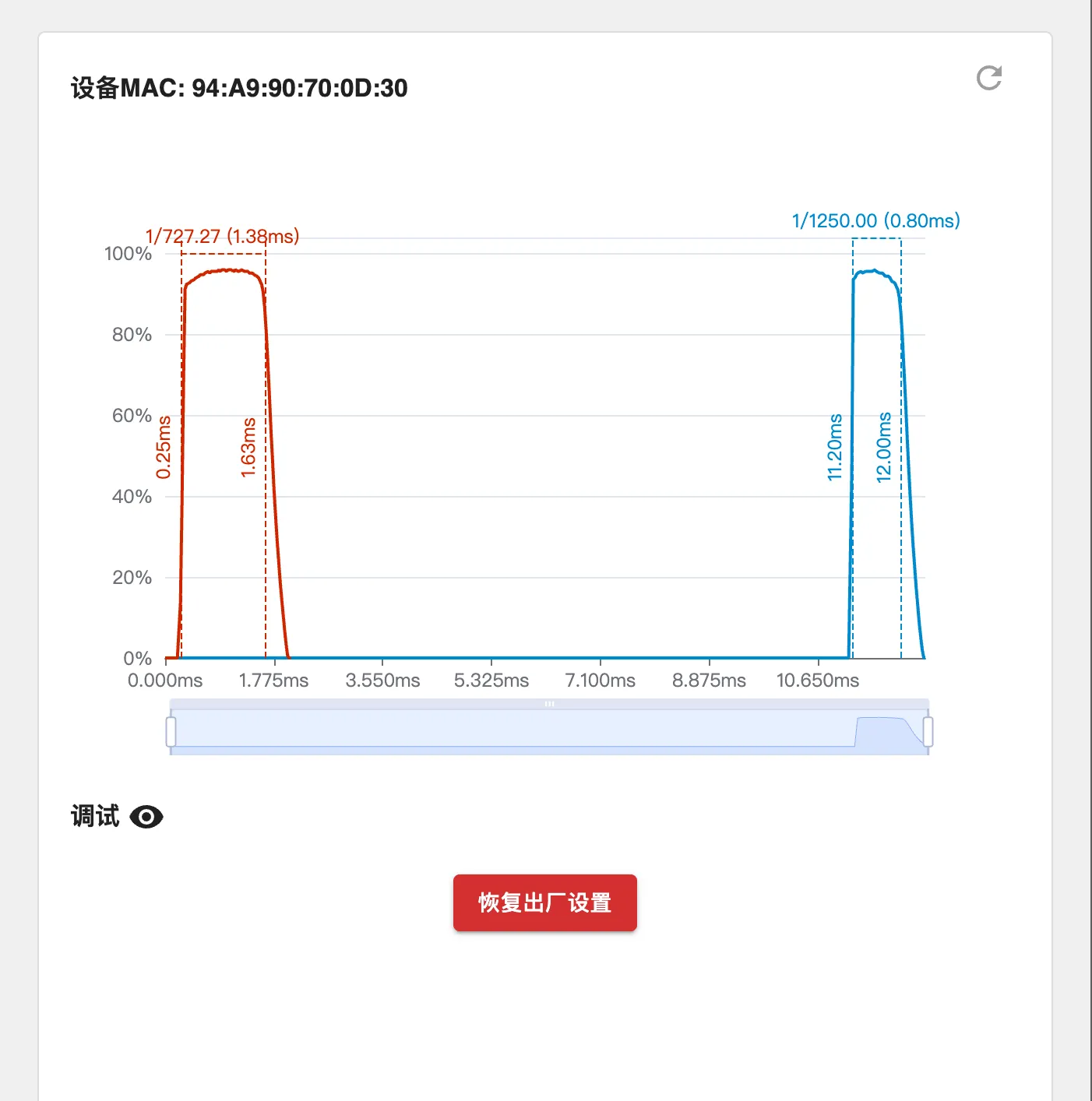
Use central and edge photosensors to test the **leaf shutter**, and use two edge photosensors to test the **focal plane shutter**
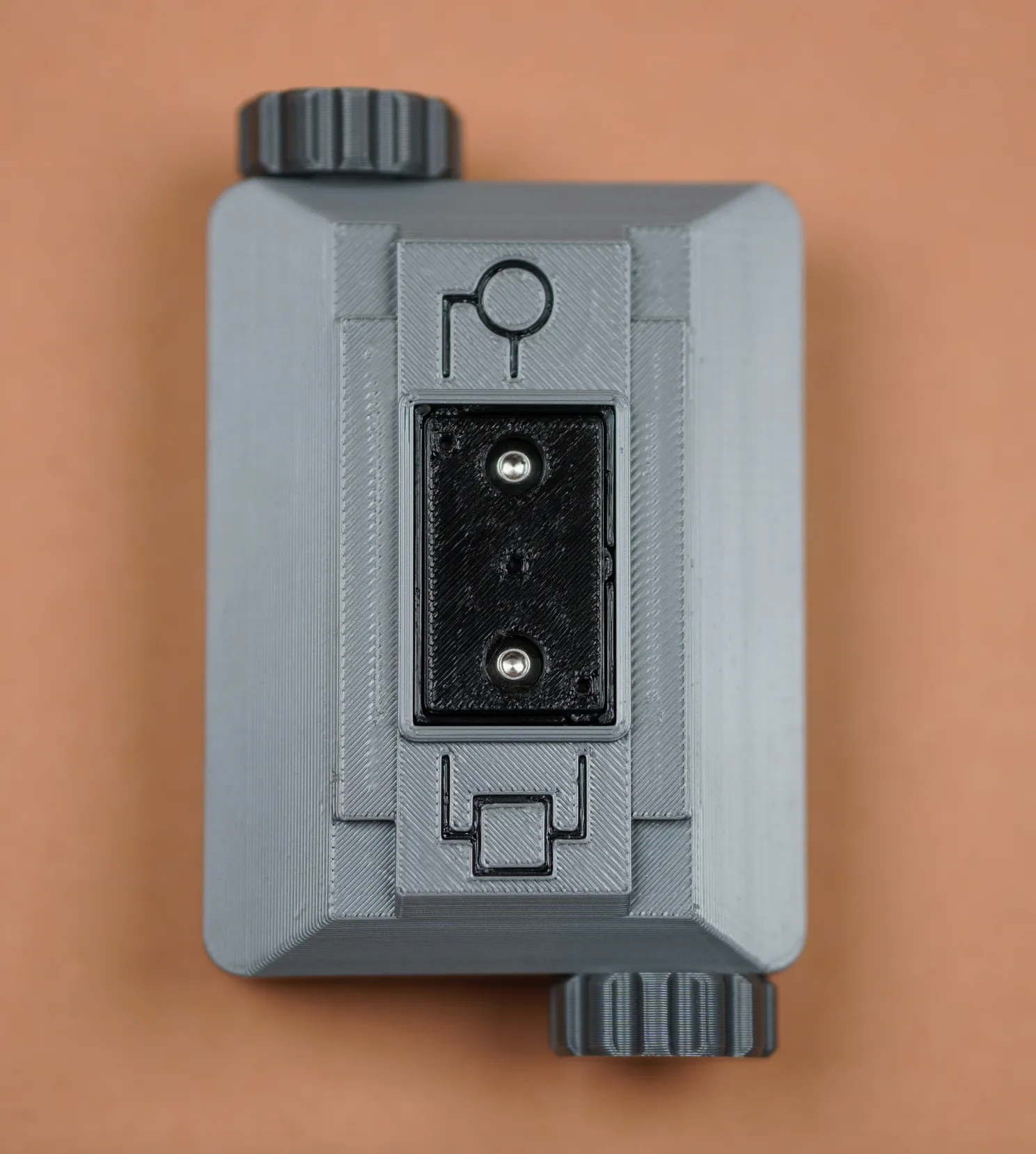
Added **indicator information**
Update: 2025-5-6
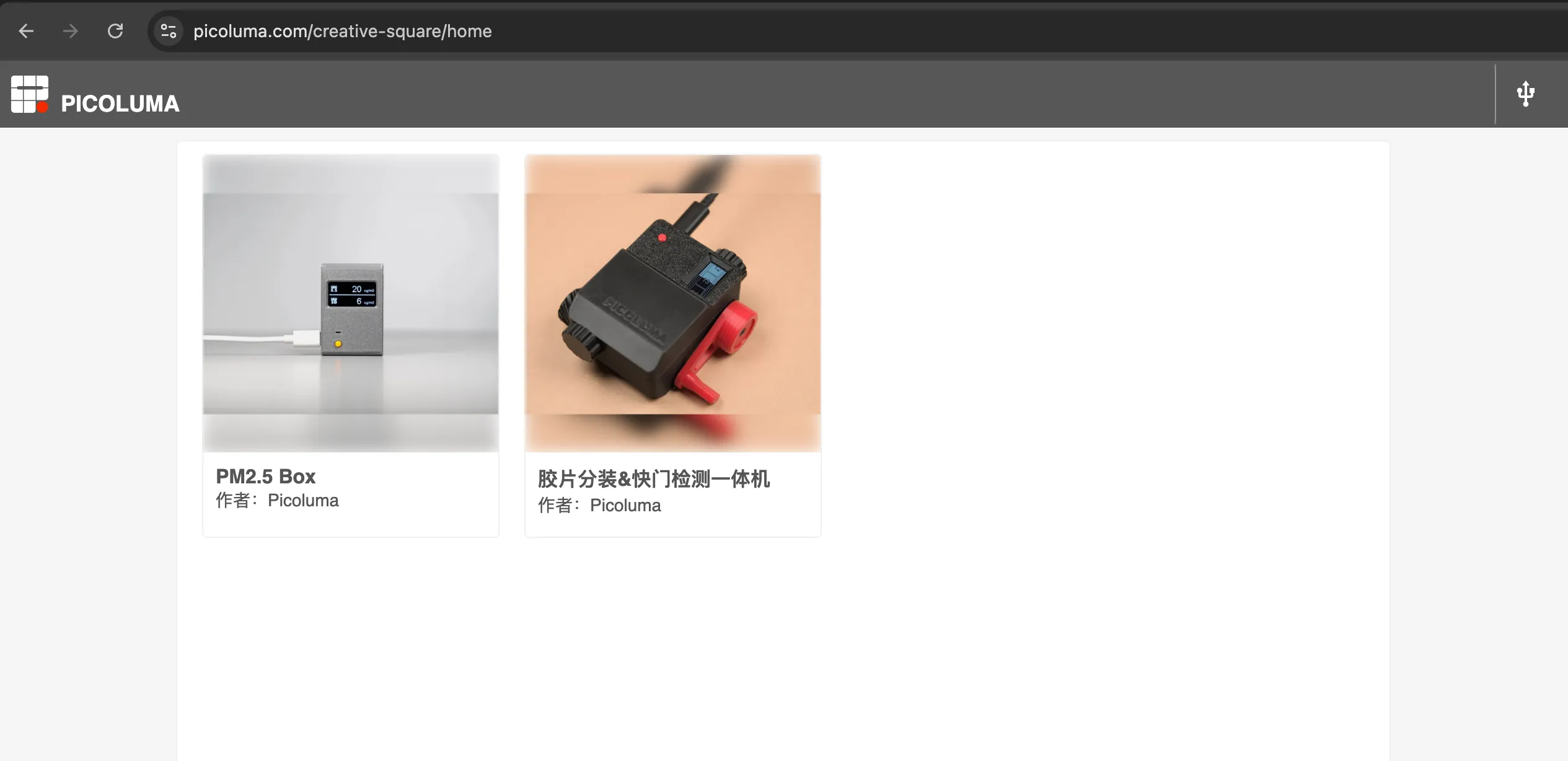
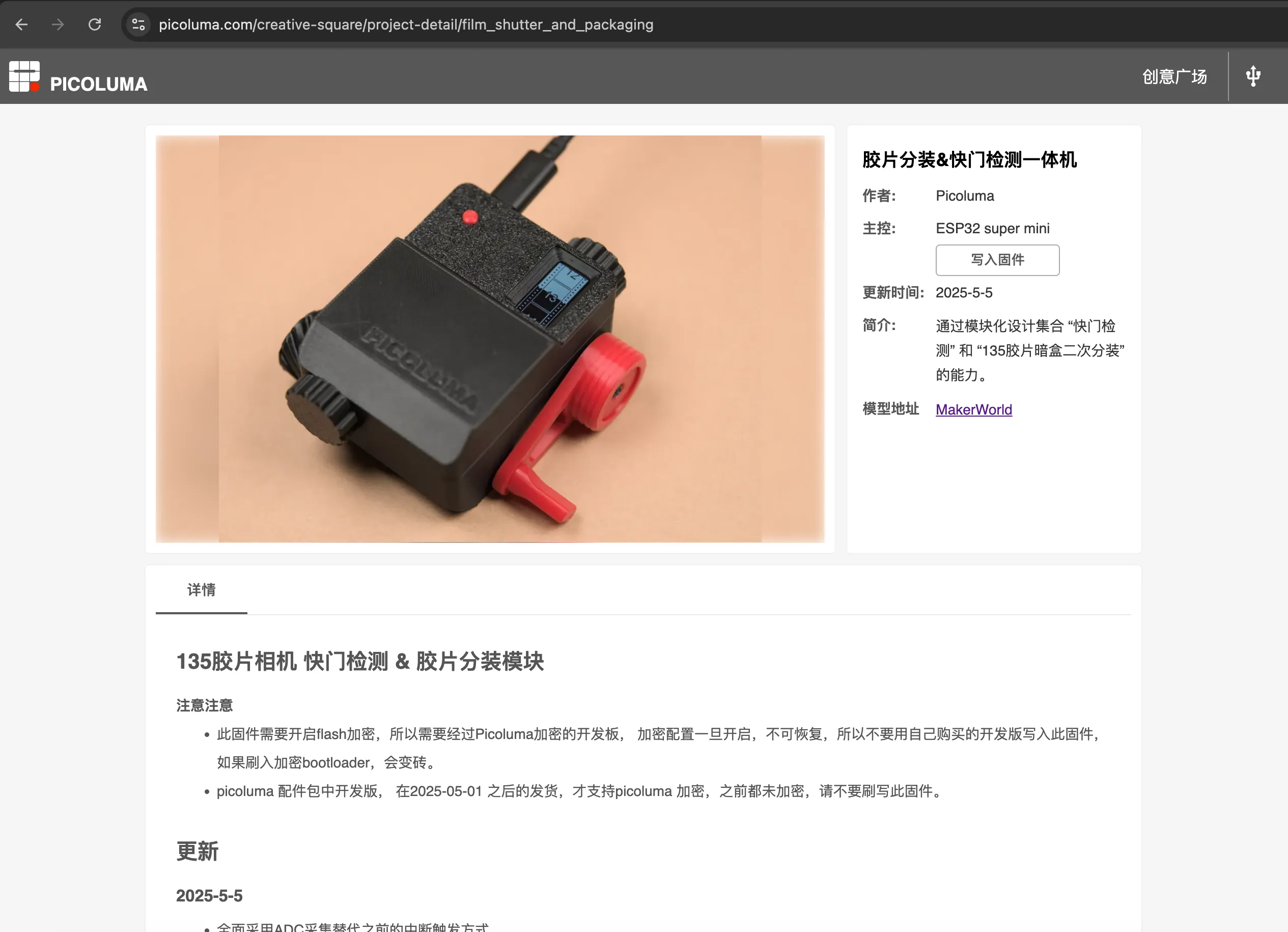
1 picoluma.com is now online It not only allows one-click firmware updates but also connects to your device via USB for feature expansion or configuration
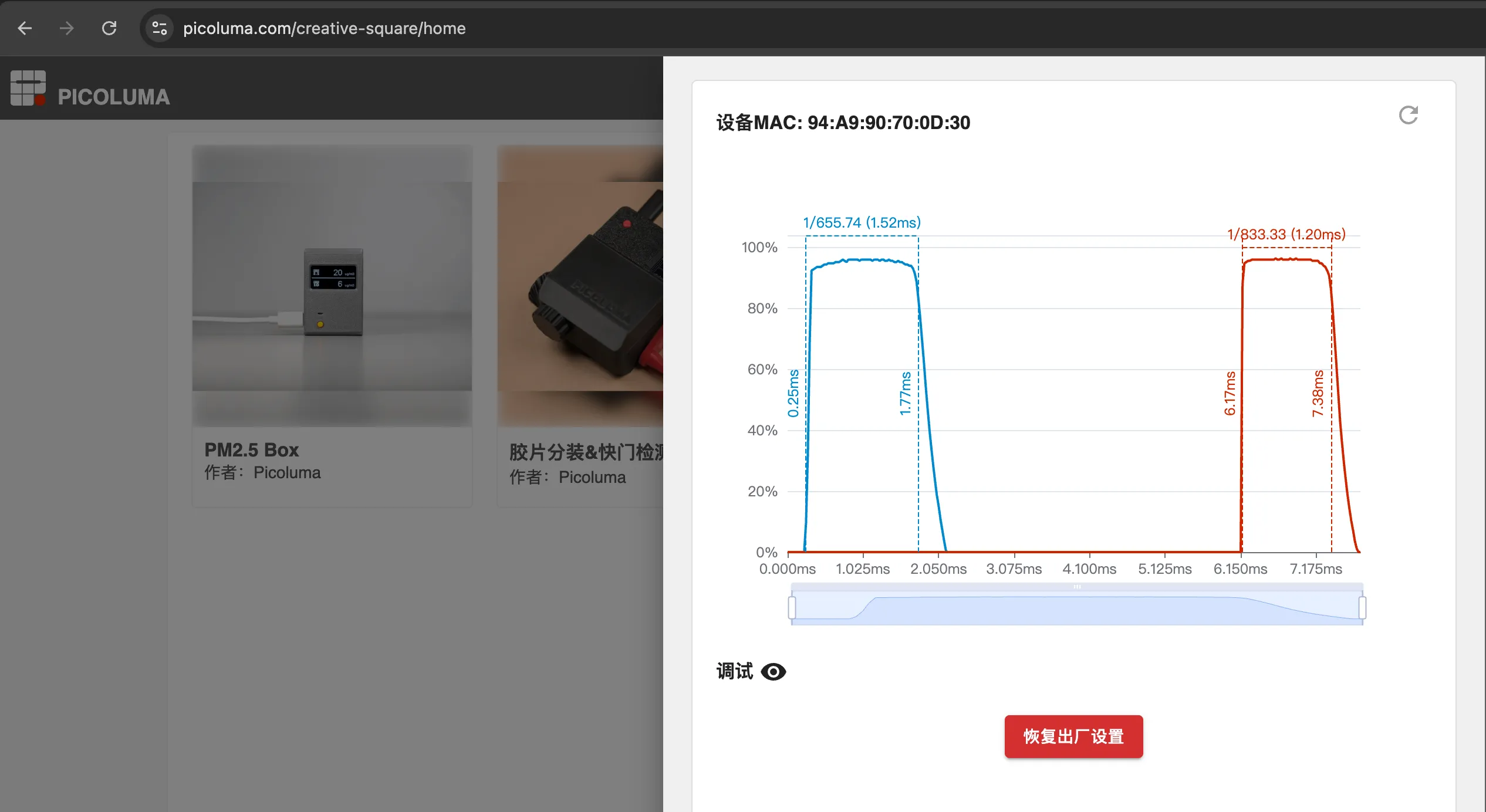
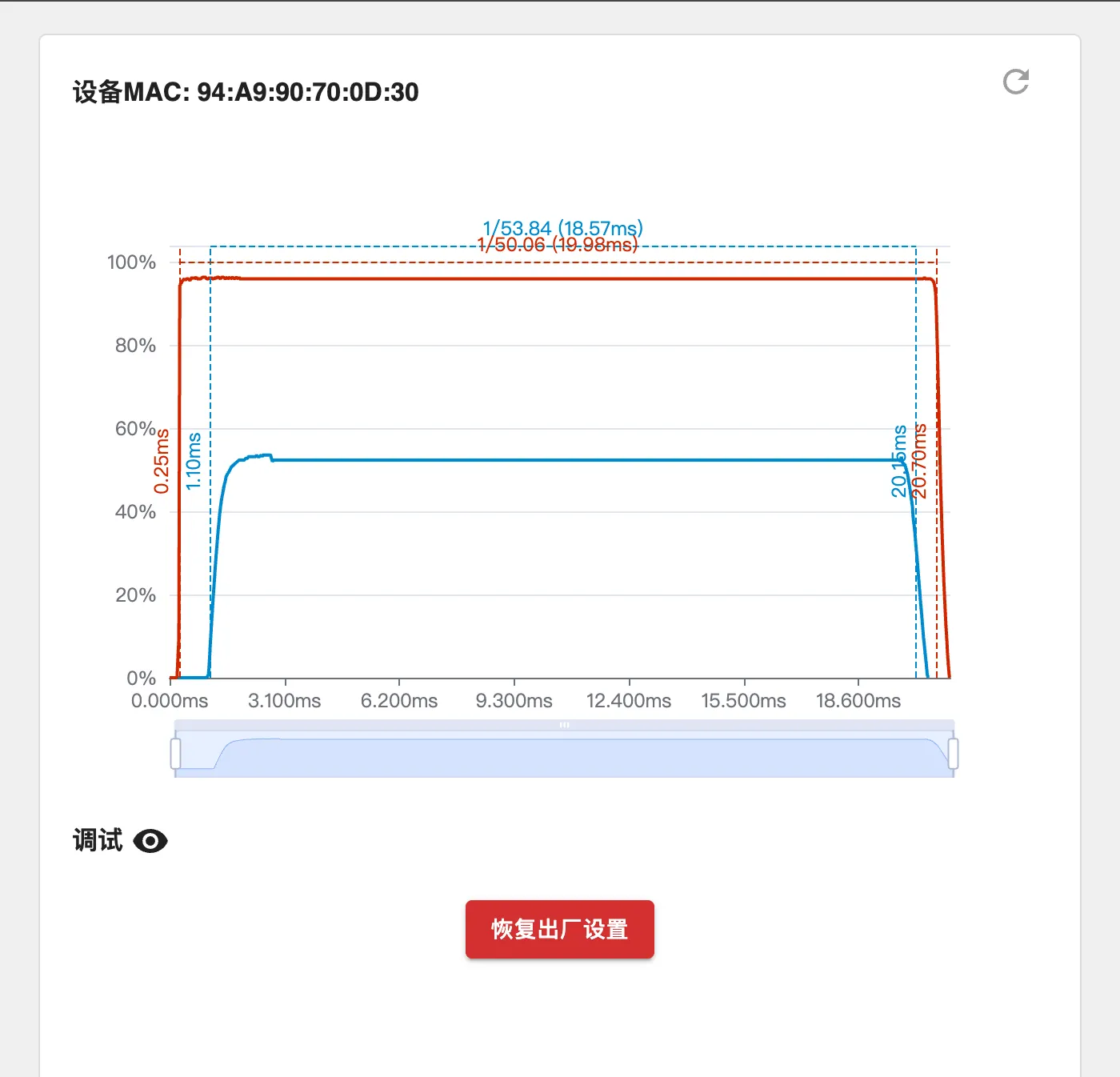
2 The interface now displays auxiliary light intensity information
3 80,000 samples per second, perceiving more details, with visible error estimation
Update for devices shipped before May 2025: Friends who have purchased accessory kits or finished products, if you wish to update to the latest firmware, please message me This time, a replacement via logistics may be required
Update: 2025-4-8
An accessory kit containing firmware has been created:
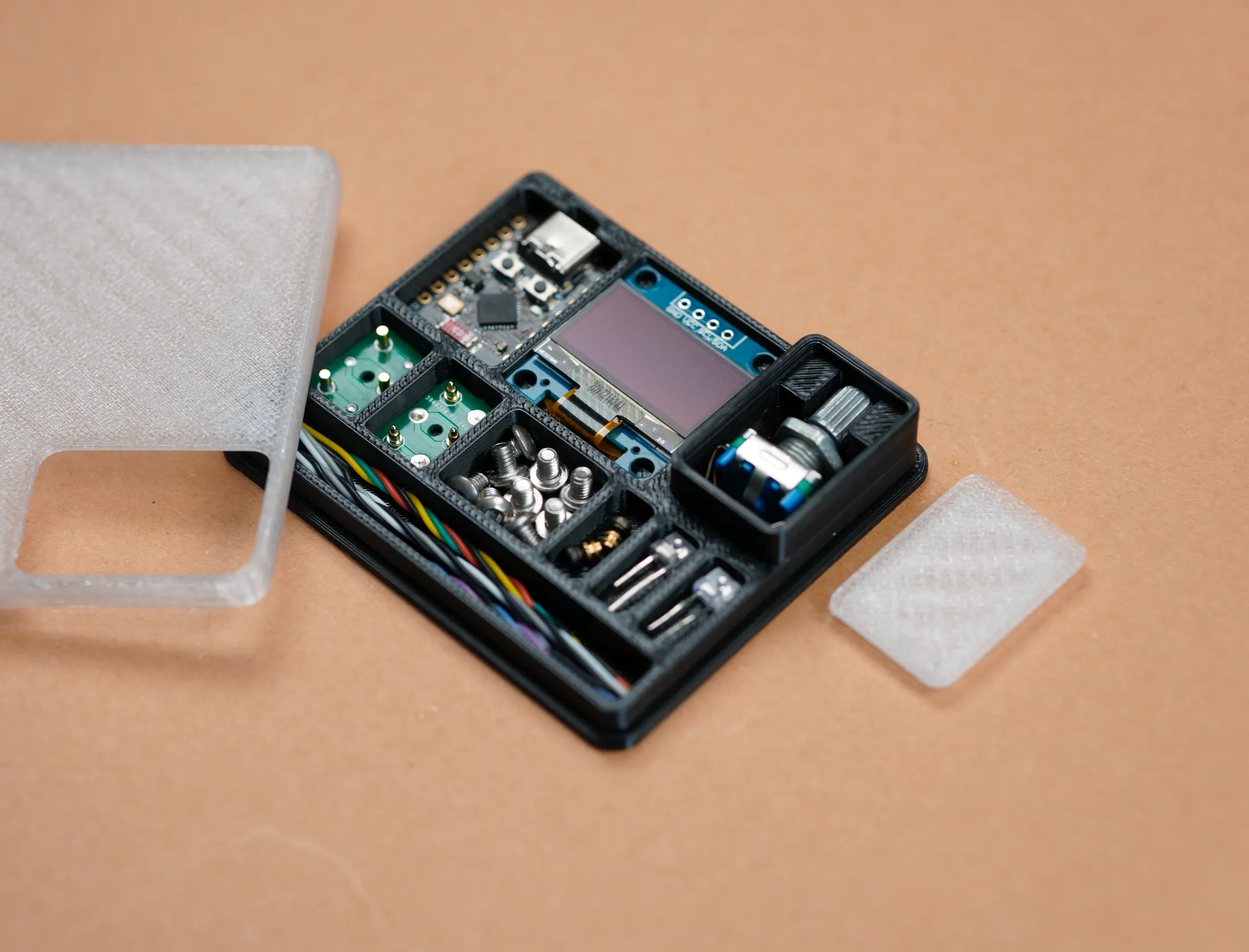
If you wish to support my design, please check the comments section for the accessory kit purchase link
Wiring
| ESP32 | Screen | Encoder | Photoswitch |
|---|---|---|---|
| 3.3V | VCC | ||
| GND | GND | GND | GND |
| GPIO1 | A | ||
| GPIO2 | B | ||
| GPIO3 | A | ||
| GPIO4 | B | ||
| GPIO10 | SCK | ||
| GPIO7 | SDA |
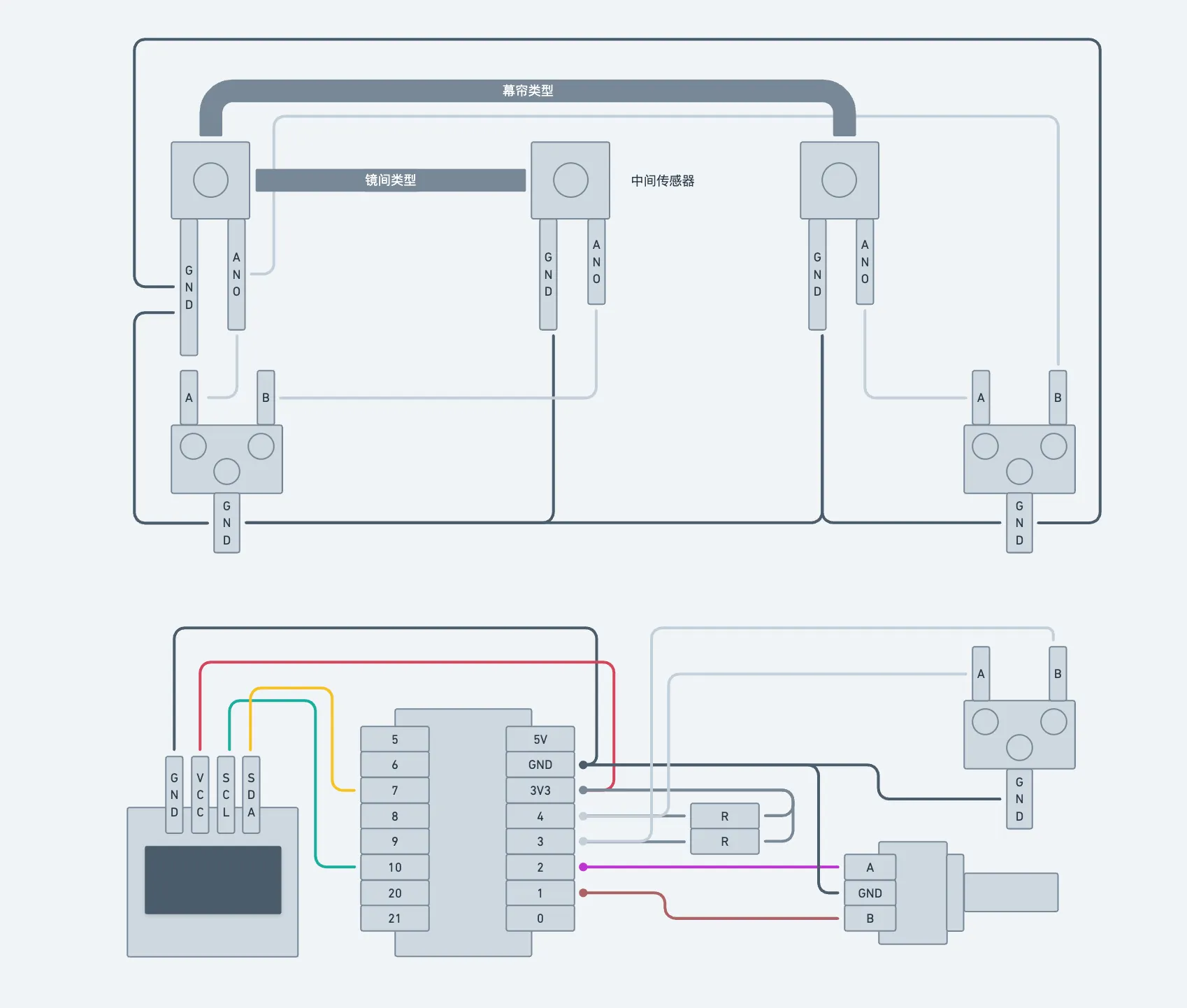
Note:
1 Since the ESP32 Super Mini has only one GND, without external PCB assistance, the three GND wires of the screen, encoder, and photoswitch need to be soldered together They can be twisted together beforehand, which is not ideal
2 The two A and B wires of the encoder are difficult to describe If the rotation direction is opposite, you can adjust the A B wiring The photoswitch does not require this, as it is handled by the program
Design Background

- [Shutter Detection] If you enjoy film photography, you know that most current film cameras are old cameras from many years ago After a period of time, these cameras need maintenance and testing Shutter speed, in particular, is a test that cannot be observed with the naked eye, so I need a testing device
- [Film Bulk Loading] In many scenarios, a 36-exposure film roll can seem "too much" For example:
- When you buy new photography equipment and need to test it, such as a newly acquired lens or film camera, you might be eager to test image quality
- When going out to shoot, it might take some time to finish a 36-exposure roll Since self-developing is convenient, you might only want to shoot 12 exposures and develop once
- Sometimes you want to test new developing solutions, new film, or new exposure techniques, and you only want to use a few frames for testing
Therefore, I need a device that can both test camera shutters and quickly bulk load film
Shutter Performance
- Shutter performance mainly consists of two parts:
- Time accuracy: Primarily affected by the time difference in front and rear curtain release For example, releasing the rear curtain 1/30 of a second after releasing the front curtain results in a theoretical exposure time of 1/30
Uniformity: Ensures uniform exposure across the entire photosensitive area, primarily influenced by the tension of the camera's shutter curtain springs
Uniformity is mainly determined by the "window size" and "window movement speed" formed by the front and rear curtains
Consistent "acceleration" (rate of change of speed) of the front and rear curtains can form a constant window size
Once entering the photosensitive area, the smaller the acceleration (rate of change of speed), the better, allowing the window to pass through the photosensitive area more uniformly
Design Ideas
- Shutter Testing:
- Not only can it read shutter speed, but it can also obtain the speeds of the front and rear curtains, which can, to some extent, detect the appearance of "black bars" or "bright bars"
- Compatible with horizontal and vertical shutter cameras
Ideally, it should be relatively simple and not too cumbersome
- Film Bulk Loading:
- Bulk loading should not result in extra waste, keeping waste within one frame if possible This can be achieved by splicing leaders to avoid film waste during each loading
- Ensure that the film is not light-polluted during transfer between two cassettes
- Bulk loading requires film counting
- No opaque box operation
Design Highlights
Modular design for quick assembly, simultaneously supporting shutter testing and film bulk loading
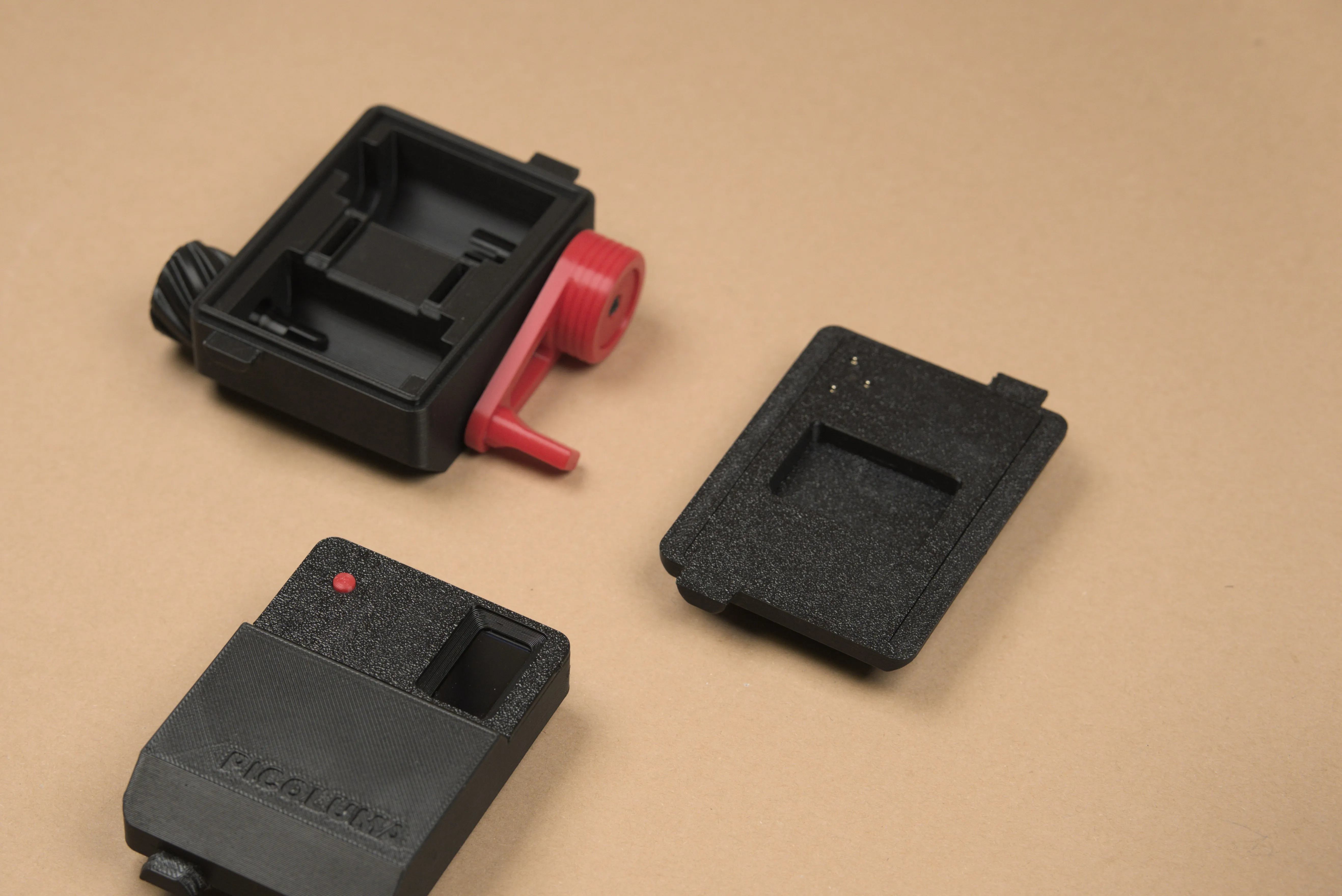

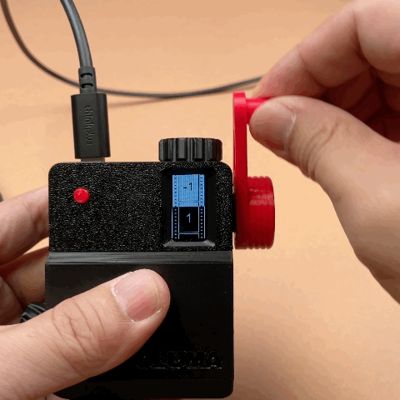
[Film Bulk Loading] Clearly displays the quantity of bulk-loaded film, allowing for precise control
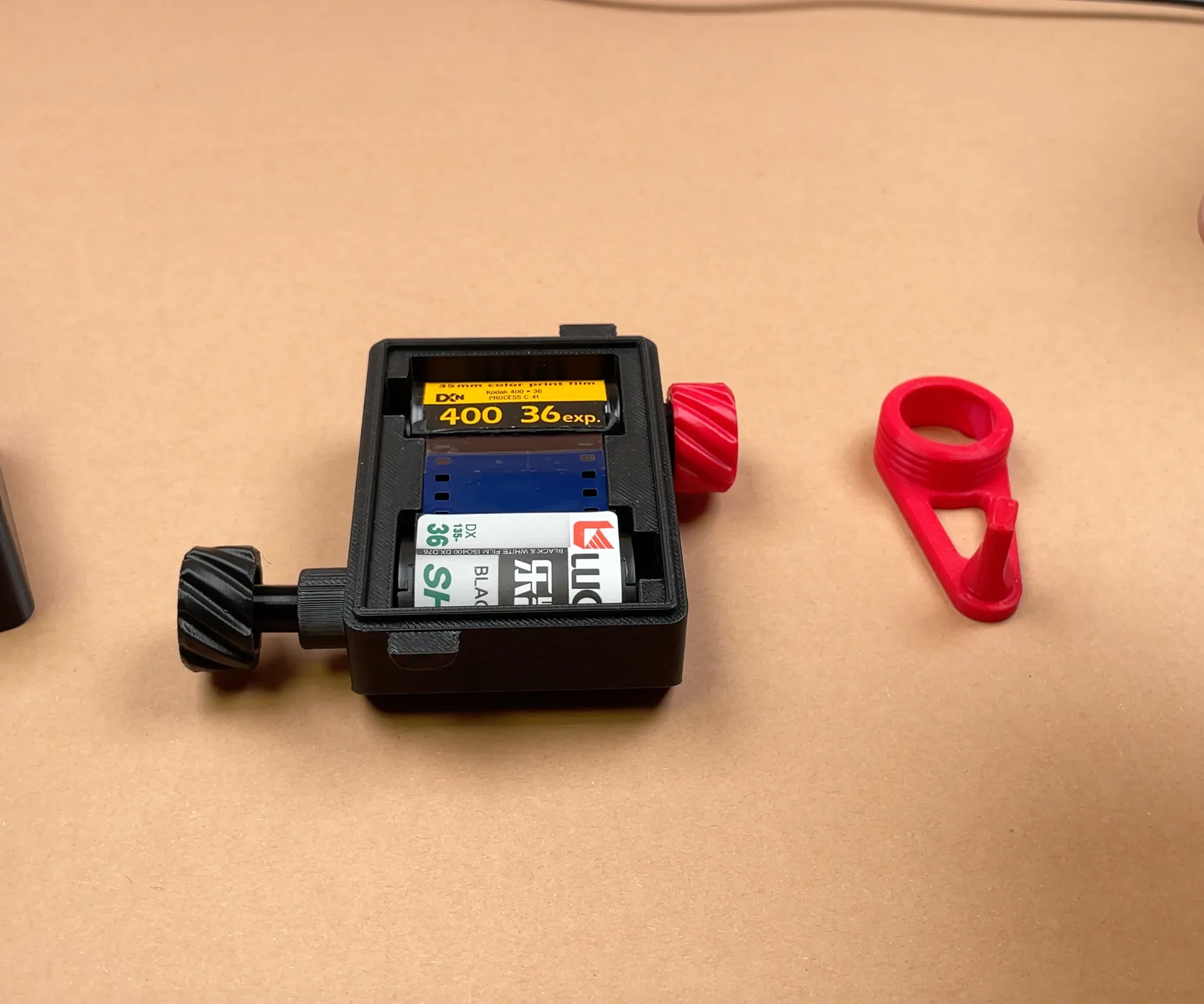

[Film Bulk Loading] Uses a knob-latch installation method to increase loading and unloading speed and prevent film exposure damage from mishandling

[Film Bulk Loading] Quick-release crank for convenient and rapid winding and rewinding
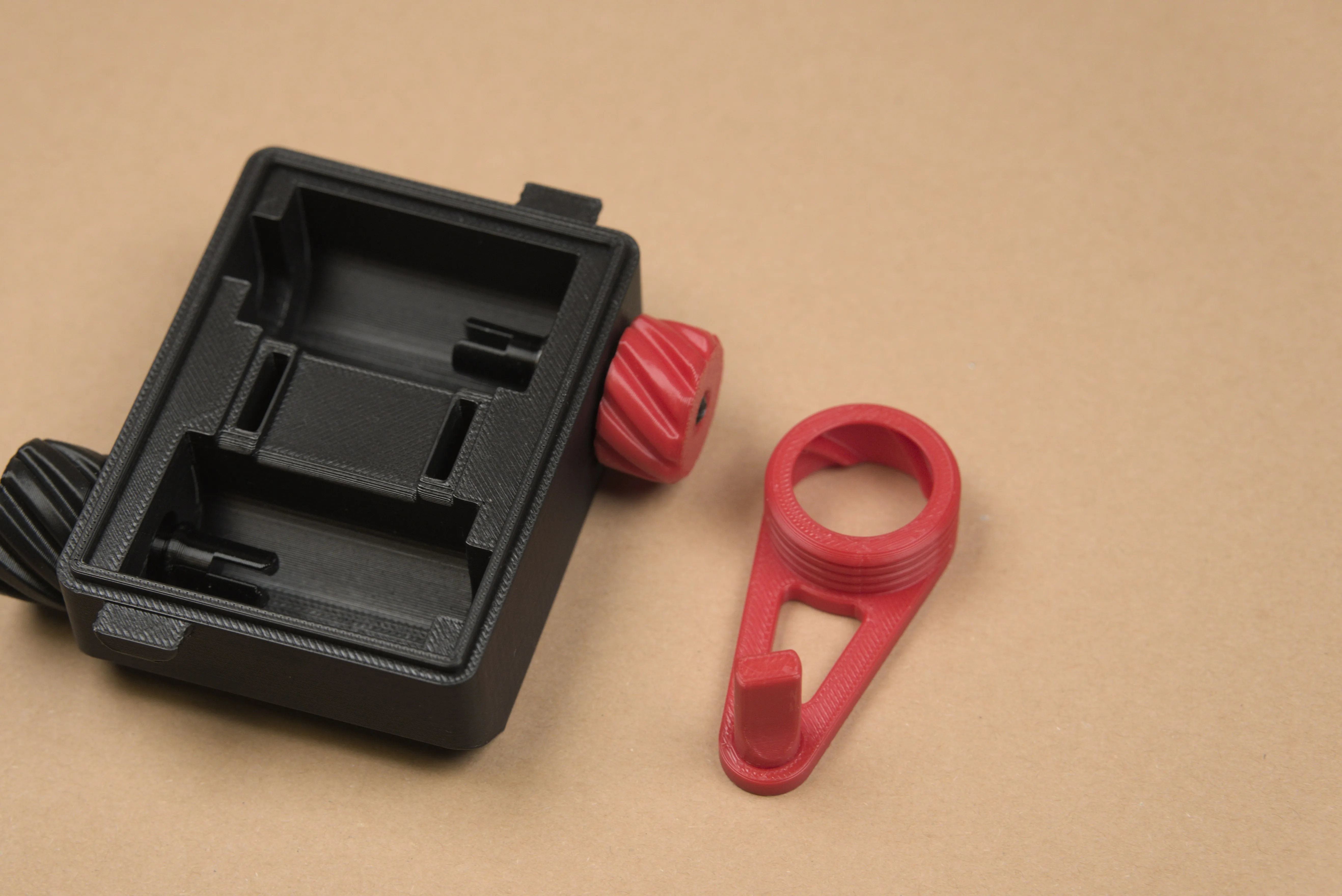
[Shutter Testing] Simply change modules to perform shutter detection

[Shutter Testing] Diagonal dual photoswitches, compatible with vertical and horizontal curtain layouts
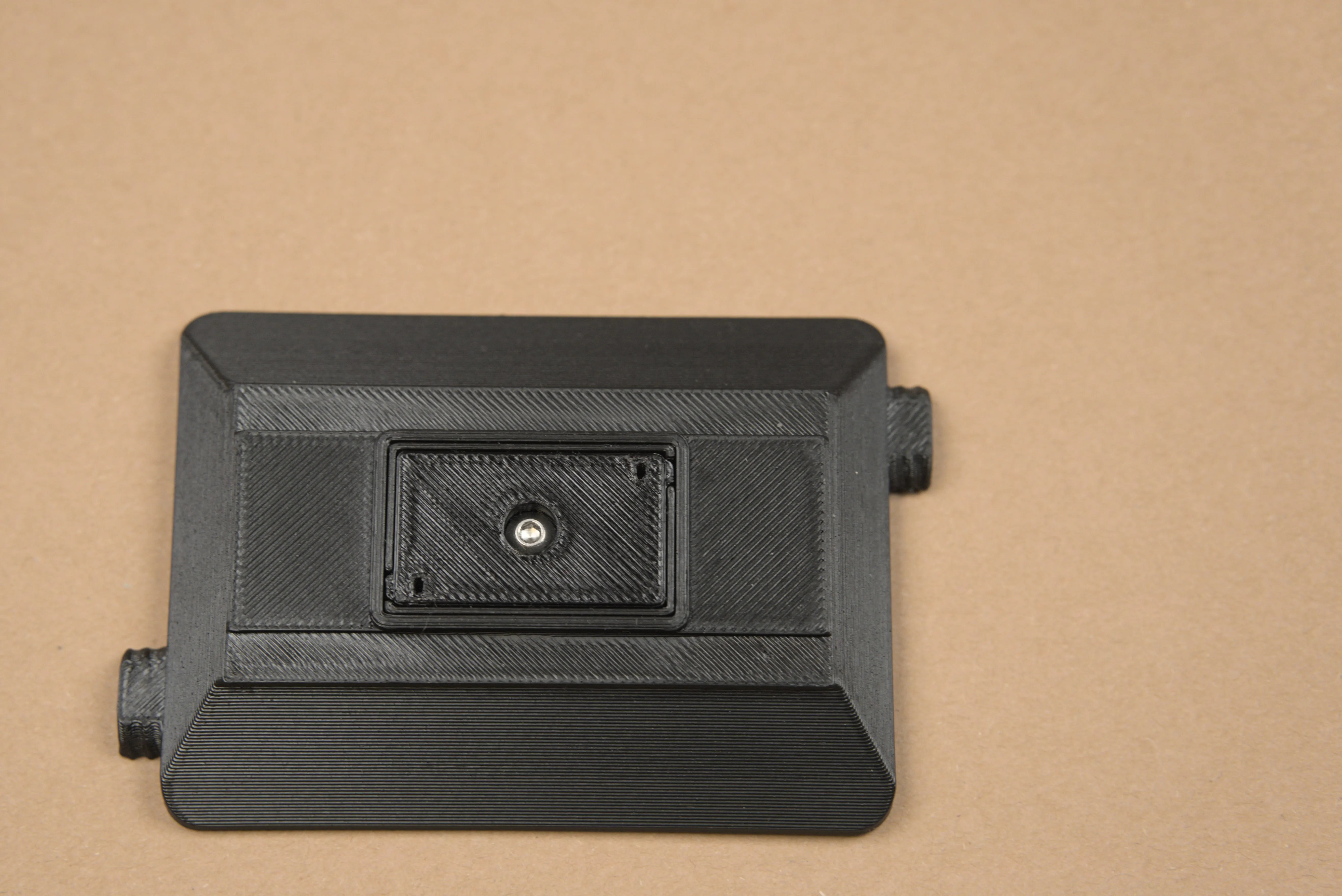
- [Shutter Testing] By measuring the difference in activation time and deactivation time of the two photoswitches, **the front and rear curtain speeds can be obtained**
- [Shutter Testing] By measuring the exposure time of the two photoswitches, **the uniformity of the photosensitive area can be roughly determined**
- [Shutter Testing] By observing the deactivated state of the rear photoswitch, **it can be determined whether a "black bar" is present**
Usage Video:
Free download of this model is for personal use only You may not sell these printed parts or digital models
Purchase Accessories:
If you wish to support my design, please purchase my accessory kit (link in comments), which includes:
- Firmware: The device is activated and can be updated for free subsequently
- One ESP32 main controller + one screen + wires + screws + photoswitches + spring contacts + encoder
License

You shall not share, sub-license, sell, rent, host, transfer, or distribute in any way the digital or 3D printed versions of this object, nor any other derivative work of this object in its digital or physical format (including - but not limited to - remixes of this object, and hosting on other digital platforms). The objects may not be used without permission in any way whatsoever in which you charge money, or collect fees.


Comment & Rating (10)