
Folk Flutes by pfh - original and remixed

Print Profile(2)


Bill of Materials
- Electrical tape x 1:
- "Galaces" round waxed thread 0.55mm x 1:
Description
Sound demos:
I’m not a flute player, but this should give you an idea of how these flutes sound (recorded in an empty room, thus the reverberation)
About the Original Model:
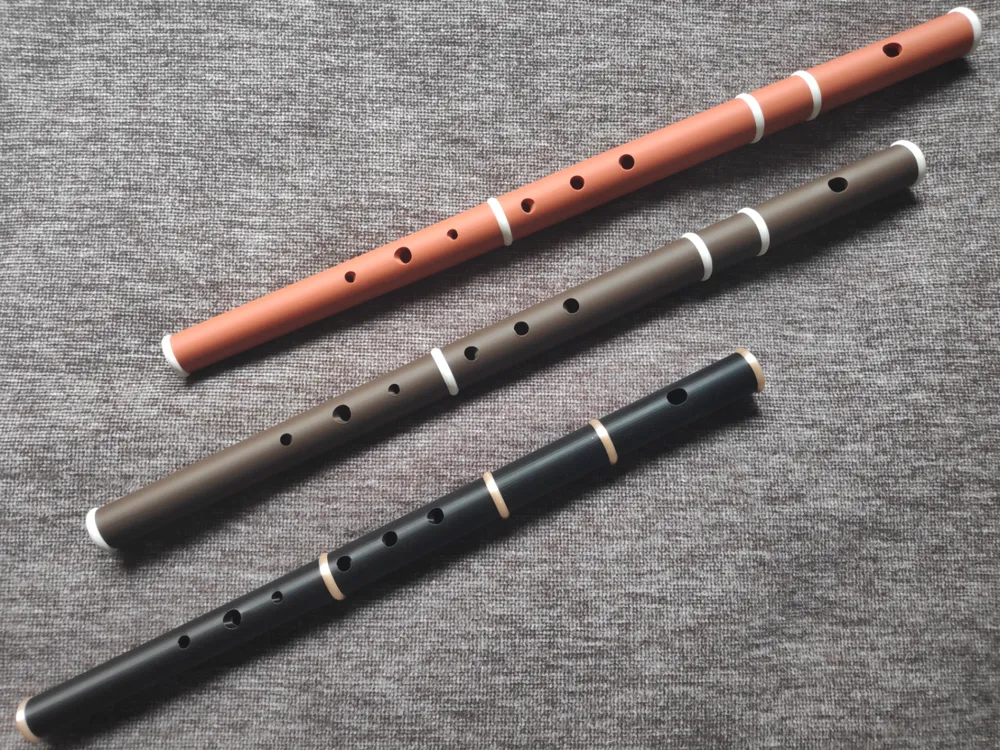
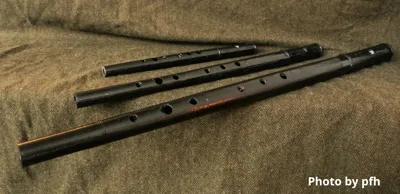
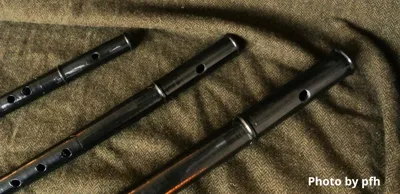
These folk flutes were originally created by Paul Harrison and published on Thingiverse. They were designed using a tool called Demakein, which allows you to generate various wind instruments in different keys and with a variety of fingerings.
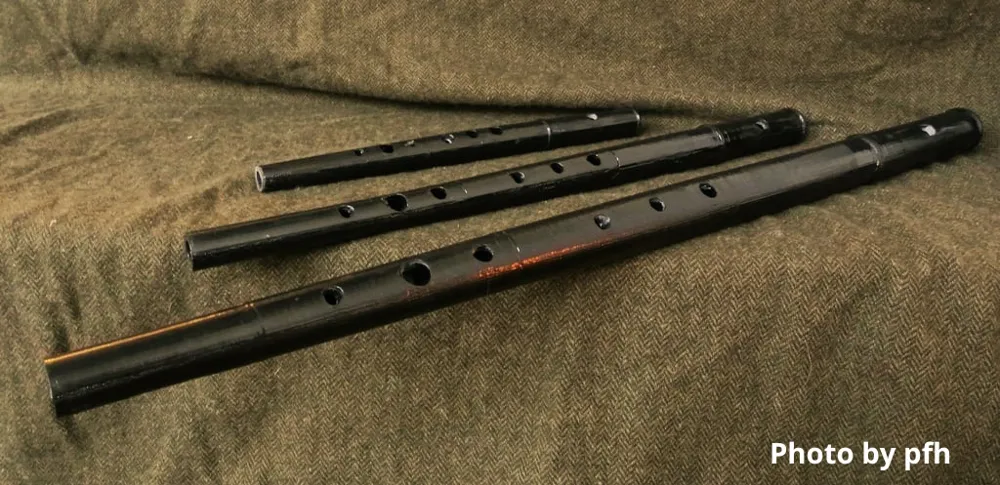
The types of flutes included here as STLs are:
- Soprano in D
- Alto in G
- Alto in F
- Tenor in E
- Tenor in D
Feel free to write me if you need a flute in a specific key!+
Almost all models avalible as:
- 1 piece
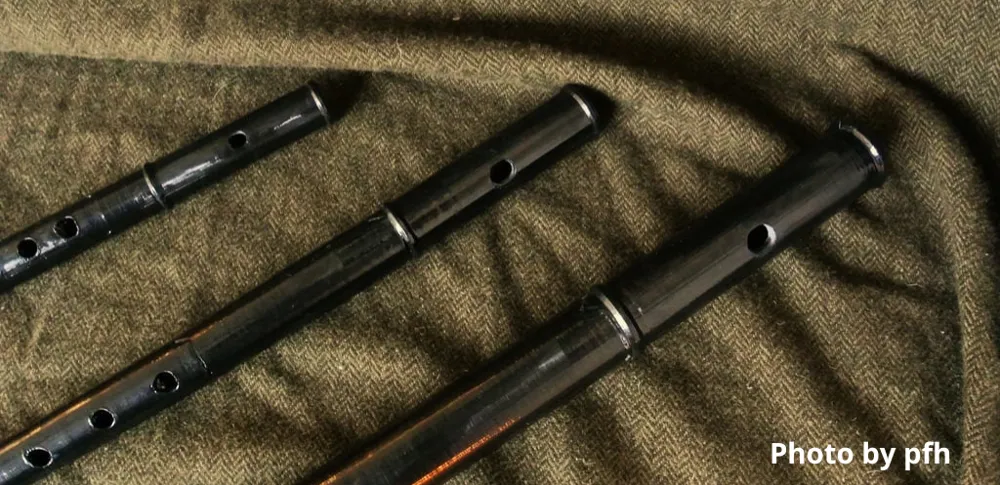
- Straight sockets:
- 2 piece
- 3 piece
- 4 piece
- 5 piece
- Welded sockets:
- 2 piece
- 3 piece
- 4 piece
- 5 piece
Be advised that not all models work perfectly, as sometimes the finger holes overlap with the sockets.
All credit for this amazing work goes to Paul Harrison. He kindly allowed me to post his original models here, along with my remixed versions.
My Remix:
For this remix, I added a couple of print profiles optimized for my A1+ AMS setup:
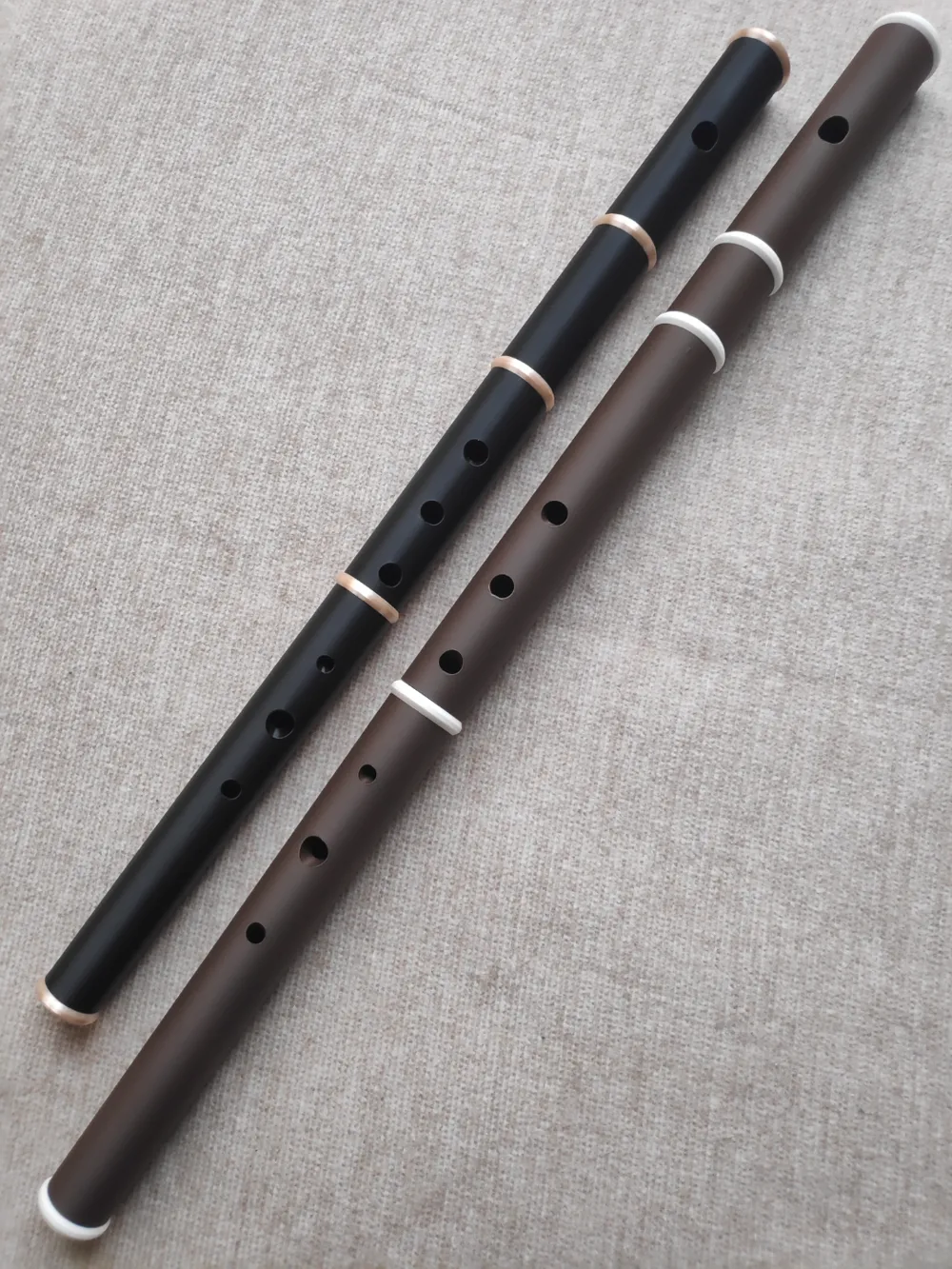
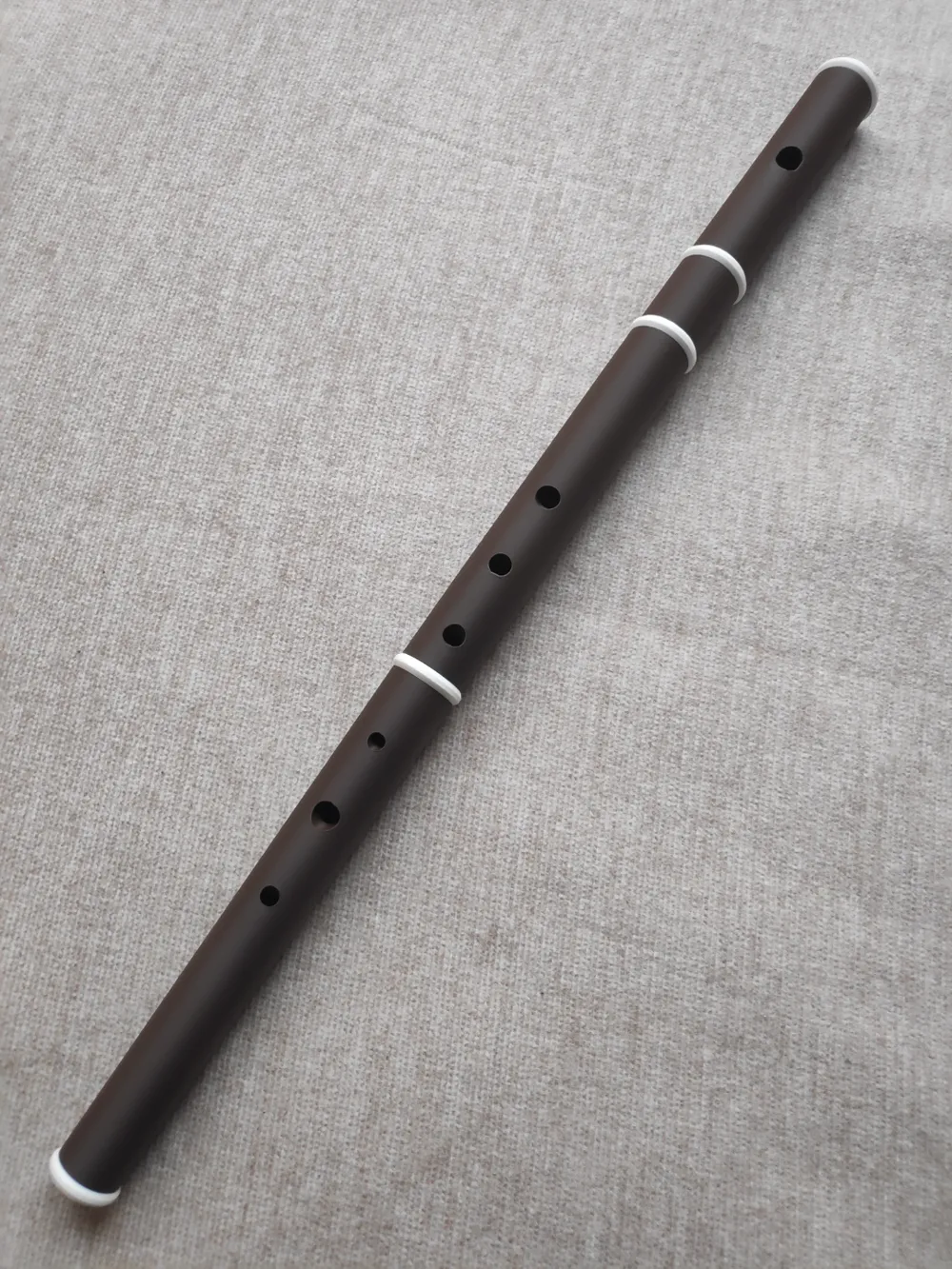
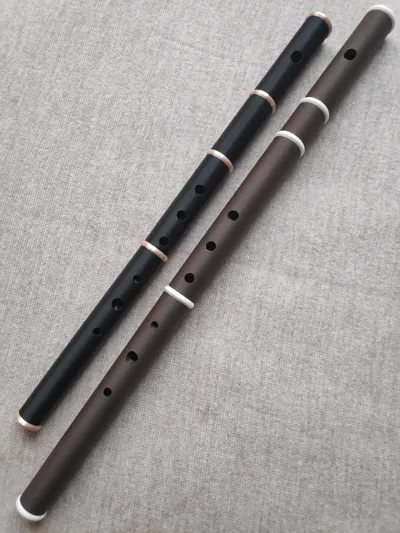
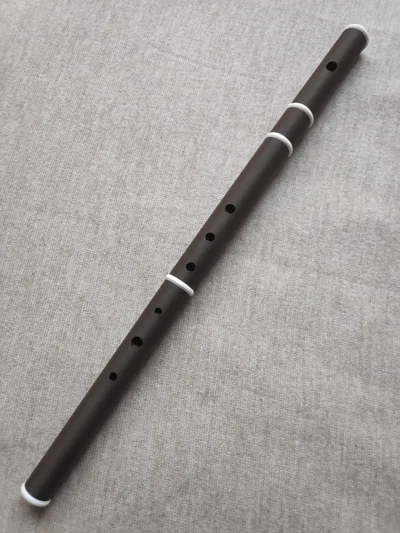
- Alto flute in G:
- The original model
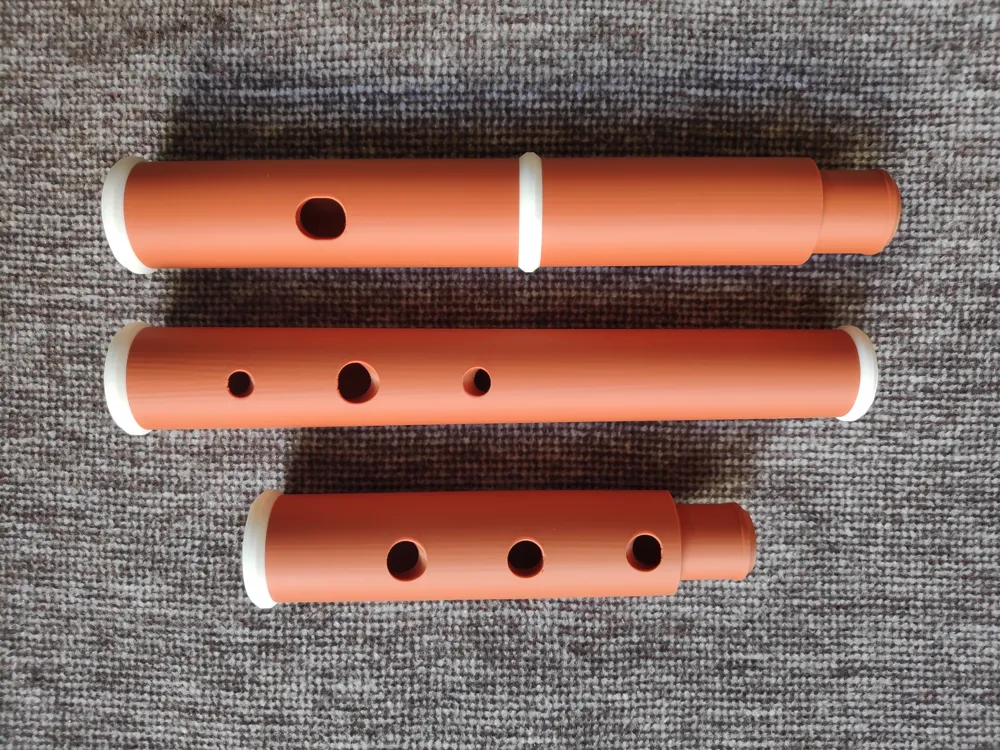
- A modified version with decorative rings on the flute body for enhanced aesthetics
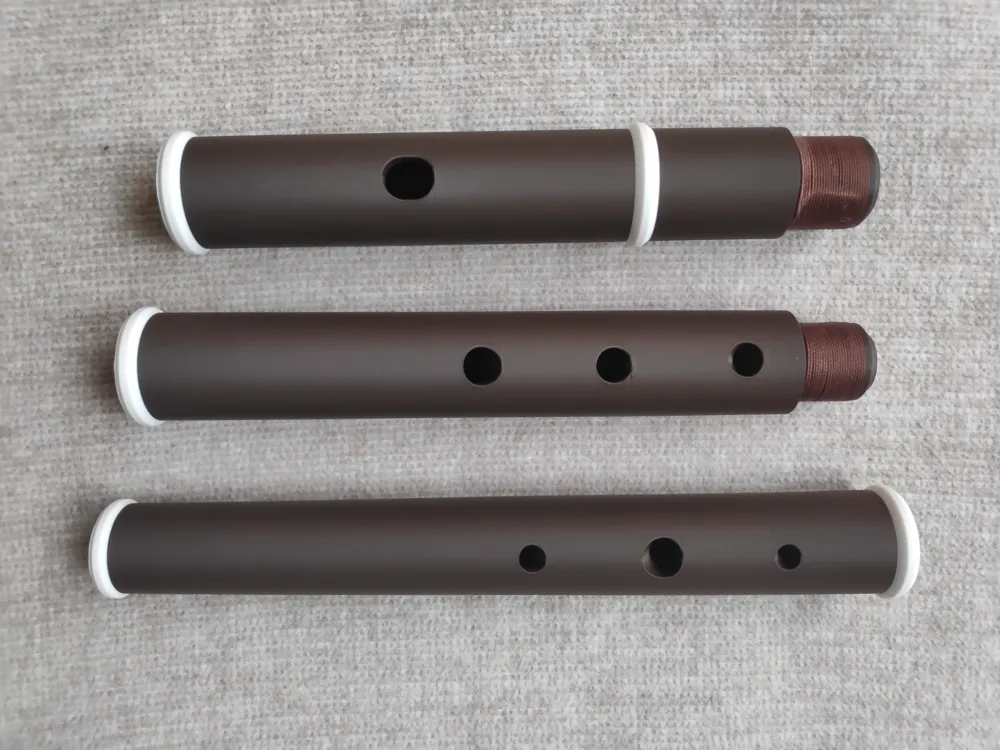
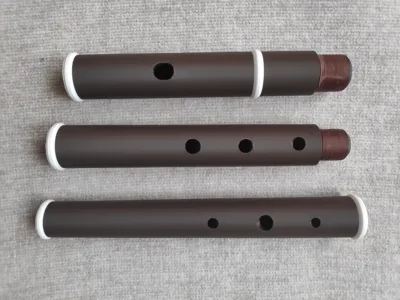
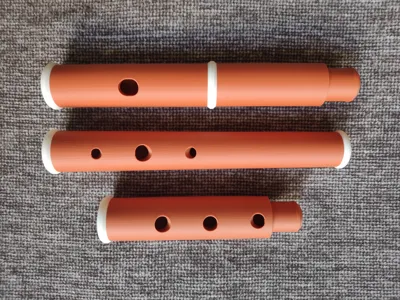
Tenor flute in E:
- 3 plates with one part each. With decorative rings and modified sockets for the waxed thread
Printing:
I used a slightly modified 0.12mm High-Quality profile with the following adjustments:
- Increased wall loops for added rigidity
- Higher infill (60-80%), ideally100% infill to better mimic wood density
- Larger brim for better adhesion
I printed the original model all at once, while the modified version (with rings) was printed piece by piece by enabling and disabling parts individually.
Post-Processing:
The flute is playable straight off the printer, but for better comfort, I recommend lightly wet-sanding the inside of the finger holes to remove any printing artifacts. (Remember to wear PPE! You do not want any plastic in your lungs!)
If printing a multicolored version, be careful when removing the brim from the headpiece, as any mistakes will be noticeable.
Assembly:
I am still experimenting with the best way to assemble the socketed version. So far, I have tested:
- Teflon tape
- Galaces waxed thread
- Cotton thread
- etc….
Currently, my preferred method for the unmodified socket is using two loops of electrical tape with the ends cut at a 45º angle. This solution is stable, inexpensive, easy to replace, and provides a sufficient seal to prevent air leakage.
The modified one works perfectly with waxed 0.55mm thread.
I haven’t tried the welded assembly option yet, but here’s what the creator has to say about it:
“Most instruments are too large to print as a single piece. My preferred method of joining pieces printed in ABS plastic is to weld them together with acetone. This is easily achieved by dipping the ends of the pieces you wish to join in acetone for 15-20 seconds, then holding them firmly together. The pieces Demakein generates include guide prongs that ensure the correct orientation. Use appropriate safety equipment when handling acetone (gloves, goggles, good ventilation, etc.).
I am not sure if a similar solvent is available for PLA plastic. If not, I would suggest trying gel-form cyanoacrylate glue or epoxy. The joint must be absolutely airtight.”
Future Plans:
- Add more print profiles with modified sockets
- Add more STL files for flutes in different keys and with additional fingering options.
Log:
24.03.25: Added:
- Sound demo
- Print profile for Tenor flute in E
- STL files for Tenor flute in E (straight socket)
20.03.25: Added STL files for Alto flute in F (socketed and welded)
20.03.25: Uploaded first designs




Comment & Rating (96)