
Falconet cannon weapon
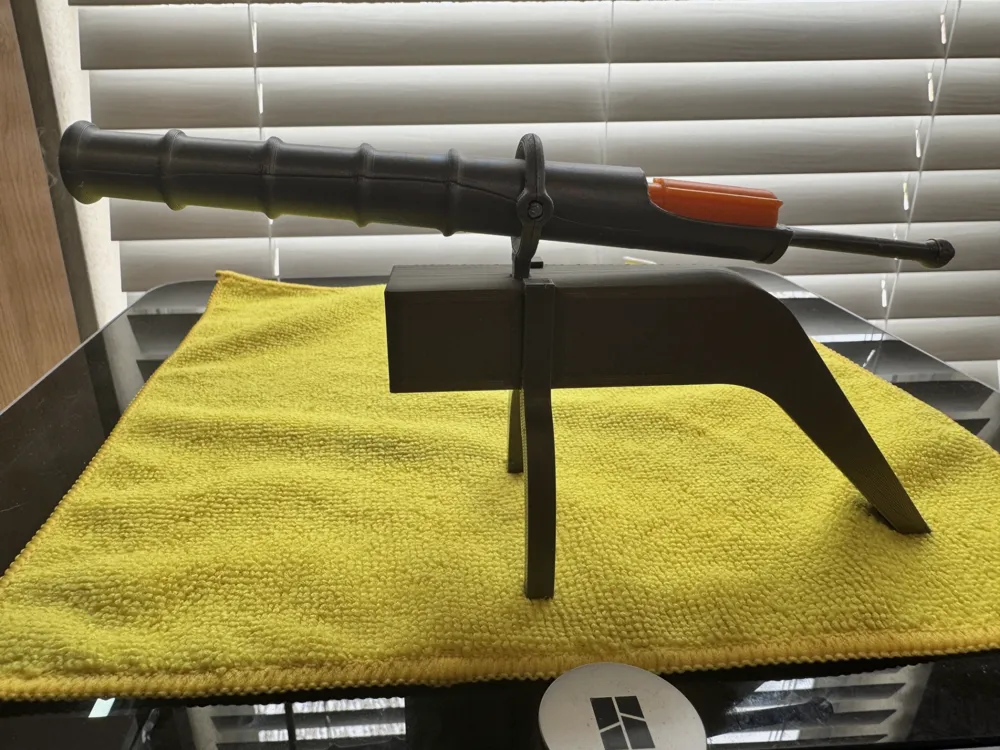
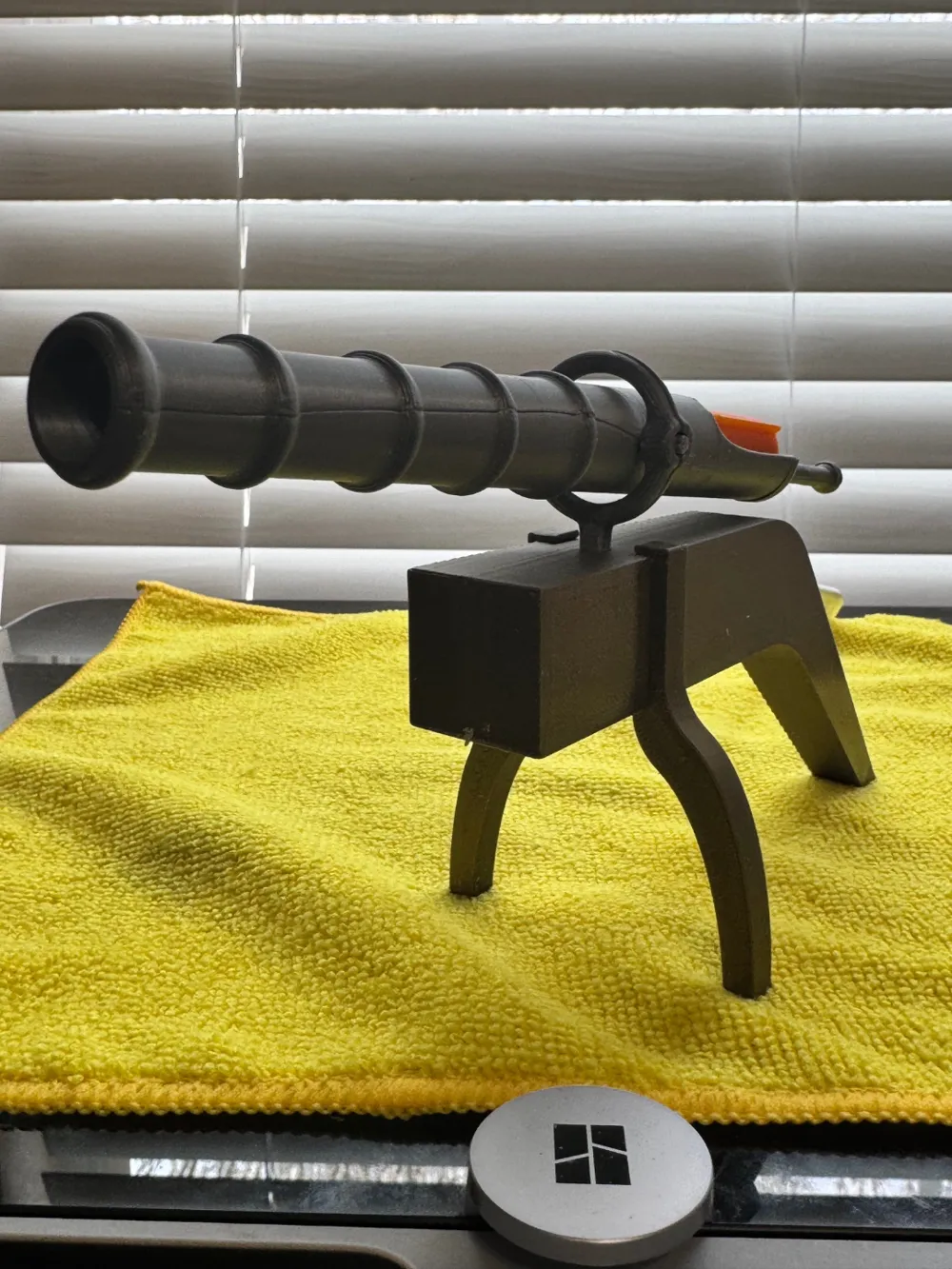
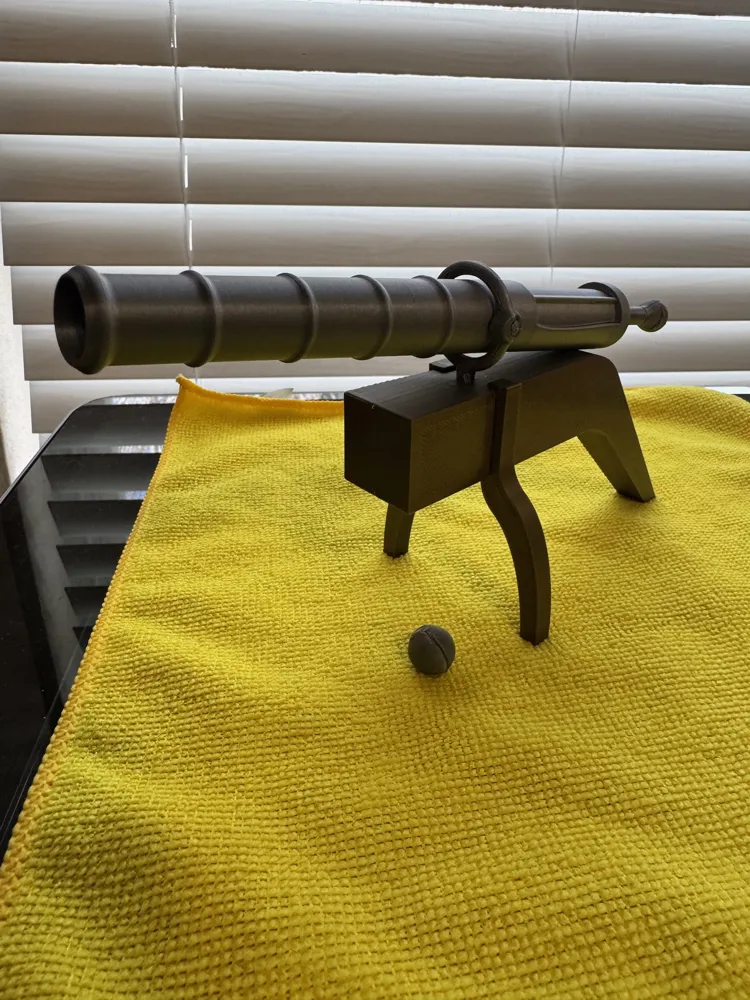
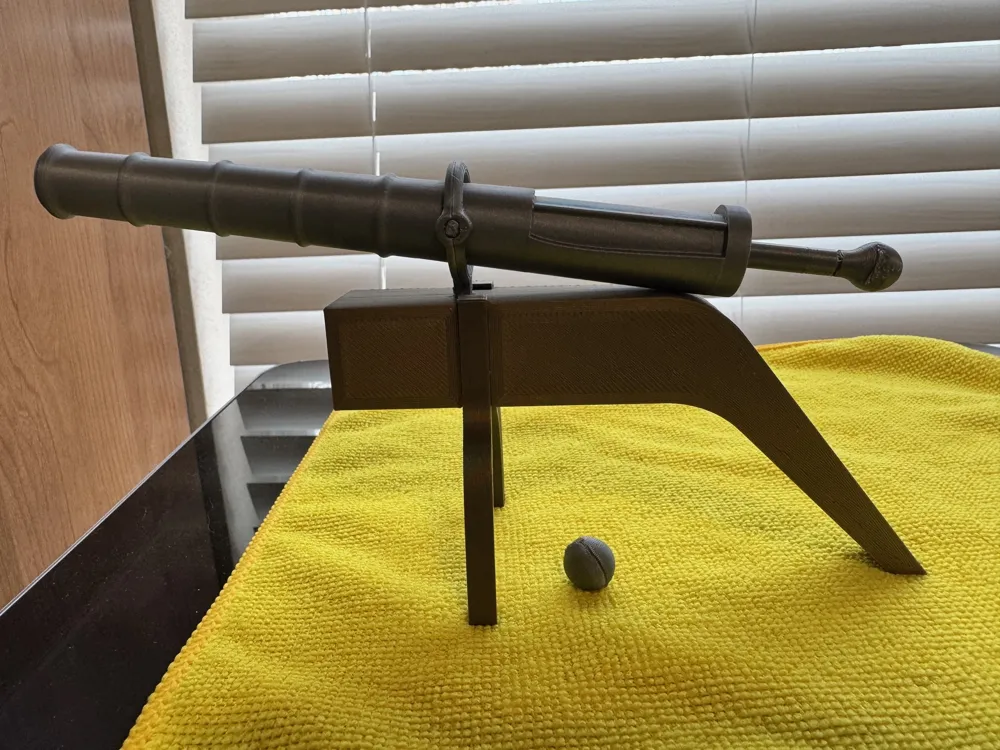
Print Profile(2)


Description
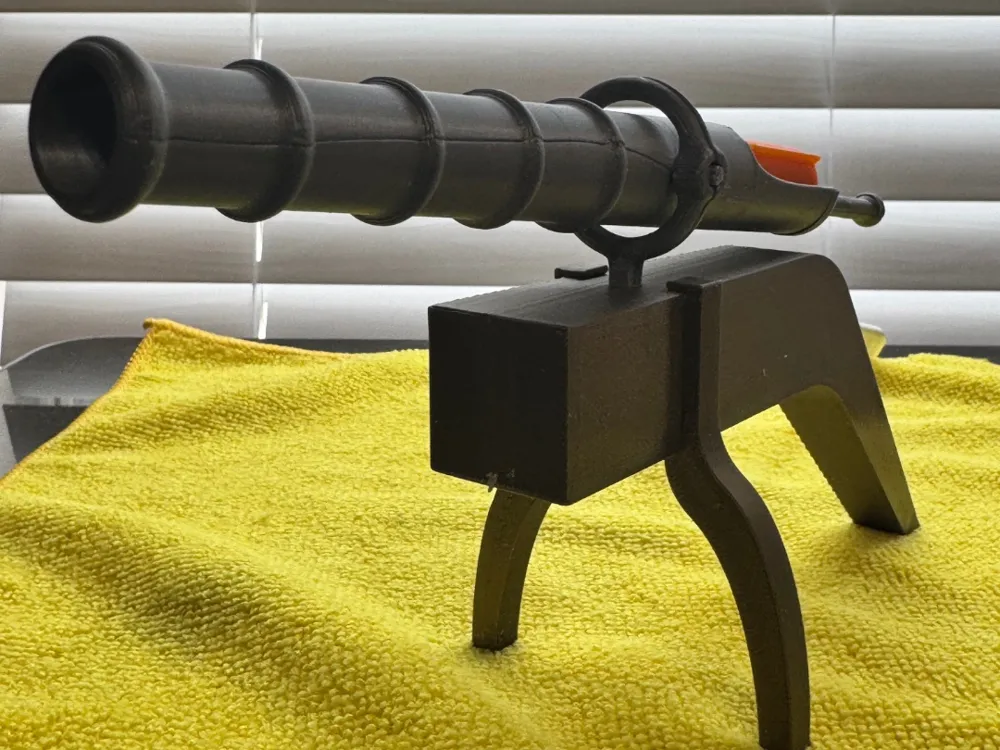
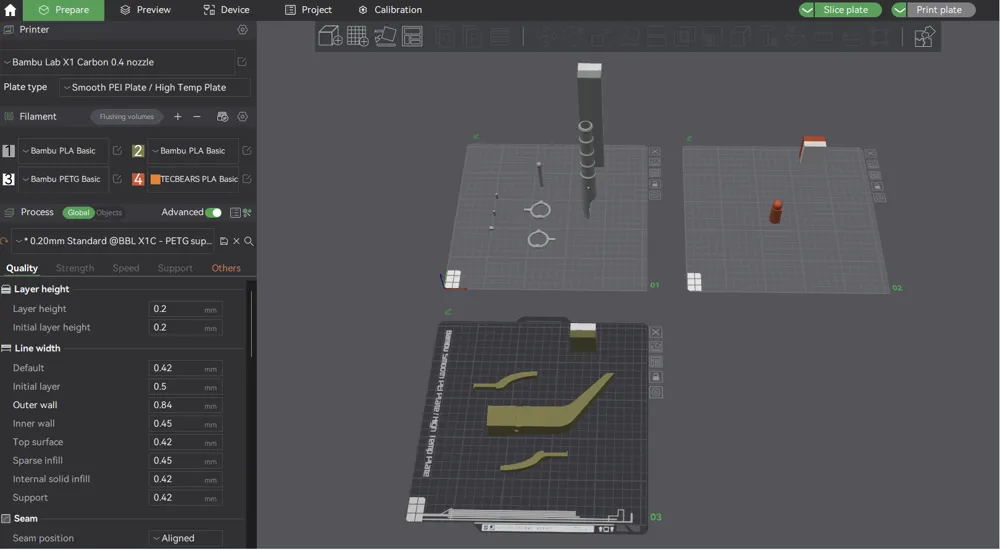
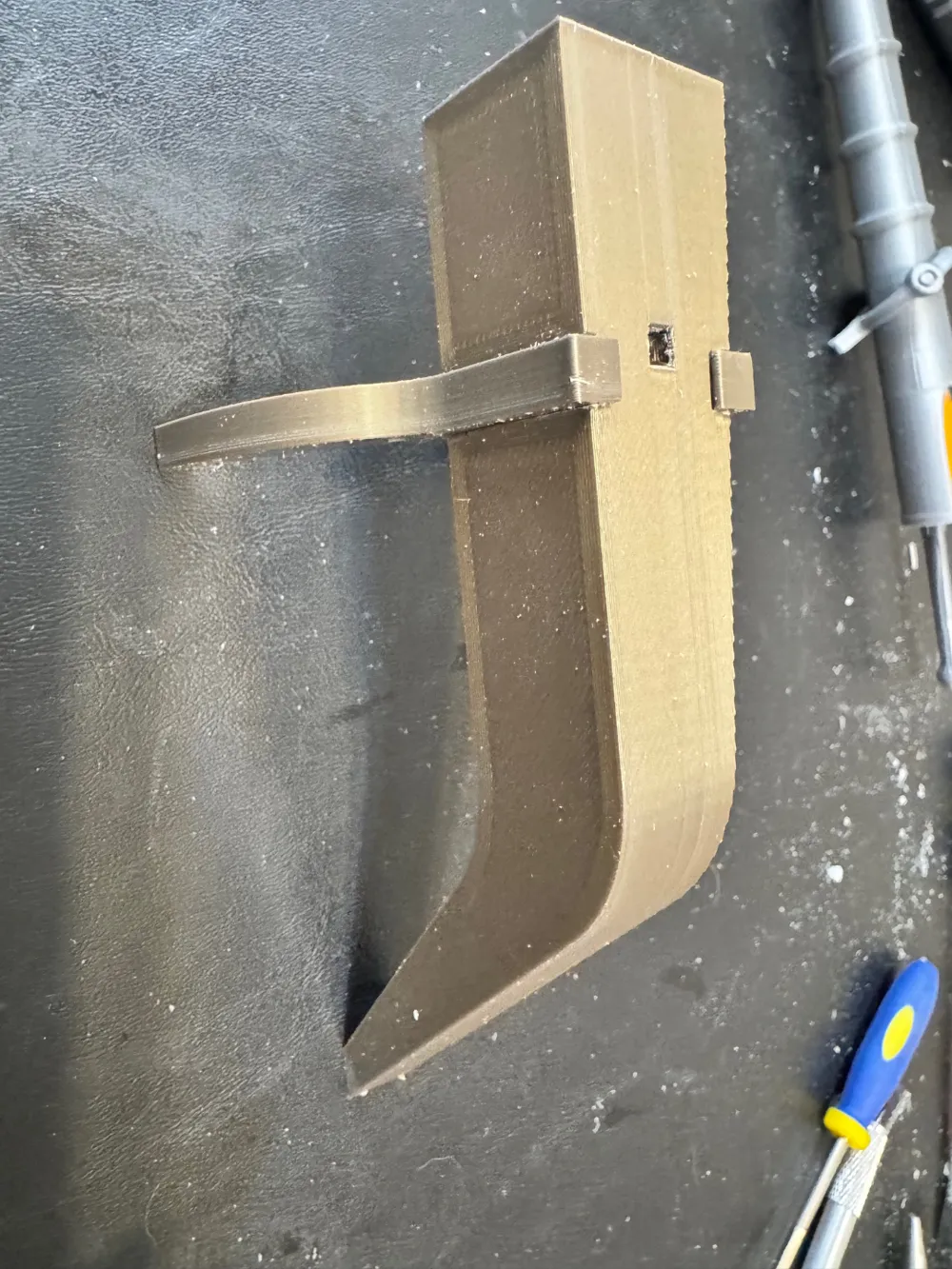
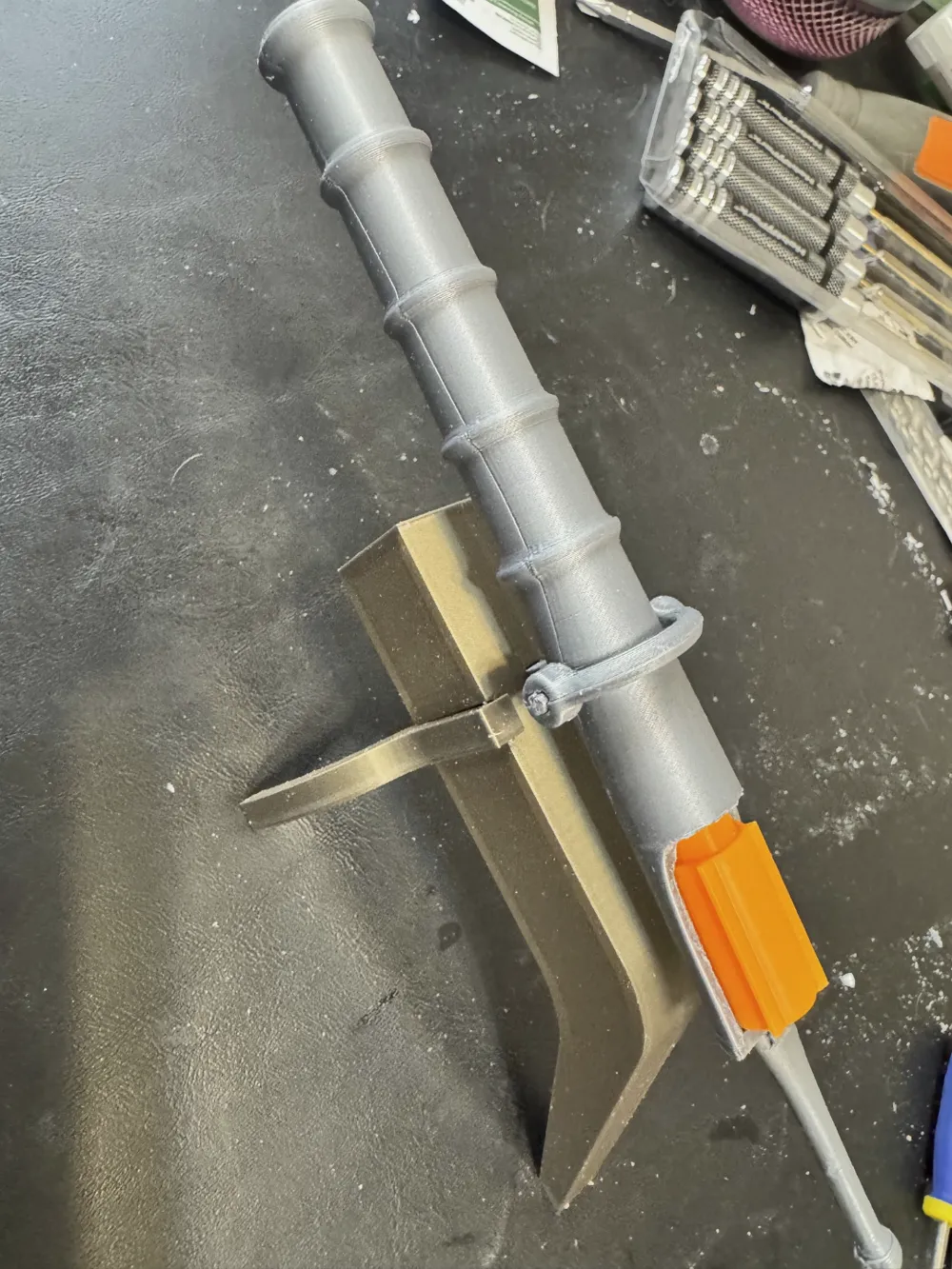
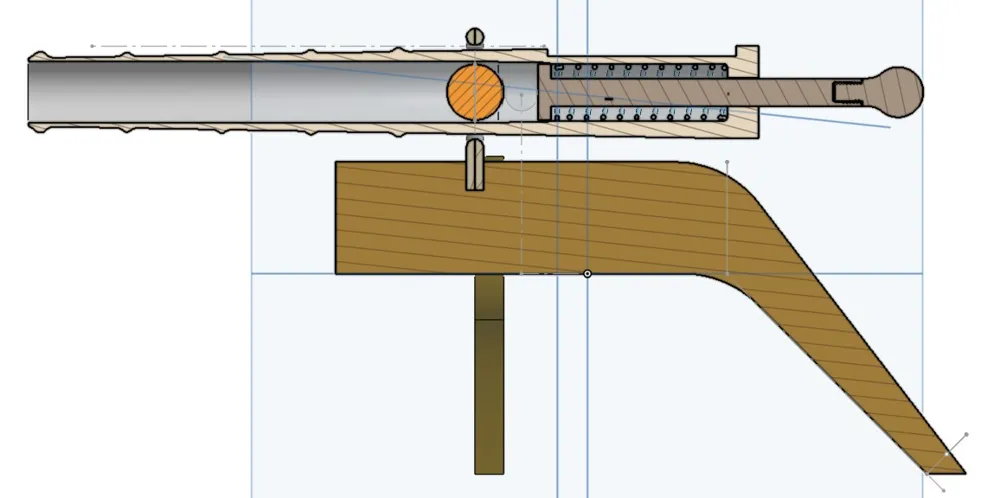
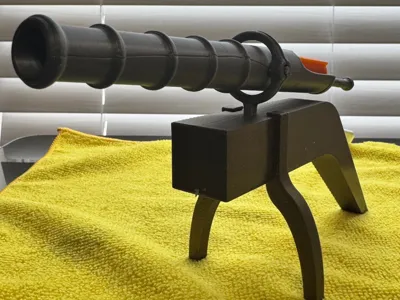
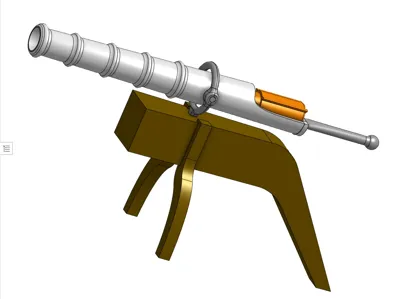
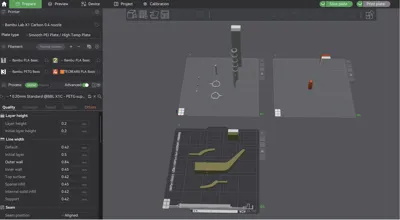
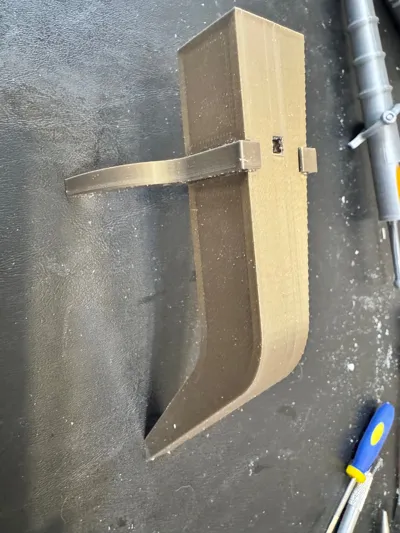
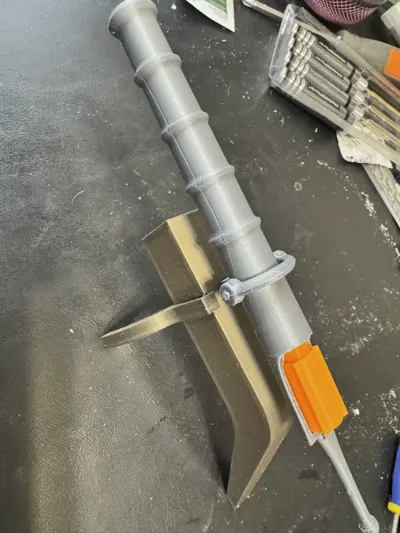
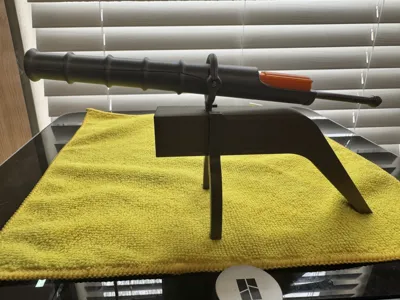
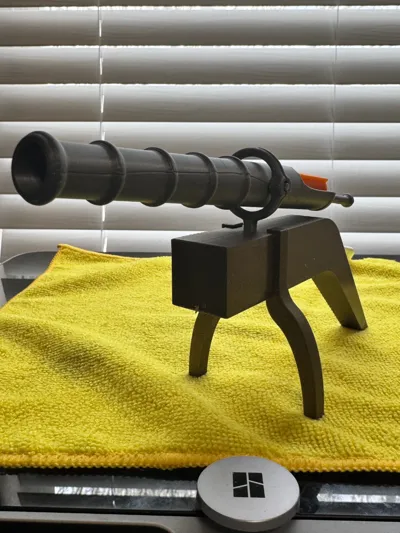
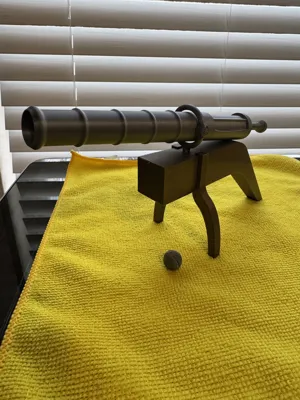
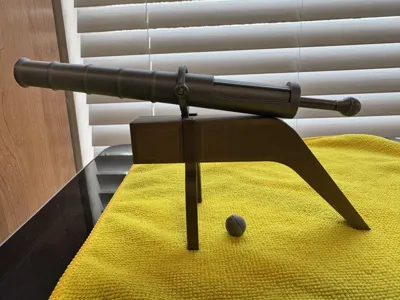
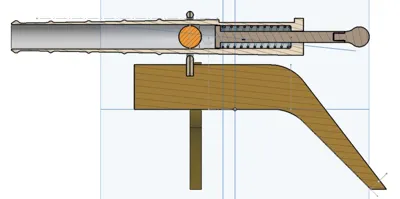
UPDATE 5/10/2025: My program manager wanted an "operational version, so I added a new profile. I then had to update that with printing the launch rod in ASA for strength. The power box is no longer separate but all other pieces, except the cannon barrel, are the same.
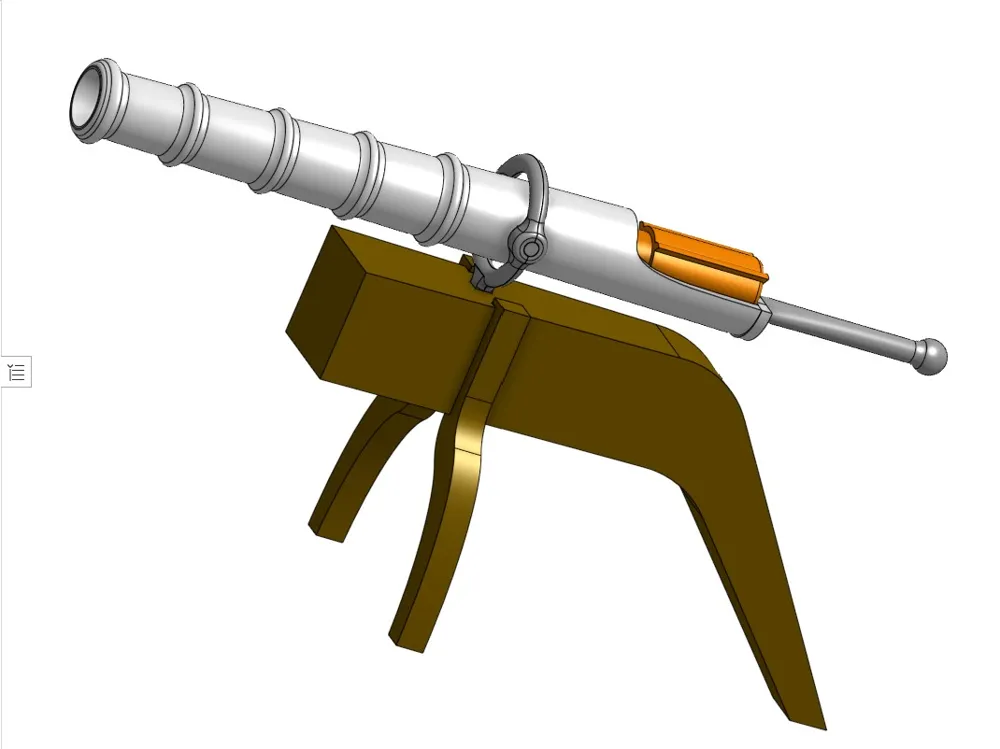
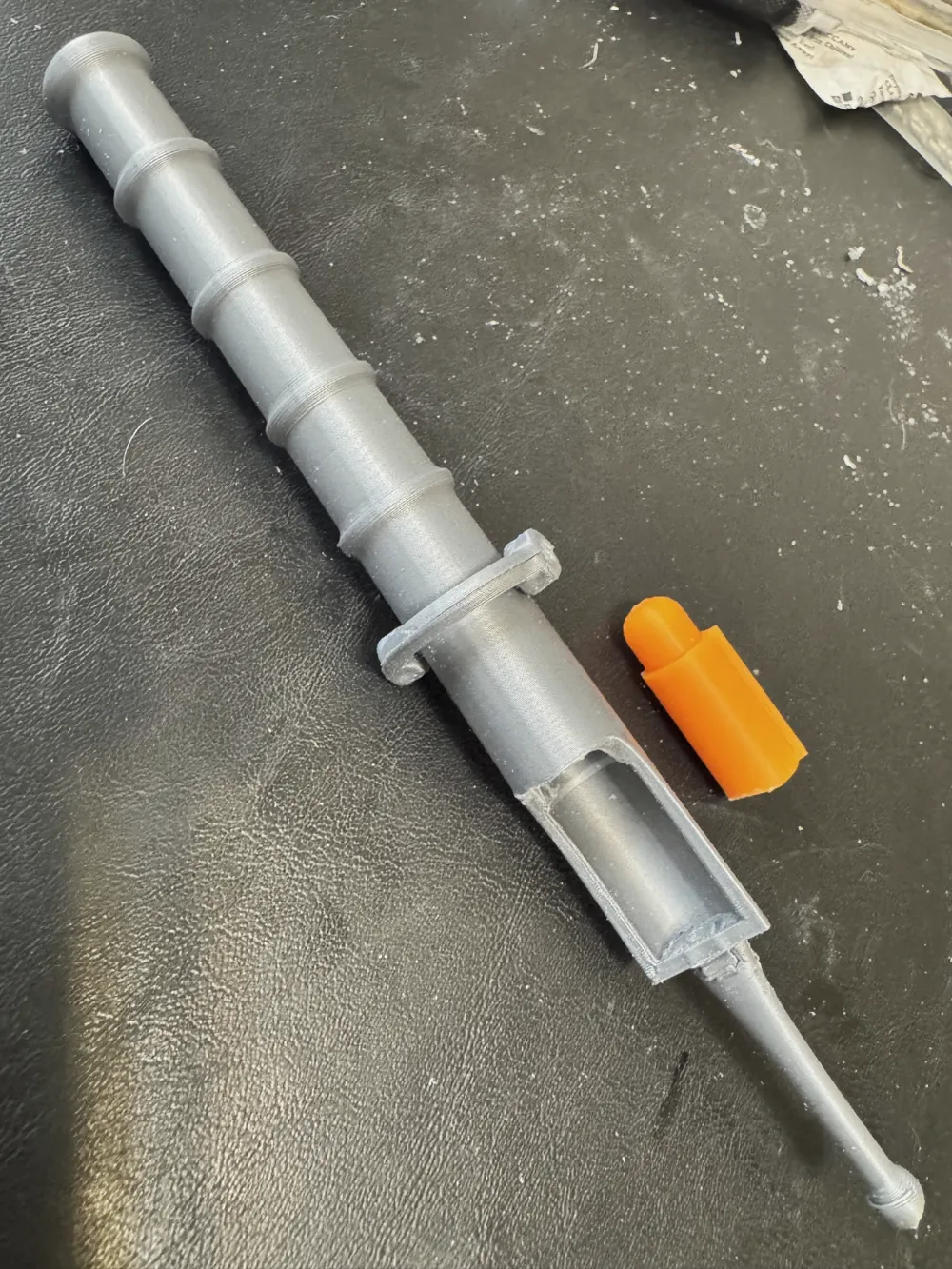
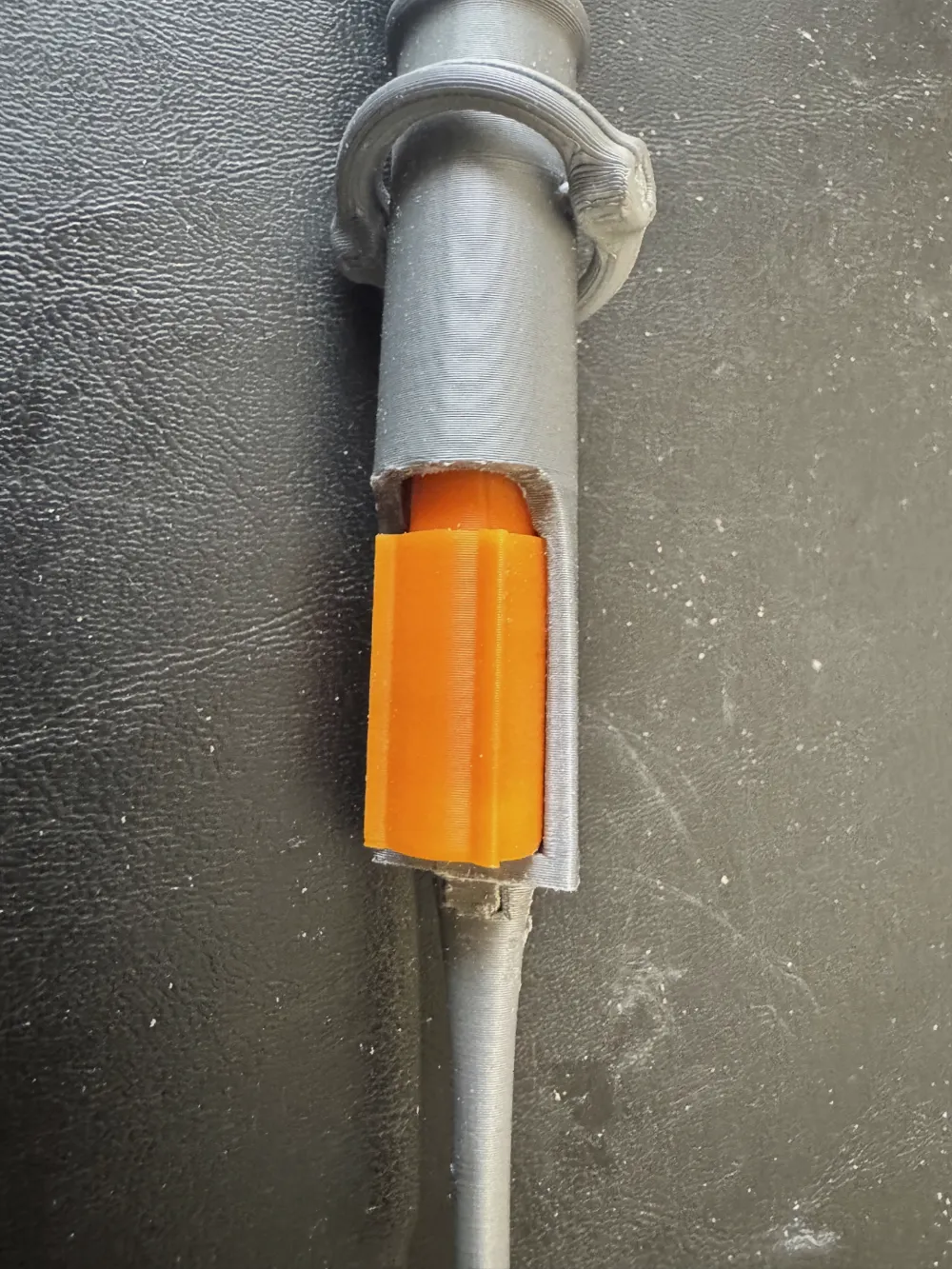
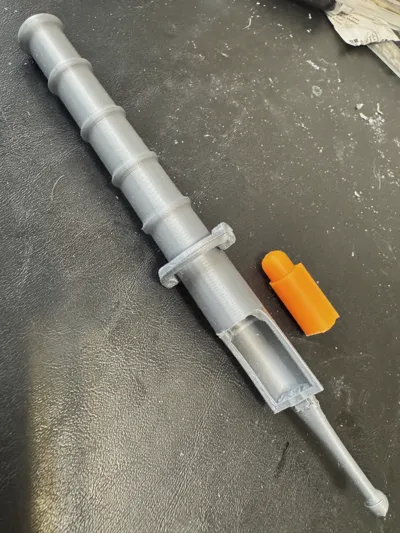
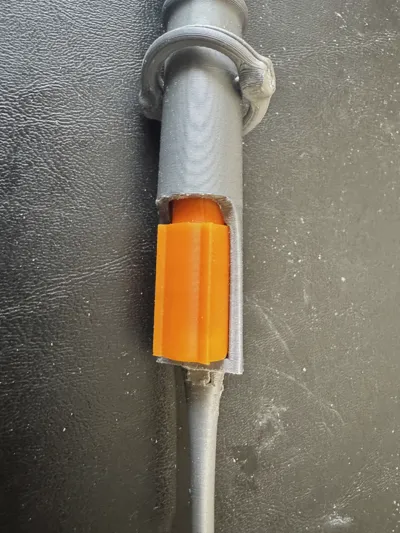
Note for this assembly, the launch rod comes in two parts, the shaft and the round knob on the end. First, drop the spring down the barrel and then drop the shaft. It may take some shaking the cannon barrel to get the shaft to drop through the hole, but it will eventually drop through. Then you can screw the round knob onto the shaft completing the construction. Drop the cannonball down the barrel, pull the launch rod back and let go sending the cannonball across the room.
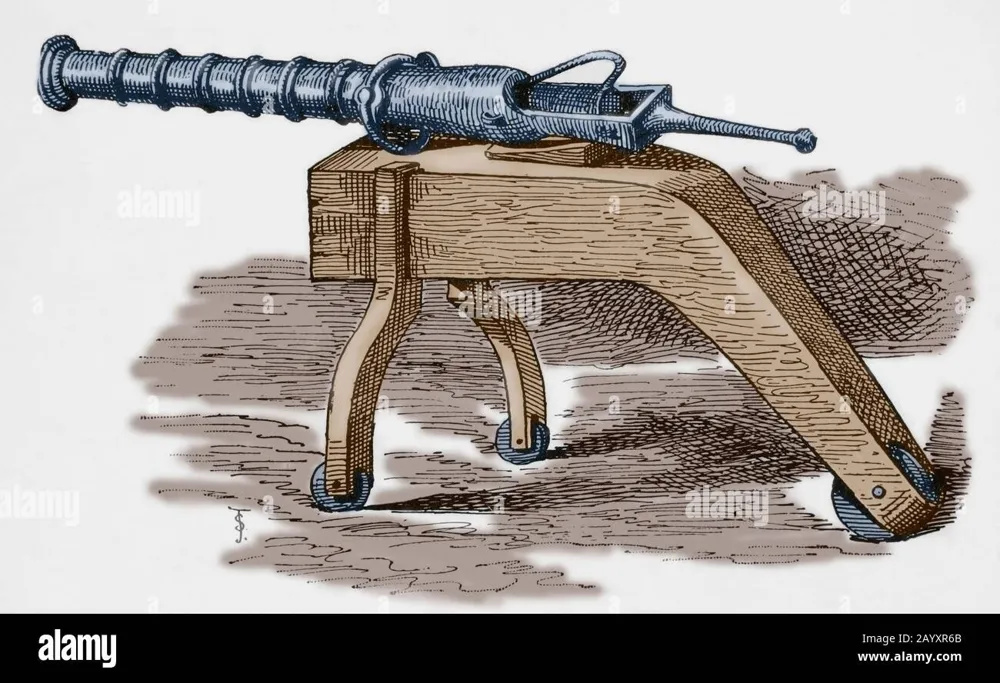
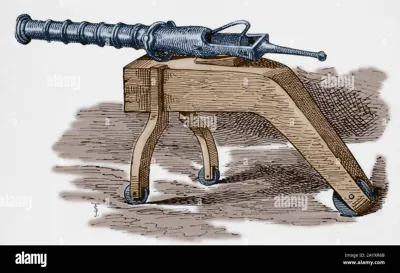
History: Falconet or falcon. Light cannon developed in the late 15th century.
From Wikipedia
The falconet was a light cannon developed in the late 15th century that fired a smaller shot than the similar falcon. The falconet fired small yet lethal shot of similar weight and size to a bird of prey and so was often decorated with a falcon.
Its barrel was approximately 4 feet (1.2 m) long, had a caliber of 2 inches (5 cm) and weighed 180 to 440 pounds (80 to 200 kg). The falconet used 0.5 pounds (225 g) of black powder to fire a 1-pound (450 g) round shot at a maximum range of approximately 5,000 feet (1,500 m).
In 1620s Germany a breechloading version was invented, seeing action in the Thirty Years War. Many falconets were in use during the English Civil War. During times of unrest, they were used by the nobility to defend their grand houses.
Though developed for use on land, the falconet gained naval prominence during the 17th century for the defense of light vessels, for example, on small boats for boarding maneuvers.
License



Comment & Rating (0)