
Regular Polyhedron
Print Profile(1)
Description
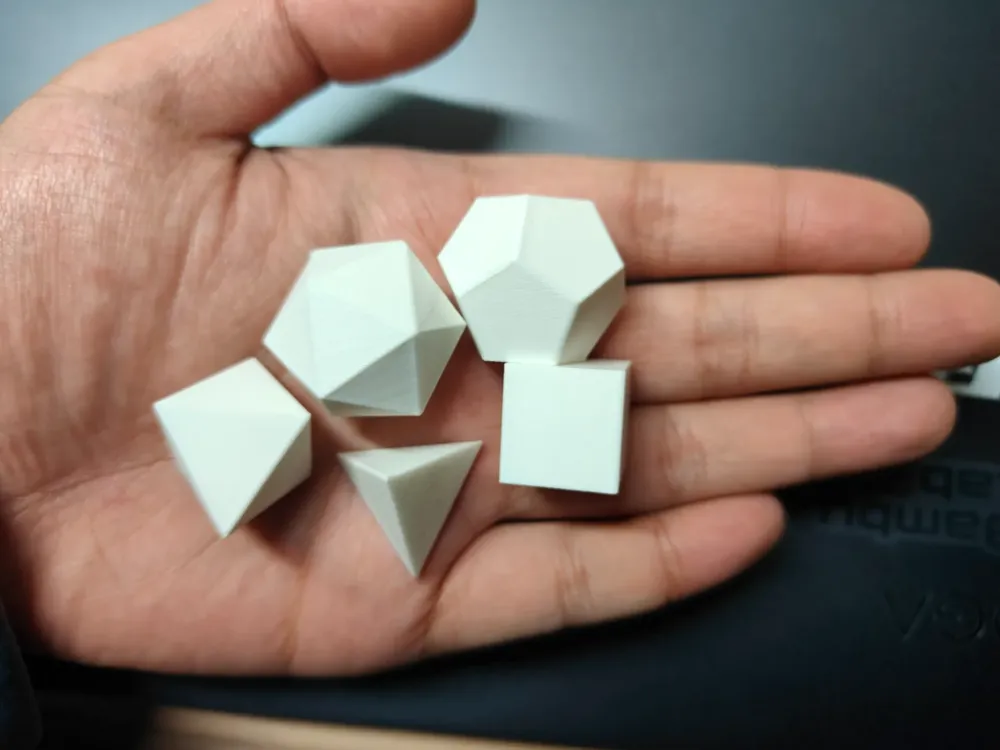
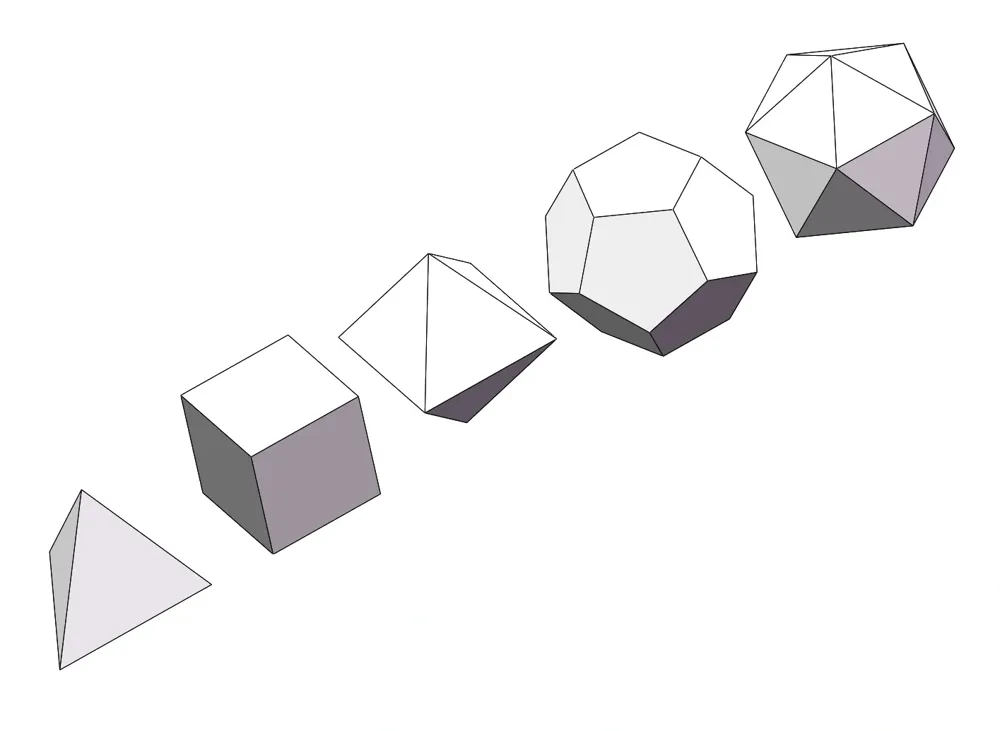
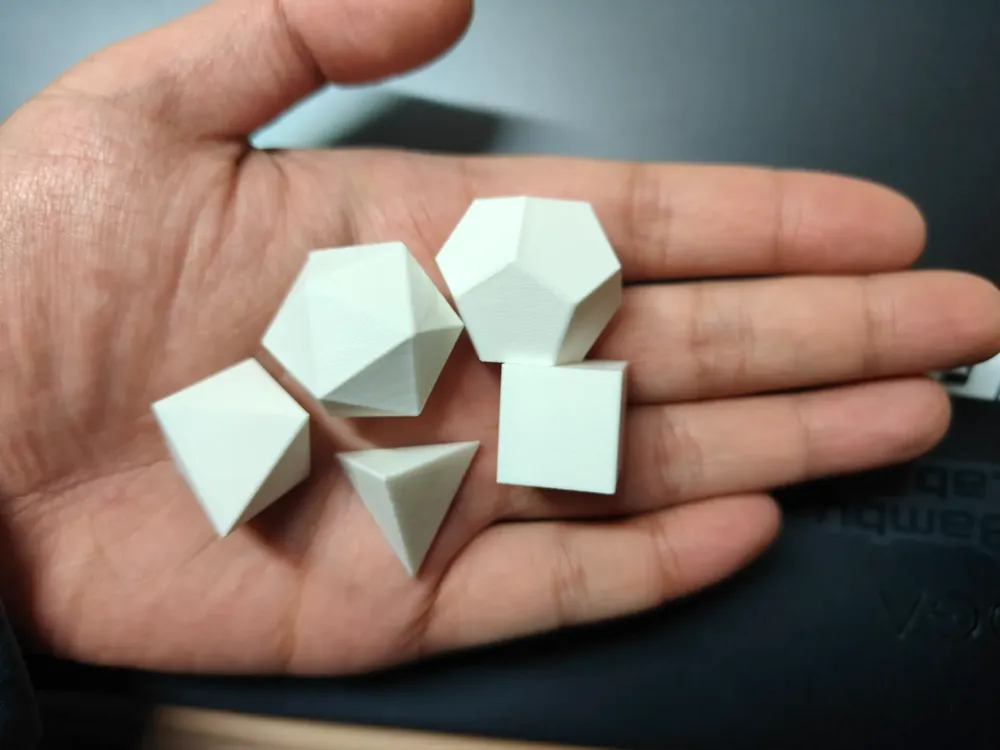
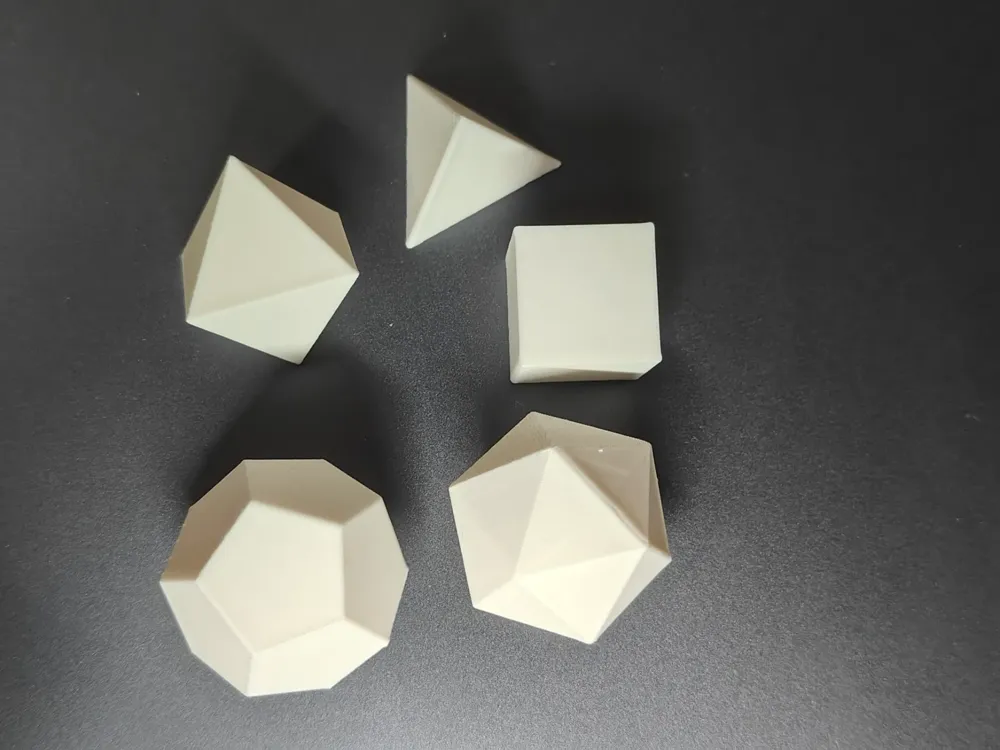
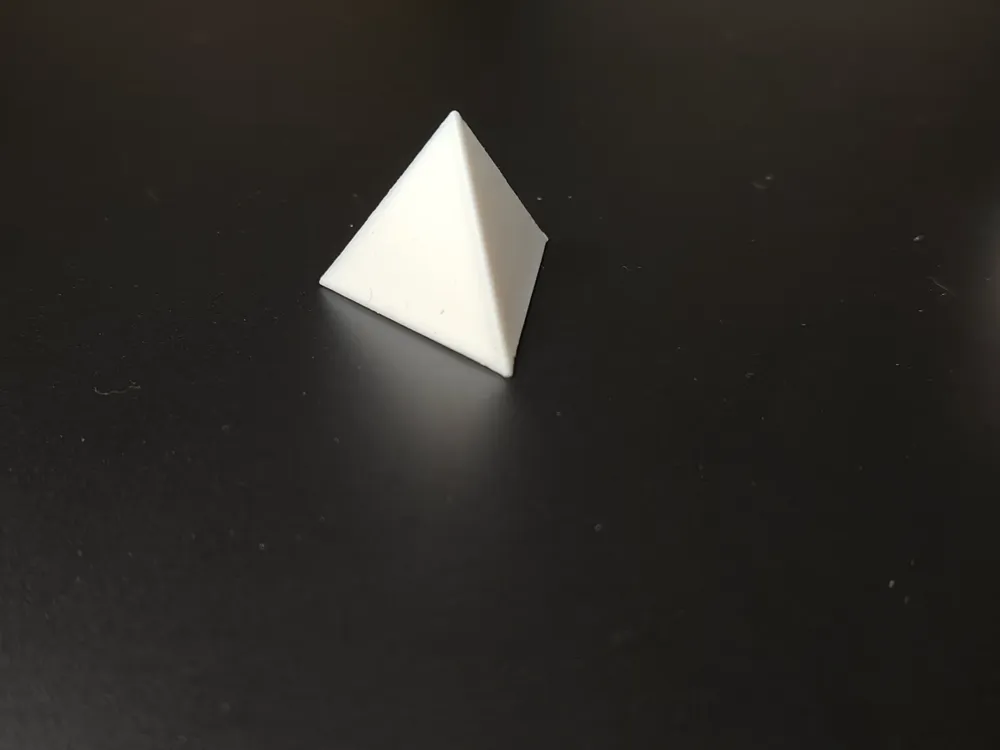
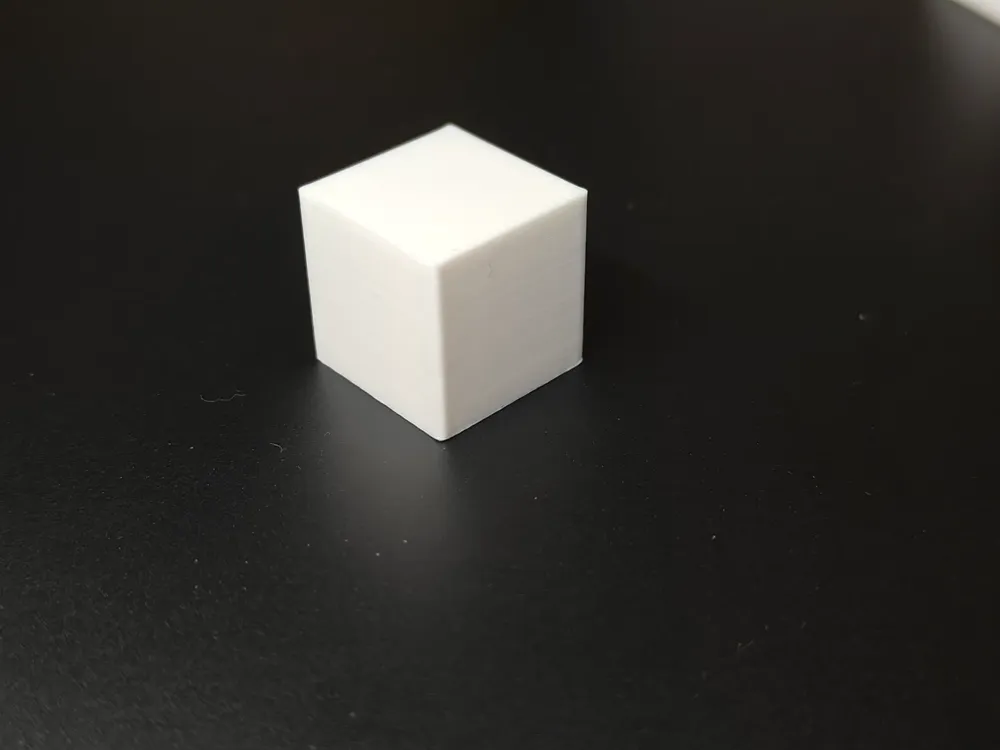
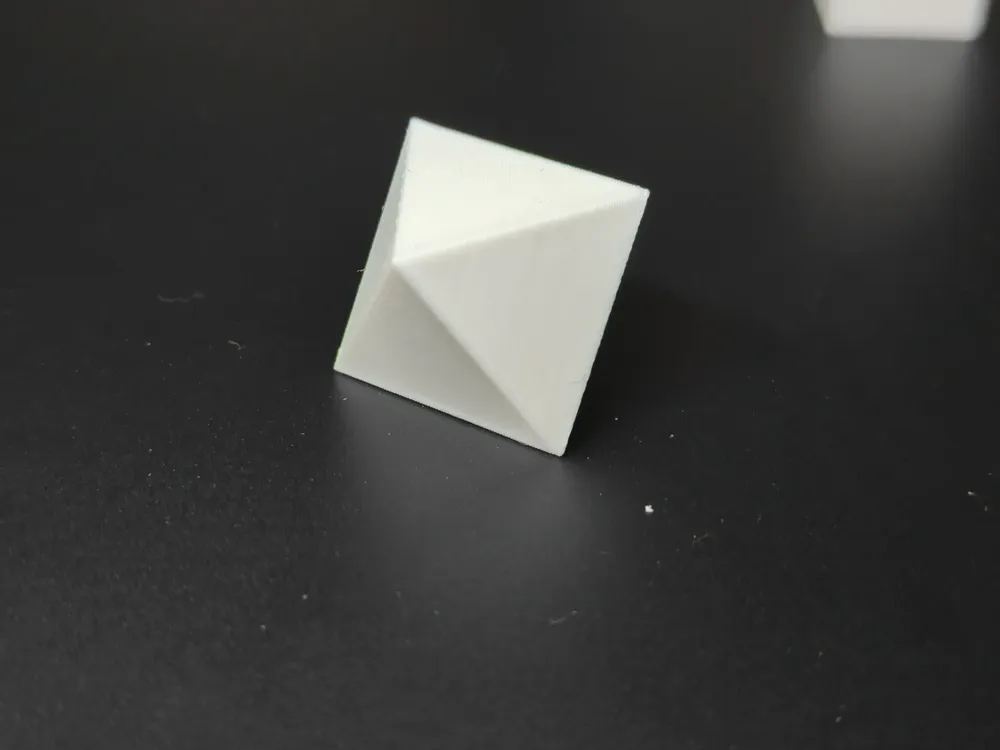
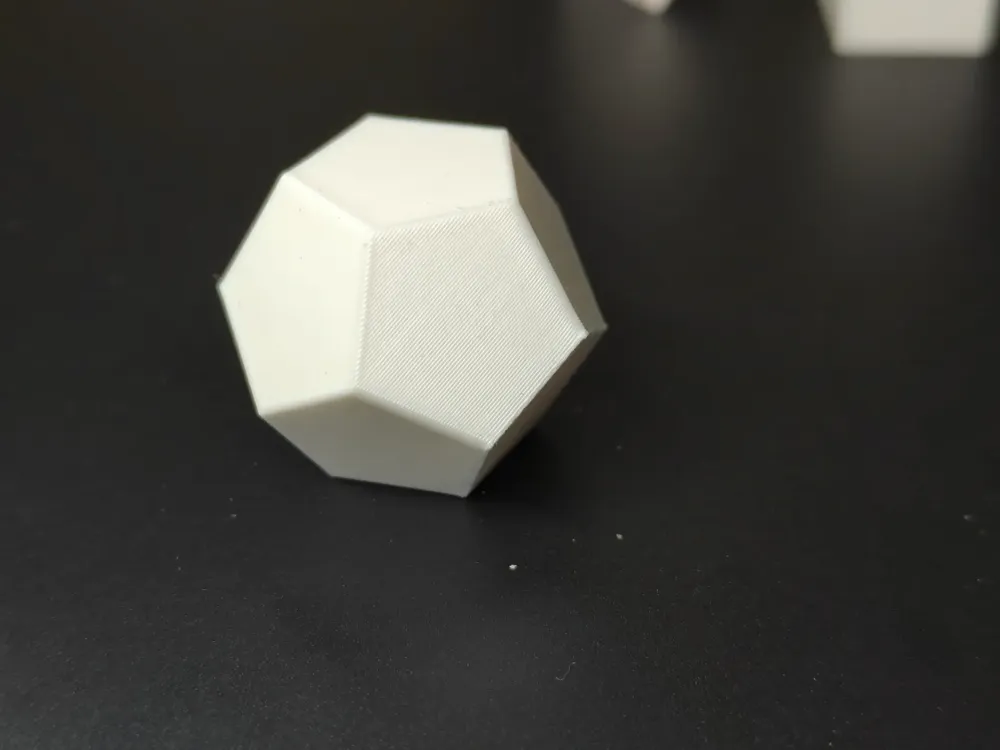
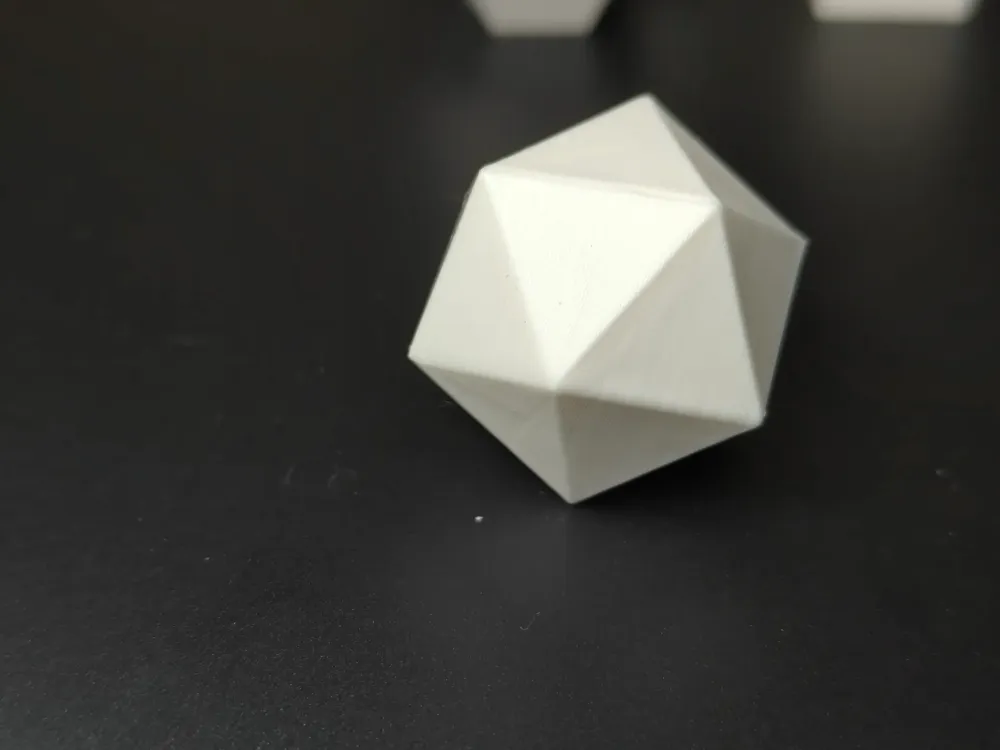
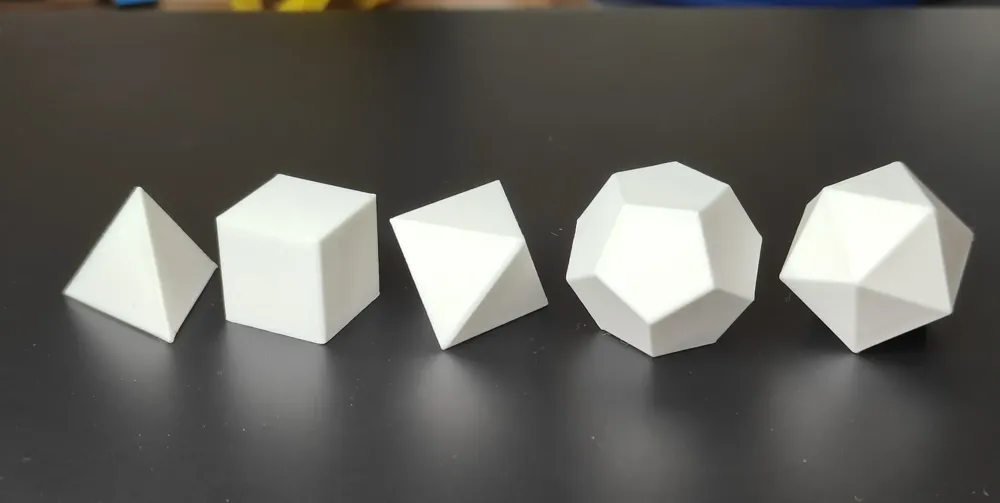
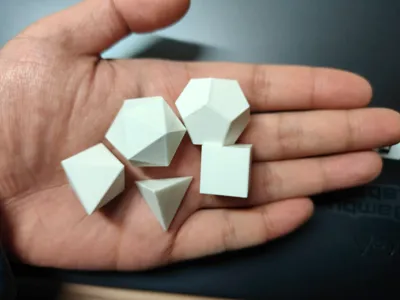
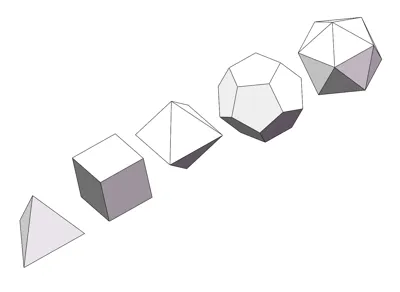
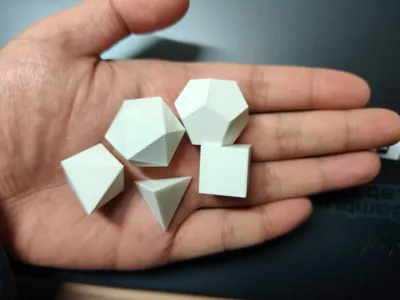
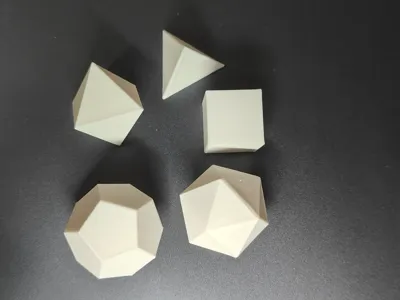
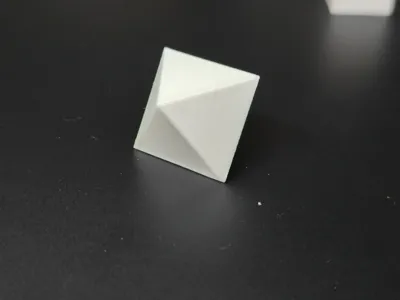
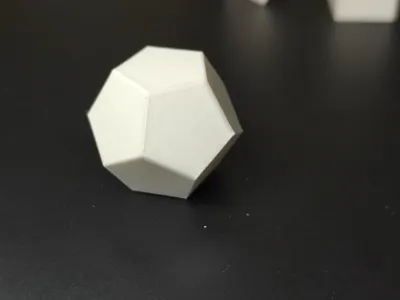
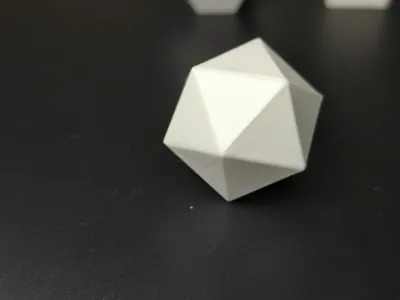
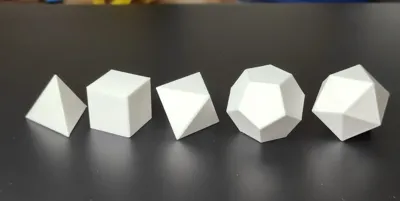
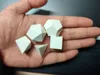
There are only five Platonic solids: the regular tetrahedron, hexahedron (cube), octahedron, dodecahedron, and icosahedron.
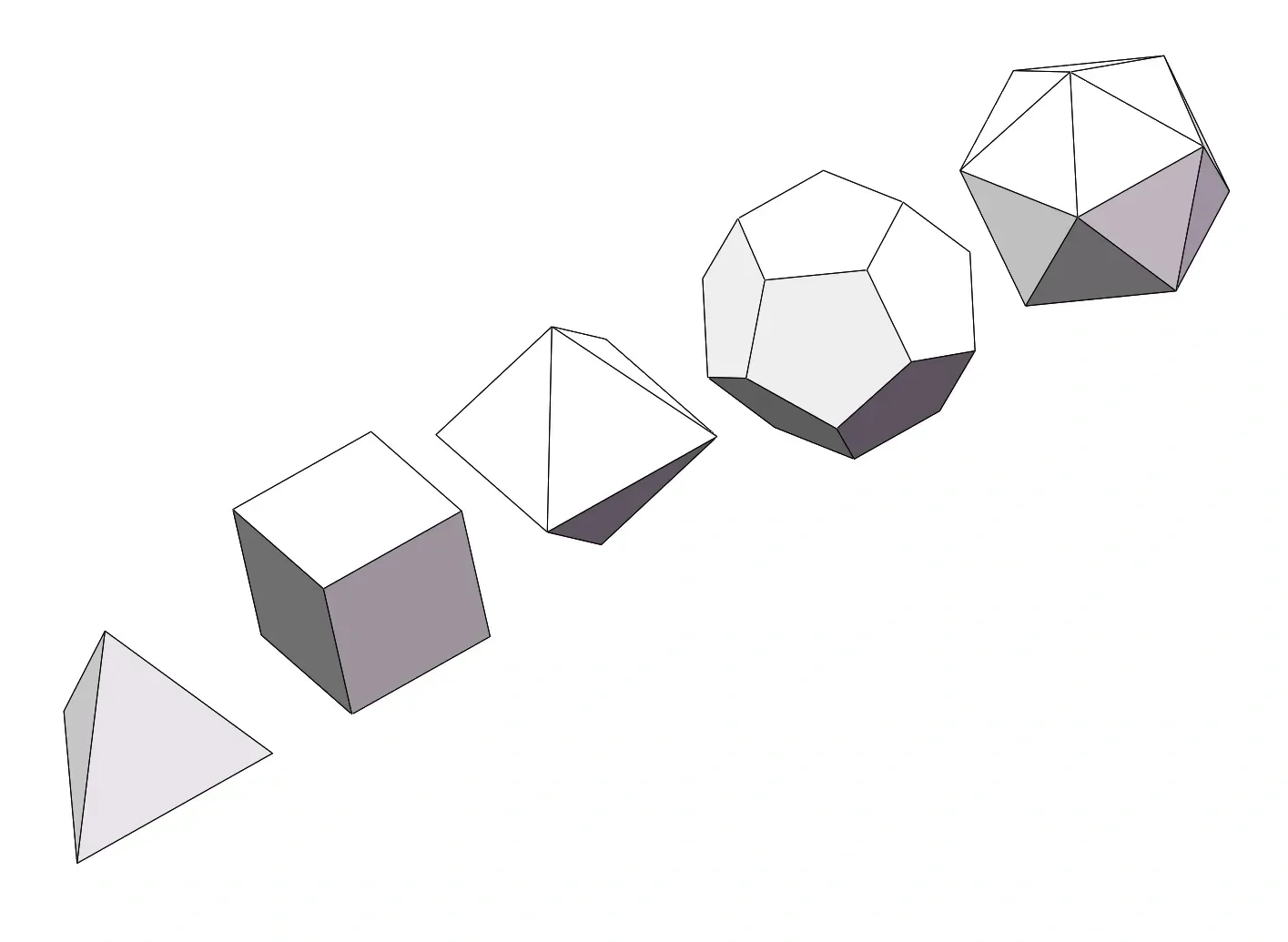
A Platonic solid is, of course, first and foremost a polyhedron, distinguished by the fact that each of its faces is a regular polygon, and all faces are congruent. While the polyhedron family is vast, the Platonic solids are few in number, comprising only five.
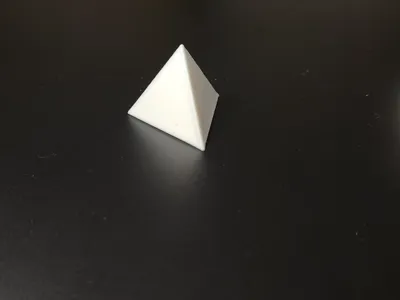
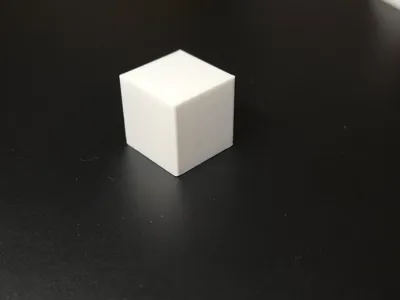
The regular tetrahedron is composed of four congruent equilateral triangles; the regular hexahedron (cube) is composed of six congruent squares; the regular octahedron is composed of eight congruent equilateral triangles; the regular dodecahedron is composed of twelve congruent regular pentagons; and the regular icosahedron is composed of twenty congruent equilateral triangles.
Platonic solids possess the following geometric properties:
1. If two Platonic solids are of the same type, then their dihedral angles are equal.
2. The circumsphere, insphere, and midsphere of a Platonic solid all exist, and the centers of the three spheres coincide.
3. The circumcenter, incenter, and midcenter of a Platonic solid coincide at a point called the center of the solid.
4. Except for the tetrahedron, any line passing through a vertex and the center of a Platonic solid necessarily passes through another vertex, and the distances of these two vertices from the center are equal.
5. Except for the tetrahedron, two points whose connecting line passes through the center of the Platonic solid are called opposite vertices; two edges connecting pairs of opposite vertices are called opposite edges of the Platonic solid; and the two faces enclosed by opposite edges are called opposite faces of the Platonic solid.
6. Except for the tetrahedron, the opposite edges and opposite faces of a Platonic solid are parallel.
License

You shall not share, sub-license, sell, rent, host, transfer, or distribute in any way the digital or 3D printed versions of this object, nor any other derivative work of this object in its digital or physical format (including - but not limited to - remixes of this object, and hosting on other digital platforms). The objects may not be used without permission in any way whatsoever in which you charge money, or collect fees.

Comment & Rating (11)