
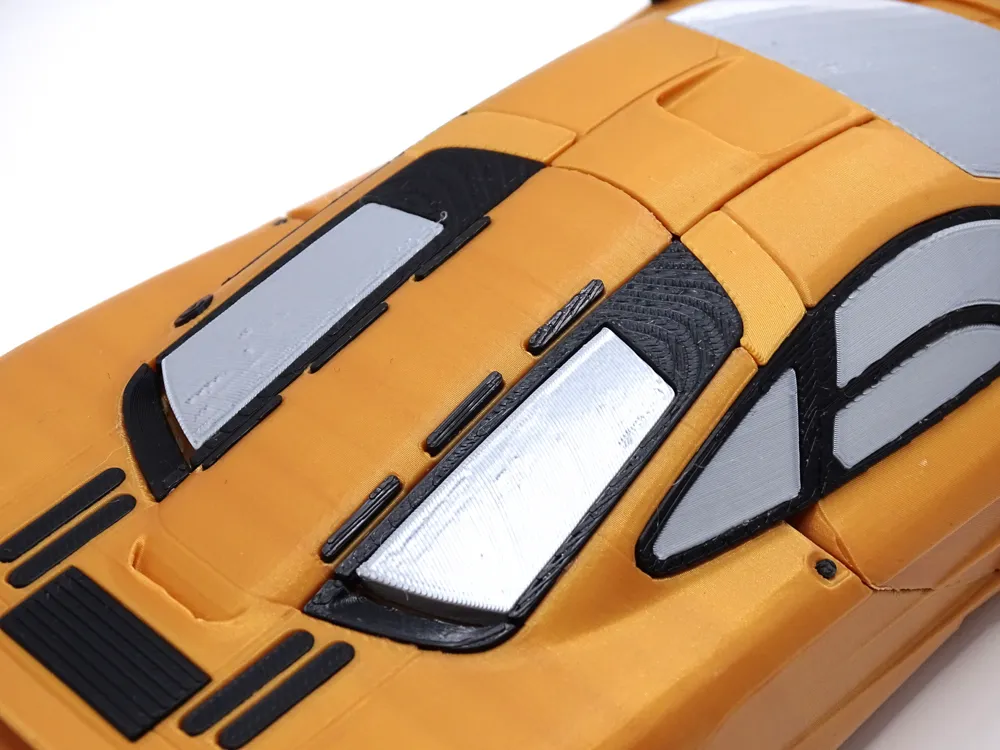
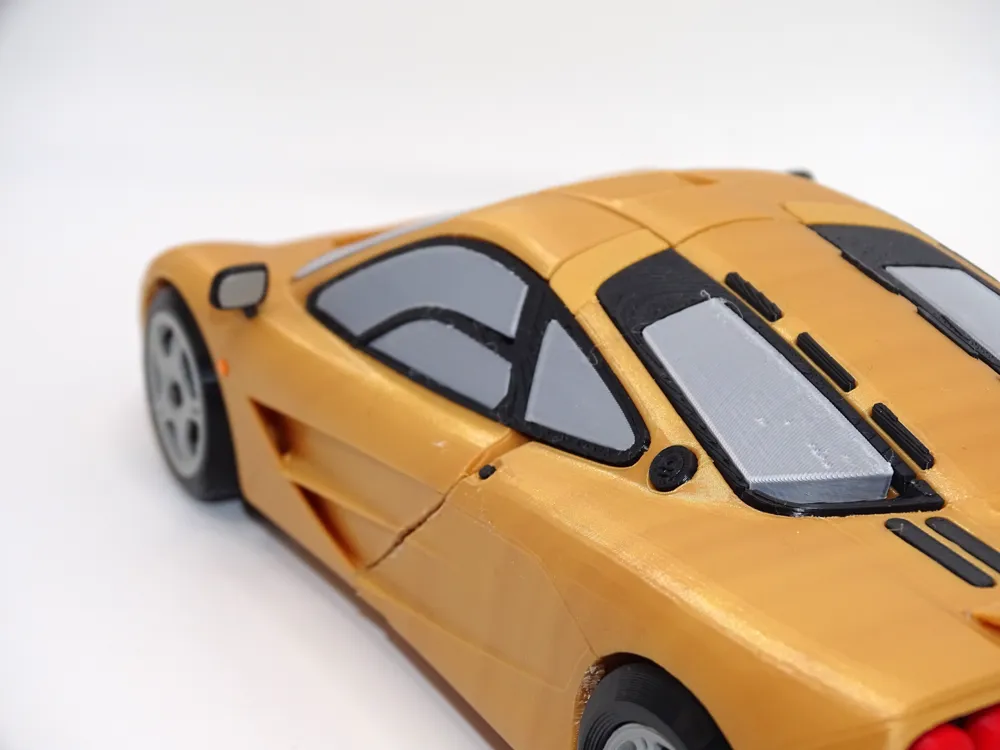
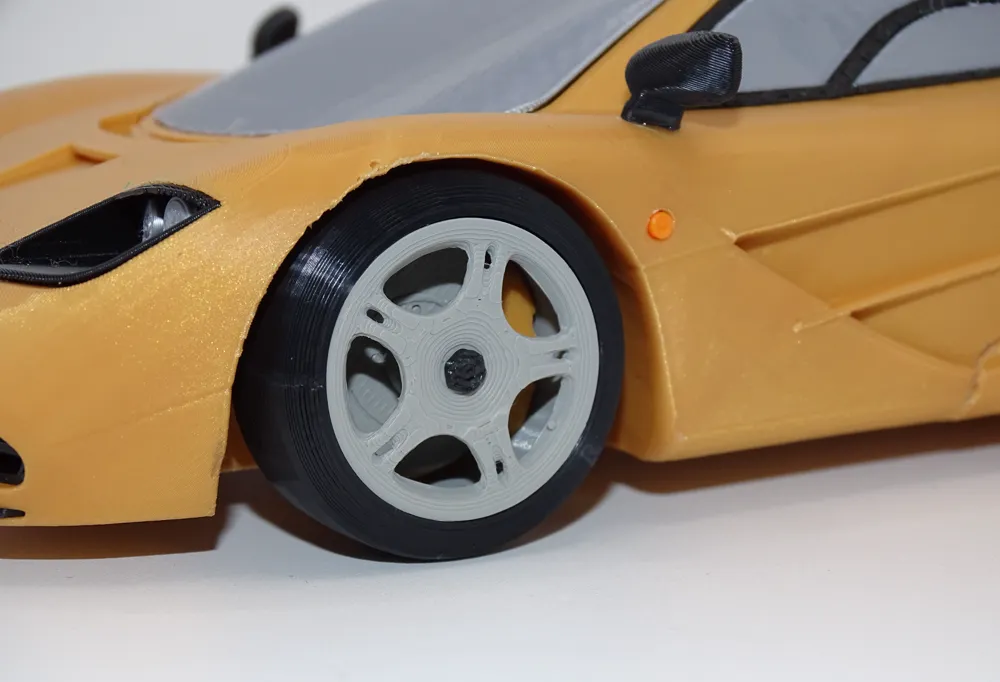
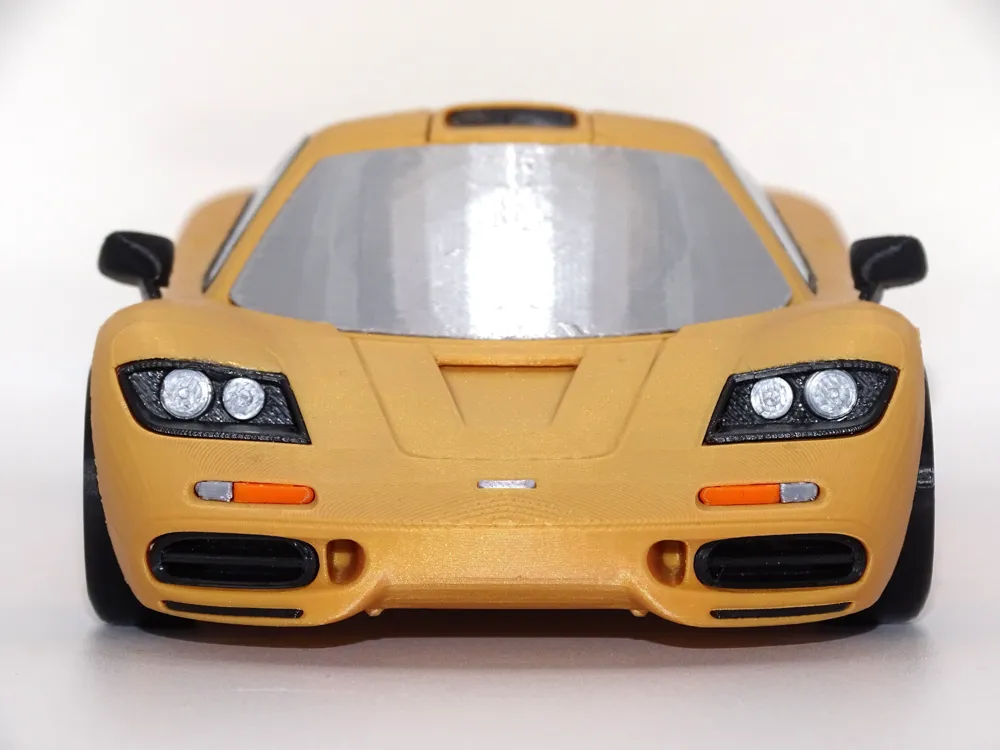
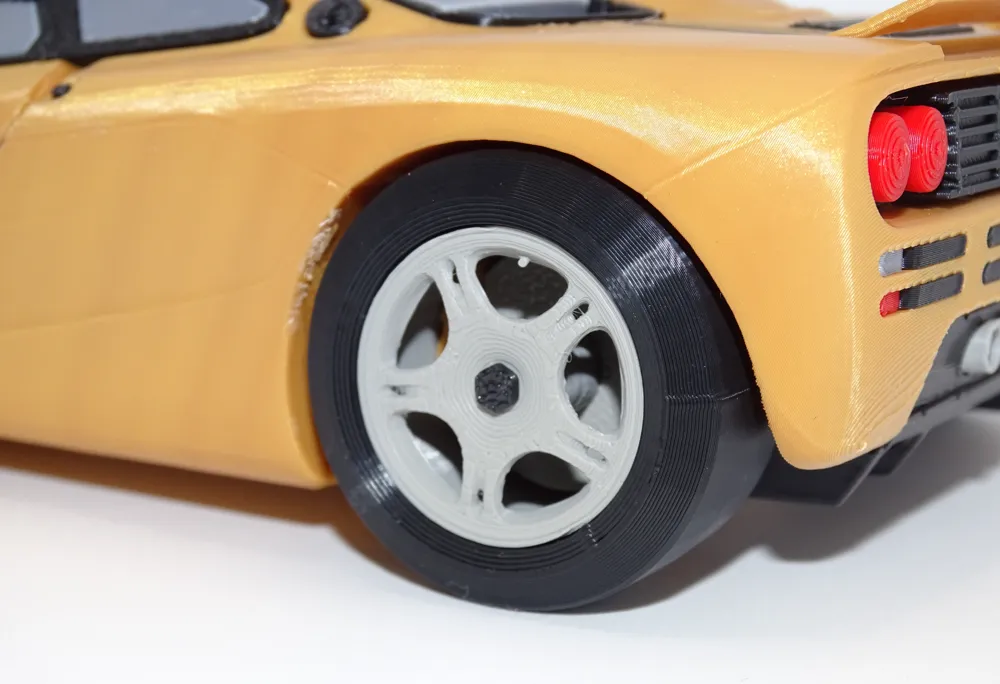
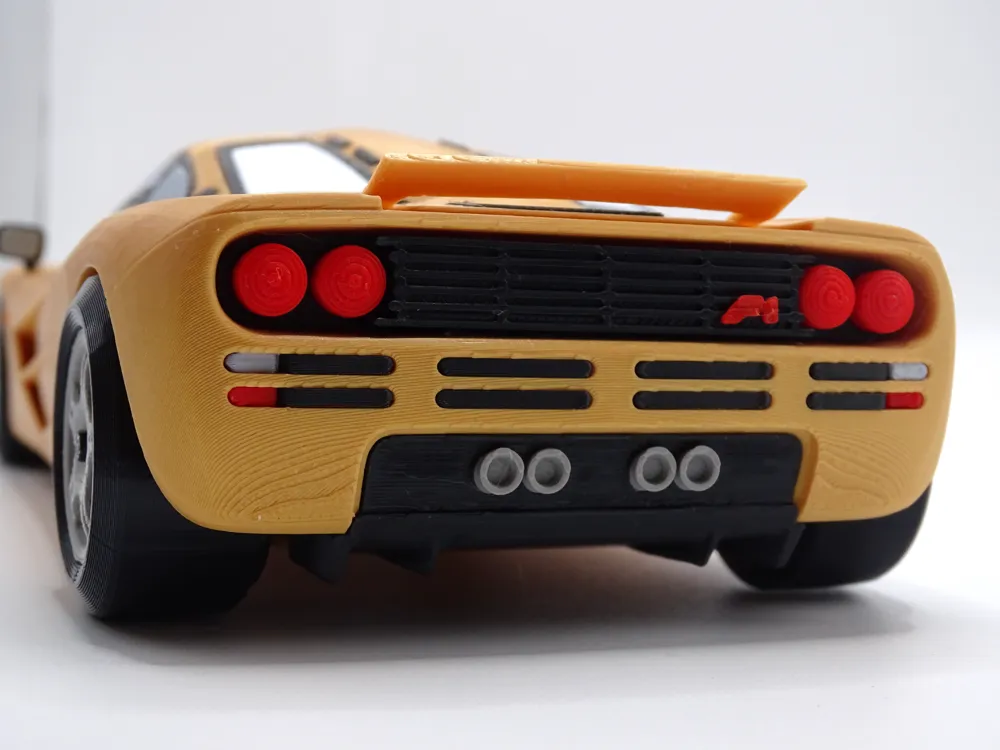
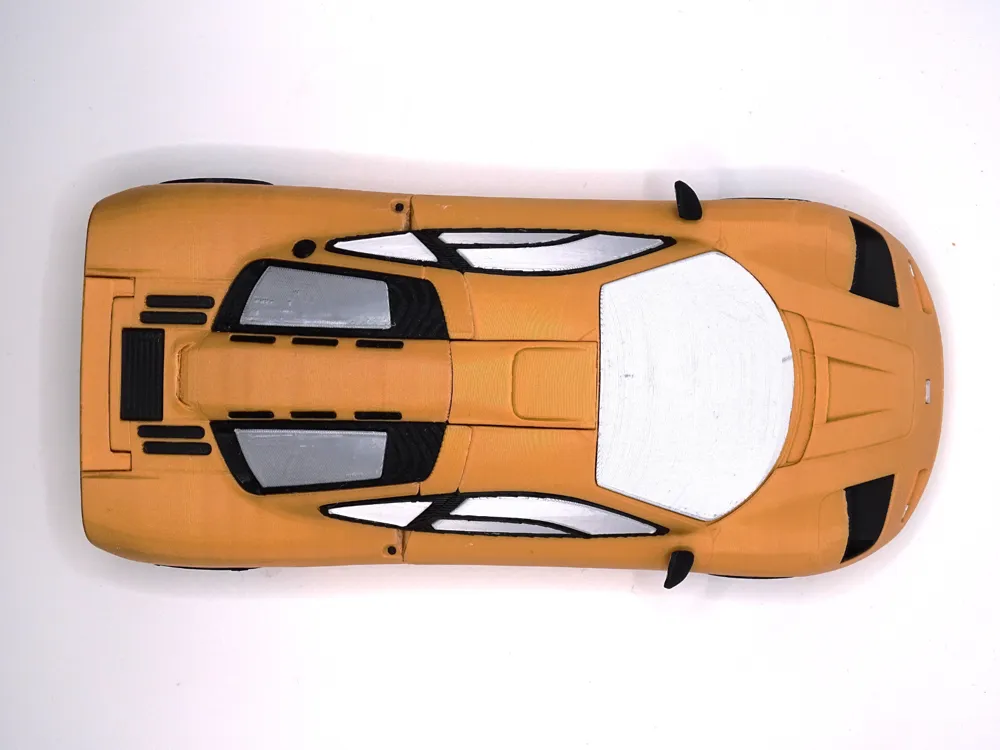
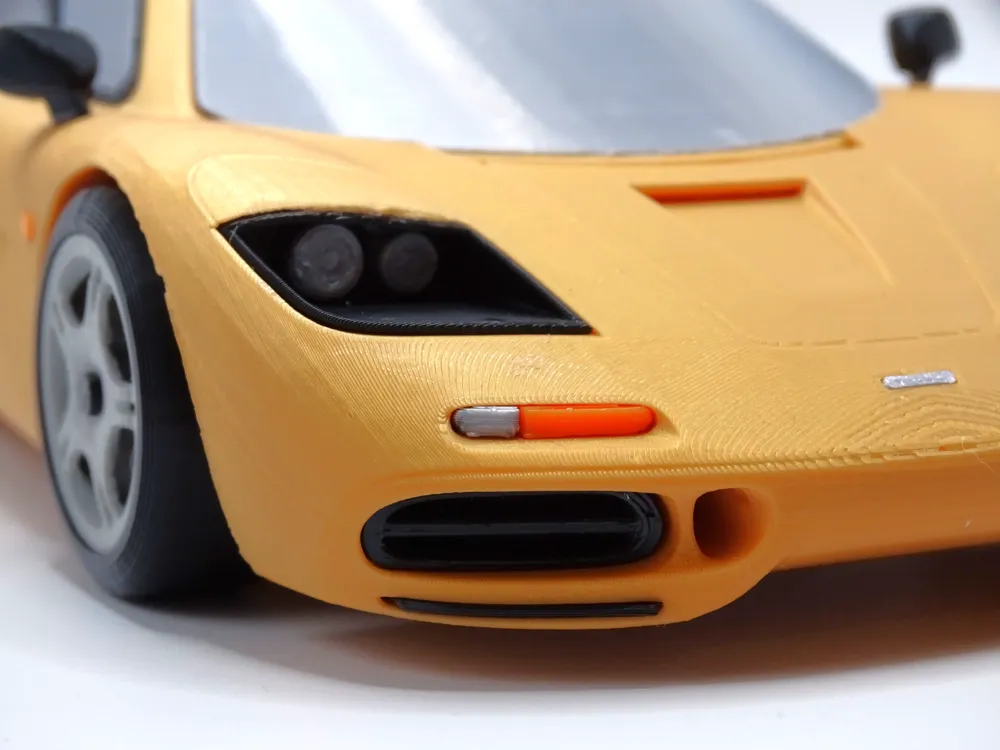
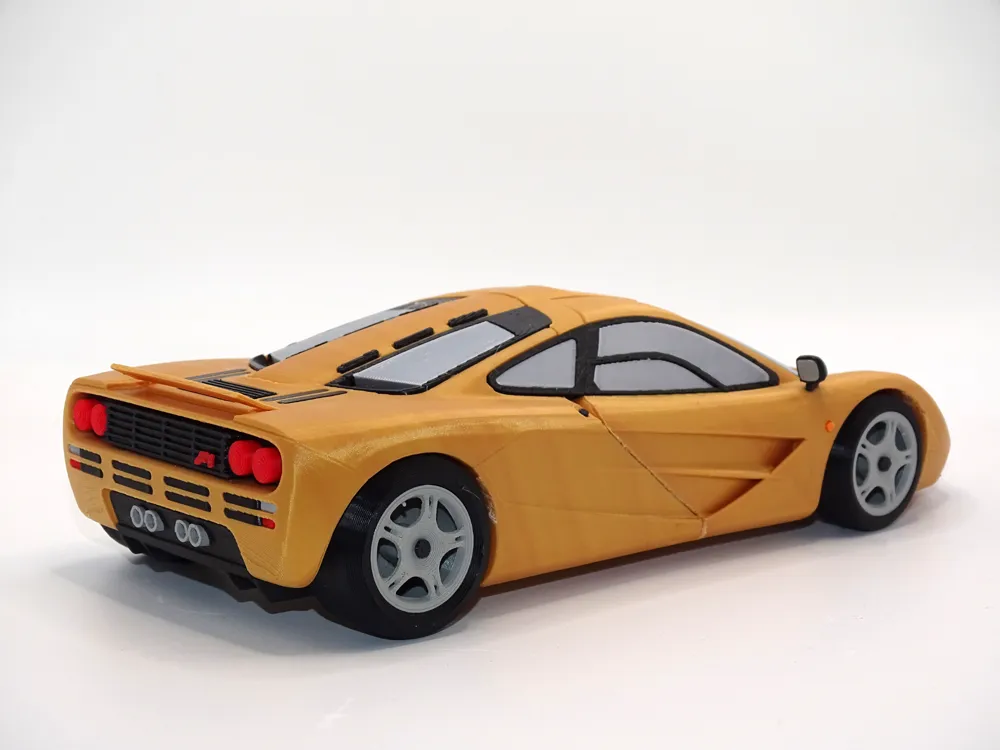
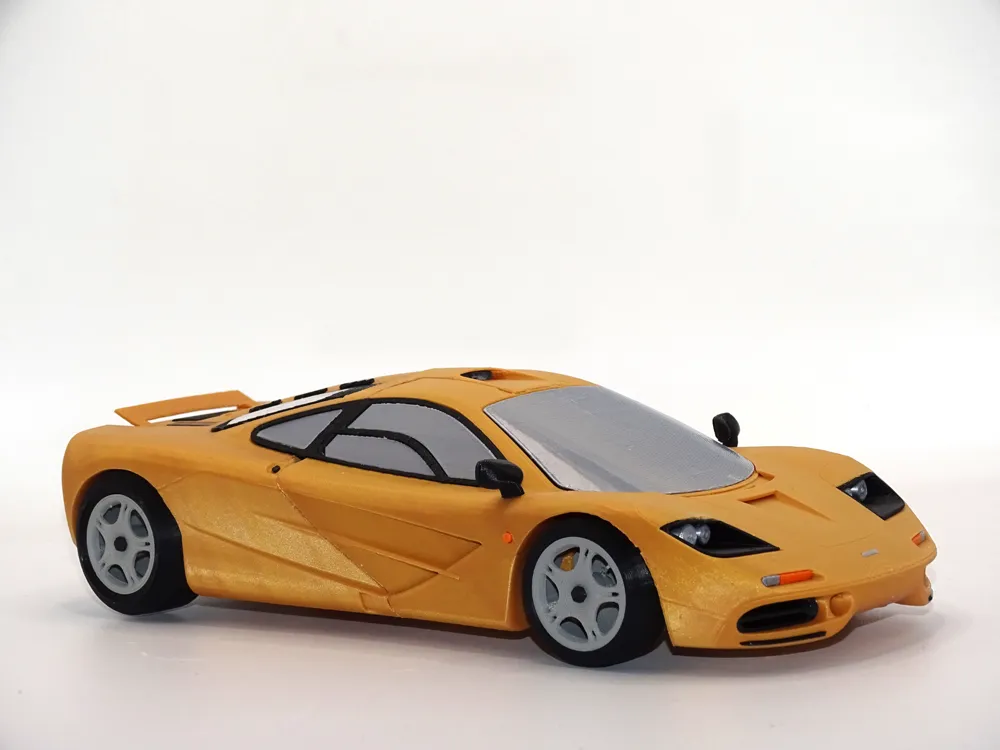
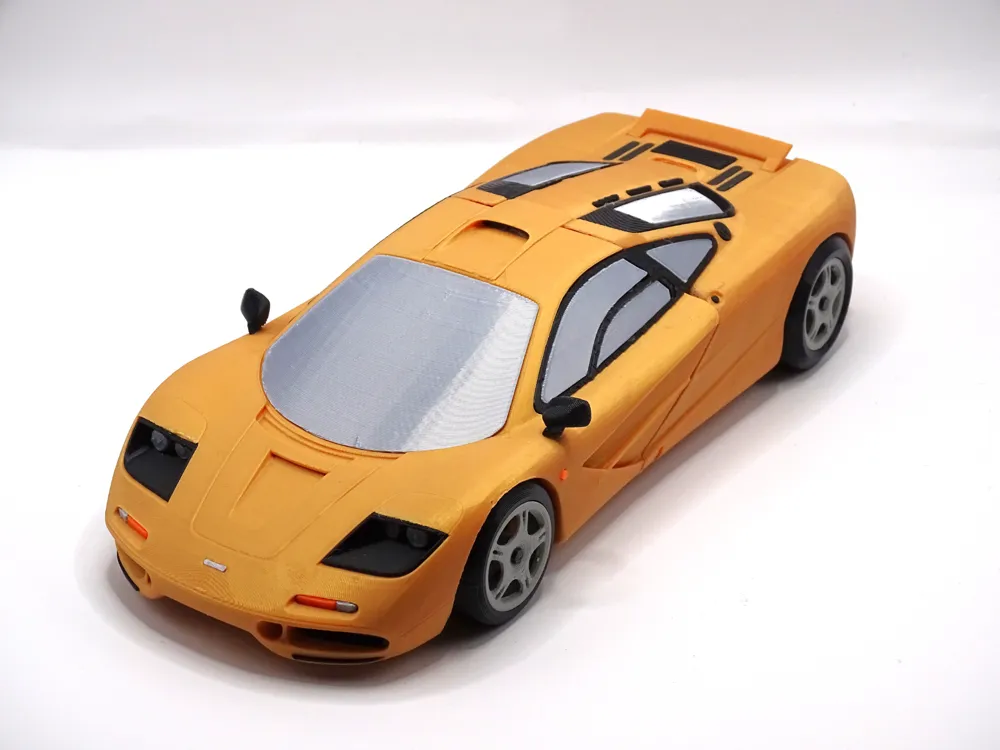
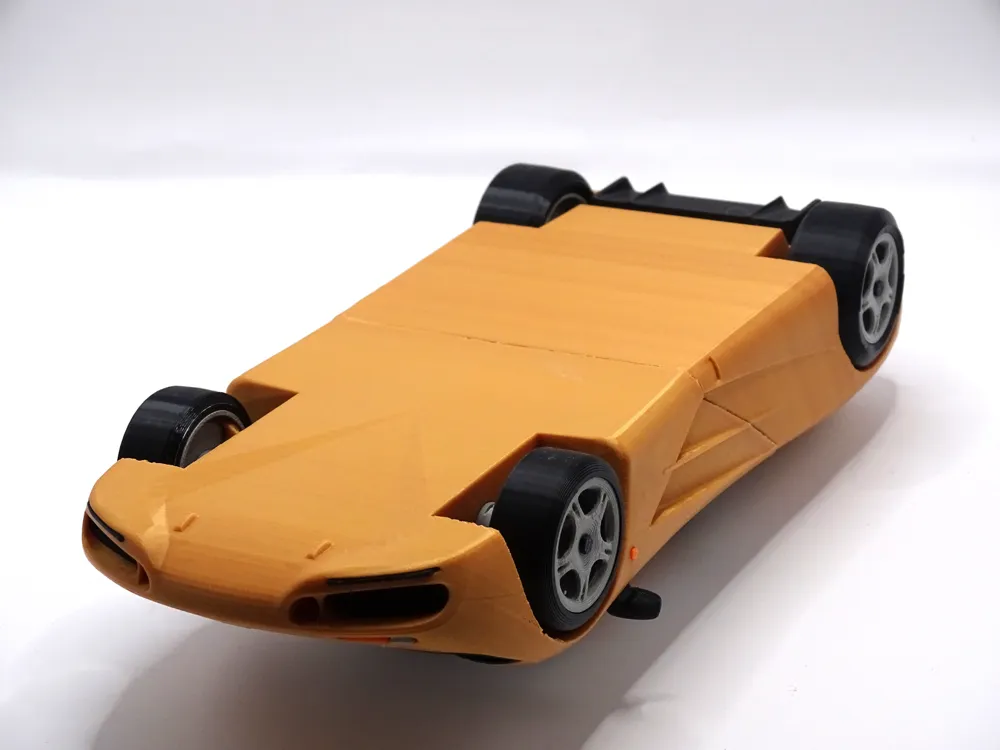
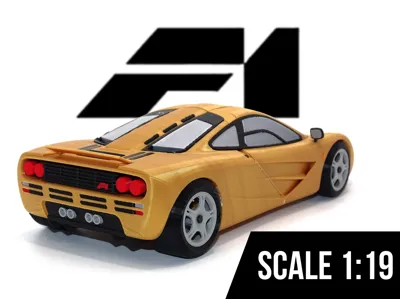
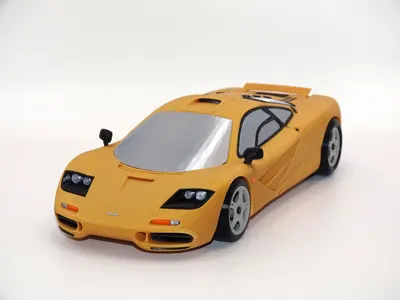
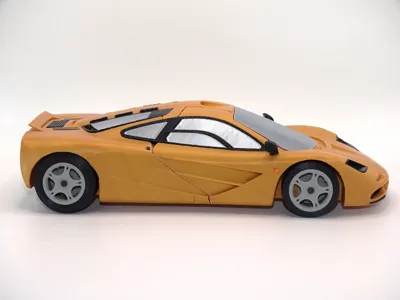
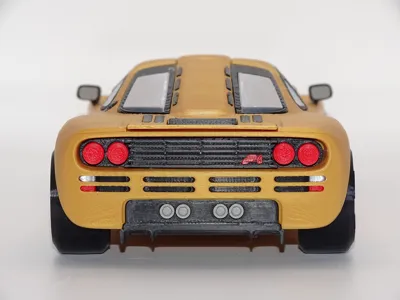
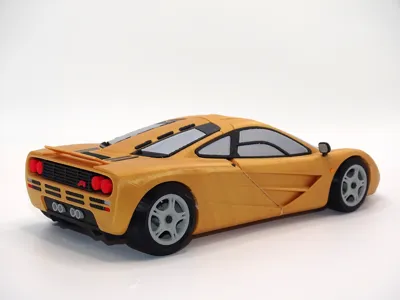
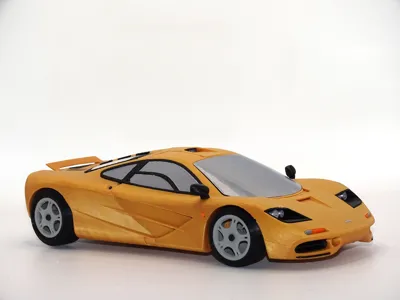
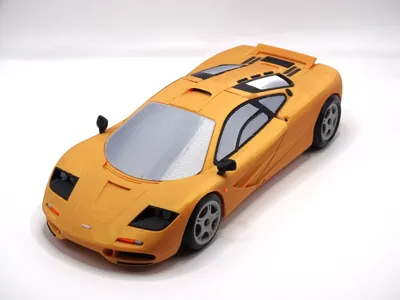
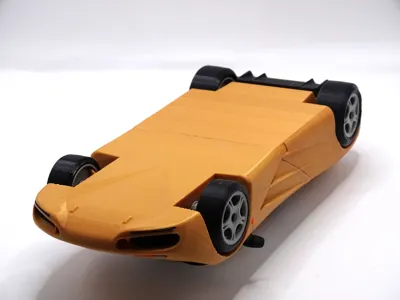
McLaren F1 Multi-Part Print + Full AMS
Print Profile(3)



Description
The New Era of the Personal Computer Mouse is here, BIHMO AIR, the New way of stay in touch and control your Windows and Mac OS Computer, go and take a look here: https://makerworld.com/en/crowdfunding/316-bihmo-air-reinventing-the-pc-mouse

Boost Me (for free)
Remember if you like my models or the ones coming leave a Boost to support my work THANKS :)
IMPORTANT: For this model you´ll need to use glue. Some pieces (Depending on Filament used and 3D Printer) will fit perfectly in a way where mabe there´s no needed to use glue, even though I recommend you to use it (SuperGlue for small parts and SiliconGlue form big ones) :)
McLaren 720S Coming Soon
McLaren 675LT NOW AVAILABLE: https://makerworld.com/en/models/1770426-mclaren-675lt-w-steering-1-19-scale#profileId-1884747
McLaren Senna NOW AVAILABLE! https://makerworld.com/en/models/1532251-mclaren-senna-w-steering-wheel-1-19-scale#profileId-1606976
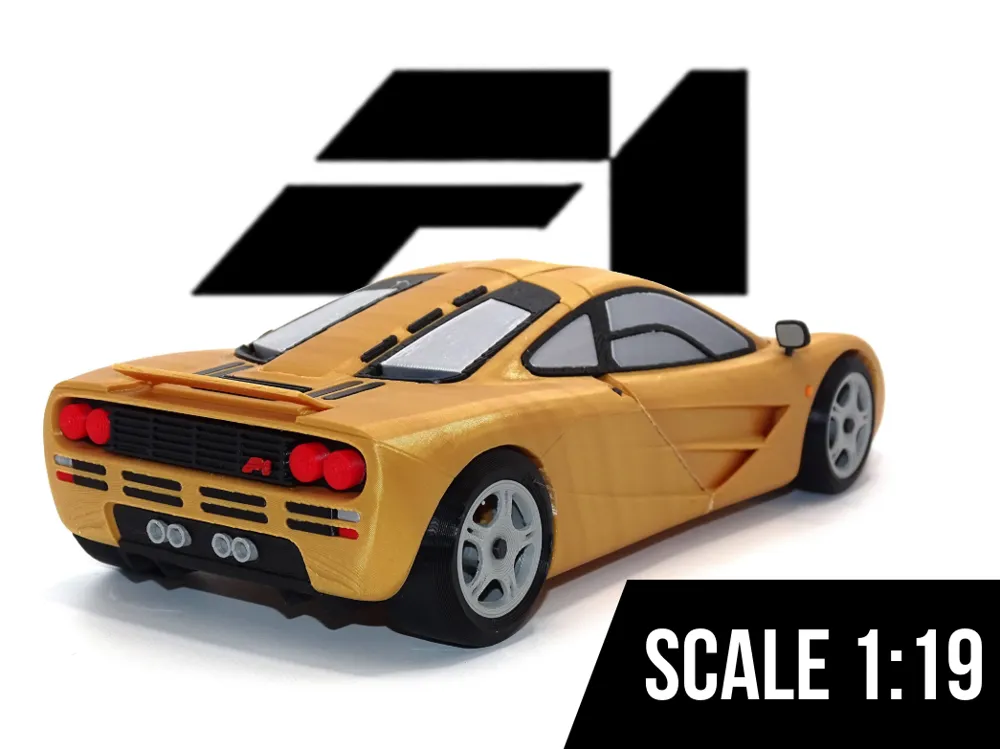
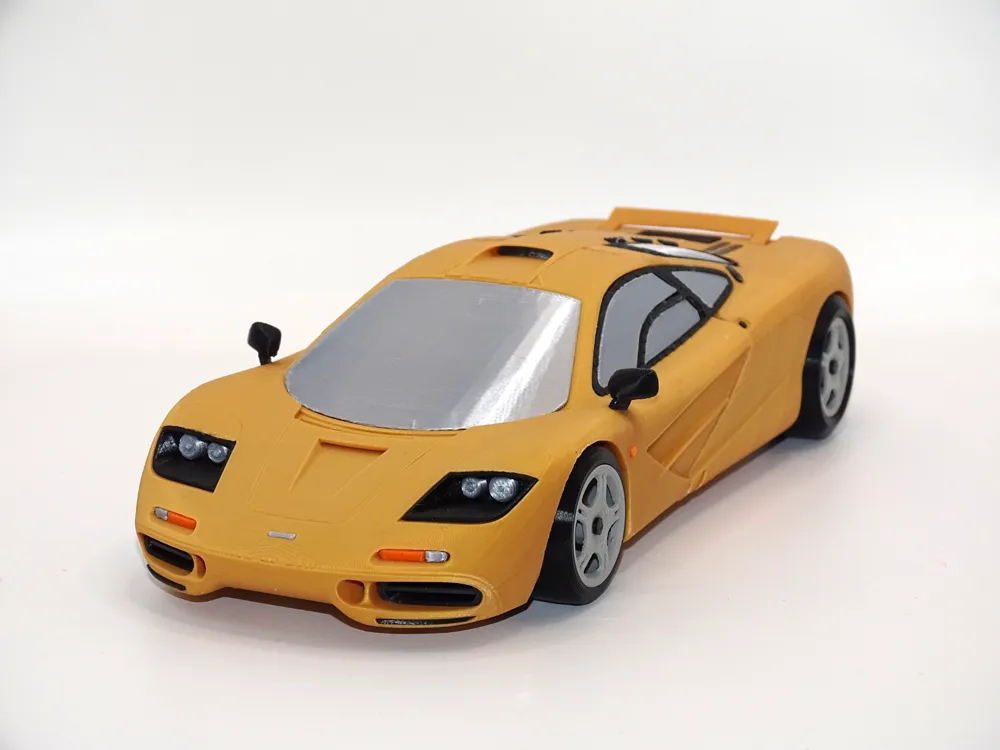
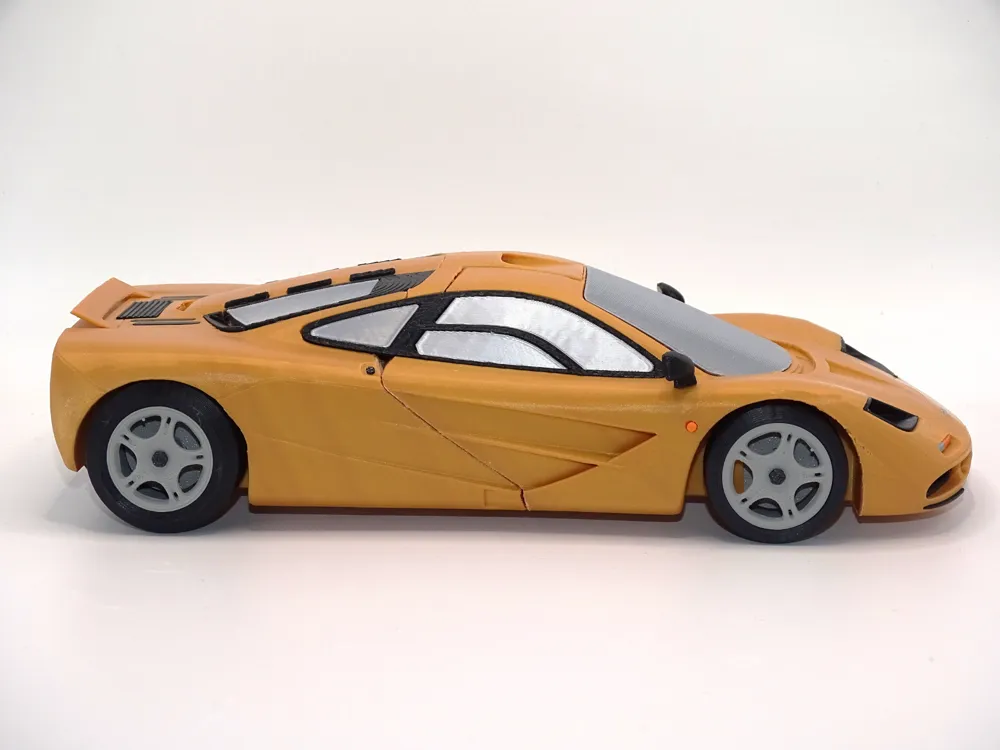
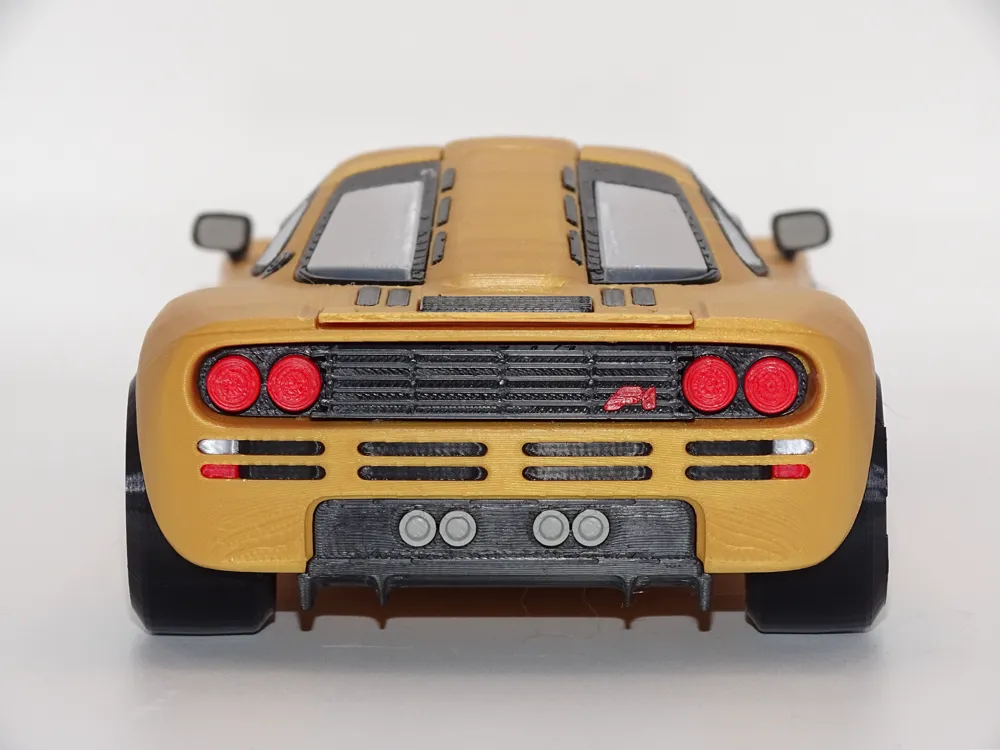
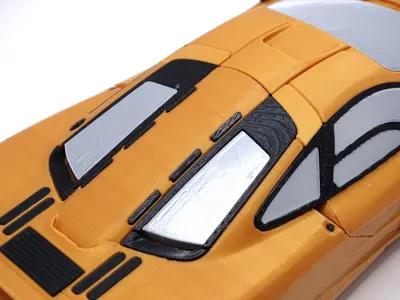
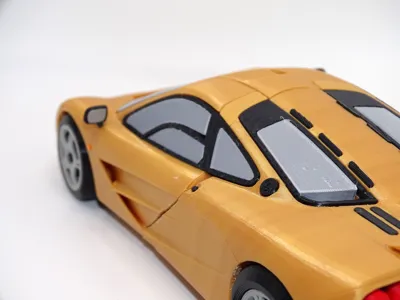
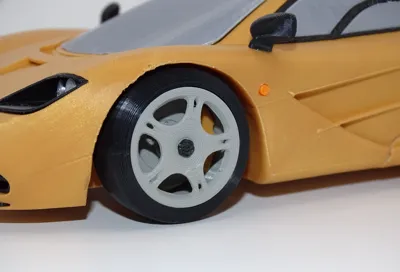
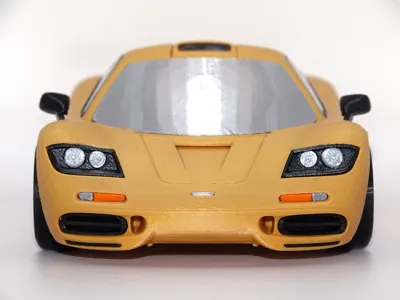
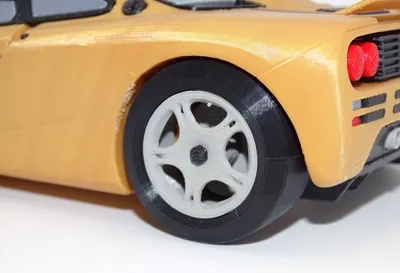
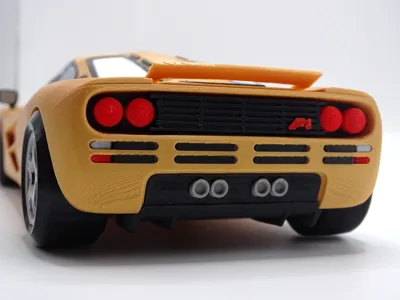
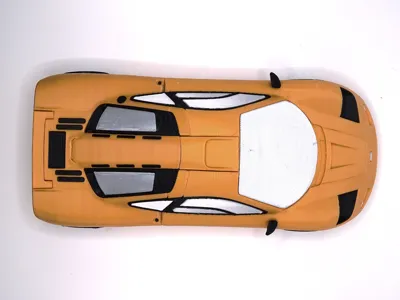
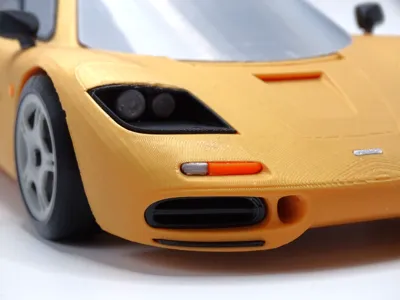
The McLaren F1 is one of the most legendary supercars ever created, a masterpiece of engineering that redefined automotive performance and exclusivity. Designed by Gordon Murray and unveiled in 1992, the F1 was built with one goal in mind—to be the ultimate driver’s car. Its most iconic feature was its three-seat layout, with the driver positioned in the center for perfect balance and visibility, flanked by two passenger seats. Power came from a 6.1-liter naturally aspirated BMW S70/2 V12, producing 627 horsepower and 650 Nm of torque, making it the most powerful naturally aspirated car of its time. With a curb weight of just 1,138 kg, thanks to an extensive use of carbon fiber, titanium, and gold foil heat shielding, the F1 was incredibly light, allowing it to accelerate from 0-100 km/h in 3.2 seconds and reach a record-breaking top speed of 386.4 km/h (240.1 mph), making it the fastest production car in the world for over a decade.
Unlike modern hypercars, the F1 had no forced induction, no electronic driver aids, and no power steering, making it a raw, analog experience that demanded true skill to master. Its aerodynamics were designed for maximum efficiency, featuring an active rear diffuser rather than a large wing to keep the car stable at high speeds. The gold-lined engine bay was not just for show—it served as a heat shield for the massive V12, which produced intense temperatures at full throttle. The car’s six-speed manual transmission, combined with ultra-responsive handling and precise steering, made it an unparalleled driving experience.
Only 106 units of the McLaren F1 were ever produced, including 64 road cars, 28 race-spec F1 GTRs, and a handful of special prototypes. Among the rarest versions were the F1 LM, an even more extreme variant built to honor McLaren’s 1995 Le Mans victory, and the F1 GT, which featured a long-tail design for better aerodynamics. The McLaren F1’s legacy is unmatched—not only did it dominate endurance racing, but it also became a holy grail among collectors, with prices today exceeding $20 million for pristine examples. Even with today’s advancements in technology, the McLaren F1 remains one of the purest, most exhilarating, and most revered supercars ever built, cementing its place as an all-time automotive icon.
Any problem let me know in comments. Again Thanks for all the support :)
License

You shall not share, sub-license, sell, rent, host, transfer, or distribute in any way the digital or 3D printed versions of this object, nor any other derivative work of this object in its digital or physical format (including - but not limited to - remixes of this object, and hosting on other digital platforms). The objects may not be used without permission in any way whatsoever in which you charge money, or collect fees.


Comment & Rating (74)