
Creality Space Pi Plus Heat Deflector/Shield
Print Profile(2)


Description
*** Update: Larger version available here: Large Creality Space Pi Plus model, print the preferred size this one or the larger version
I just got my new Creality Space Pi Plus dryer, however being new to 3D printing was very concerned about how close the heating fan is to the filament, as well none of the affordable designs have a motor that will continuously move the filament so that one section of the filament does not overheat.
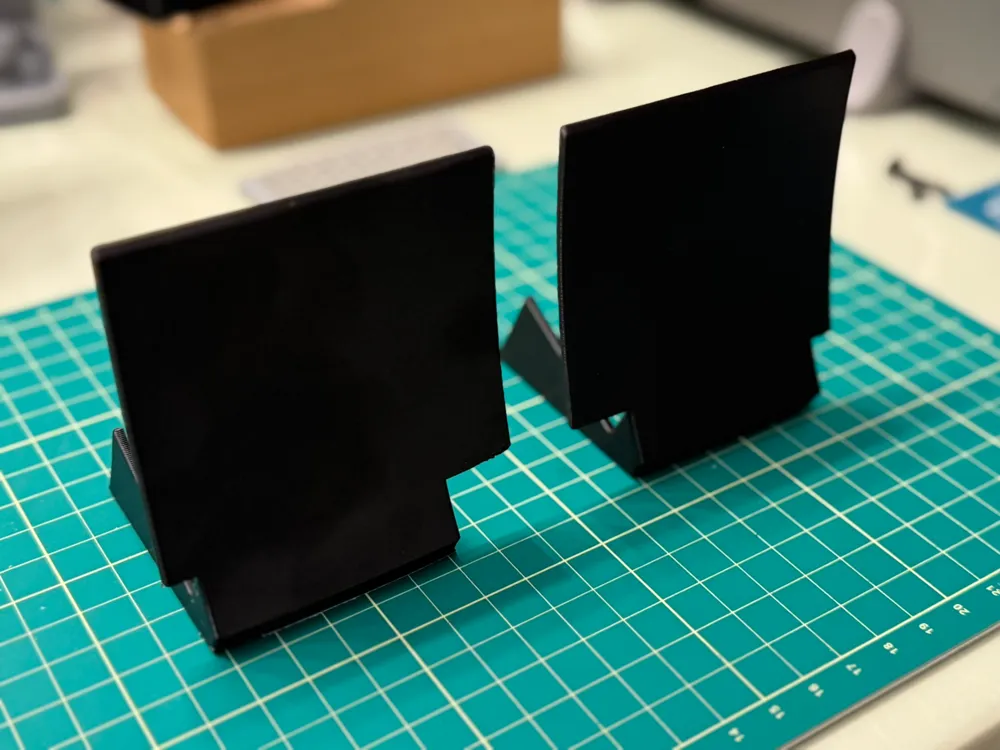
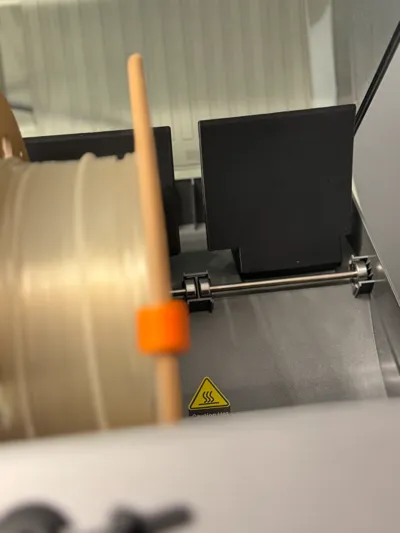
I started out using a large piece of tinfoil, to help deflect the air around the spool. It was very clumsy and getting wedged as I was closing the door. Thus, I started looking for a more cleaner solution. I really liked the simple solution that was provided by @Küki of Science ‘s Creality Space Pi Heat Shield / Heat Deflector. It’s simple and not bulky. I wanted to reduce the amount of clutter in the heater to ensure more airflow around the spool - and so found this simple model the most ideal.
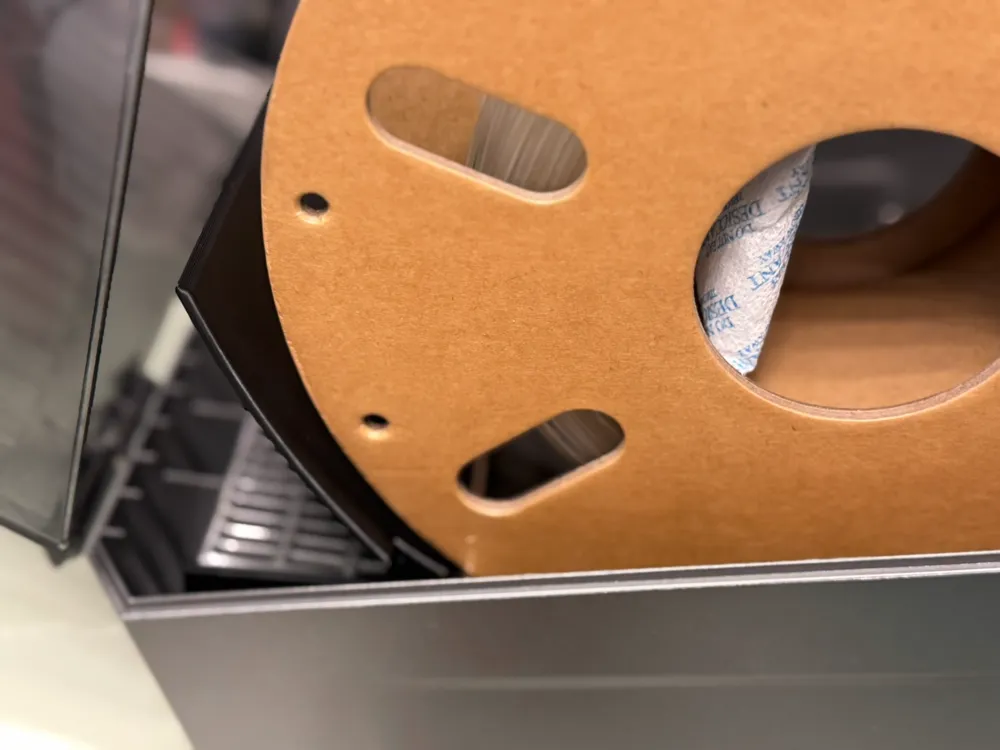
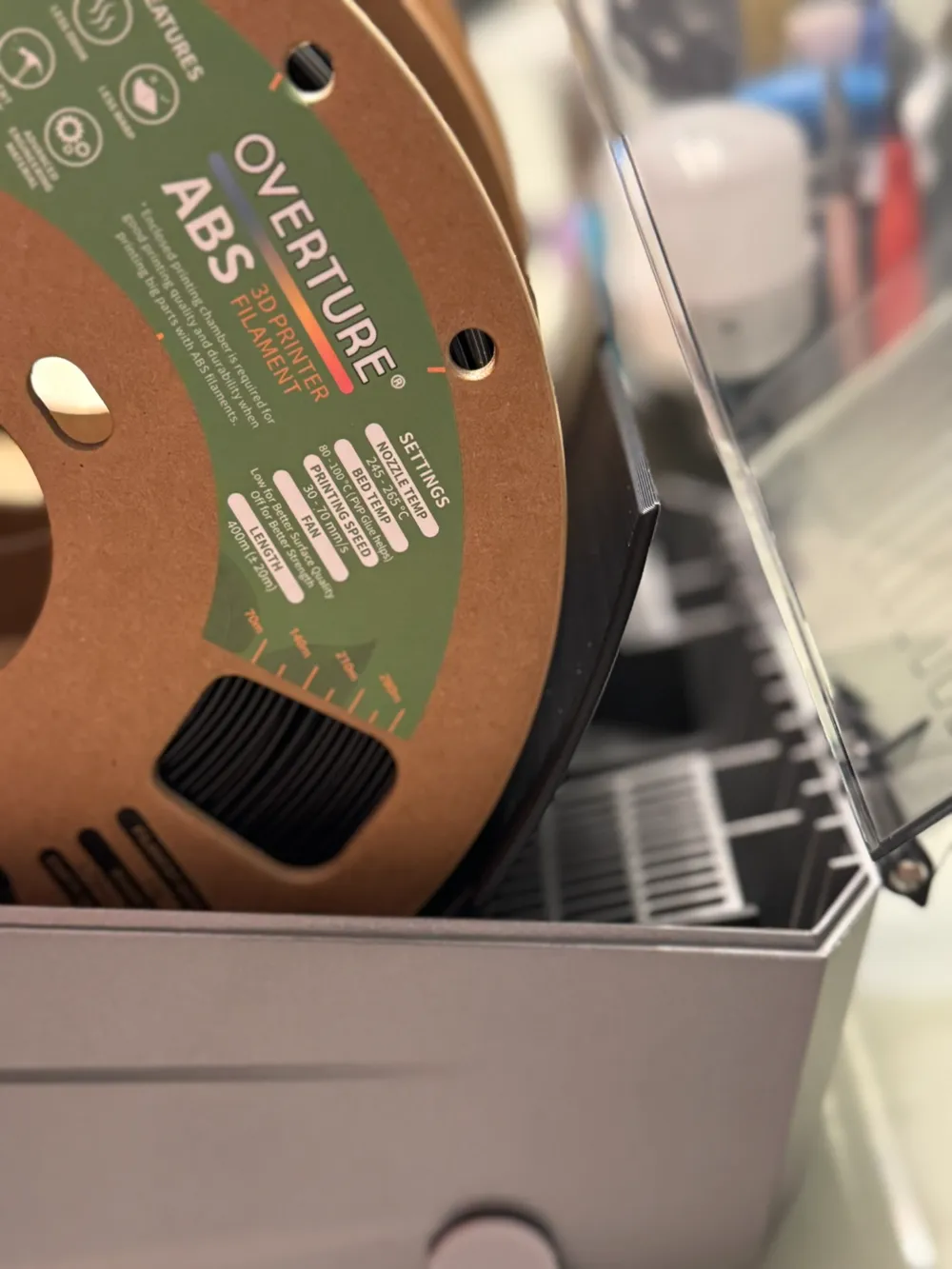
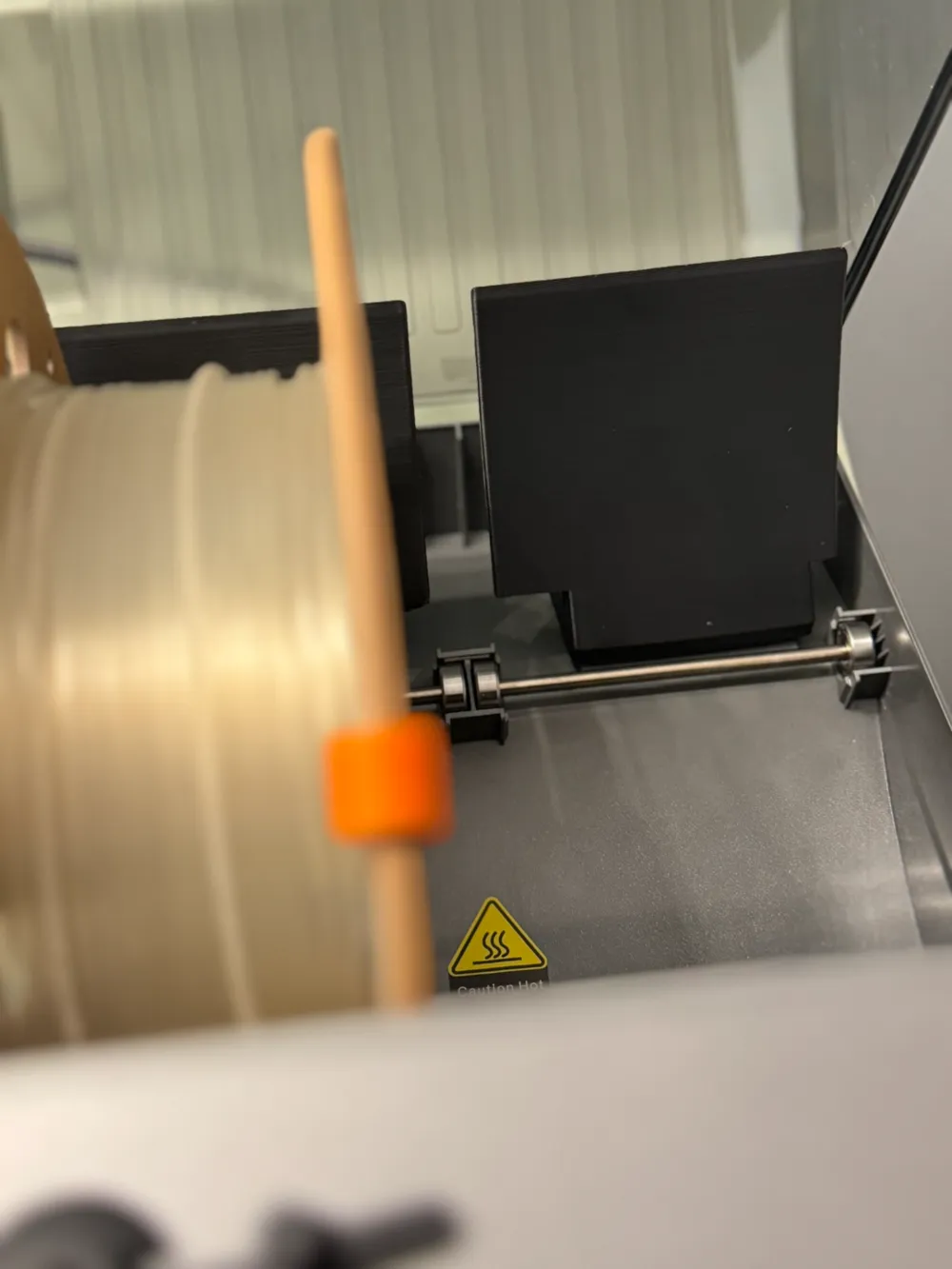
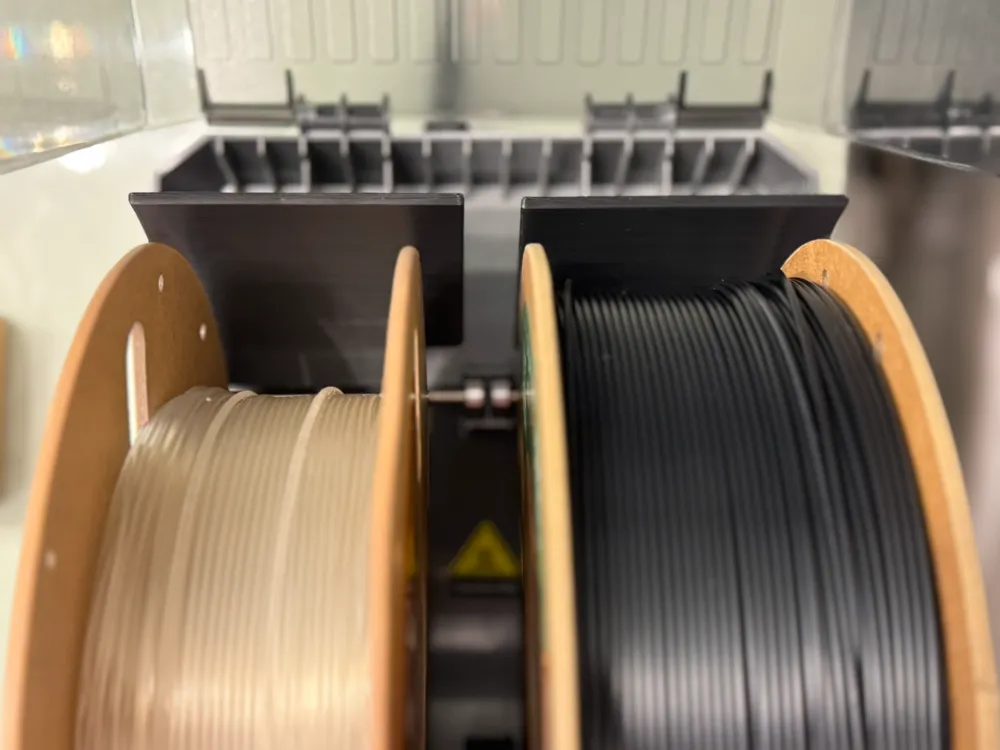
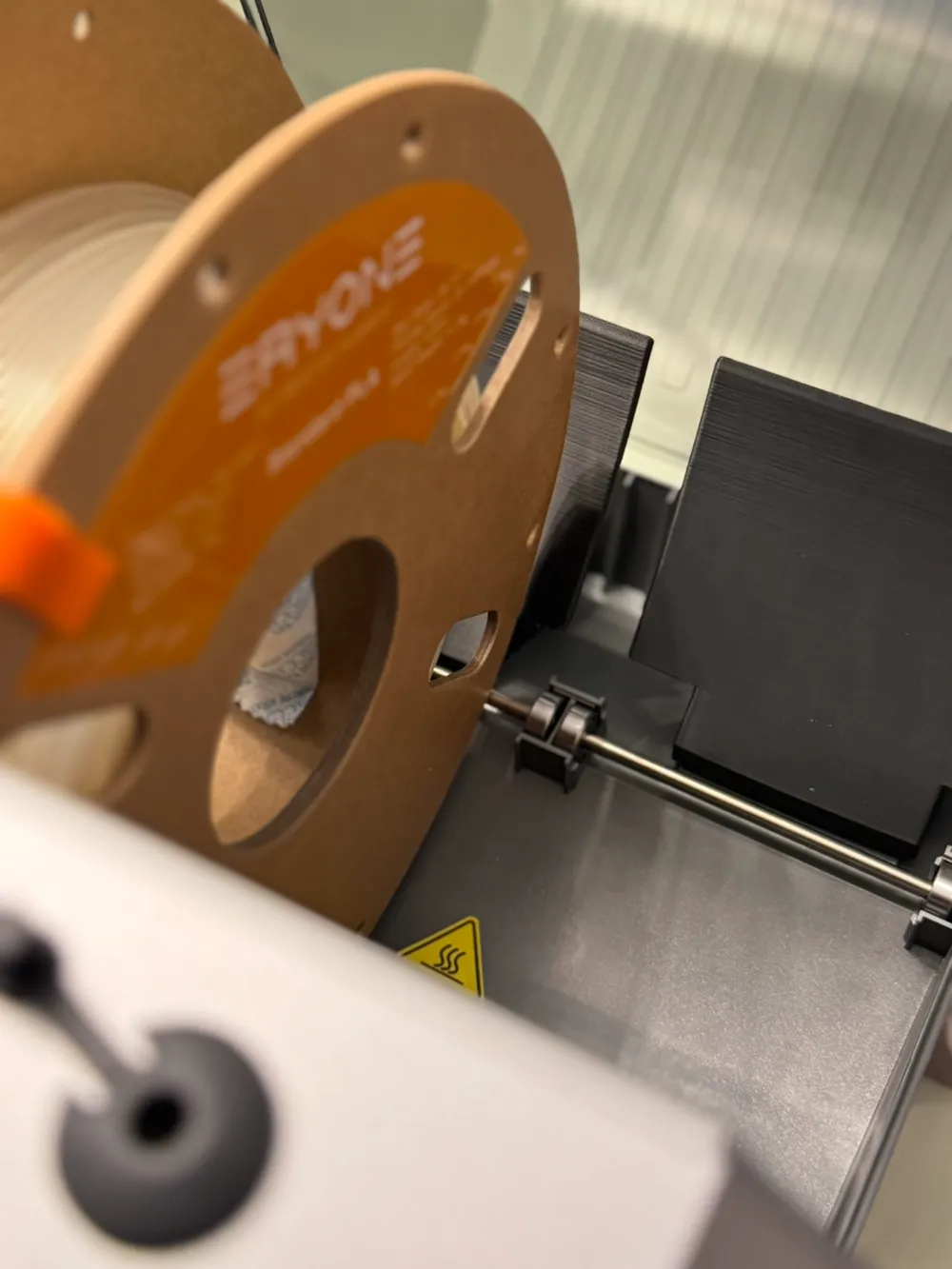
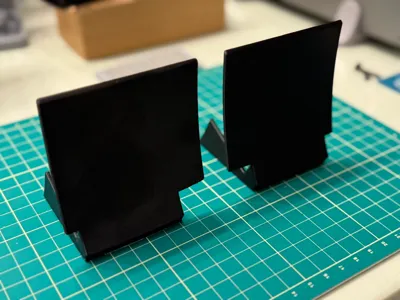
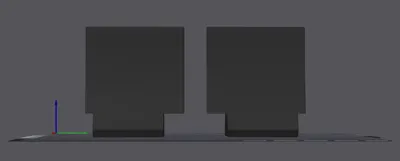
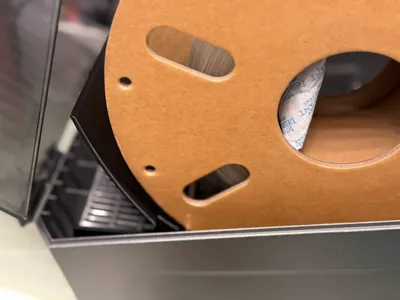
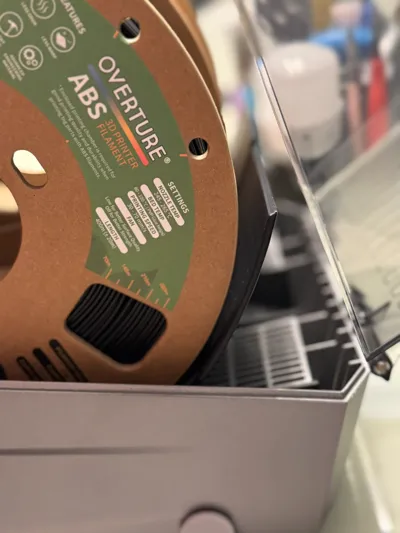
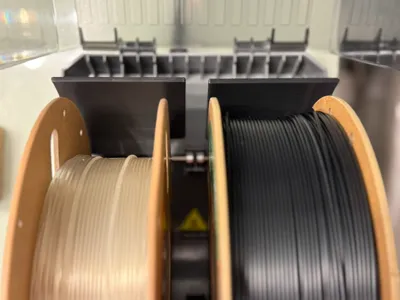
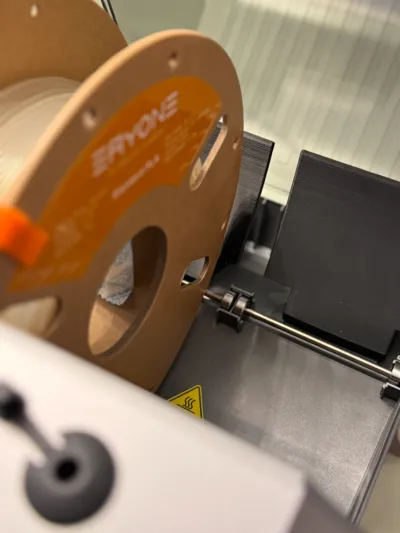
I've adjusted the size by matching the legs to the width of the Plus's heating vents, along with increasing the height and width to account for especially larger and fuller filament spools. Please see attached pics of two different spool sizes I have, the Overture is thicker than the Eryone spool, as well as the capacity of each. I've also removed the rear arm to minimize the use of supports.
Printing Notes:
My tests/prototypes were all printed in ABS to make it more durable with temps up to 70C (the capability of the Creality Plus).
As ABS can be a challenging filament to use, please ensure the settings match your particular filament and printer. I found these slower settings worked better for me.
I have not tested in PETG, however, based on what I've seen it could be hit or miss, since the heater may spike in heat output in order to better maintain chamber temp. As such I would recommend only using ABS or ASA which can withstand higher temps. If you decide to use PETG or PLA, do so at your own risk.
Model Notes:
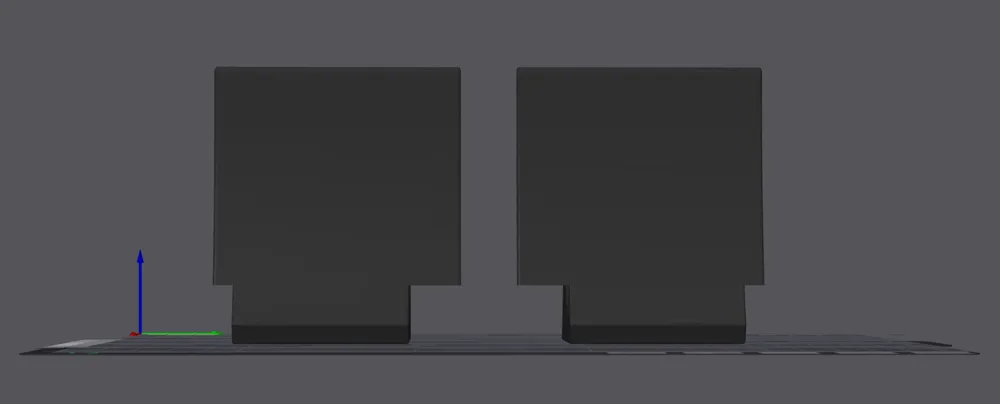
There's a right and left side deflector, since the Plus' heating vent skews to the outer edges more, however, the spools sit equidistant within the Plus. Thus, the deflector fins were adjusted to cover more of the middle area ensuring the whole spool is covered.
This remix is based on


License



Comment & Rating (49)