
Heat-Set Insert Press - Dremel Drill Press Adapter

Print Profile(1)

Bill of Materials

Description
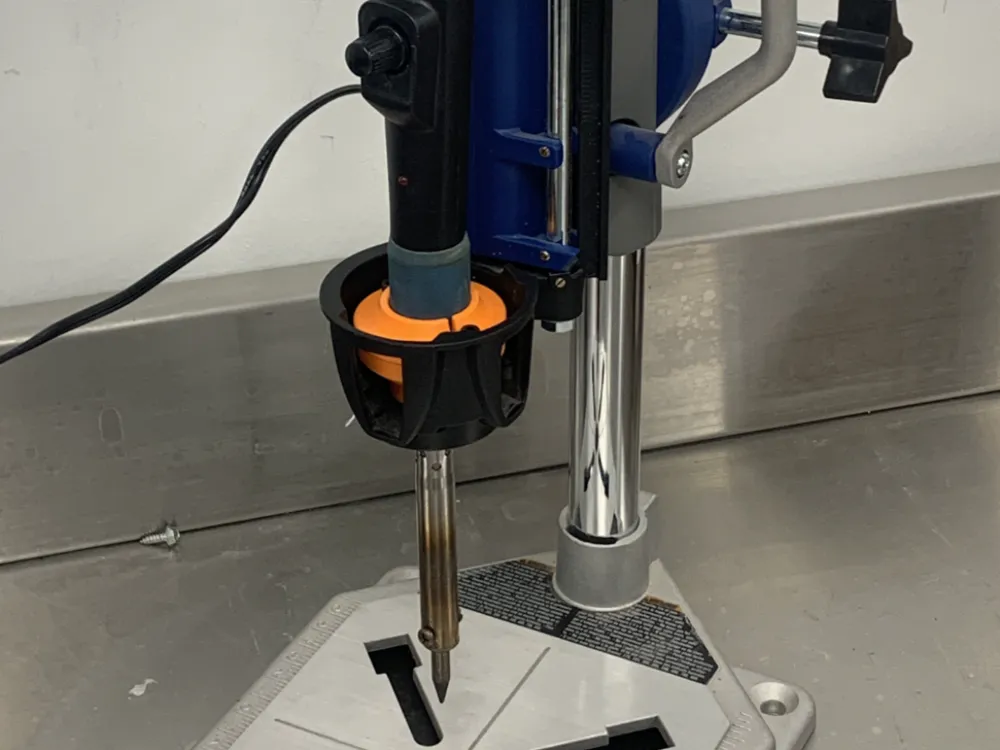
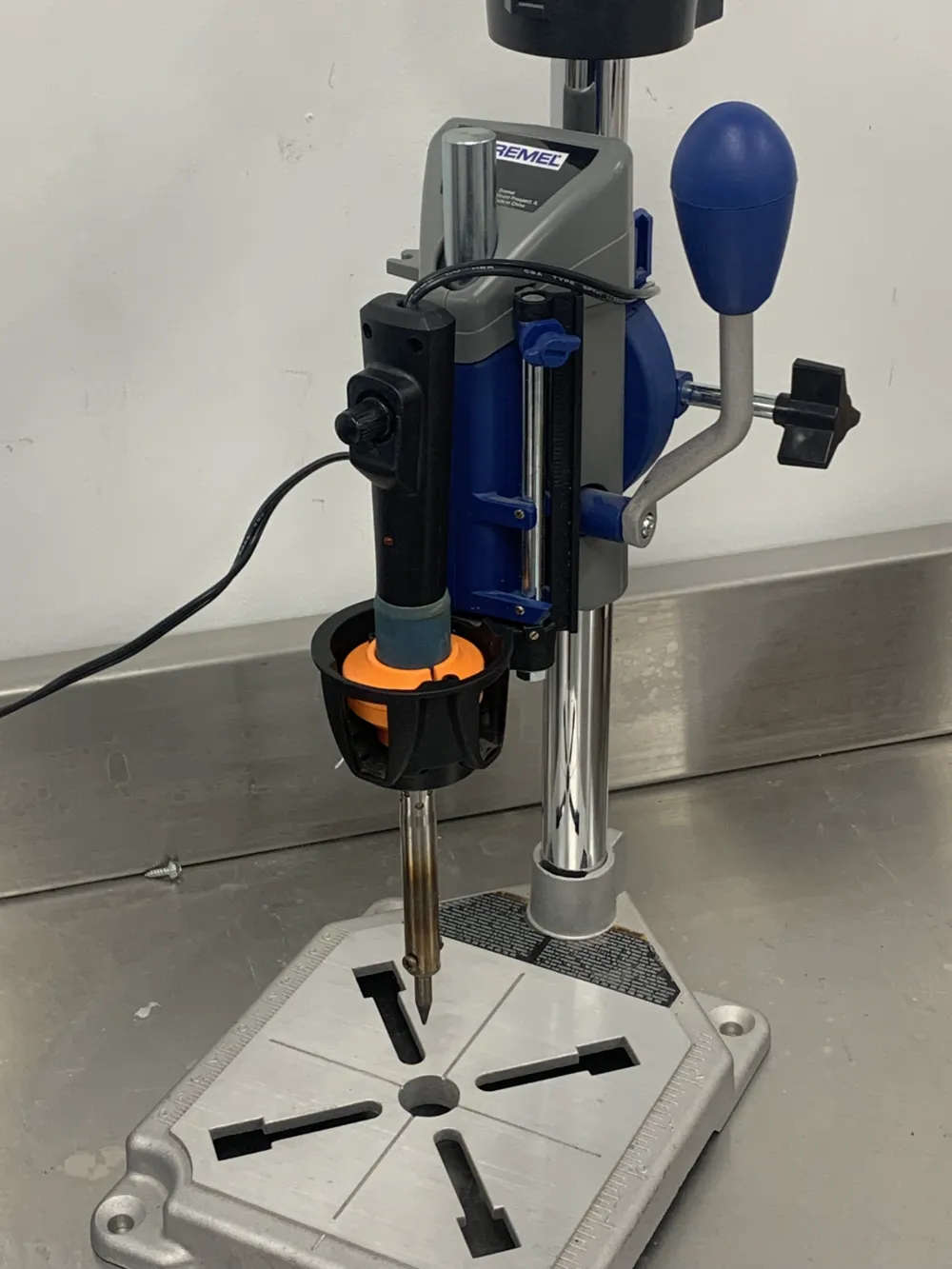
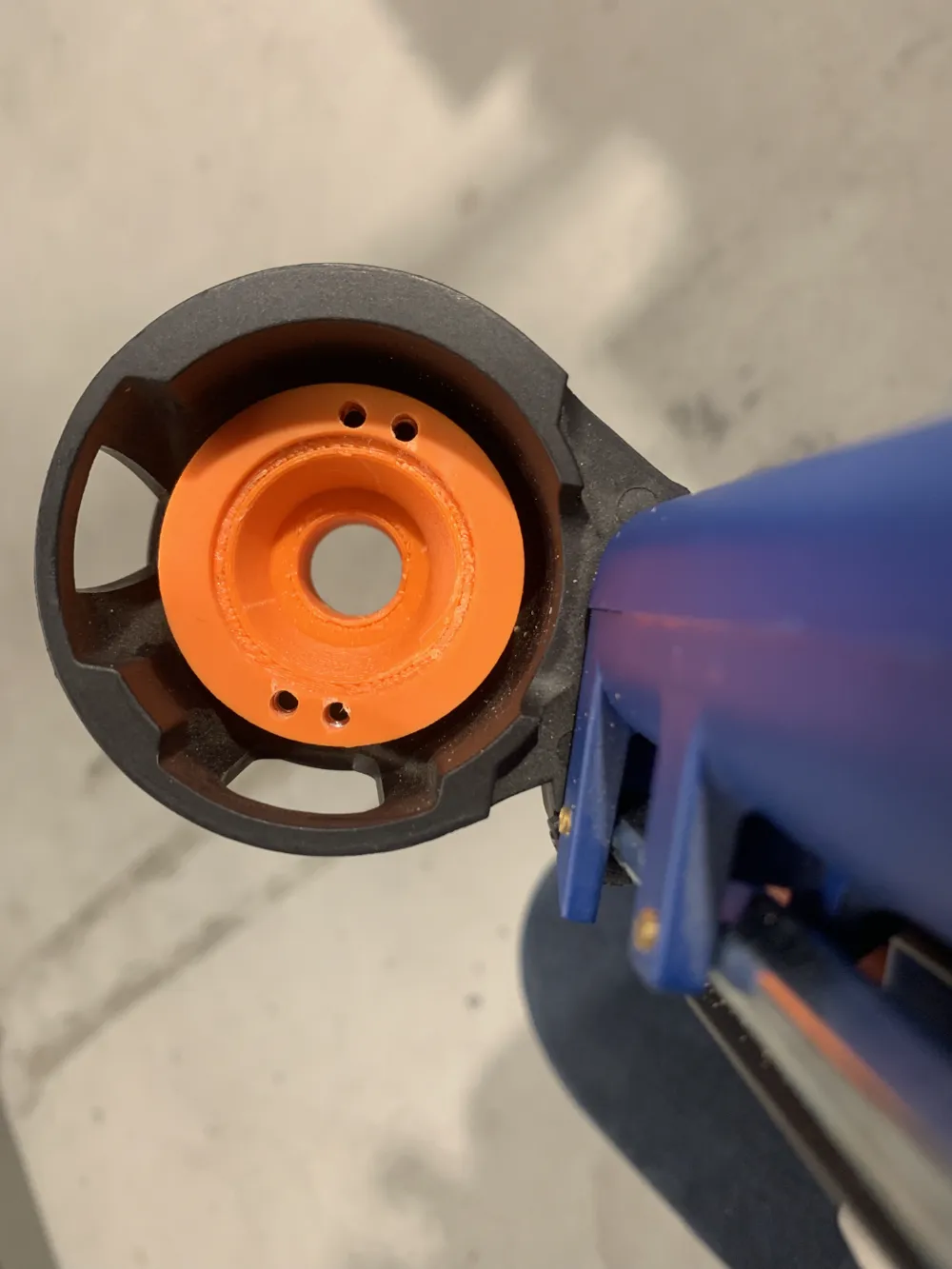
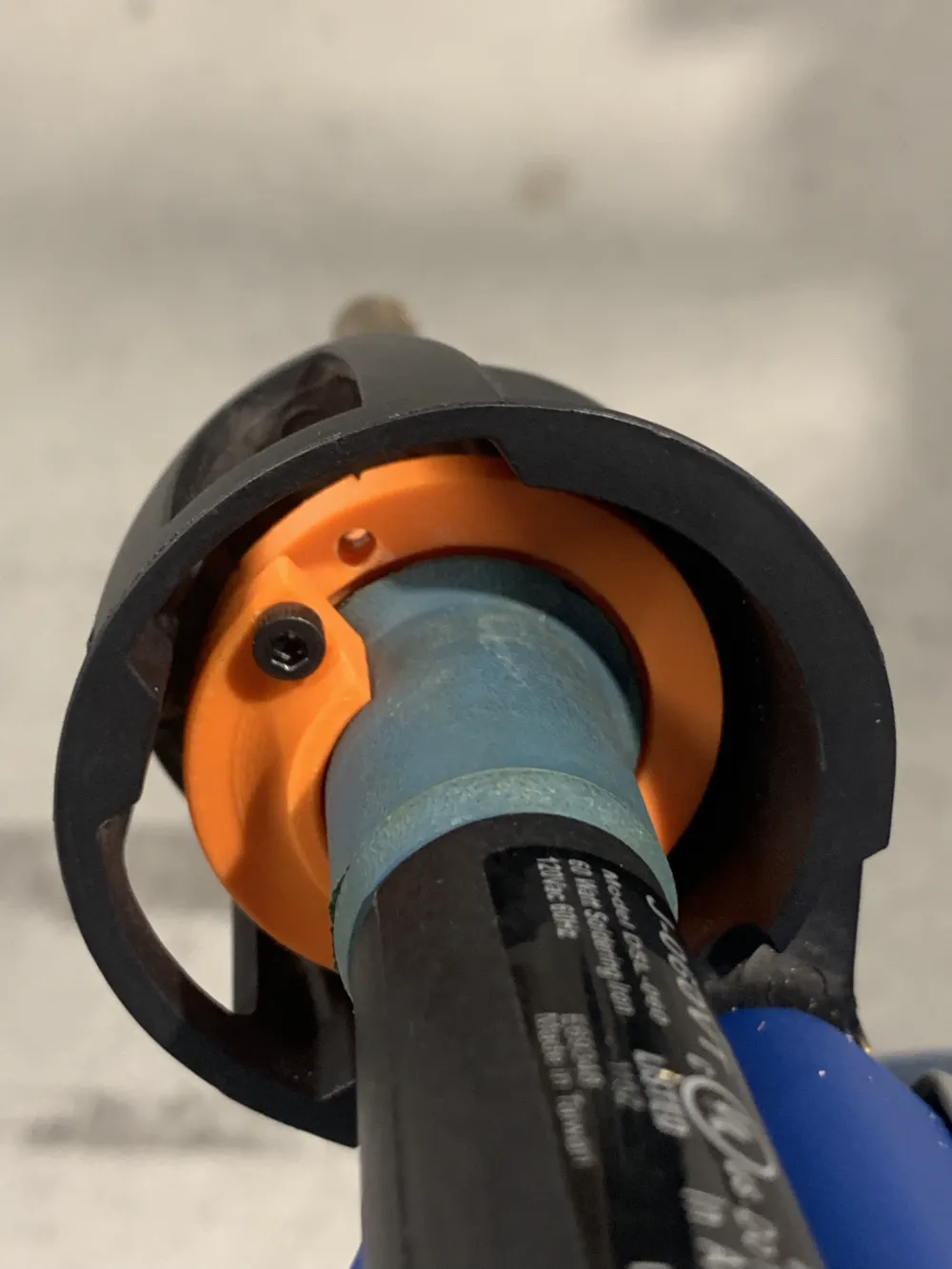
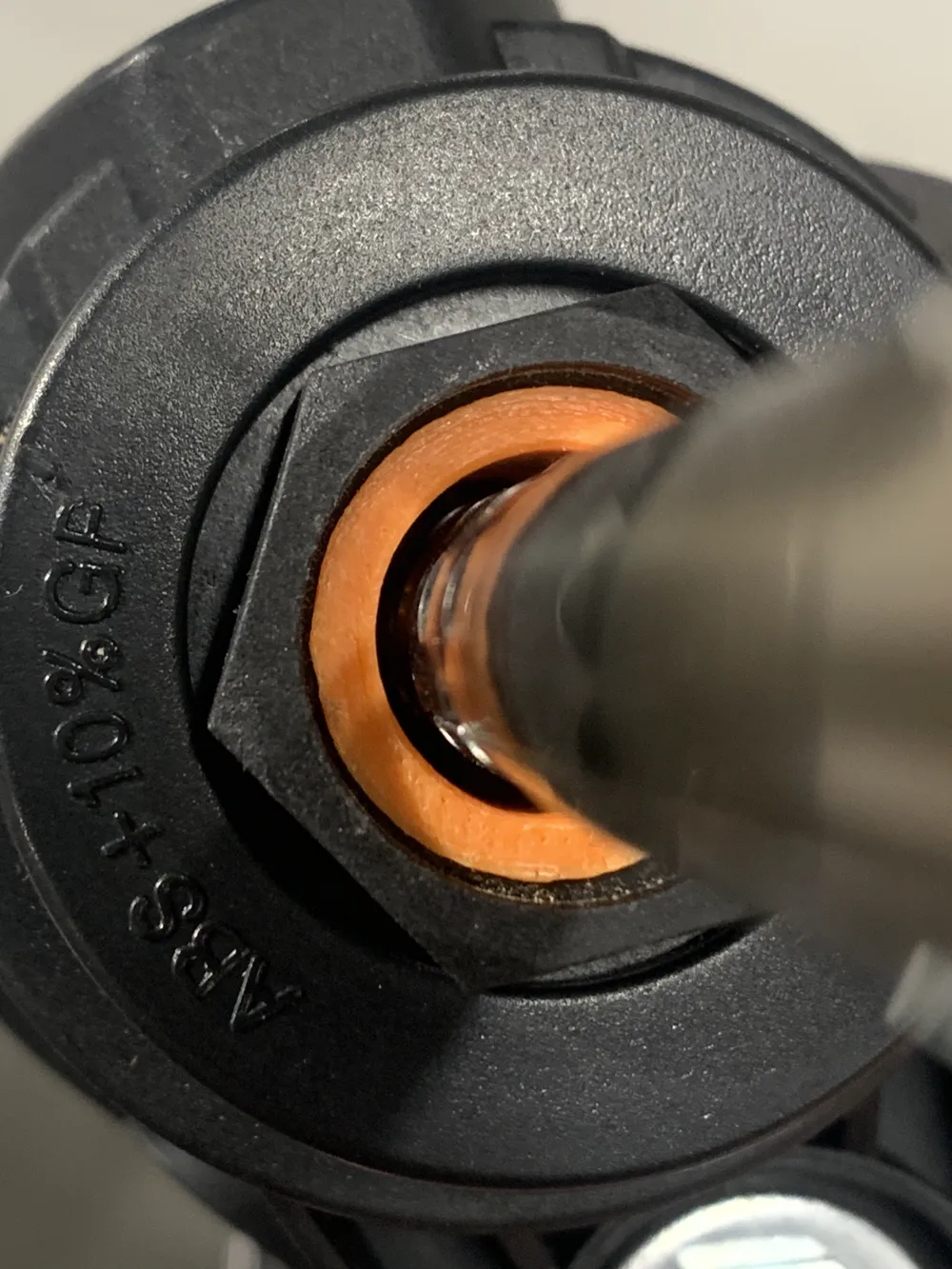
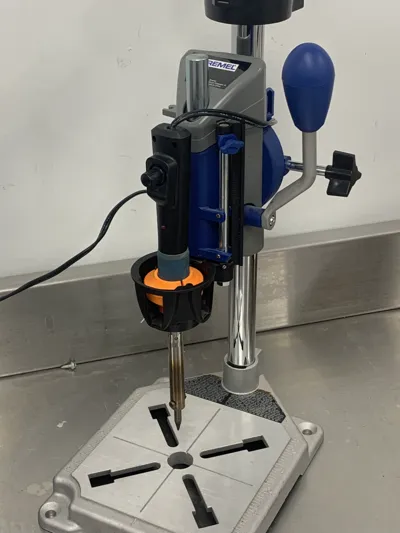
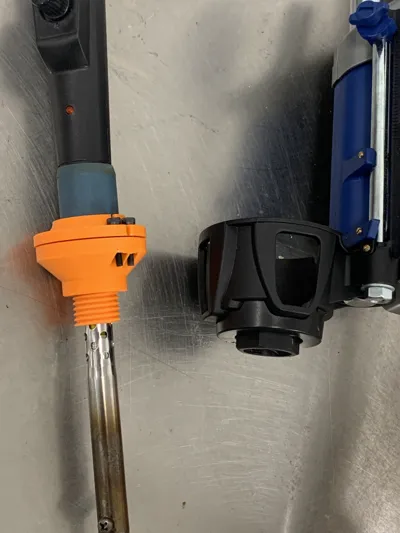
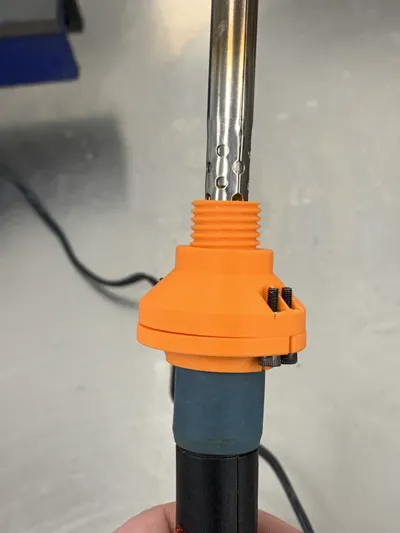
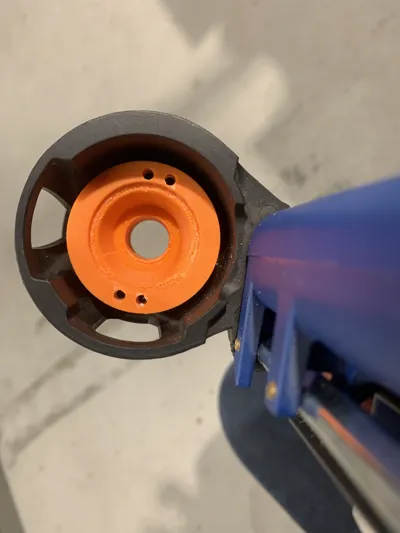
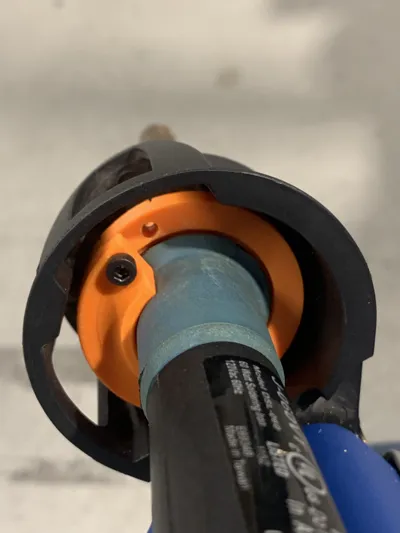
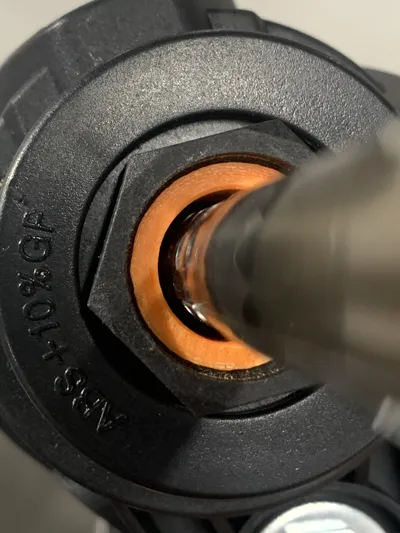
I needed a heat-set insert press, and had a Dremel drill press gathering dust, so I designed an adapter for a standard soldering iron that solidly installs the iron in the threaded ¾"-12 connection Dremels use for the collar around the collet. It works very well, so I wanted to share it. Removing the soldering iron is quick and easy, so you can continue to use your drill press for its intended purpose, just switch between the two, takes 2 or 3 minutes and needs no tools beyond a wrench to tighten the connecting collar nut.
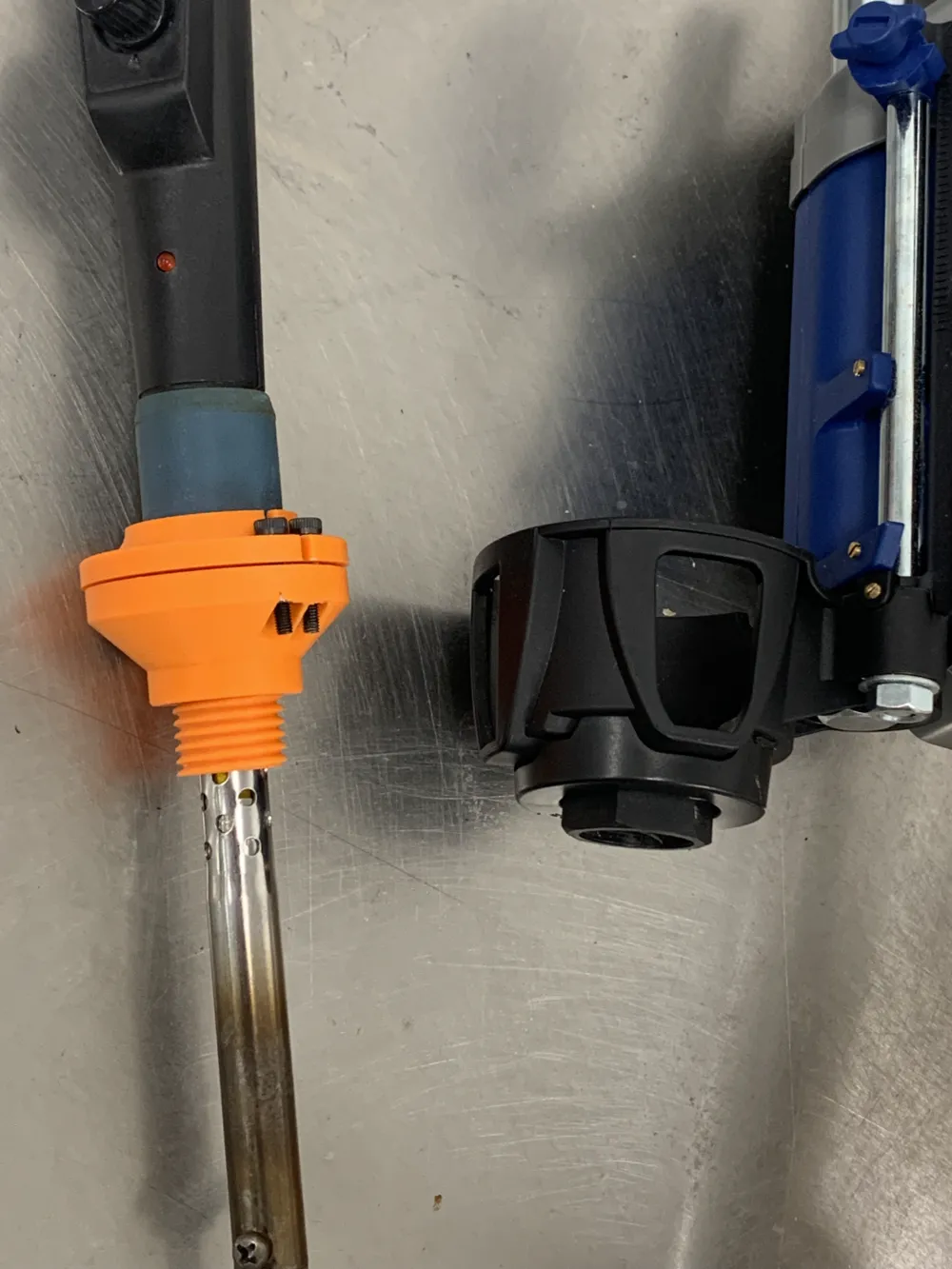
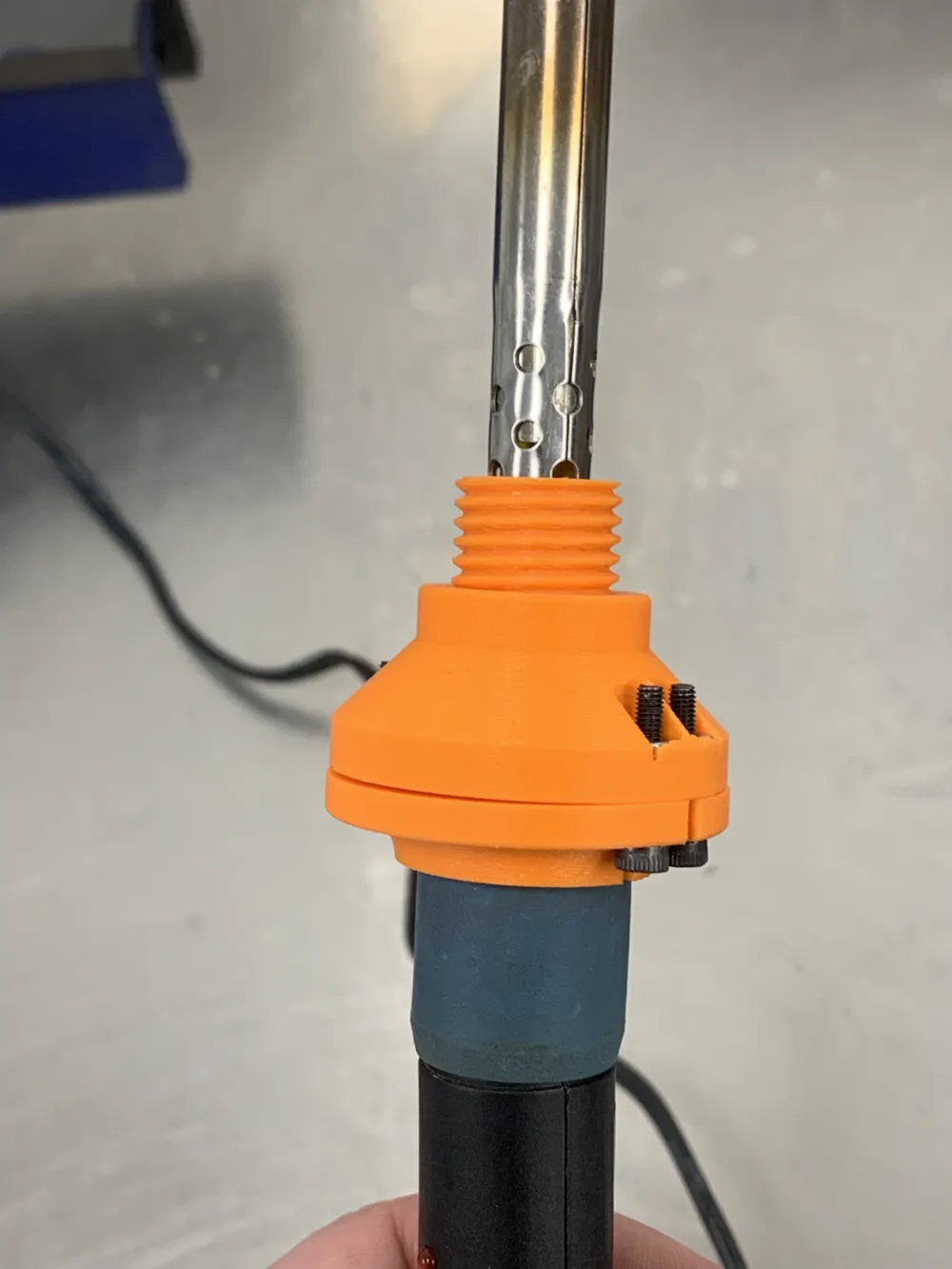
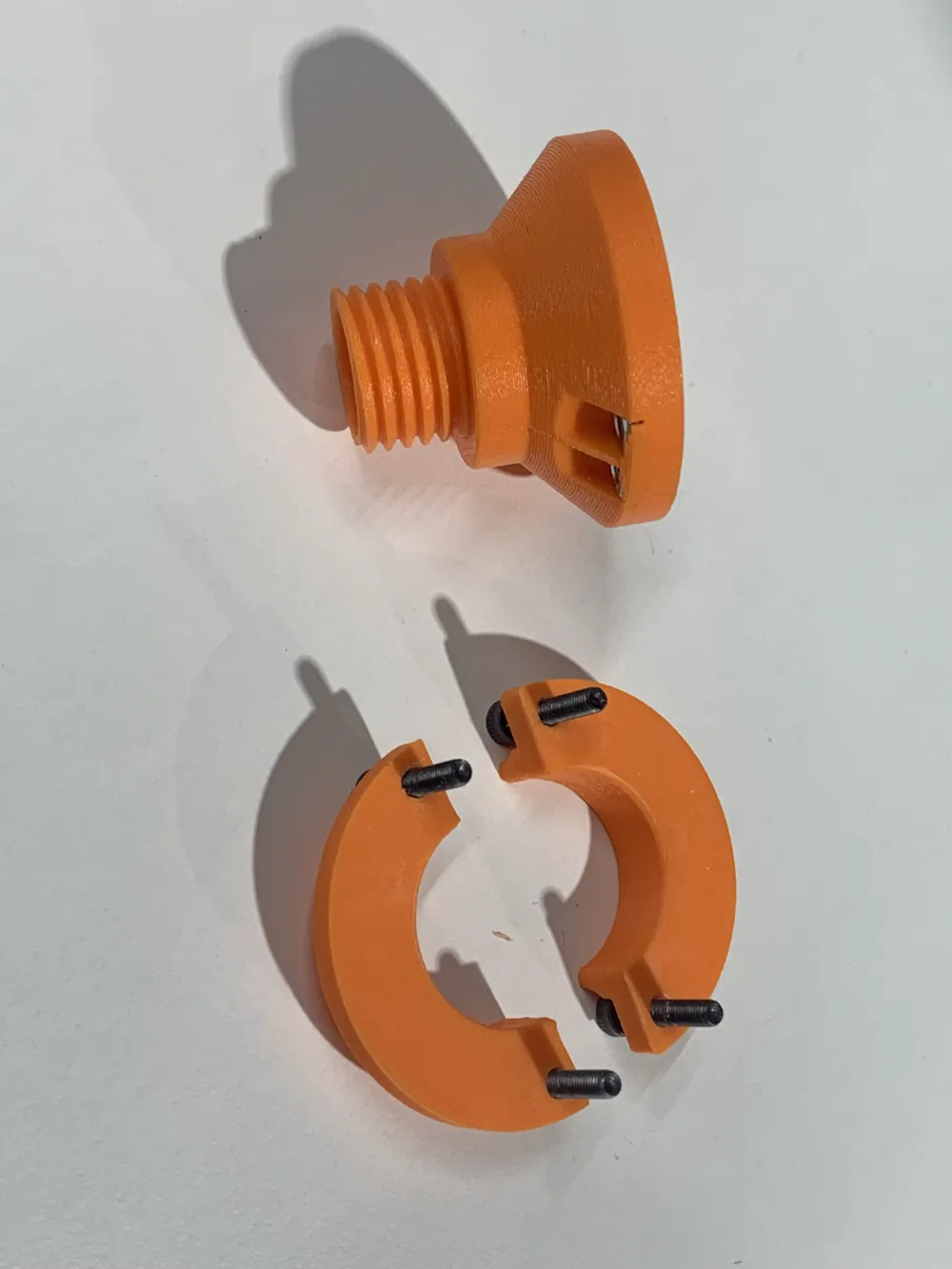
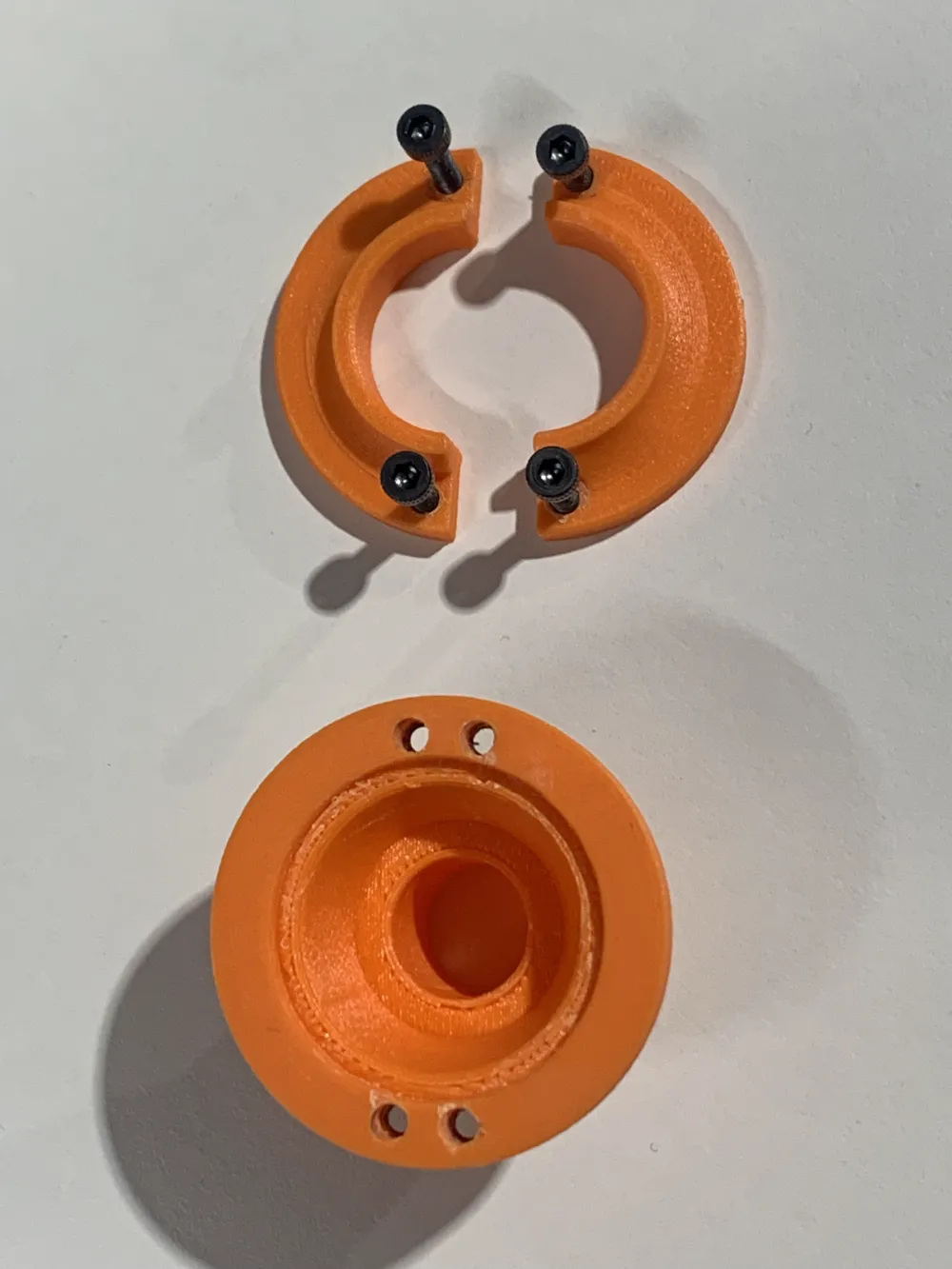
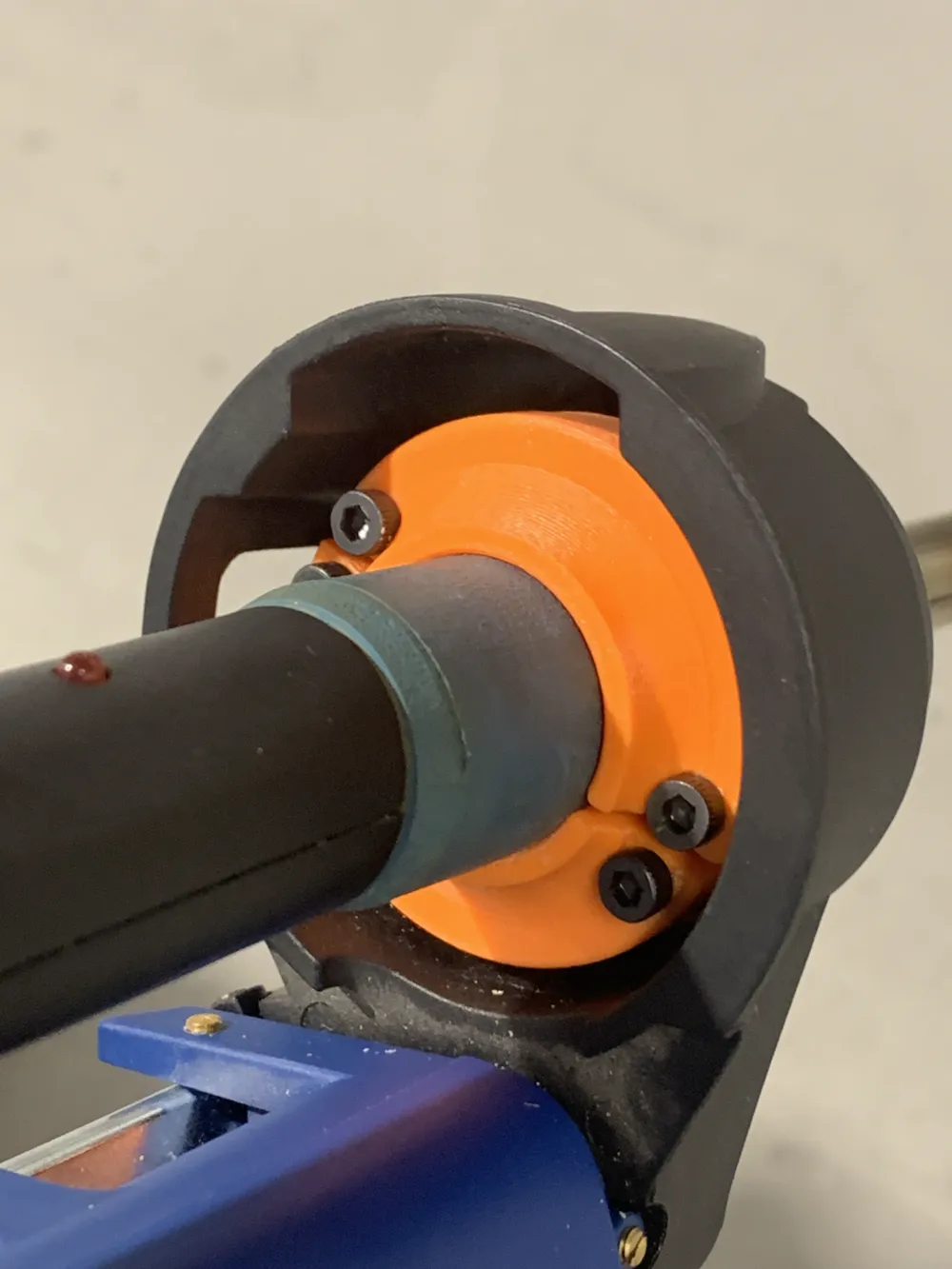
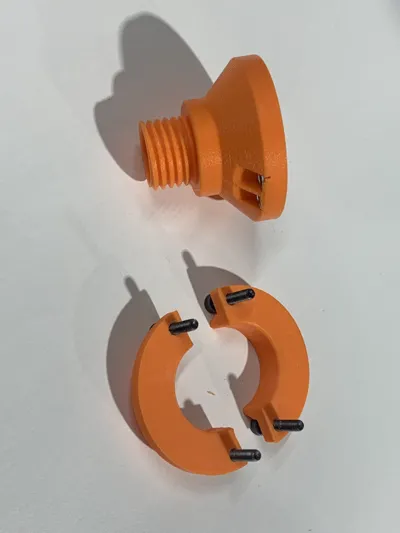
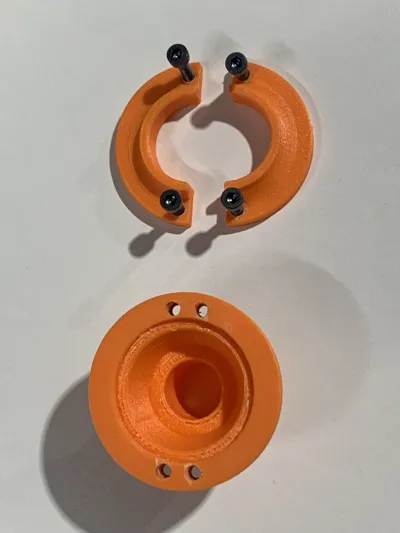
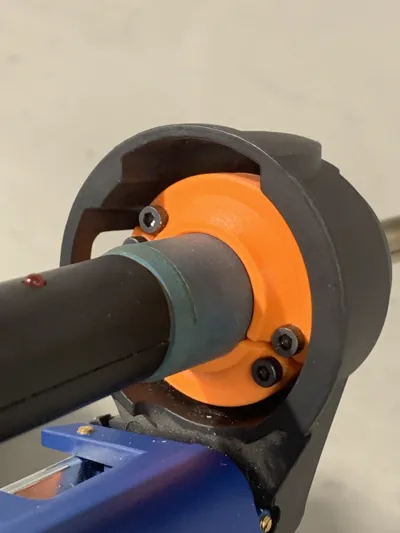
The adapter consists of a ‘base socket’ and a split two-piece ‘locking collar’; the base socket screws into the captive nut in the drill press head, while the collar segments clamp the soldering iron onto the base socket.
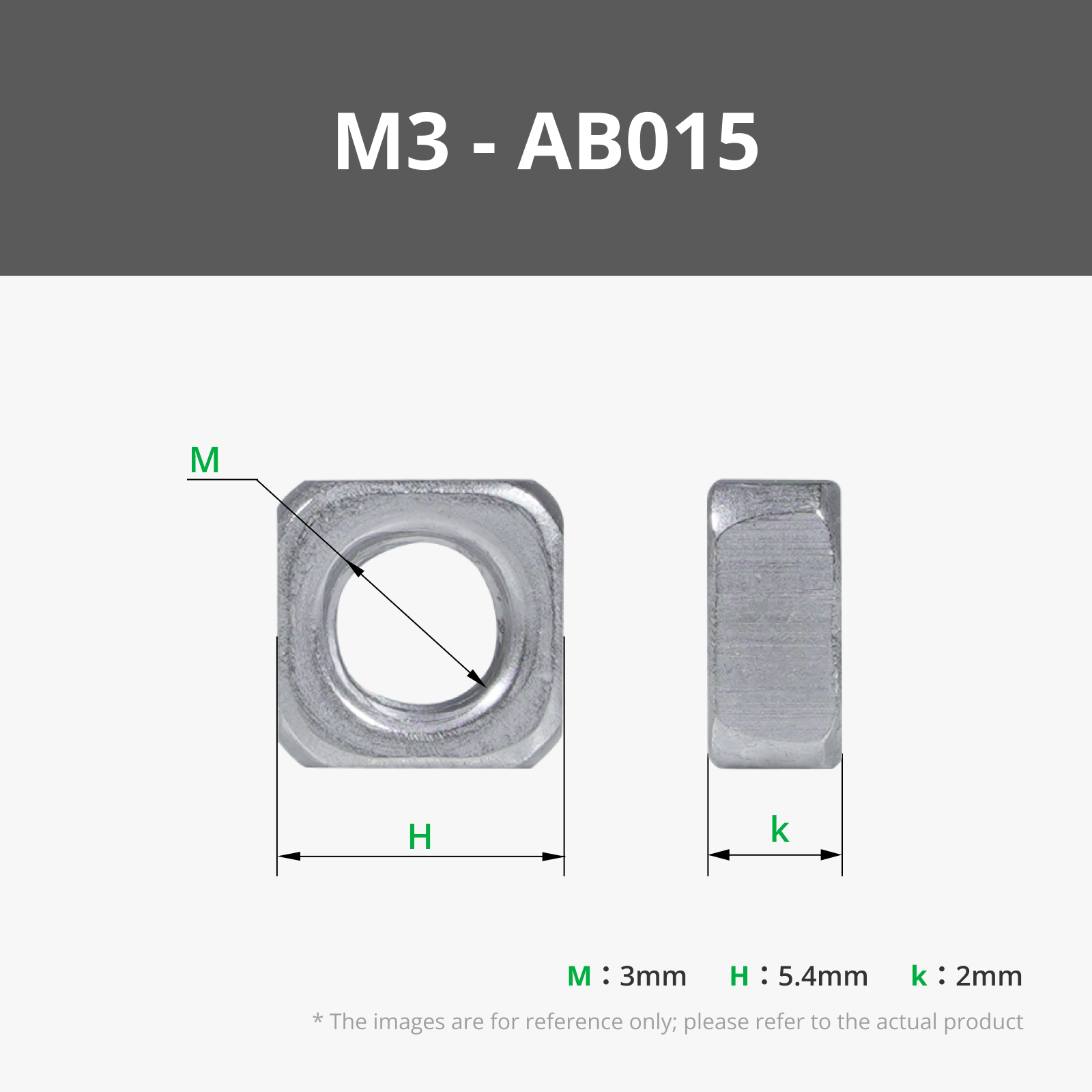
Please note that assembly requires four M3 square nuts, and four M3 SHCS screws of ~12mm or longer. The captive square nuts create a very strong connection with no risk of pull-through, minimal loosening, and avoid having to use threaded inserts before your press is assembled.
To manage the issue of heat, and creep from the clamping components, I used Bambu glass-filled ABS; I highly recommend using a similar material, or at least unfilled ABS/ASA. Don't use PLA here, it's inviting tragedy. The parts are small so I had no issues printing ABS/ASA components on a non-enclosed A1 (glass/carbon-filled filaments also help here!). The adapter attaches to the silicone-covered ‘hand grip’ on the iron, and the bare iron part never touches the adapter, so the heat hasn't been an issue yet; I'm considering inserting a metal ‘heat shield’ around the base of the iron, where it comes close to the adapter, to deflect more of the radiant heat that you'll be seeing there. I haven't tried leaving it on for hours yet to verify that it handles the heat creep without issue, so proceed with caution, and assume you should let the adapter cool down occasionally.
I like using support interface materials wherever possible, creates much cleaner and more precise supported surfaces, so I'm including a build that includes a plate optimized for printing with ABS/ASA and an interface filament.
License



Comment & Rating (18)