
Electrons Spin

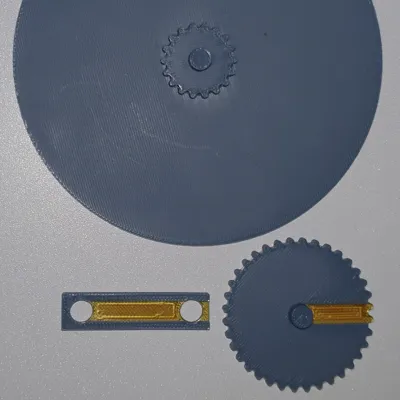
Print Profile(1)

Description
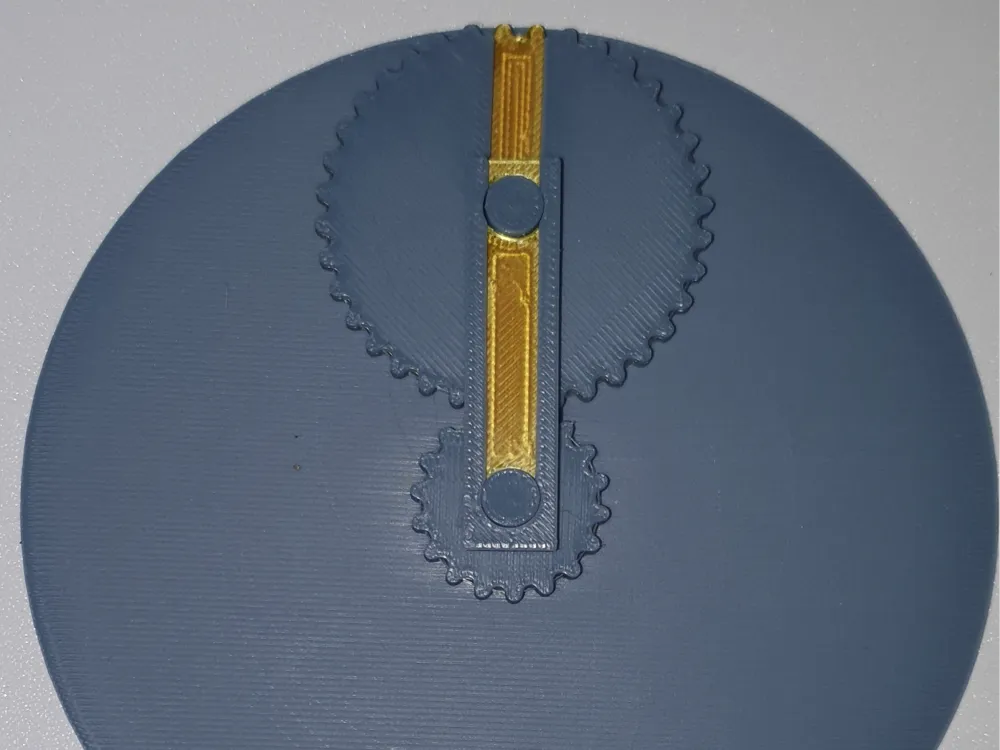
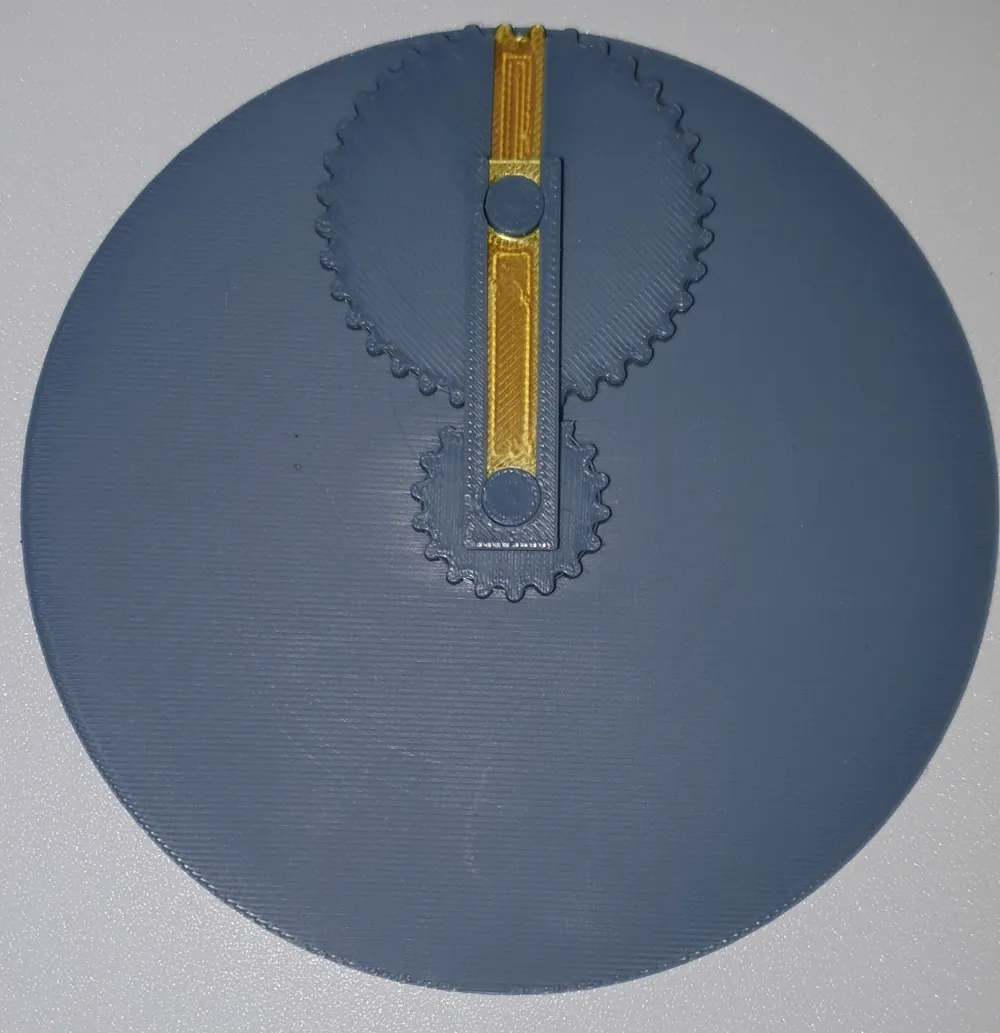
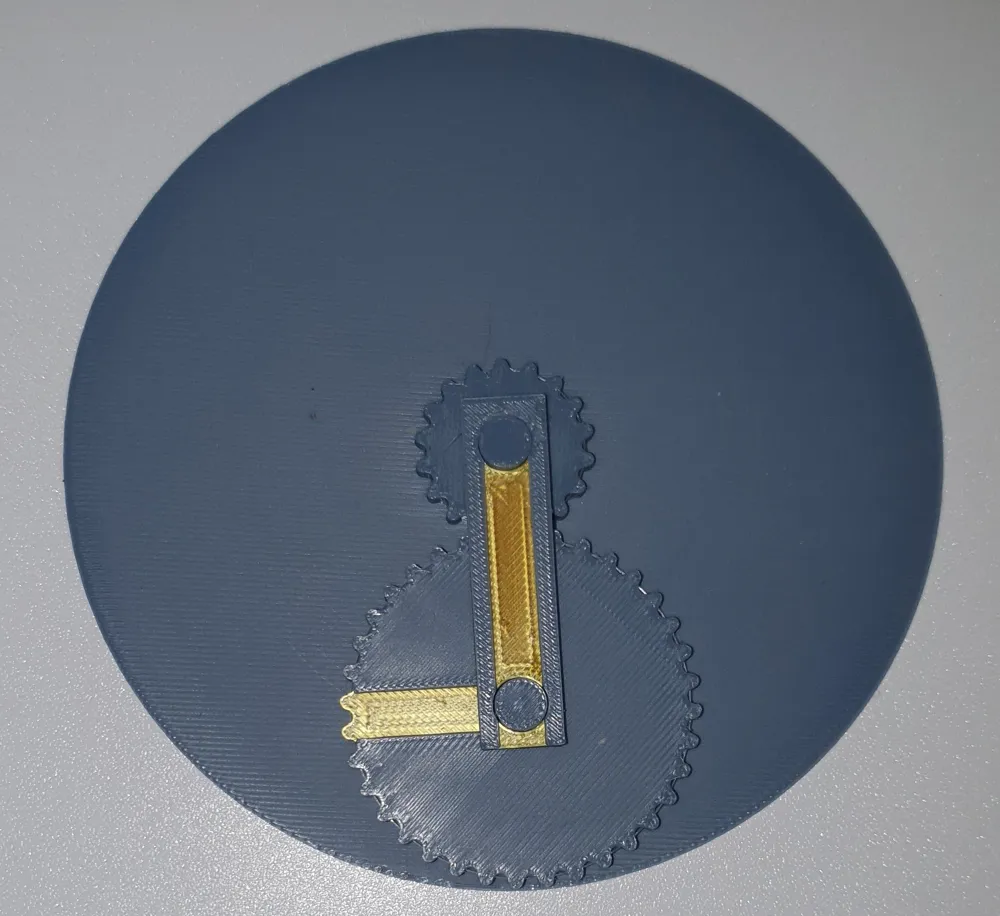
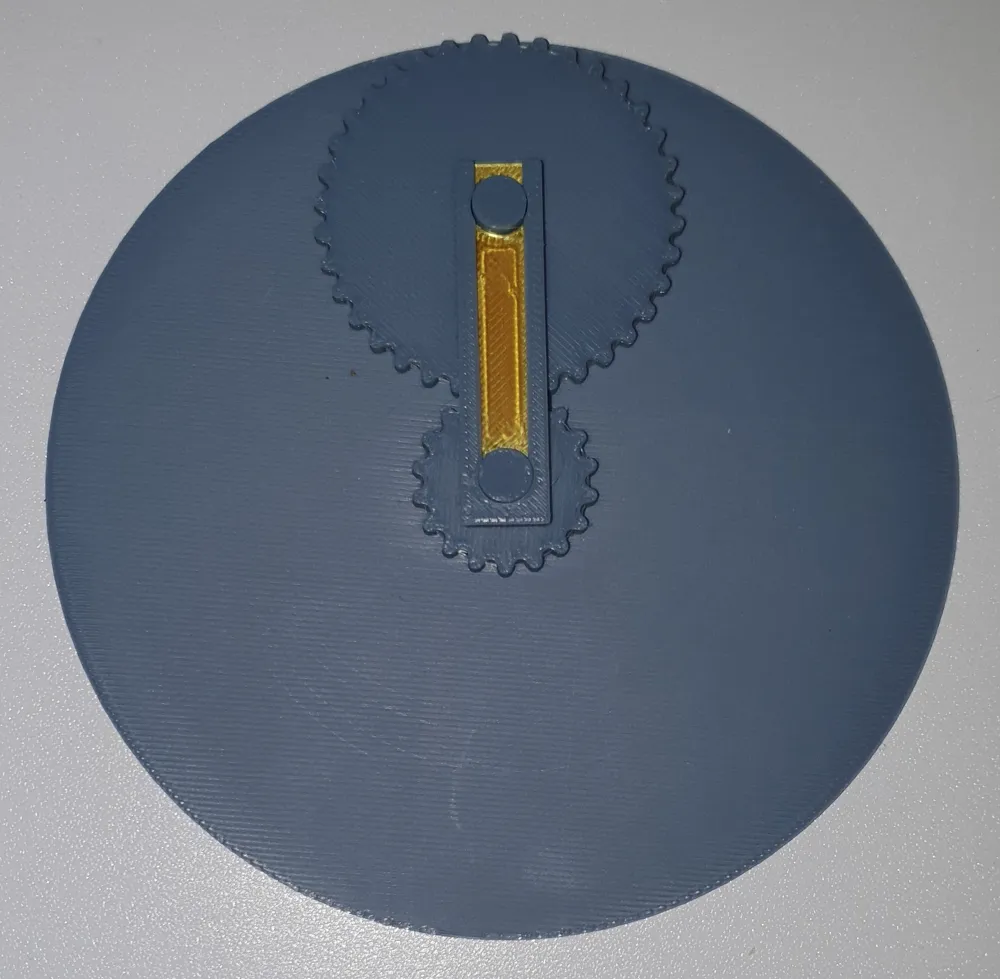
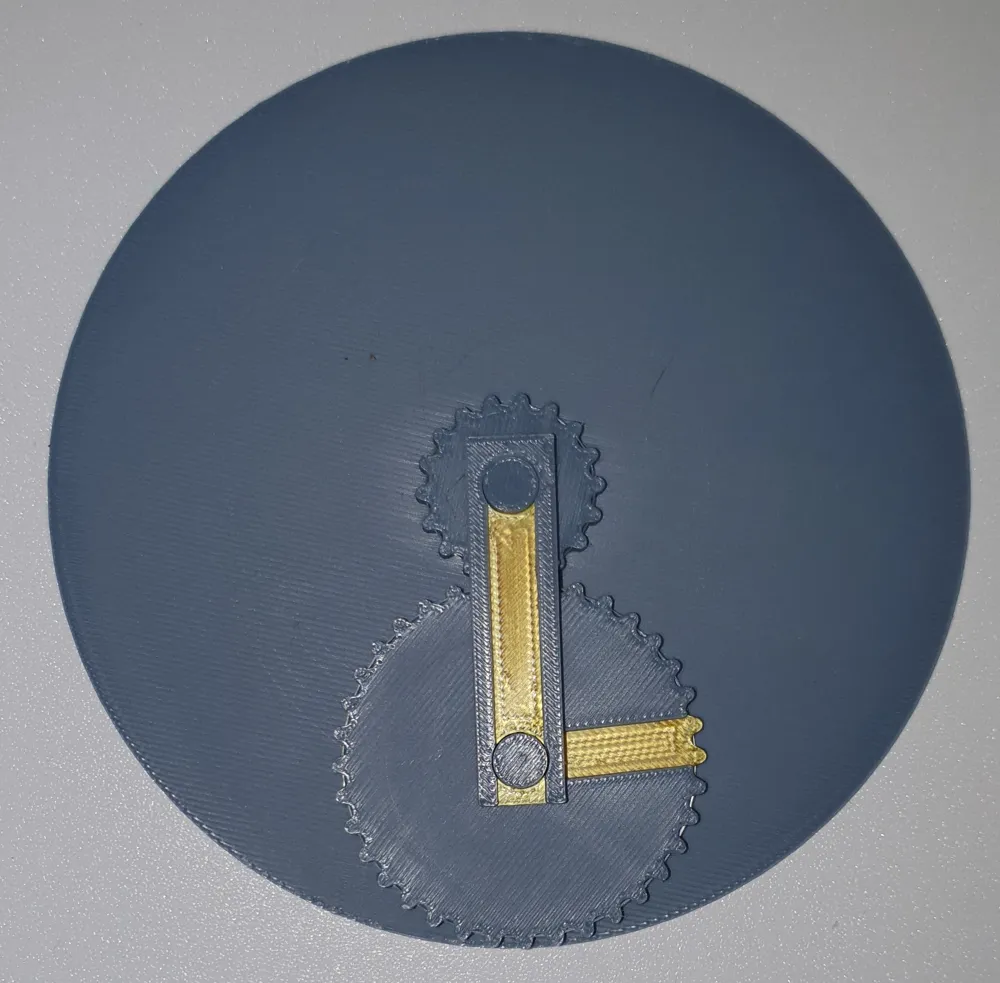
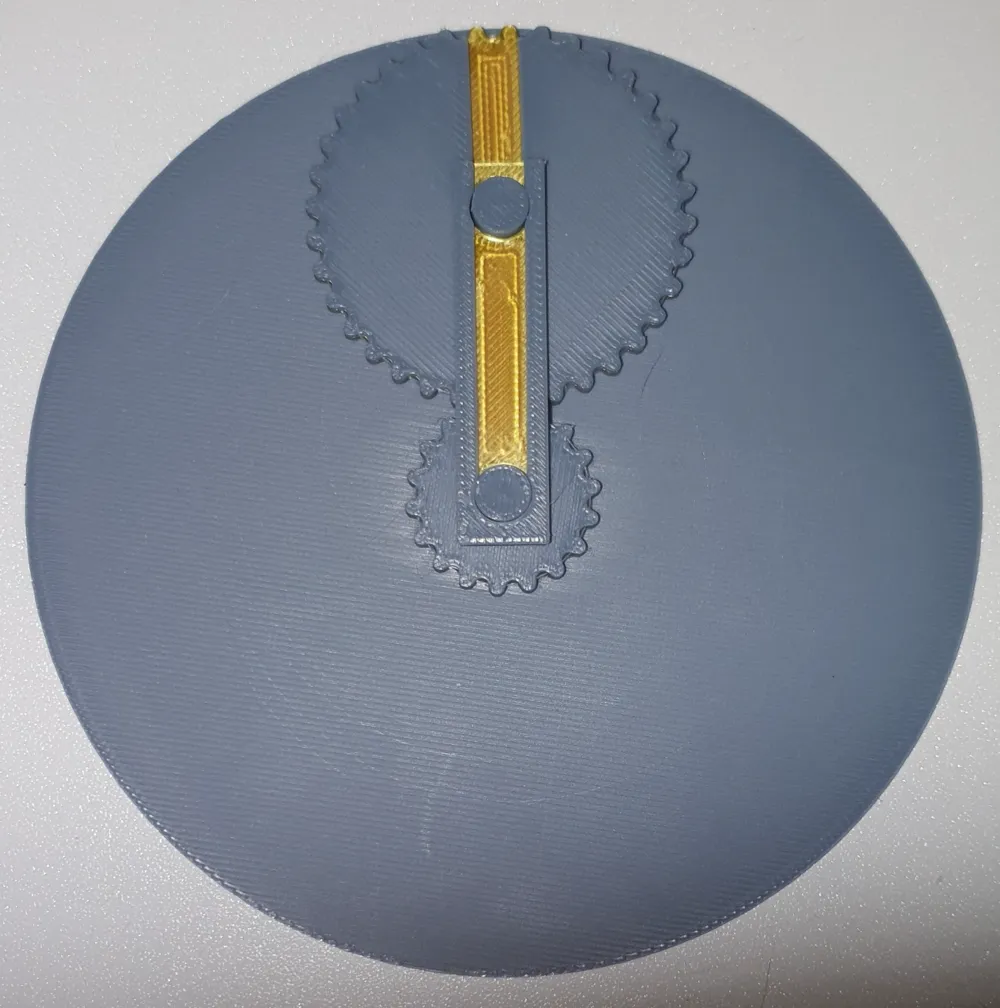
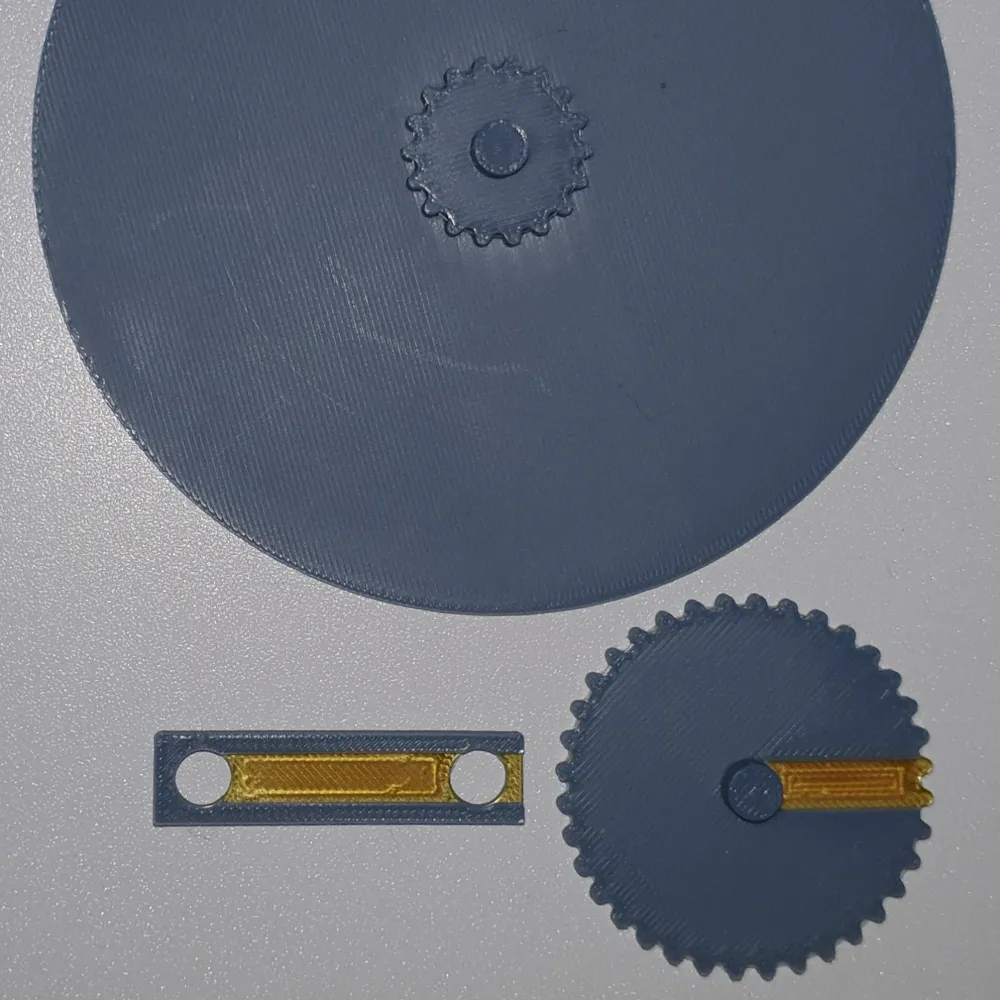
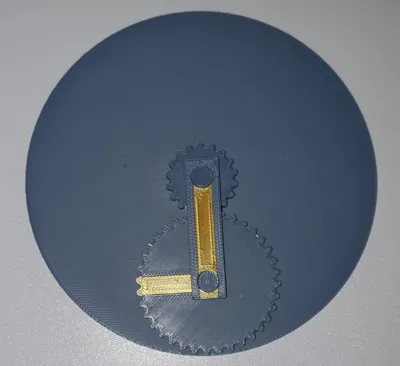
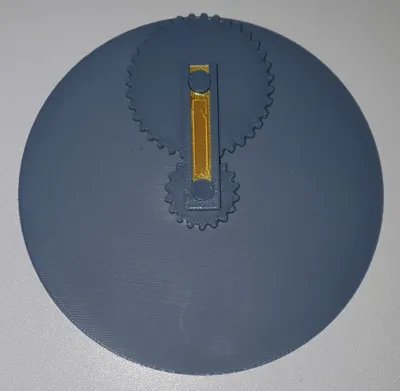
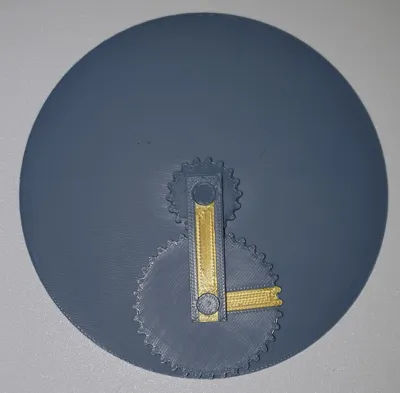
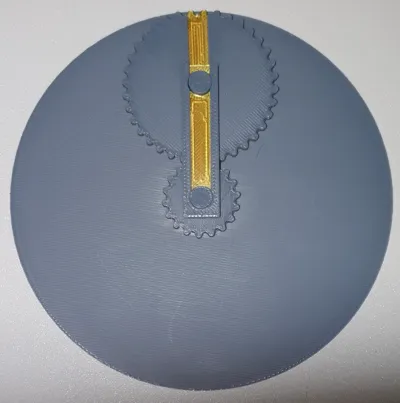
How can electron need two turns to get back in place ??
Spin is a fundamental property of particles like electrons, protons, and neutrons, which is an intrinsic form of angular momentum. In quantum mechanics, spin isn’t a literal spinning motion, but rather an abstract quantity that describes the intrinsic magnetic moment and other characteristics of particles. 🌀
Think of spin as a quantum version of angular momentum. Just like a rotating object in classical mechanics has angular momentum, particles like electrons have "spin angular momentum." However, unlike classical objects, spin doesn't correspond to actual rotation in space. Instead, it’s an intrinsic property that influences how particles interact with magnetic fields and other quantum effects. ⚛️
Why do electrons have a spin of 1/2? 🤔
The value of an electron's spin is 1/2, which is a quantum number. Spin can only take on certain discrete values, and for particles like electrons, the spin is quantized — it can only be multiples of 1/2. This is called spin-1/2. 🧑🔬
In technical terms, the spin quantum number (denoted ss) for an electron is 1/2, which means it can be in one of two possible states: spin-up (+1/2) or spin-down (-1/2) when measured along a given axis (typically the z-axis in experiments). 🔼🔽
Why 1/2? 🤷♂️
This value of 1/2 is a fundamental property of fermions (particles like electrons, protons, and neutrons). Fermions obey the Pauli exclusion principle, which says that no two fermions can occupy the same quantum state at the same time. The spin-1/2 nature of electrons helps explain their role in atoms and the structure of matter. 🏛️
The electron’s spin of 1/2 is an essential feature of its quantum properties, emerging from the symmetries in quantum mechanics, specifically those associated with the weak interaction. 💡
In summary:
- Spin is intrinsic angular momentum, not physical rotation. 🔄
- Electrons have spin-1/2, so they can be in one of two spin states: +1/2 or -1/2. ✨
- This spin value is fundamental to the behavior of fermions and their role in quantum mechanics. 🌌
License

You shall not share, sub-license, sell, rent, host, transfer, or distribute in any way the digital or 3D printed versions of this object, nor any other derivative work of this object in its digital or physical format (including - but not limited to - remixes of this object, and hosting on other digital platforms). The objects may not be used without permission in any way whatsoever in which you charge money, or collect fees.


Comment & Rating (1)