
Atomic Orbital Set


Print Profile(2)


Description
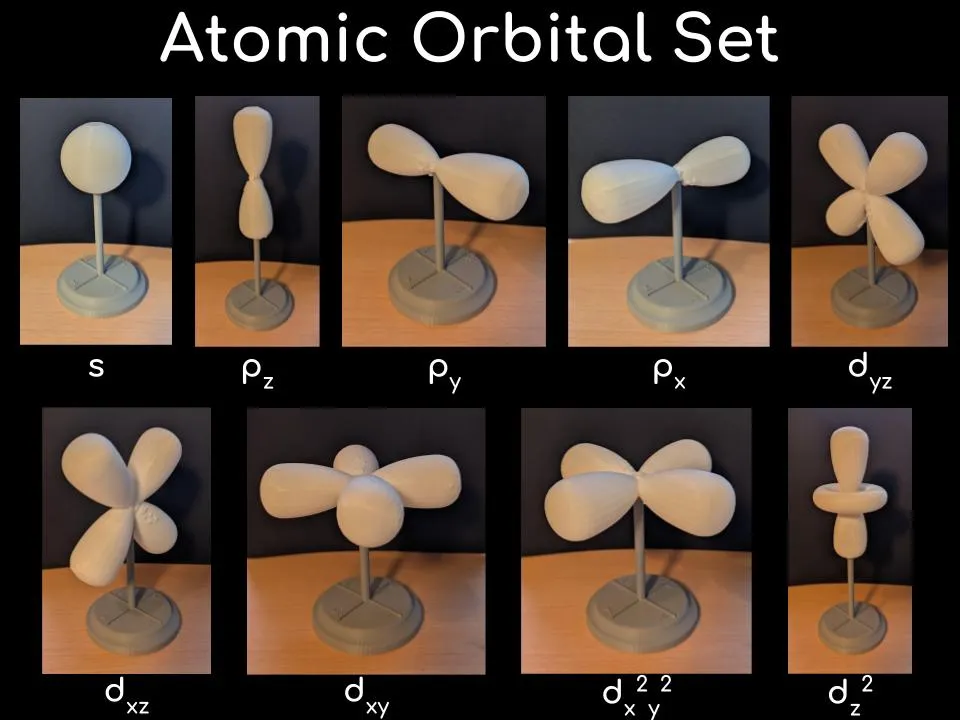
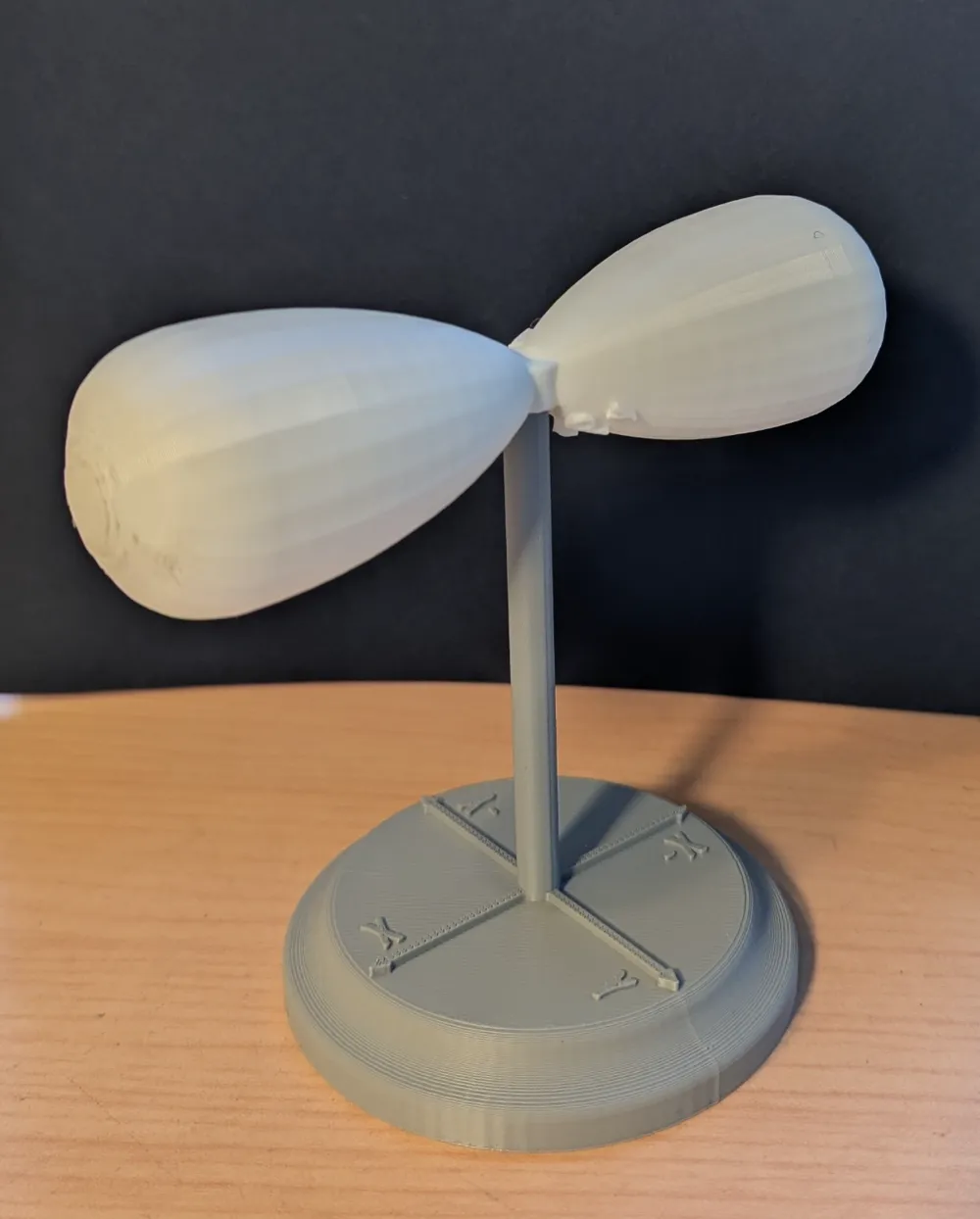
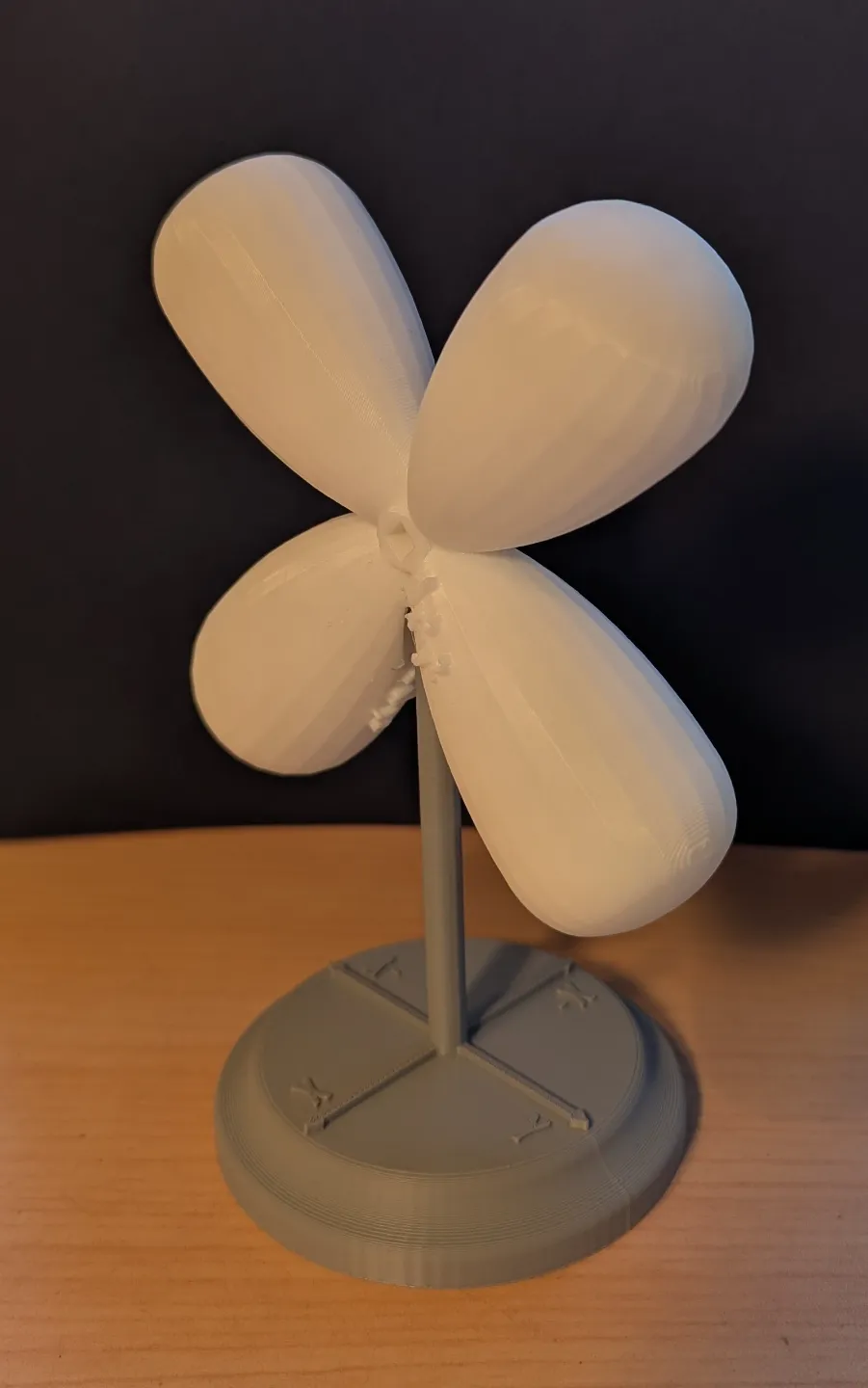
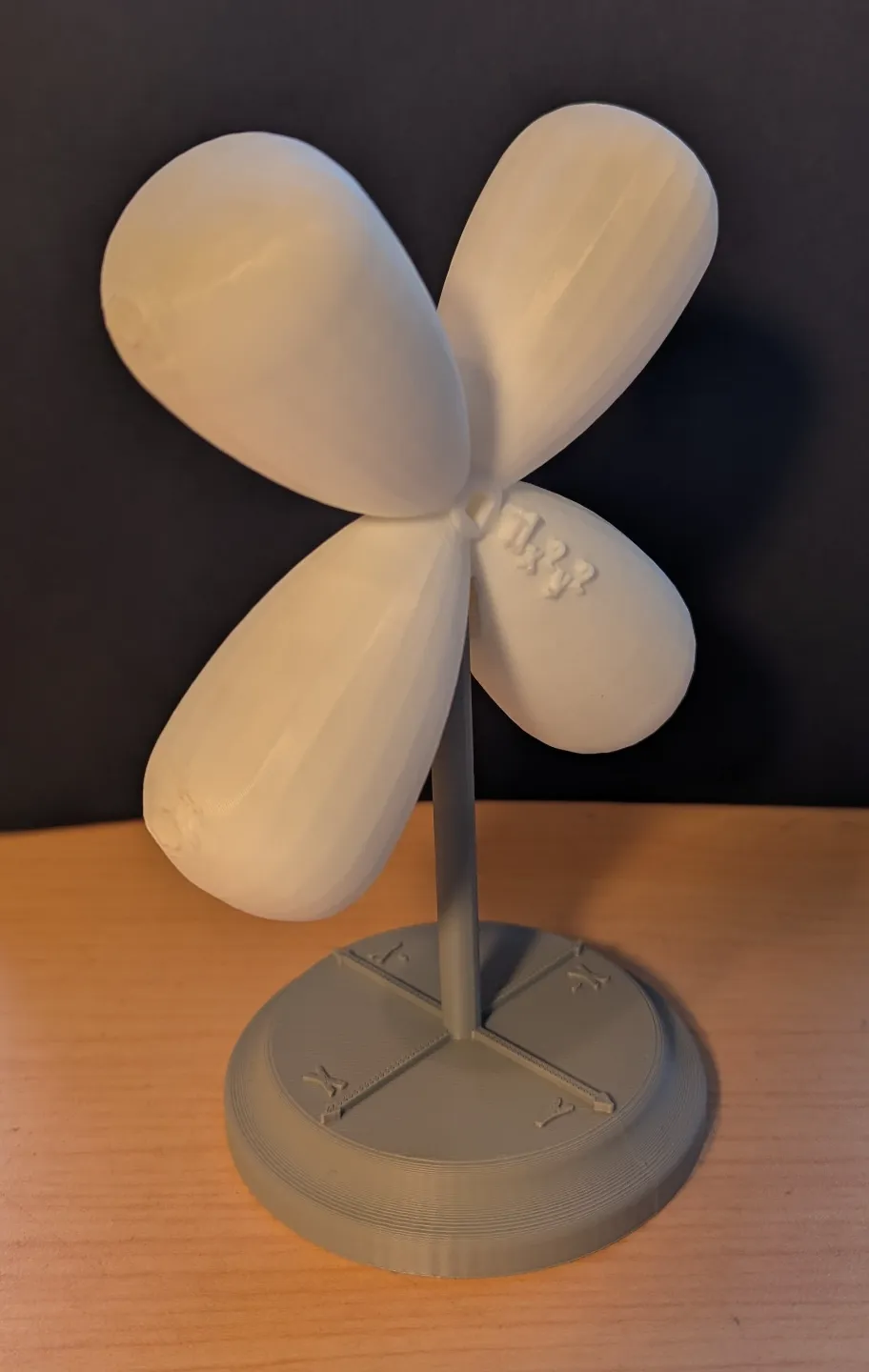
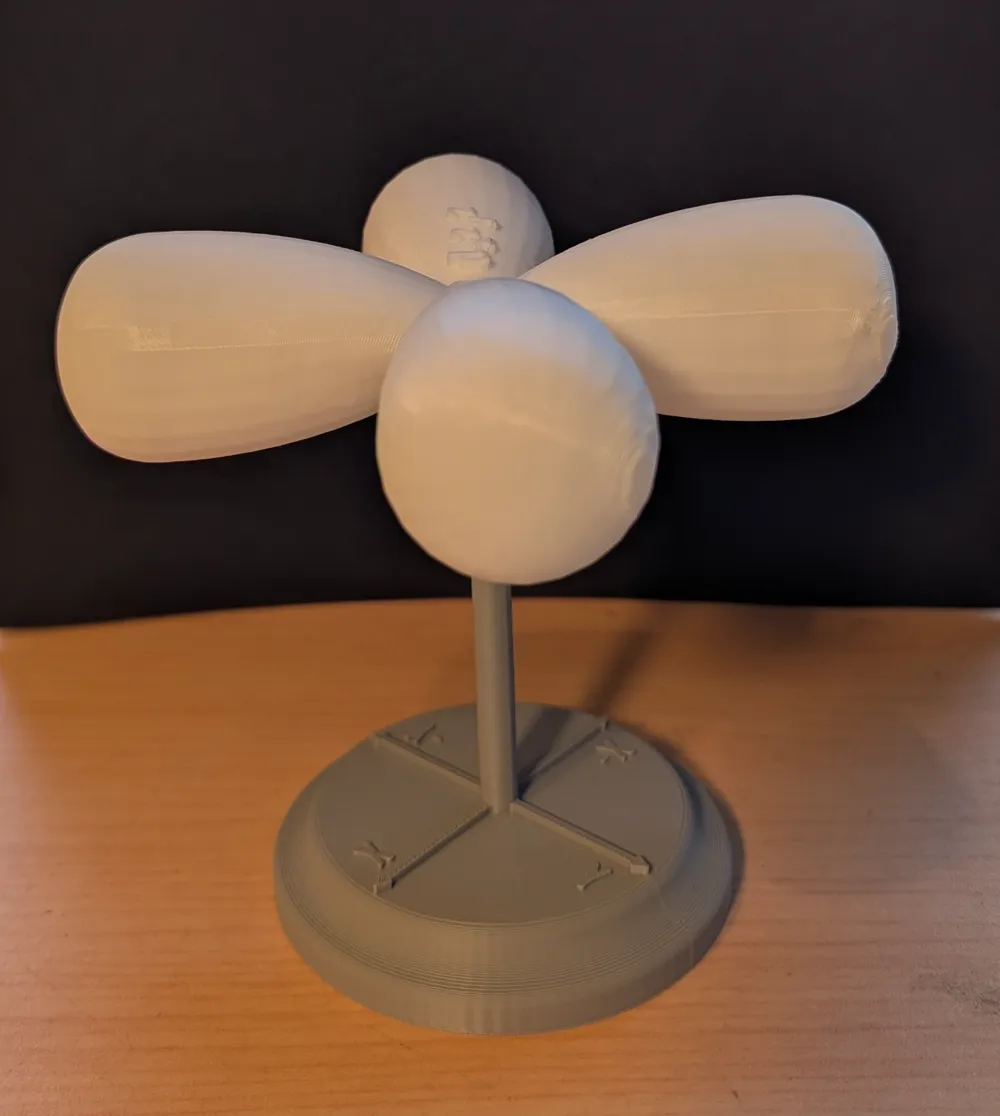
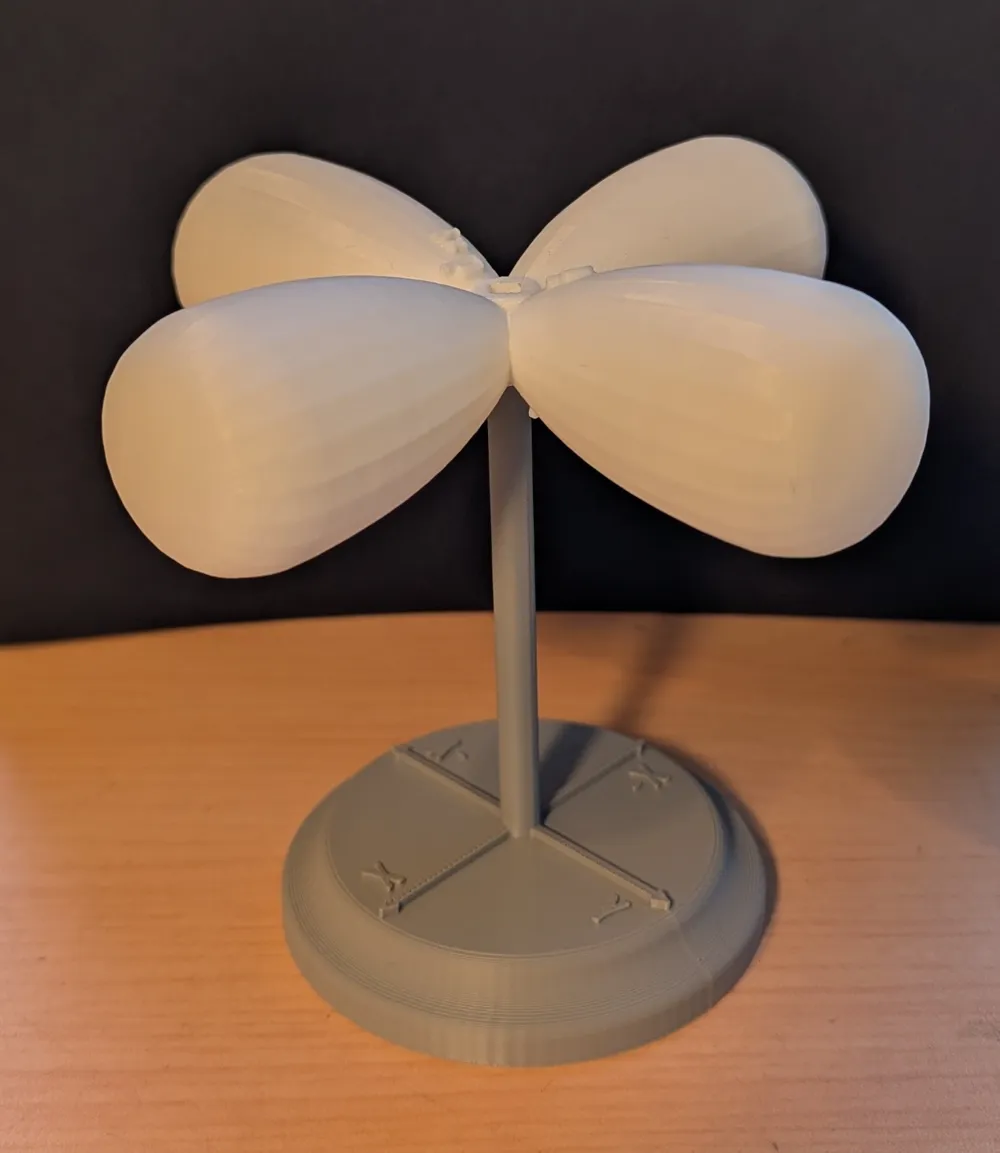
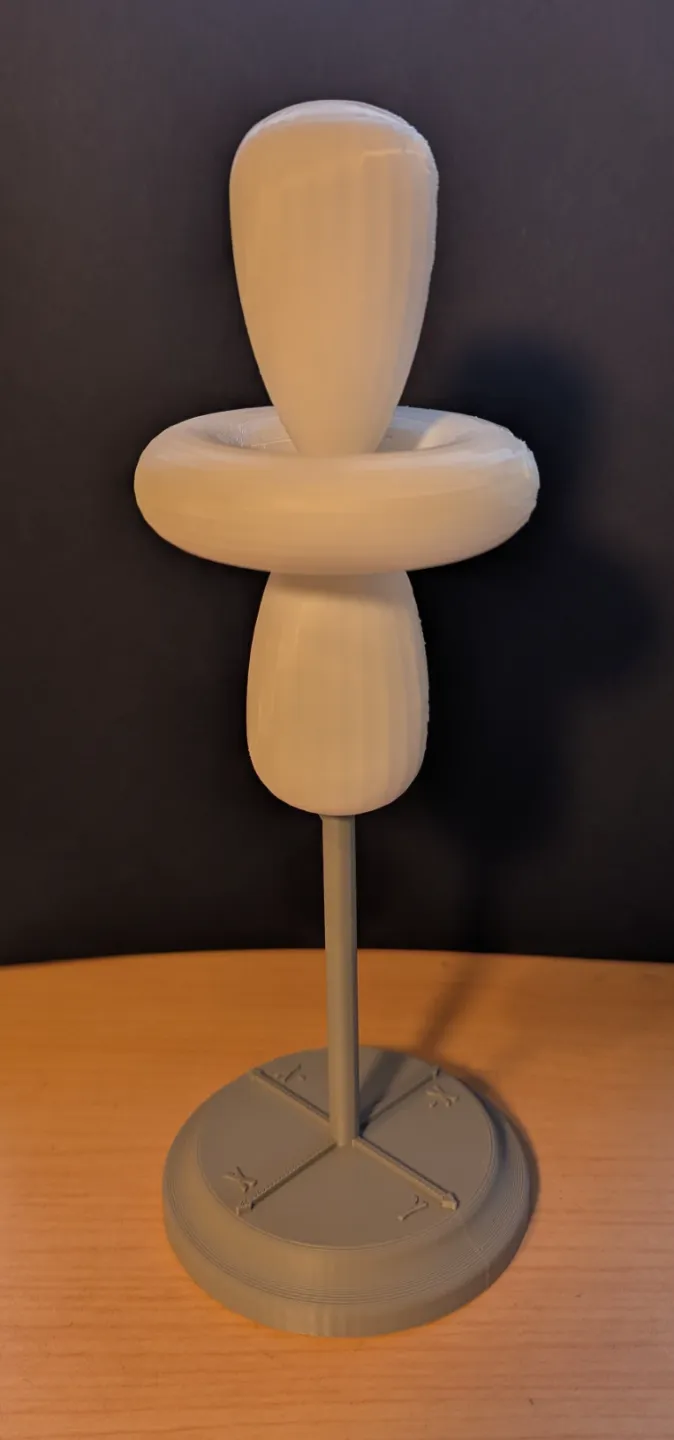
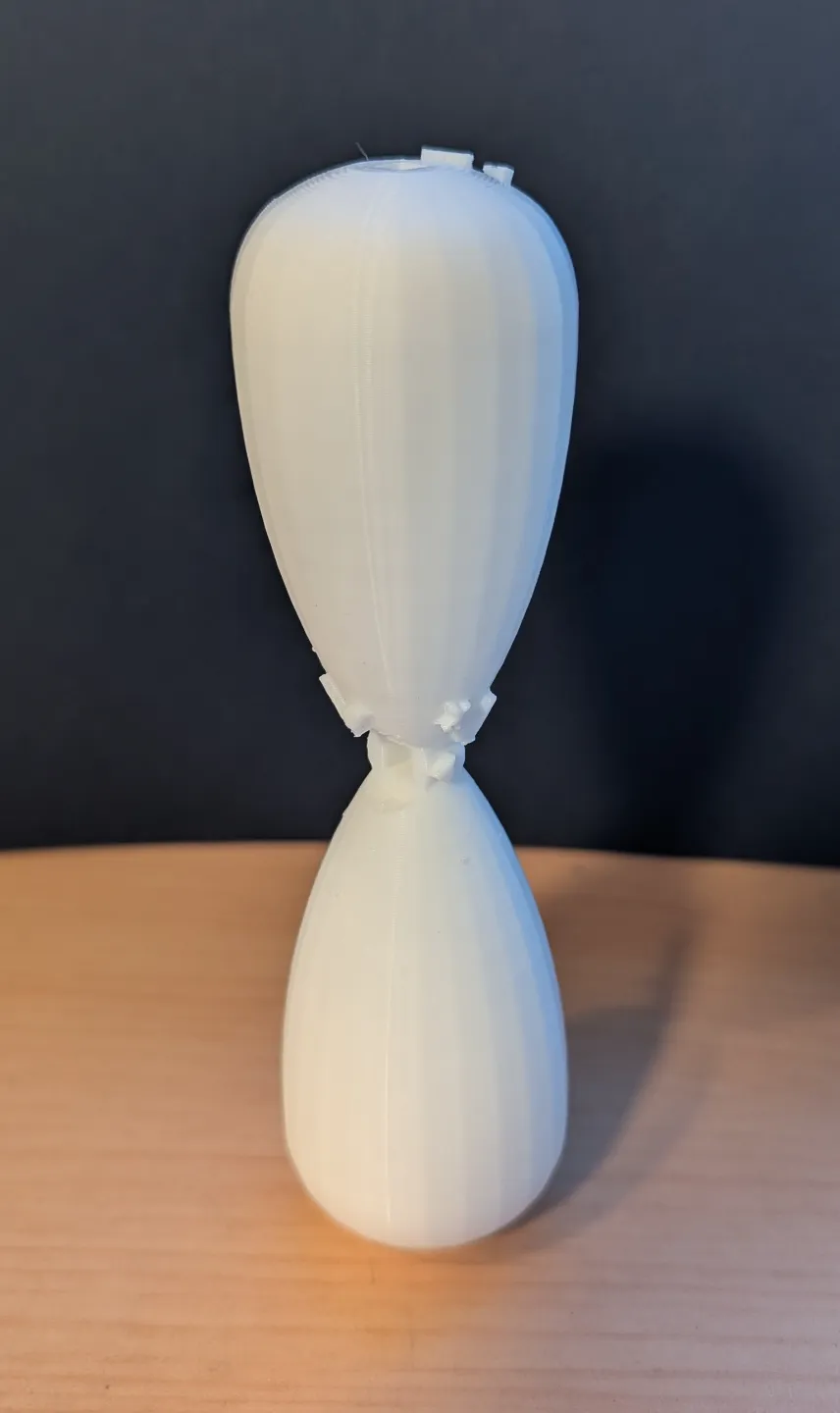
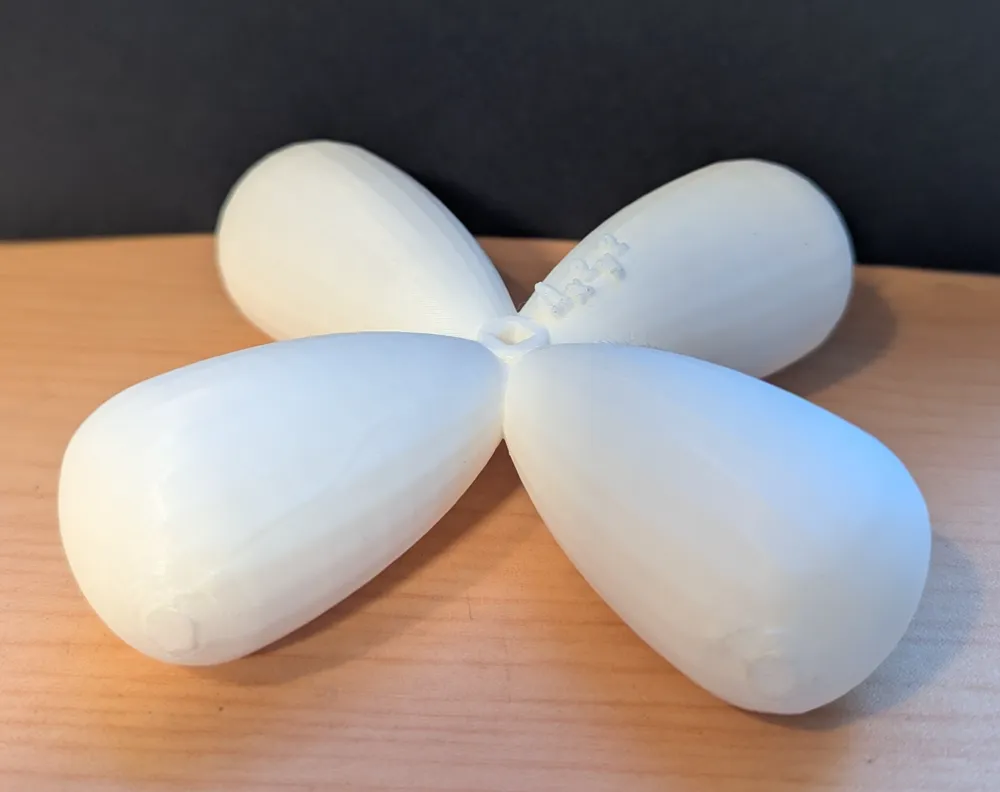
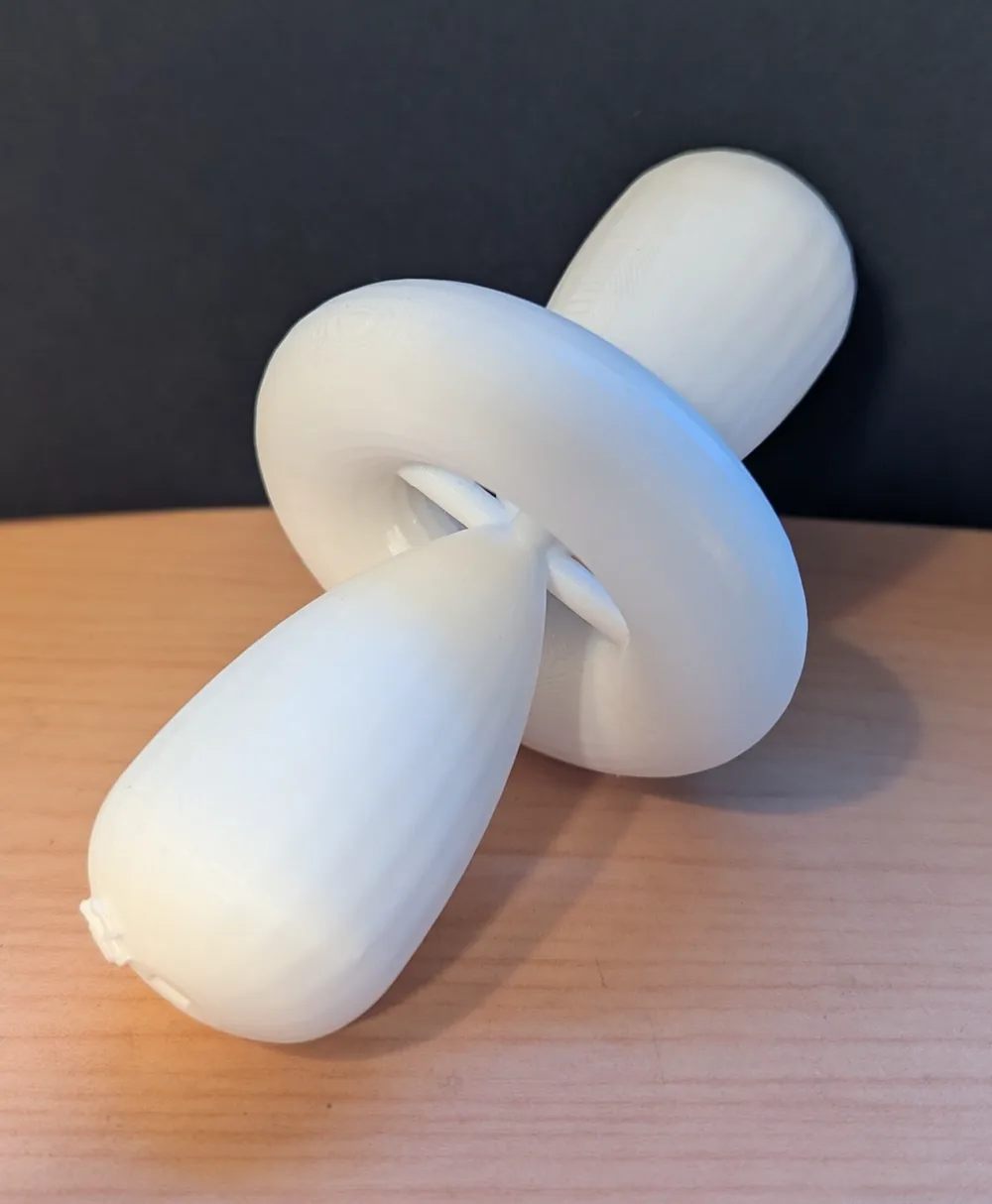
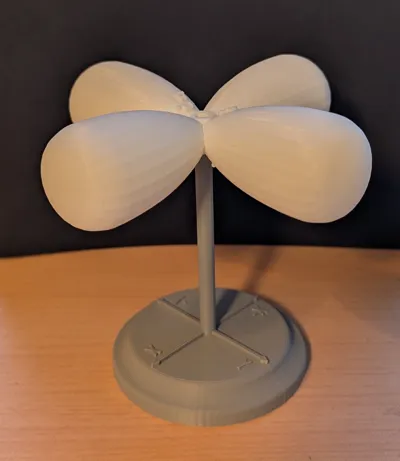
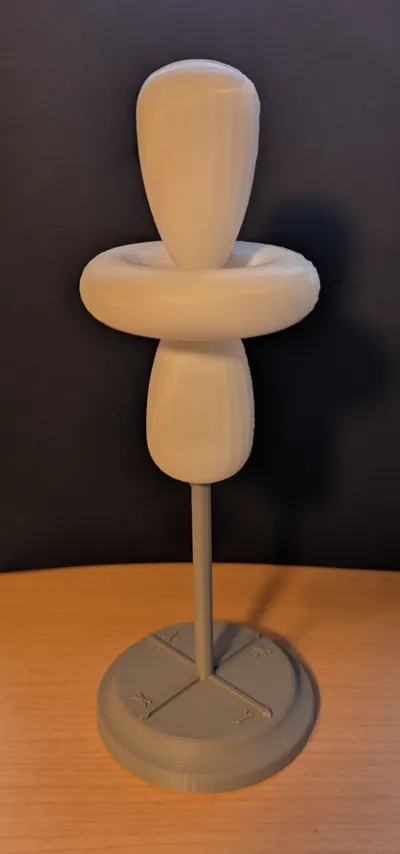
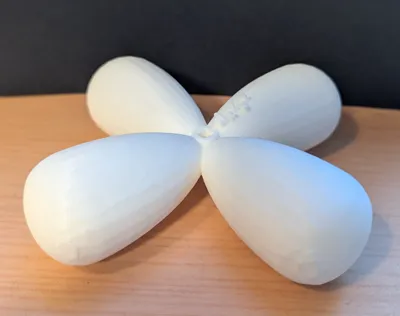
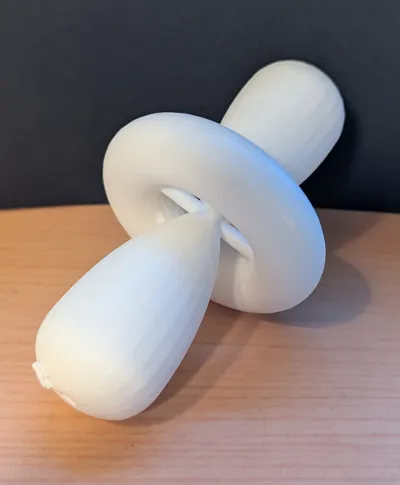
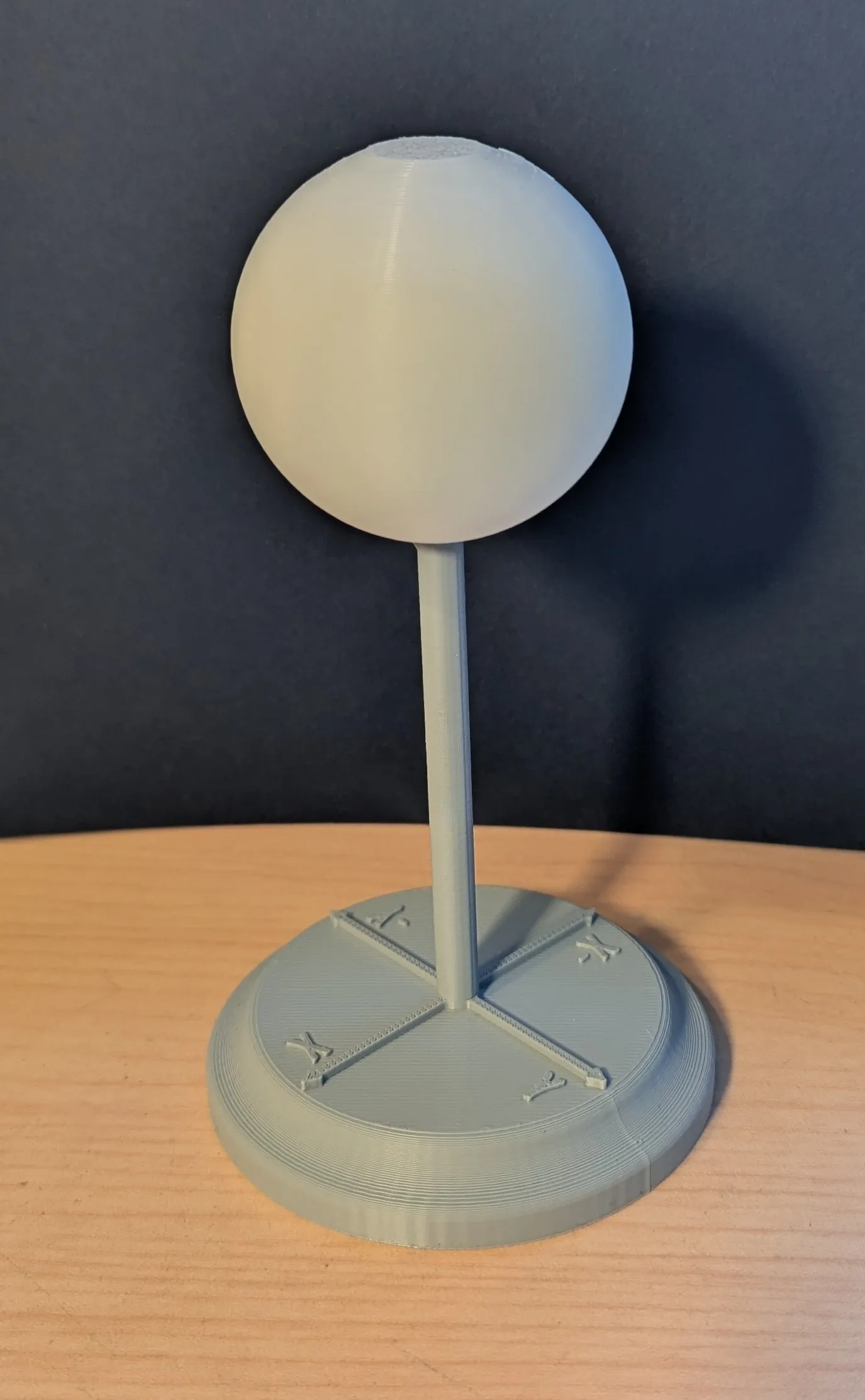
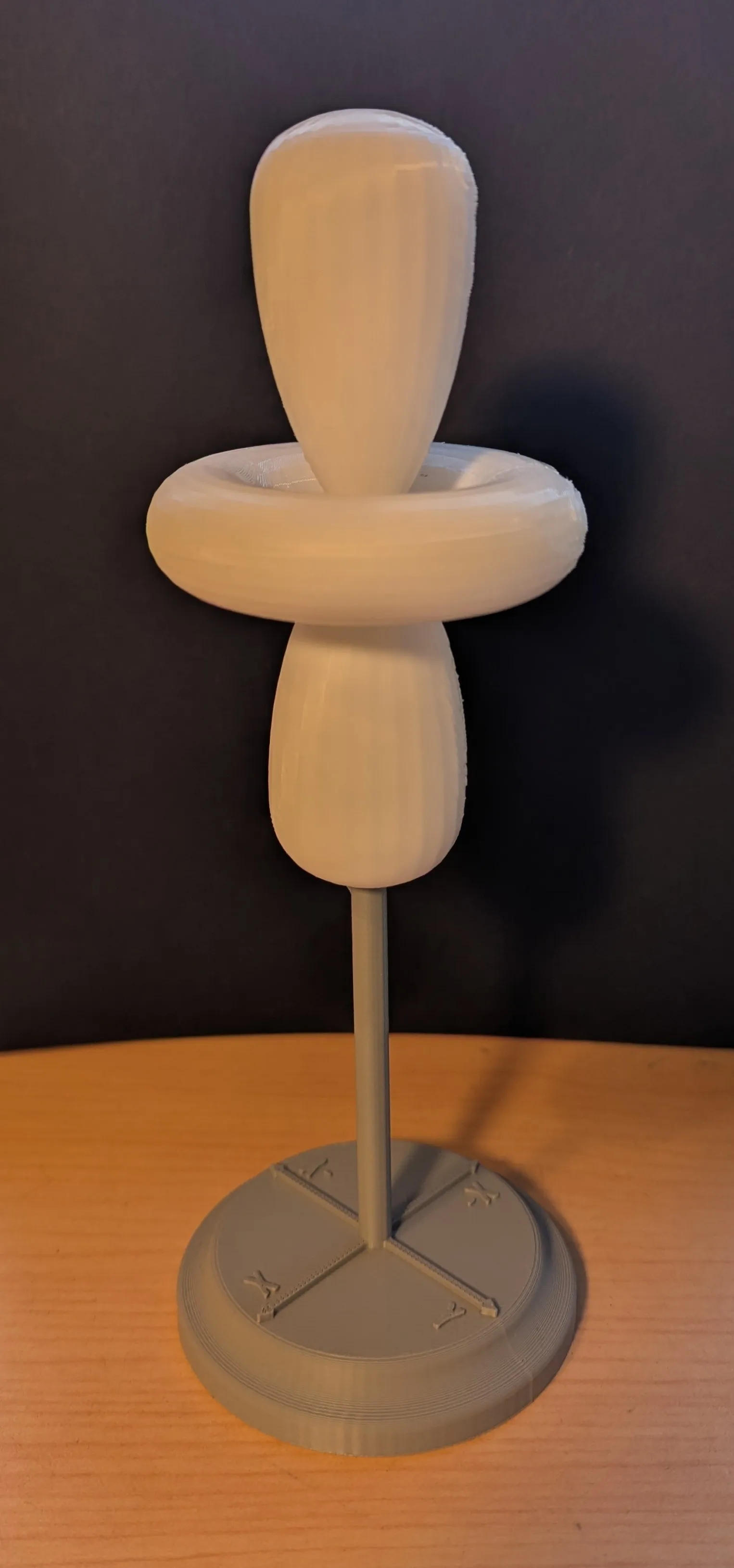
This is a 3D physical model of the atomic orbitals for s, p, and d subshells. Using a universal stand, and four attachment pieces, this set can represent all 9 atomic orbital shapes for the first three subshells. This set is ideal for chemistry teachers at the high school or college level to have a physical representation of the abstract ideas of electron configurations. This set has the shapes that are currently widely accepted as the general configuration for electrons.
Printed Parts
| Part | Image |
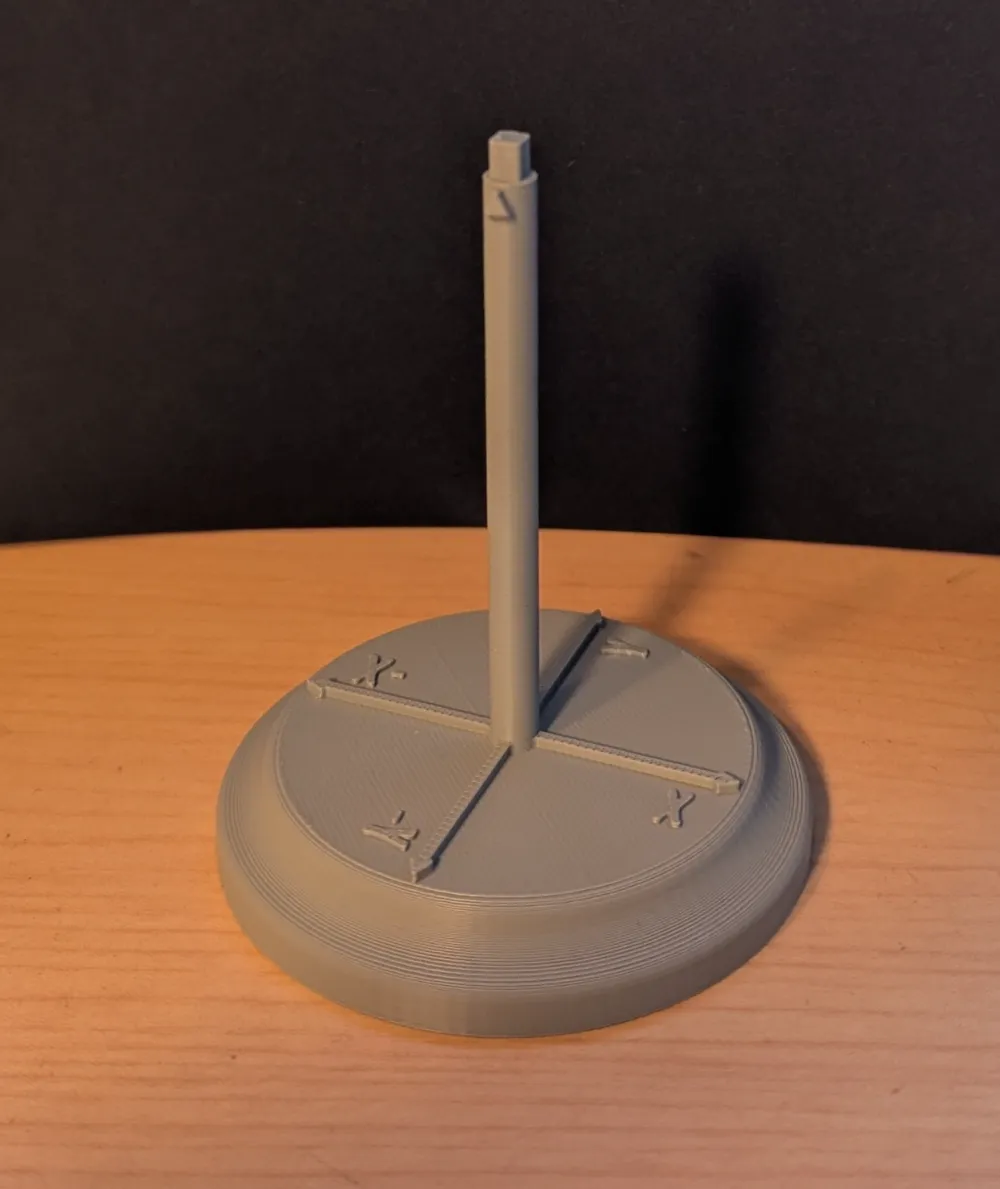
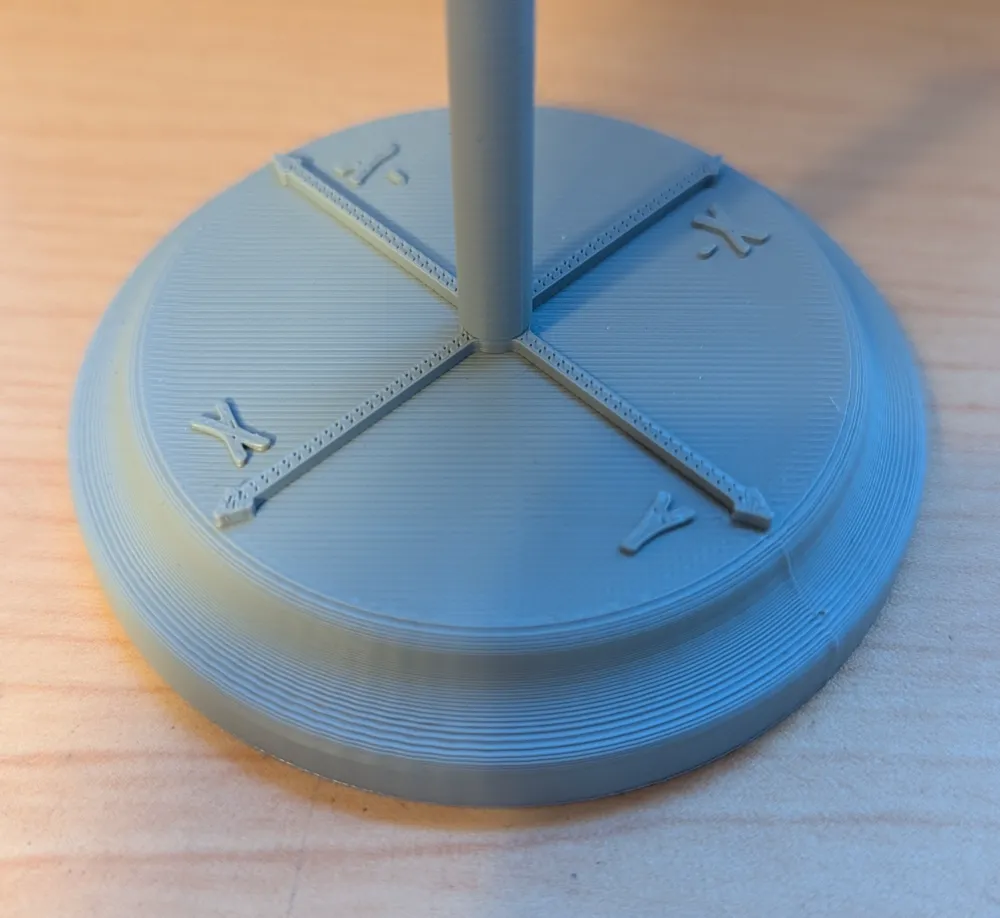
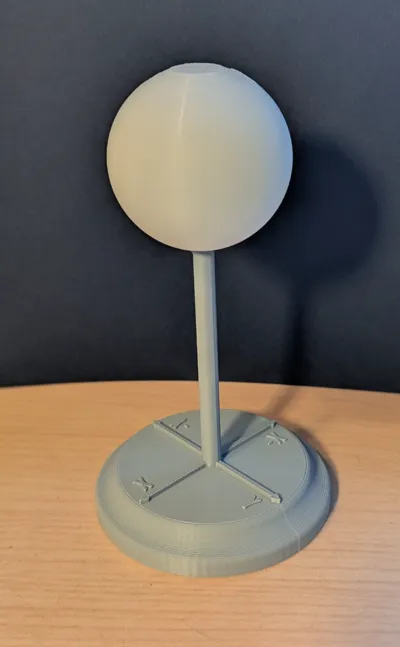
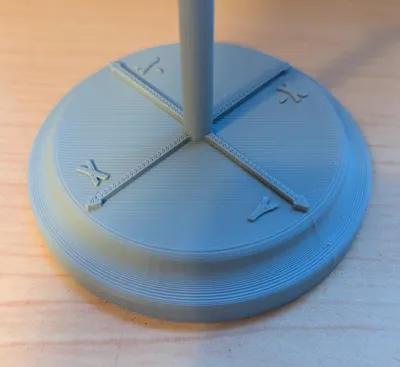
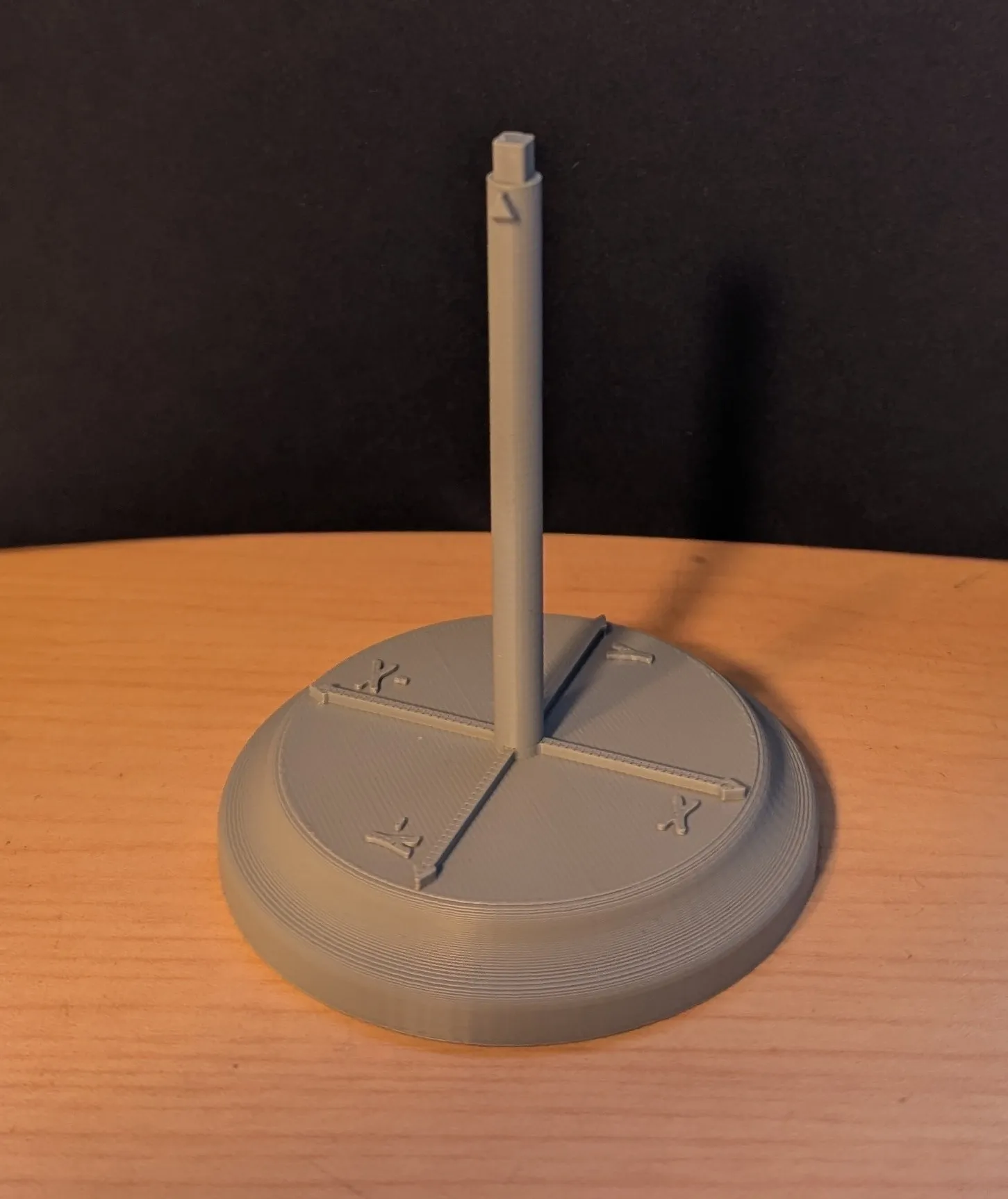
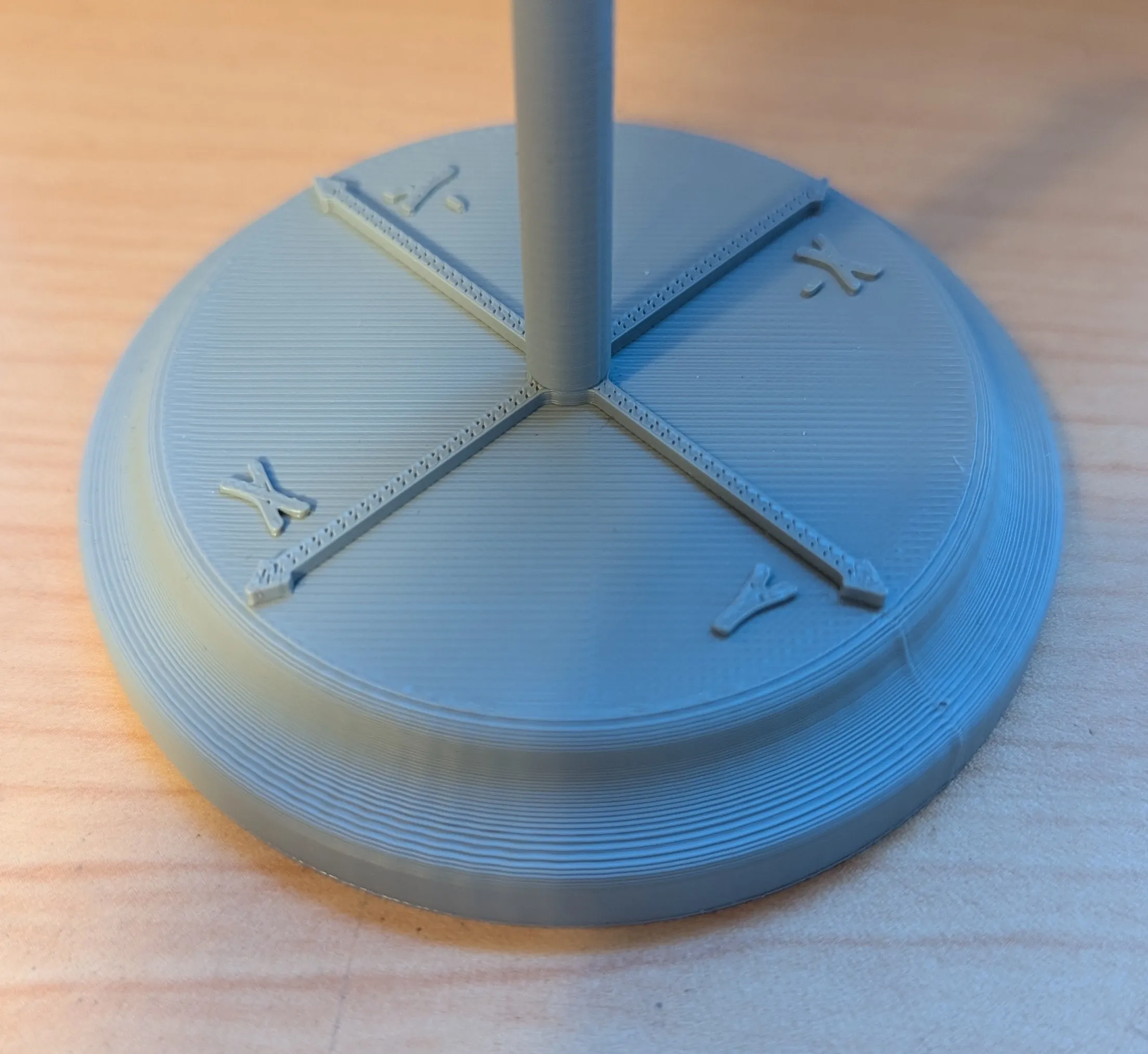
Stand: Used to mount all other parts. The square peg on top fits into square holes on other parts. Axes on the base show positive x and y while the central rod represents z. |
|
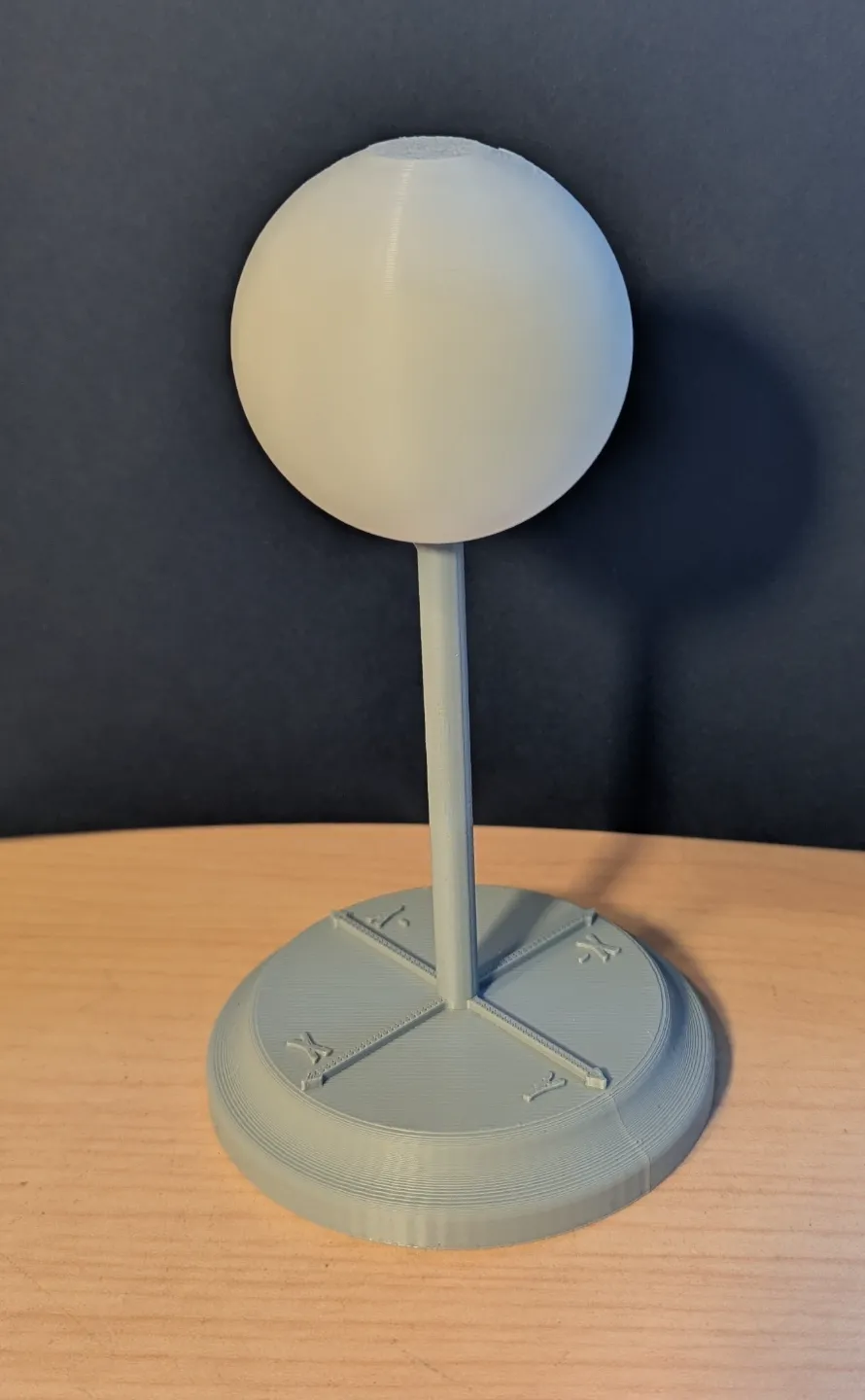
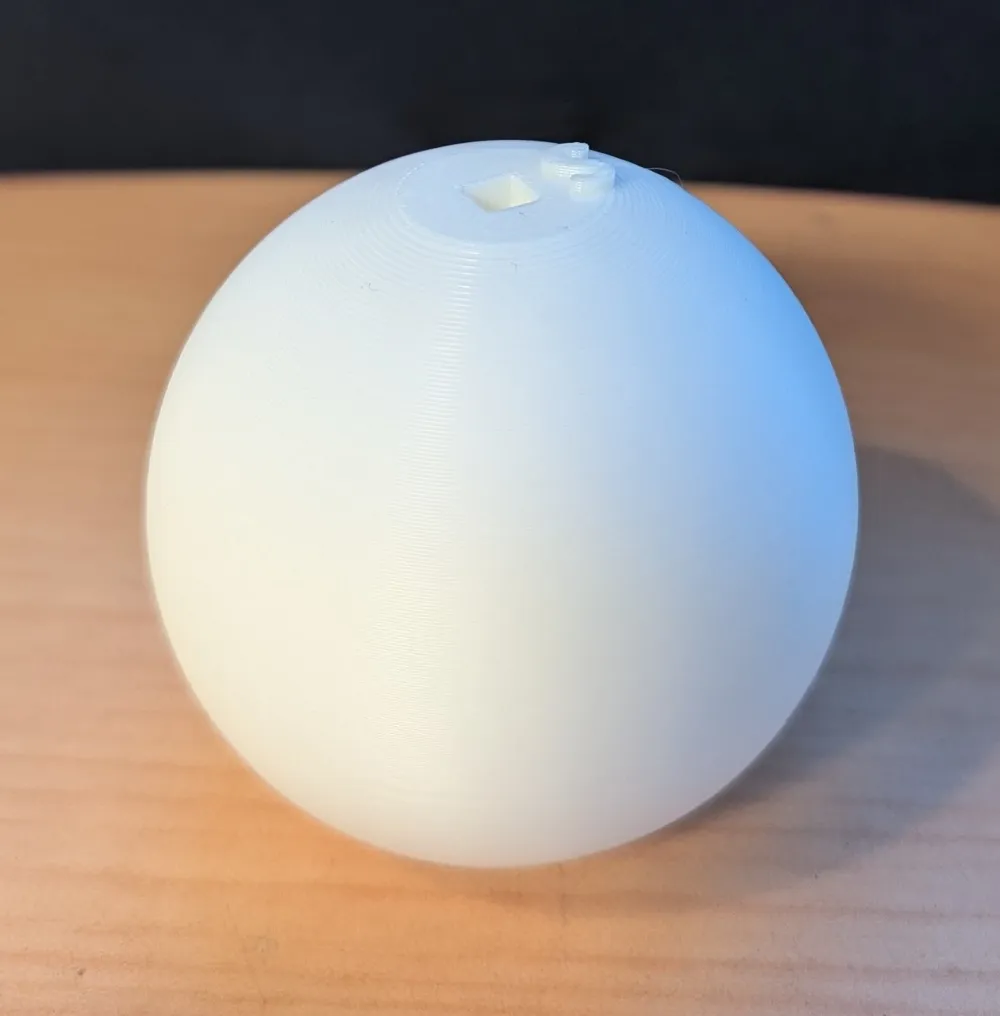
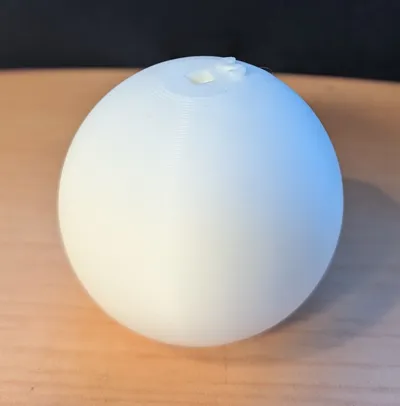
S Orbital: This part is used to represent the s orbital/subshell. It is labelled with an s next to the hole used to mount it to the stand | 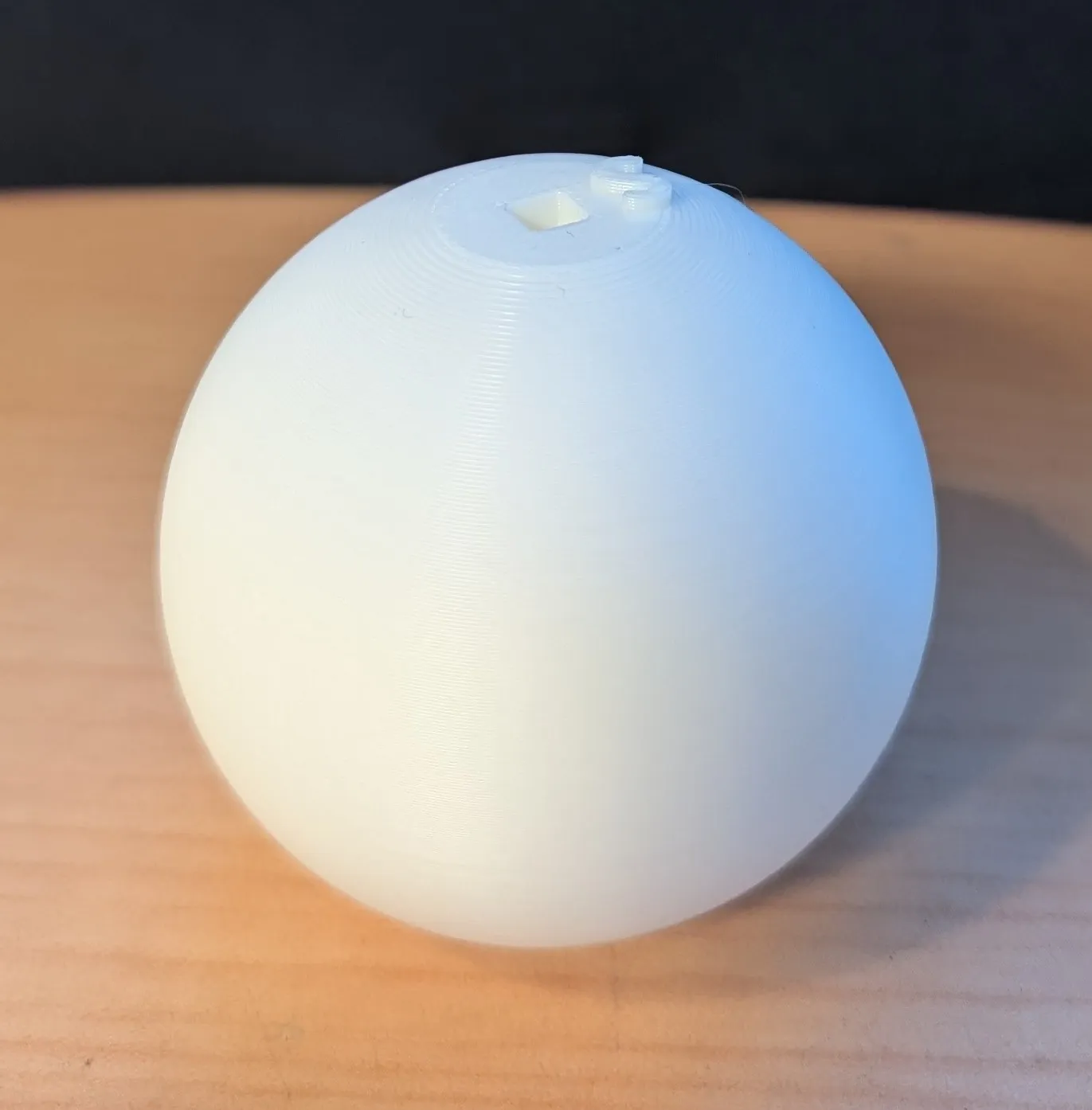
|
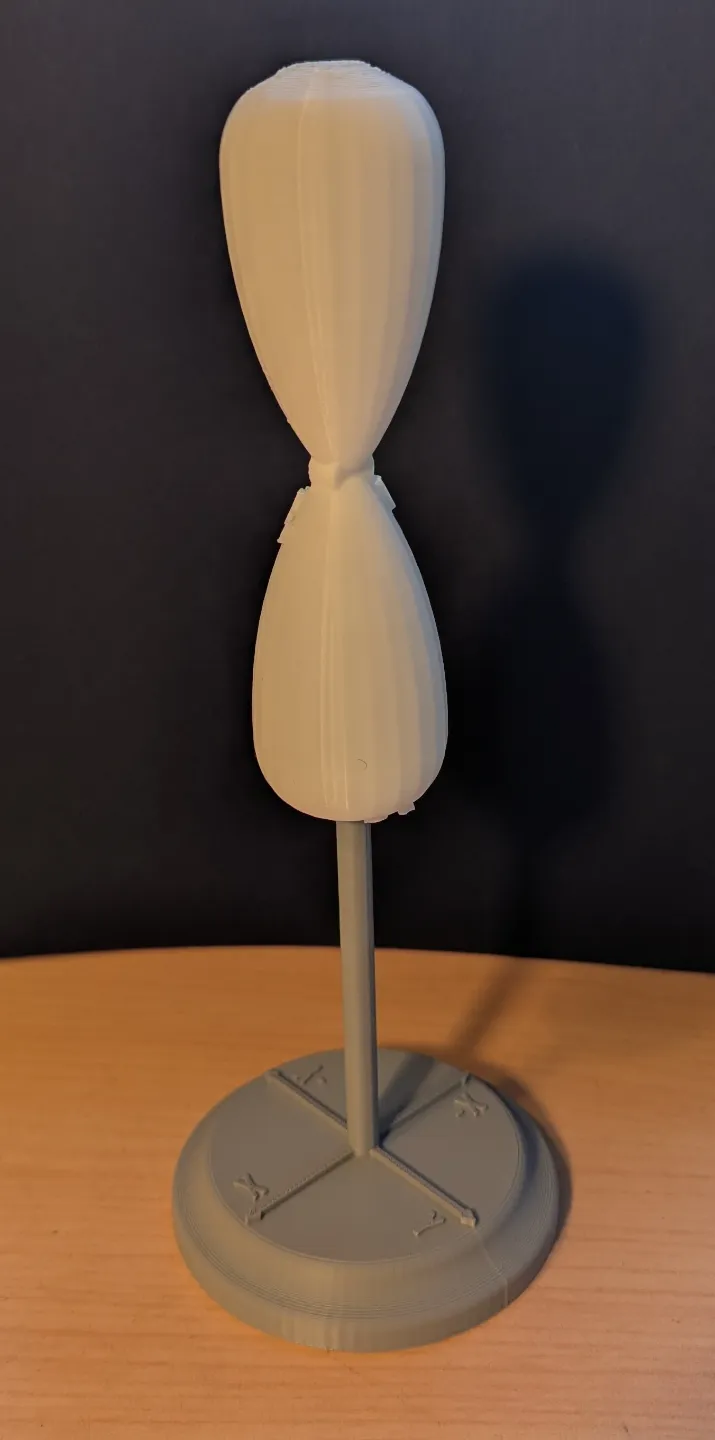
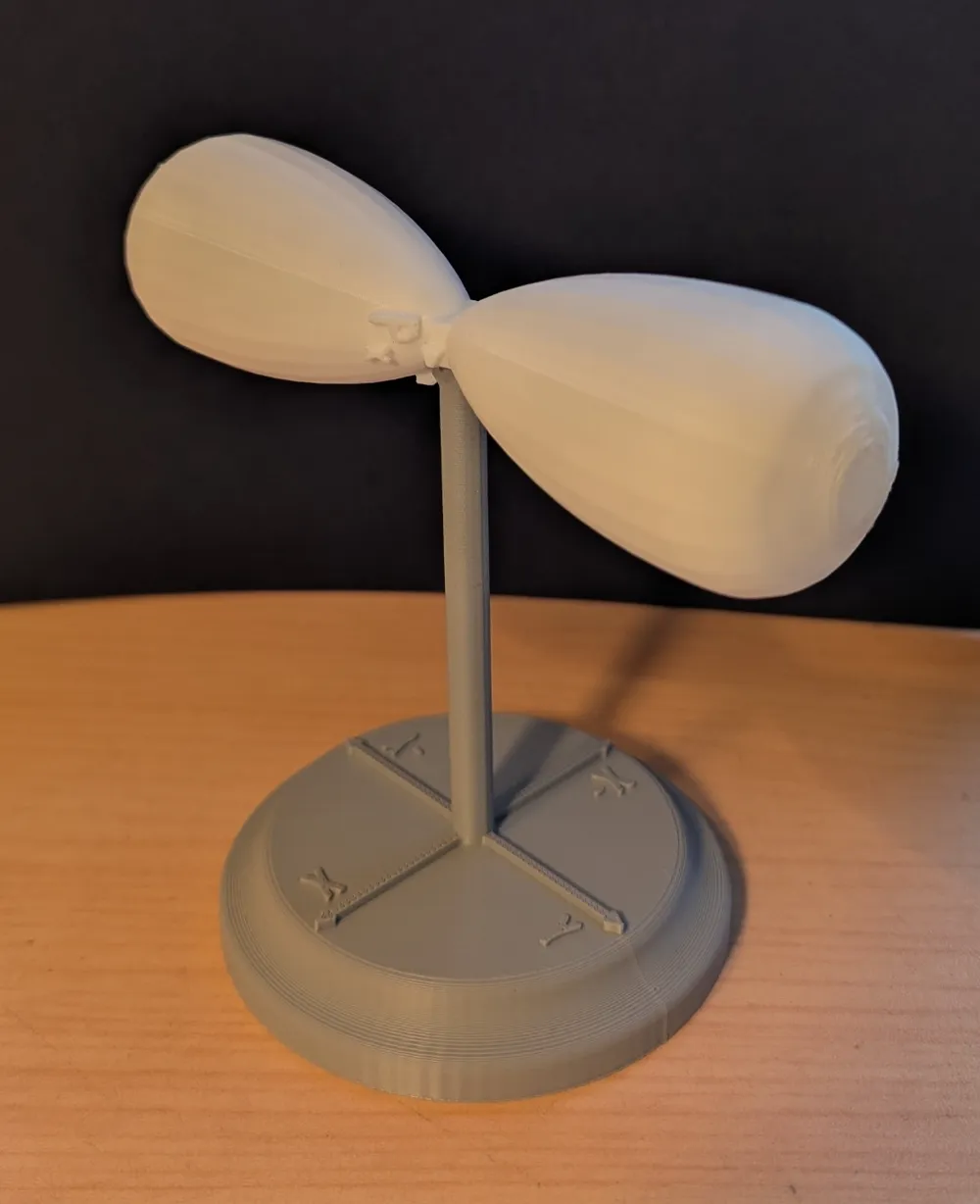
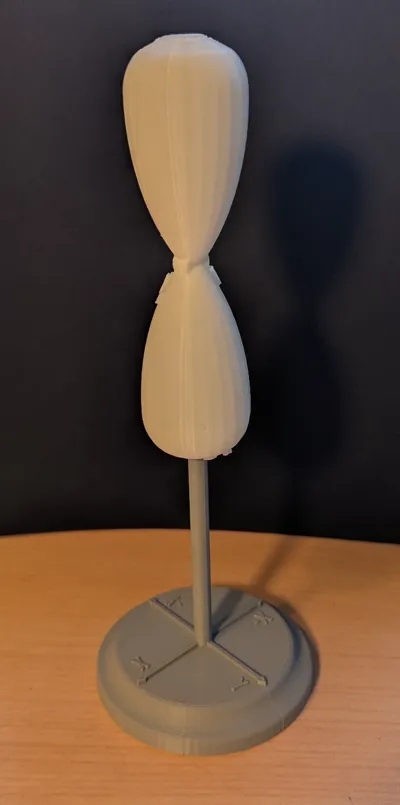
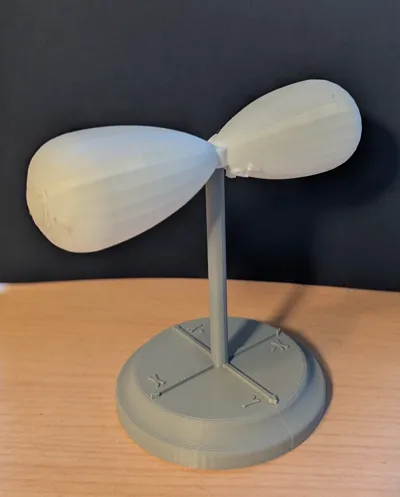
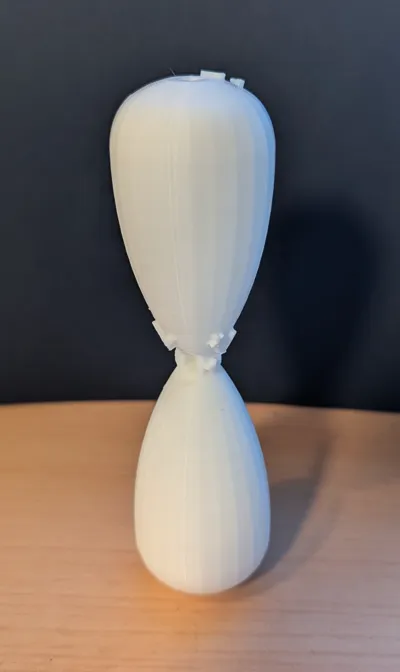
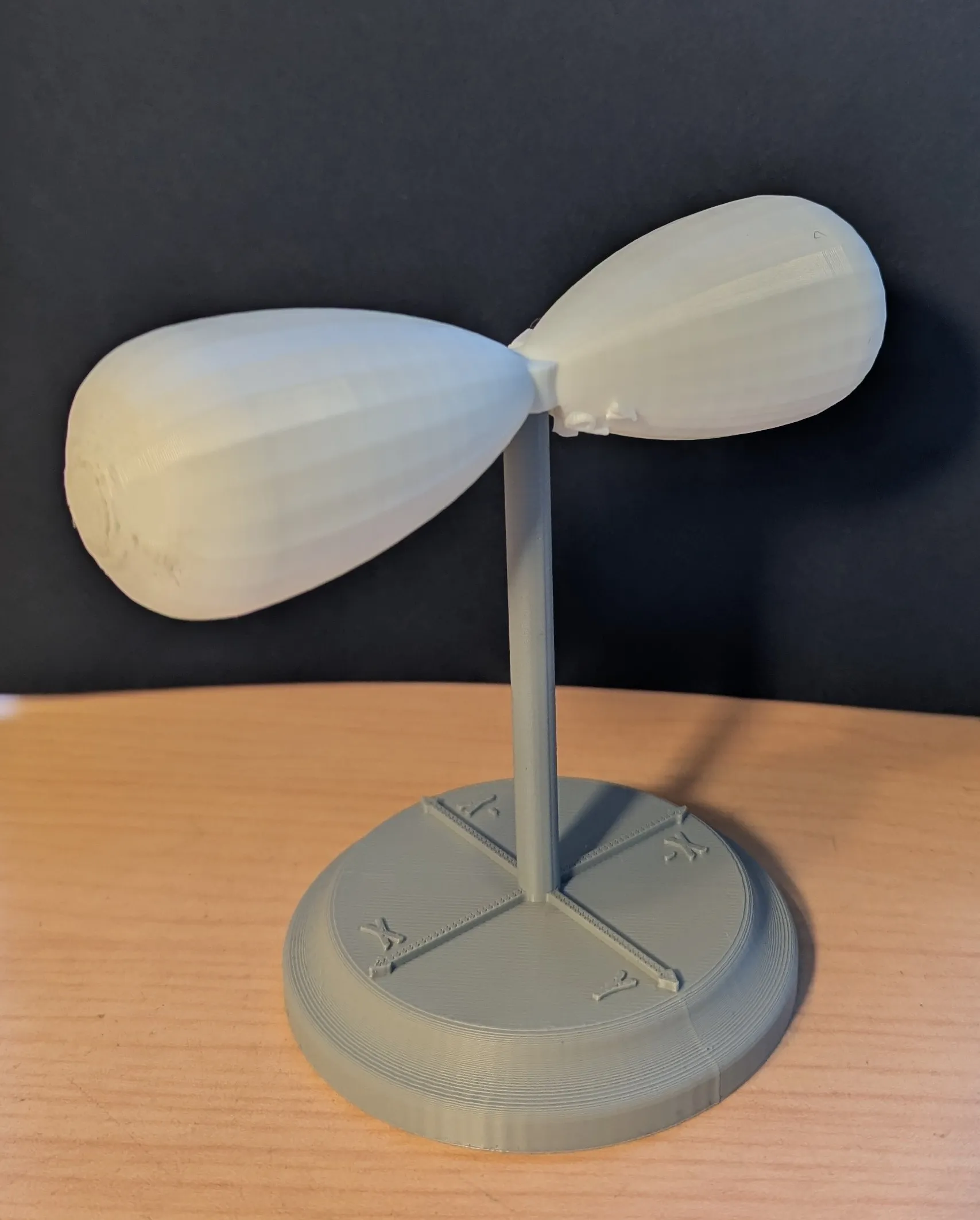
P Orbital: This part represents the p subshell. It can be connected to the stand in three different configurations to depict the three different electron orbitals in the p subshell, pz, px, and py. | 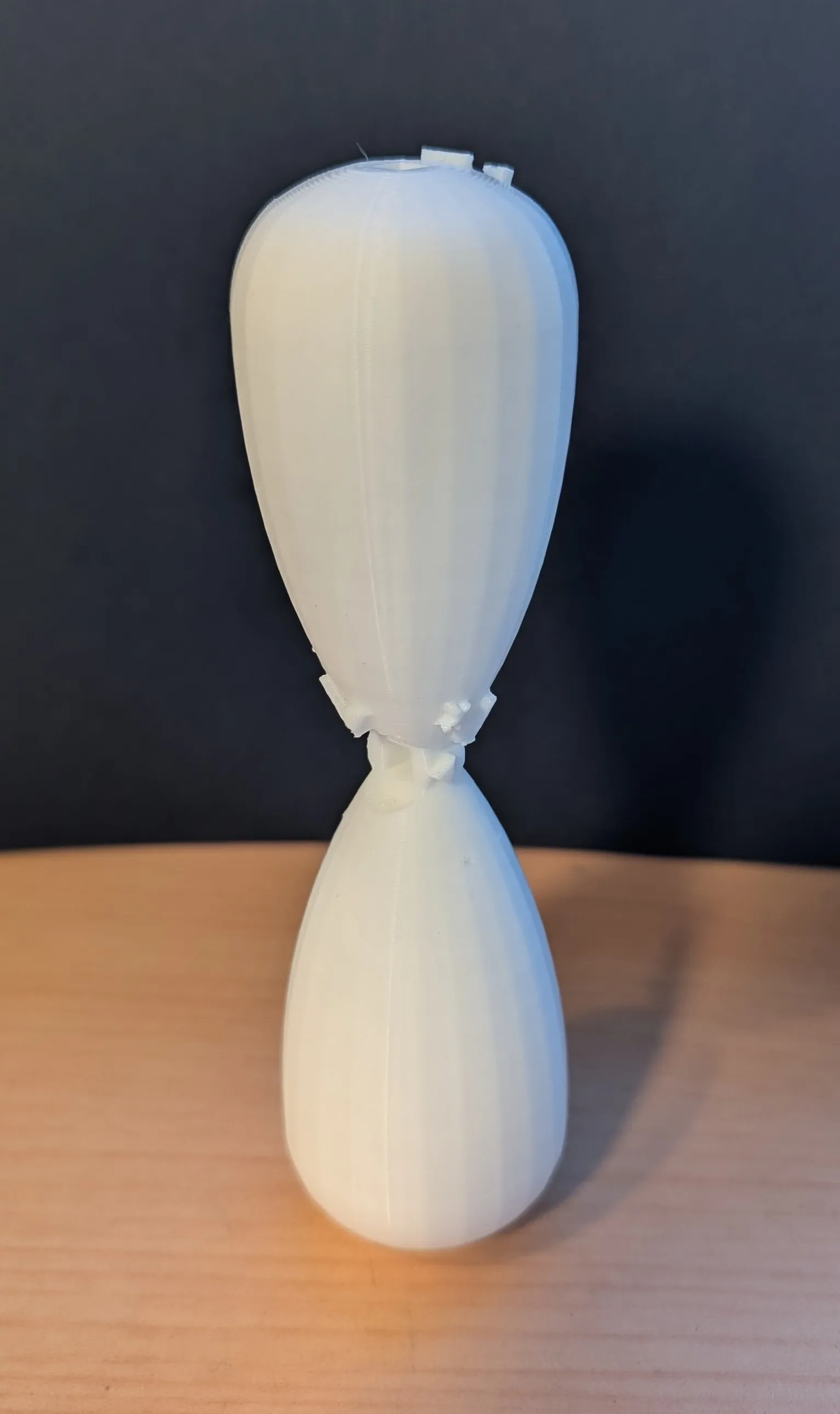
|
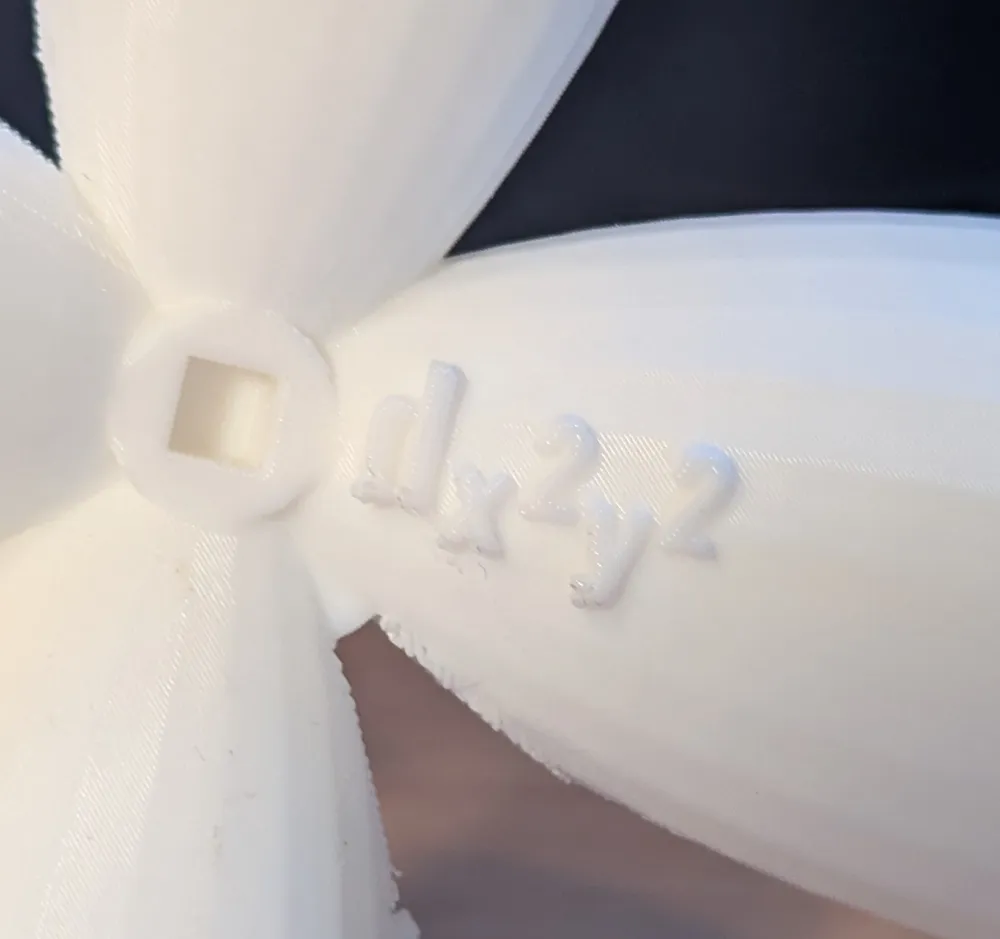
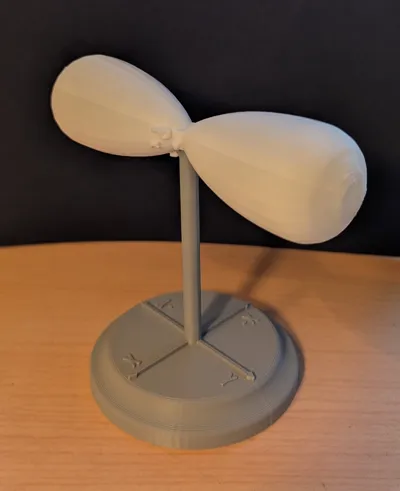
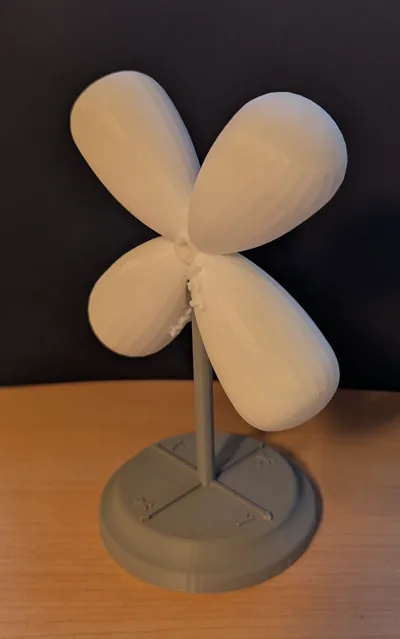
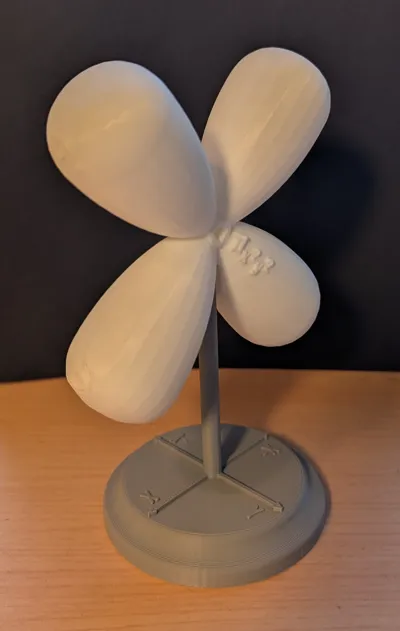
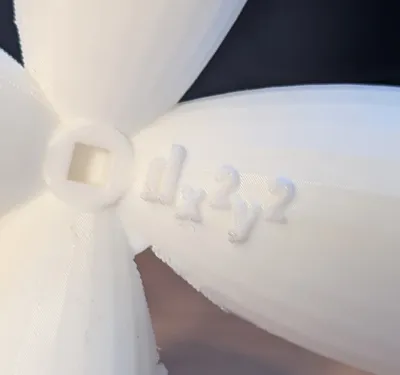
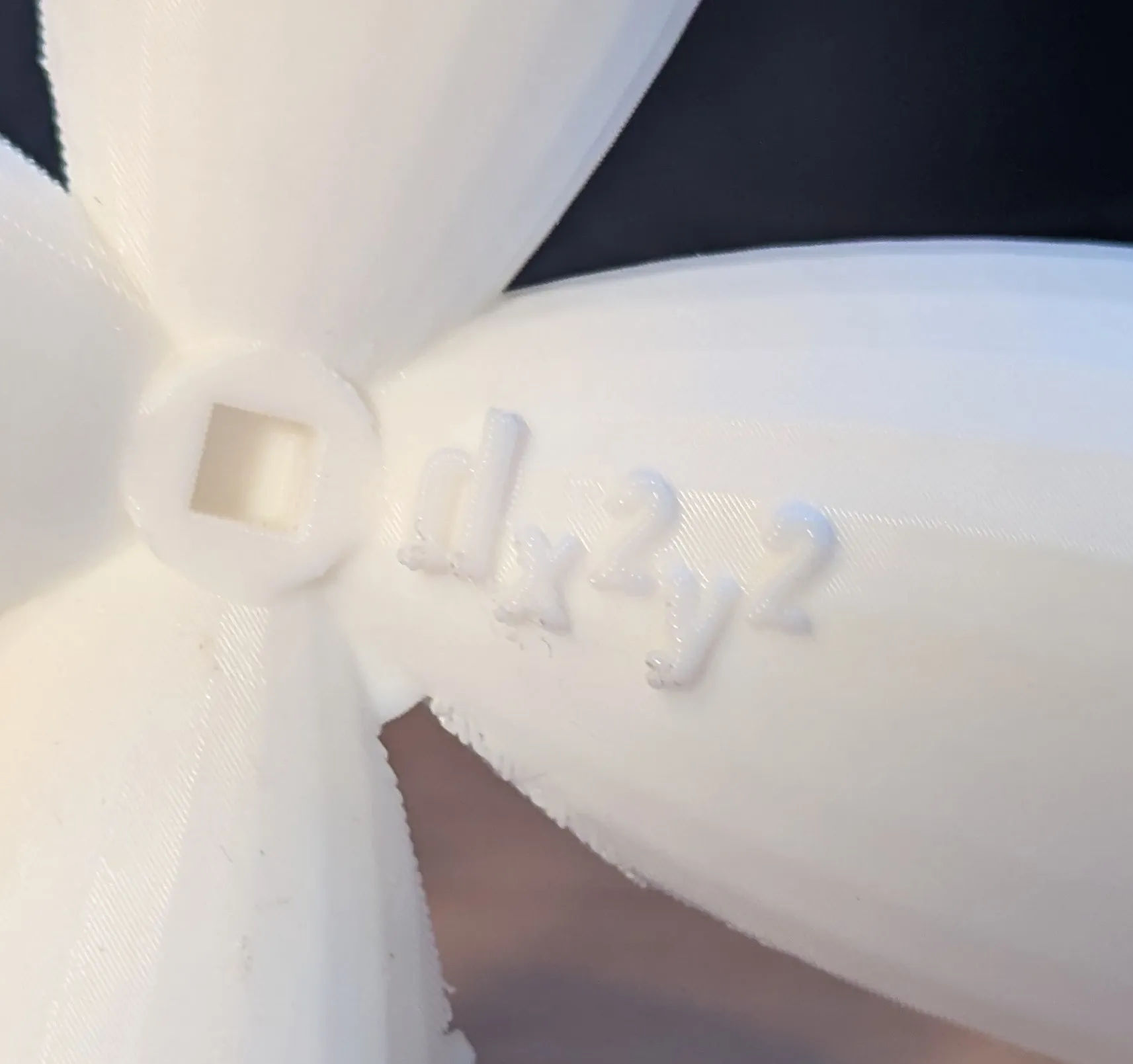
D Orbital 1: This part depicts four of the atomic orbitals in the d subshell, dyz, dxz, dxy, and dx^2y^2. All four connection options are labelled on the part. | 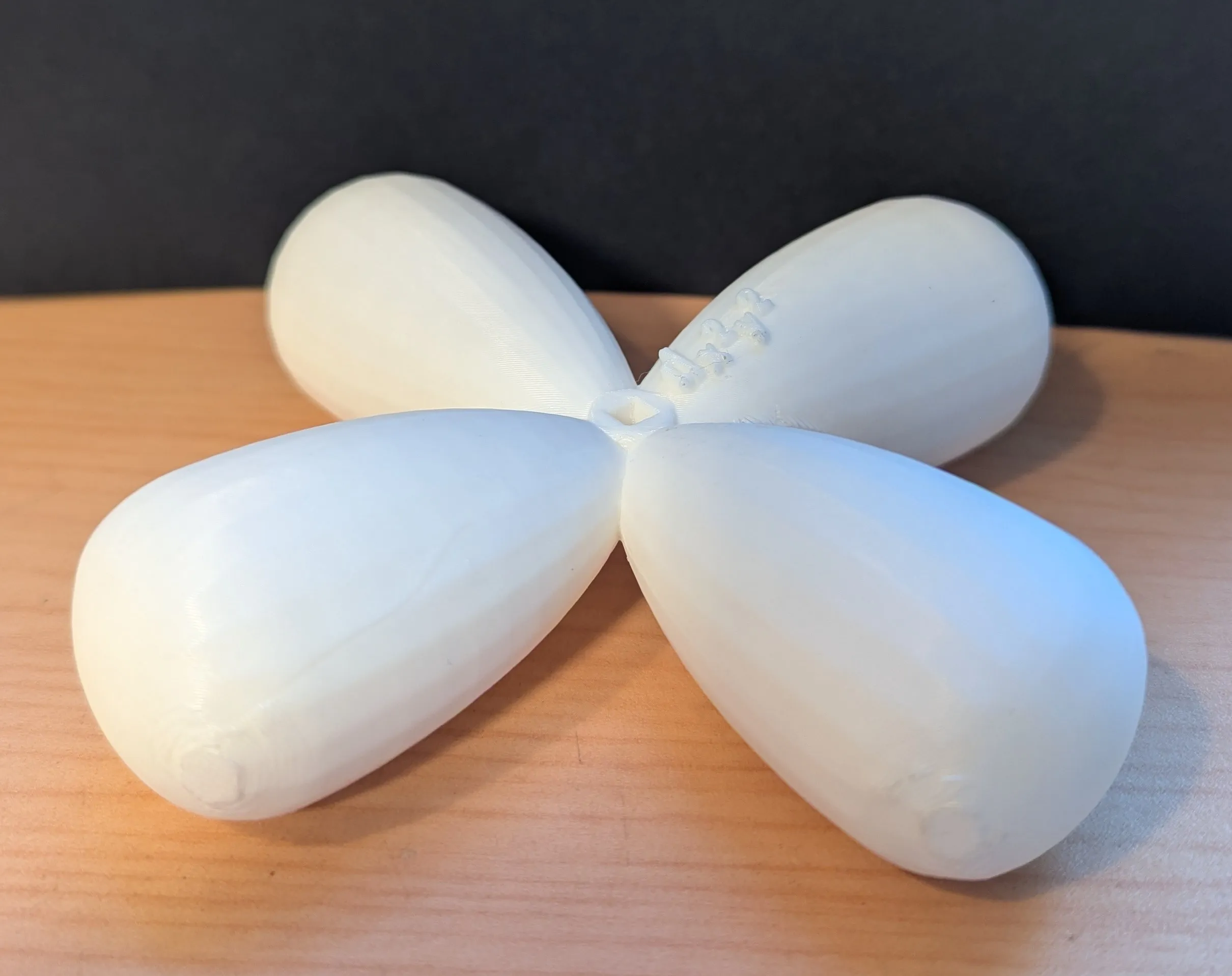
|
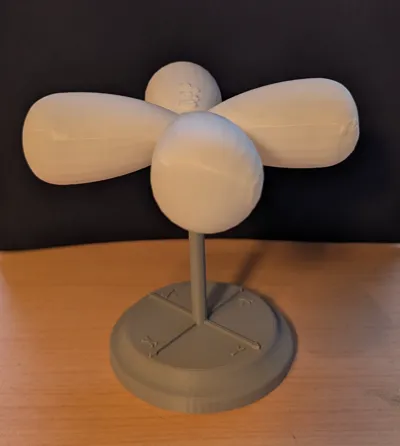
D Orbital 2: This part has only one connection point and represents the dz^2 orbital in the d subshell. | 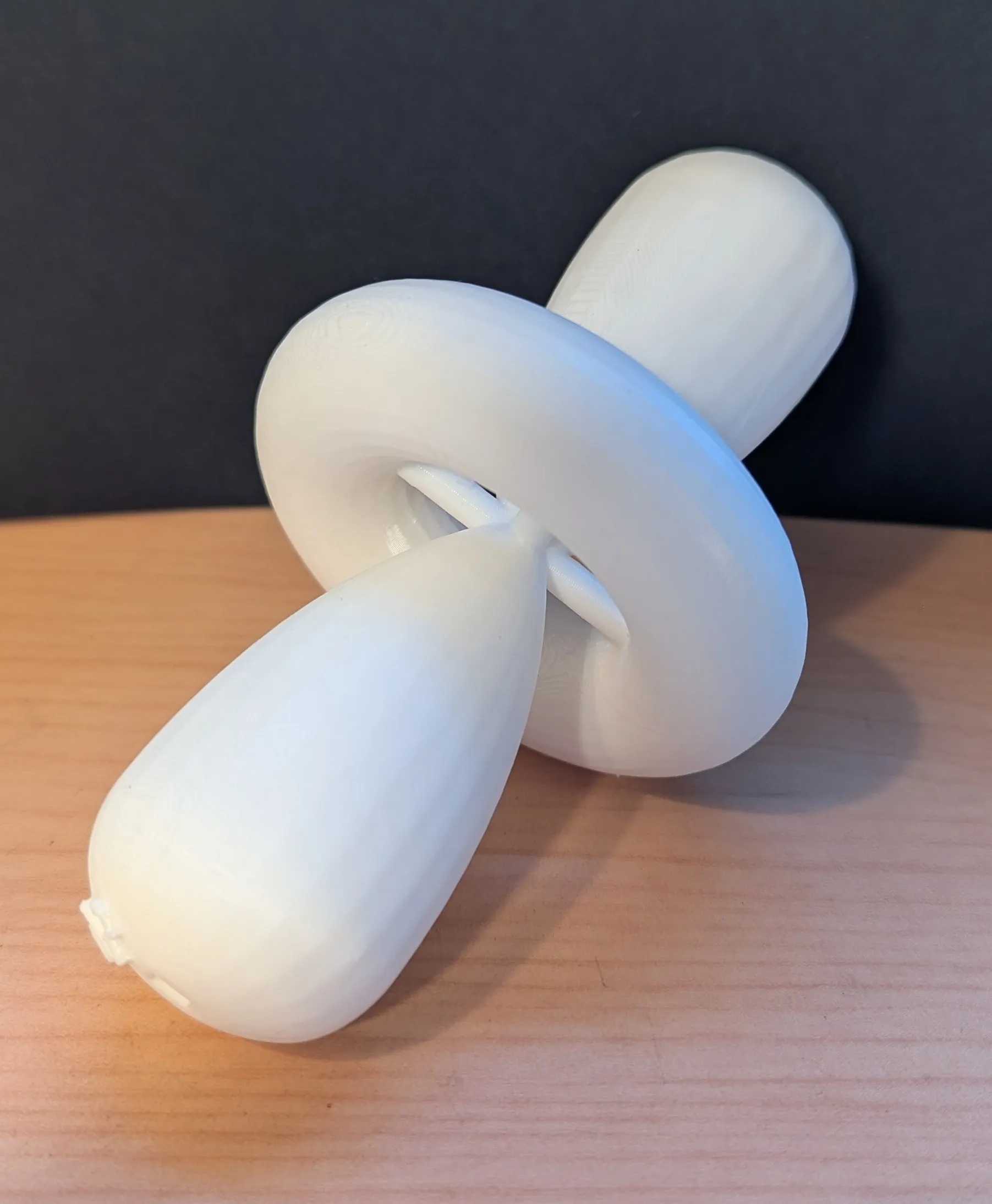
|
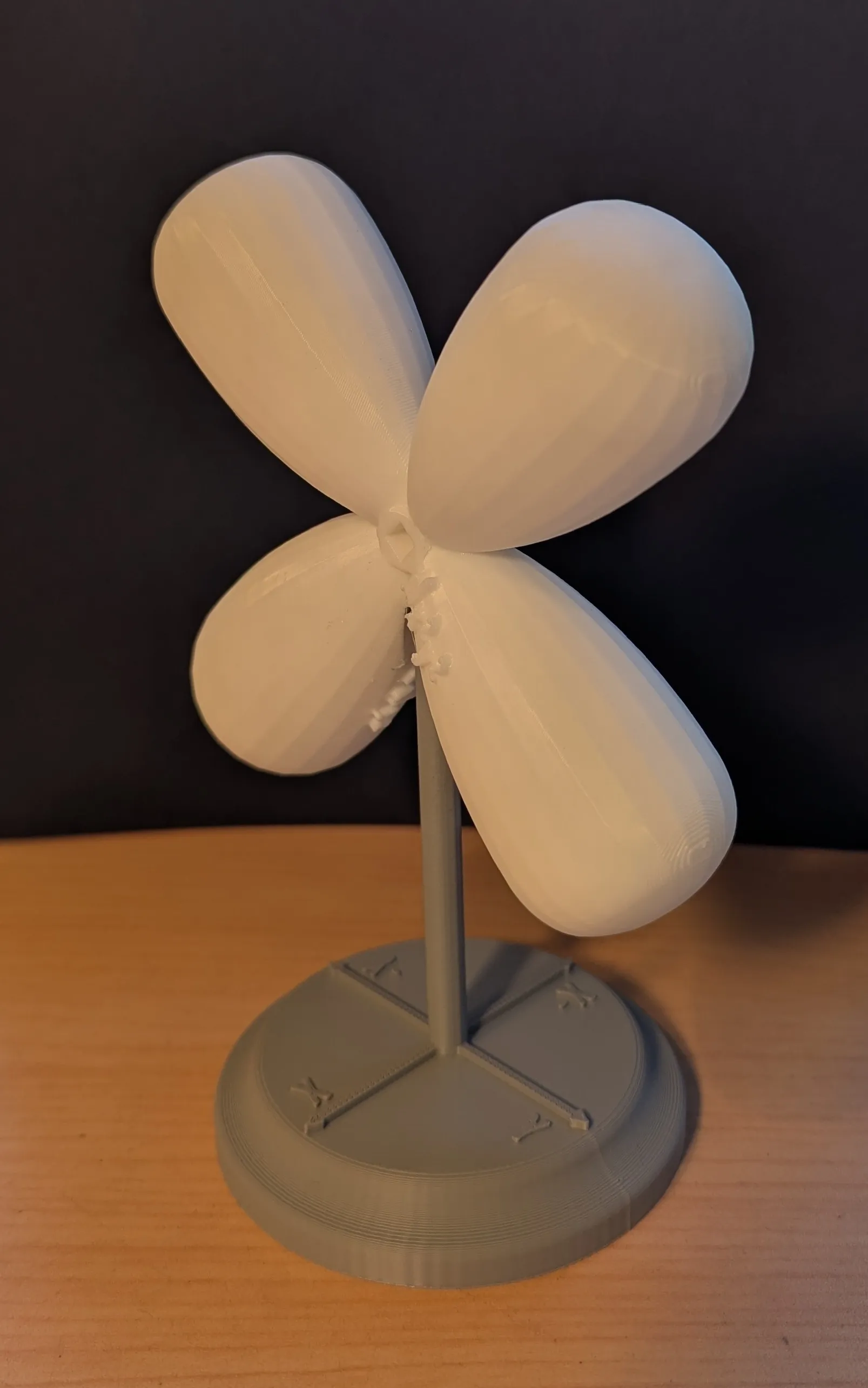
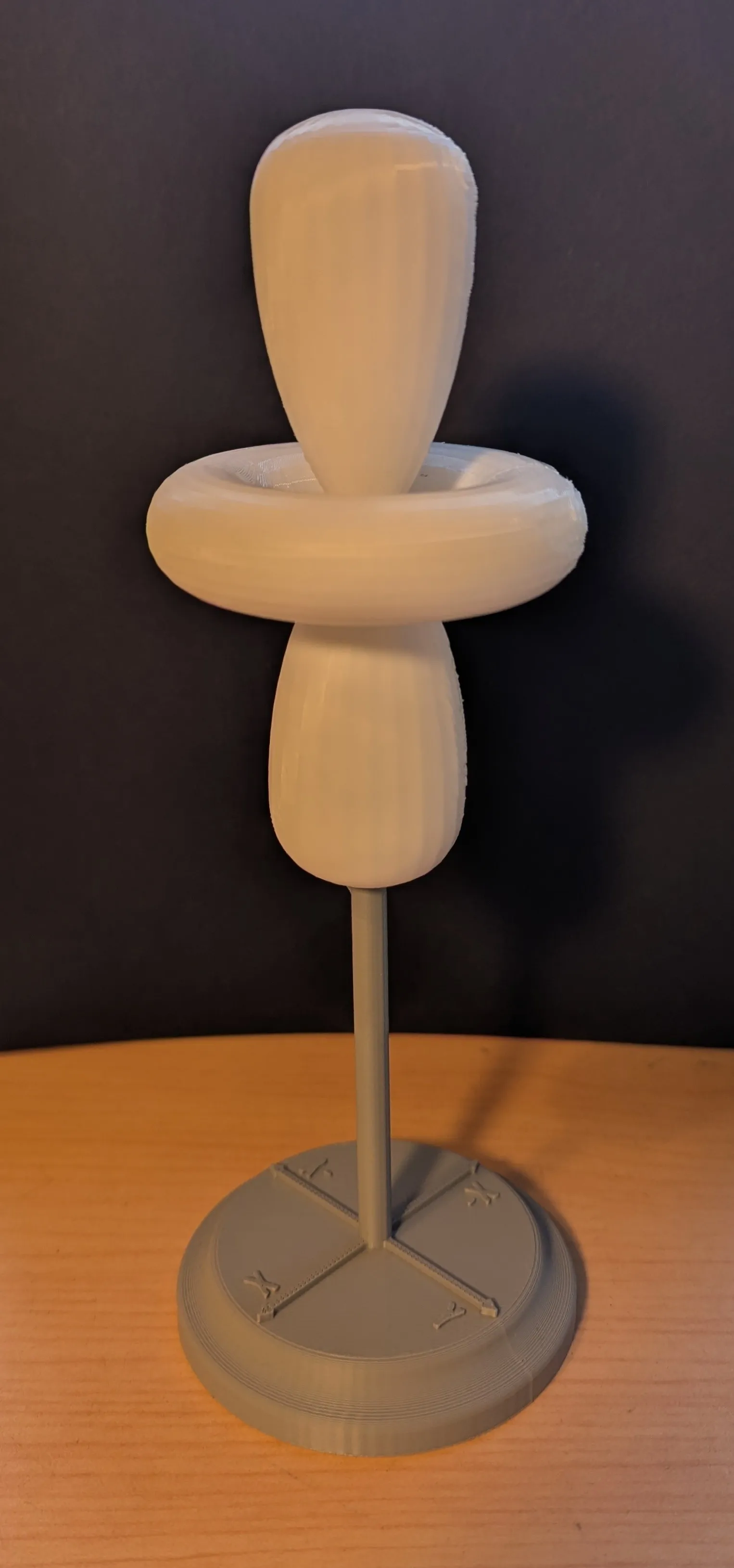
Assembly
Assembling the parts is very simple. Here are some simple instructions if there is any confusion:
Decide which orbital you want to display.
- Find that label on the corresponding part.
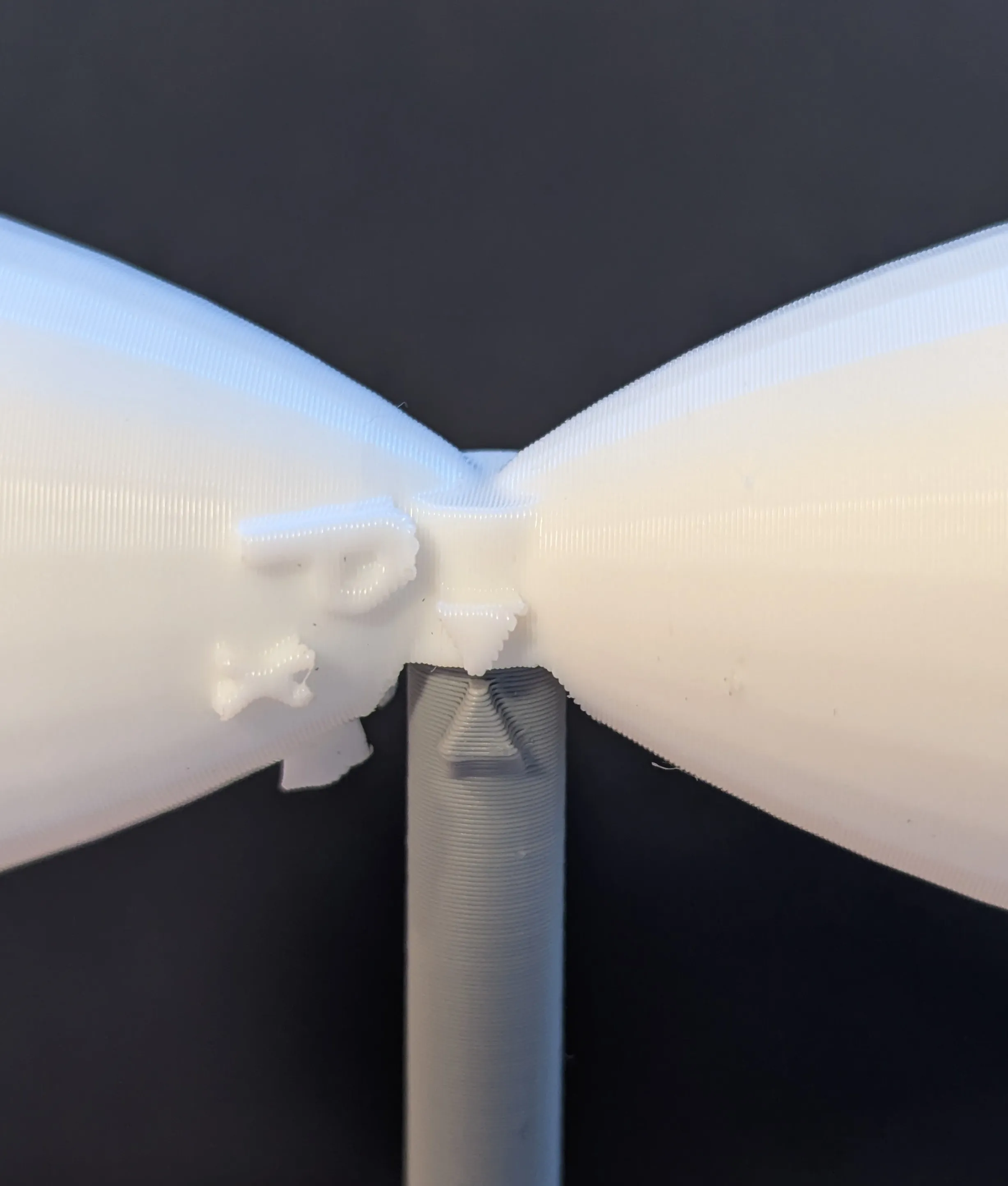
3. Insert the square peg on the stand into the square hole on the part, lining up the arrows if they
are present. This ensures proper orientation in reference to the axes on the base.
Configurations
s | px | py | pz | dyz | dxz | dxy | dx^2y^2 | dz^2 |
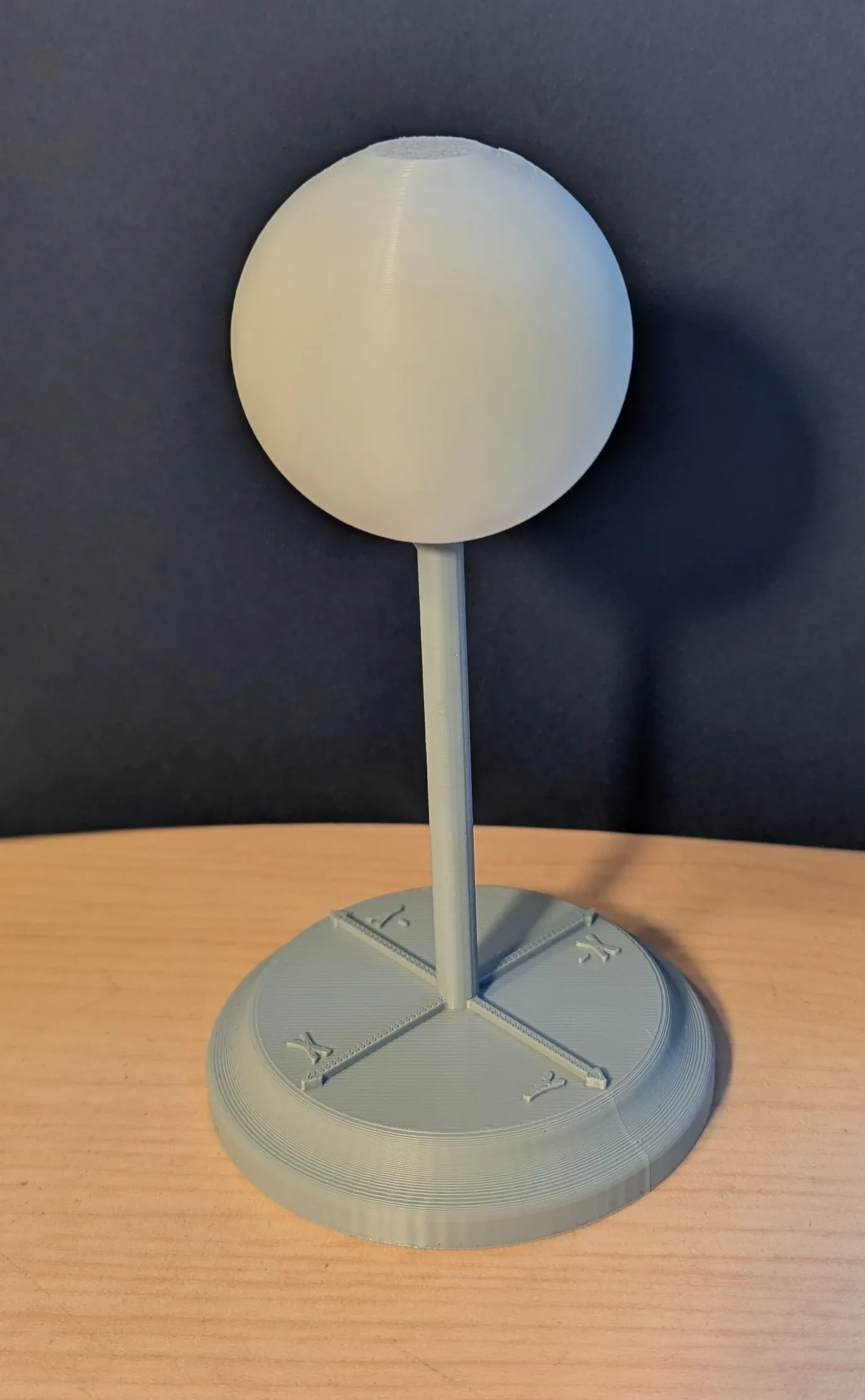 | 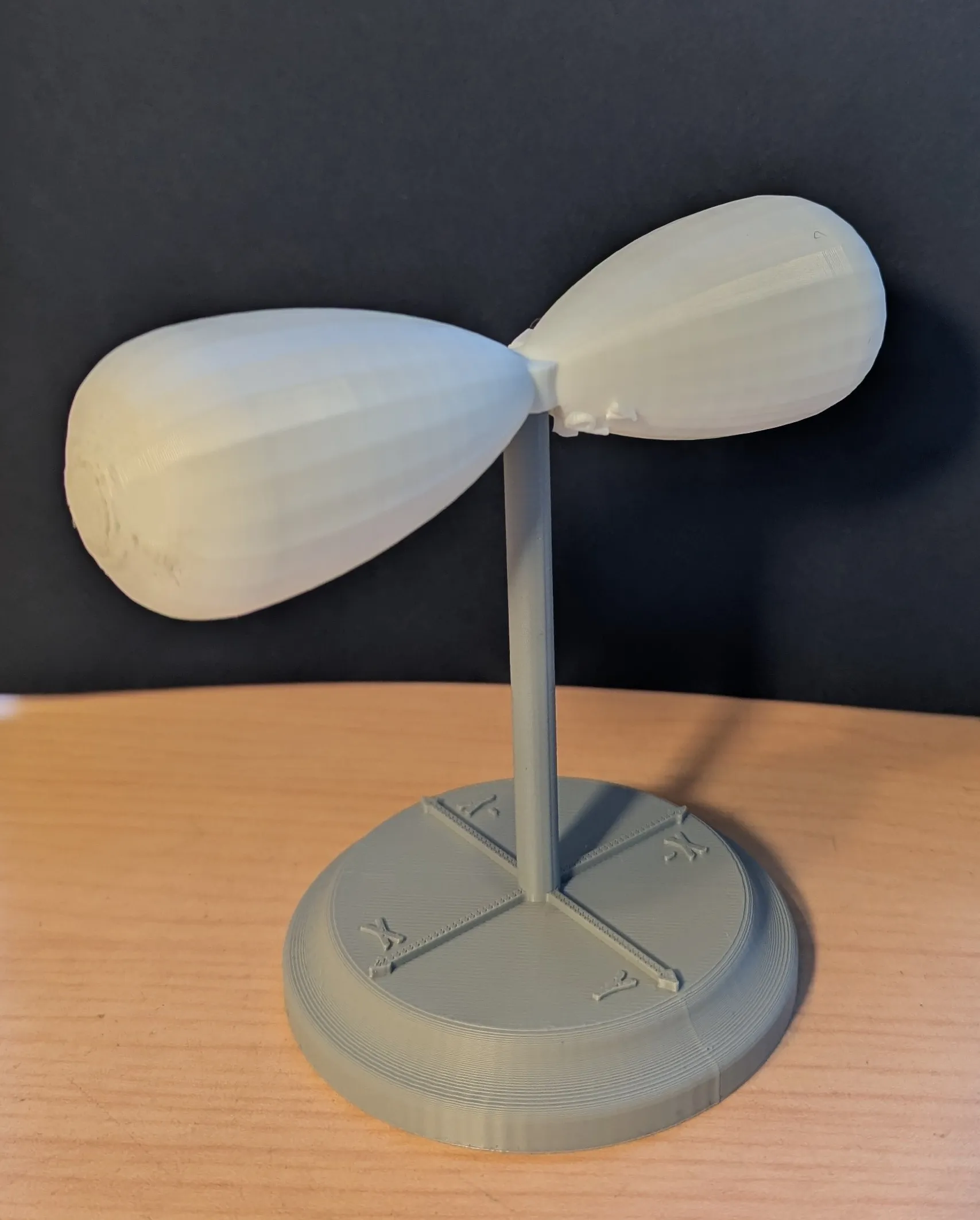 | 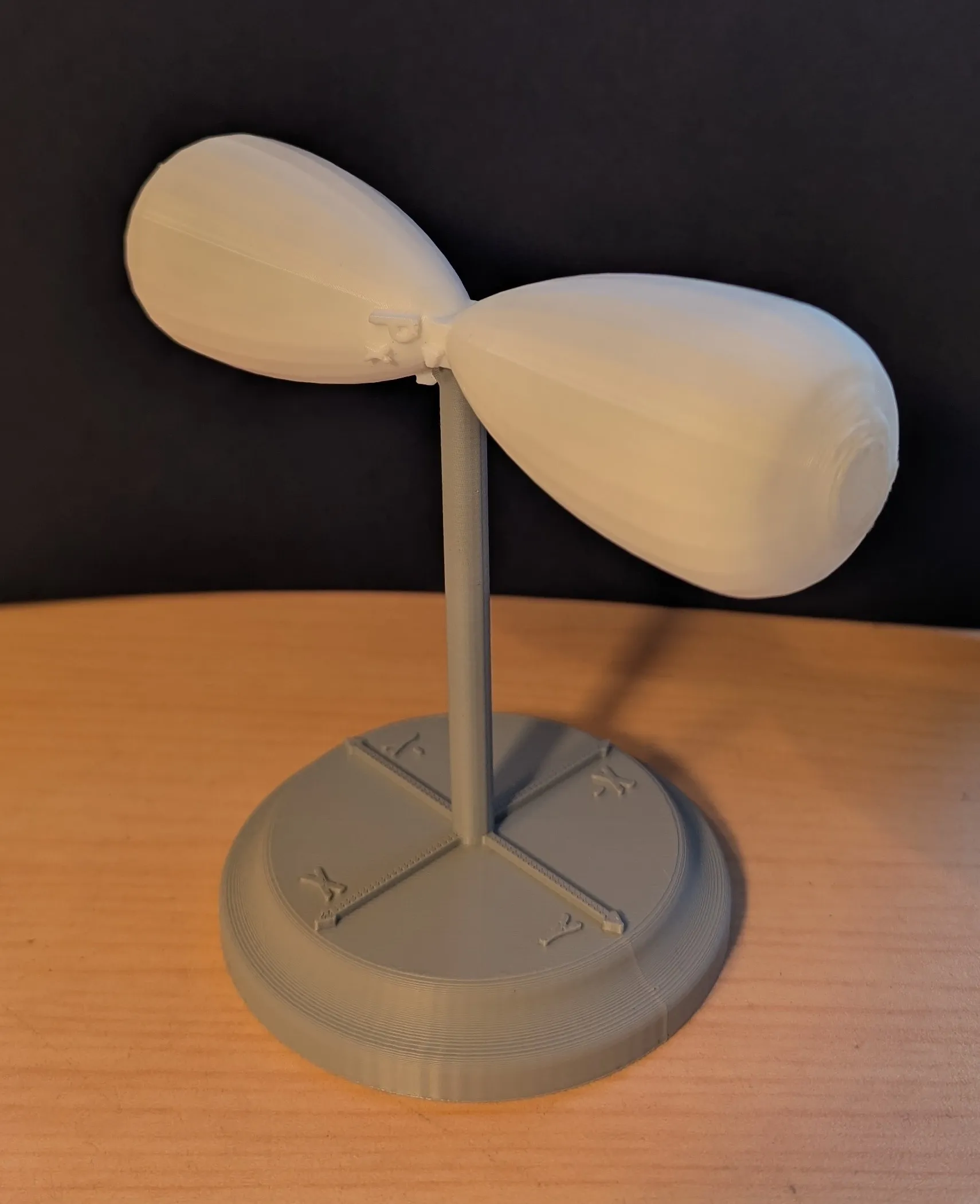 | 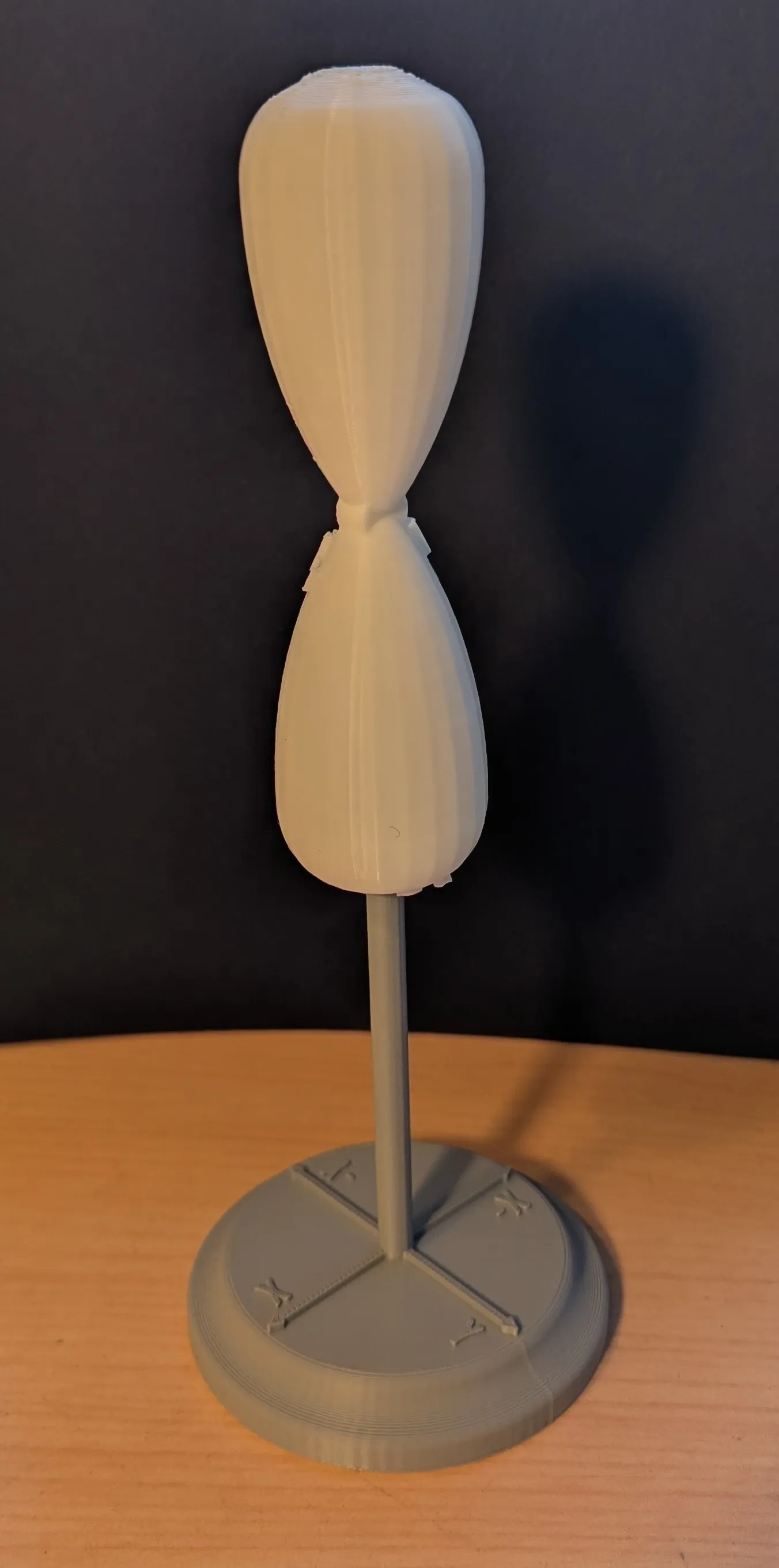 | 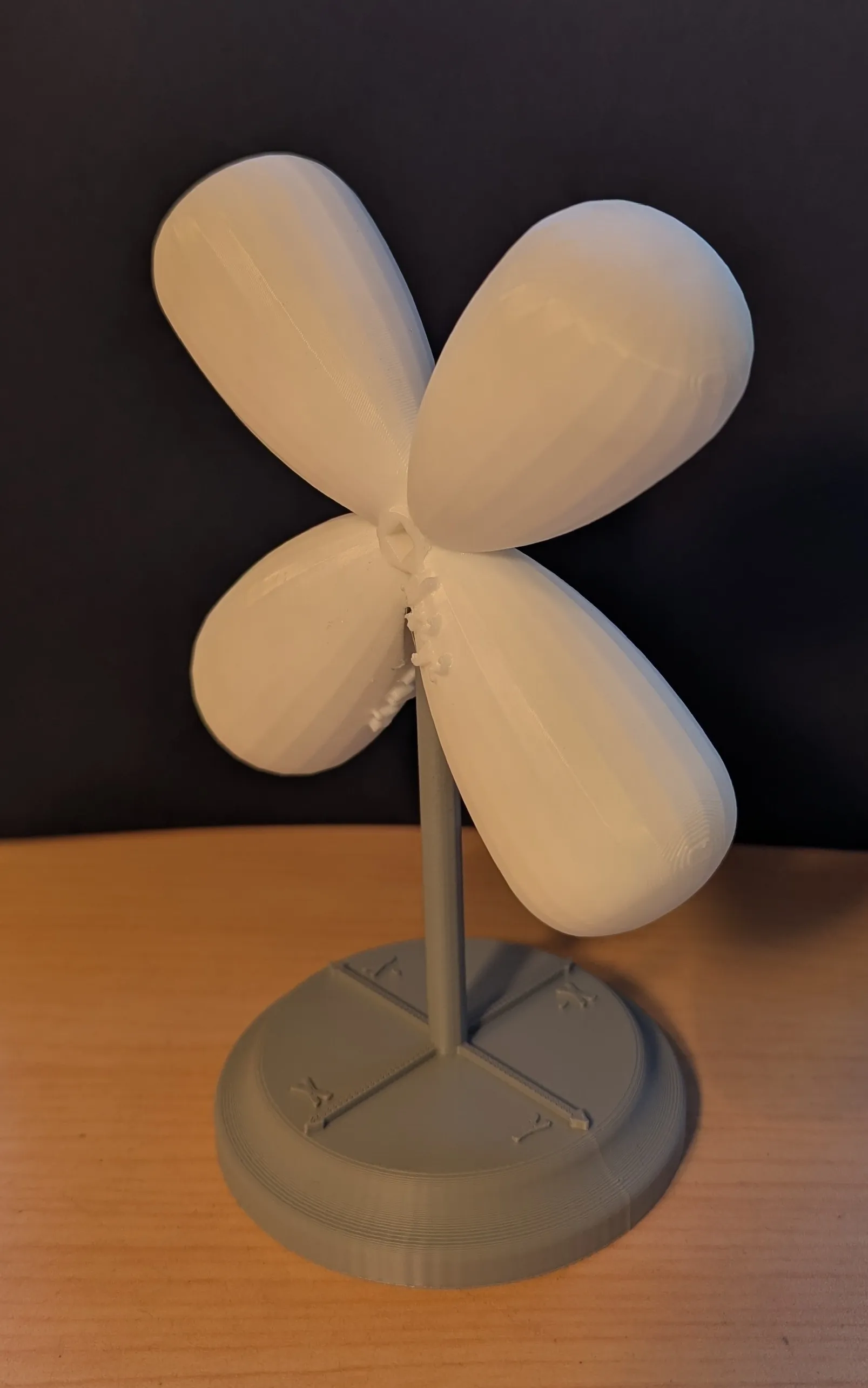 | 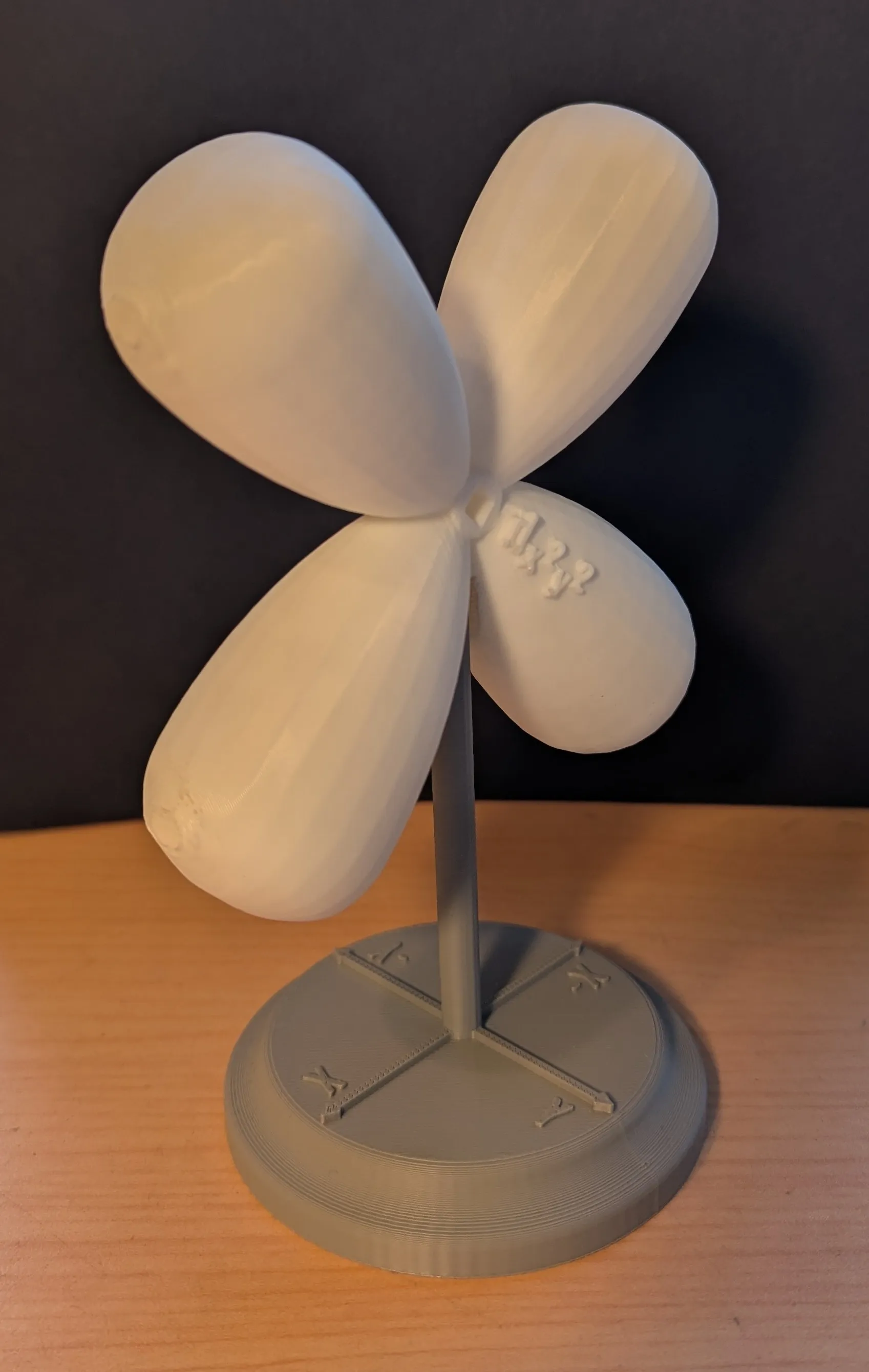 | 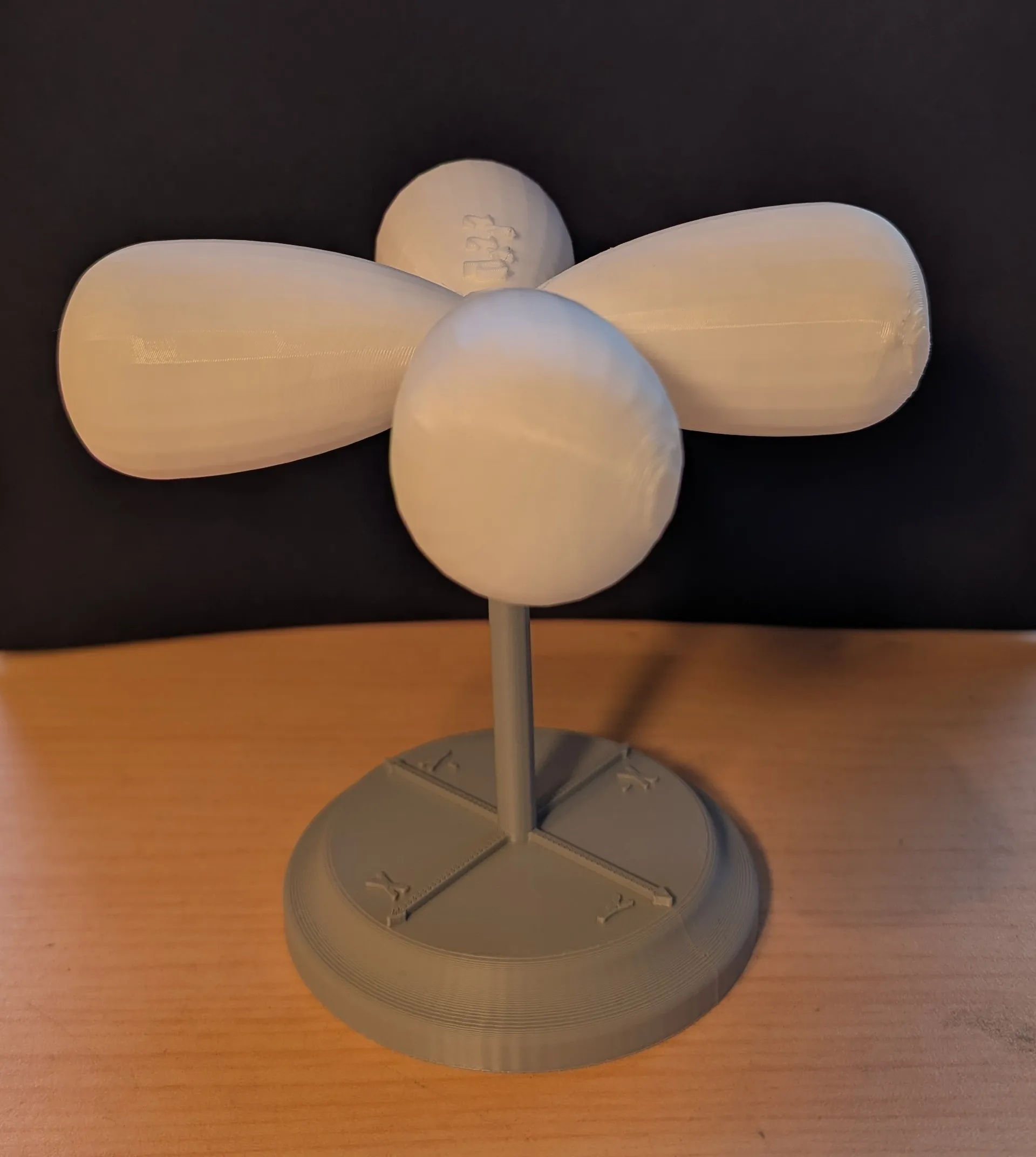 | 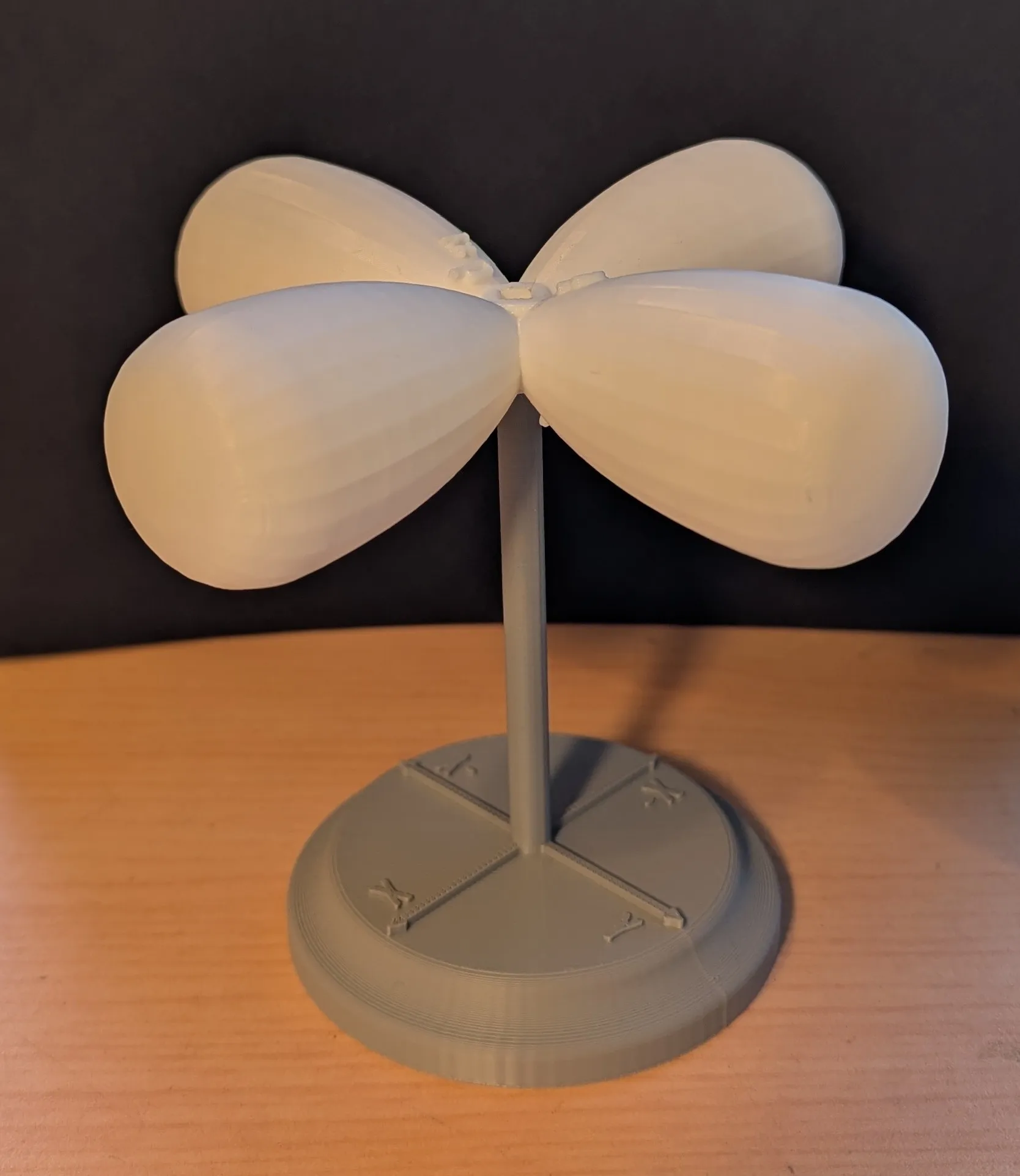 |  |
Teaching Applications
This set allows a chemistry teacher or professor to physically demonstrate the electron subshells and orbitals. This is a very abstract concept which can be difficult to visualize for students. This set should help greatly in enabling students to better understand and picture these concepts. Instructors can use the set as a demonstration at the front of the class, or multiple sets/stands can be printed and distributed to the class during instruction or labs pertaining to this topic.
Boost Me (for free)
License

You shall not share, sub-license, sell, rent, host, transfer, or distribute in any way the digital or 3D printed versions of this object, nor any other derivative work of this object in its digital or physical format (including - but not limited to - remixes of this object, and hosting on other digital platforms). The objects may not be used without permission in any way whatsoever in which you charge money, or collect fees.


Comment & Rating (26)