3d printing of large 100+ hrs projects, is it something to pursue or just plain madness?
Have you ever found yourself daydreaming about creating an intricate dollhouse, perhaps even a scale 1:12 masterpiece that showcases your creativity? The allure of 3D printing has captivated many hobbyists, leading them to consider ambitious projects that can take over 100 hours to complete. But before diving headfirst into this adventure, it’s important to ask—are you truly ready for the commitment and challenges that come with large-scale 3D printing?
The idea of spending hundreds of hours on a single project may sound both thrilling and daunting. As the printer whirs away in the background, visions of detailed dioramas fill your mind. Yet, alongside that excitement lurk potential frustrations and limitations. In this article, we’ll explore whether pursuing these lengthy prints is pure passion or simply madness. Buckle up as we delve into what it really takes to craft something extraordinary!
People ask about making a complete dollhouse, but are they willing to commit themself in printing something big that takes 250+ hrs?
The idea of crafting a complete dollhouse is enchanting. Each detail, from tiny furniture to intricate interior, can be meticulously designed and printed.
However, the reality of undertaking a project that spans over 250 hours is another story. Many enthusiasts express interest but often underestimate the level of commitment required.
Imagine watching your printer work day after day, each layer slowly building toward a finished product. The initial excitement may fade as real challenges emerge—like troubleshooting mechanical issues or dealing with filament shortages.
It’s not just about patience; it’s also about planning and organization. Those willing to invest time must consider their workspace, materials needed, and ultimately how they will handle potential setbacks along the way.
Are you ready for this marathon rather than a sprint? That’s where many aspiring creators hesitate before taking on such an ambitious endeavor in 3D printing!
Challenges and Limitations of Large-Scale 3D Printing
Large-scale 3D printing can be a thrilling venture, but it’s not without its hurdles. One major challenge is the time commitment. Any project that take 100+ hours demand patience and meticulous planning.
Material choice also plays a critical role. Not all filaments are suited for extended prints or intricate designs like dollhouses at scale 1:12. Warping and adhesion issues become more pronounced over longer durations.
Another limitation lies in printer capabilities. Many hobbyist printers may struggle with larger builds, leading to hardware stress or even failures mid-print, which can be disheartening after hours of work.
Post-processing becomes essential for large models. Smoothing out layers or fitting parts together might require significant effort, especially when dealing with complex dioramas that aim for realism while maintaining structural integrity.
Successful Examples of Large-Scale 3D Printing Projects
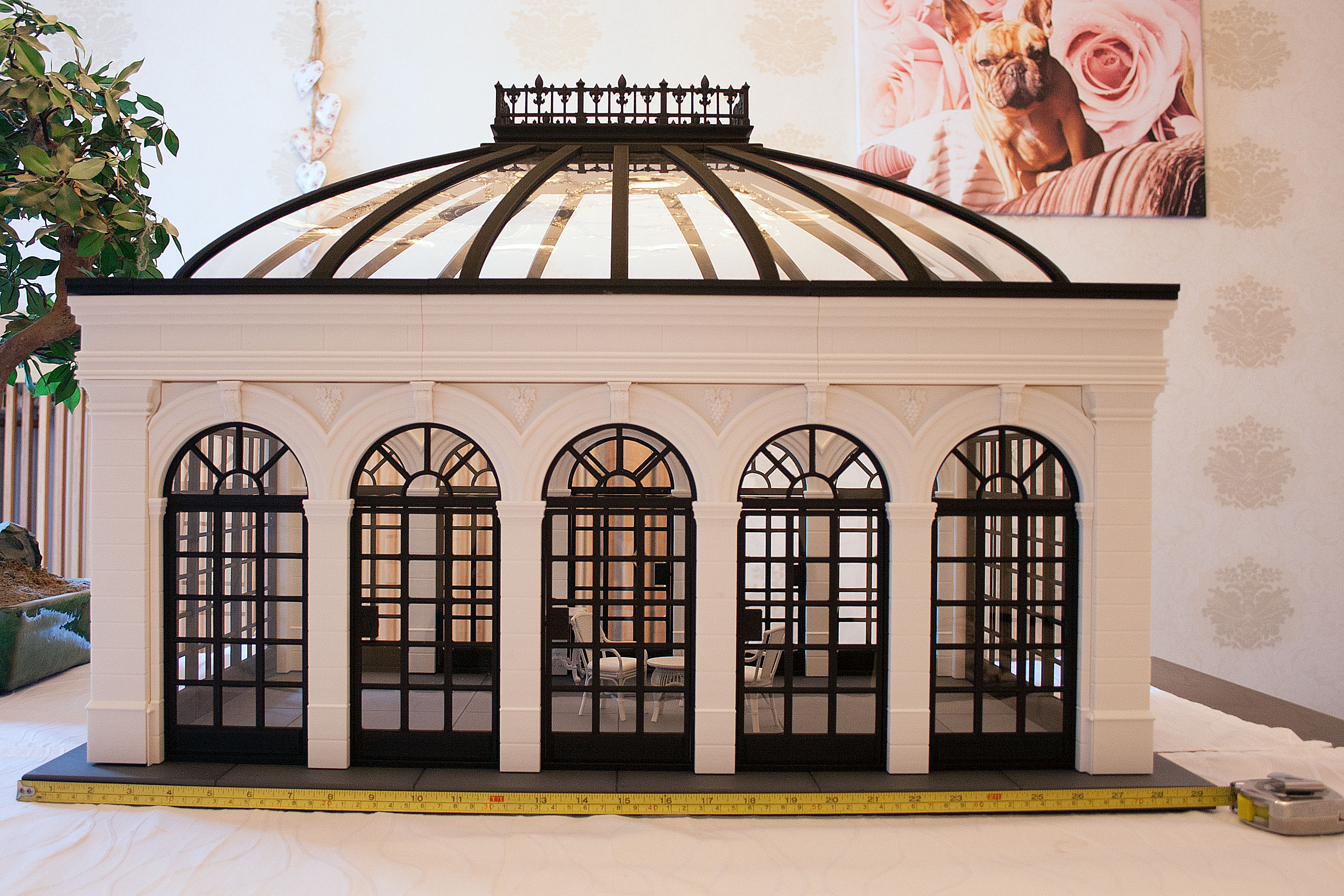
Large-scale 3D printing has captured the imagination of makers around the world. One example is a french orangerie, which took over 200 hours to complete. The intricate details and precision in each layer brought this project to life.
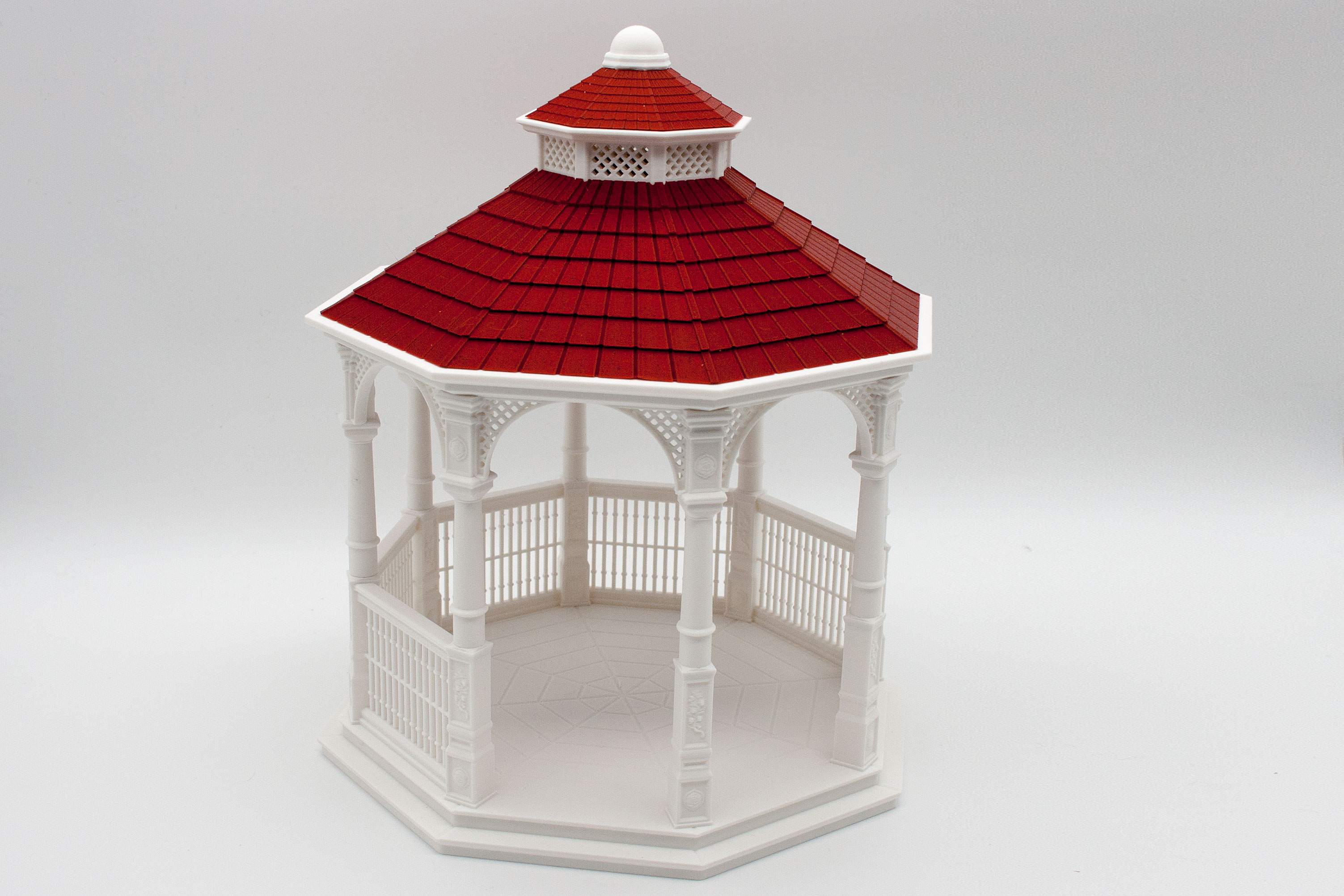
Another notable achievement is the creation of a gazebo diorama, crafted at 1:6 scale. This ambitious venture required meticulous planning and countless hours (+150) but resulted in a stunning scene that tells stories through its tiny streets.
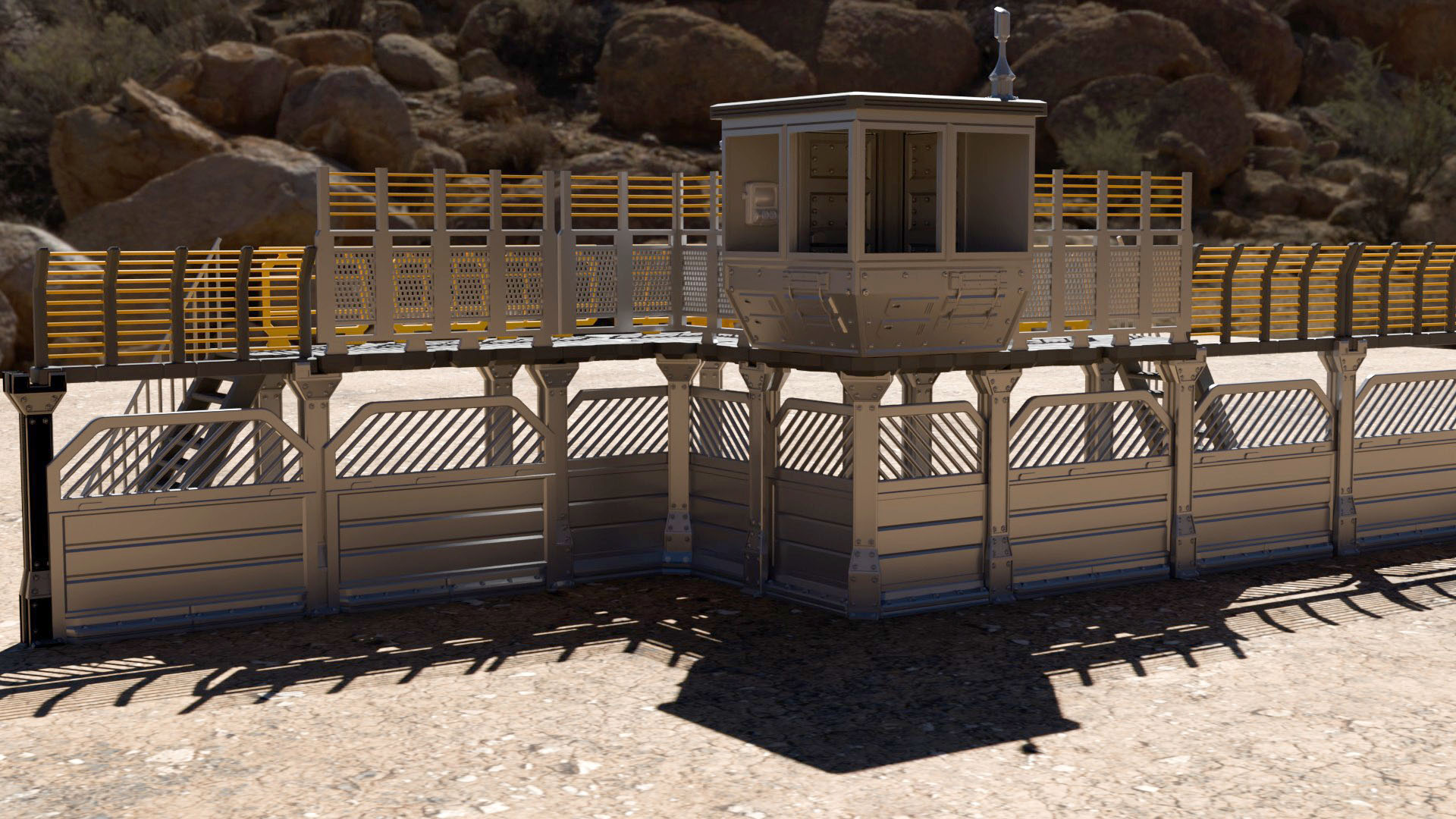
Even larger projects have emerged, such as a modular camp wall for G I Joe like action figure that can be made into a complete camp scene. A full print of this one took over 150 hrs to print also.
These examples showcase not only creativity but also technological prowess, proving that with dedication, monumental designs can become reality. Such projects inspire others to think big while embracing the challenges associated with extensive 3D prints. (all examples are available on my Patreon)
Conclusion: Is It Worth the Time and Effort?
When it comes to large-scale 3D printing projects, like a dollhouse in scale 1:12, the journey can be both rewarding and daunting. The commitment needed for a project that takes anywhere from 100 to 500 hours is significant. Many enthusiasts may dream of creating intricate dioramas or stunning displays but hesitate when faced with the reality of time investment.
Consider the challenges involved. From printer reliability and material costs to design intricacies, every aspect can test your resolve. The sheer size of such prints can lead to unexpected issues—warping, failed prints, or even just plain fatigue during assembly.
Yet, there are shining examples out there. Hobbyists have successfully crafted breathtaking dollhouses that showcase their artistic vision and technical skills. These completed works serve as proof that with patience and persistence, one can conquer these monumental tasks.
Whether pursuing a massive print project is madness or brilliance depends on personal motivation and objectives. If you thrive on creative challenges and enjoy the process as much as the outcome, then diving into a lengthy print could be worth every hour spent at your machine. For those who seek quick gratification or struggle with commitment over extended periods might find themselves overwhelmed by such an endeavor.
Reflecting on this balance between effort versus reward will help determine if taking on this challenge aligns with your passion for 3D printing—and that's what truly matters in any creative pursuit.
This year, I plan on making a complete dollhouse, ca 140 x 50 x 60cm that will take approx 500 hrs to print. Is that madness? Let me know in the comments.