
Wall Plug 6mm
Print Profile(2)
Description
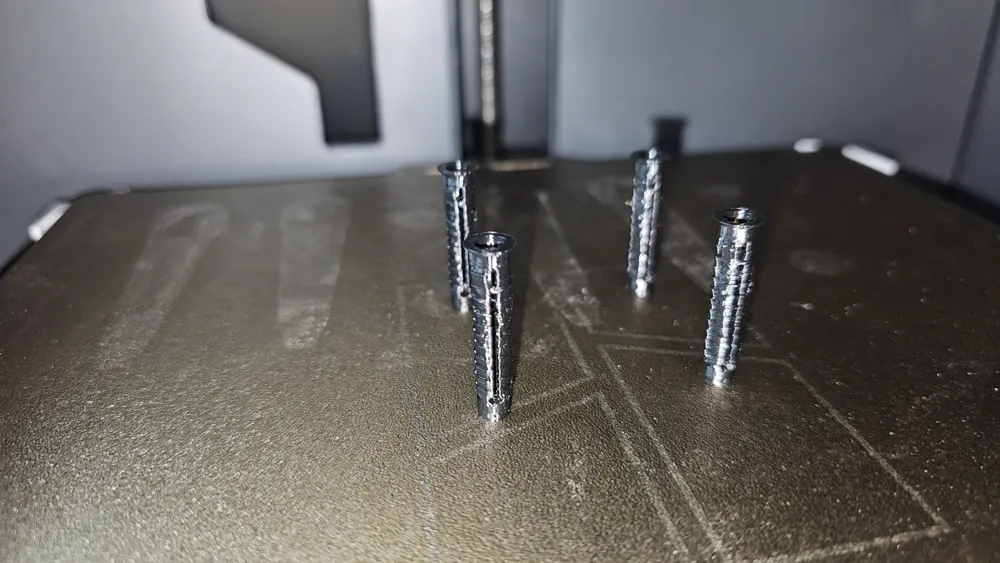
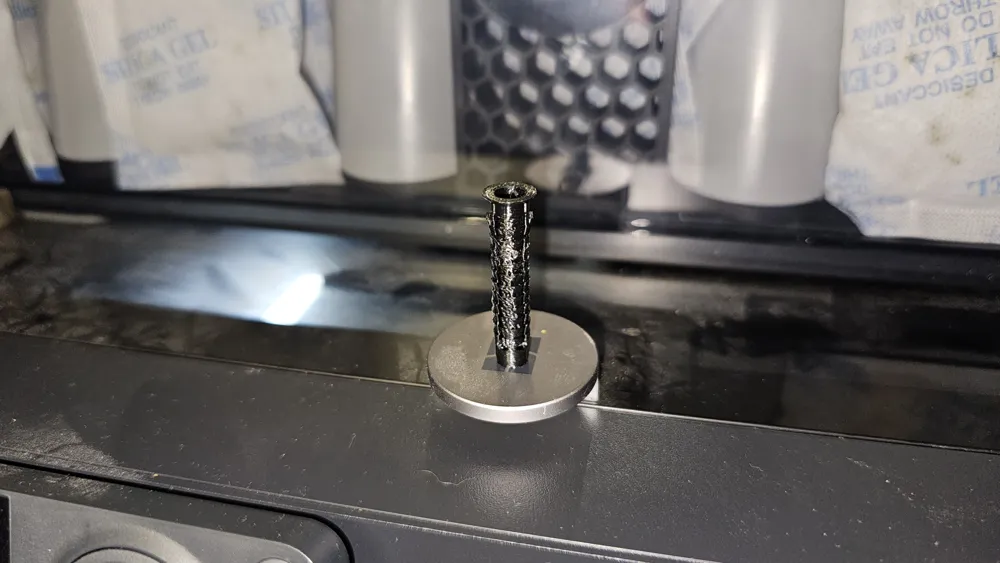
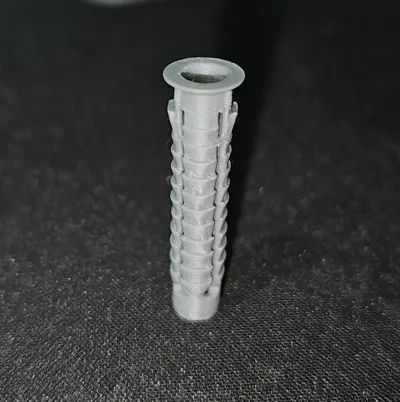
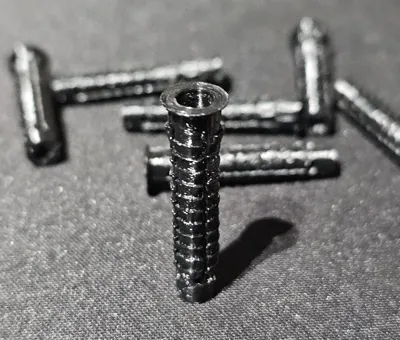
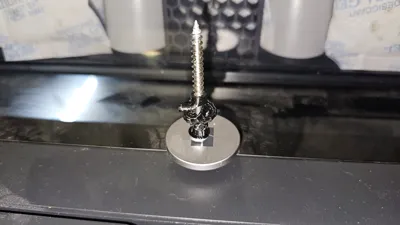
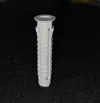
A 6mm anchor for most masonry
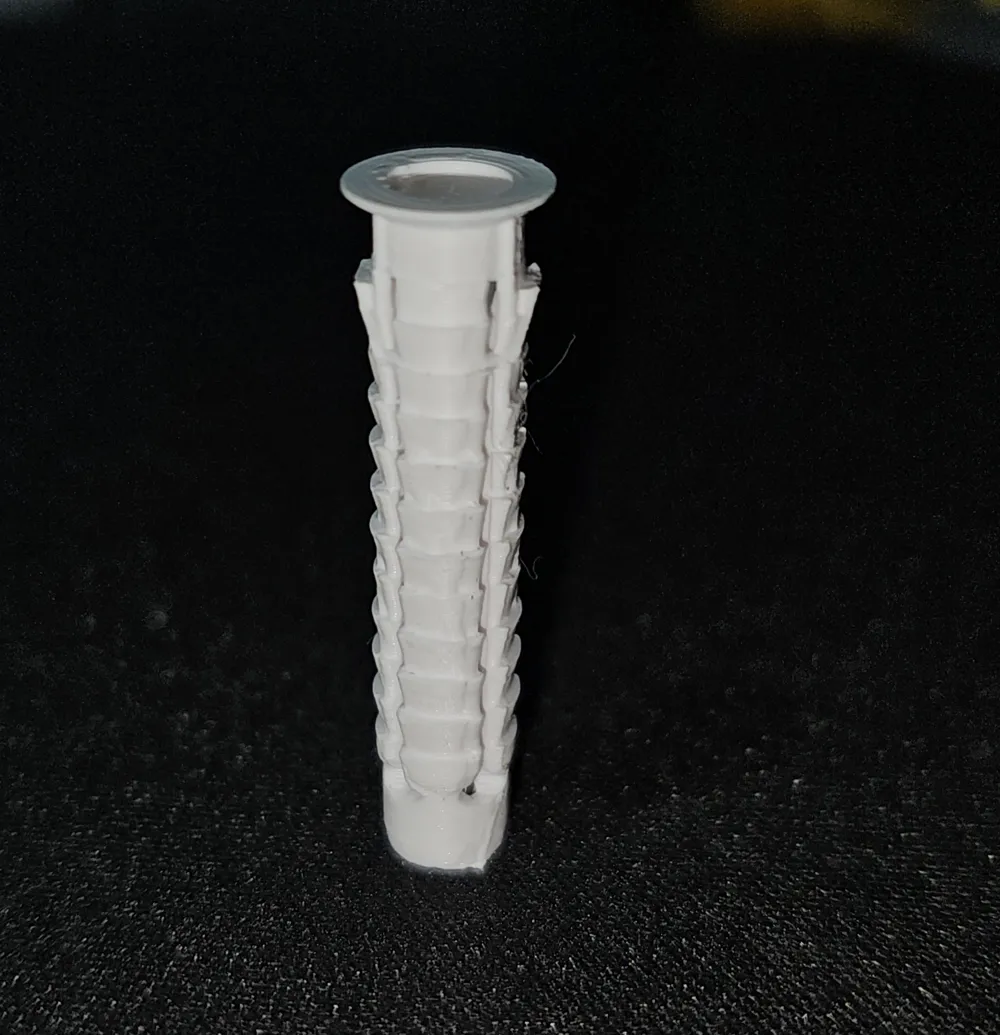
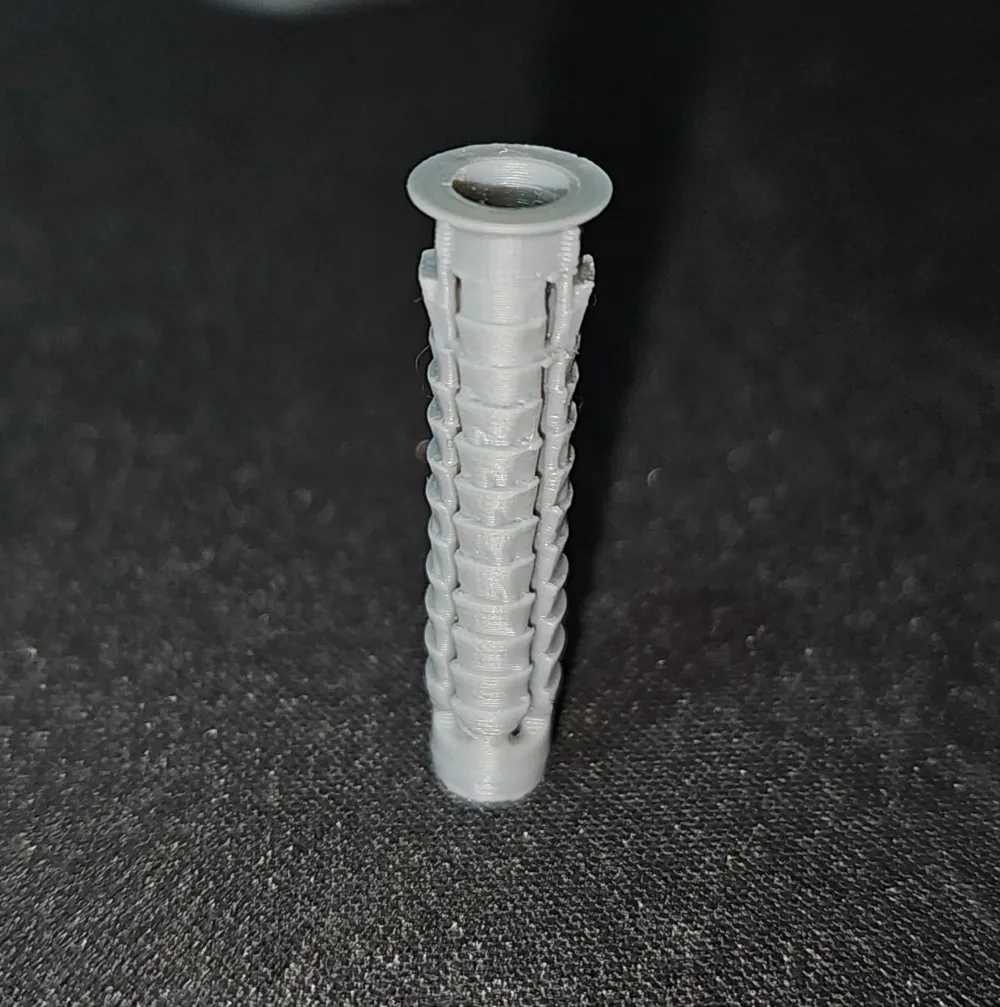
Printed in “TPU For AMS”
Profile added for PETG! (only to be used for solid walls, PETG is too brittle for anchors to knot in cavities)
Features:
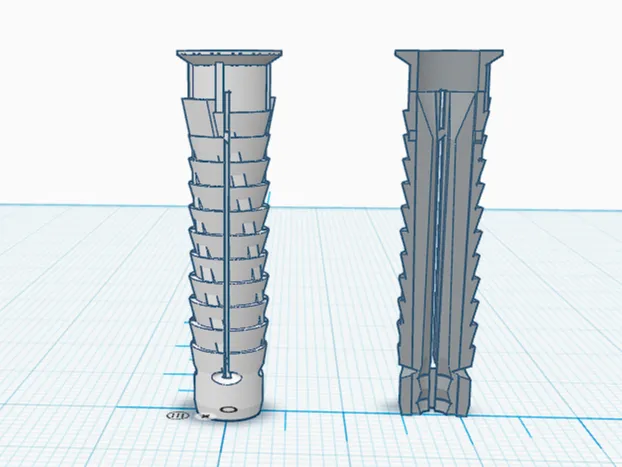
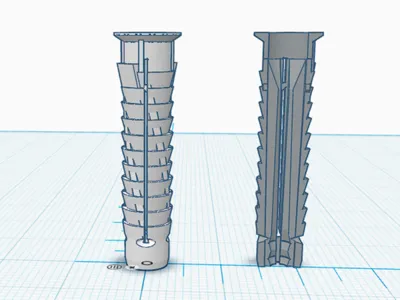
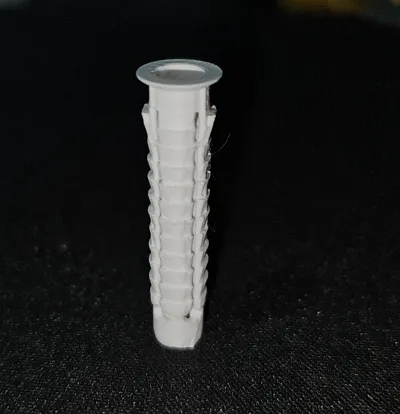
- Four-way expansion
- 2 barbs for better fixing and anti-rotation security
- Collar for flush mounting
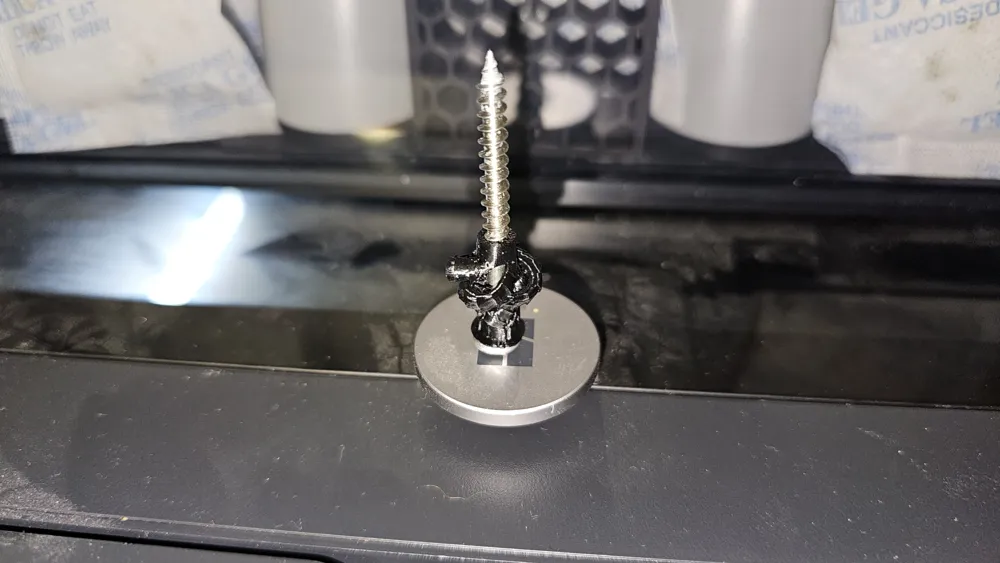
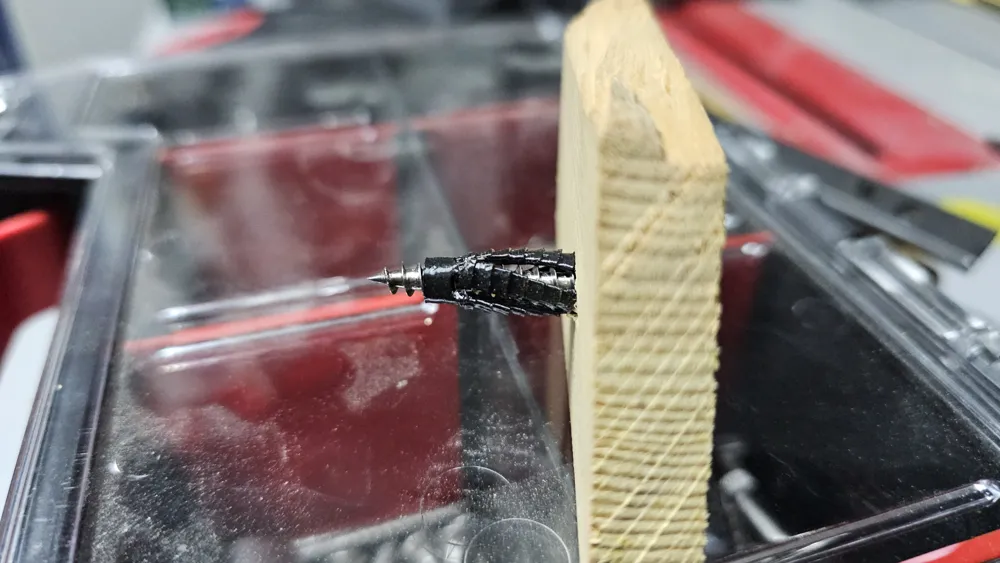
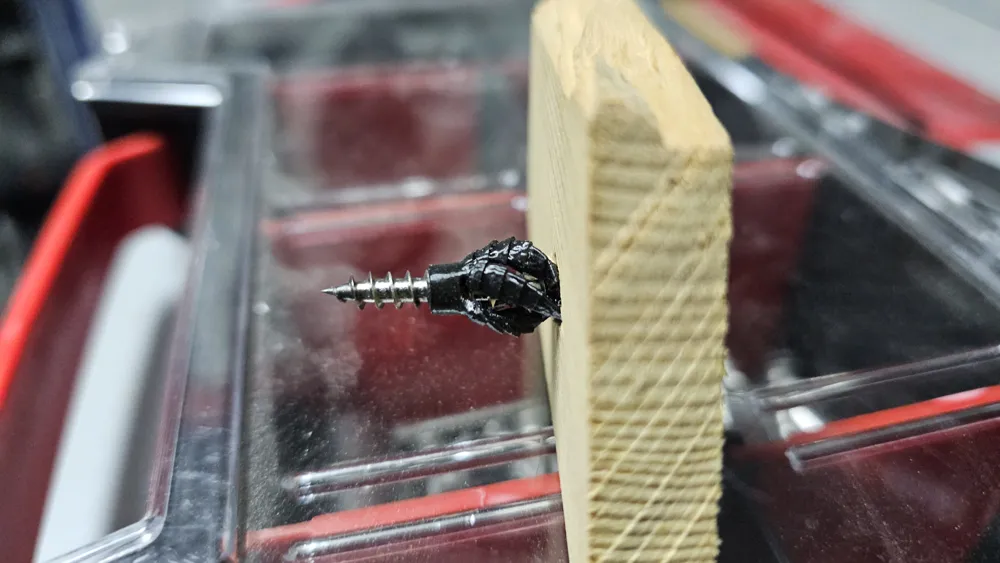
With knotting function for masonry with cavities (TPU version only and at least 35mm screw length in the anchor)
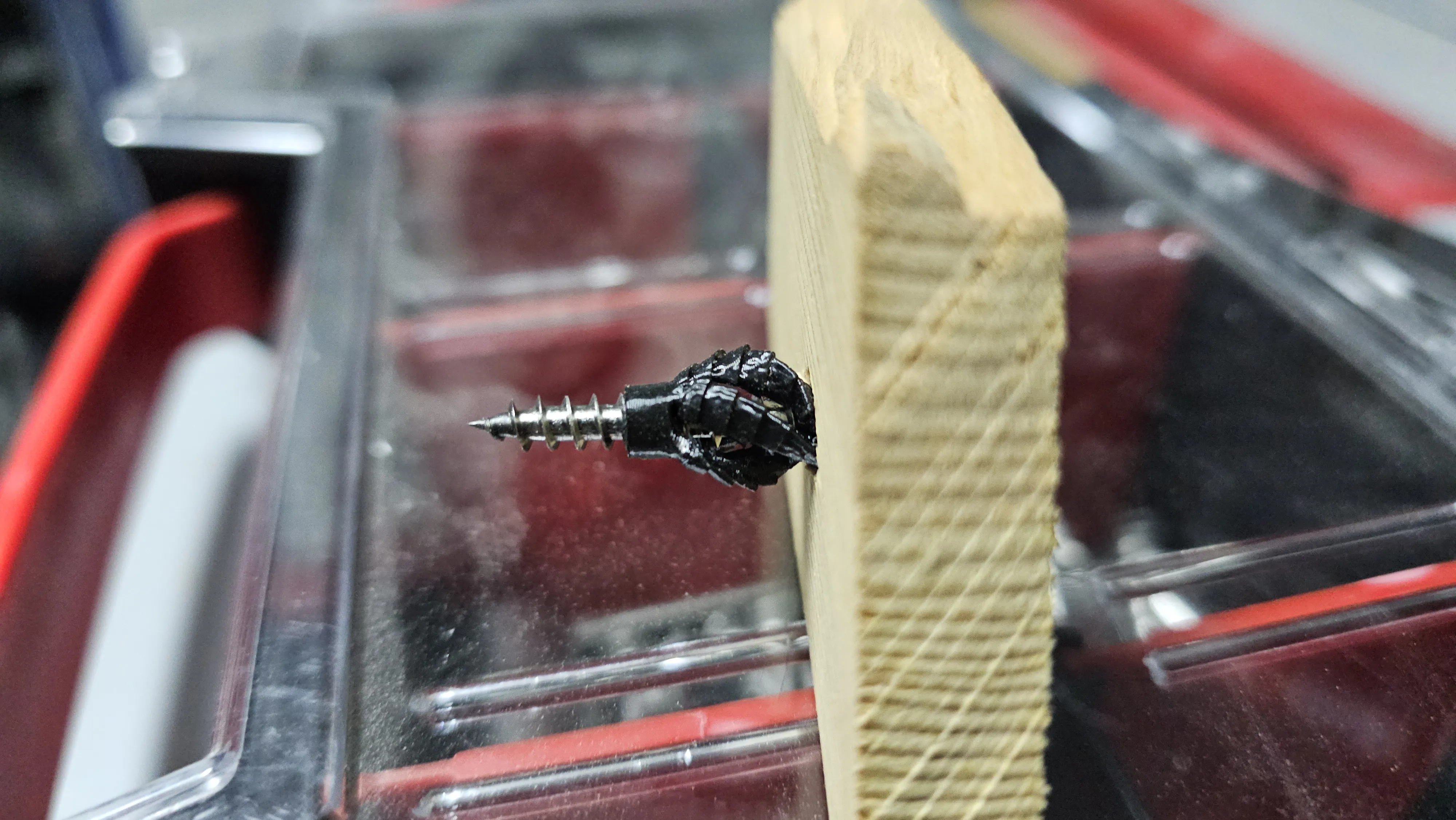
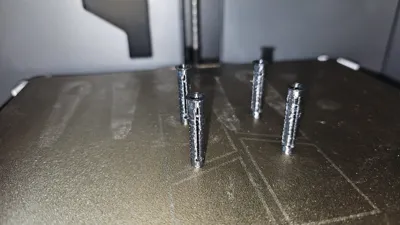
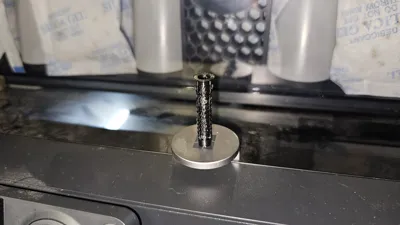
The anchor is printed vertically. Therefore, filaments with high layer adhesion and certain flexibility are advantageous
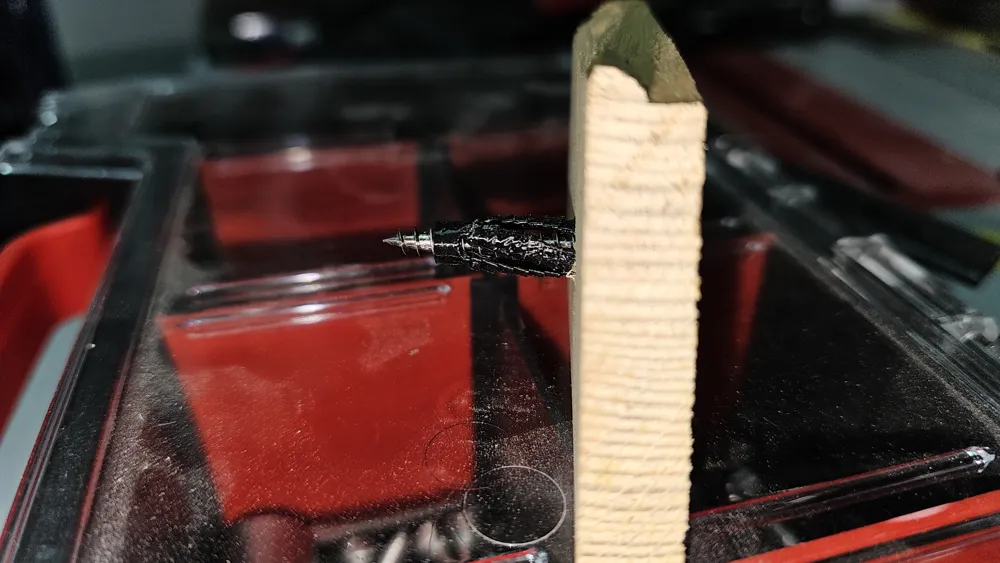
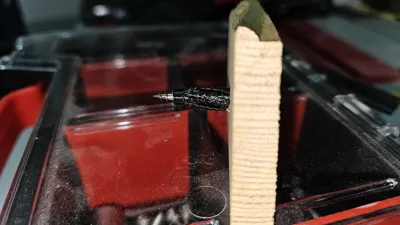
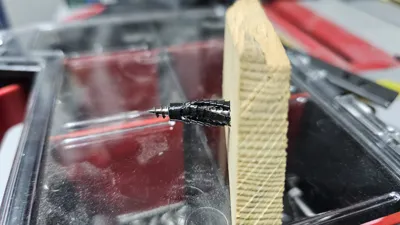
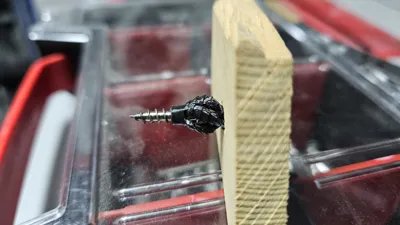
Material tests: (Successful when the screw plastically deforms with a slightly angled lever without the anchor yielding)
- TPU for AMS (works excellently)
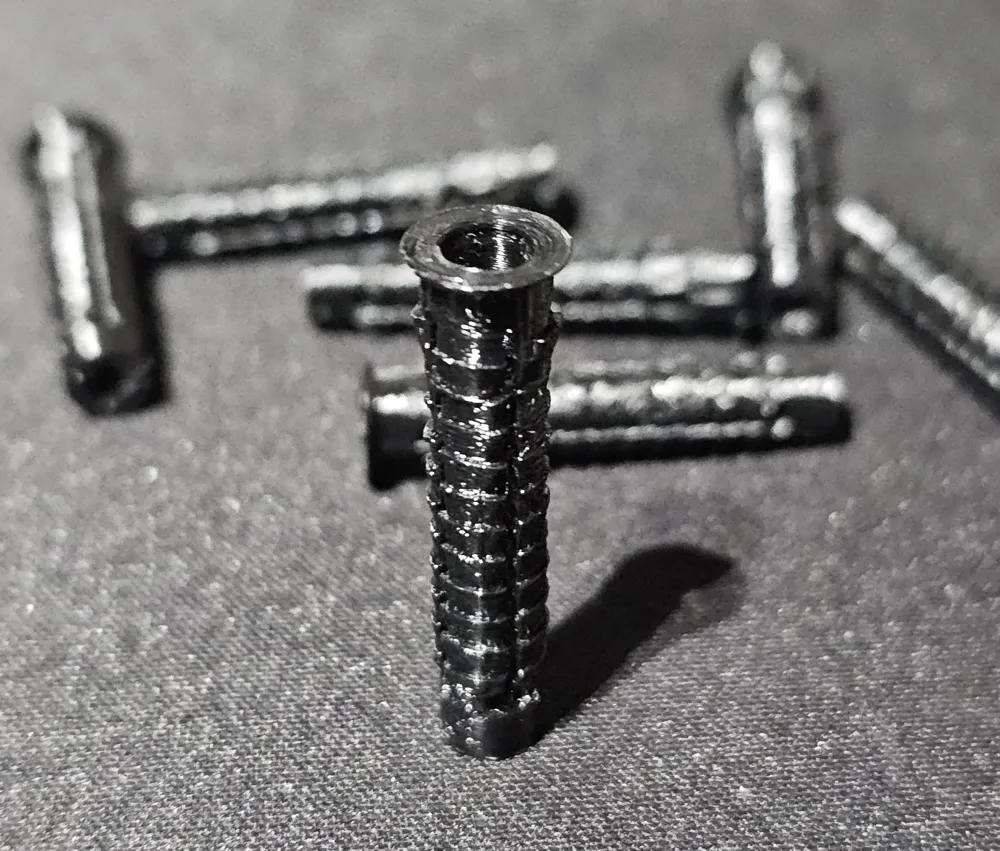
- PETG is only suitable for solid masonry (I experienced no material breakages after setting the anchor, screwing in and out, and pulling the anchor)
- !ASA failed due to material breakages in solid masonry!
Other notes:
I have read that anchors are merely about adding material
Unfortunately, that's not the whole truth
For example, in the past, a piece of wood was used, which was fixed with plaster
Initially, screws were only driven into the wood. Later, wooden dowels were also inserted into the hole
However, this is exactly where the "just material" problem comes into play
The way the wood grain runs makes a difference in how stable it becomes
Rods with continuous grain were naturally stable even if a screwed-in screw cut through a few longitudinal fibers
However, when wood is used with the grain running transversely, there's a risk of the piece breaking completely in many places when a screw is driven in
It's similar in 3D printing with layer adhesion
Vertically printed anchors are similar to incorrectly oriented wood in the past
However, there are materials that are more flexible or have better layer adhesion and can still work
PLA is definitely not one of the safe materials for vertically printable anchors that can withstand continuous load
However, one should consider. A light picture on the wall can also be held by a screw without an anchor in a 6mm hole
But you should never touch it or it shouldn't be exposed to wind
If you then have even a half-crumbled anchor also in the hole, that's probably enough
Important properties of anchors:
- Length and the area where the anchor can expand, and the barbs that wedge into the masonry
- Diameter and for which screw diameters it is suitable
- Collar or without (anchors with a collar cannot be pushed through, which is sometimes necessary)
- Barbs or sharp longitudinal edges which usually also prevent it from spinning when the hole is slightly too large
- Anchor end for through-screwing or for splaying/splitting (only anchors where the screw finds purchase at the end can create a knot in cavities)
- Material
License

You shall not share, sub-license, sell, rent, host, transfer, or distribute in any way the digital or 3D printed versions of this object, nor any other derivative work of this object in its digital or physical format (including - but not limited to - remixes of this object, and hosting on other digital platforms). The objects may not be used without permission in any way whatsoever in which you charge money, or collect fees.


Comment & Rating (2)