
Print Profile(1)
Description
🎬 Overview
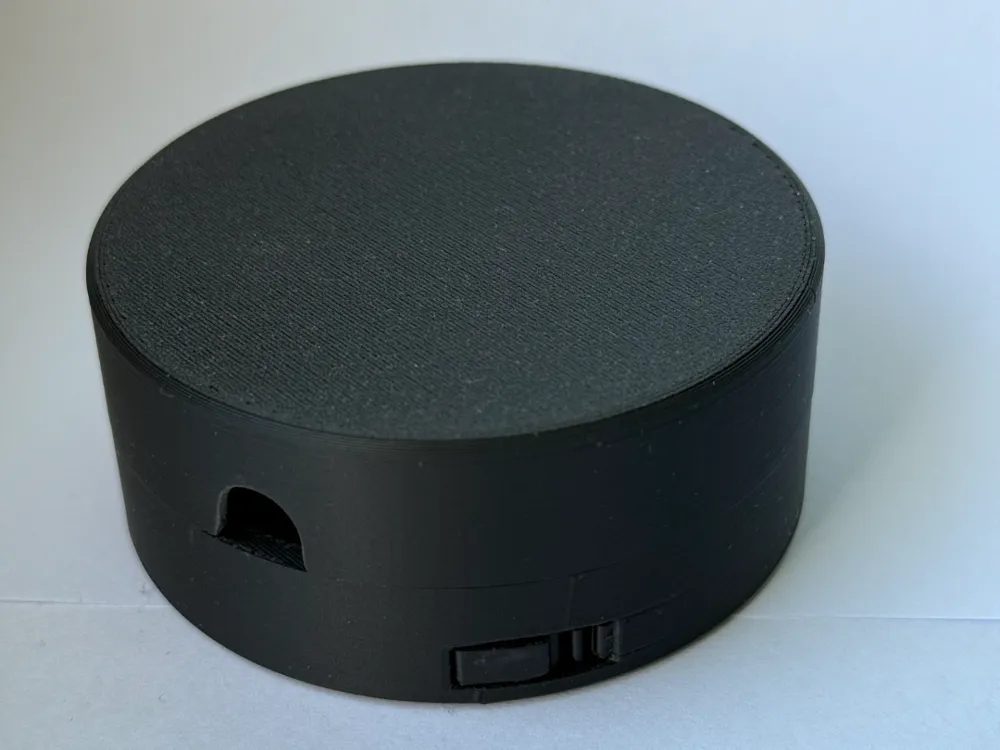
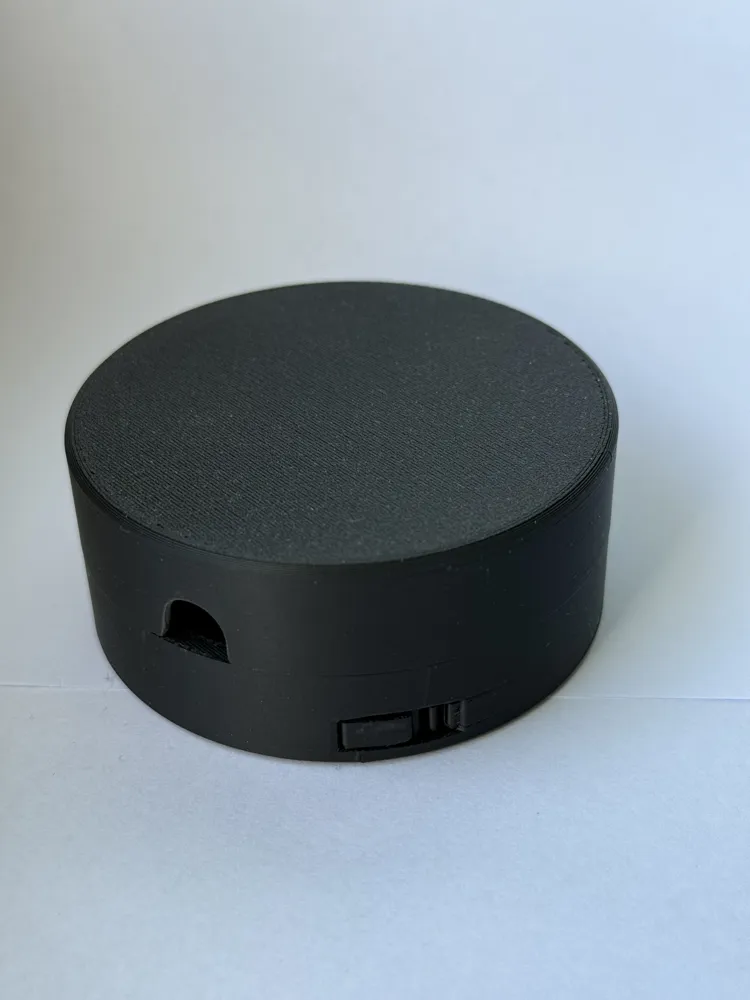
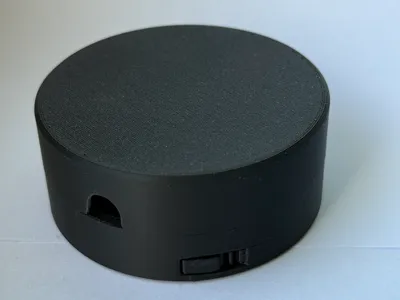
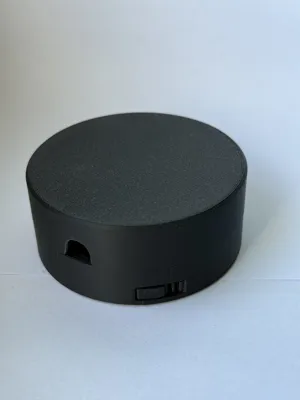
This project is a prototype of a USB cable winder printed entirely in PLA
The main goal is not yet to achieve a final product, but to study:
- the mechanism's operation
- component assembly
- the behavior of the spring and the cable return system
It can be useful as a study base or starting point for anyone who wants to develop a similar system
⚙️ How it works
The mechanism allows you to:
- pull out the cable manually
- rewind it automatically using an internal spring
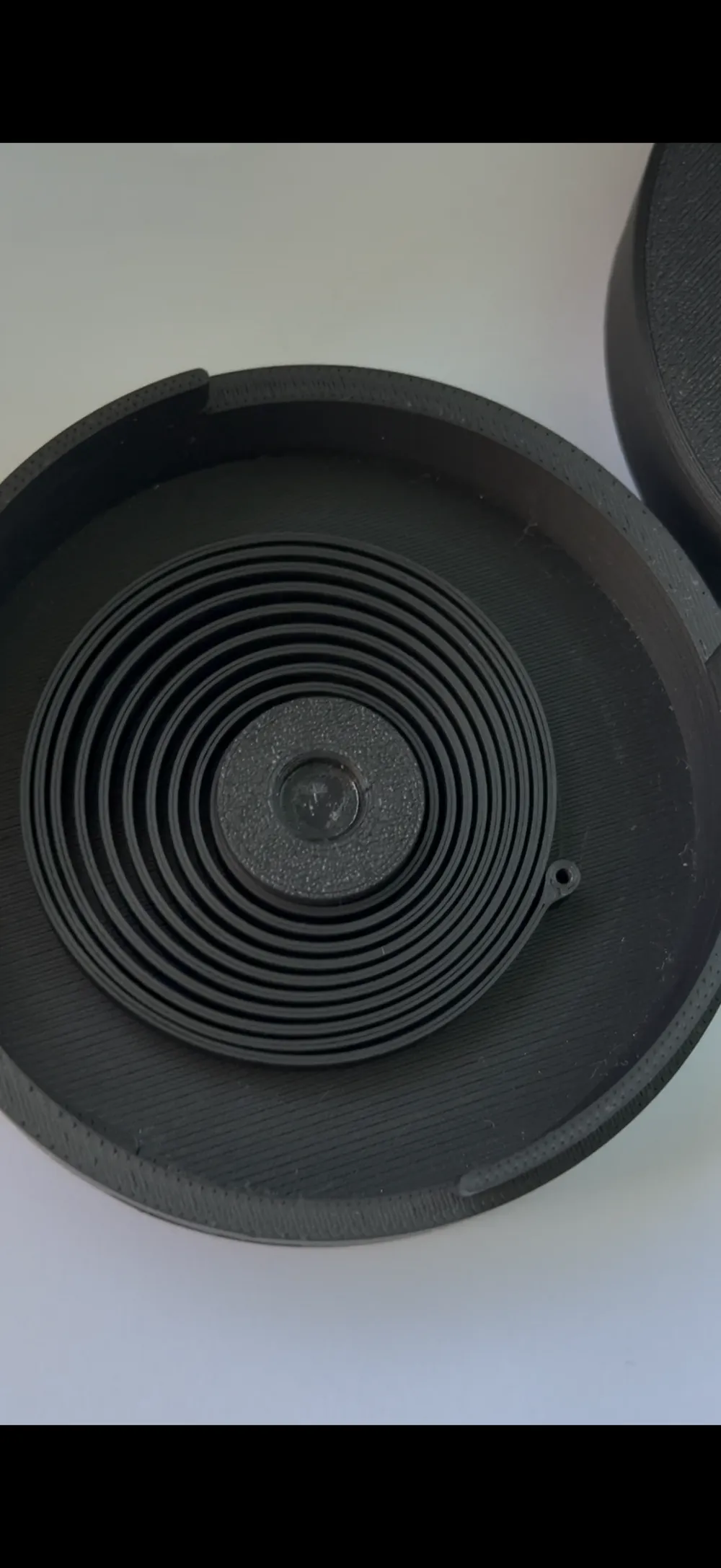
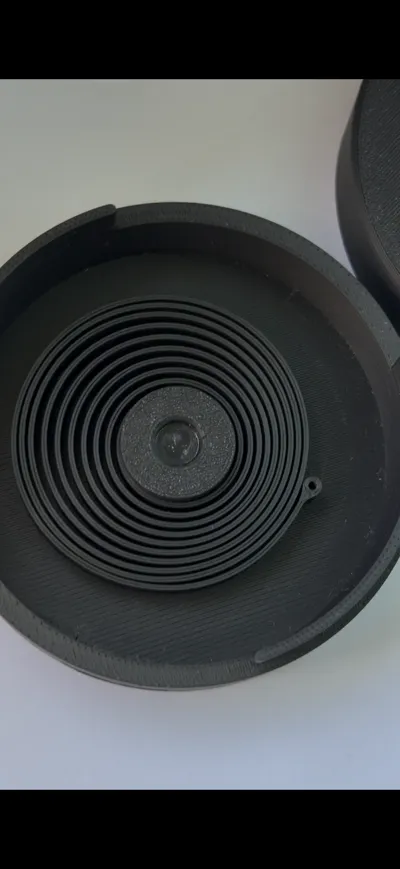
This version uses a PLA printed spring to test geometries, spaces, and general operation
Assembly:
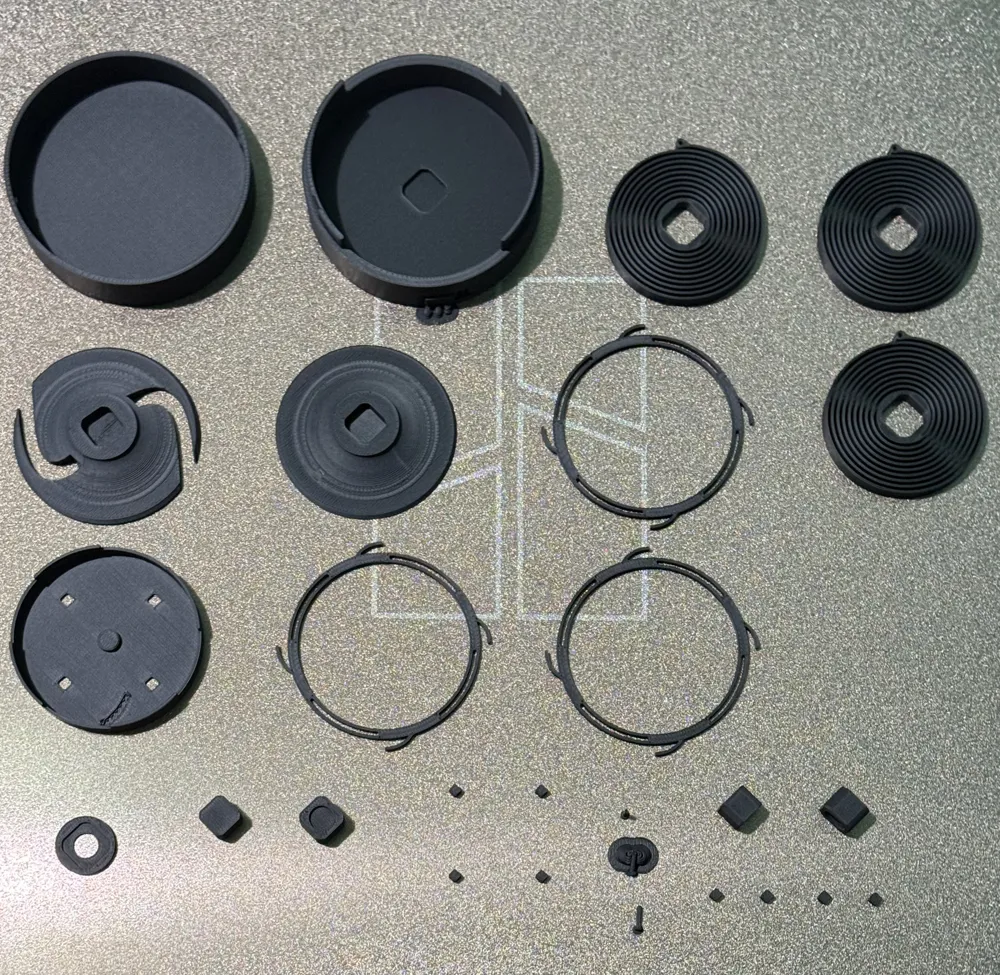
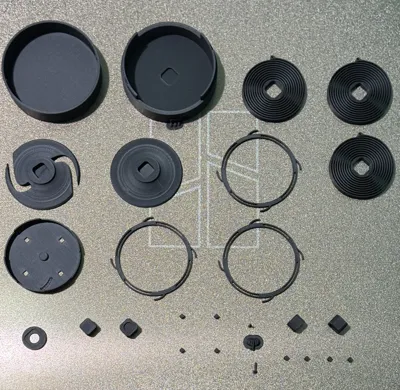
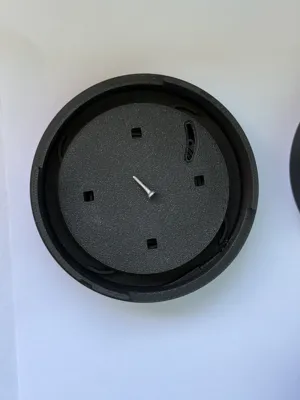
- Place the “Cylinder Pin” in the “Base” pocket, the “Coil Spring” and secure the “Cover” of the cylinder pin (photo 8), I put a drop of glue
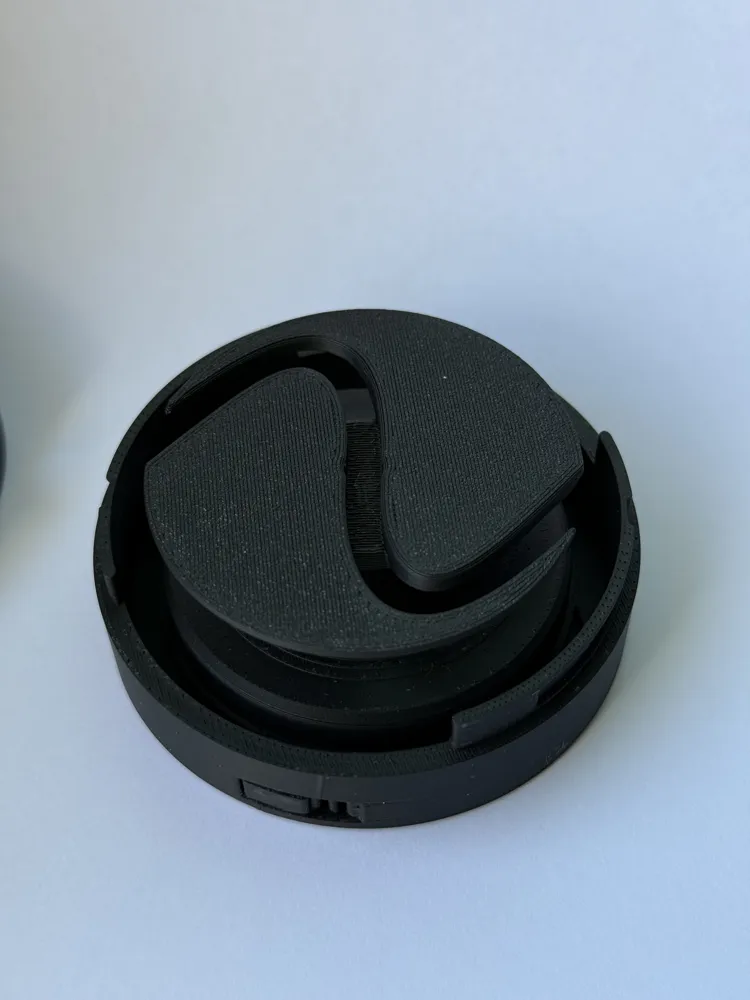
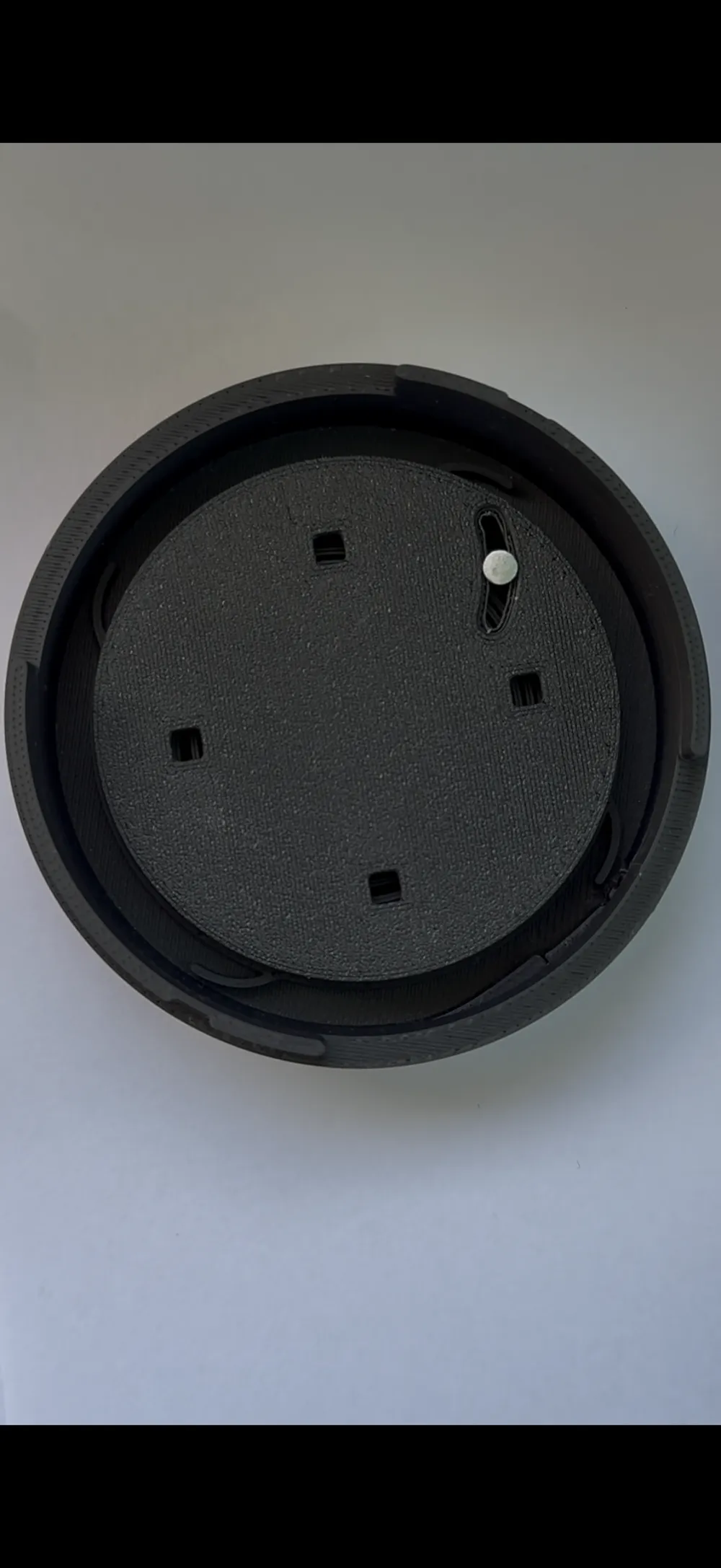
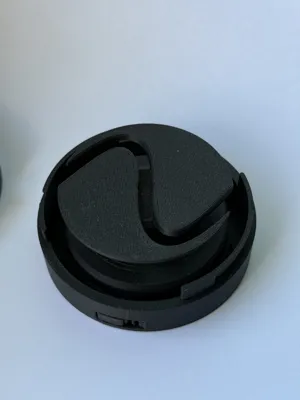
- Insert the “Paddle Wheel” into the “Spring Cover” grooves to become a single body (photo 7)
- Place the latter on the “Cover” of the cylinder pin (photo 9)
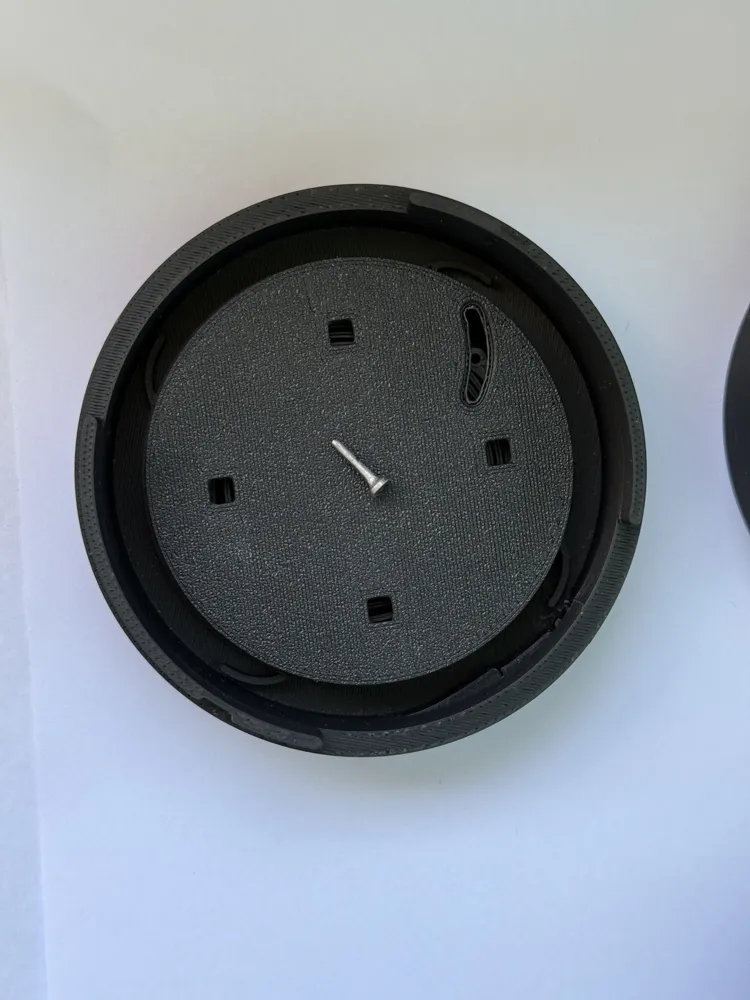
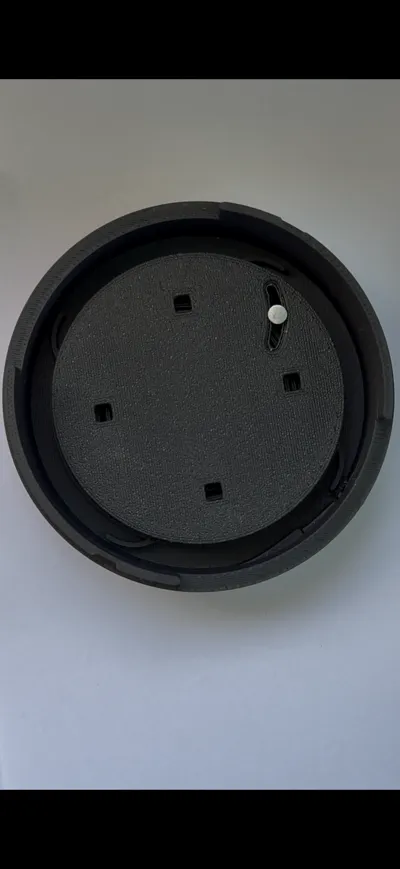
- Insert a pin into the spring cover pocket and into the eyelet of the coil spring (photos 7 and 9) I created this pin starting from a steel nail, sanding it with a Dremel and P80 sandpaper until it was the right size I tried to print it in PLA but unfortunately it didn't work well (it's very thin and in PLA it doesn't hold its role, which is why I recreated it from a nail)
- Couple the rotating Cylinder (bottom and top part) where the cable will be wound using its respective printed pin, applying a few drops of glue (See GIF 2, these are the two parts in Orange/gold)
- Difficult part: on the face of the lower part of this last block there are 4 pockets, created to glue the small cubes, in order to grip with the spring cover and to allow the spring, when discharged, to wind the cable (see GIF 2)

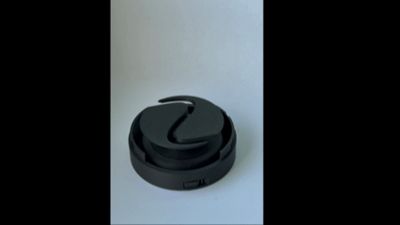
- To load the spring, rotate the entire inner assembly counterclockwise, approximately 7-8 turns max (see GIF 1)
- Position the USB Cable Winder “Cover” by matching the two small buttons inside the respective grooves on the lower base (see GIF 1 and GIF 2)

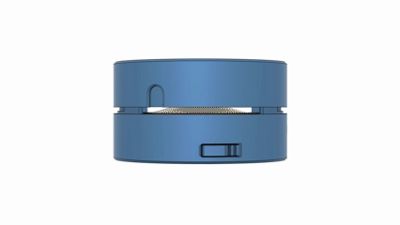
- To release the spring there is a small button on the bottom side of the cable winder Press it! (being in PLA it might have a slow return after being pressed many times, but it's to understand a hypothetical button release operation)
🔧 Project status
⚠️ This is a prototype/concept
The current version:
- is completely printed in PLA
- is mainly used to validate the mechanical system
- is not intended as a final high-durability version
Note: certainly a component like the Paddle Wheel, printed in TPU, does its job better I haven't yet had the opportunity to purchase and try materials like TPU 85A, TPU 95A or TPU for AMS, but that will be the next test I do because with a steel spring the discharge force will be stronger and this component is subjected to various deformations and impacts during the spring discharge
🚀 Upgrades in development
I am already working on an improved version with:
- metal tape spring
- 5 mm height
- 0.2 mm thickness
The goal is to increase:
- return force
- reliability
- durability over time
In this way, the system can become truly functional and not just demonstrative
🧩 Possible future improvements
- technical materials
- metal components
- friction optimization
- cable locking system
- compatibility with different USB types
🖨️ Printing
- Material: PLA
- Project primarily designed as a study prototype
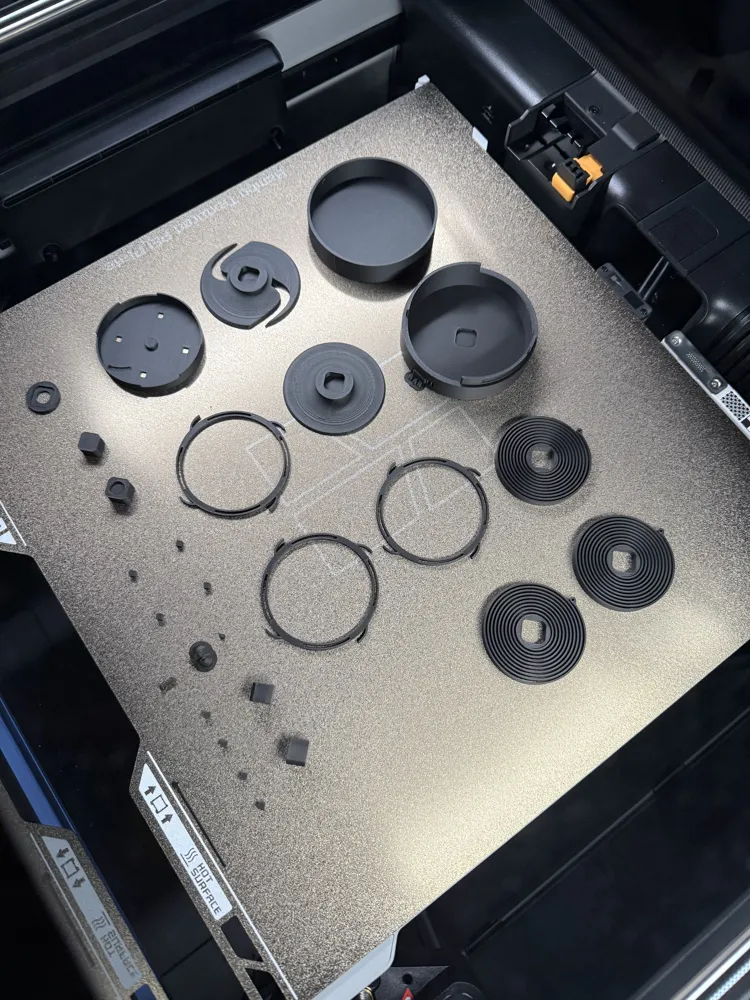
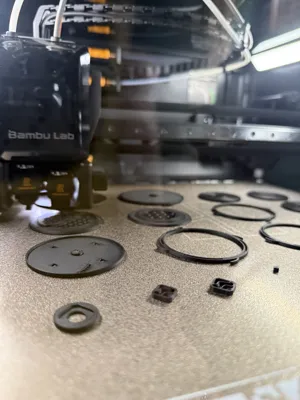
- Some parts may require minor post-print finishing to improve movement and clean small supports (below and above the discharge button)
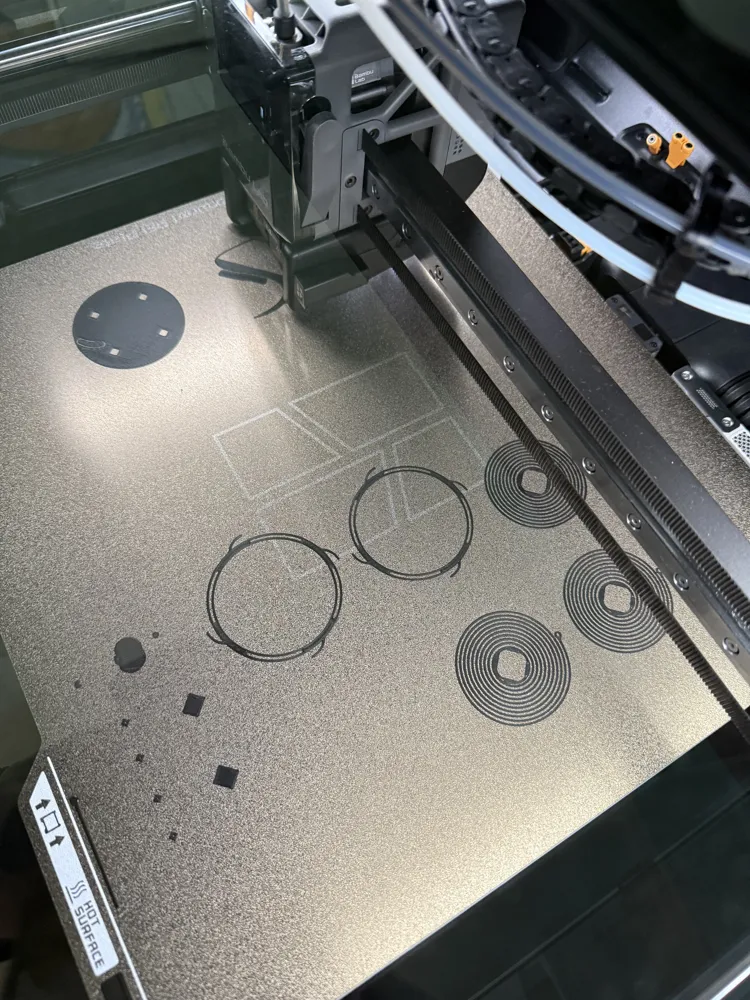
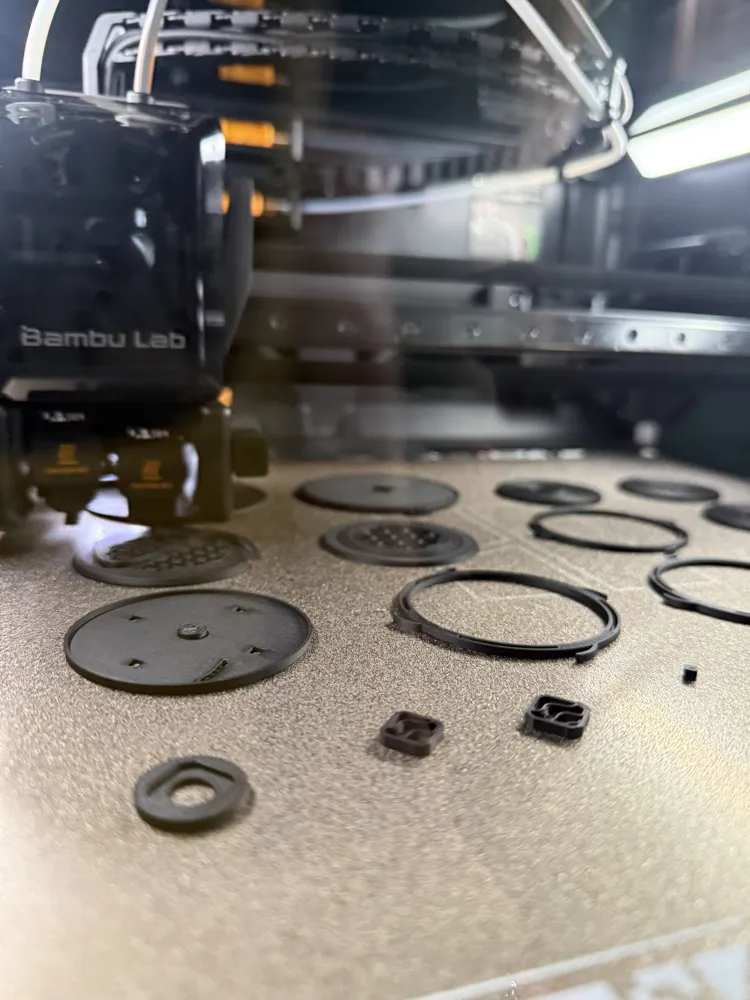
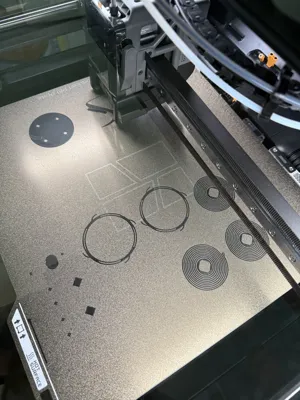
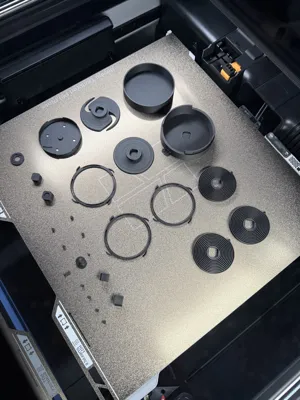
All components are printed on a single plate I recommend printing an extra paddle wheel to have it ready in case of breakage
🎯 Project goal
This model was born as a mechanical experiment and development project
The idea is to share:
- the process
- the operation
- the system's evolution
with those interested in mechanical design and 3D printing
⚠️ Note
Being a prototype version:
- some components may wear out quickly
- the PLA printed spring has limited force (max 7-8 turns)
- the system may require adjustments and modifications
🎥 Project evolution
Updates and improved versions with more performing components will follow 👀
Let me know what you think and how it could be improved
License

You shall not share, sub-license, sell, rent, host, transfer, or distribute in any way the digital or 3D printed versions of this object, nor any other derivative work of this object in its digital or physical format (including - but not limited to - remixes of this object, and hosting on other digital platforms). The objects may not be used without permission in any way whatsoever in which you charge money, or collect fees.


Comment & Rating (0)