
Multi-Material Fidget Cloth
Print Profile(1)
Bill of Materials


Description

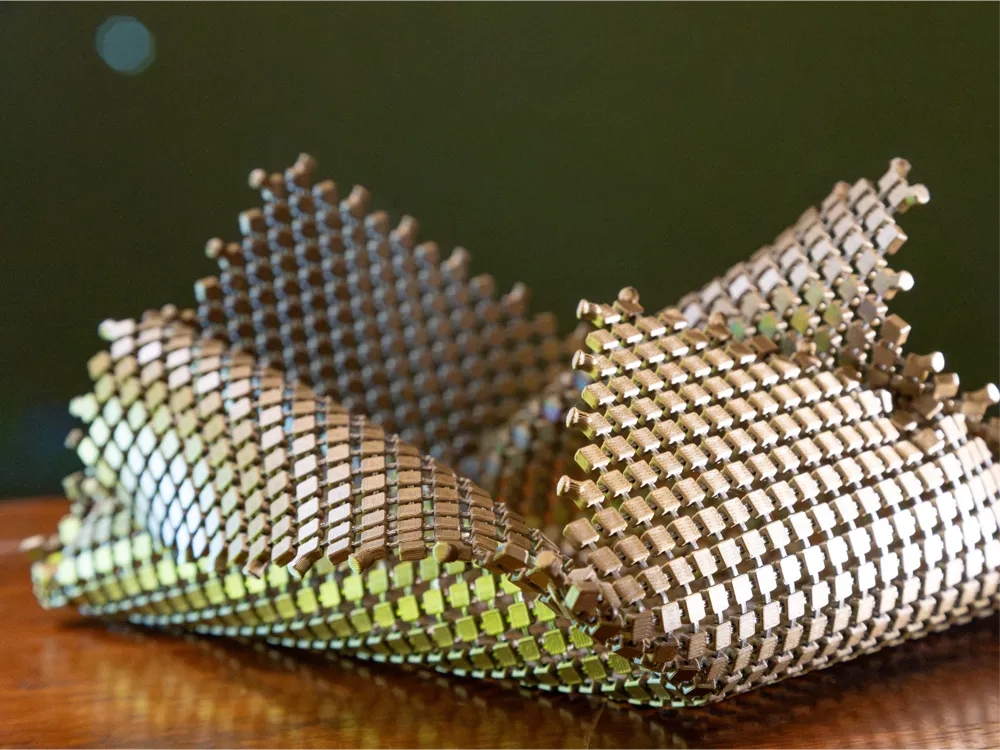
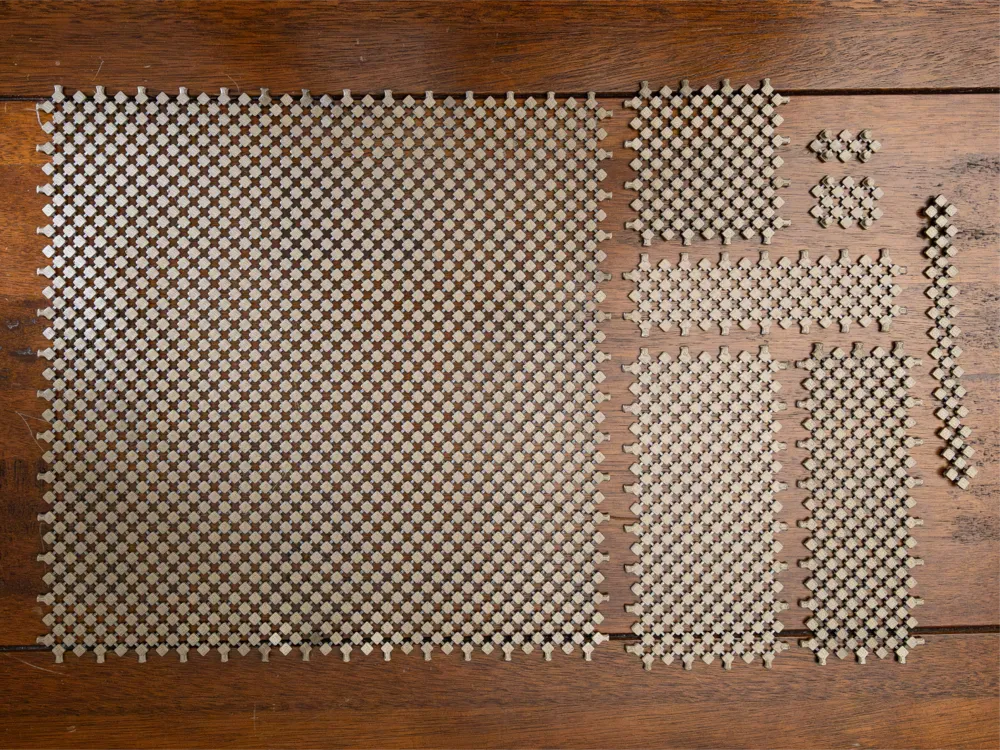
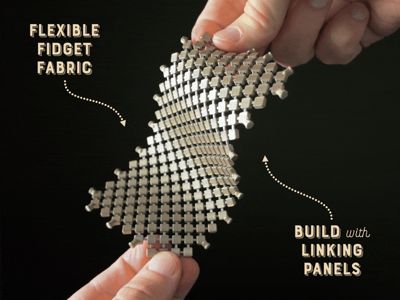
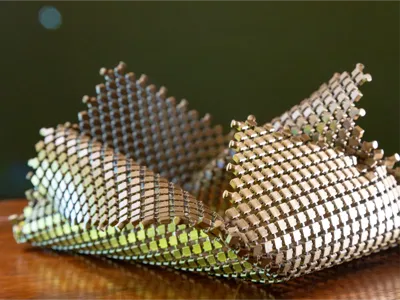
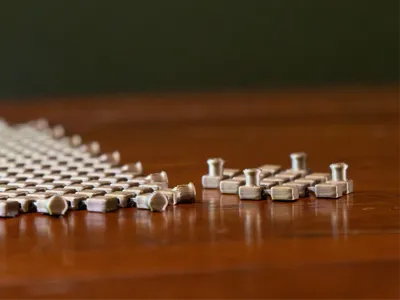
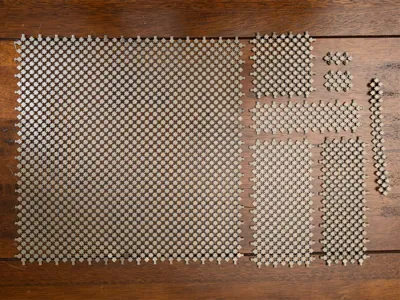
This new cloth structure combines TPU and PLA to provide a flexible, snap together cloth with all of the appearance options available with PLA. The interior structure uses long strands of TPU to provide surprising strength while still remaining quite flexible.
A few details on the project:
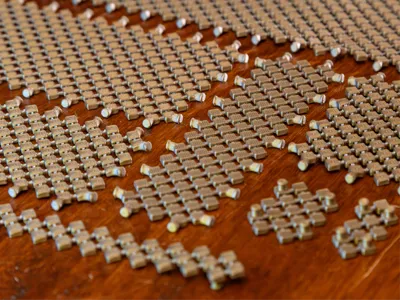
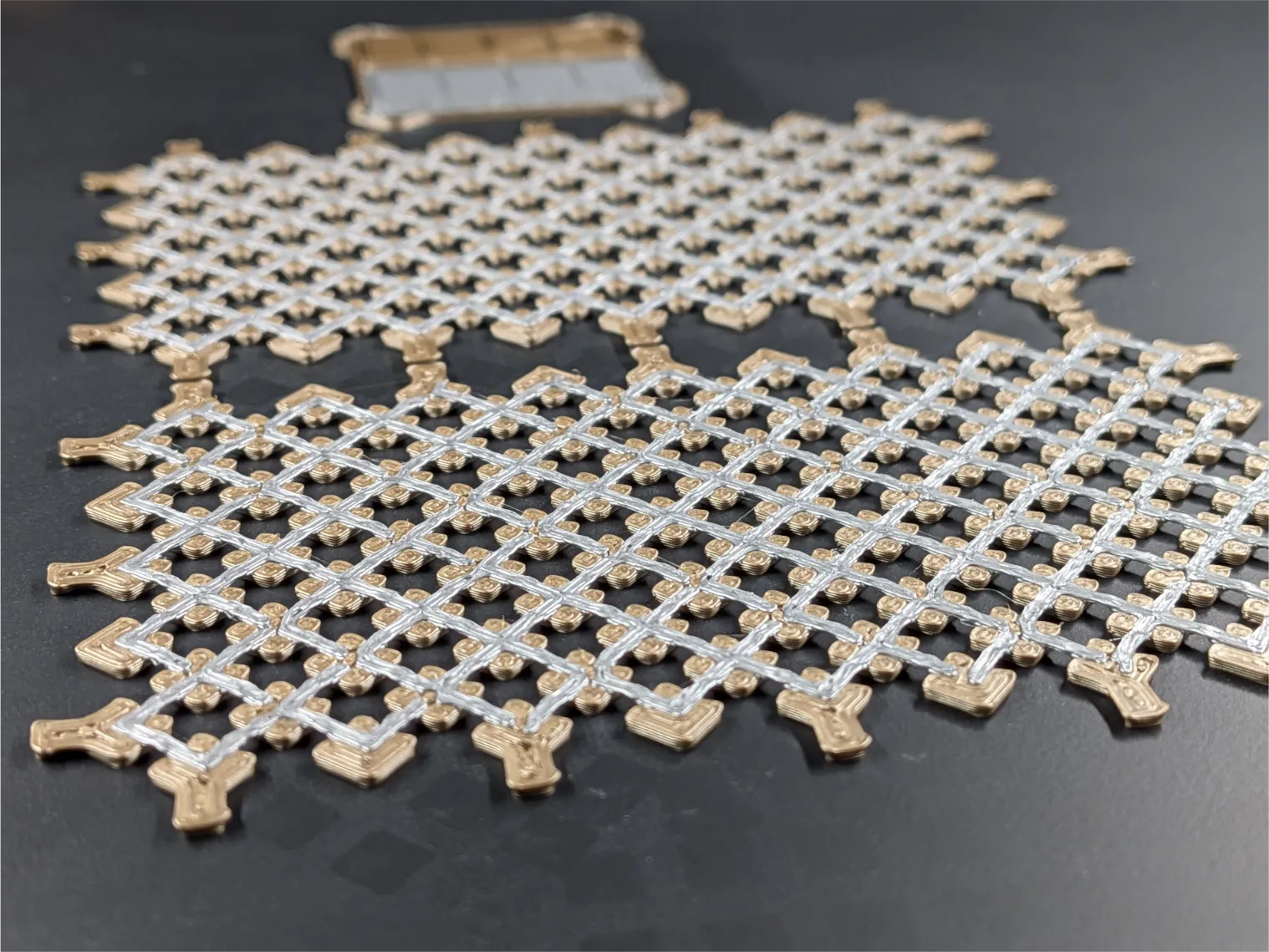 | As you can see in this mid-print photo, the TPU lines join together within the PLA structures - this adds strength and helps to prevent the TPU from pulling out from the PLA housing. |
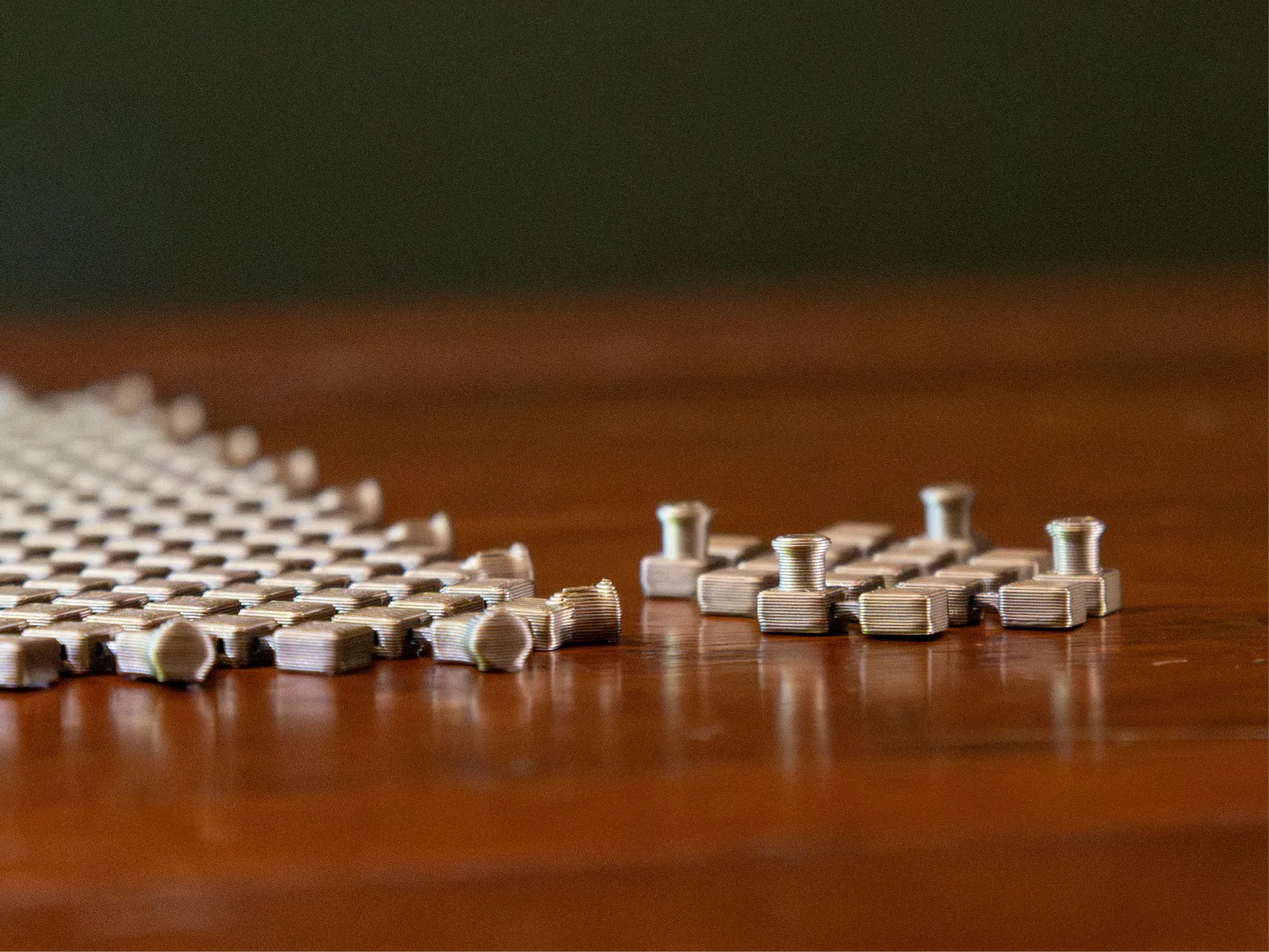 | There are two basic connector types:
|
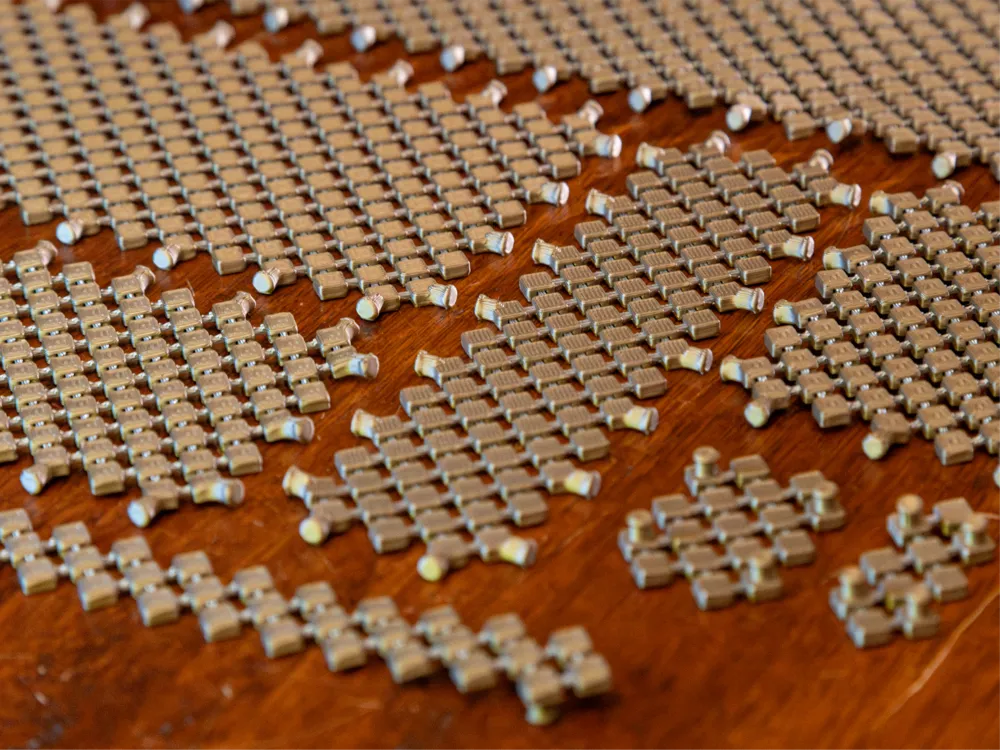
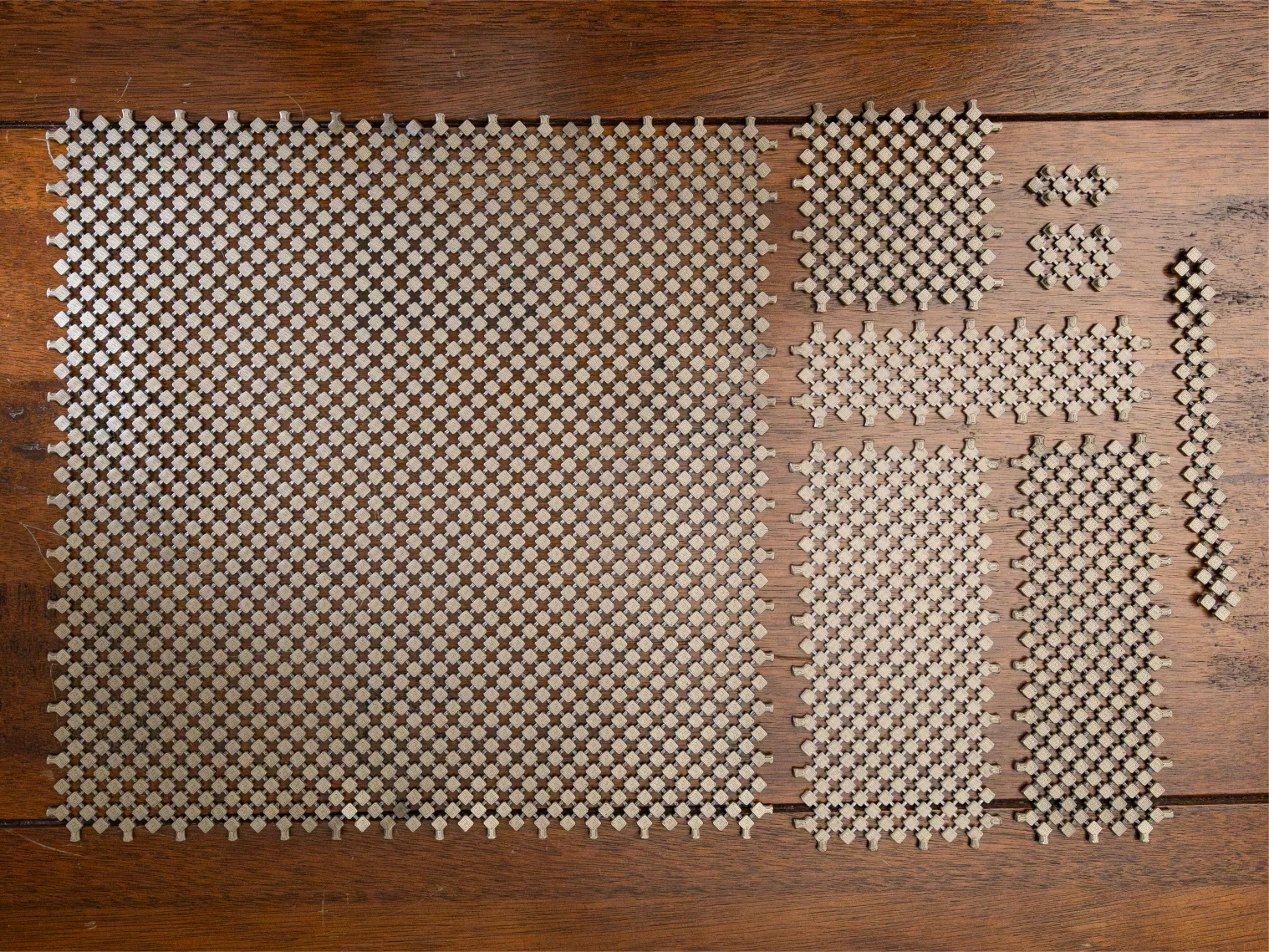 | The print profile includes many sizes of cloth panels but I can add more - just let me know the sizes you need! |
The panels are fun to fidget with but you can also trying them together to build structures - if you come up with any patterns, be sure to share them in the comments.
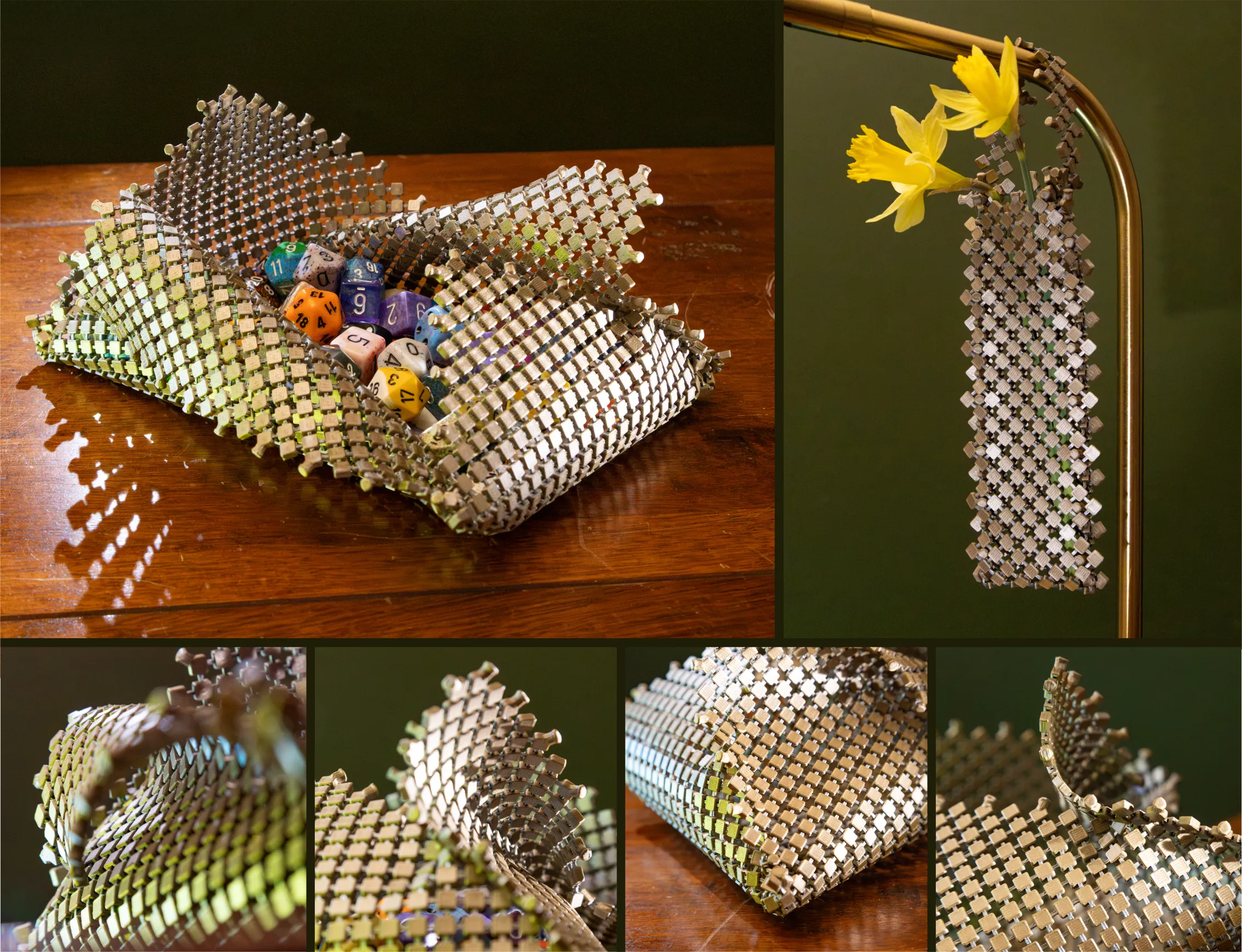
Connecting& Disconnecting the Parts
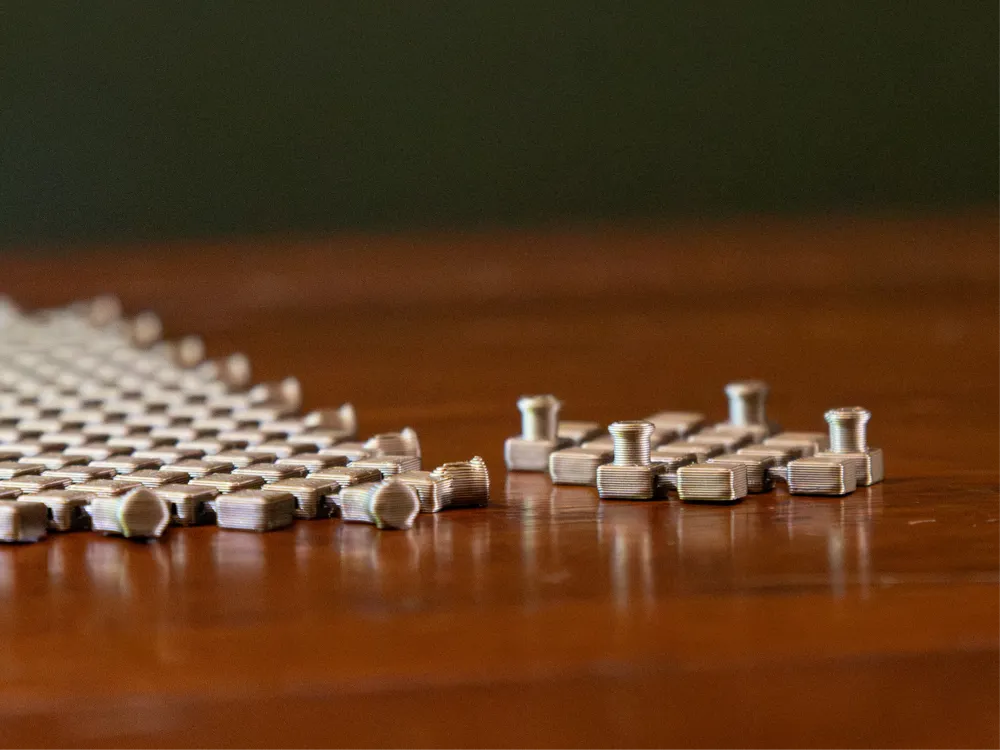
The panels connect and disconnect using small pegs on the perimeter. These will fit into the gaps on the panels and use the stretchiness of the TPU to hold themselves in place
 | |
 | At high angles, the connection between panels can be quite strong. Just change the angle and they can also be easy to disconnect |
Choosing Filament
I’ve tested this model with multiple TPU types:
- TPU 90A is my favorite for his model - it bridges without issues and is much looser than 95A (making the fabric more flexible. I was able to test the new Quicksilver 90A from Bambu which you can see paired with the PLA Metal Iridium Gold in the photos for this post.
- TPU 95A HF works well but the reduced flexibility is really noticeable - especially for smaller parts.
- TPU For AMS has the benefit of being easy to print but I find it too stiff for this project.
Printing Tips
- SuperTack is my preferred plate-type for printing this fabric - it helps to ensure that the small parts adhere well.
- Bambu Studio will give you an error because Supertack doesn’t support TPU. However, no TPU actually touches the build-plate in this project.
- To work around this, you’ll need to change the plate temperature for the TPU to be 1˚
- Although this print combines TPU and PLA, I would advise against using Beam Interlocking. The file as configured is stronger because the TPU prints in longer, unbroken lines.
- Multi-nozzle printers like the H2D/C are needed when printing with 90A or 95A TPU.
Boost Me (for free)
If you enjoy my models and would like to support me, please consider sharing a boost!
Membership
Want to sell prints of my models? This Commercial Membership grants you a license to all of my MakerWorld models!
I love creating models to share for free, personal use. If you enjoyed this model, please consider buying me a coffee or joining me on Patreon.
License

You shall not share, sub-license, sell, rent, host, transfer, or distribute in any way the digital or 3D printed versions of this object, nor any other derivative work of this object in its digital or physical format (including - but not limited to - remixes of this object, and hosting on other digital platforms). The objects may not be used without permission in any way whatsoever in which you charge money, or collect fees.


Comment & Rating (22)