
Knucklebones
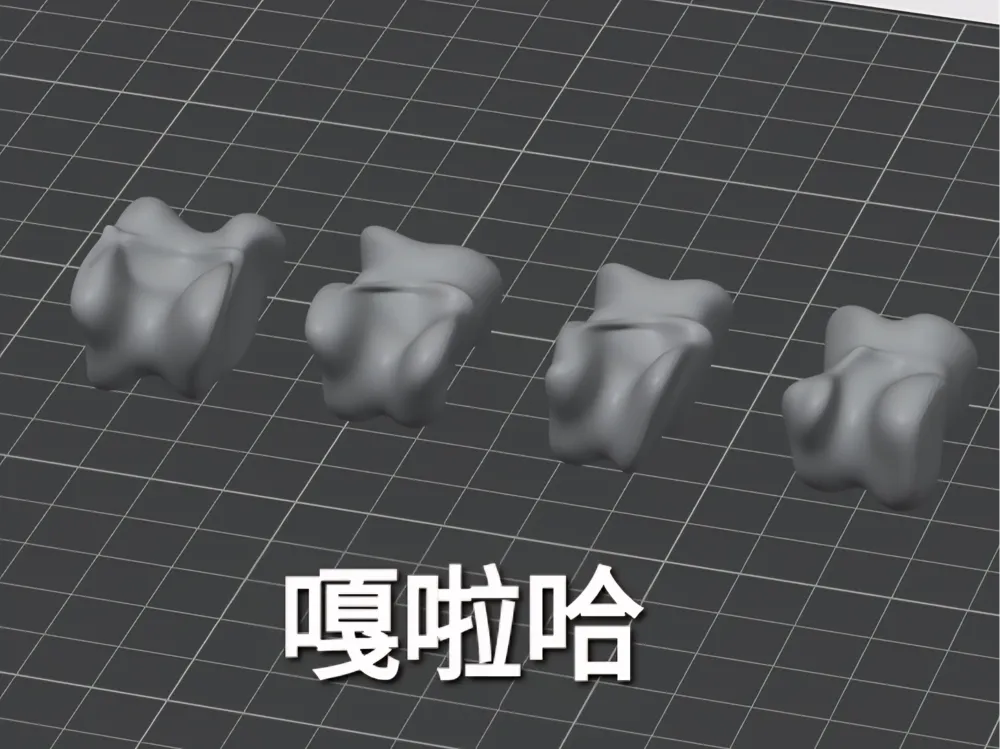
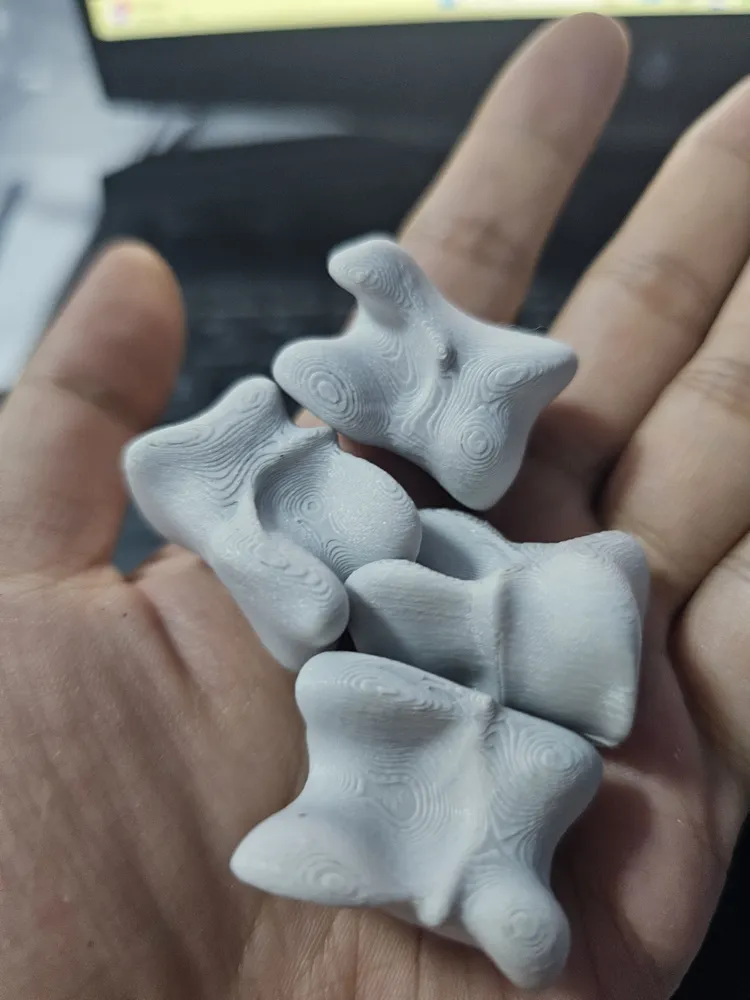
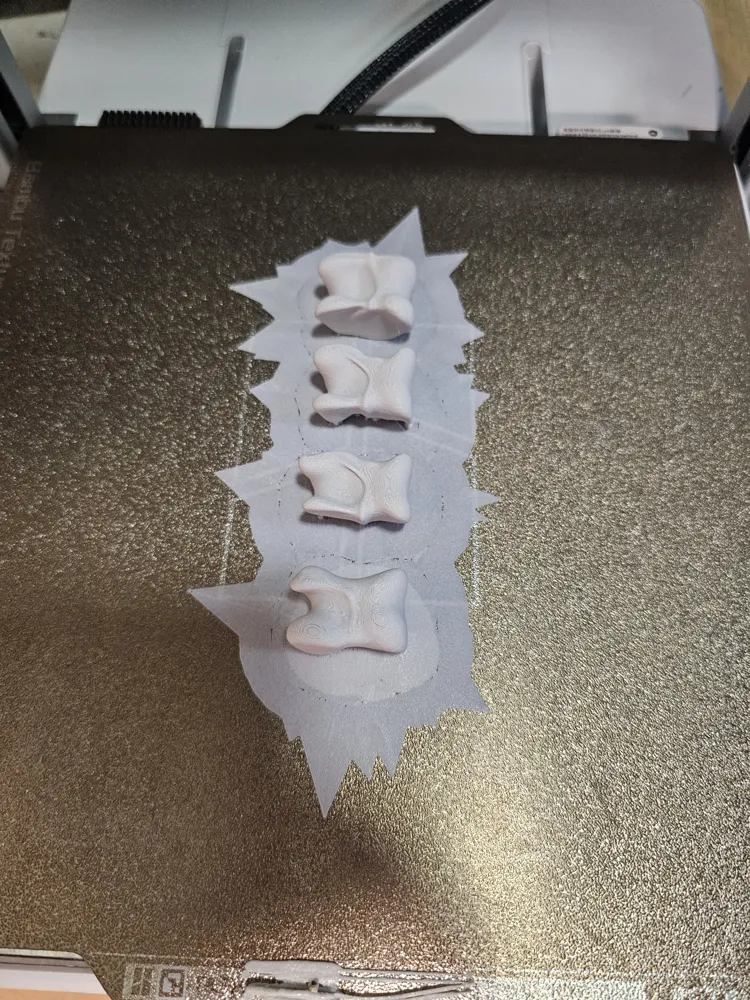
Print Profile(1)

Description
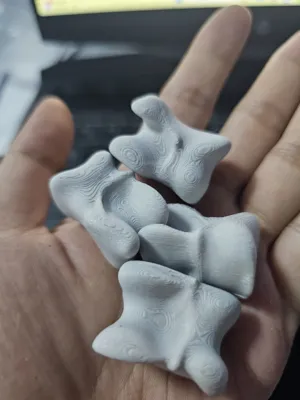
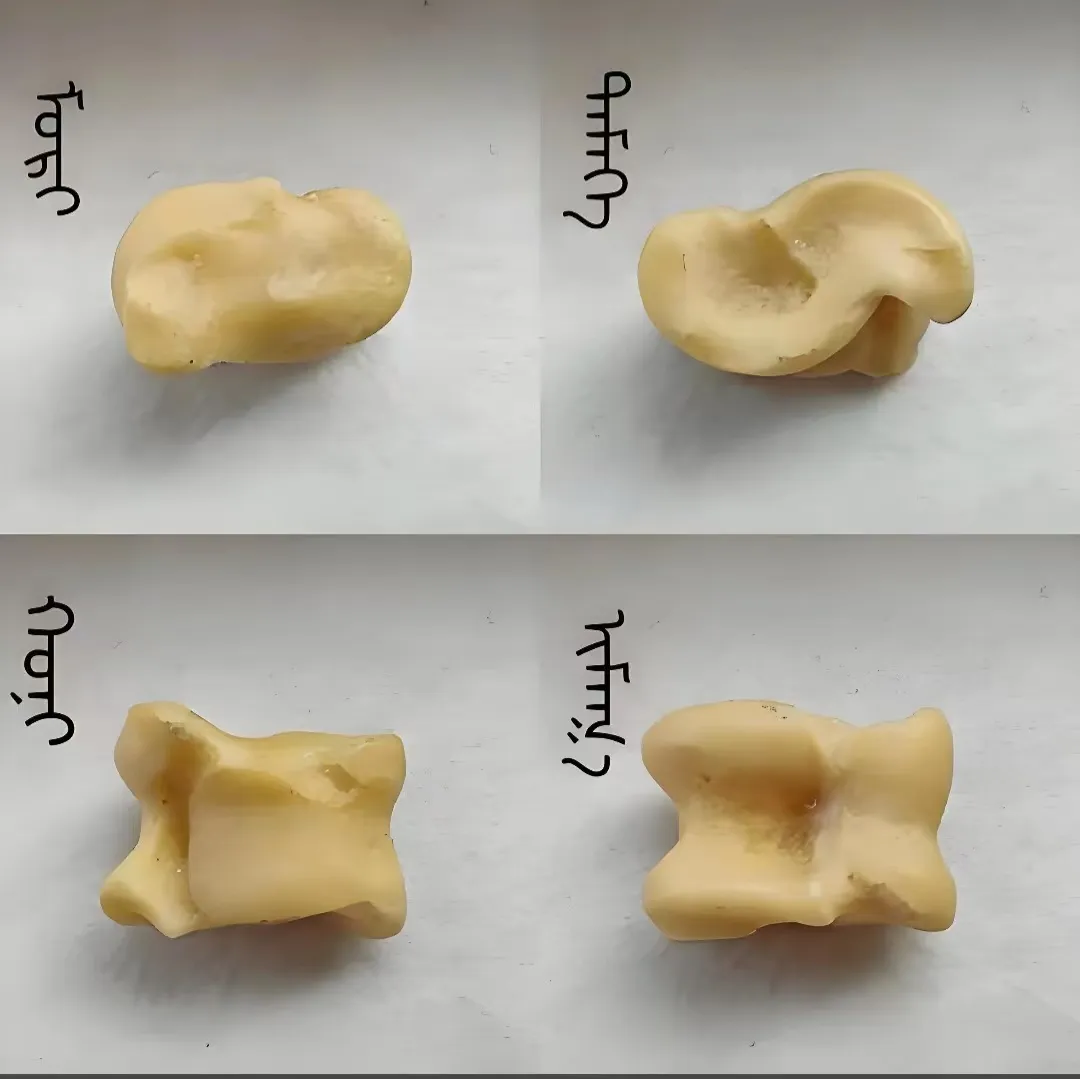
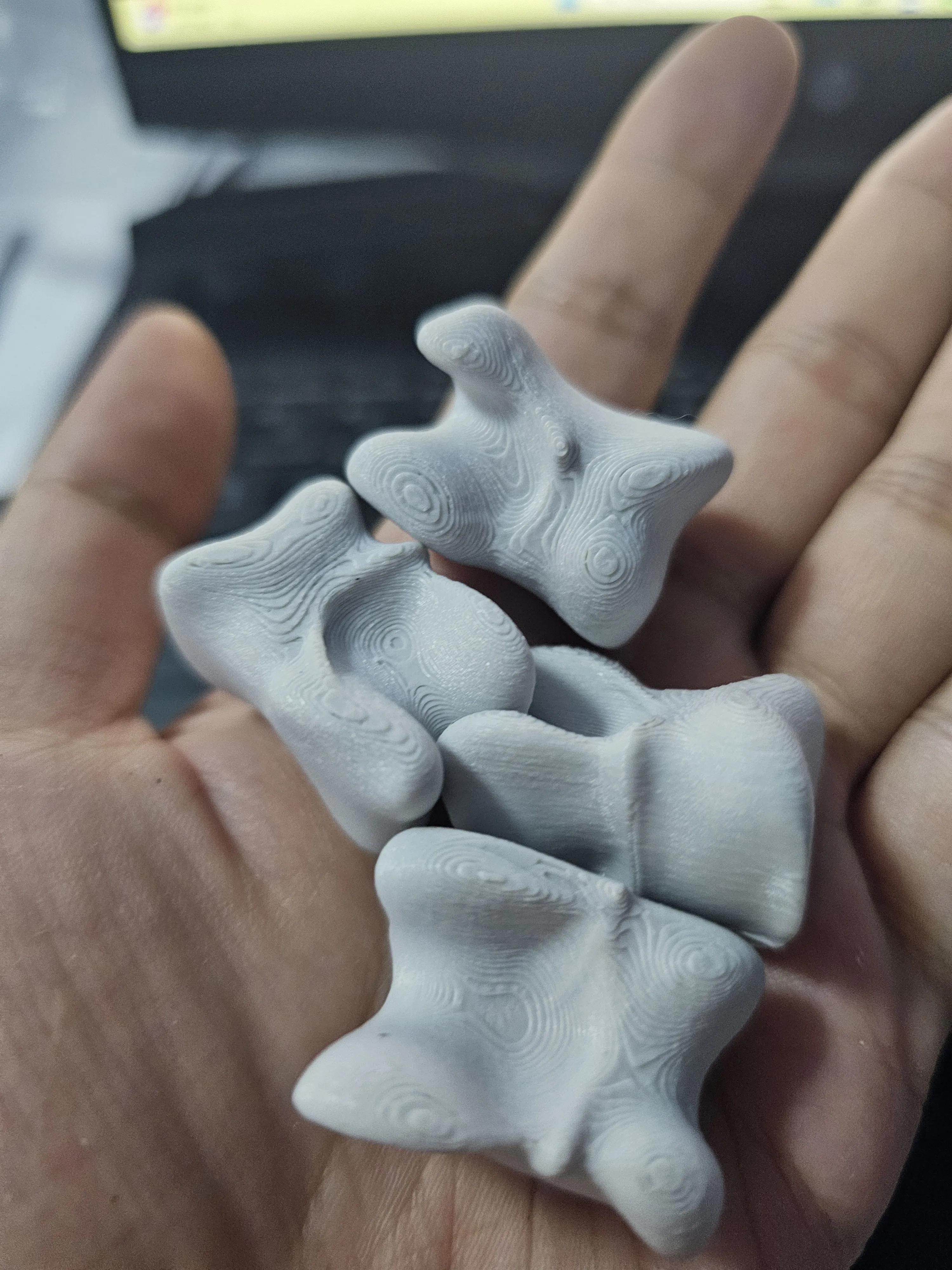
“Galahar” originates from the Manchu word “gachuha”, also known as “Gashiha”, “Kachicha”, etc. In Northeastern dialects, it specifically refers to the talus bone of the hind leg of sheep, pigs, deer, and other animals—the kneecap. It is a traditional game prop and folk symbol widely circulated in Northeast China, possessing unique regional characteristics and rich ethnic cultural connotations. The core of Galahar is the talus (patella) of the hind leg of an animal, commonly sourced from sheep or pigs, occasionally also from deer or cattle. This bone has a unique shape with four distinct faces, referred to in Northeastern dialects as “zhen'er” (convex surface), “lun'er” (concave surface), “keng'er” (flat surface with indentation), and “bao'er” (flat surface with protrusion). Each face has a unique form, providing the basis for gameplay. In 2009, Manchu “Xuē Galahar” (“Xuē” is a Northeastern dialect word meaning a quick grabbing motion) was listed in the Heilongjiang Provincial Intangible Cultural Heritage Registry, becoming a protected folk cultural item. For many Northeasterners, Galahar symbolizes childhood memories, carrying warm recollections of winter days spent with family and friends playing together, a cultural bond connecting generations.
License

Comment & Rating (0)