
Human-machine device
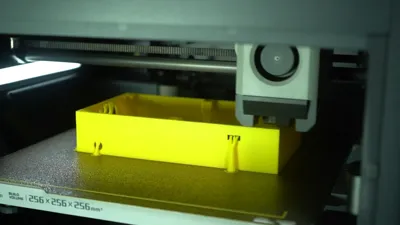
Print Profile(1)
Description
Boost Me (for free)
This was a labor of love, and your support would be greatly appreciated. It will allow me to create even more engaging content!
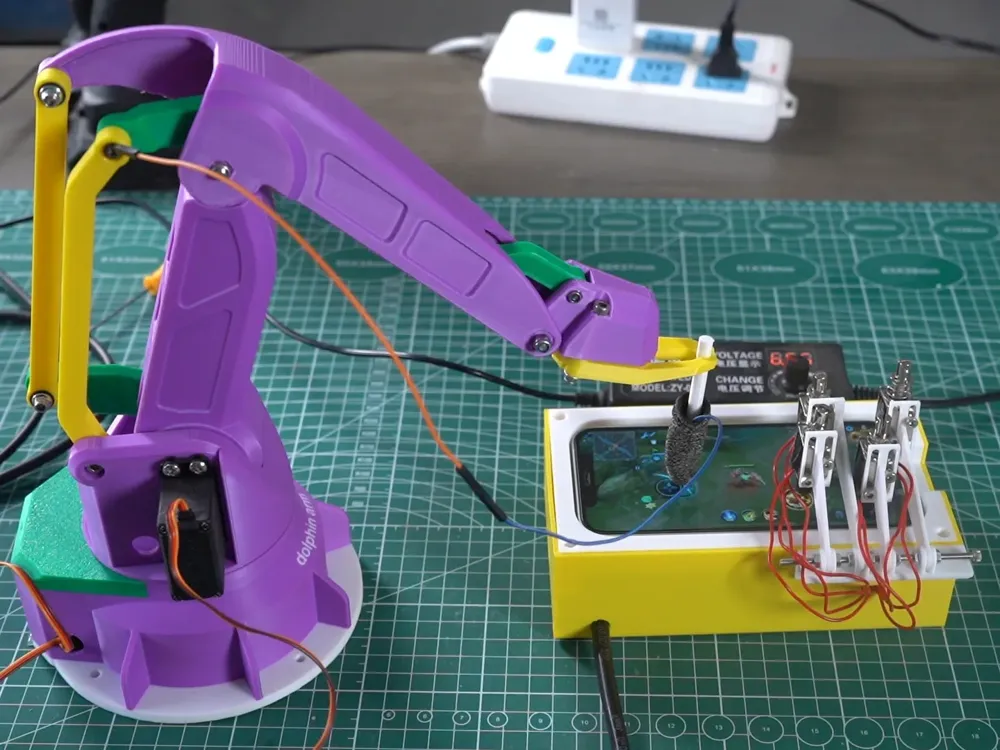
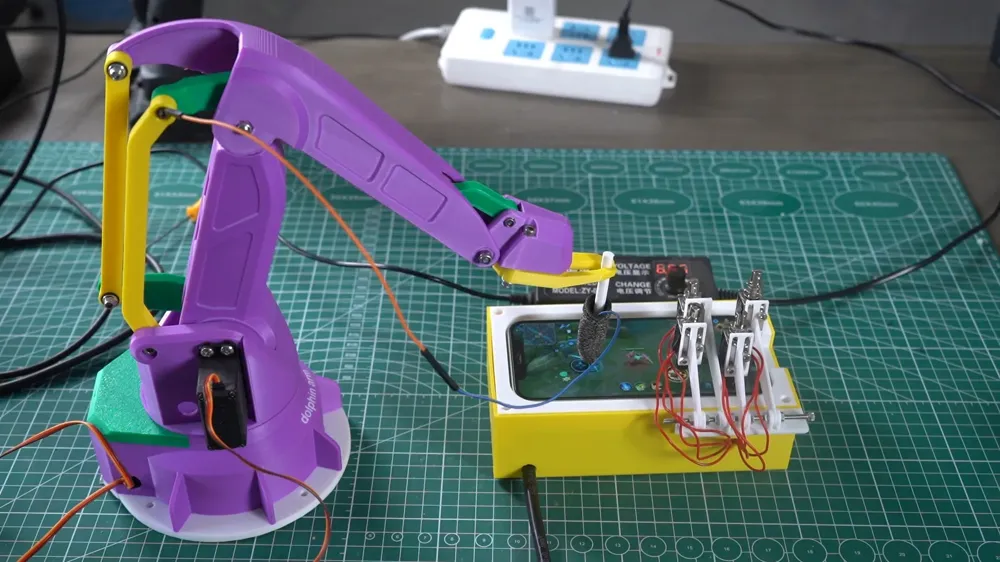
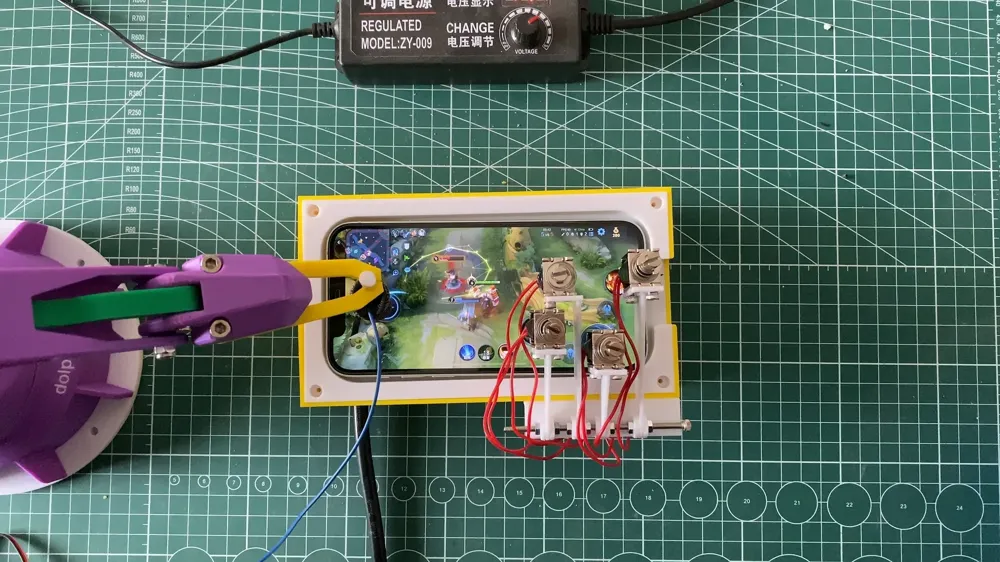
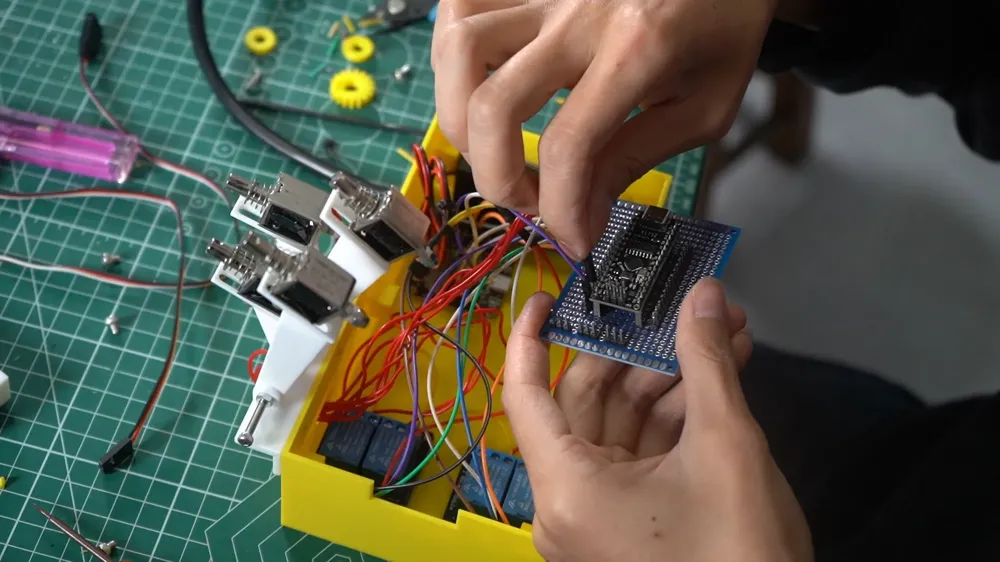
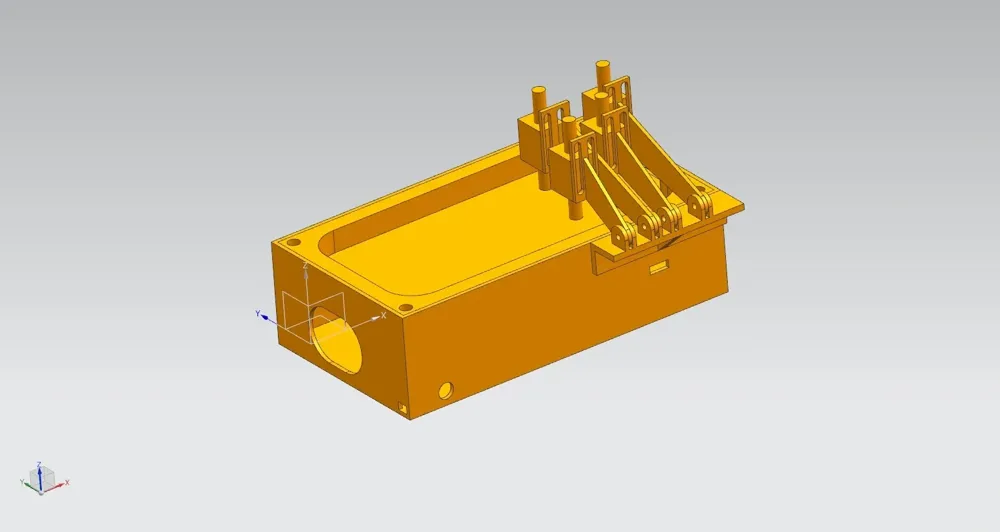
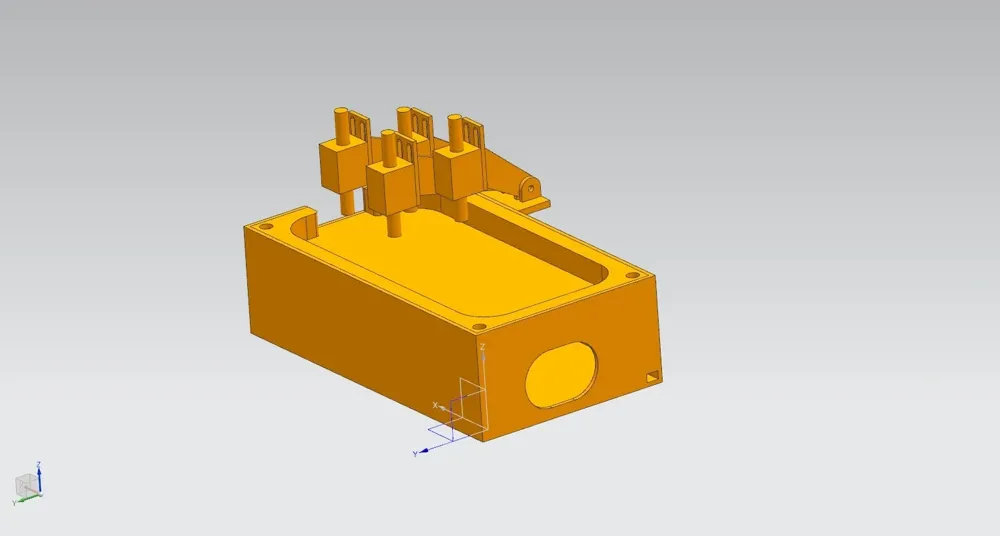
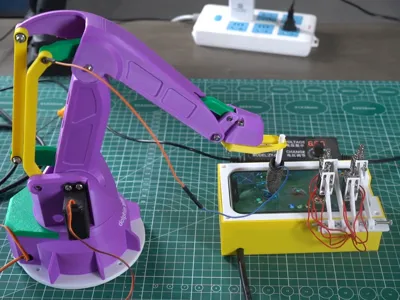
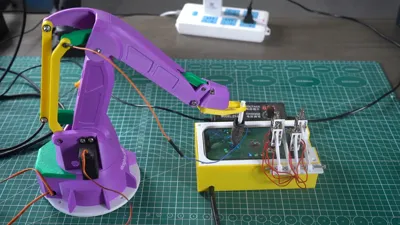
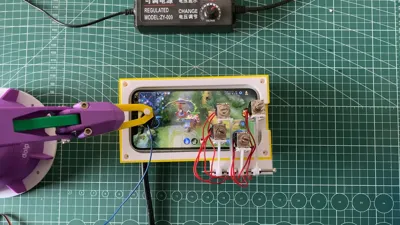
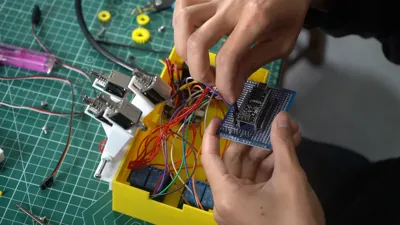
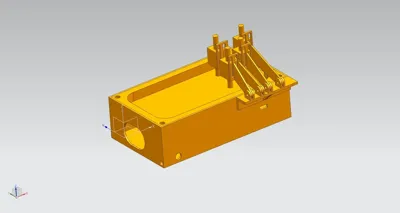
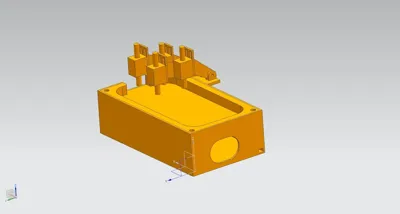
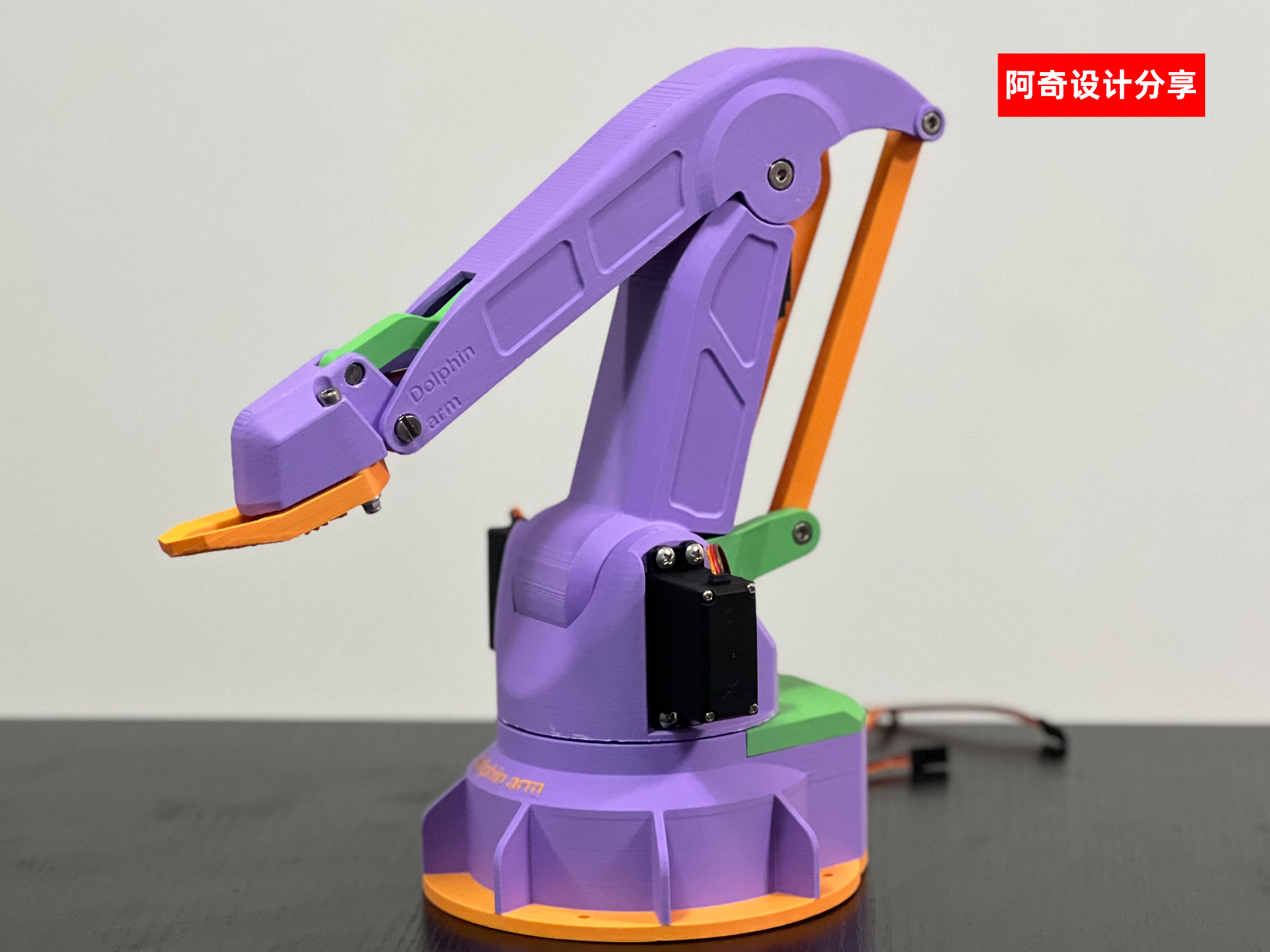
This ingenious device enables you to deploy AI opponents in your game to strategically lower your ranking! However, it's crucial to understand that this device requires coordination with a robotic arm or a mechanism capable of manipulating the directional control pad! A stepper motor-controlled robotic arm would be ideal, of course. Furthermore, simply using electromagnets to tap the screen won't suffice; conductive rubber sleeves, a voice recognition module, and well-written programming are essential. The principle is quite straightforward: upon receiving a command, the voice recognition module outputs high and low voltage signals to the electromagnet, effectively acting as a switch—this module simply replaces a manual switch. To achieve one-button combos, using the example of Lian Po's 1213 combo, only requires one electromagnet tap, followed by a second tap after a 200-millisecond delay, then a third tap on the first electromagnet after another 200-millisecond delay, finally culminating in a fourth tap on the third electromagnet after a final 200-millisecond delay. It's important to note that the electromagnets shown in the video are 12V, while the voice recognition module outputs 5V, necessitating the use of a four-channel relay module to control the 12V electromagnets. This is, of course, a simplified design, and I eagerly anticipate your refinements and innovative improvements. For any inquiries, please feel free to share your valuable suggestions in the comments section!
(Robotic arm sourced from: Achi Design Share)
Materials List: Five 8mm passive conductive silicone sleeves, four M3*12 socket head cap screws, two M4*8 socket head cap screws, four 12V push-pull type 5mm stroke DC electromagnets, one CI-03T voice recognition module, one four-channel 5V relay module, several DuPont wires, a 12V to 5V step-down module, a 12V adjustable power supply, one 60mm long M3 socket head cap screw, eight M3 nuts, and a 5V speaker for the voice recognition module
This remix is based on
License



Comment & Rating (1)